
Raghwat Al Janoub Maintenance and Cleaning
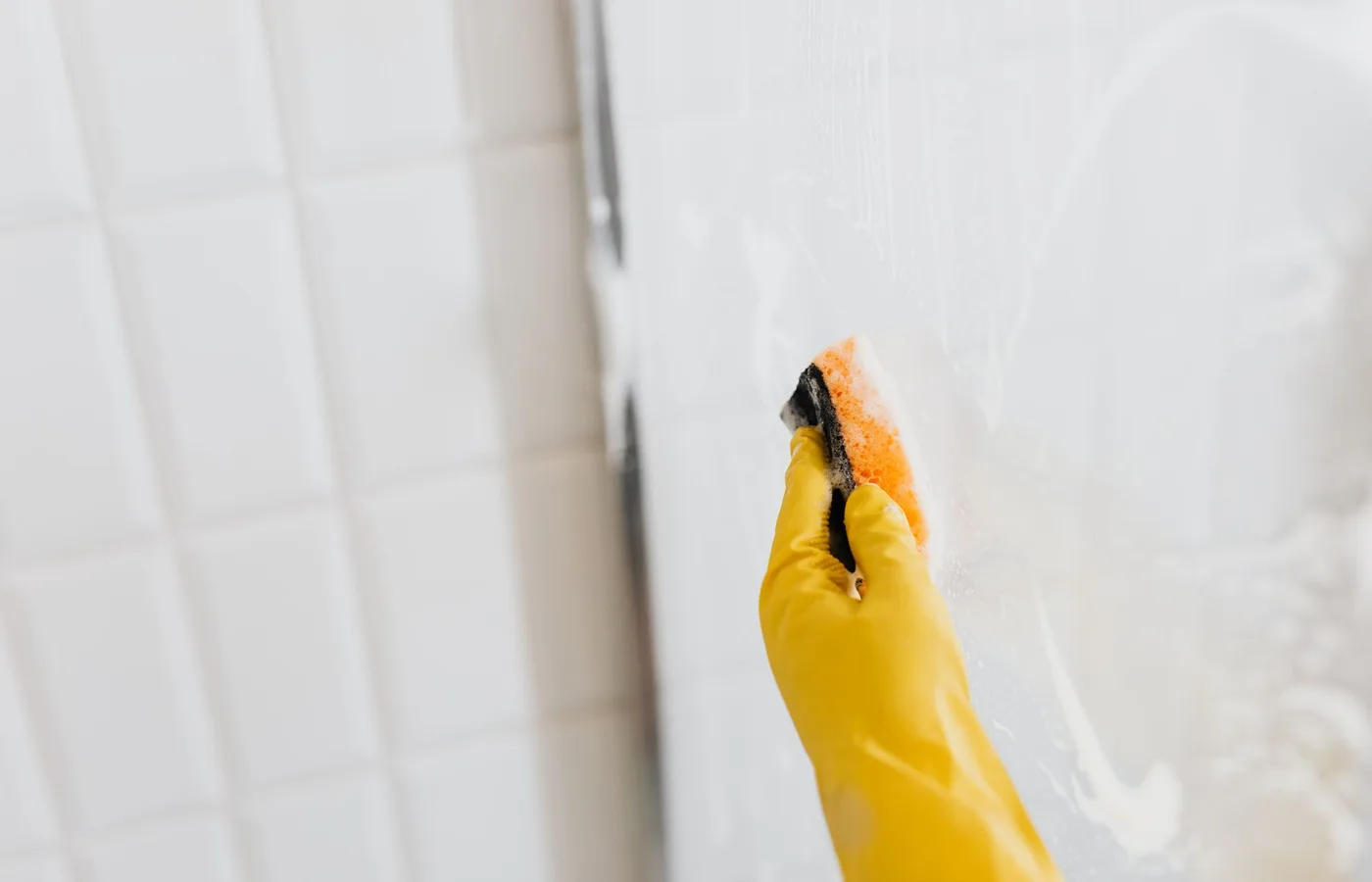
Bathroom cleaning in Namar, Riyadh
Namar is a long district in west Riyadh running alongside Wadi Namar with mixed ground-floor retail and residential units stacked above. Position along the wadi raises groundwater humidity and seasonal moisture levels, while westerly winds carry pale limestone dust off the nearby Tuwaiq escarpment. This blend of persistent damp and gritty limestone dust creates unique bathroom cleaning challenges.
Why a bathroom needs a deep clean
-
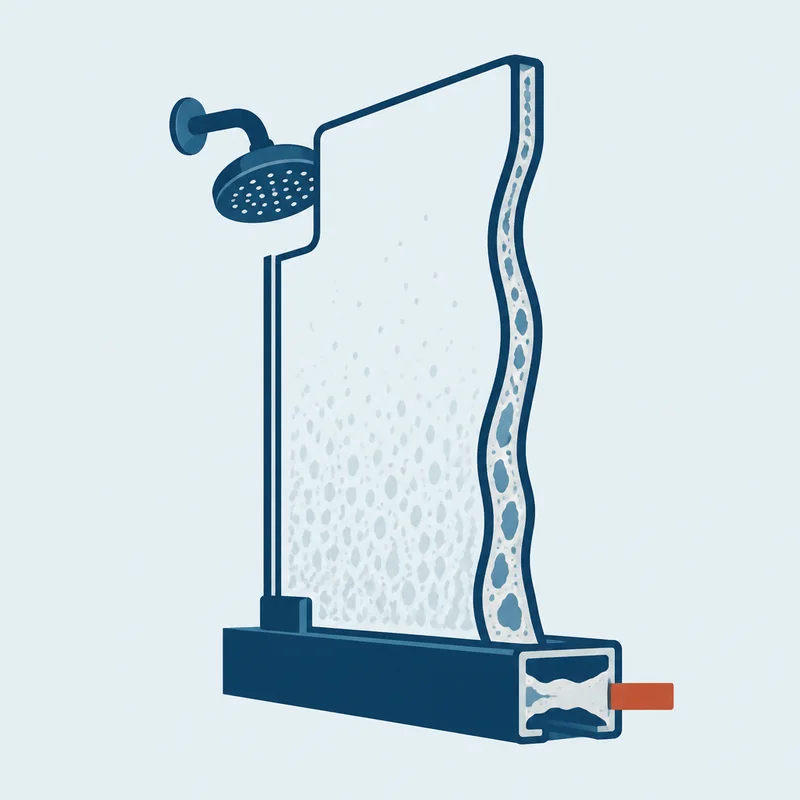
Before scale etches the glass
Limescale on shower glass starts as a layer you can remove, but left too long it etches the glass and the mark becomes permanent.
-
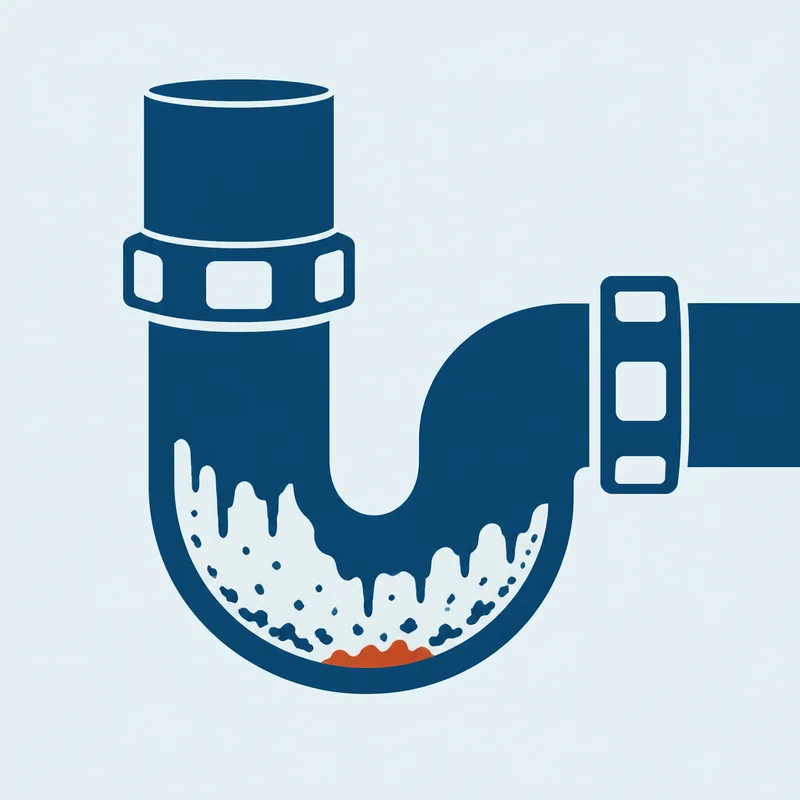
Odour that stays gone
Bathroom smell usually comes from the grout and the drain, not the air.
-
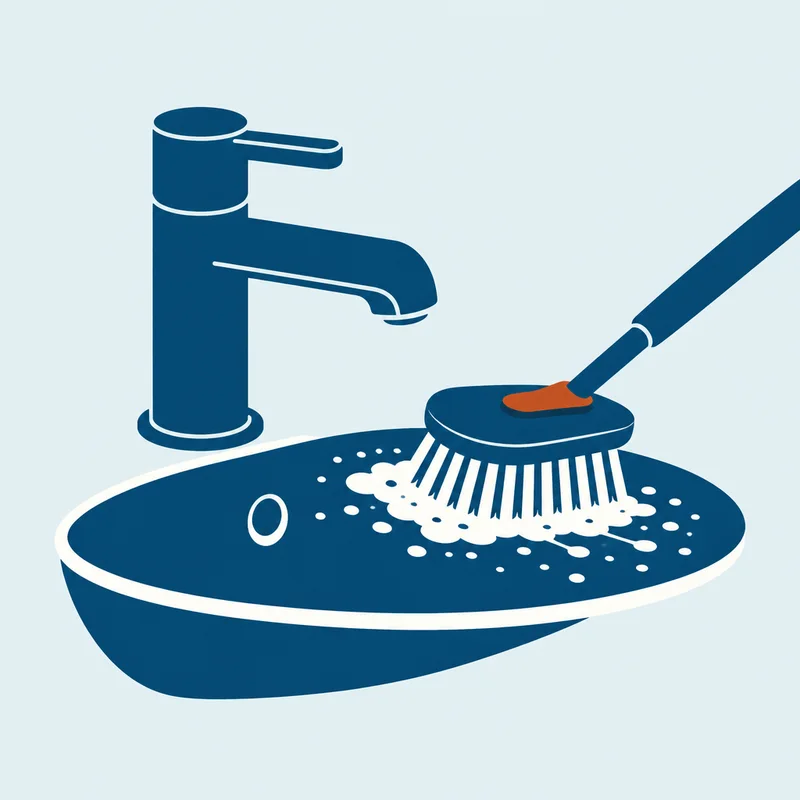
A bathroom fit for guests
The bathroom is the first thing a guest inspects, and a scale spot on the mirror or a dark grout line is noticed at once.
-
Disinfection where hands go
Handles, taps and the bidet spray are surfaces everyone touches every day, and a wipe alone does not disinfect them.
Why the job is different in Namar
Walls and foundations in Namar retain permanent groundwater moisture from the wadi and subsurface aquifer, and limestone dust settles rapidly on every water-exposed surface. The whole method is set out in the bathroom cleaning overview.
-
Groundwater humidity from the wadi multiplies bathroom pressure
Namar sits along Wadi Namar adjacent to Namar Dam Lake. This geography raises groundwater humidity and seasonal moisture throughout the buildings. Walls and foundations hold permanent damp; the bathroom traps it. The result is chronically high humidity and mould that returns with speed.
-
Pale limestone dust from Tuwaiq plateau penetrates every bathroom
Westerly winds carry pale limestone grit off the nearby Tuwaiq escarpment. This dust settles in courtyards, on window ledges and outdoor furniture, and enters bathrooms through windows and ventilation. Mixed with hard water on glass and taps, it forms a stubborn layer that simple wiping will not budge.
-
Moisture and limestone dust together accelerate surface damage
Limescale and limestone dust together exert heavy pressure on glass and tap finishes. Persistent moisture means this composite layer deposits fast and etches the surface. Within weeks the buildup cannot be polished off; only professional deep cleaning reaches it.
What's Included
Wadi Namar, Namar Dam Lake and the surrounding gardens create an attractive setting but elevate groundwater humidity and seasonal moisture. Pale limestone dust from the Tuwaiq plateau settles in courtyards and on window ledges, and finds its way into bathrooms.
-
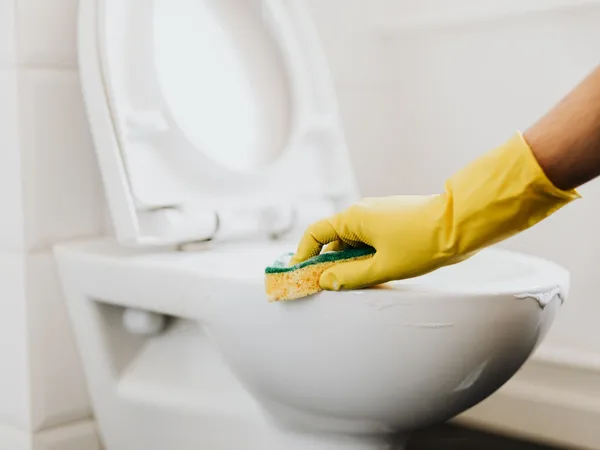
Limescale removed
Limescale deposits fast on glass and taps because elevated groundwater humidity combined with Tuwaiq plateau dust accelerates mineral precipitation continuously.
-
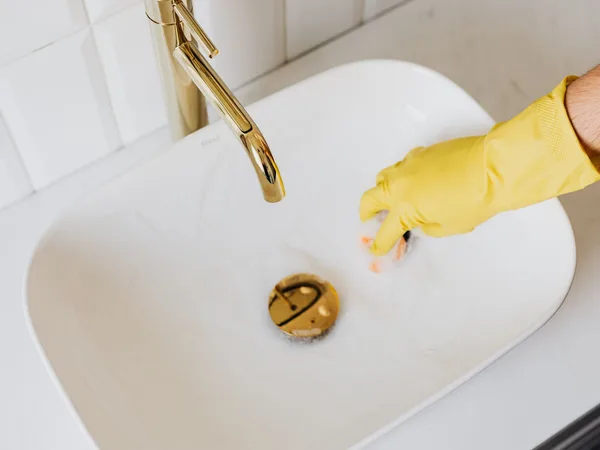
Tile and grout scrubbed
Tiles and grout blacken rapidly because persistent groundwater moisture and limestone dust together feed aggressive mould colonisation.
-
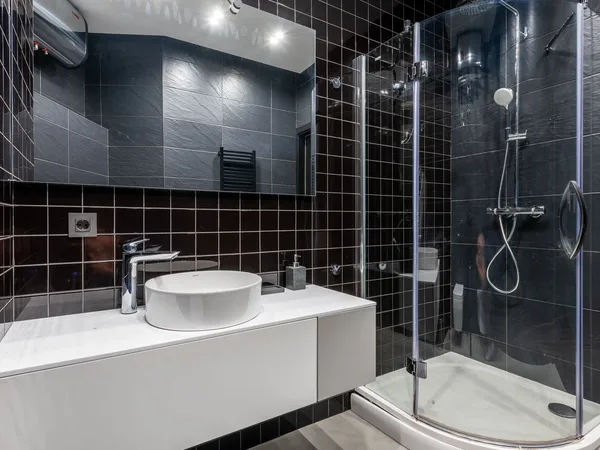
Fittings, taps and mirrors
Taps, mirrors and fittings face a double assault from scale combined with abrasive limestone dust; this combination damages surfaces faster than limescale alone.
-
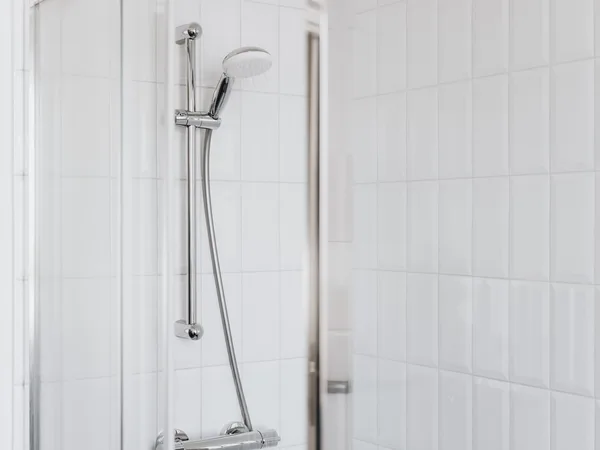
Shower glass, hard-water film
Shower glass clouds from a composite layer of limescale and airborne limestone dust; this mixture is harder to dissolve and remove than scale by itself.
-
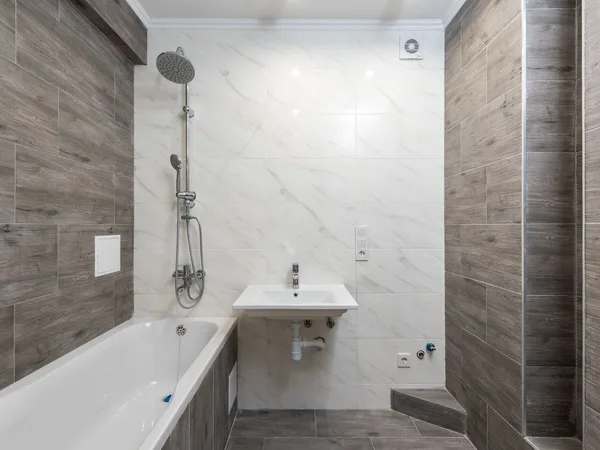
Drains cleared
Drainage may run sluggish because shared pipework accumulates scale aggressively under the high groundwater moisture pressure.
-
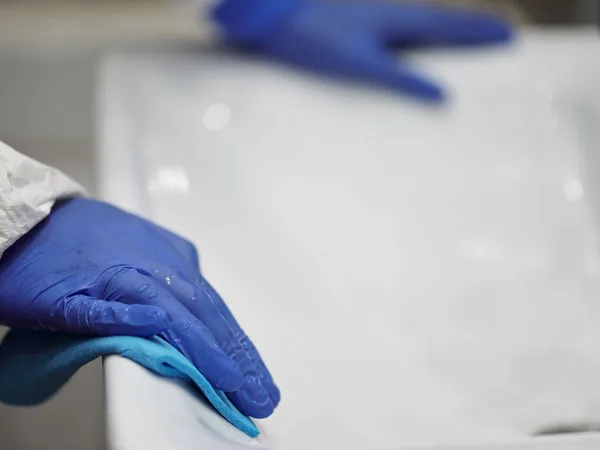
Contact surfaces disinfected
Disinfection is essential because persistent groundwater moisture supports rapid bacterial growth and odours return within days without active moisture control.
The character of Namar
Mixed district: shops at street level with homes above them
In Namar beside the wadi and near the Tuwaiq plateau, elevated groundwater humidity and pale limestone dust from westerly winds together create pressure unique to the area. This combination demands deeper cleaning and more frequent cycles than districts distant from wadis and elevated plateaux.
How we work
Agree the appointment
Survey and prepare
Clean top to bottom
Review and hand over
Some of our work
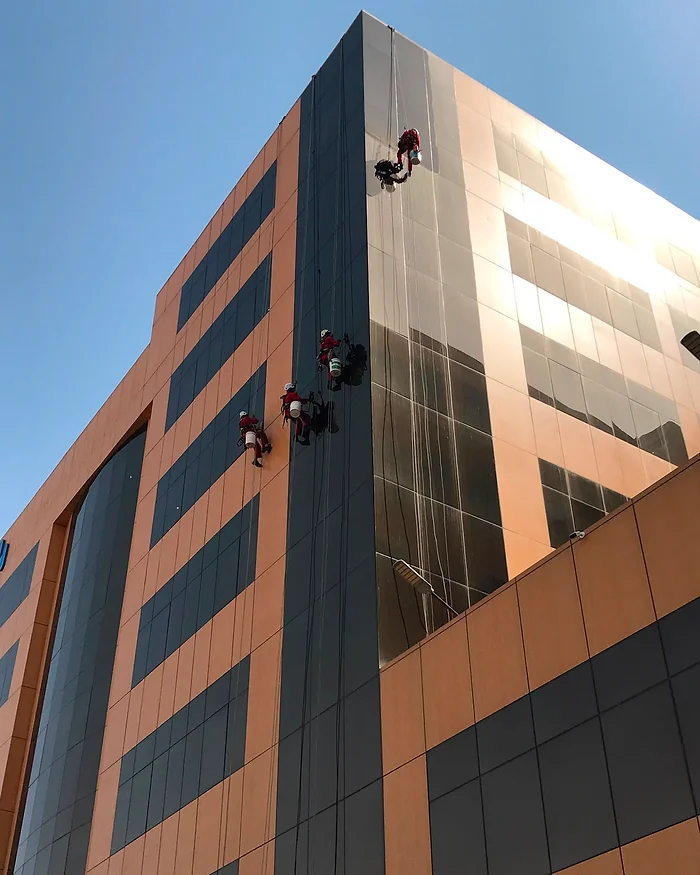
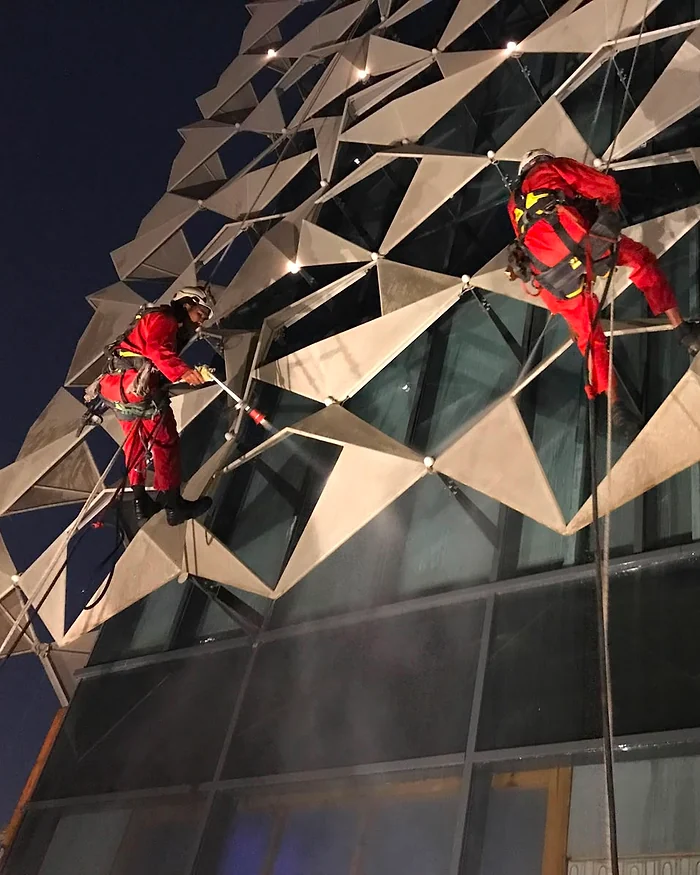
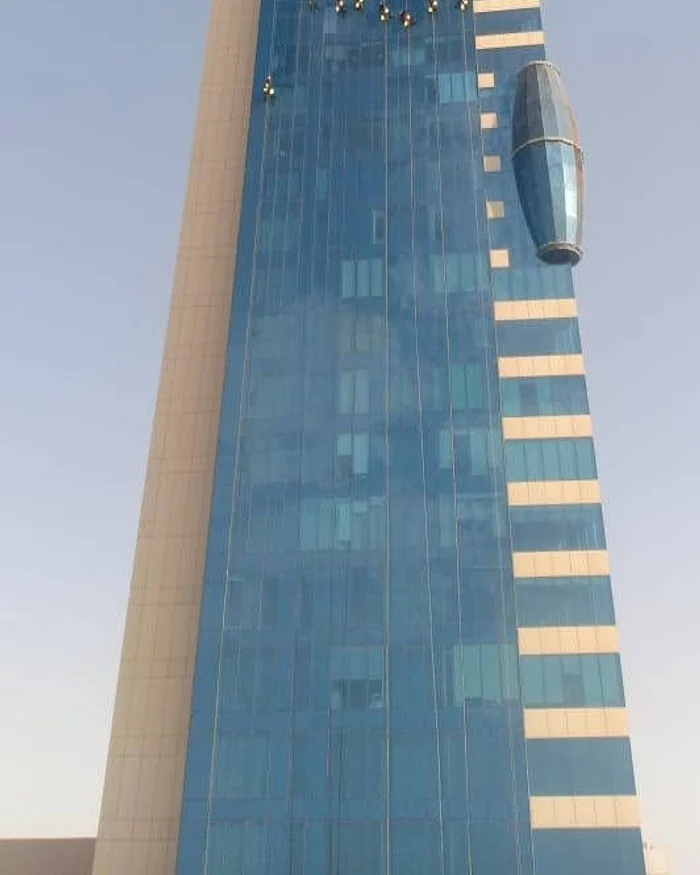
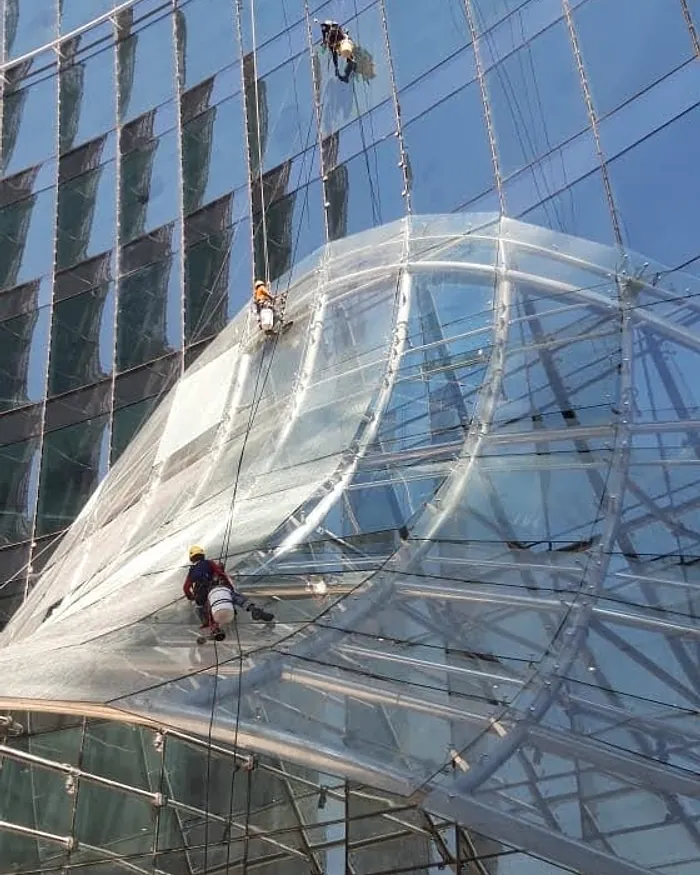
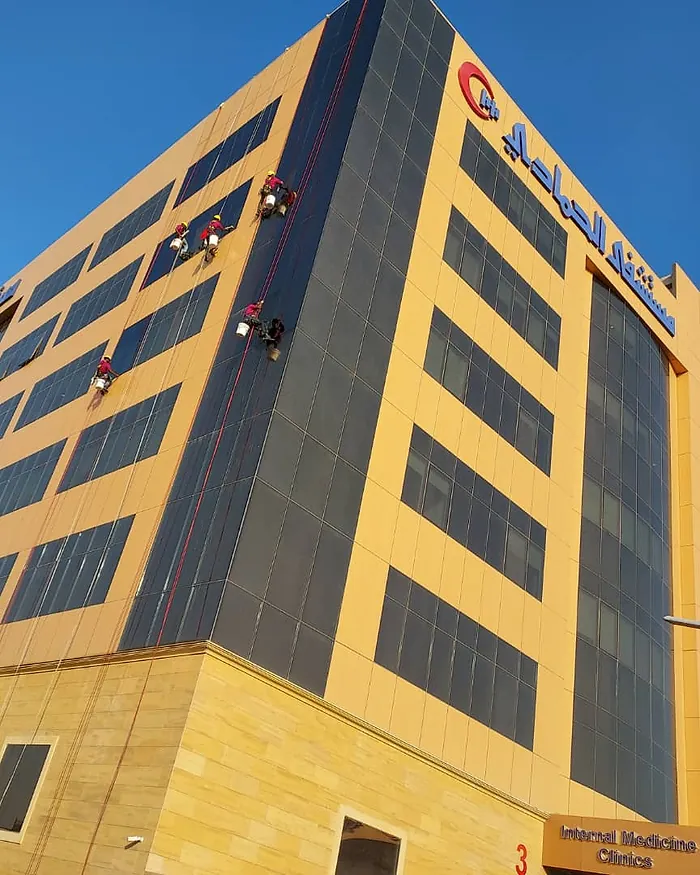
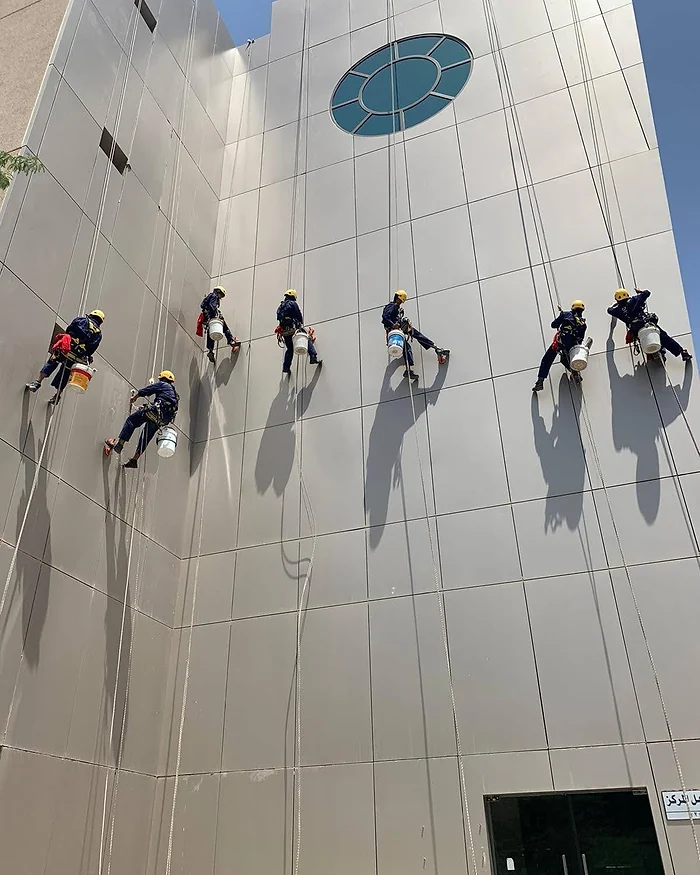
Photos from our team's work.
What is different about West Riyadh
West Riyadh sits against the Tuwaiq escarpment, with Wadi Hanifah and Wadi Laban cutting through it. Irqah, Dhahrat Laban, Tuwaiq, Al Uraija and Al Suwaidi are mainly villas and low apartment buildings on sloping ground, while the Diplomatic Quarter keeps its mature landscaping and stone facades, and Dirab and the wadi floor still hold farms and rest houses. Westerly winds bring a pale limestone dust off the plateau that settles in courtyards, on window ledges and on outdoor furniture, and the farms and unpaved edges add soil and pollen through much of the year.
Other services in Namar
The room and the building around it are on one list.
-
House cleaning
-
Disinfection and sanitisation
-
Deep cleaning
-
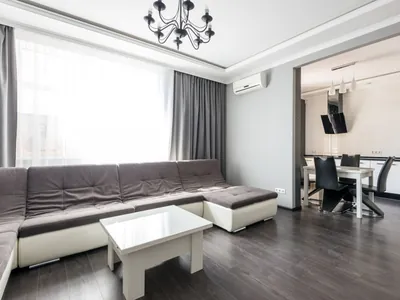
Apartment cleaning
-
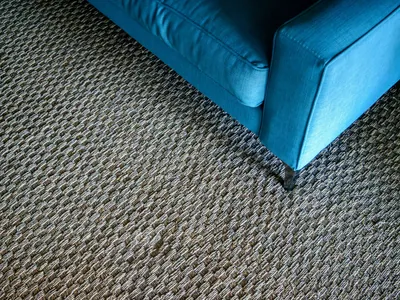
Sofa cleaning
-
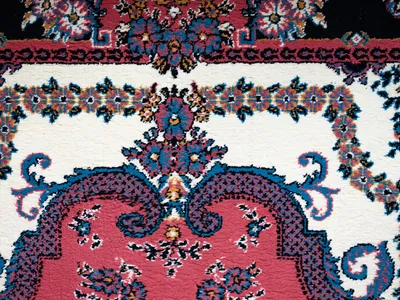
Carpet and rug cleaning
-

Mattress cleaning
-

Curtain cleaning
-
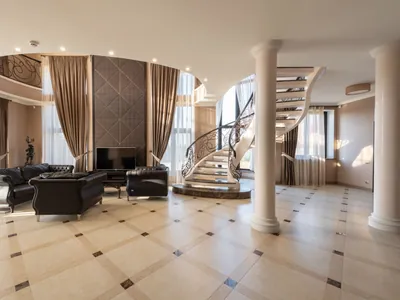
Villa cleaning
-
Majlis and rest-house cleaning
-
Chalet cleaning
-
Yacht cleaning
-
Kitchen cleaning
-
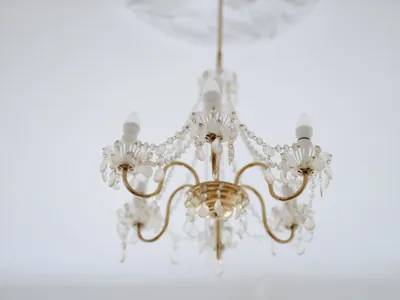
Chandelier cleaning
-
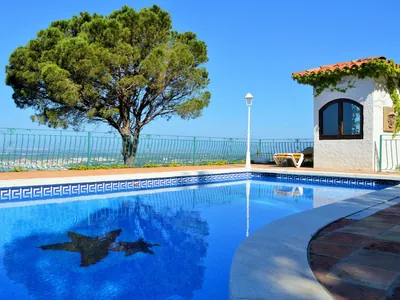
Swimming pool cleaning
-
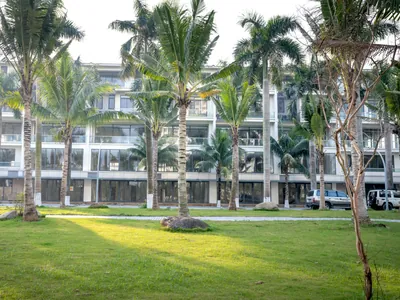
Garden clearance
-
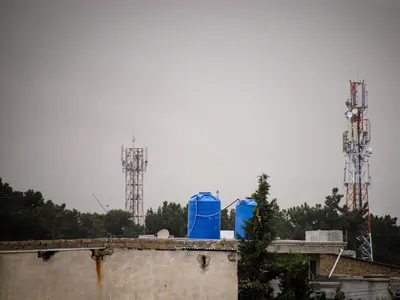
Water tank cleaning and disinfection
-
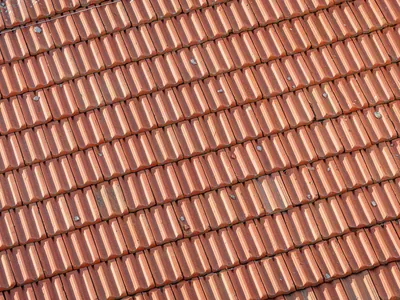
Water tank waterproofing
-

Move-in and move-out cleaning
-
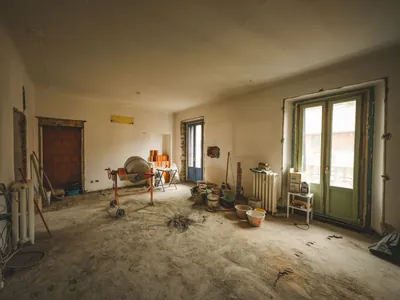
Post-construction cleaning
-
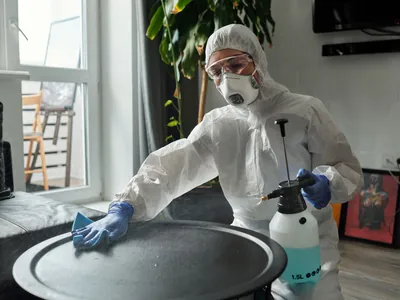
Pest control
-
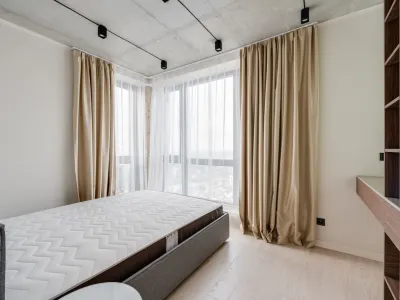
Bed bug control
-

Office cleaning
-

Restaurant cleaning
-
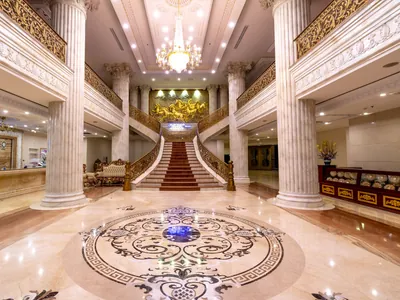
Hotel and resort cleaning
-
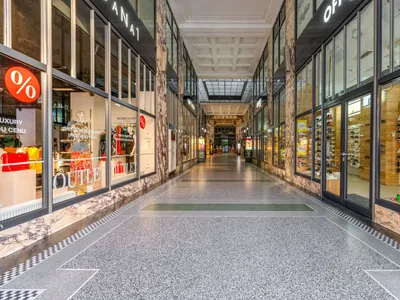
Shopping mall cleaning
-

Retail shop cleaning
-

School cleaning
-

Nursery and kindergarten cleaning
-
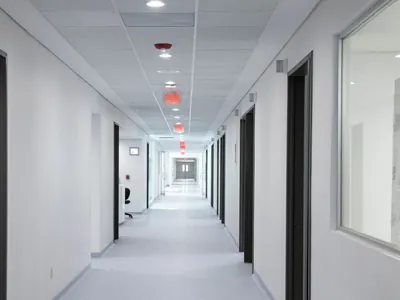
Hospital cleaning
-
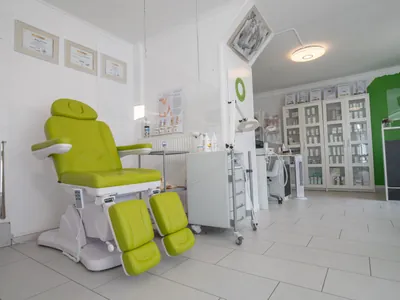
Clinic and medical centre cleaning
-
Mosque cleaning
-
Government facility cleaning
-

Gym cleaning
-
Sports field cleaning
-
Factory and warehouse cleaning
-

Event cleaning
-
Commercial post-construction cleaning
-
Air duct and AC cleaning
-
Commercial pest control