

Our services
Grouped by where the work happens, so you can find your room or your building without reading a list.
-
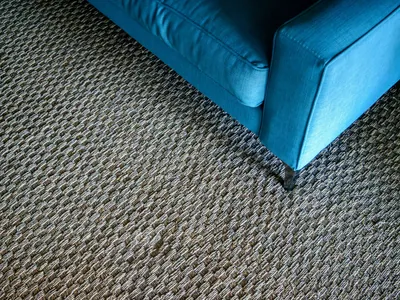
Sofa cleaning
-
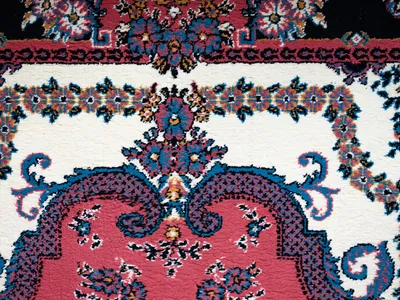
Carpet and rug cleaning
-
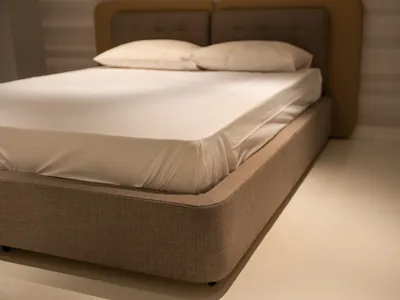
Mattress cleaning
-
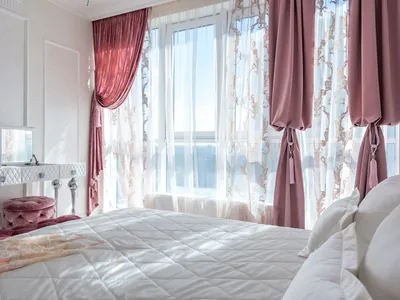
Curtain cleaning
-
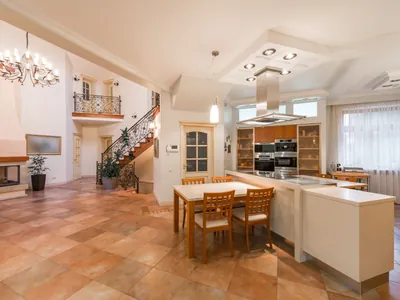
House cleaning
-
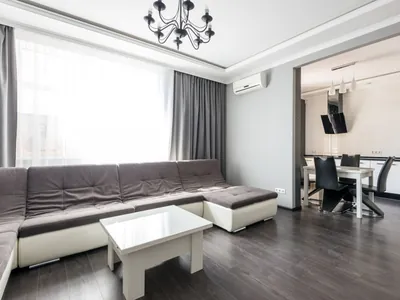
Apartment cleaning
-
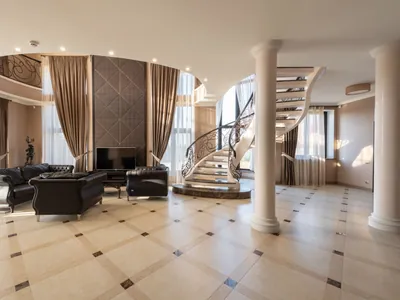
Villa cleaning
-
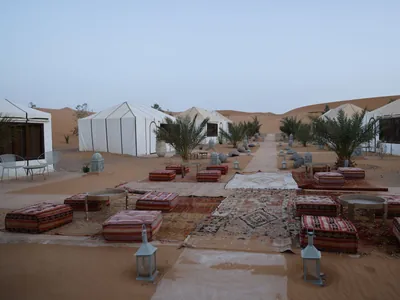
Majlis and rest-house cleaning
-
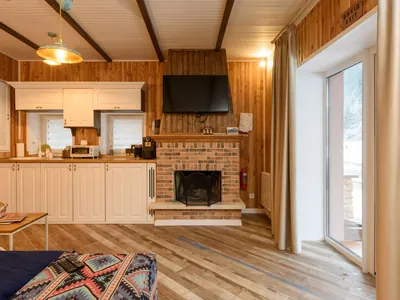
Chalet cleaning
-
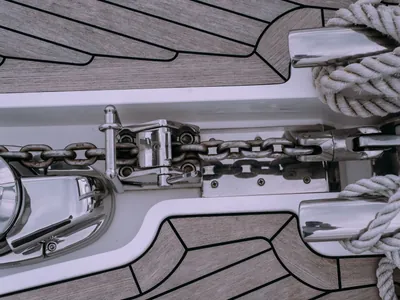
Yacht cleaning
-
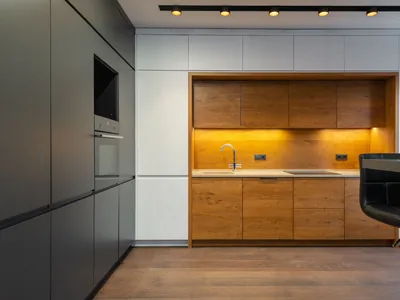
Kitchen cleaning
-
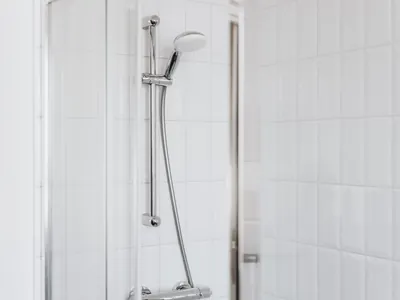
Bathroom cleaning
-
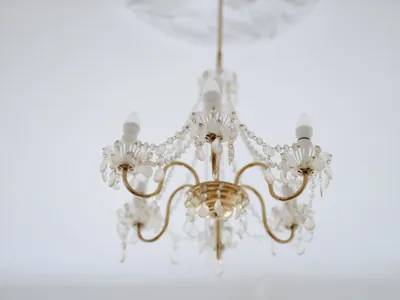
Chandelier cleaning
-
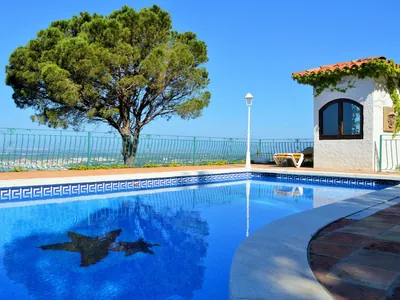
Swimming pool cleaning
-
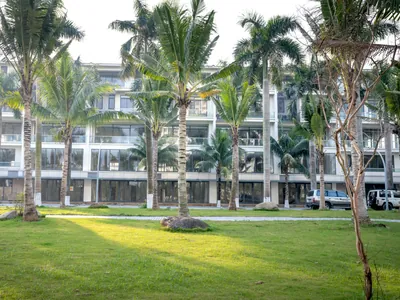
Garden clearance
-
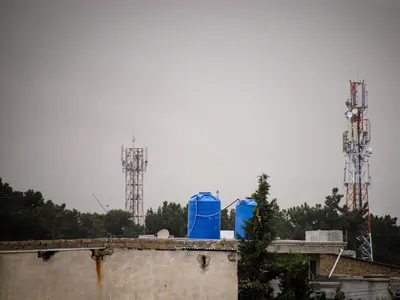
Water tank cleaning and disinfection
-
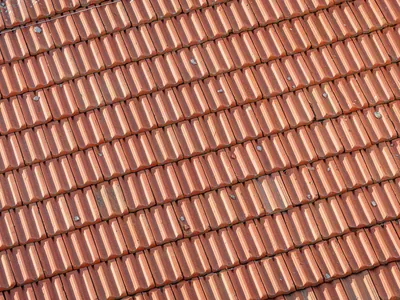
Water tank waterproofing
-
Deep cleaning
-
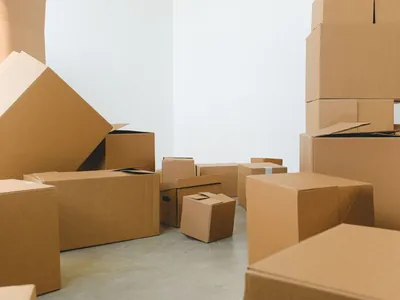
Move-in and move-out cleaning
-
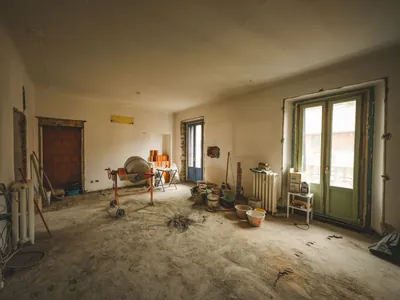
Post-construction cleaning
-
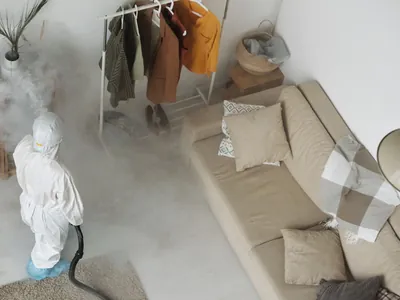
Disinfection and sanitisation
-
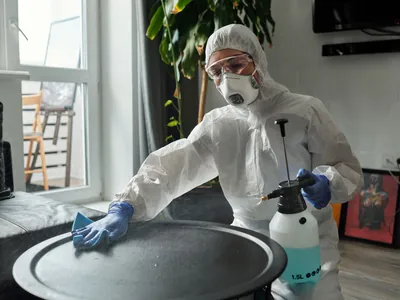
Pest control
-
Bed bug control
-
Office cleaning
-
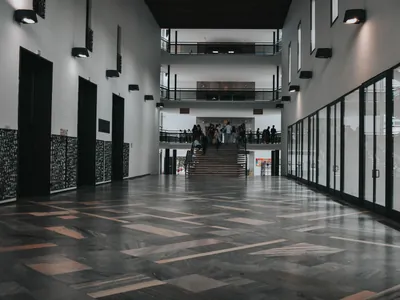
Government facility cleaning
-
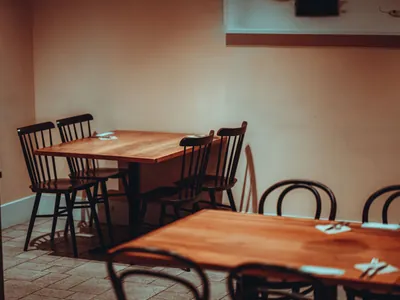
Restaurant cleaning
-
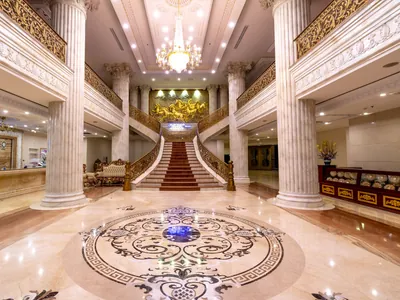
Hotel and resort cleaning
-
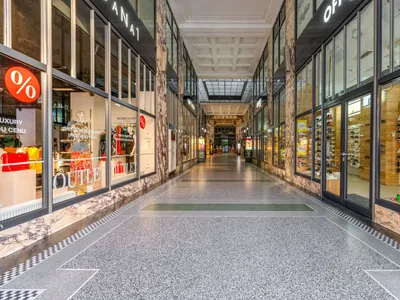
Shopping mall cleaning
-
Retail shop cleaning
-
School cleaning
-

Nursery and kindergarten cleaning
-
Hospital cleaning
-
Clinic and medical centre cleaning
-
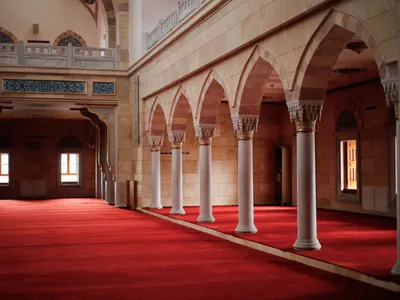
Mosque cleaning
-
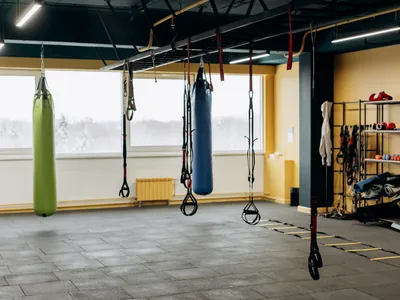
Gym cleaning
-
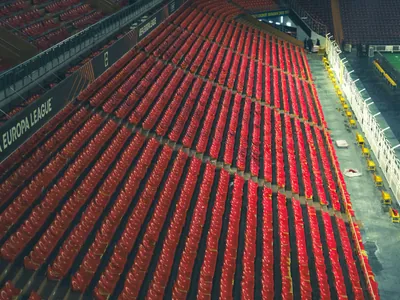
Sports field cleaning
-
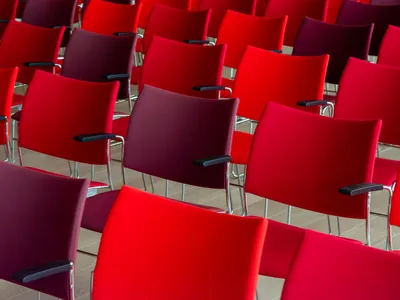
Event cleaning
-
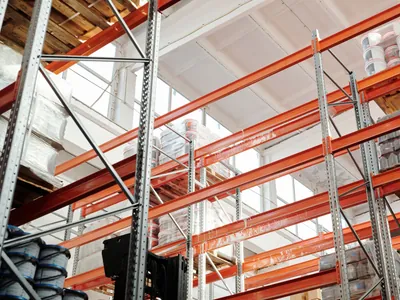
Factory and warehouse cleaning
-
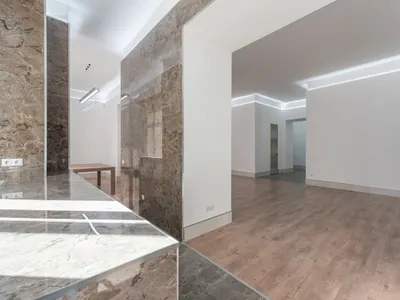
Commercial post-construction cleaning
-
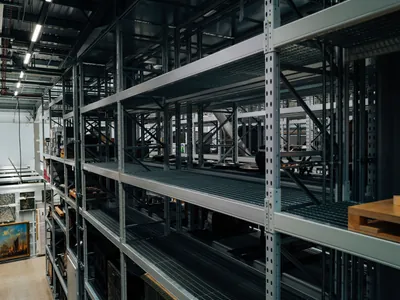
Commercial pest control
-
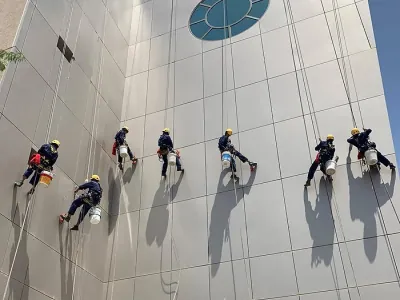
Building facade cleaning
-
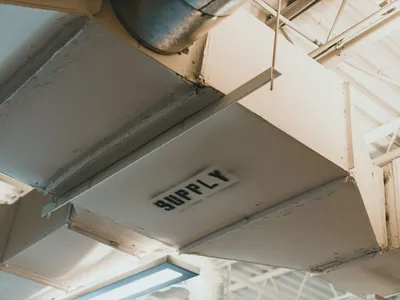
Air duct and AC cleaning
-
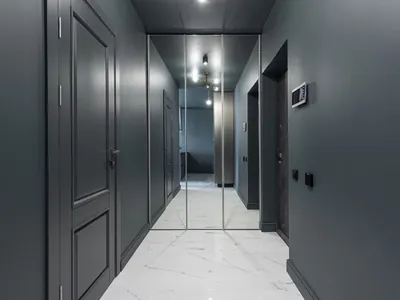
Marble grinding and crystallisation
One list, not one specialism
A sofa sits in a majlis, the majlis is in a villa, and the villa has a tank on the roof. All three are on the same list.
-
The room and the building
One contractor for the sofa, the ducts and the roof tank.
-
The same list everywhere
Villa, clinic, warehouse or mosque. The size changes, not who you call.
-
One item or the whole place
Ask for one sofa. Or ask for the whole building.
-
Describe the place, not the service
A photo on WhatsApp is enough. We will name the service.
The one job we can show you
Facade cleaning is one line on the list and the only line we have photographed. Every photograph here is our own crew on a real building. Nothing else on this page pretends to be a photograph.
-
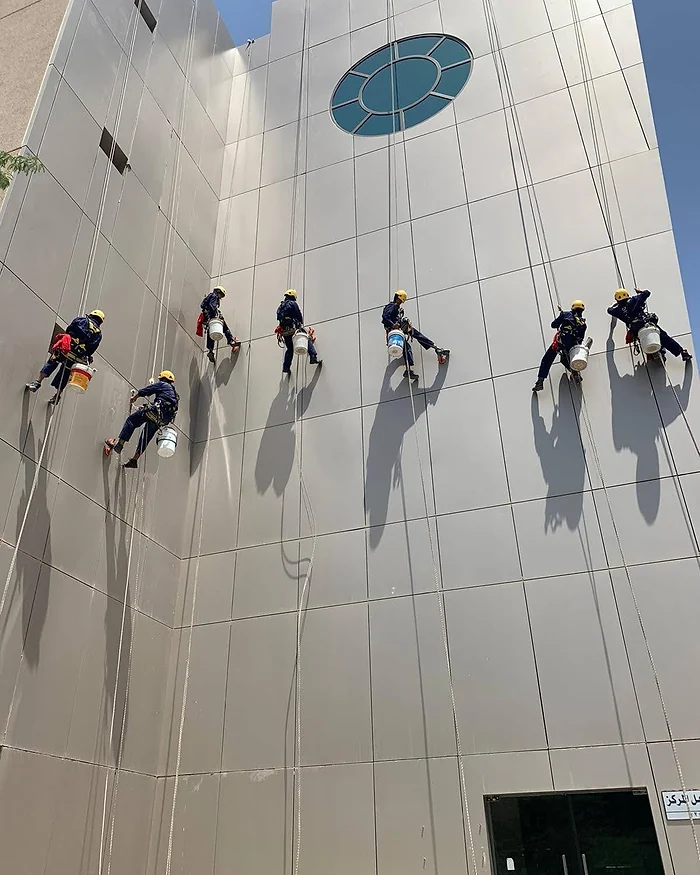
Rope access, aluminium composite cladding -
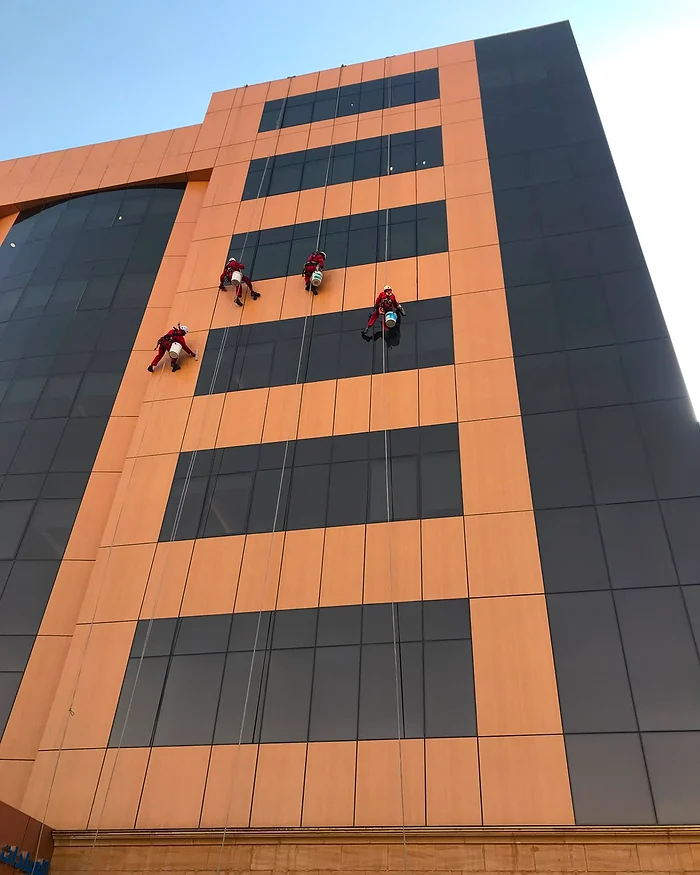
Rope access, painted cladding panels -
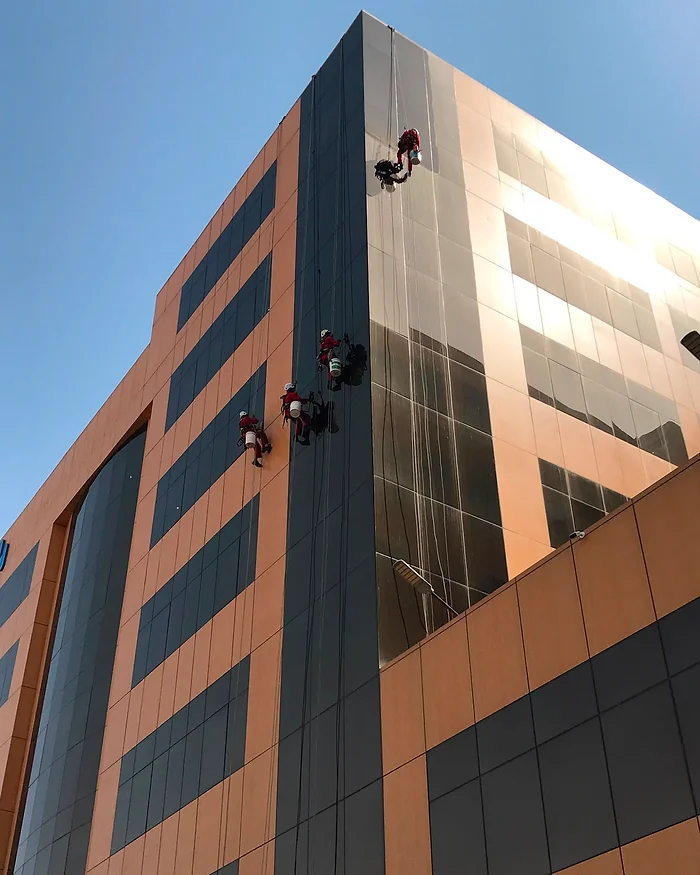
Cleaned panels beside panels not yet done -
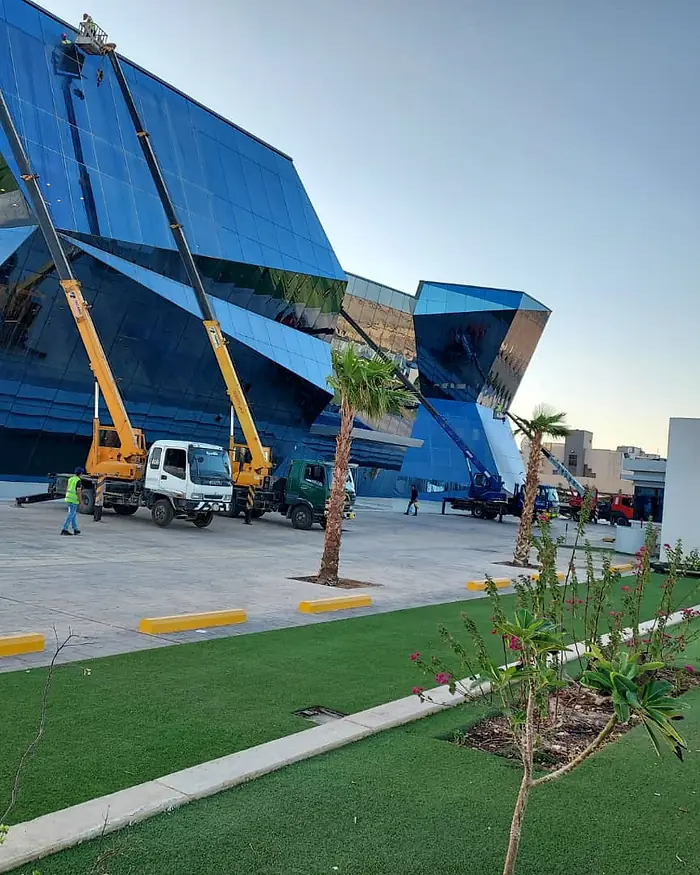
Truck-mounted boom lift, glass elevation -
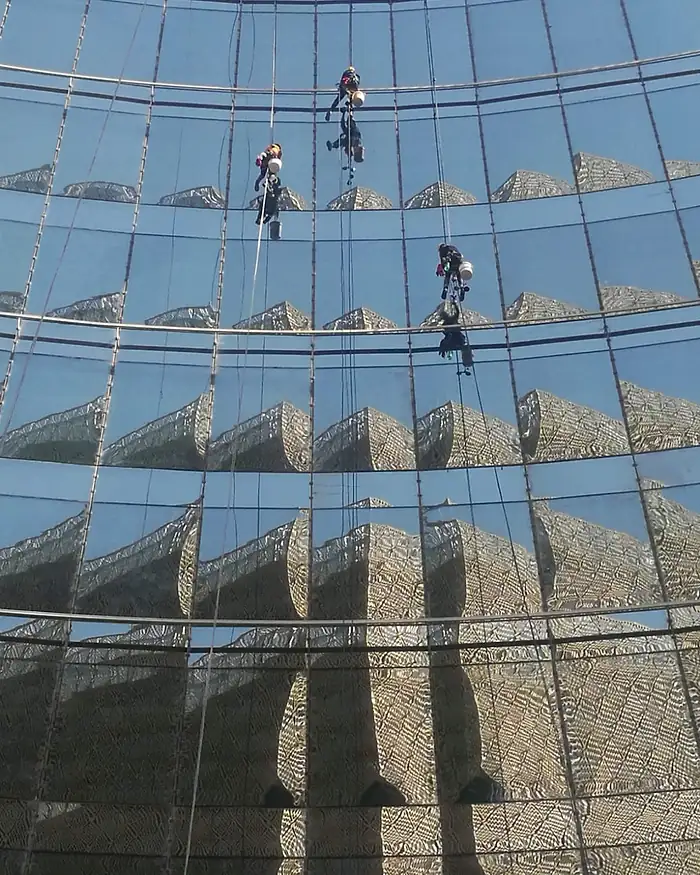
Rope access, curved curtain wall -
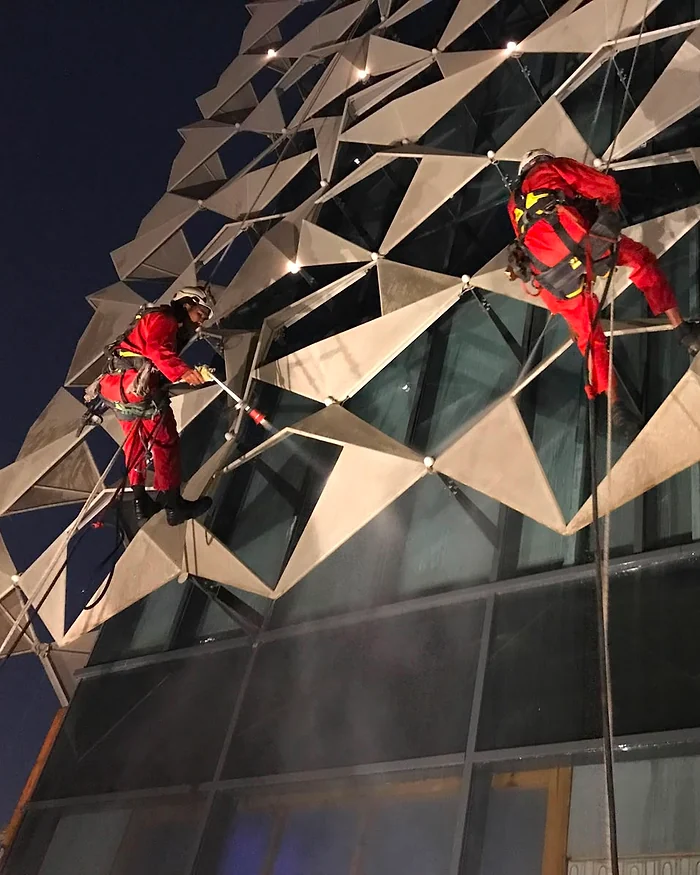
Night work, pressure lance on a metal facade
How it starts
Tell us the place. The rest is a conversation.
Describe the place
The address, what the building is, and what needs cleaning. A photo on WhatsApp is enough.
We look before we price
A visit, or your photographs, whichever is quicker for you.
The scope and date in writing
What is included and when we can do it, before anything is booked.
Before you call
The questions that arrive before the first job.