
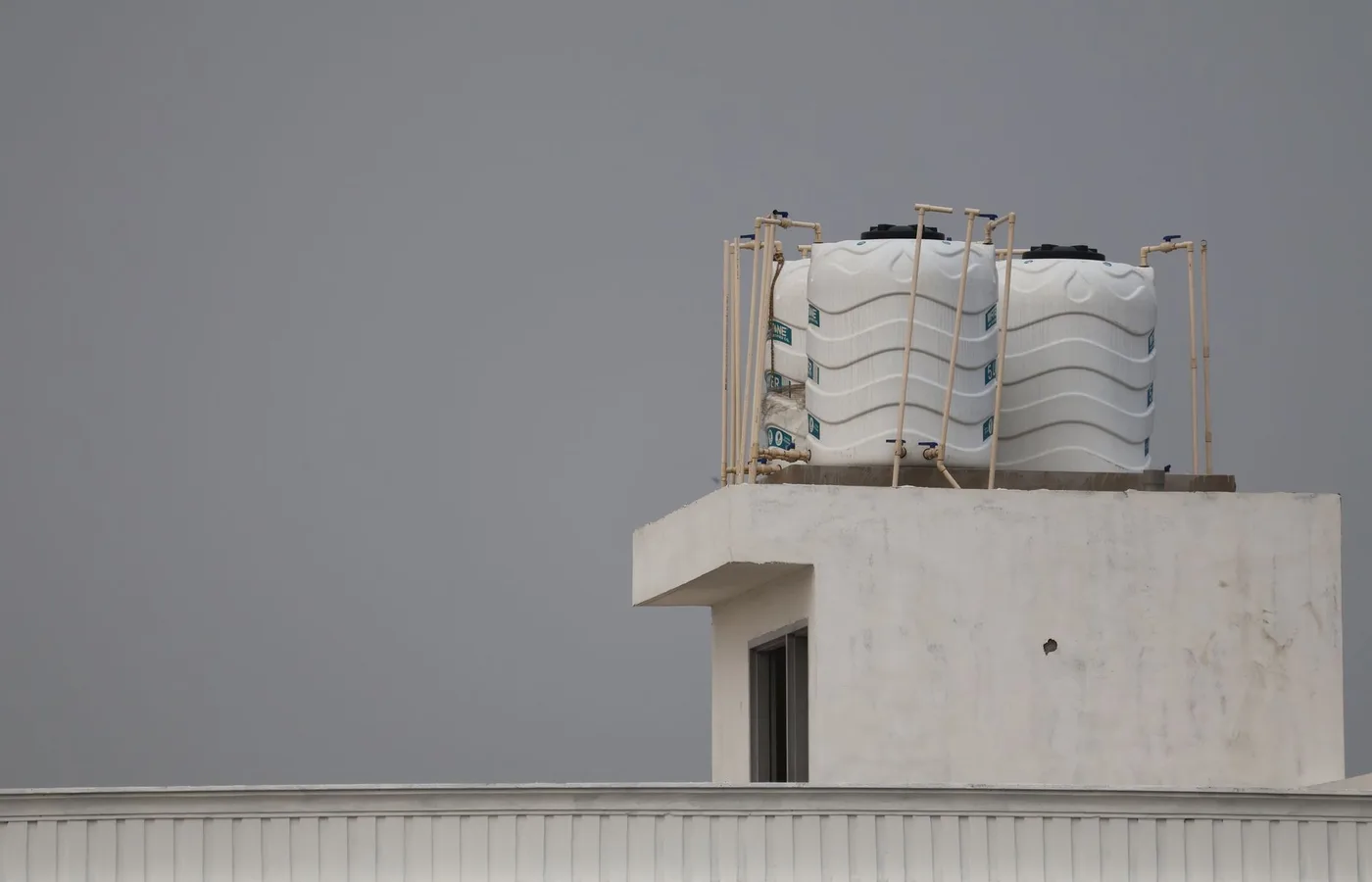
Why a tank needs regular cleaning
A sealed tank looks clean from outside, but mineral sediment builds on the floor and the walls develop a film where bacteria grow. Riyadh's fine dust enters with every refill and settles at the bottom. Without draining, scrubbing and disinfecting with enough contact time, all of it stays in the water your family drinks, showing up as an odd taste or cloudy water.
-
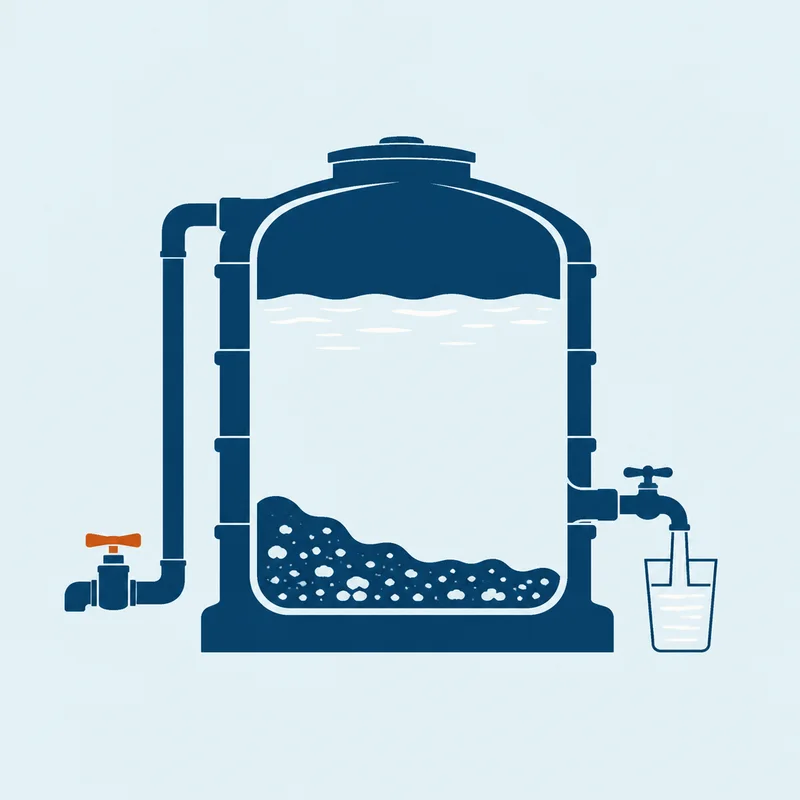
Safe water to drink and cook with
Every glass your family drinks has passed through the tank, so any sediment or bacteria in it reaches the tap directly. Cleaning and disinfecting the tank cuts off that source before it reaches anyone.
-
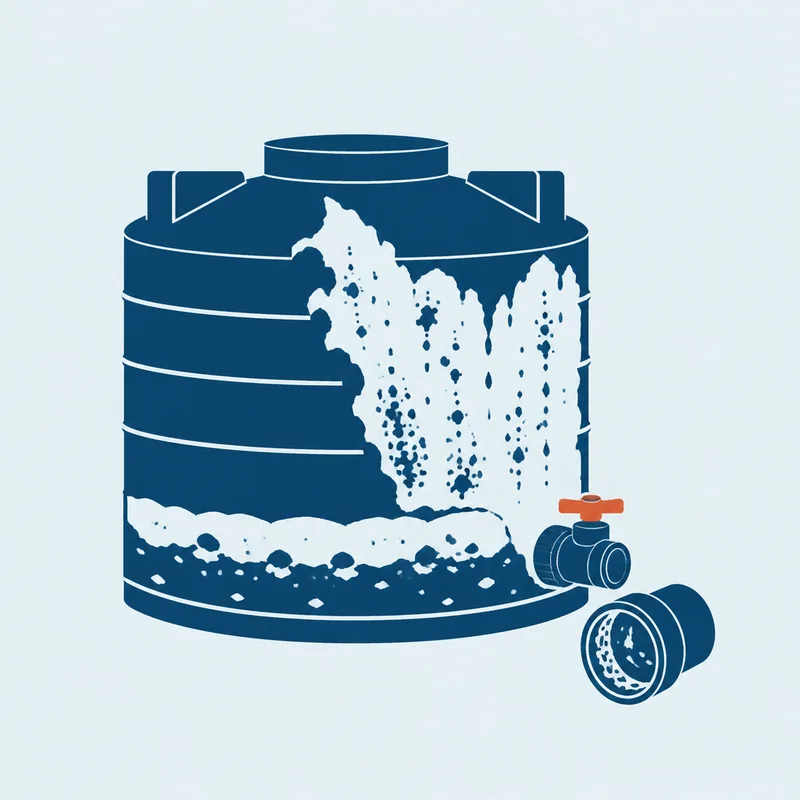
Scheduled, not reactive
A roof water tank is one of the two things in a Saudi building that most reward a clean booked in advance rather than one prompted by a problem. Setting a fixed interval stops sediment building from the start.
-
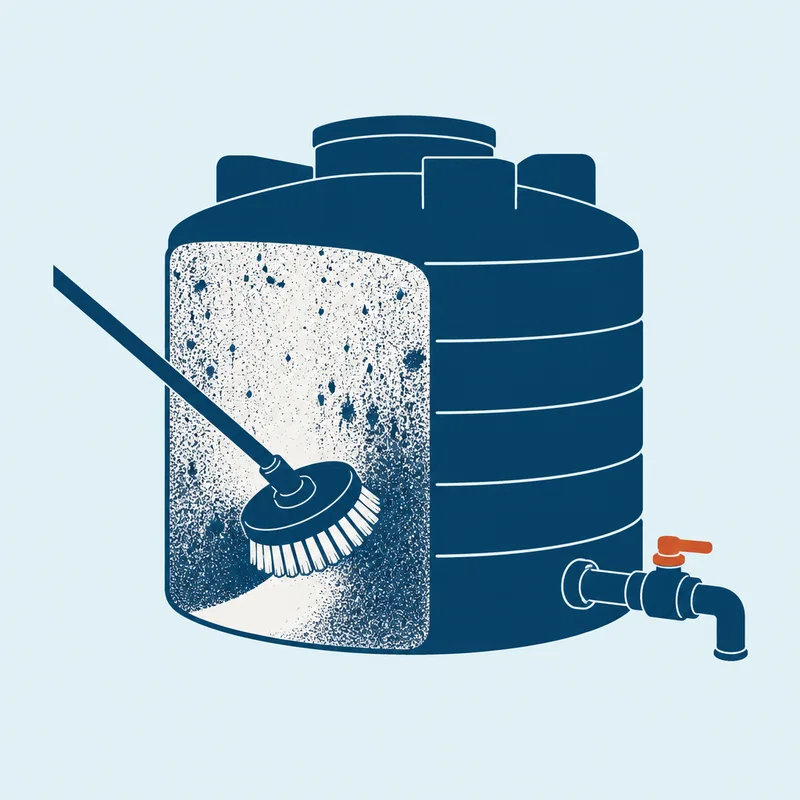
Riyadh dust never stops
Dust here is fine, mineral and constant, and it settles into a tank far faster than it would in a coastal city. That is why a tank in central Saudi Arabia needs cleaning more often than most owners expect.
-
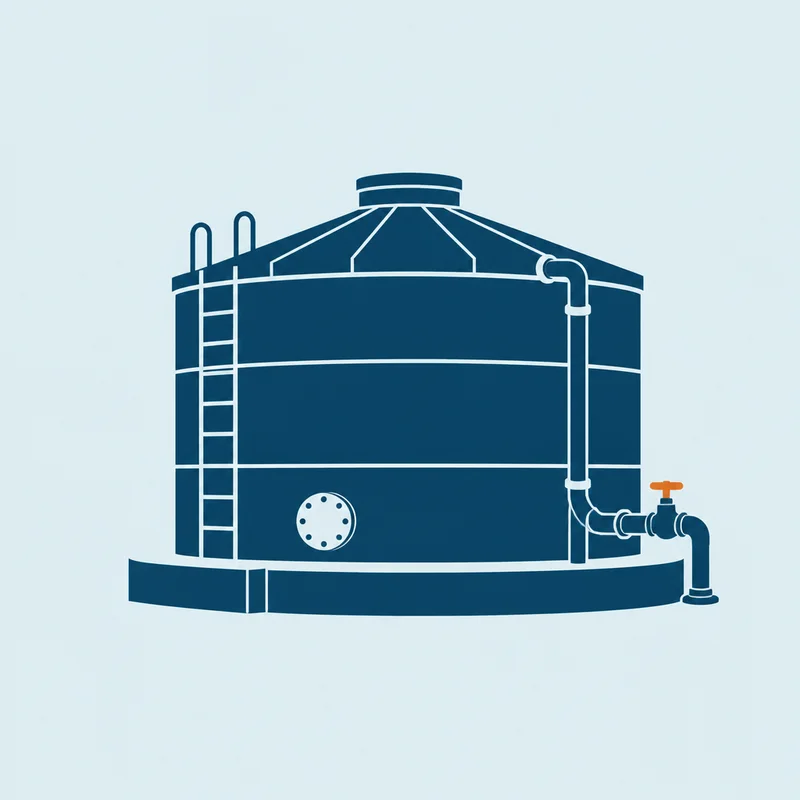
Contact time we hold to
Disinfectant does not work the moment it is applied; it has a set contact time before rinsing, and that is what actually kills bacteria. We do not rush or trim that step to save time on site.
What's Included
Every tank goes through the same steps, from draining through to refilling, with none of them skipped.
-
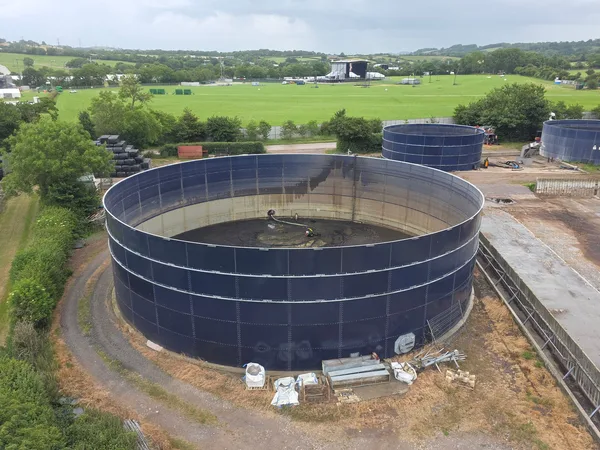
The tank drained completely
We open the drain and empty the tank of every last litre until it is completely dry, because any water left behind dilutes the disinfectant and weakens its effect.
-
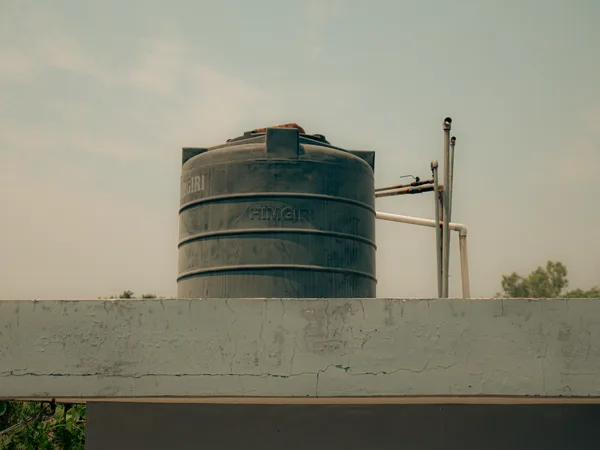
Sediment removed from the floor
We collect the silt, sand and mineral deposits gathered on the floor and lift them out completely, since they are the first source of cloudiness and smell if left.
-
Walls and ceiling scrubbed
We scrub the walls and ceiling by hand to lift the film and stuck-on deposits that rinsing alone will not shift, until the surface is back to clean.
-
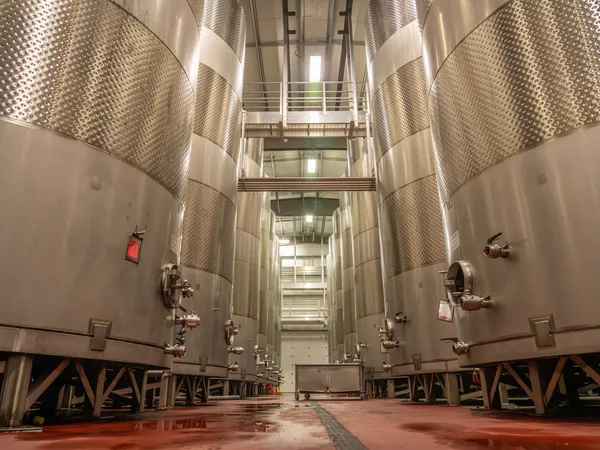
Disinfected with an approved product
We disinfect every surface inside the tank with an approved product that is safe for drinking water, killing bacteria and stopping algae from forming on the walls.
-
Full contact time before rinsing
We leave the disinfectant on the surface for its full specified time before rinsing, because that period is what makes disinfection work and cannot be shortened.
-
Rinsed and refilled
We rinse the tank thoroughly to clear any trace of the disinfectant, then refill it with clean water that is ready to use straight away.
Some of our work
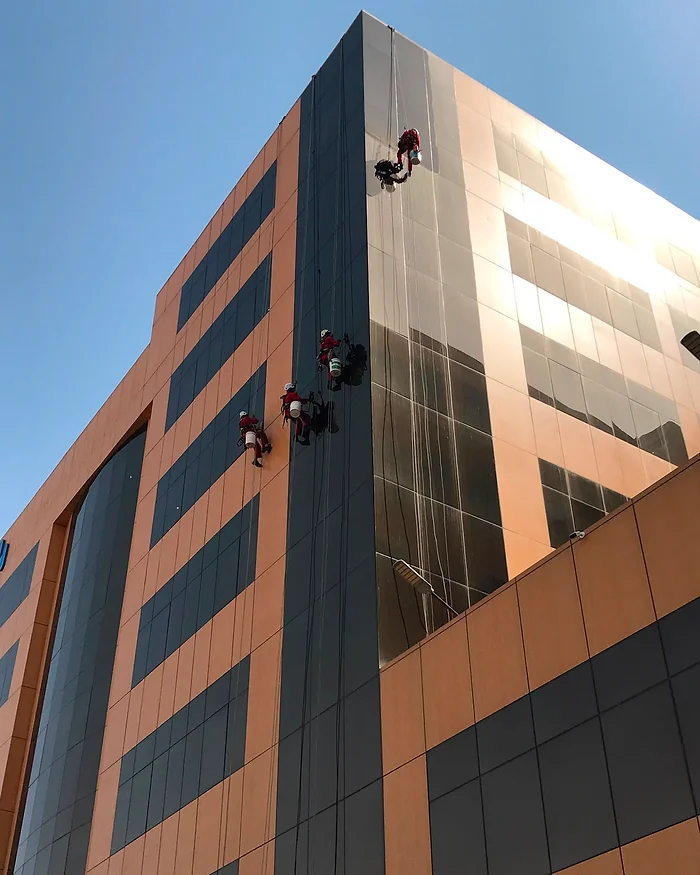
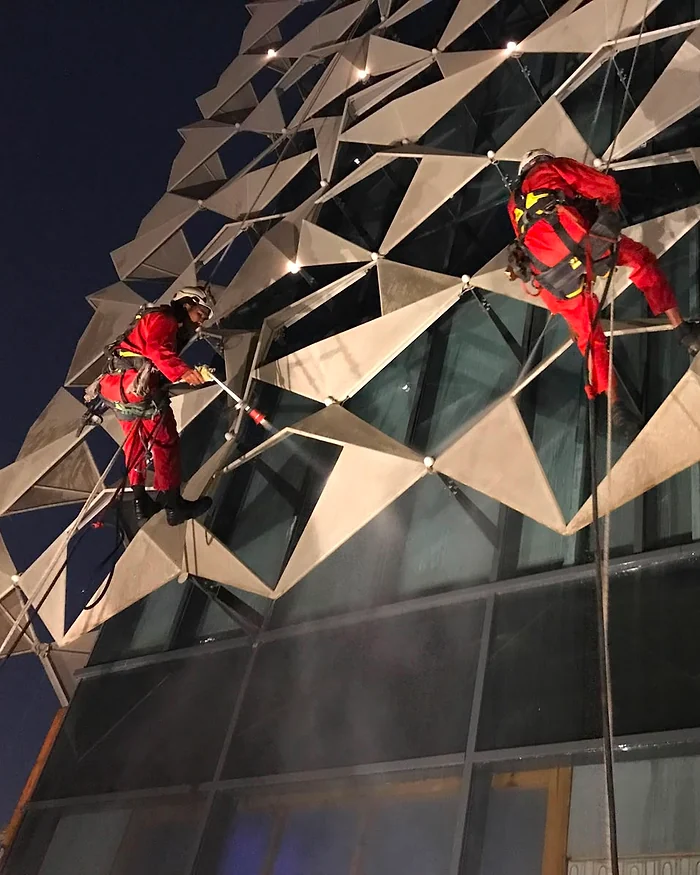
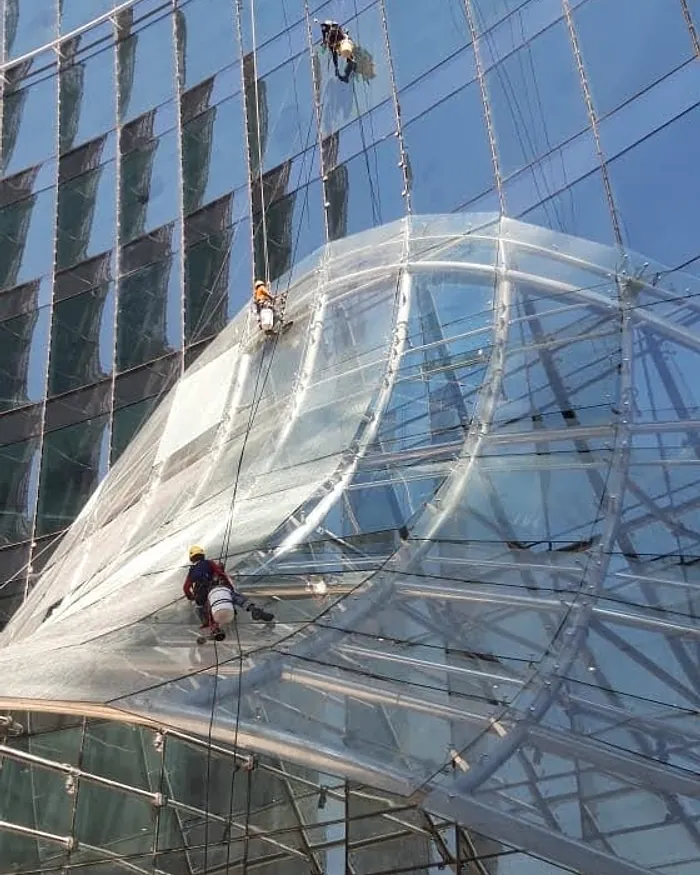
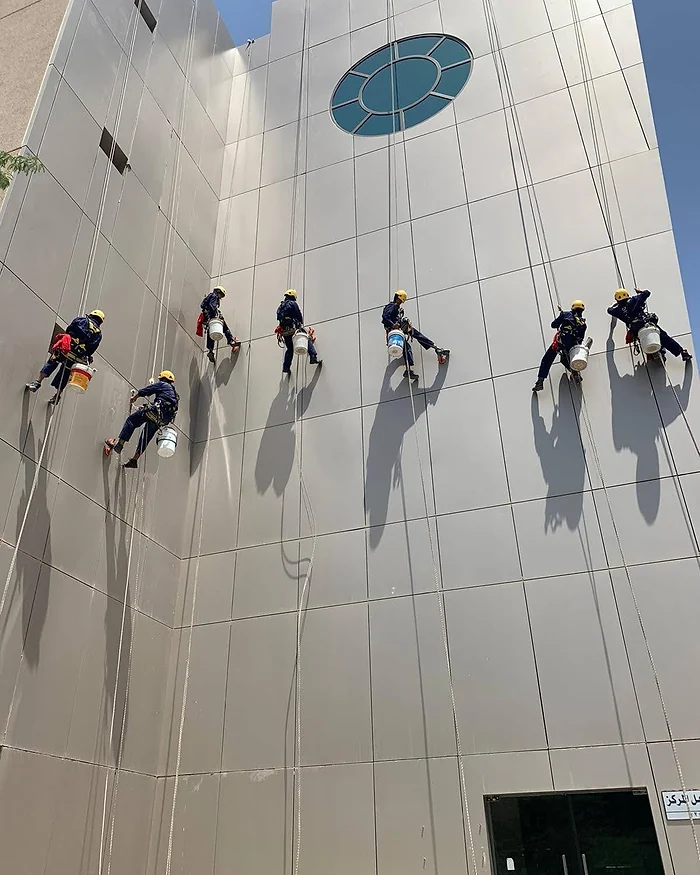
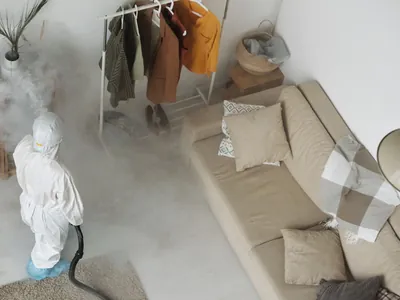
Photos from our team's work.


Related services
The room and the building around it are on one list.
Districts we cover
We reach the districts and cities we cover across the different regions of the Kingdom, serving villas, apartment blocks and offices in each. Choose your location from the list to open its page.