
On site

Raghwat Al Janoub Maintenance and Cleaning

Water tank waterproofing across Saudi Arabia

The work stops leaks at the source rather than patching a damp patch on the wall below.

Why a tank needs sealing, not patching

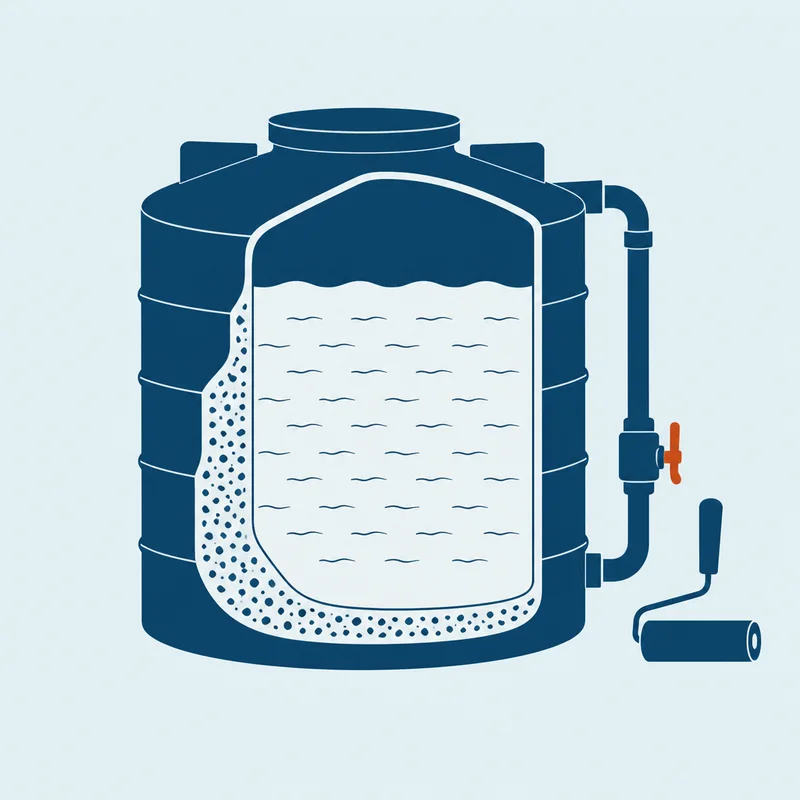
A tank that leaks loses water you have paid to store, and the damp it feeds behind a wall breaks the finish and rots what sits against it. A surface repair holds for a season, then the crack opens again with the next fill. Sealing the inside face across its full area is what actually stops the loss.

  • Water you store stays stored

    A lined tank keeps the water it holds instead of feeding a slow leak into the slab. You stop paying to top up a tank that empties itself between deliveries.

  • The damp stain has a cause

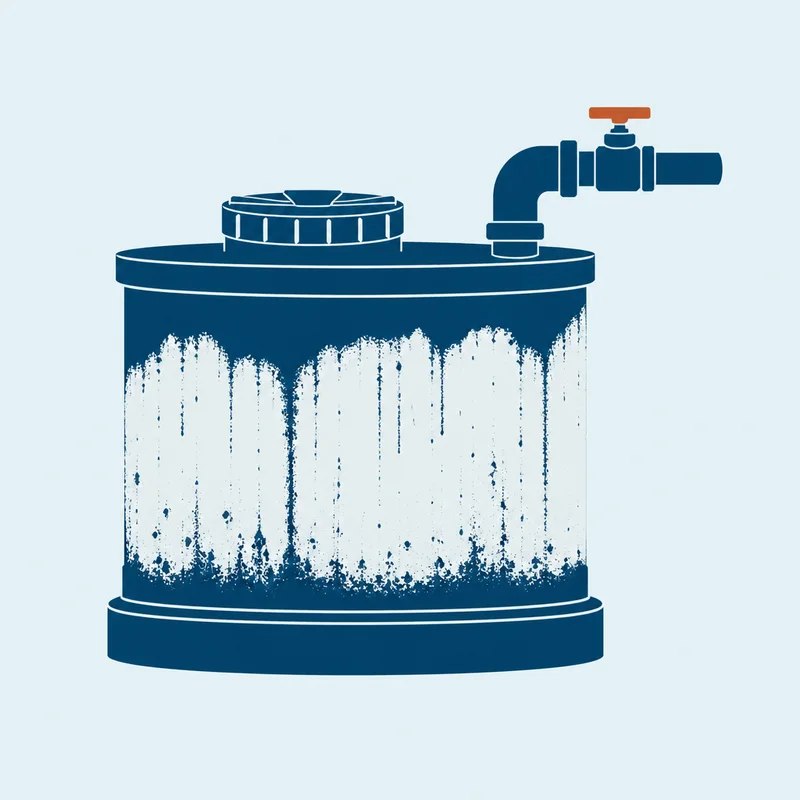
    The wet patch on the ceiling or wall below a tank is the symptom, and the tank is usually the cause. Sealing the tank removes the source, so redecorating below it lasts.

  • Safe to hold drinking water

    The materials we apply are rated for potable water, so the tank is safe to drink from once it is back in use. We tell you what has gone on the inside face and why.

  • Proven before you rely on it

    We do not hand a tank back on trust. It is filled and watched to confirm the level holds, so you know the seal works before you depend on it again.

What's Included

Every tank we seal goes through the same steps, from draining it down to filling it back up.

  • Emptied and fully dried

    The tank is drained completely and left to dry out. Coating cannot bond to a wet or damp surface, so this step is not rushed.

  • Cracks and leak points surveyed

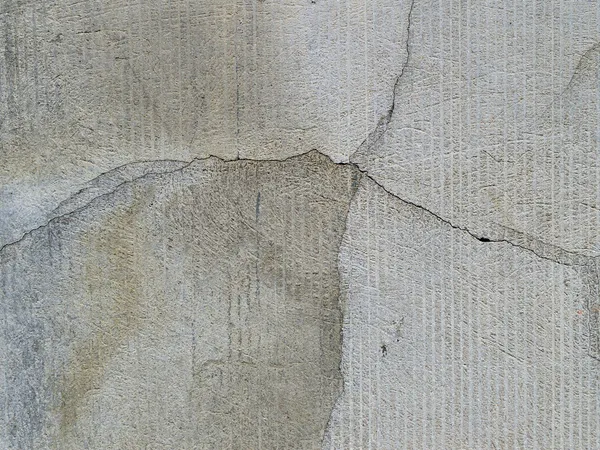
    We go over the empty tank and mark every crack, joint and weeping point. These are where water is leaving, and each one is dealt with by hand before coating.

  • Surface prepared before coating

    The inside face is cleaned back to sound material, with loose bits and old flaking removed. A prepared surface is what lets the new coat grip and last.

  • Waterproofing applied in coats

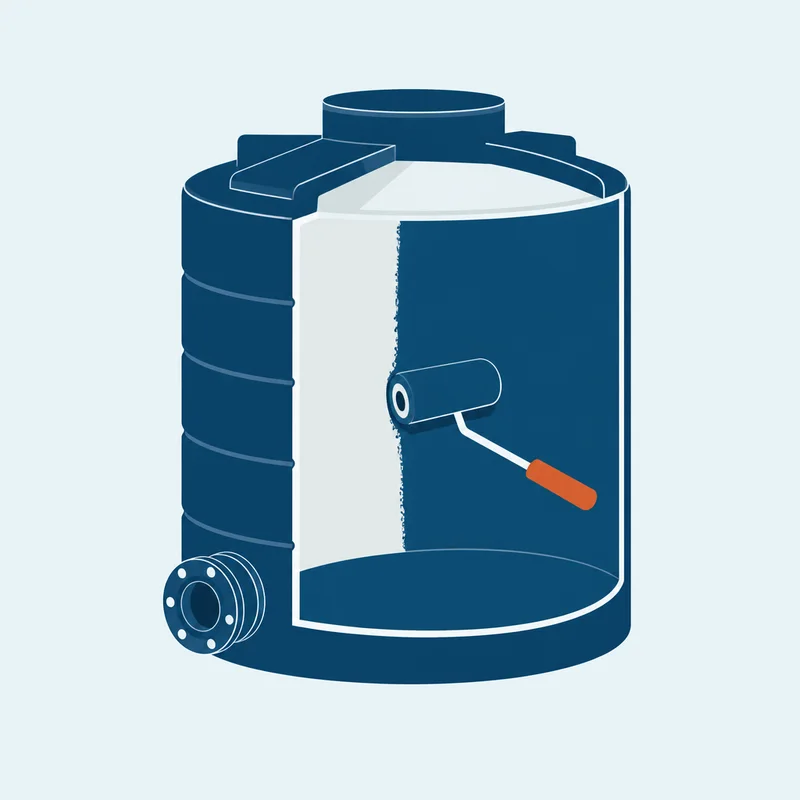
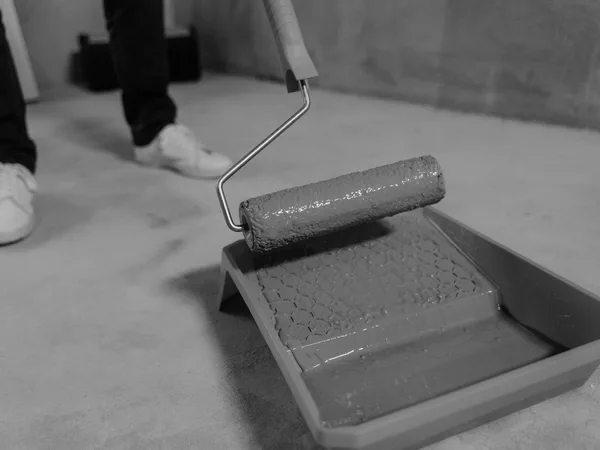
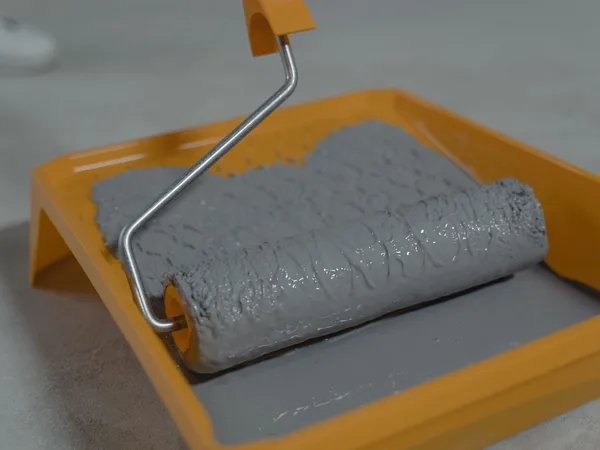
    The waterproofing is put on in more than one coat, each allowed to set before the next. Building it up in layers gives an even film with no thin, weak spots.

  • Full curing time

    Once the last coat is on, the tank is left the full time the material needs to cure and harden. Filling it early would lift the coating before it has set.

  • Fill test before handover

    Before we hand it over, the tank is filled and left to stand so the level can be watched. A held level confirms the seal is sound and there is no leak.

Some of our work

Photos from our team's work.
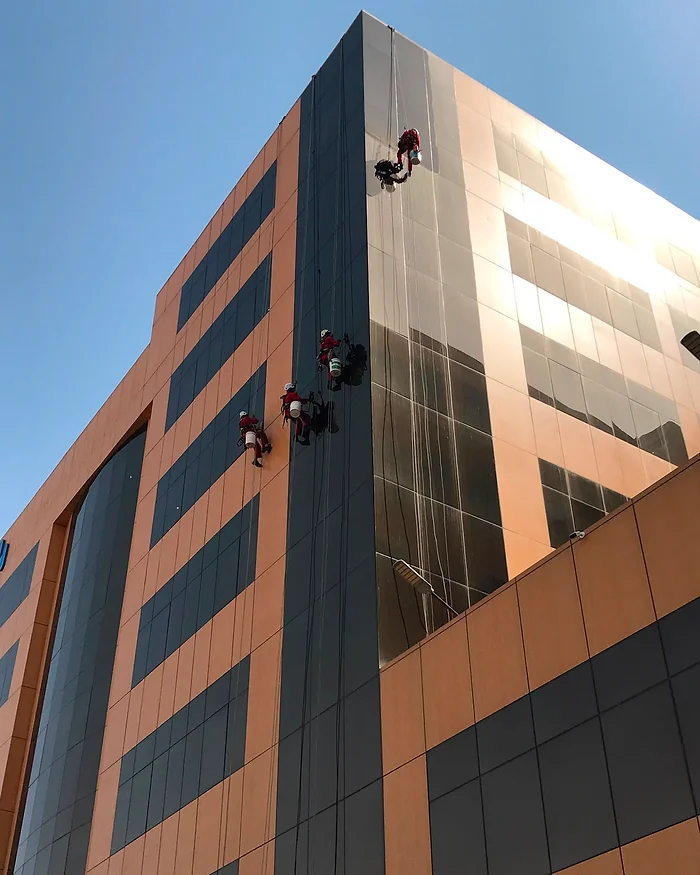
  • A tower elevation with clean reflective panels beside panels carrying dark streaks
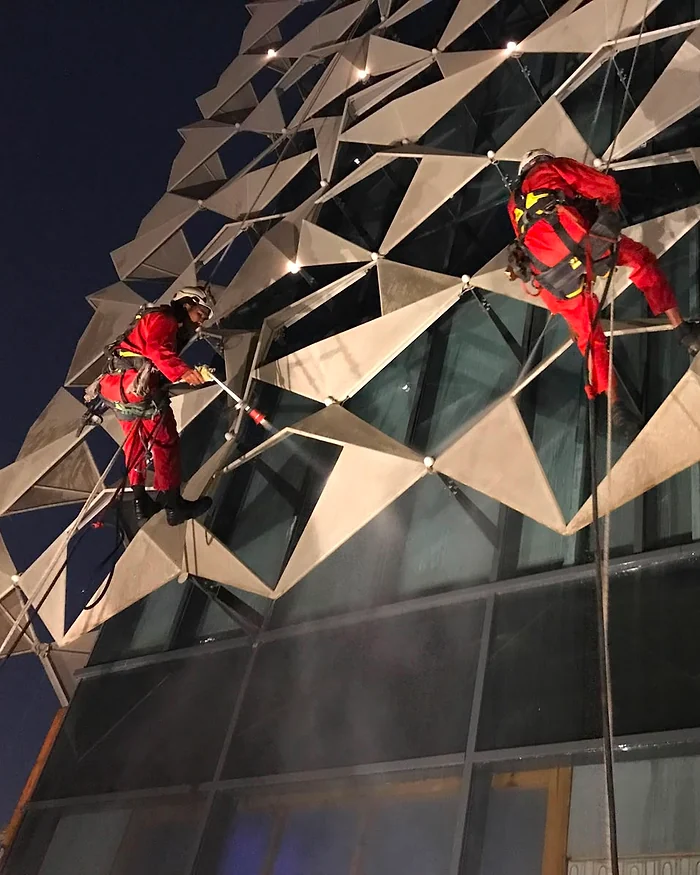
  • Two technicians on ropes washing a faceted metal facade at night with a pressure lance
  • A crew on ropes midway down a blue glass tower topped by two masts
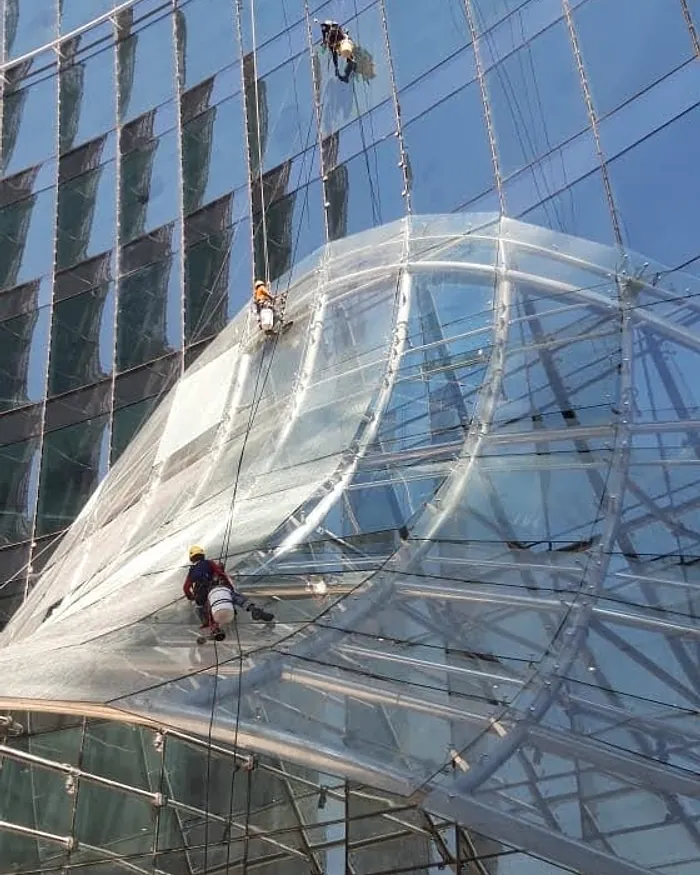
  • Three technicians on ropes above a curved glass roof over a building atrium
  • Five technicians on ropes cleaning the yellow and grey elevation of a medical building
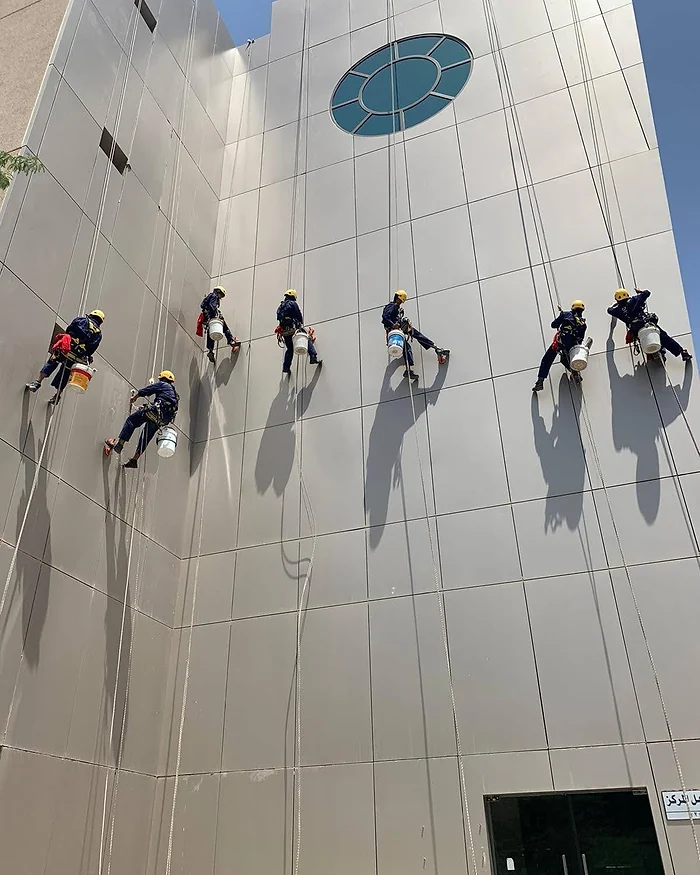
  • Seven technicians in yellow helmets descending parallel ropes on aluminium cladding

Related services

The room and the building around it are on one list.
Districts we cover

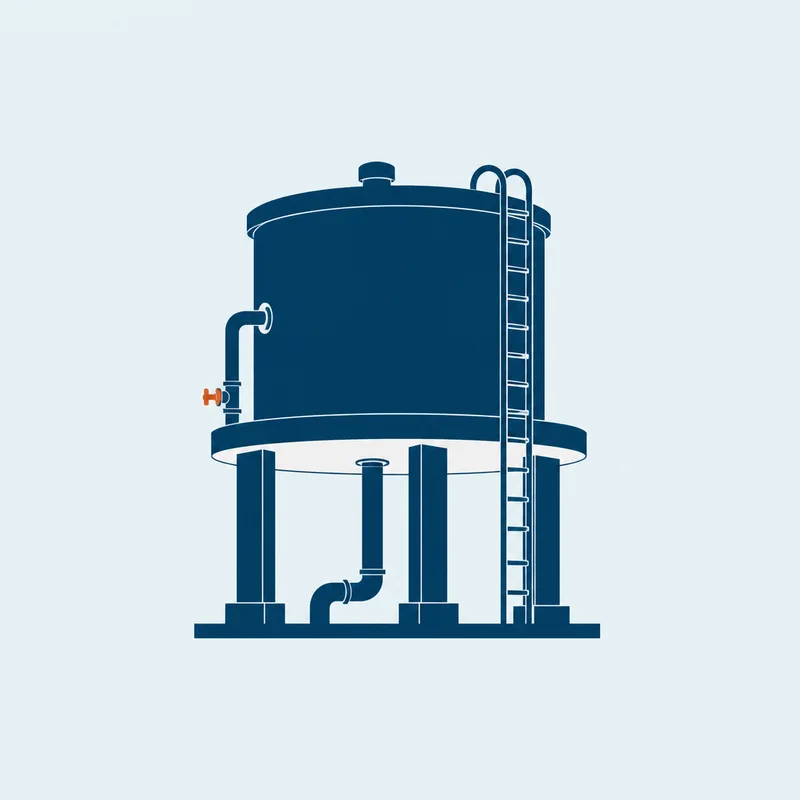
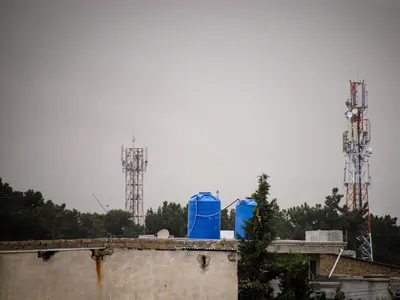
We cover water tanks for homes and buildings across the Kingdom, on rooftops and below ground alike. The places we currently reach are listed below.

Questions before booking

How long will the tank be out of use?

The tank is out of use from the time we drain it until the coating has cured and the fill test passes. That is usually a small number of days, driven mostly by curing, which cannot be shortened. We tell you the window before we start so you can plan around it.

Do I need to do anything before you arrive?

Not much. It helps if the water level is run down before we come, since a nearly empty tank drains faster, but we can handle a full one too. Clear access to the tank and its hatch is all we really need from you.

Is the water safe to drink afterwards?

Yes. The coating we use inside the tank is rated for potable water, so it does not taint what it holds. The tank is refilled with clean water and is ready to supply the house without a long flushing period first.

Why can't you just fill it straight after coating?

Because the coating needs to cure fully before it meets water. Filling too soon lifts a soft film off the surface and the seal fails within days. The curing time is set by the material, not by us, and skipping it wastes the whole job.

Does this work on both concrete and plastic tanks?

It depends on the tank, which is why we look at it first. Concrete and block tanks take a bonded coating well. Fibreglass and some plastic tanks need a different approach or, if a leak is structural, a repair rather than a coat. We tell you which after seeing it.

How should I look after the tank later?

Keep the lid sealed so dust and light stay out, and have the tank opened and checked on a schedule rather than waiting for a problem. A roof tank in Riyadh rewards a regular look, since the coating lasts longest when grit is not left sitting in the water.

Book your tank in

Tell us where the tank is and what it is doing, and we will arrange a look and sort the sealing out for you.

Call WhatsApp