

Raghwat Al Janoub Maintenance and Cleaning
Water tank waterproofing in Namar, Riyadh
Namar is a long mixed district in the west running alongside Wadi Namar, where residents live between the dam lake and public gardens and parks. Tanks here face dampness from a nearby wadi and high lateral groundwater pressure, and pale limestone dust from the Tuwaiq plateau settles constantly on exposed surfaces.
Why a tank needs sealing, not patching
-
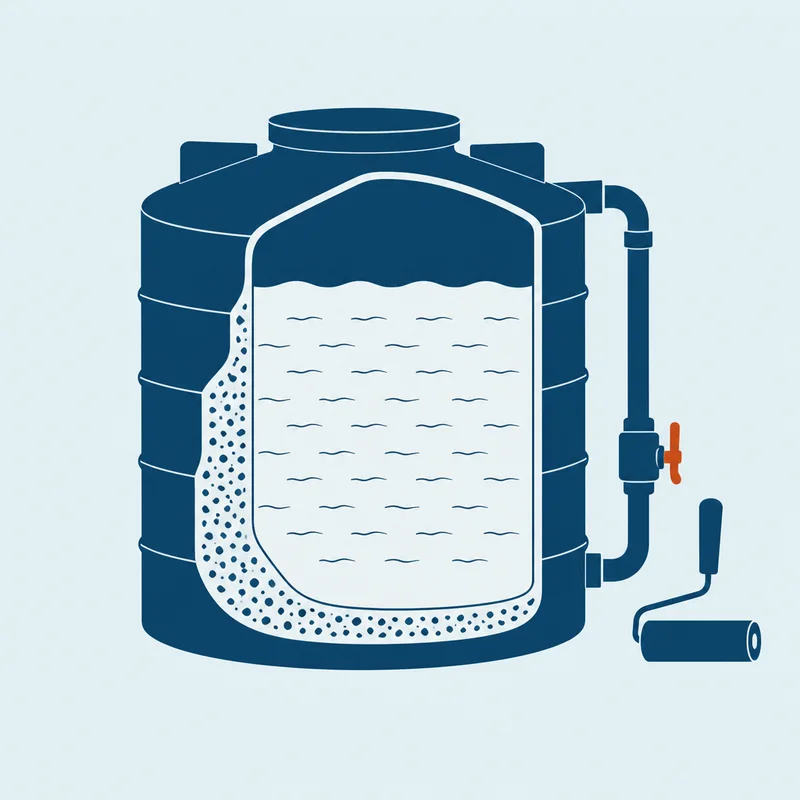
Water you store stays stored
A lined tank keeps the water it holds instead of feeding a slow leak into the slab.
-
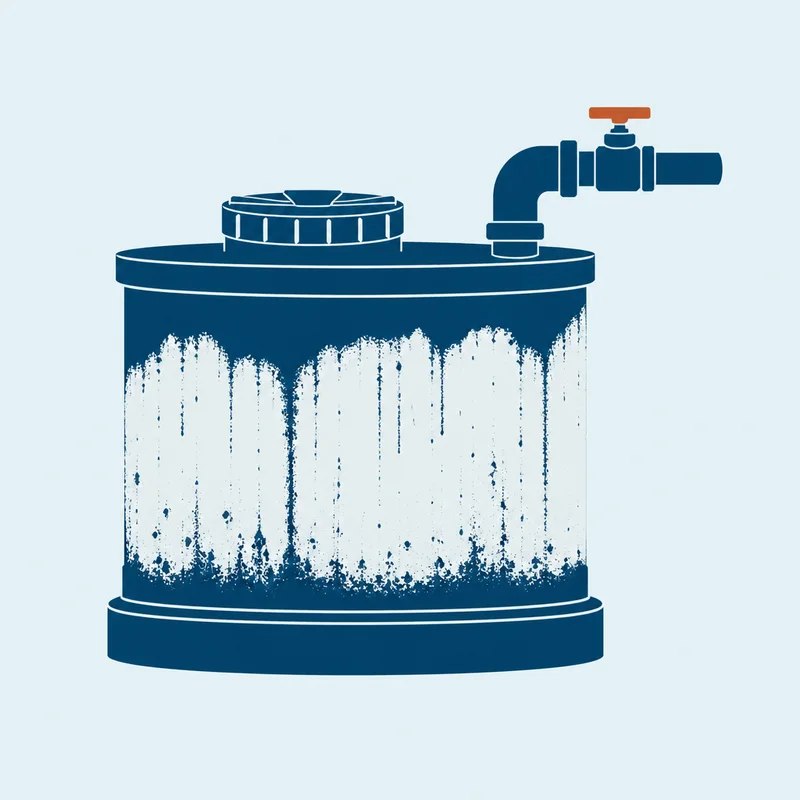
The damp stain has a cause
The wet patch on the ceiling or wall below a tank is the symptom, and the tank is usually the cause.
-
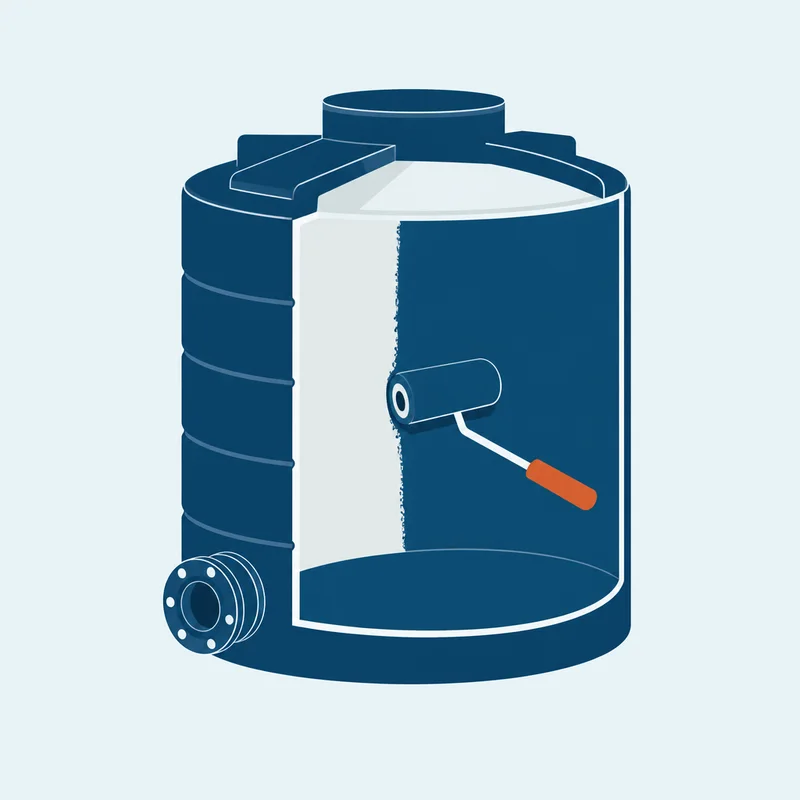
Safe to hold drinking water
The materials we apply are rated for potable water, so the tank is safe to drink from once it is back in use.
-
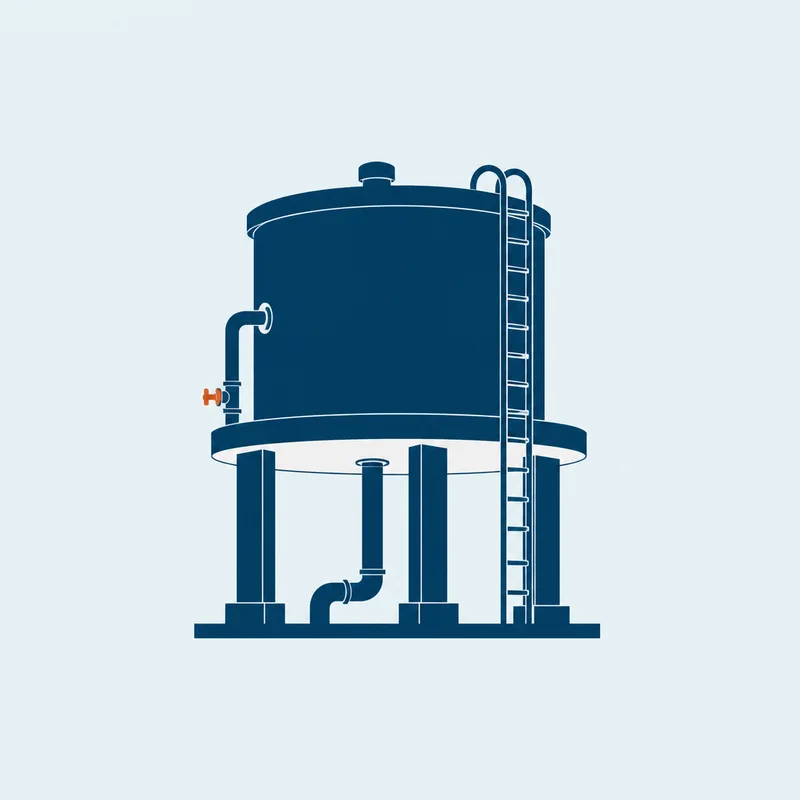
Proven before you rely on it
We do not hand a tank back on trust.
Why the job is different in Namar
Tanks near the gardens and lake here seep from the base more because groundwater presses on tank walls from below and from the sides. The whole method is set out in the details of our water tank waterproofing service.
-
High groundwater pressure from below
Namar lies near Wadi Namar and the lake, and groundwater here is very high. Pressure from water below the tank affects the foundation walls with force, and tiny cracks open because of this continuous lateral pressure.
-
Dampness from the wadi and nearby gardens
Wadi Namar, the lake and gardens so close mean the soil around every tank stays damp most of the year. Moisture seeps slowly from the buried walls, and complete drying before sealing is hard in this environment.
-
Pale limestone dust and surface buildup
Westerly winds from Tuwaiq carry pale limestone dust that settles on every surface in Namar. Exposed tanks accumulate thick layers of dust and debris, and cleaning before sealing takes extra care here.
What's Included
The district sits on the bank of Wadi Namar with the dam lake and public gardens very close by. Groundwater is high here and the ground slopes toward the wadi, meaning soil dampness surrounds all tanks.
-
Emptied and fully dried
Draining may be difficult if groundwater is high, so we may need pumps to remove groundwater around the tank before complete drainage and preparation.
-
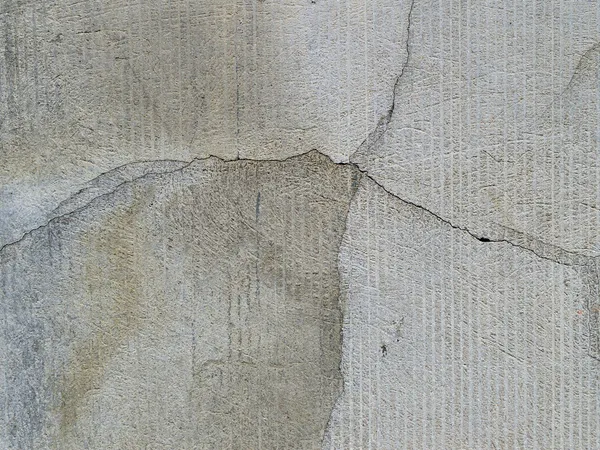
Cracks and leak points surveyed
Cracks usually appear in buried walls where groundwater presses, so we inspect these carefully from both inside and outside.
-
Surface prepared before coating
The surface may be covered in pale limestone dust and silt from seasonal dampness, so we clean it carefully and may need extra drying time.
-
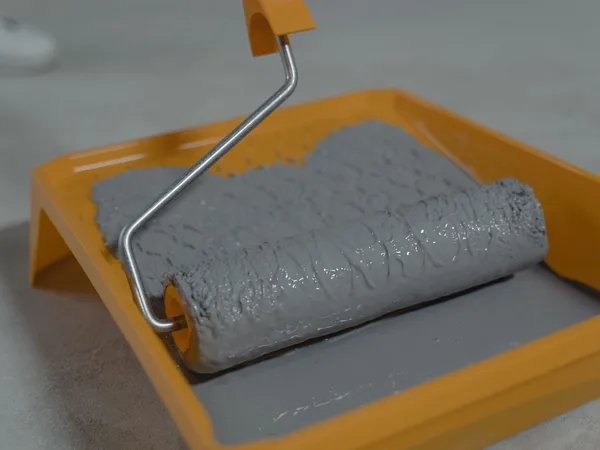
Waterproofing applied in coats
Hot weather and high humidity from the wadi require strong multi-layer sealing that protects against lateral pressure.
-
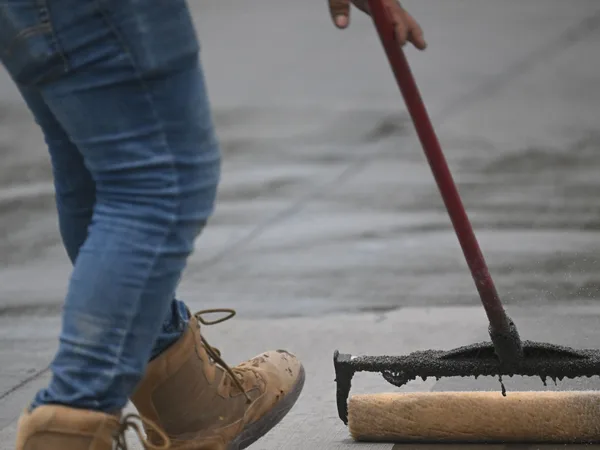
Full curing time
Curing in a damp environment takes longer than in dry zones, so we recommend waiting three full days before the tank is refilled to capacity.
-
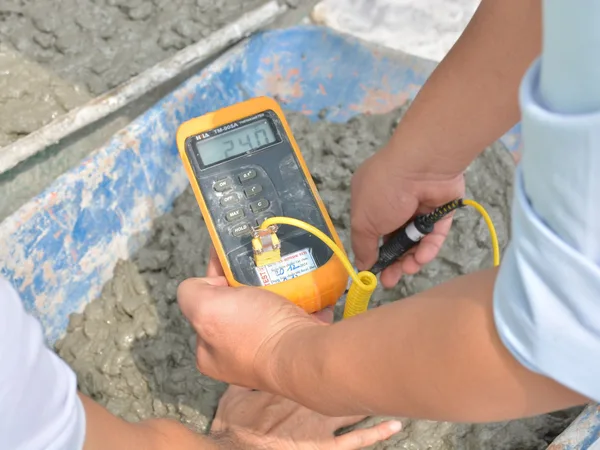
Fill test before handover
Testing before handover confirms the tank can withstand groundwater pressure and seasonal dampness.
The character of Namar
Mixed district: shops at street level with homes above them
A mixed district near the wadi and gardens means tanks under high lateral groundwater pressure and seasonal dampness. Internal sealing protects against this pressure and stops water loss even when groundwater is high around the tank base.
How we work
Look at the tank
Drain and prepare
Apply and cure
Fill, test and hand over
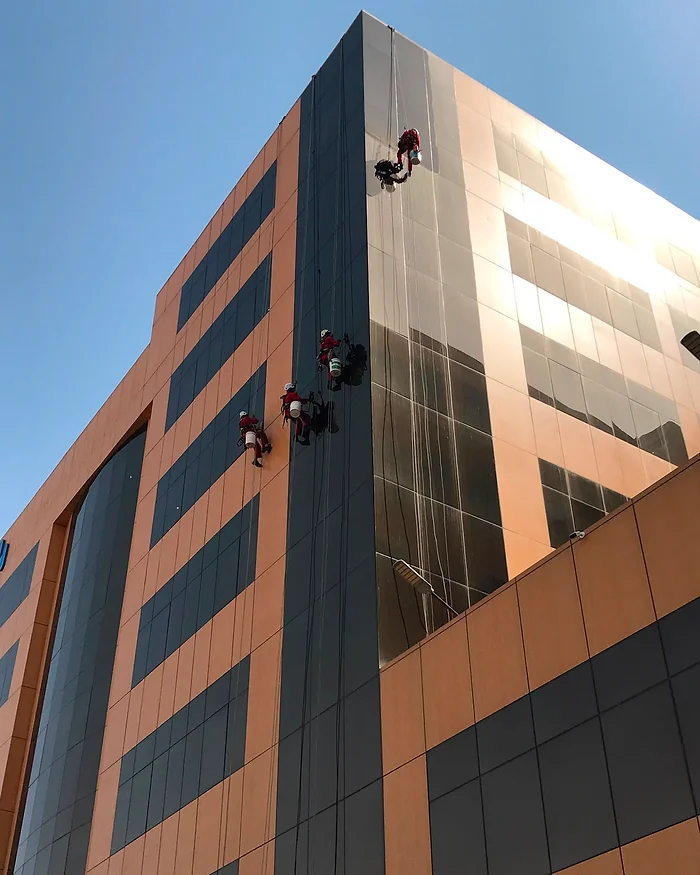
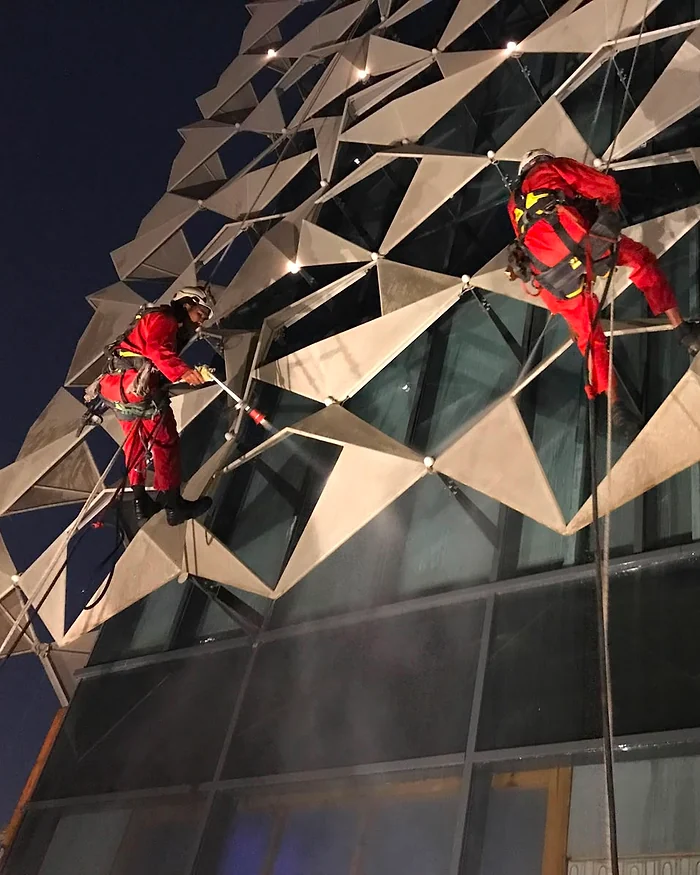
Some of our work
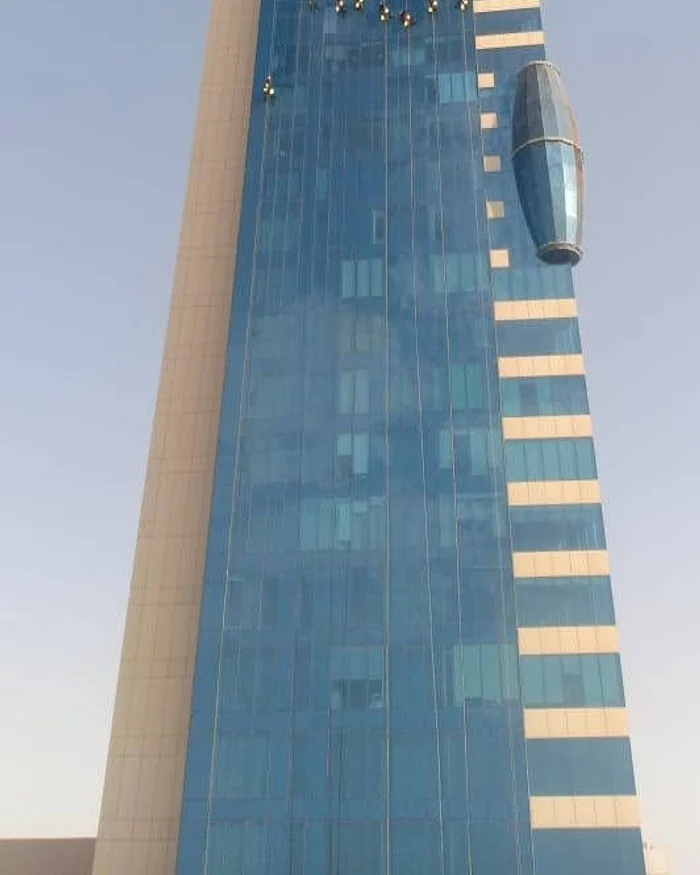
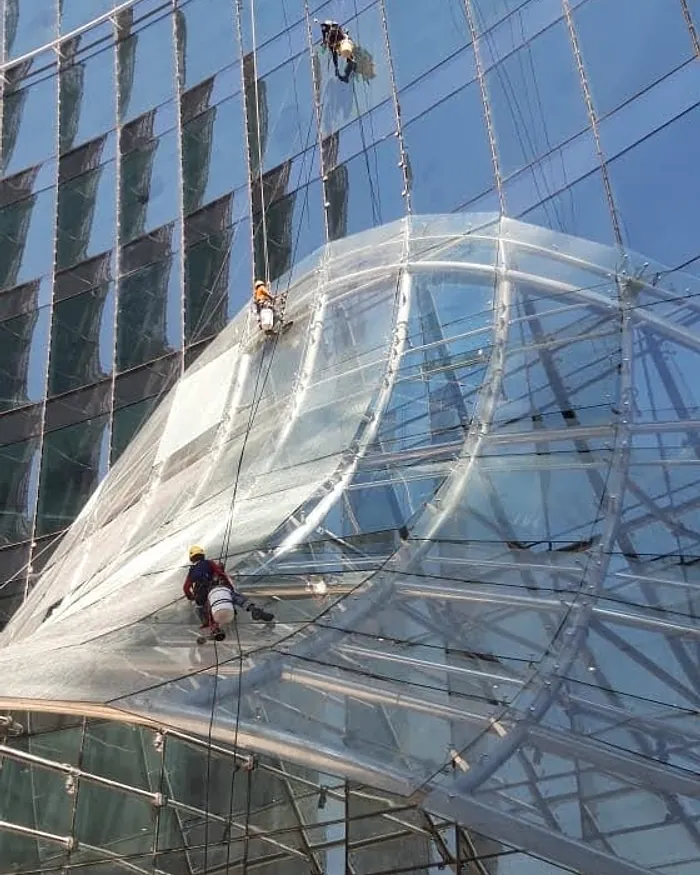
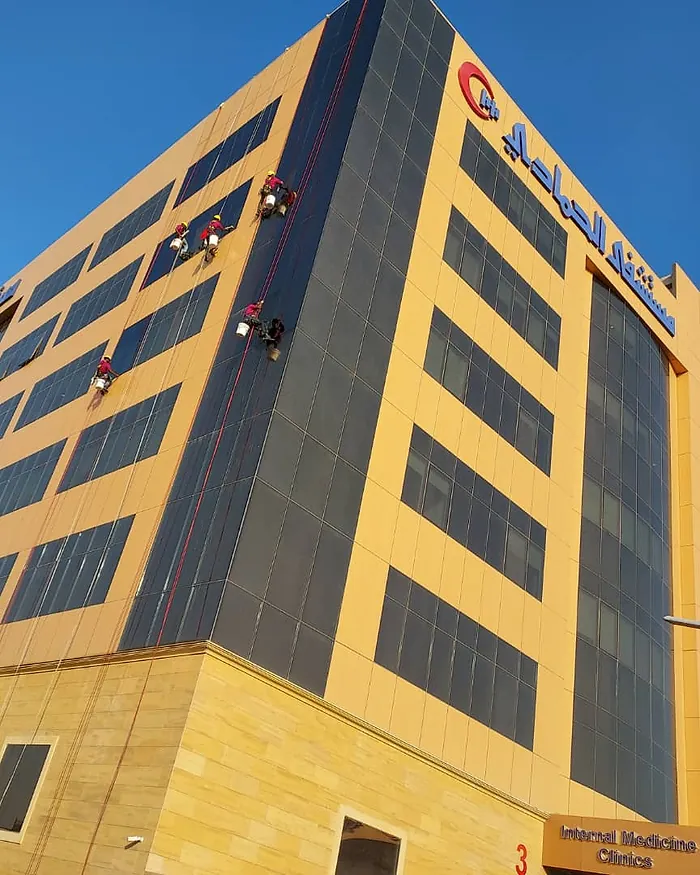
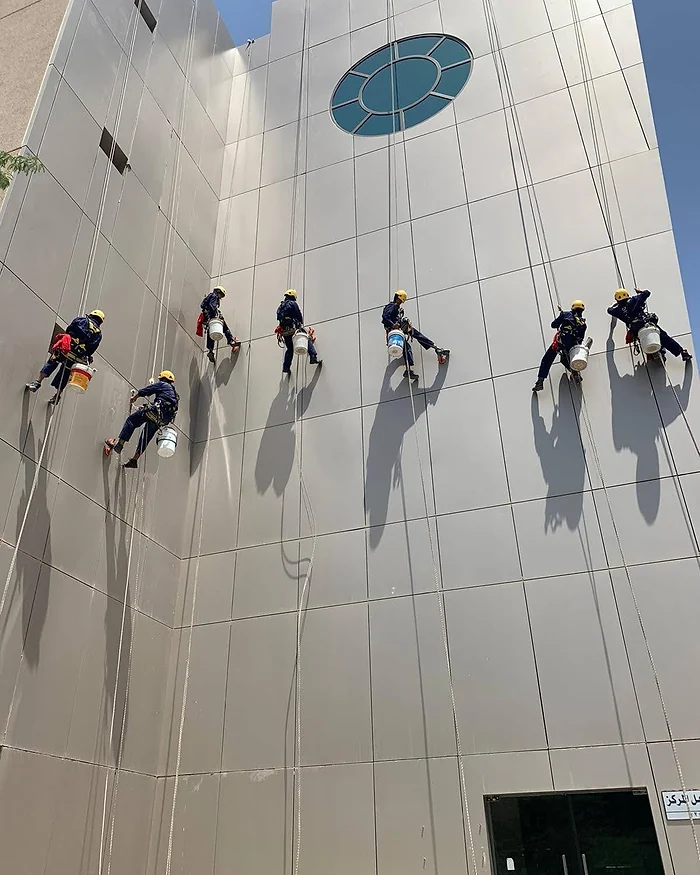
Photos from our team's work.
What is different about West Riyadh
West Riyadh sits against the Tuwaiq escarpment, with Wadi Hanifah and Wadi Laban cutting through it. Irqah, Dhahrat Laban, Tuwaiq, Al Uraija and Al Suwaidi are mainly villas and low apartment buildings on sloping ground, while the Diplomatic Quarter keeps its mature landscaping and stone facades, and Dirab and the wadi floor still hold farms and rest houses. Westerly winds bring a pale limestone dust off the plateau that settles in courtyards, on window ledges and on outdoor furniture, and the farms and unpaved edges add soil and pollen through much of the year.
Other services in Namar
The room and the building around it are on one list.
-
Water tank cleaning and disinfection
-
Post-construction cleaning
-
Villa cleaning
-
Swimming pool cleaning
-
Sofa cleaning
-

Carpet and rug cleaning
-

Mattress cleaning
-

Curtain cleaning
-
House cleaning
-
Apartment cleaning
-
Majlis and rest-house cleaning
-
Chalet cleaning
-
Yacht cleaning
-
Kitchen cleaning
-
Bathroom cleaning
-
Chandelier cleaning
-
Garden clearance
-
Deep cleaning
-

Move-in and move-out cleaning
-
Disinfection and sanitisation
-
Pest control
-
Bed bug control
-

Office cleaning
-

Restaurant cleaning
-
Hotel and resort cleaning
-
Shopping mall cleaning
-

Retail shop cleaning
-

School cleaning
-

Nursery and kindergarten cleaning
-
Hospital cleaning
-
Clinic and medical centre cleaning
-

Mosque cleaning
-
Government facility cleaning
-
Gym cleaning
-
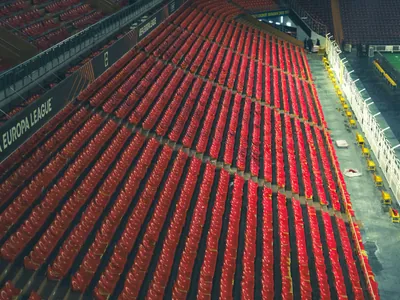
Sports field cleaning
-
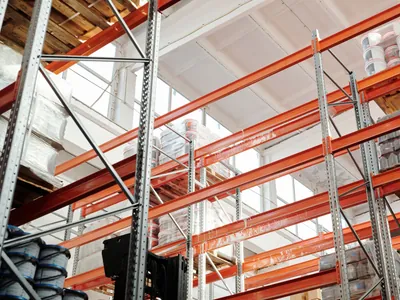
Factory and warehouse cleaning
-

Event cleaning
-
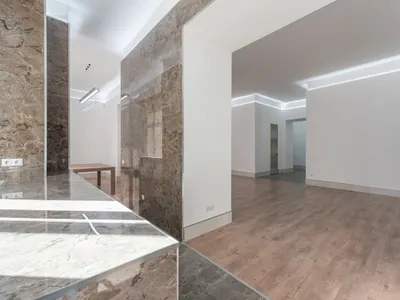
Commercial post-construction cleaning
-
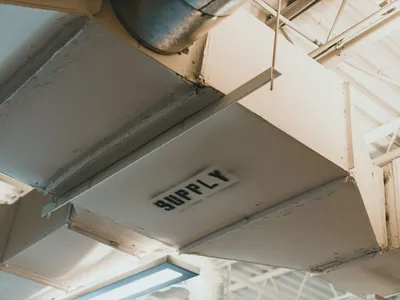
Air duct and AC cleaning
-
Commercial pest control