

Raghwat Al Janoub Maintenance and Cleaning
Water tank waterproofing in Heet, Riyadh
Heet is a small rural village on Riyadh's southern edge, inhabited by one extended family on agricultural land. Tanks here face continuous agricultural demand and sit on uneven ground. A leak means loss of both drinking and irrigation water, and internal sealing protects the only water source available.
Why a tank needs sealing, not patching
-
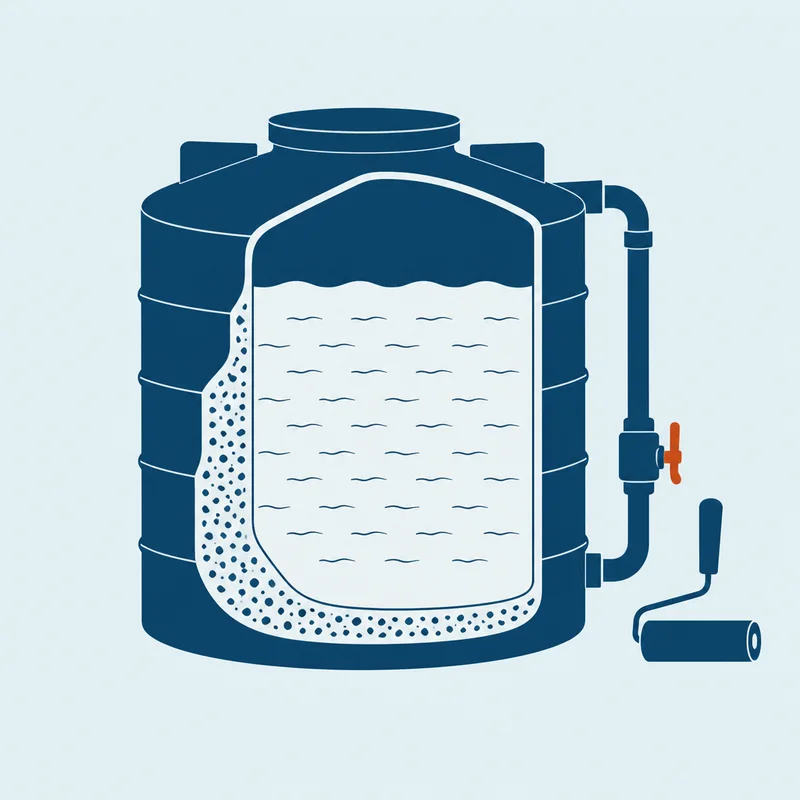
Water you store stays stored
A lined tank keeps the water it holds instead of feeding a slow leak into the slab.
-
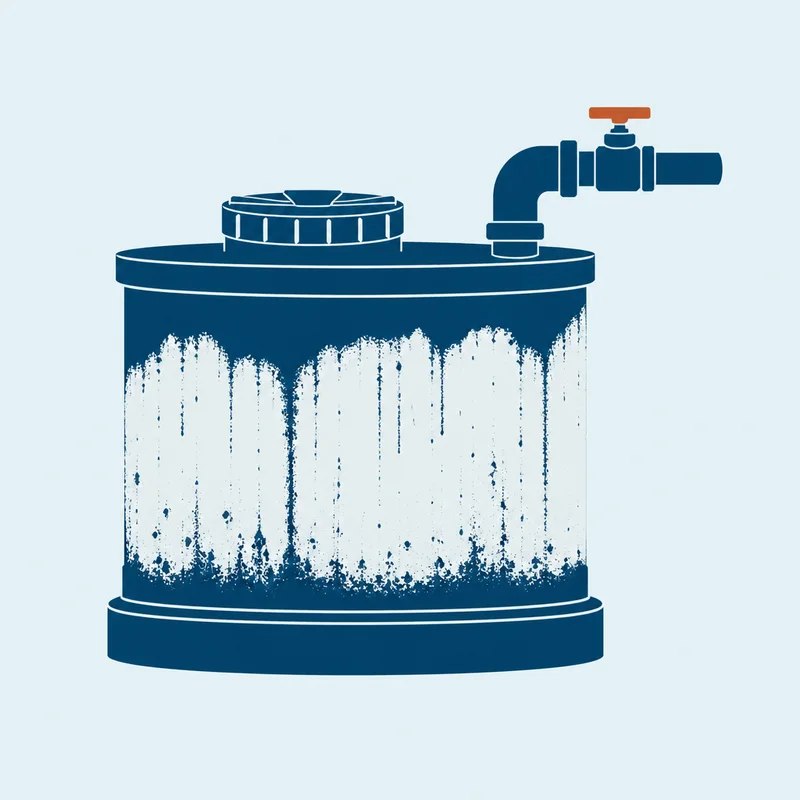
The damp stain has a cause
The wet patch on the ceiling or wall below a tank is the symptom, and the tank is usually the cause.
-
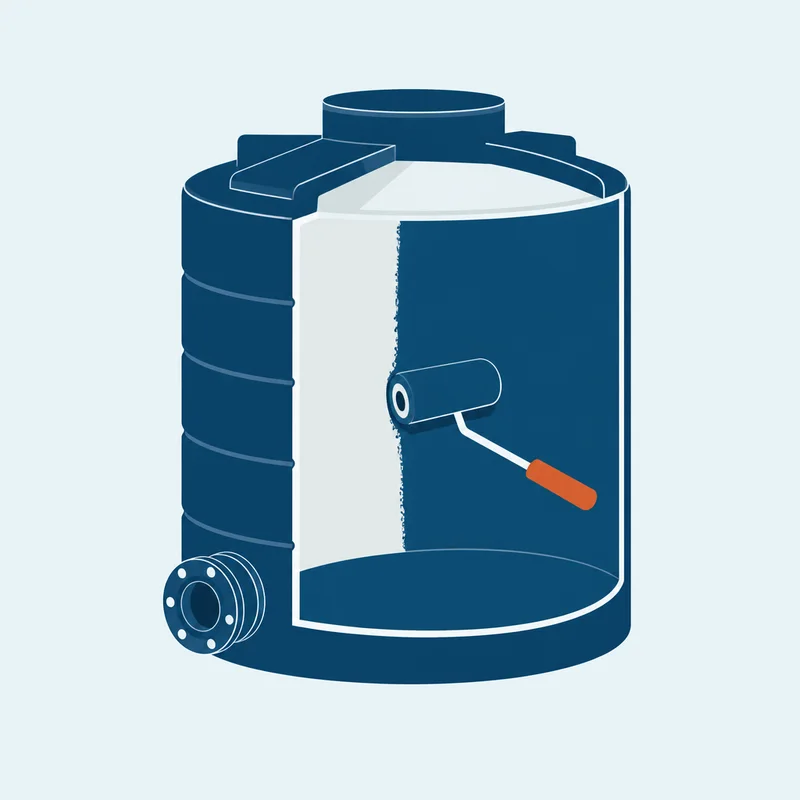
Safe to hold drinking water
The materials we apply are rated for potable water, so the tank is safe to drink from once it is back in use.
-
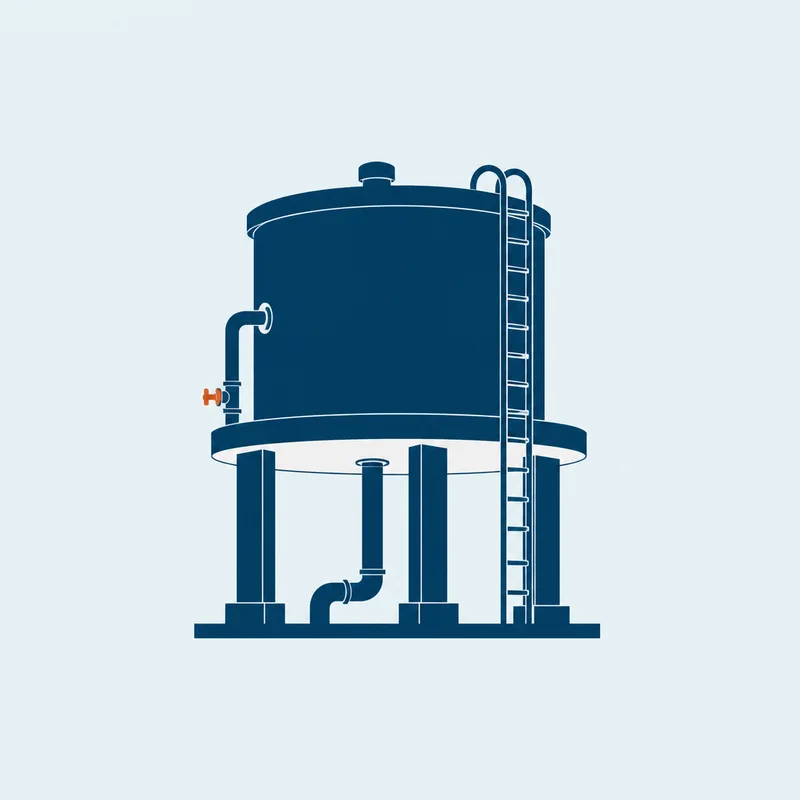
Proven before you rely on it
We do not hand a tank back on trust.
Why the job is different in Heet
In rural zones, every drop of water matters because alternatives are distant and expensive. A small leak that a city might overlook means real loss in the village. The whole method is set out in our notes on water tank waterproofing.
-
Complete dependence on stored water
Heet is a small village with no public water network. The tank is the only source for drinking, cooking and irrigation. Any leak means total water loss and reliance on bringing water from a distance. Internal sealing protects this sole resource.
-
Agricultural land and continuous irrigation
Tanks in Heet supply both drinking water and irrigation from local wells. Pressure on tanks is constant and high. A leak is not just damp on a wall, it is direct loss of water needed for crops and livestock.
-
Uneven ground and weak soil conditions
Heet sits on uneven terrain with foundations that may be unstable. Tanks suffer from uneven settlement and irregular pressure, causing rapid cracking. Internal sealing absorbs this uneven stress.
What's Included
Heet is a rural area on the outskirts of southern Riyadh with agricultural land and uneven terrain. Medical and educational services are limited, and dependence on stored water is high.
-
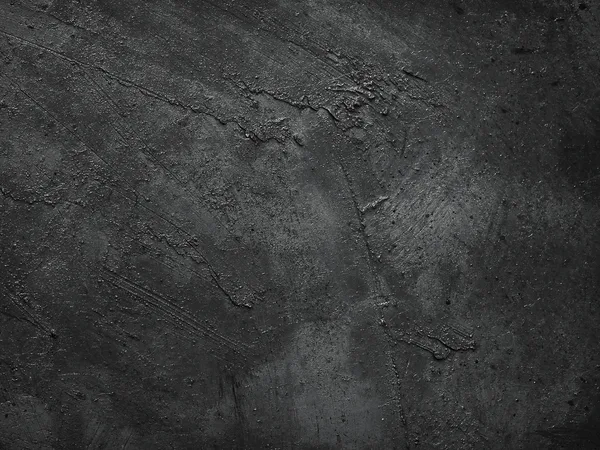
Emptied and fully dried
Rural tanks may be very large for year round water storage, so drainage requires more planning and effort than city tanks.
-
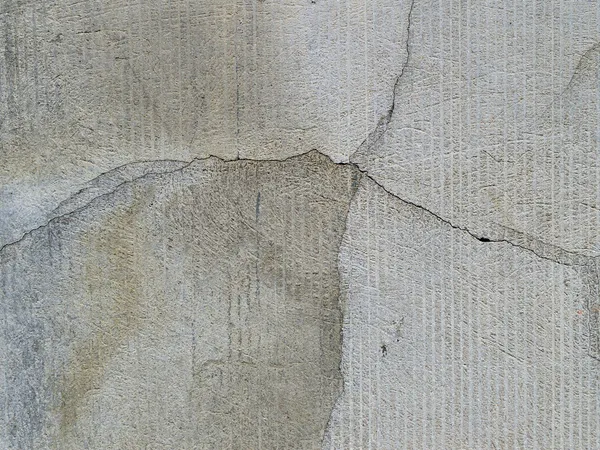
Cracks and leak points surveyed
Agricultural land may contain minerals and deposits, and thorough inspection finds every crack and leak before sealing starts.
-
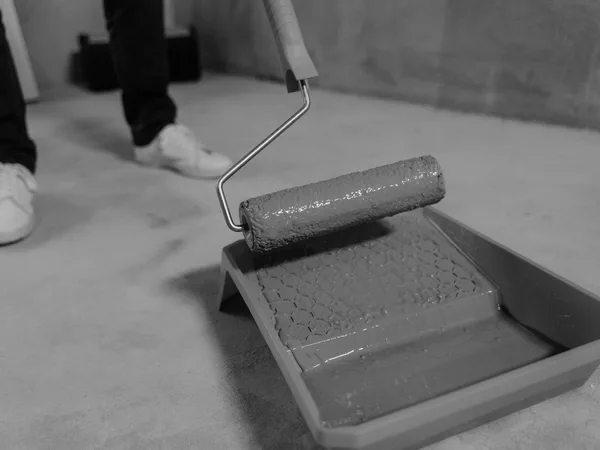
Surface prepared before coating
Interior surfaces of large rural tanks need deep cleaning of scale, algae and mineral buildup before waterproofing is applied.
-
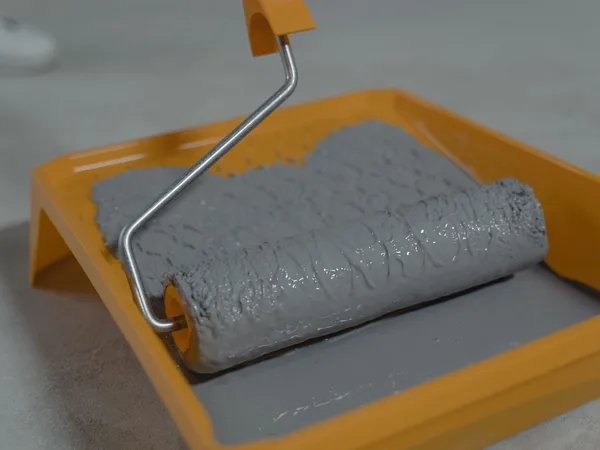
Waterproofing applied in coats
Waterproofing in rural areas is applied in strong coats because pressure on the tank is higher than in urban settings.
-
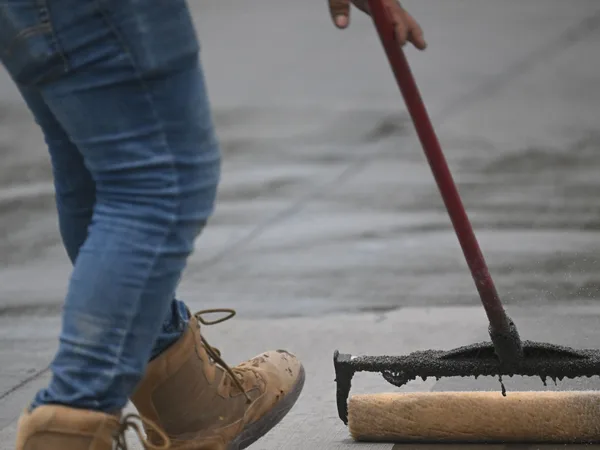
Full curing time
Large tanks need very long complete drying time, possibly weeks in damp areas before full curing is complete.
-
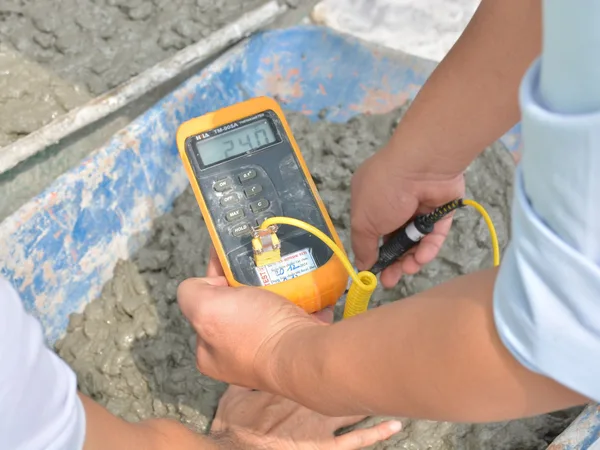
Fill test before handover
Before full refilling, the tank is tested under complete water pressure to confirm no leaks occur after sealing.
The character of Heet
Rural area: farms, open ground and scattered homes
Rural areas differ from the city because tank failure is not a comfort problem, it is an economic and survival crisis. Sealing in the village is not an option, it is essential to protect the only water available.
How we work
Look at the tank
Drain and prepare
Apply and cure
Fill, test and hand over
Some of our work
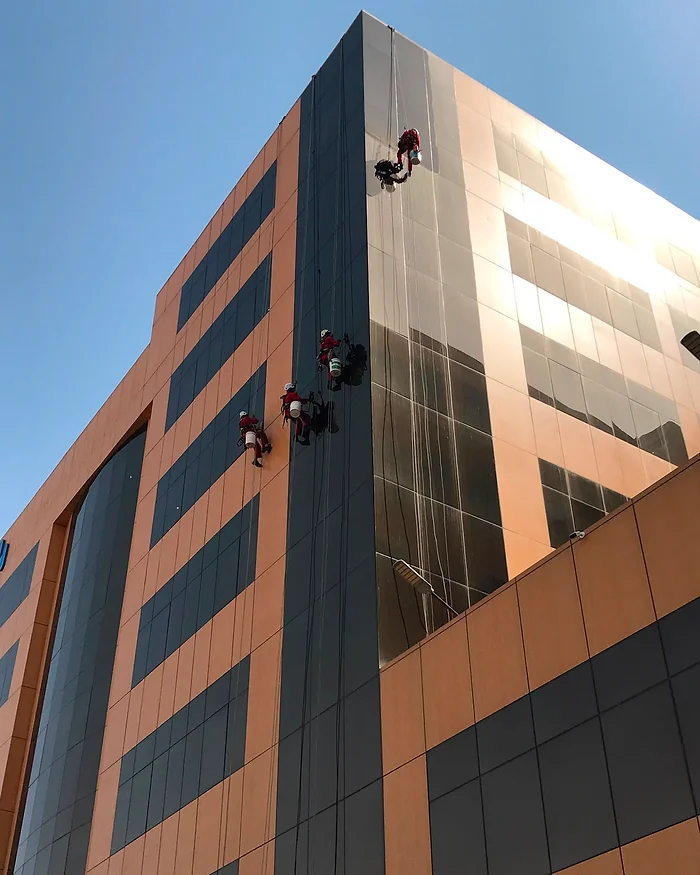
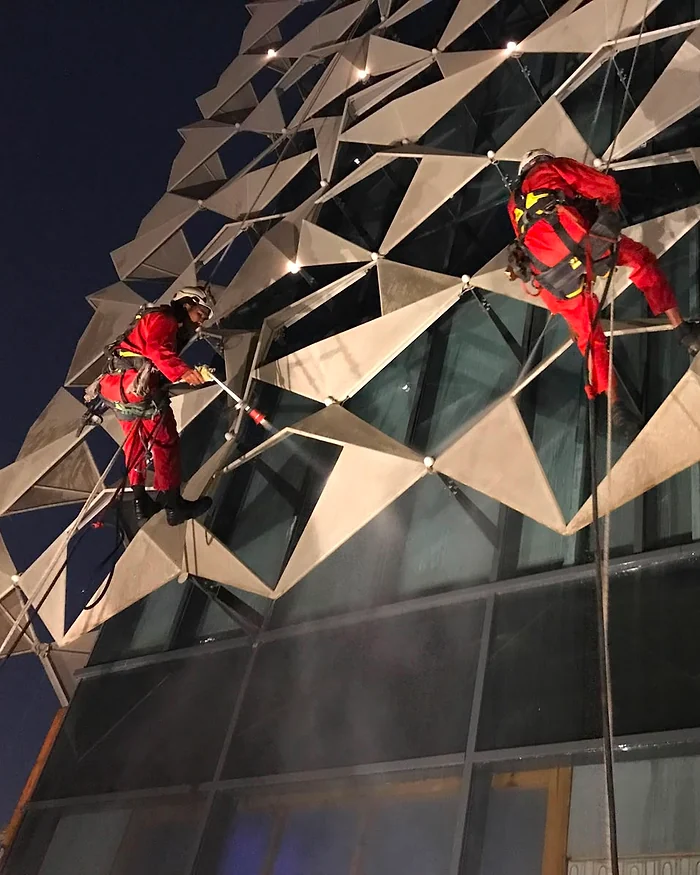
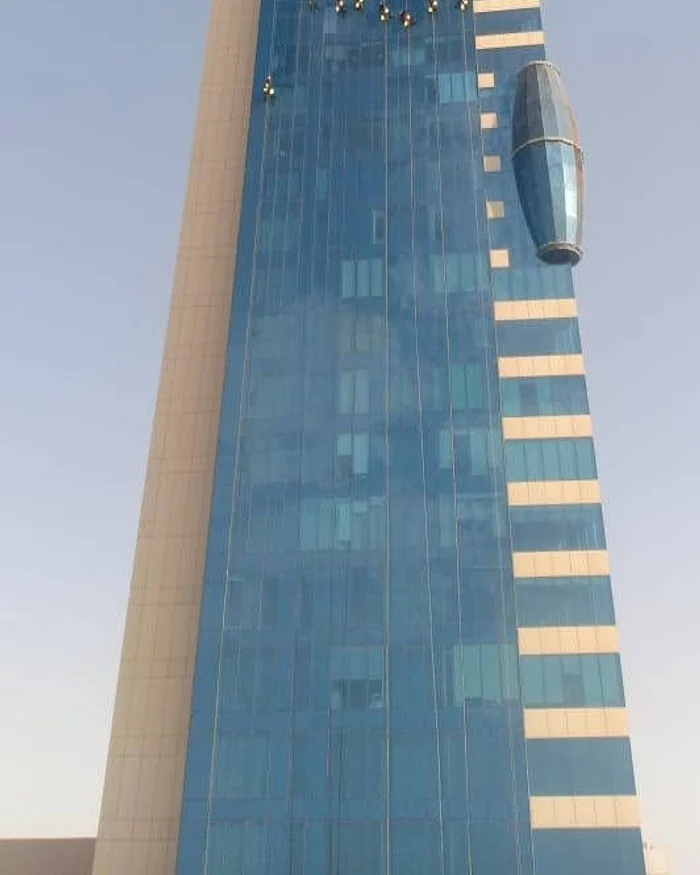
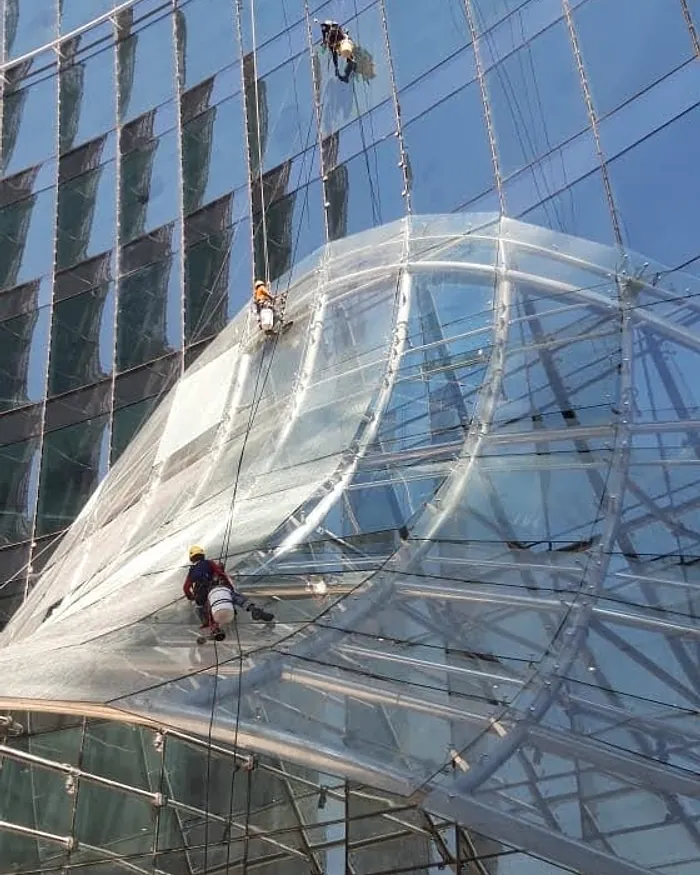
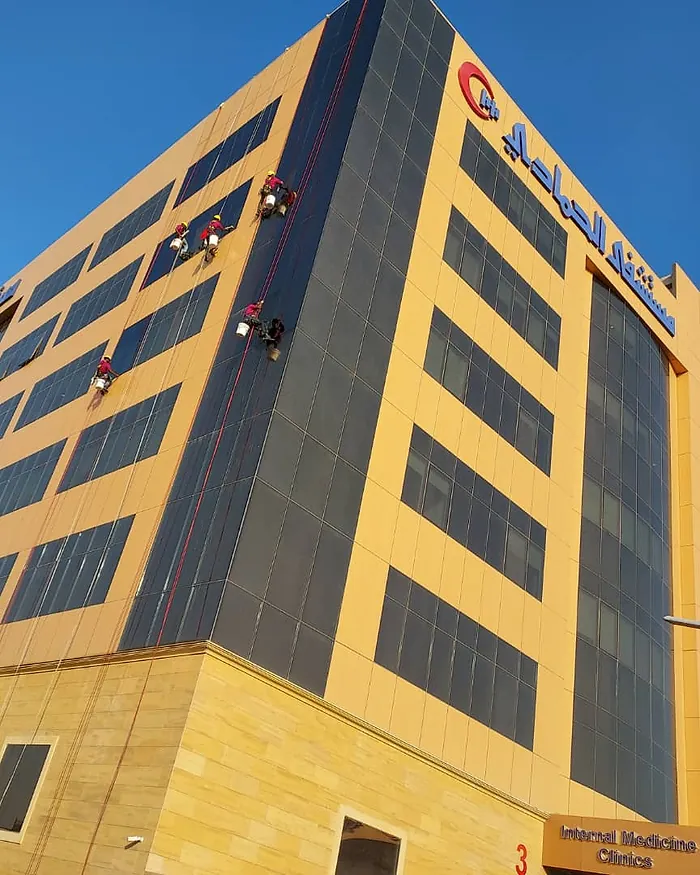
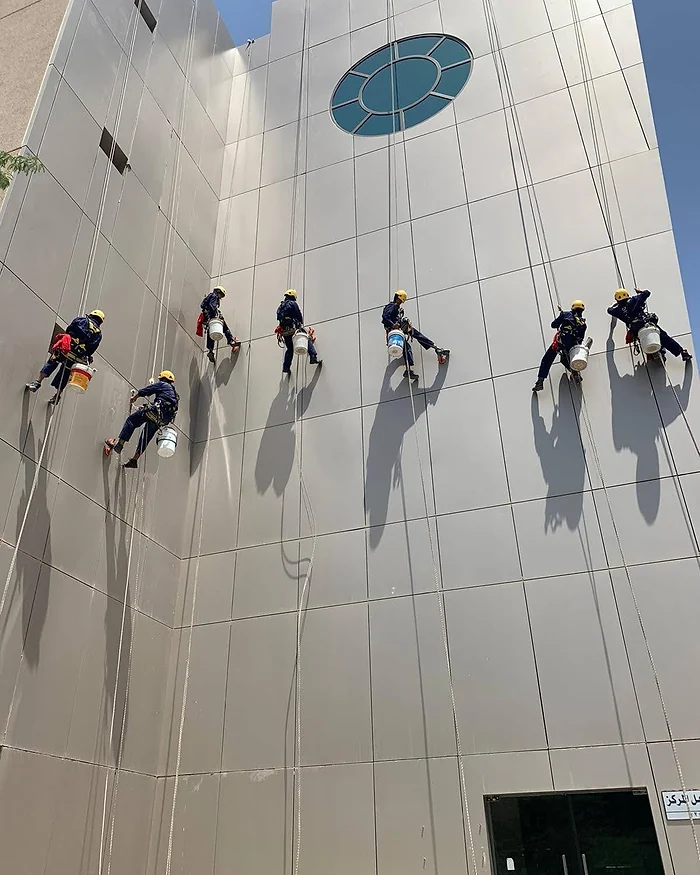
Photos from our team's work.
Landmarks of Heet
Heet village lies close to Khashm Heet hill and New Kharj Road. These landmarks identify tank locations scattered across the agricultural land and dispersed homes of the rural area.
- Khashm Heet hill
- New Kharj Road
- Wadi Al Sulay
Other services in Heet
The room and the building around it are on one list.
-
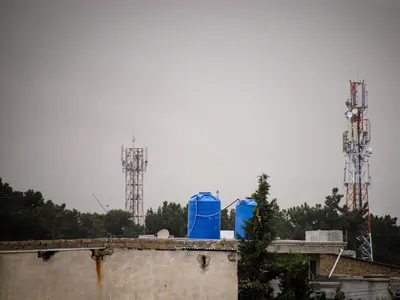
Water tank cleaning and disinfection
-
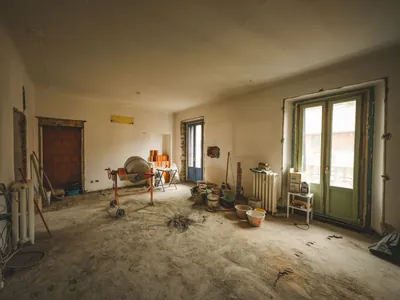
Post-construction cleaning
-
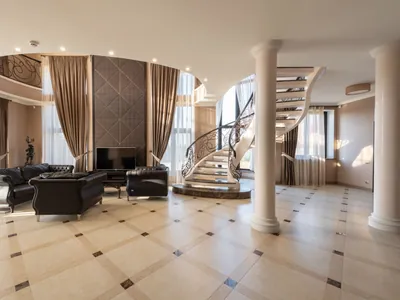
Villa cleaning
-
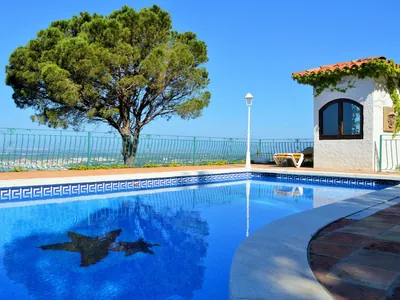
Swimming pool cleaning
-
Sofa cleaning
-

Carpet and rug cleaning
-

Mattress cleaning
-
Curtain cleaning
-
House cleaning
-
Apartment cleaning
-
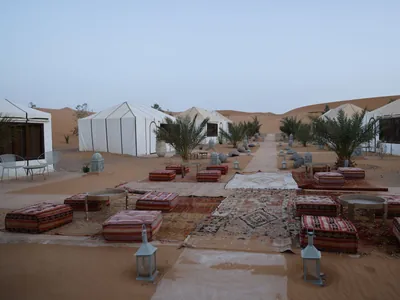
Majlis and rest-house cleaning
-
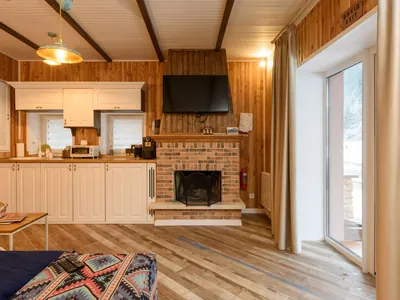
Chalet cleaning
-
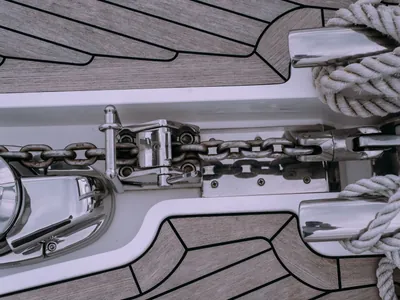
Yacht cleaning
-
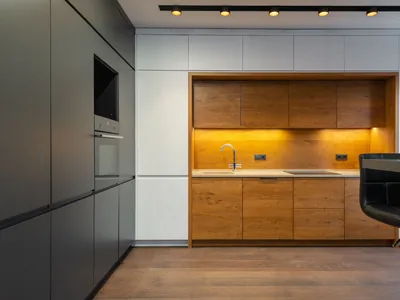
Kitchen cleaning
-
Bathroom cleaning
-

Chandelier cleaning
-
Garden clearance
-
Deep cleaning
-
Move-in and move-out cleaning
-
Disinfection and sanitisation
-
Pest control
-
Bed bug control
-
Office cleaning
-
Restaurant cleaning
-
Hotel and resort cleaning
-
Shopping mall cleaning
-

Retail shop cleaning
-
School cleaning
-

Nursery and kindergarten cleaning
-
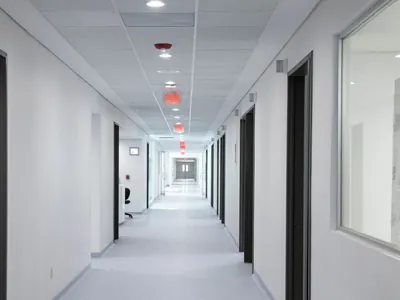
Hospital cleaning
-
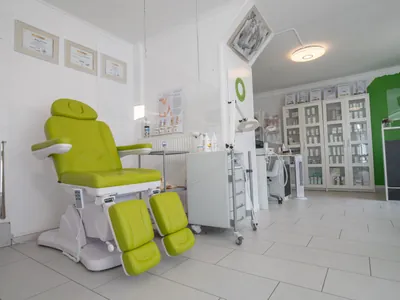
Clinic and medical centre cleaning
-
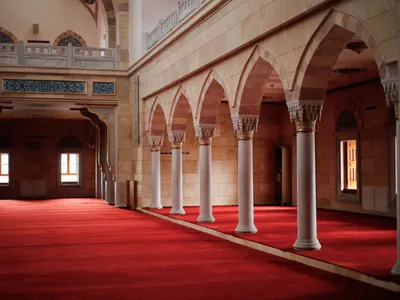
Mosque cleaning
-
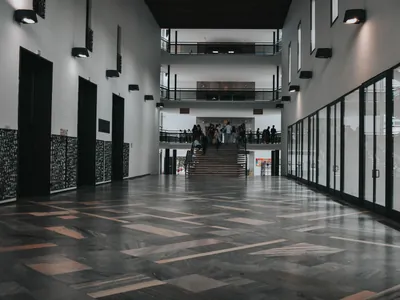
Government facility cleaning
-
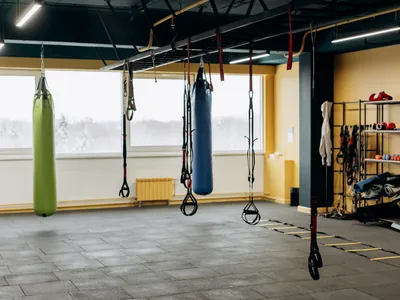
Gym cleaning
-
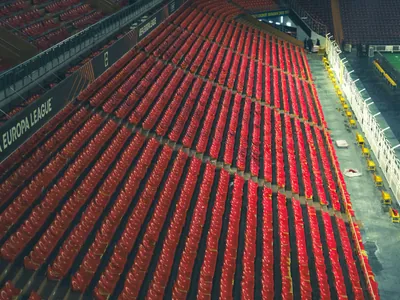
Sports field cleaning
-
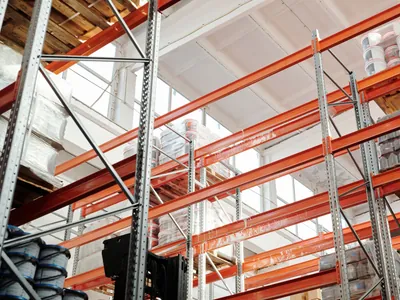
Factory and warehouse cleaning
-

Event cleaning
-
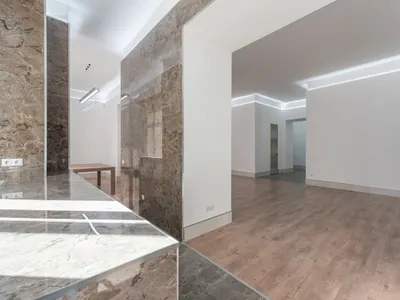
Commercial post-construction cleaning
-
Air duct and AC cleaning
-
Commercial pest control