
Raghwat Al Janoub Maintenance and Cleaning
Water tank waterproofing in Tuwaiq, Riyadh
Tuwaiq sits on the edge of a rocky escarpment in west Riyadh, and limestone dust from the plateau and westerly winds settle on every exposed surface. A leaking tank there causes not just damp but leaves deep white mineral stains. Outside walls and roofs are completely exposed. Sealing the tank stops the loss and protects against both seeping and mineral buildup.
Why a tank needs sealing, not patching
-
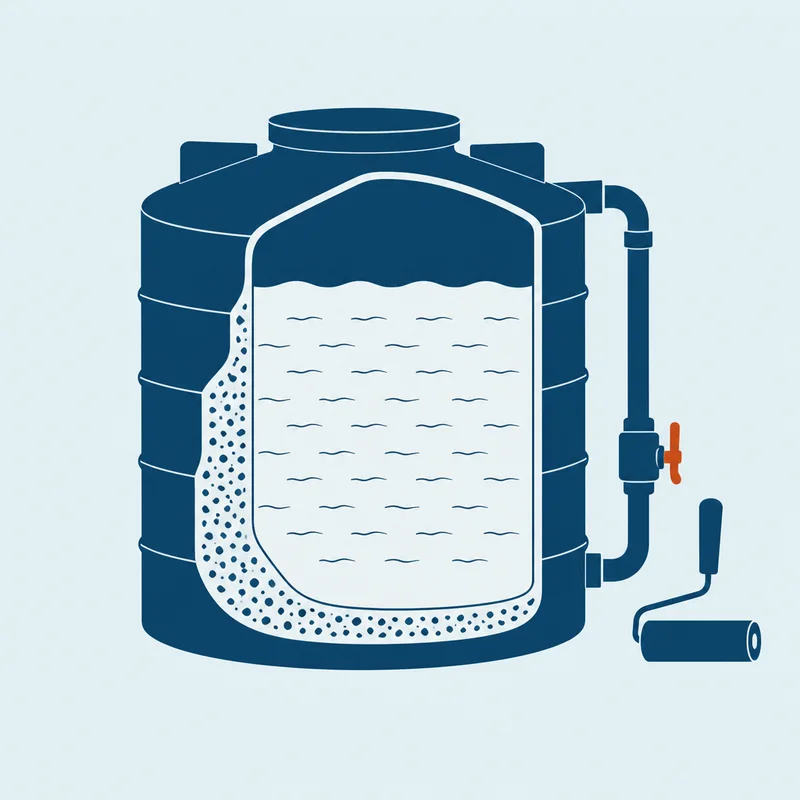
Water you store stays stored
A lined tank keeps the water it holds instead of feeding a slow leak into the slab.
-
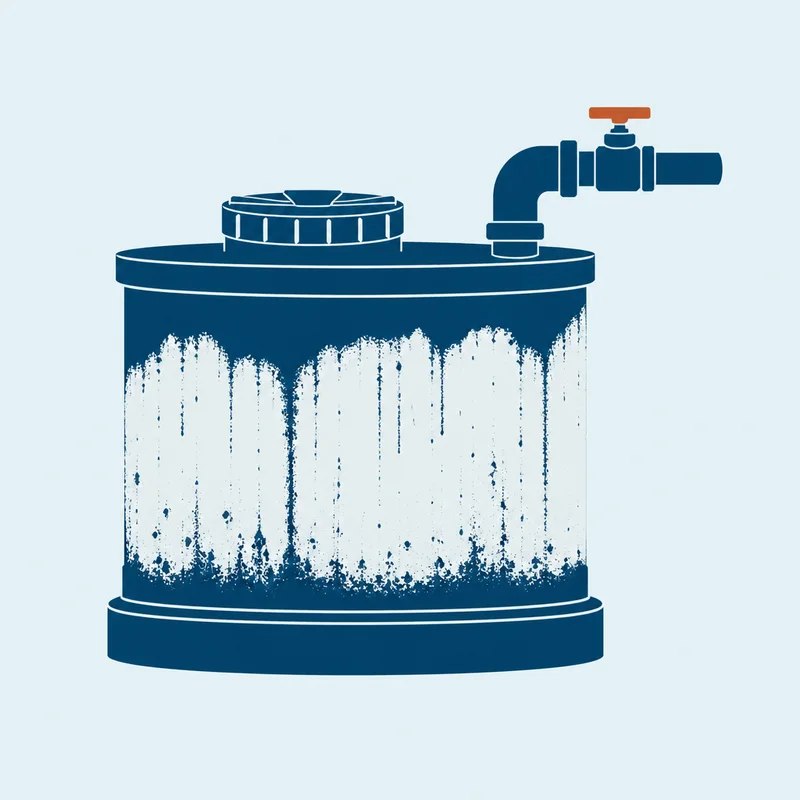
The damp stain has a cause
The wet patch on the ceiling or wall below a tank is the symptom, and the tank is usually the cause.
-
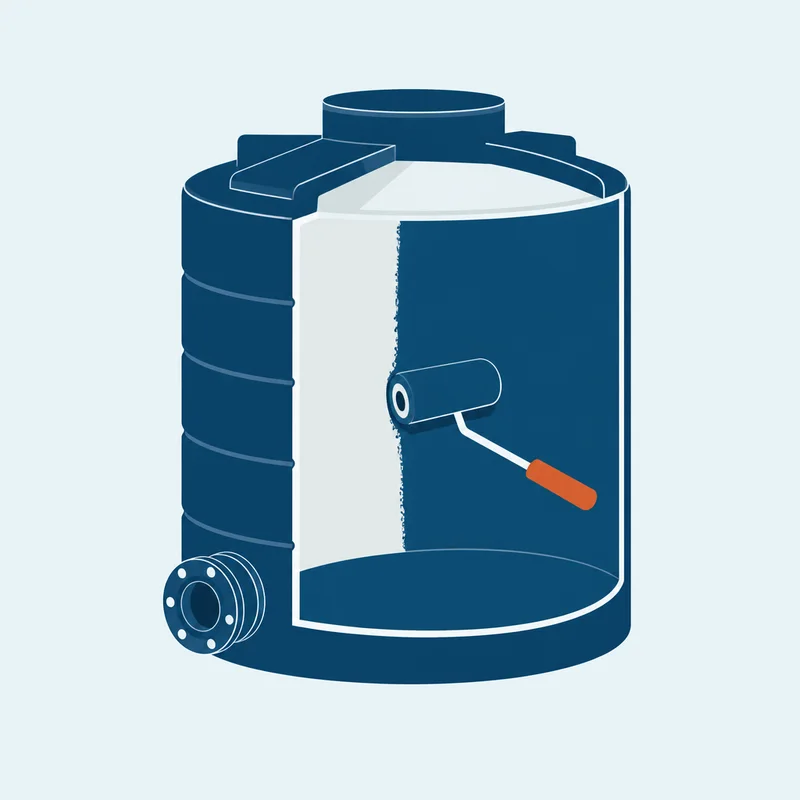
Safe to hold drinking water
The materials we apply are rated for potable water, so the tank is safe to drink from once it is back in use.
-
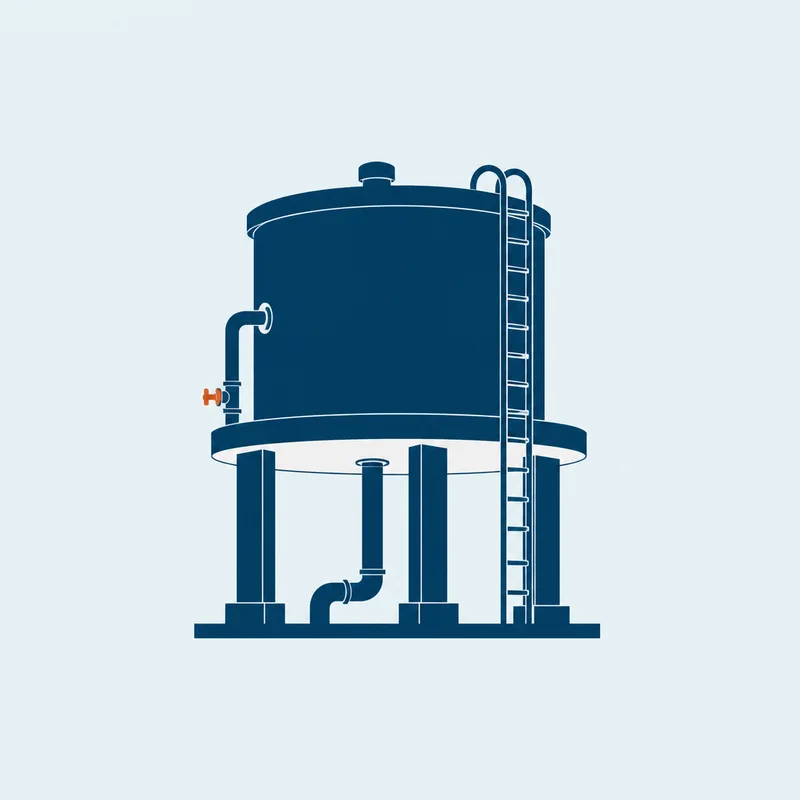
Proven before you rely on it
We do not hand a tank back on trust.
Why the job is different in Tuwaiq
Exposed roof tanks here take limestone dust and minerals faster than any other district. White scale settles on surfaces rapidly even without tank seepage, and the combination of both is accelerated damage. The whole method is set out in the water tank waterproofing overview.
-
The escarpment sends its dust straight to Tuwaiq roofs
Tuwaiq sits on the edge of the plateau, and strong westerly winds bring pale limestone dust from rocks and desert. The dust settles on every exposed surface. If the tank seeps even slightly, water mixed with dust leaves deep white deposits that are hard to remove and mar the roofscape. Regular cleaning only masks the problem.
-
Concentrated minerals eat concrete from the inside
Hard water mixed with limestone dust leaves very high mineral concentration around cracks and weak points. Minerals crystallise inside the concrete and break it down over time. Slow seeping in Tuwaiq can destroy a tank from within faster than in other areas because of this mineral load.
-
Exposed roofs offer no shelter from the elements
In Tuwaiq, there are no overhangs or covers to shield the tank from wind, dust and direct sun. An unsealed tank faces all the elements at once. Intense heat, wind and dust accelerate cracking and amplify seeping.
What's Included
The district sits on the edge of the rocky Tuwaiq escarpment with Wadi Hanifah below to the east, crossed by a suspended bridge that spans the slopes. Westerly winds carry limestone dust from the desert and rock faces directly onto roof surfaces.
-
Emptied and fully dried
Draining must happen carefully to avoid water pooling on exposed high surfaces, and drainage takes time to ensure safe structural integrity.
-
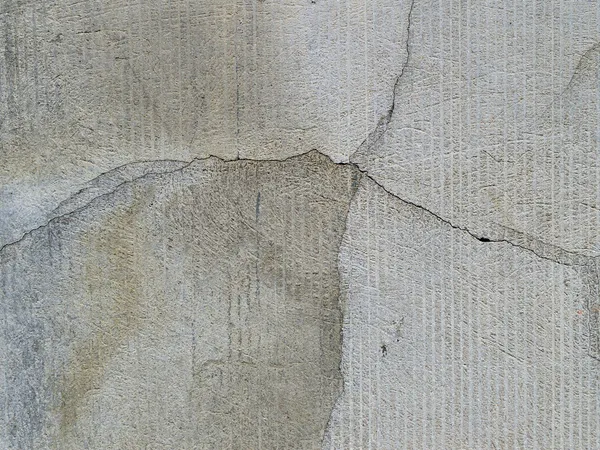
Cracks and leak points surveyed
Crack survey includes precise inspection inside and out, especially around joints where mineral crystallisation happens faster.
-
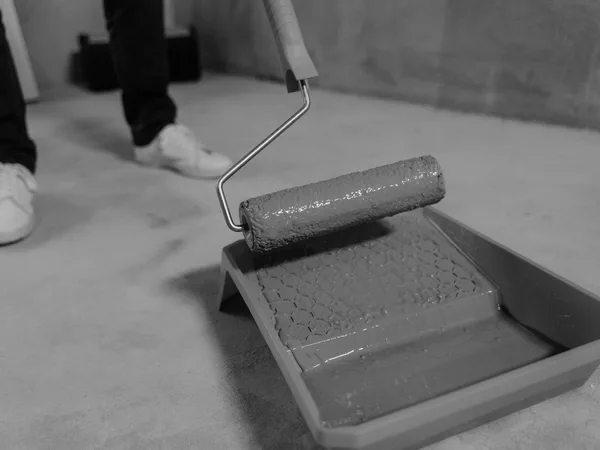
Surface prepared before coating
Surface cleaning removes mineral deposits and deep accumulated dust, not just surface cleaning, to prepare for good seal adhesion.
-
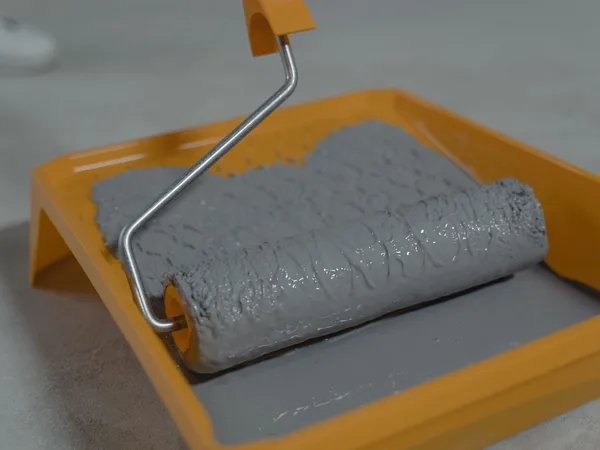
Waterproofing applied in coats
Application must be precise because the tank will face continuous heat stress and expansion pressure after filling in Tuwaiq's open exposure.
-
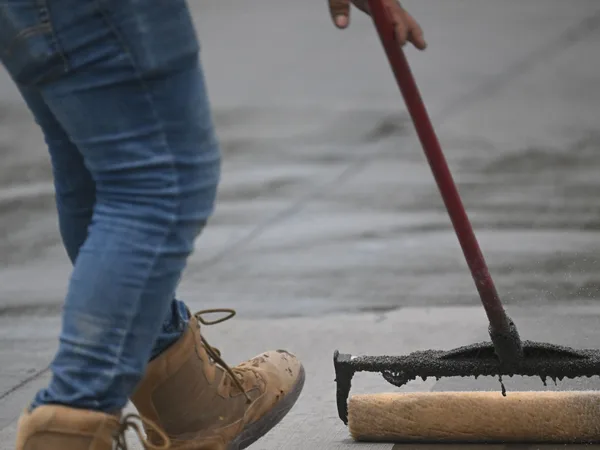
Full curing time
Curing takes complete time under Tuwaiq's hot exposed conditions, so work timing is chosen with care to optimise the process.
-
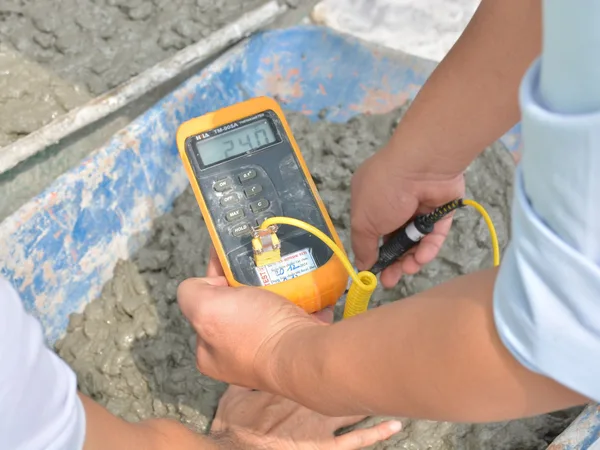
Fill test before handover
Pre-handover testing includes gradual filling and close observation under real heating and pressure of a full tank in a working setting.
Tuwaiq on the map
Tuwaiq sits about 4.5 km from Hijrat Wadi Laban and about 7.5 km from Dhahrat Laban.
Open in Google MapsHow we work
Look at the tank
Drain and prepare
Apply and cure
Fill, test and hand over
Some of our work
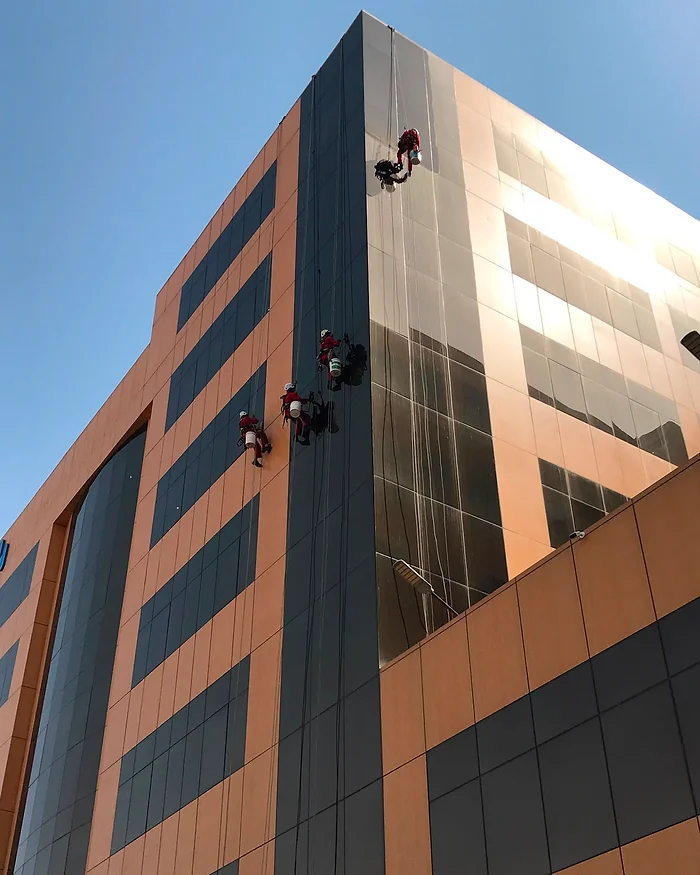
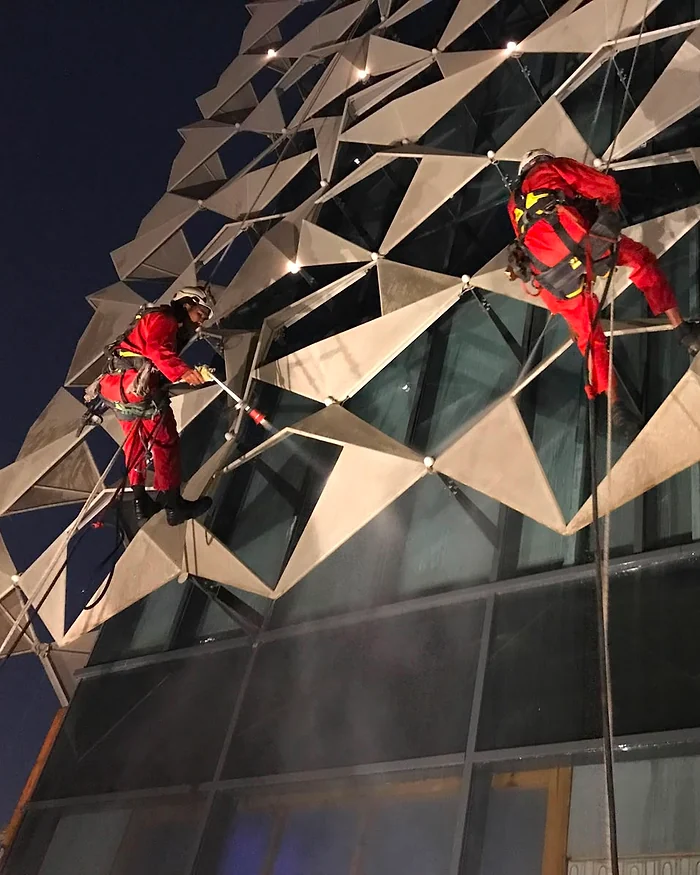
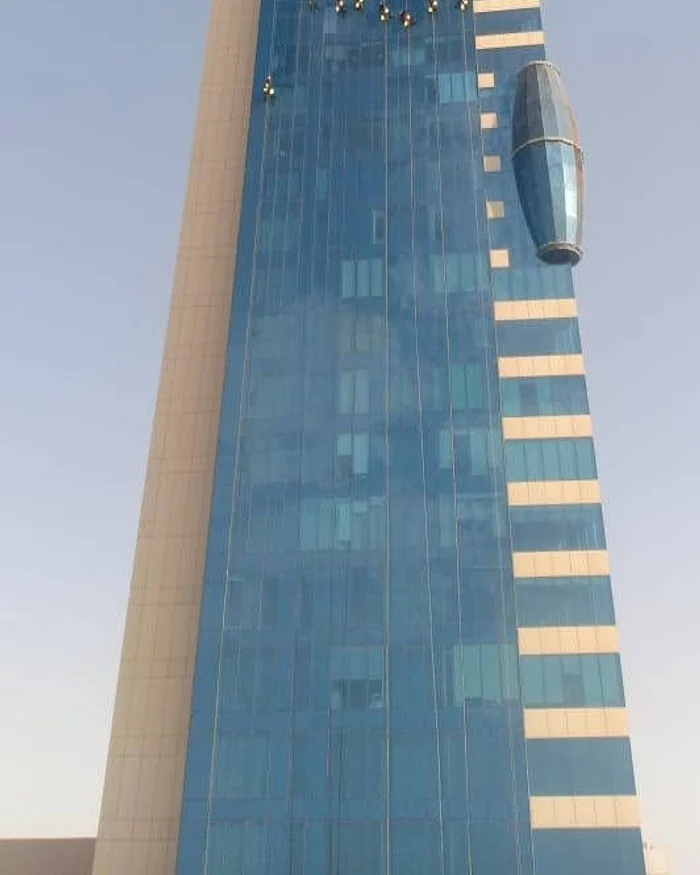
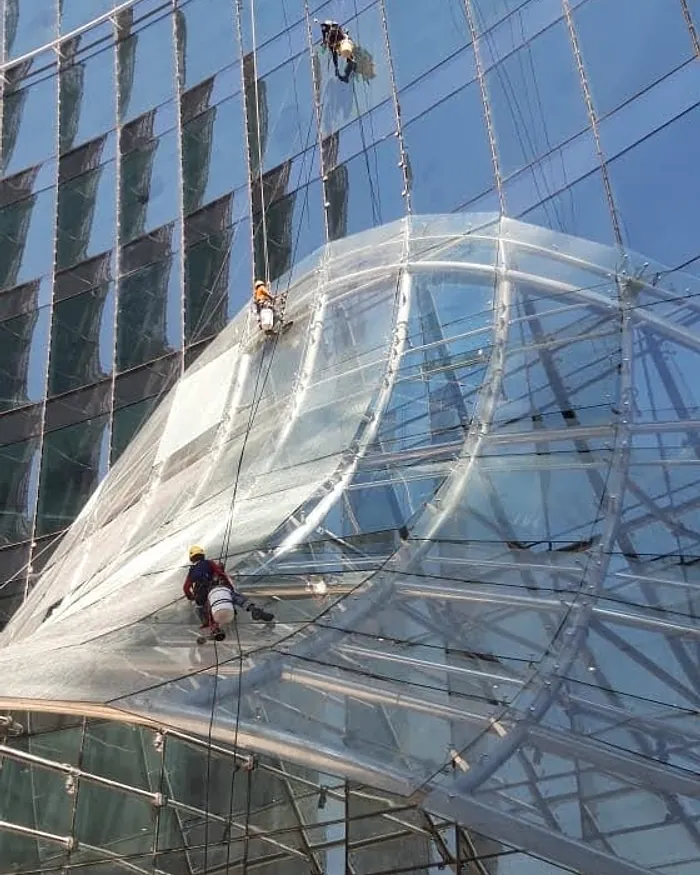
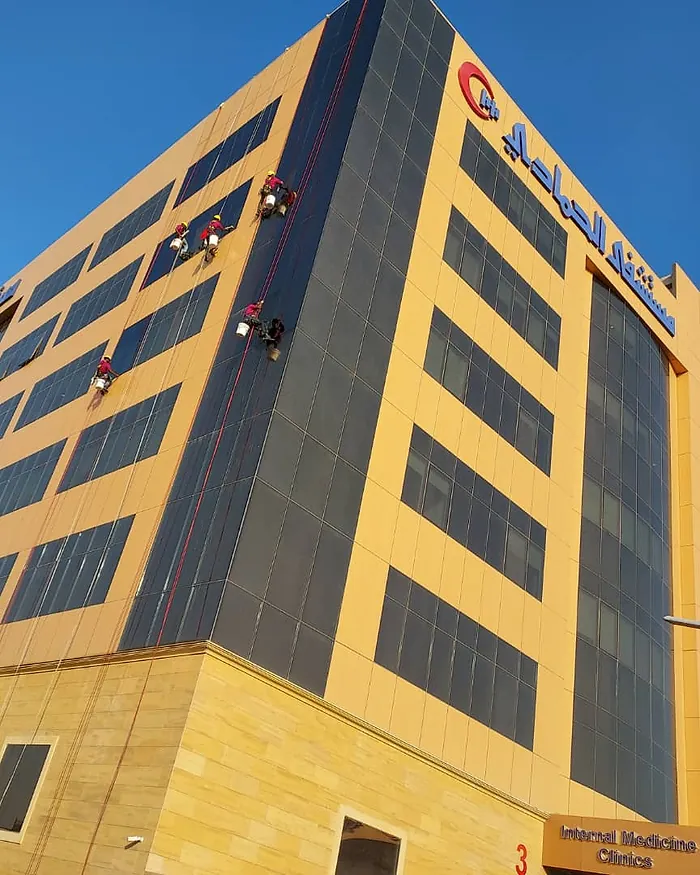
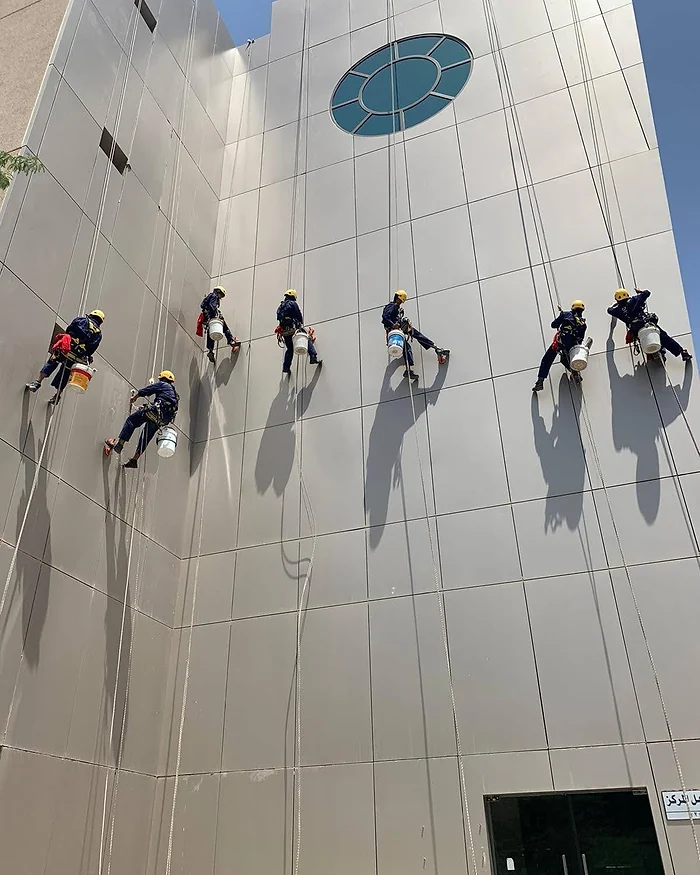
Photos from our team's work.
What is different about West Riyadh
West Riyadh sits against the Tuwaiq escarpment, with Wadi Hanifah and Wadi Laban cutting through it. Irqah, Dhahrat Laban, Tuwaiq, Al Uraija and Al Suwaidi are mainly villas and low apartment buildings on sloping ground, while the Diplomatic Quarter keeps its mature landscaping and stone facades, and Dirab and the wadi floor still hold farms and rest houses. Westerly winds bring a pale limestone dust off the plateau that settles in courtyards, on window ledges and on outdoor furniture, and the farms and unpaved edges add soil and pollen through much of the year.
Other services in Tuwaiq
The room and the building around it are on one list.
-
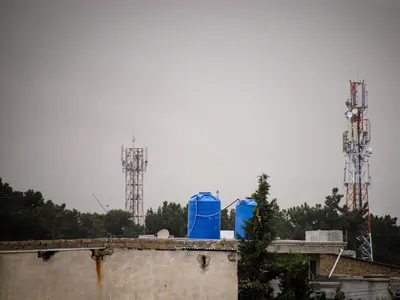
Water tank cleaning and disinfection
-
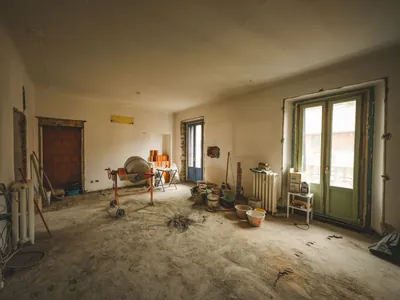
Post-construction cleaning
-
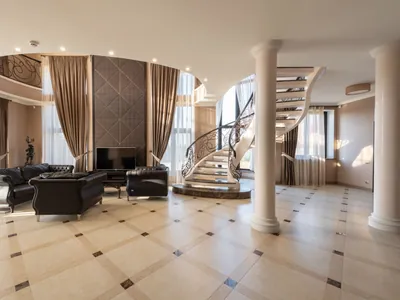
Villa cleaning
-
Swimming pool cleaning
-
Sofa cleaning
-
Carpet and rug cleaning
-

Mattress cleaning
-
Curtain cleaning
-
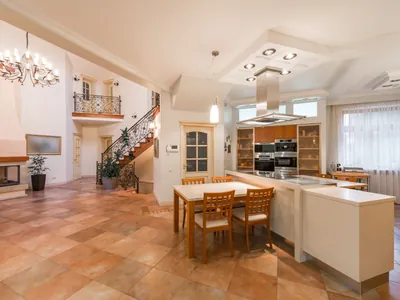
House cleaning
-
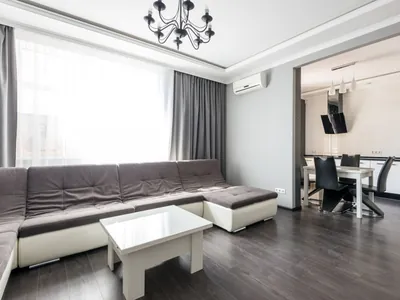
Apartment cleaning
-
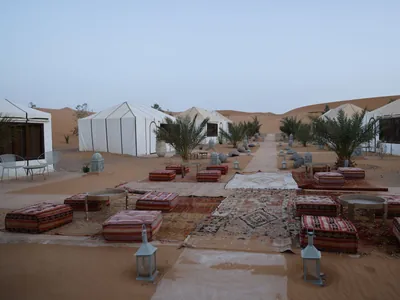
Majlis and rest-house cleaning
-
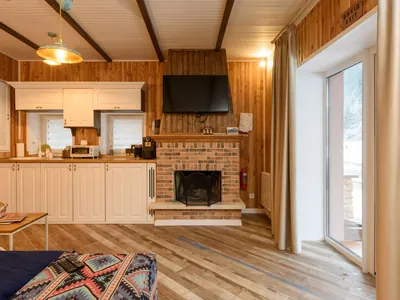
Chalet cleaning
-
Yacht cleaning
-
Kitchen cleaning
-
Bathroom cleaning
-
Chandelier cleaning
-
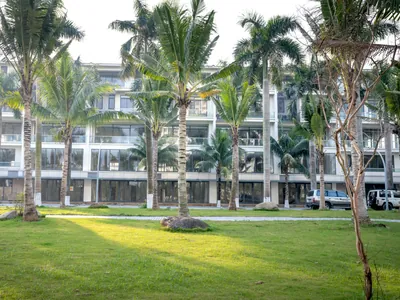
Garden clearance
-
Deep cleaning
-
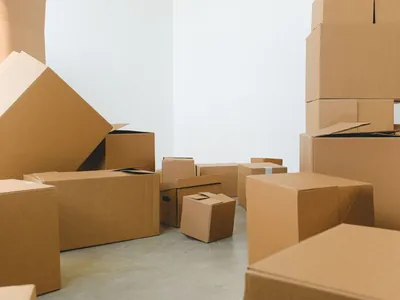
Move-in and move-out cleaning
-
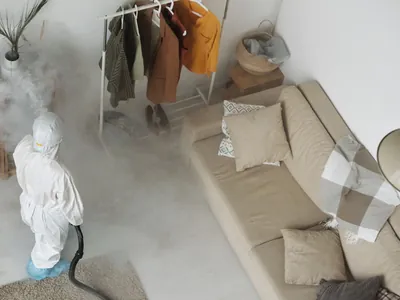
Disinfection and sanitisation
-
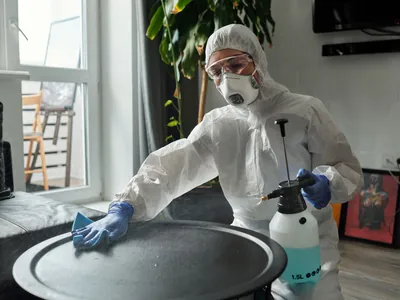
Pest control
-
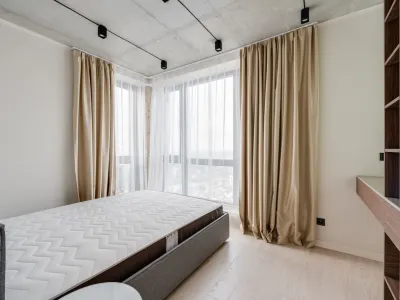
Bed bug control
-

Office cleaning
-
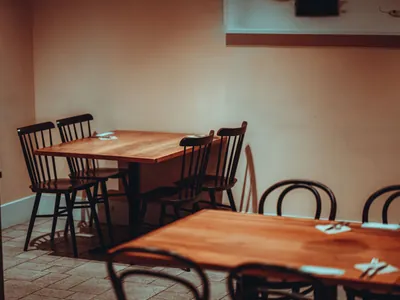
Restaurant cleaning
-
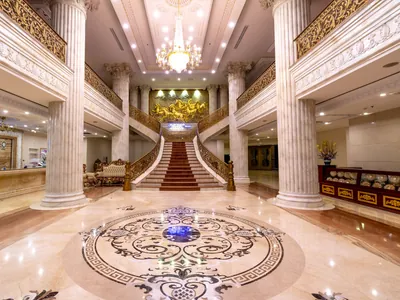
Hotel and resort cleaning
-
Shopping mall cleaning
-

Retail shop cleaning
-
School cleaning
-

Nursery and kindergarten cleaning
-
Hospital cleaning
-
Clinic and medical centre cleaning
-
Mosque cleaning
-
Government facility cleaning
-
Gym cleaning
-
Sports field cleaning
-
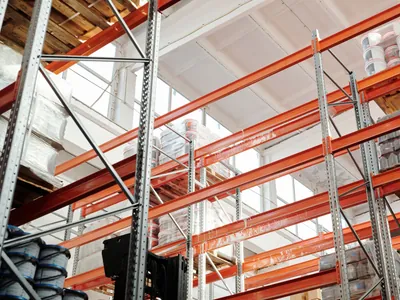
Factory and warehouse cleaning
-

Event cleaning
-
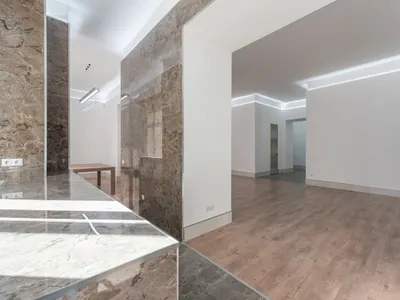
Commercial post-construction cleaning
-
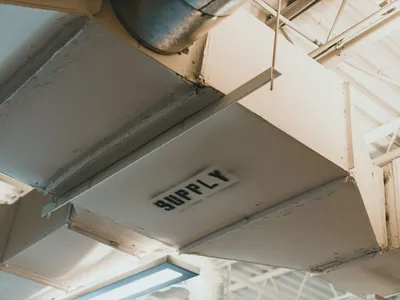
Air duct and AC cleaning
-
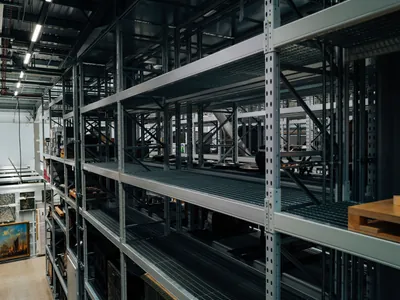
Commercial pest control