
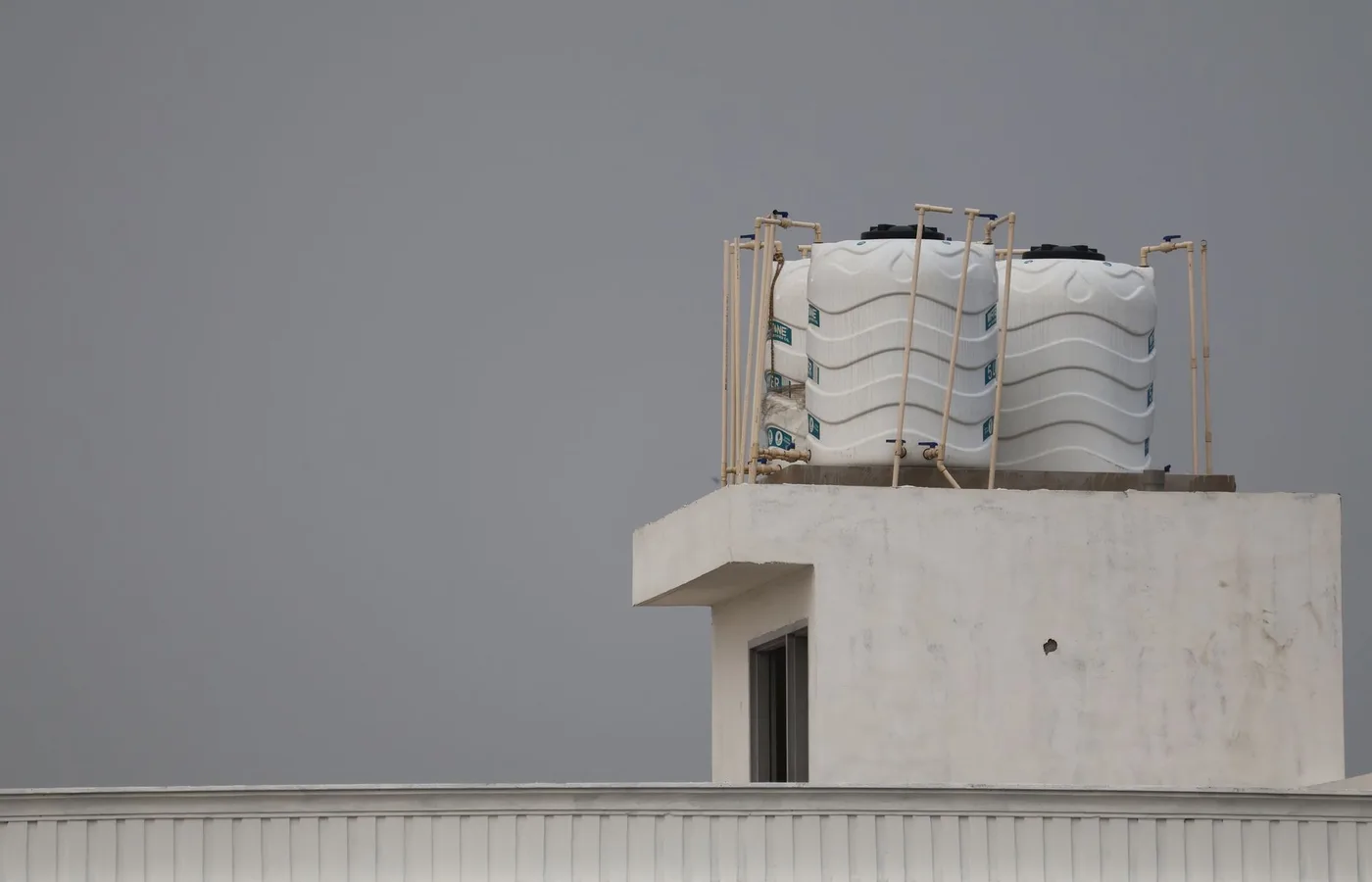
Raghwat Al Janoub Maintenance and Cleaning
Water tank cleaning and disinfection in Al Munsiyah, Riyadh
Al Munsiyah is a mixed district in northeast Riyadh with shops on the ground floor and homes above them. Shared tanks sit in stairwells and rooftops and catch desert sand directly. We drain the tank completely, scrub walls and floor, then disinfect with an approved product before returning the water safely to every home.
Why a tank needs regular cleaning
-
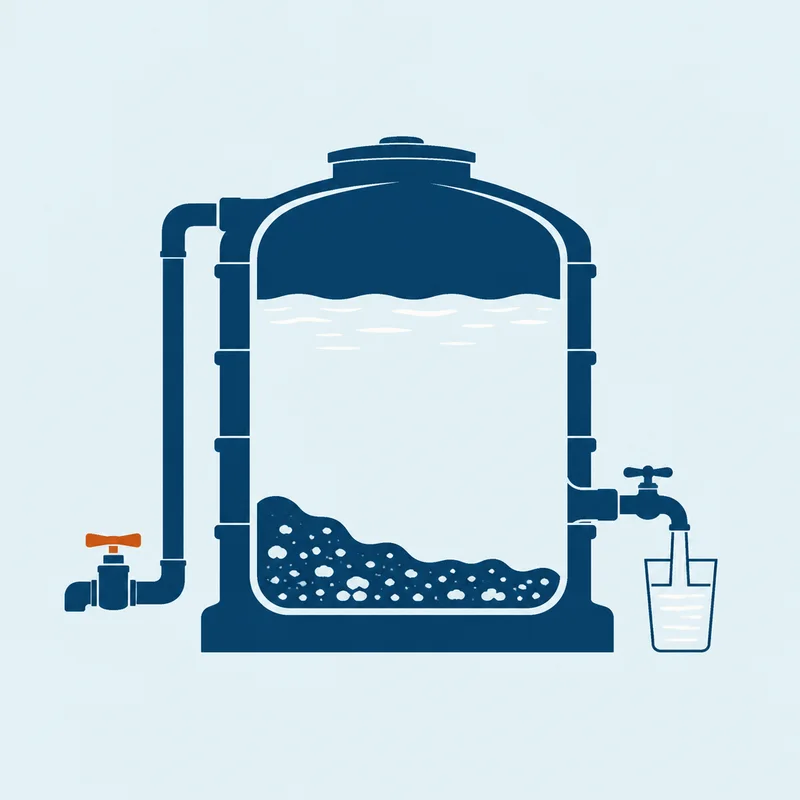
Safe water to drink and cook with
Every glass your family drinks has passed through the tank, so any sediment or bacteria in it reaches the tap directly.
-
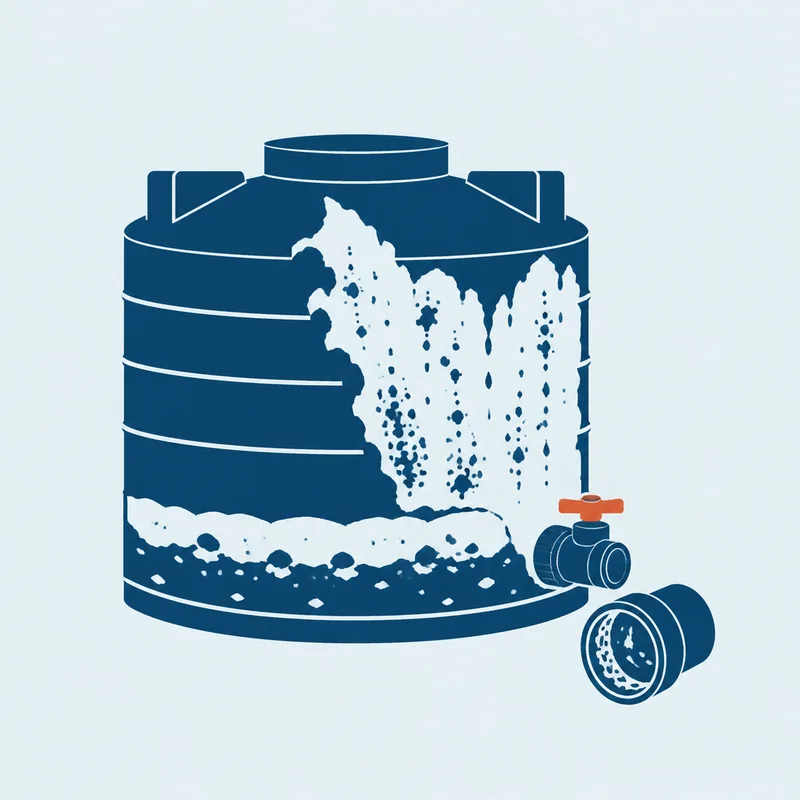
Scheduled, not reactive
A roof water tank is one of the two things in a Saudi building that most reward a clean booked in advance rather than one prompted by a problem.
-
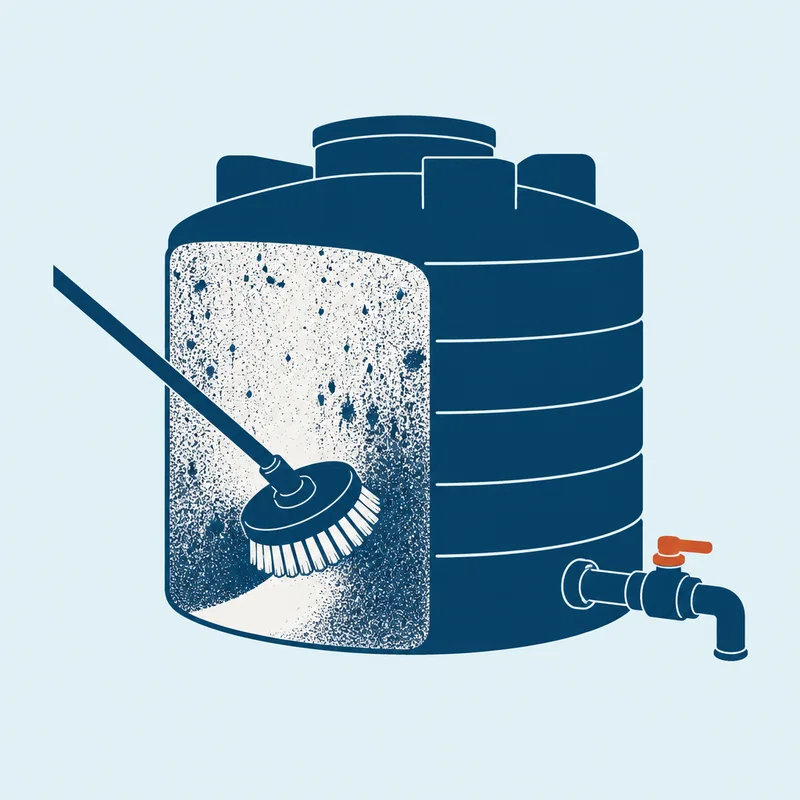
Riyadh dust never stops
Dust here is fine, mineral and constant, and it settles into a tank far faster than it would in a coastal city.
-
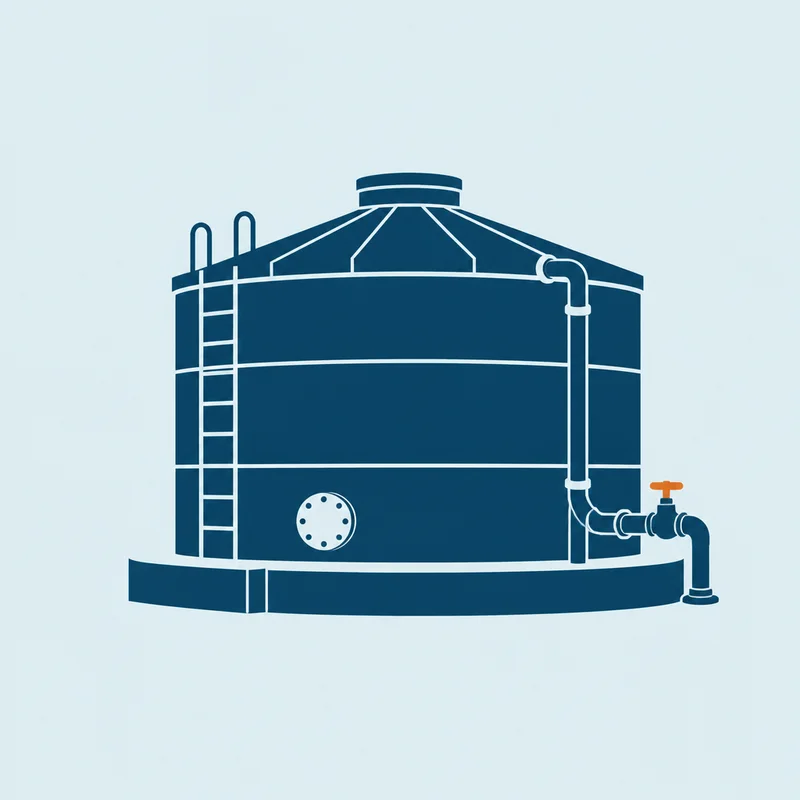
Contact time we hold to
Disinfectant does not work the moment it is applied; it has a set contact time before rinsing, and that is what actually kills bacteria.
Why the job is different in Al Munsiyah
Shared tanks in apartment buildings here are refilled more times per day because more residents draw water. Each refill brings fresh sand, and sediment builds twice as fast as in detached villas across the rest of the city. The whole method is set out in our water tank cleaning and disinfection guide.
-
Shared tanks and rapid contamination cycles
Shared tanks in Al Munsiyah apartment blocks serve dozens of households and are refilled many times daily. Every refill carries new sand and dust, and the sediment accumulates at double the rate of individual villa tanks. The water shows visible discoloration within weeks.
-
Fine sand from the open Dahna desert
Al Munsiyah faces the sand belt of the Dahna directly and receives the first and heaviest share of every dust storm. Fine sand penetrates stairwells, balconies and window tracks and falls into the tank with every pump cycle, creating visible red tint and metallic taste.
-
Ground floor shops and dust in shared stairwells
Street level shops and heavy foot traffic bring city dust into the shared stairwells. This dust falls into the tank when the cover is opened for maintenance or inspection, adding another layer of contamination on top of what the open desert supplies.
What's Included
Al Munsiyah lies near King Khalid International Airport and faces the open Dahna desert directly. Fine sand from the open landscape enters with each refill and settles immediately at the tank bottom in layers.
-
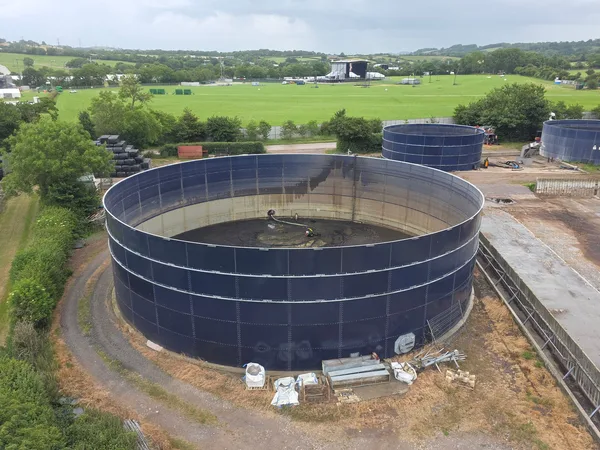
The tank drained completely
Draining the shared tank completely and quickly ensures no old water carrying sand and bacteria remains trapped at the lowest point of the system.
-
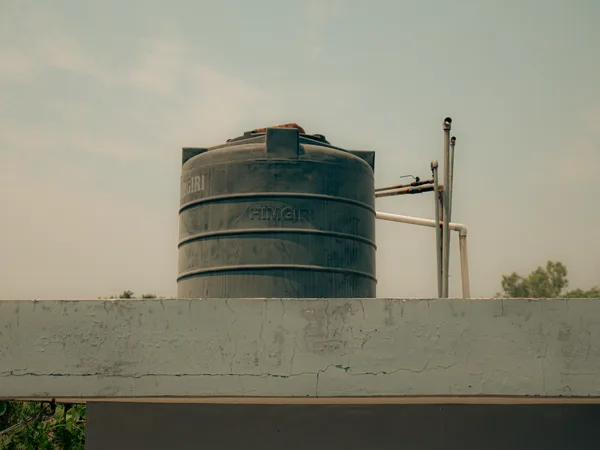
Sediment removed from the floor
Sediment removal in Al Munsiyah tanks must be careful work because sand forms a thick solid layer on the floor that requires repeated scrubbing to fully clear.
-
Walls and ceiling scrubbed
Wall scrubbing must reach every corner and the stairwell access points where dust accumulates and bacteria colonies grow in the film left by hard water.
-
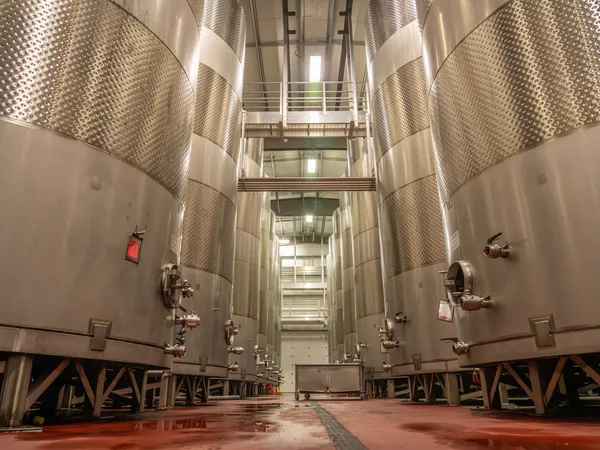
Disinfected with an approved product
Disinfection with an approved product safe for drinking water must coat every internal surface thoroughly, especially corners and the cracks where sand particles lodge.
-
Full contact time before rinsing
Full contact time before rinsing is essential in shared tanks because resident numbers mean higher contamination risk and the bacteria load is typically heavy.
-
Rinsed and refilled
Rinsing and refilling must be gentle and complete to restore the tank without water cuts that would disrupt supply to dozens of households across multiple floors.
Landmarks of Al Munsiyah
Shared tanks in buildings around Al Munsiyah Garden and along Al Najah Road need coordination with building management to schedule the cleaning when it suits the residents and keeps the ground floor shops operating without water interruption.
- Al Munsiyah Garden
- Al Najah Road
- Al Thumamah Road
- Al Munsiyah Health Centre
- Al Wafeen Mall
How we work
Call and booking
Drain and de-silt
Scrub and disinfect
Rinse and restart
Some of our work
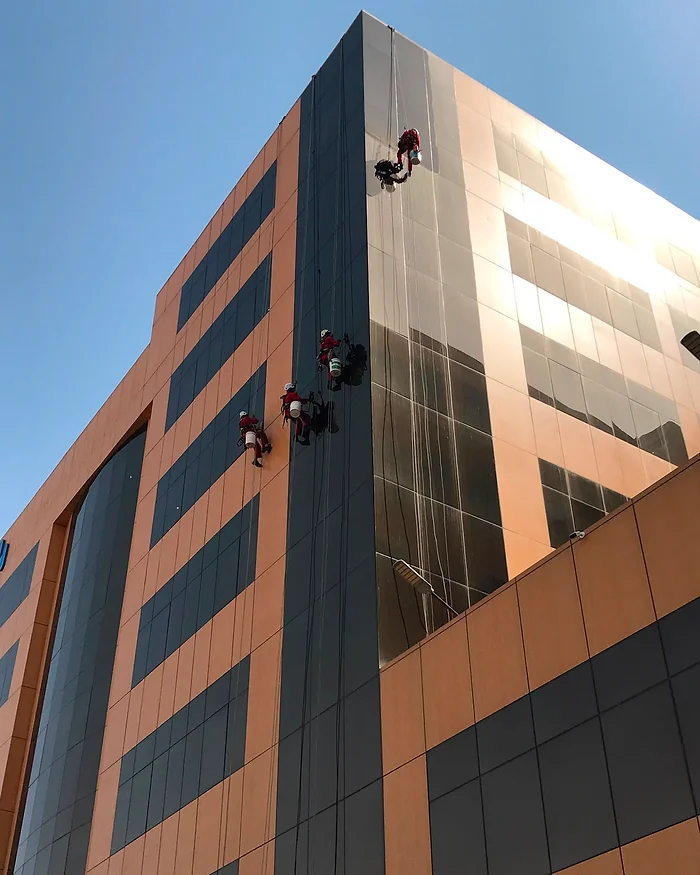
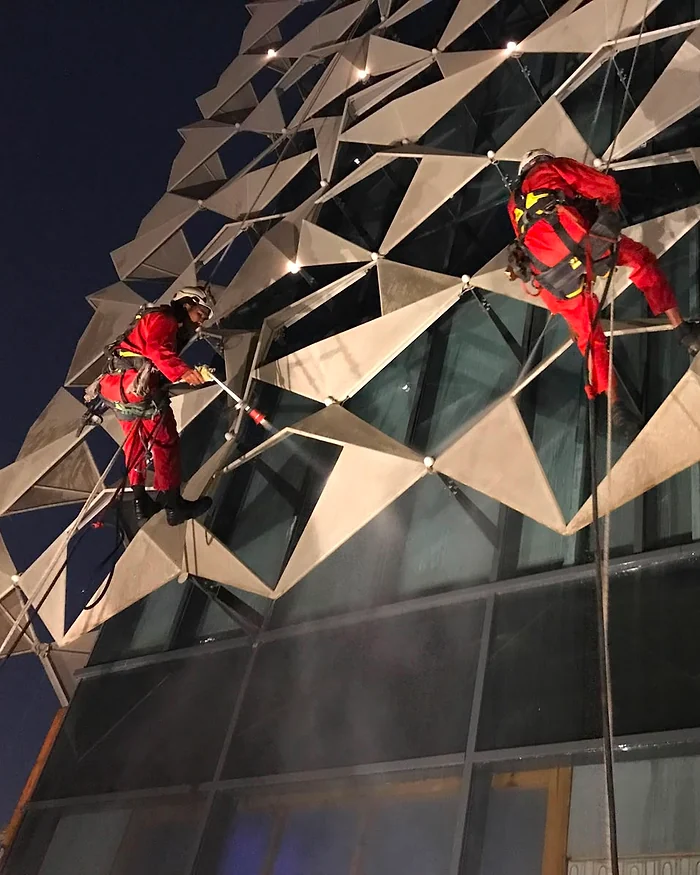
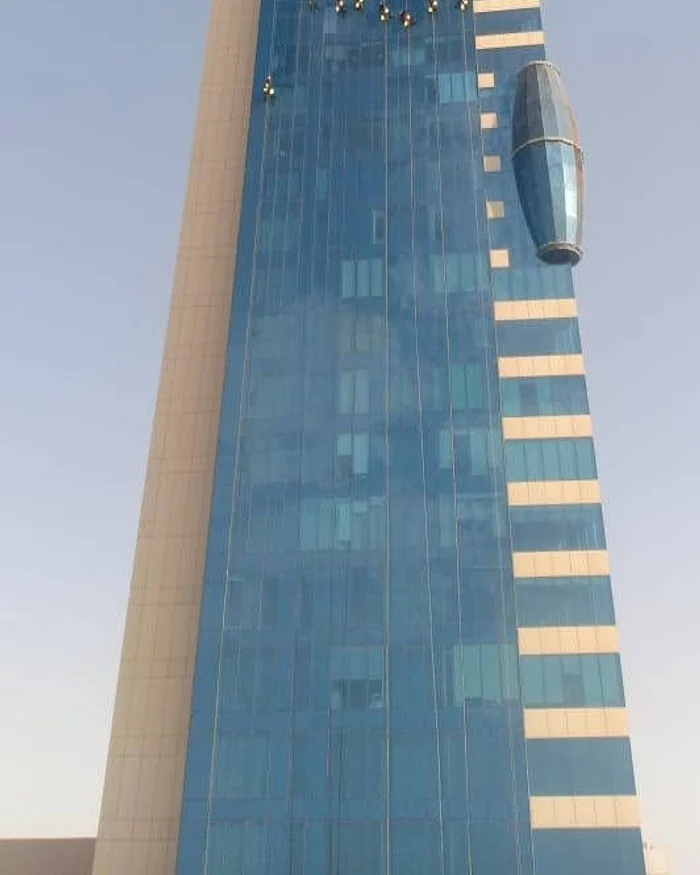
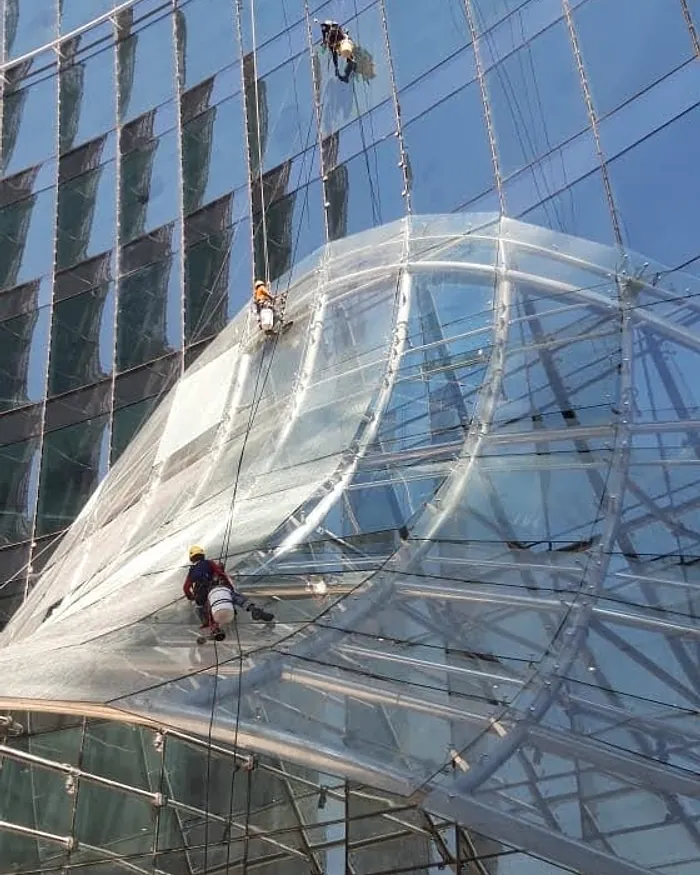
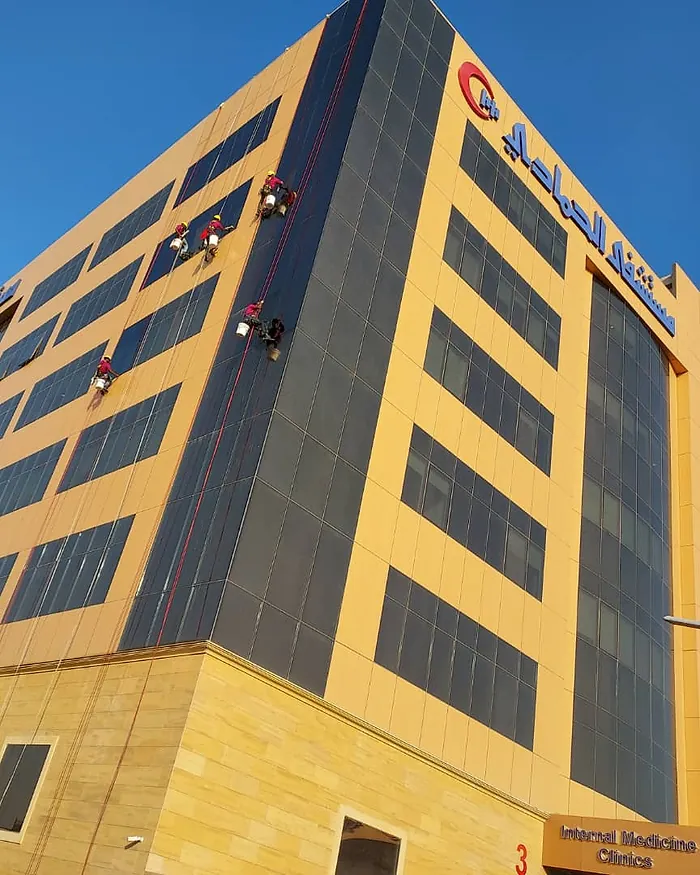
Photos from our team's work.
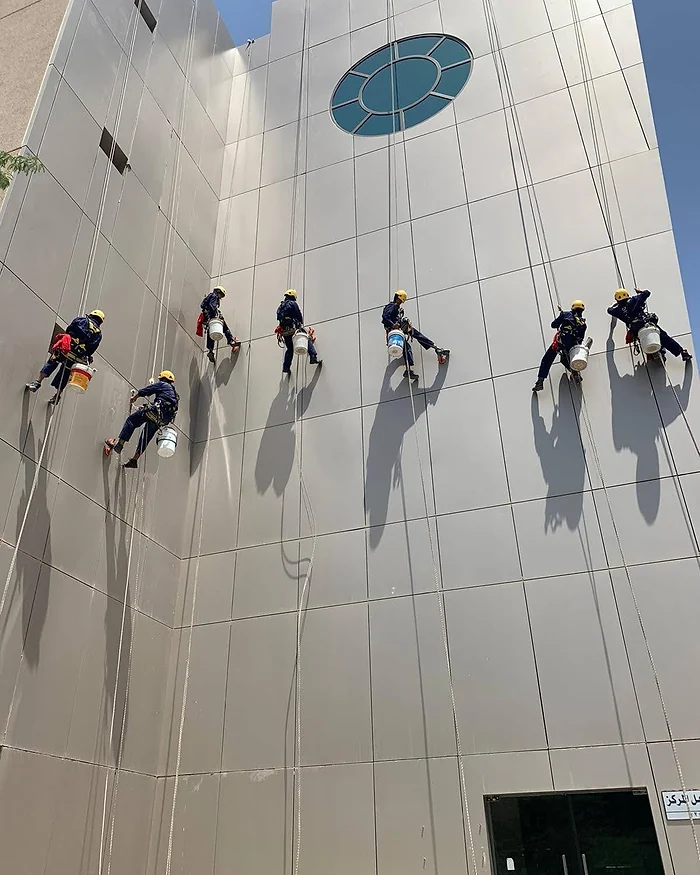
What is different about East Riyadh
East Riyadh runs from King Abdullah Road and Khurais Road out past the eastern ring road towards Al Janadriyah. Al Rawdah, Al Naseem and Al Yarmuk are established districts of villas and mid rise apartment blocks, while Al Rimal, Al Munsiyah and Ishbiliyah are newer estates with more compact houses and lighter finishes. This side of the city faces the open desert and the sand belt of the Dahna, so it takes the first and heaviest share of every dust storm, and fine sand works into stairwells, balconies and window tracks all along the Dammam highway.
Other services in Al Munsiyah
The room and the building around it are on one list.
-
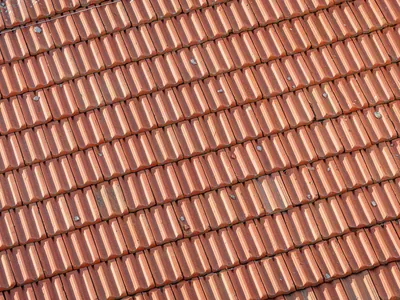
Water tank waterproofing
-
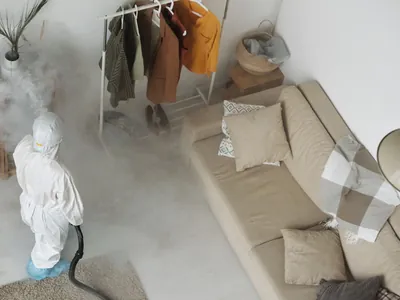
Disinfection and sanitisation
-
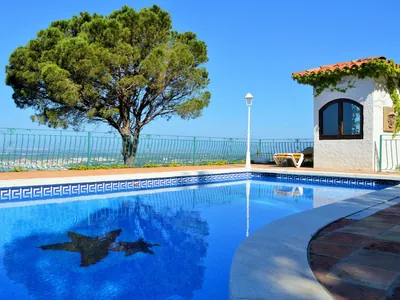
Swimming pool cleaning
-
Villa cleaning
-
Sofa cleaning
-
Carpet and rug cleaning
-

Mattress cleaning
-
Curtain cleaning
-
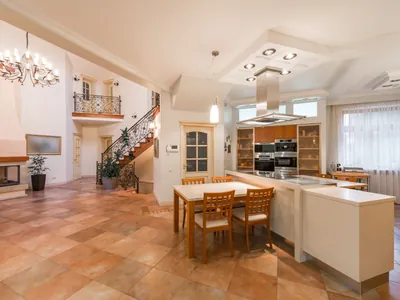
House cleaning
-
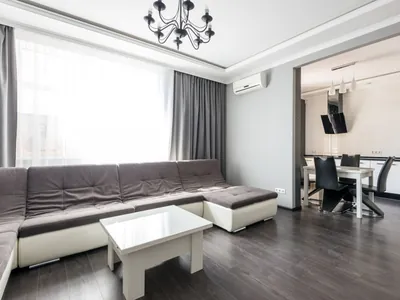
Apartment cleaning
-
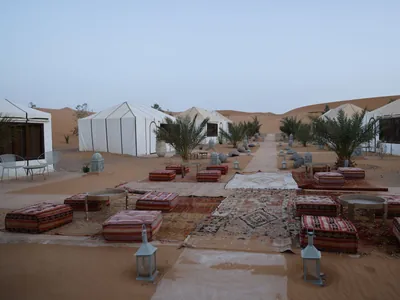
Majlis and rest-house cleaning
-
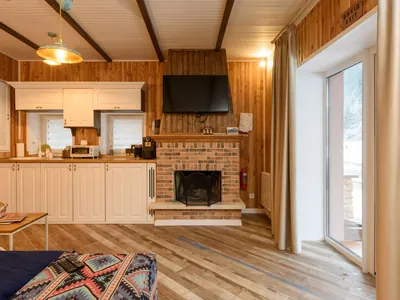
Chalet cleaning
-
Yacht cleaning
-
Kitchen cleaning
-
Bathroom cleaning
-
Chandelier cleaning
-
Garden clearance
-
Deep cleaning
-
Move-in and move-out cleaning
-
Post-construction cleaning
-
Pest control
-
Bed bug control
-
Office cleaning
-
Restaurant cleaning
-
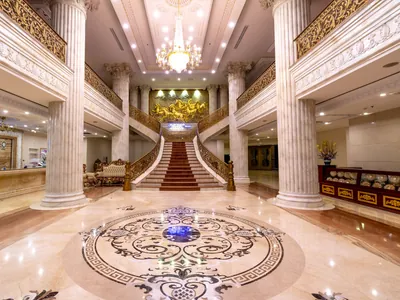
Hotel and resort cleaning
-
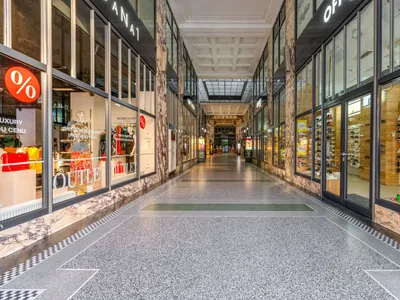
Shopping mall cleaning
-

Retail shop cleaning
-
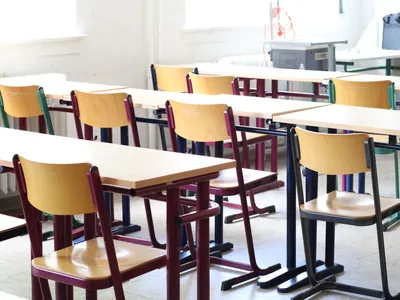
School cleaning
-

Nursery and kindergarten cleaning
-
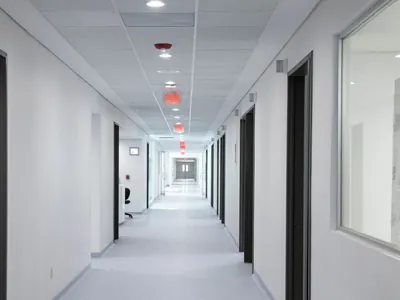
Hospital cleaning
-
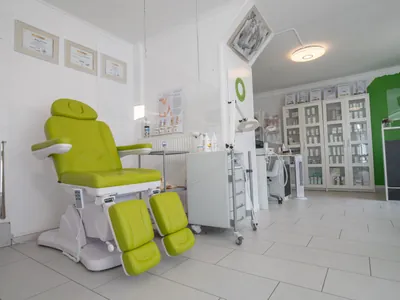
Clinic and medical centre cleaning
-
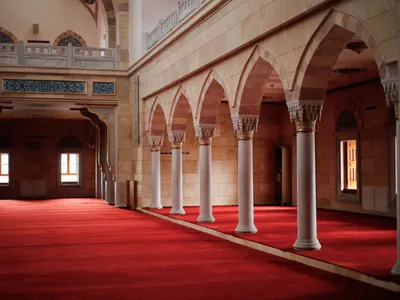
Mosque cleaning
-
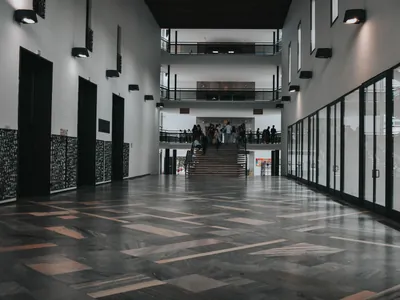
Government facility cleaning
-
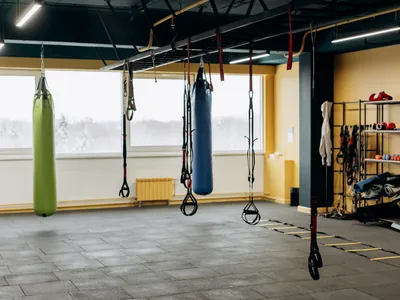
Gym cleaning
-
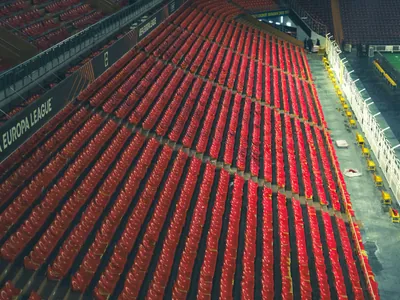
Sports field cleaning
-
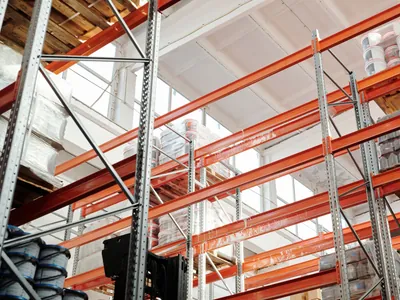
Factory and warehouse cleaning
-

Event cleaning
-
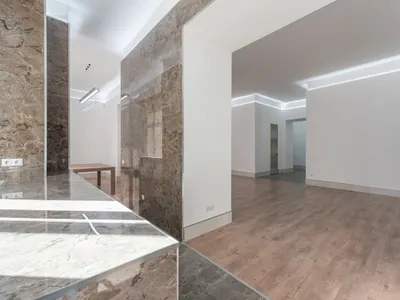
Commercial post-construction cleaning
-
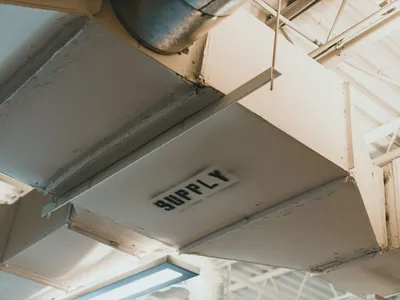
Air duct and AC cleaning
-
Commercial pest control