
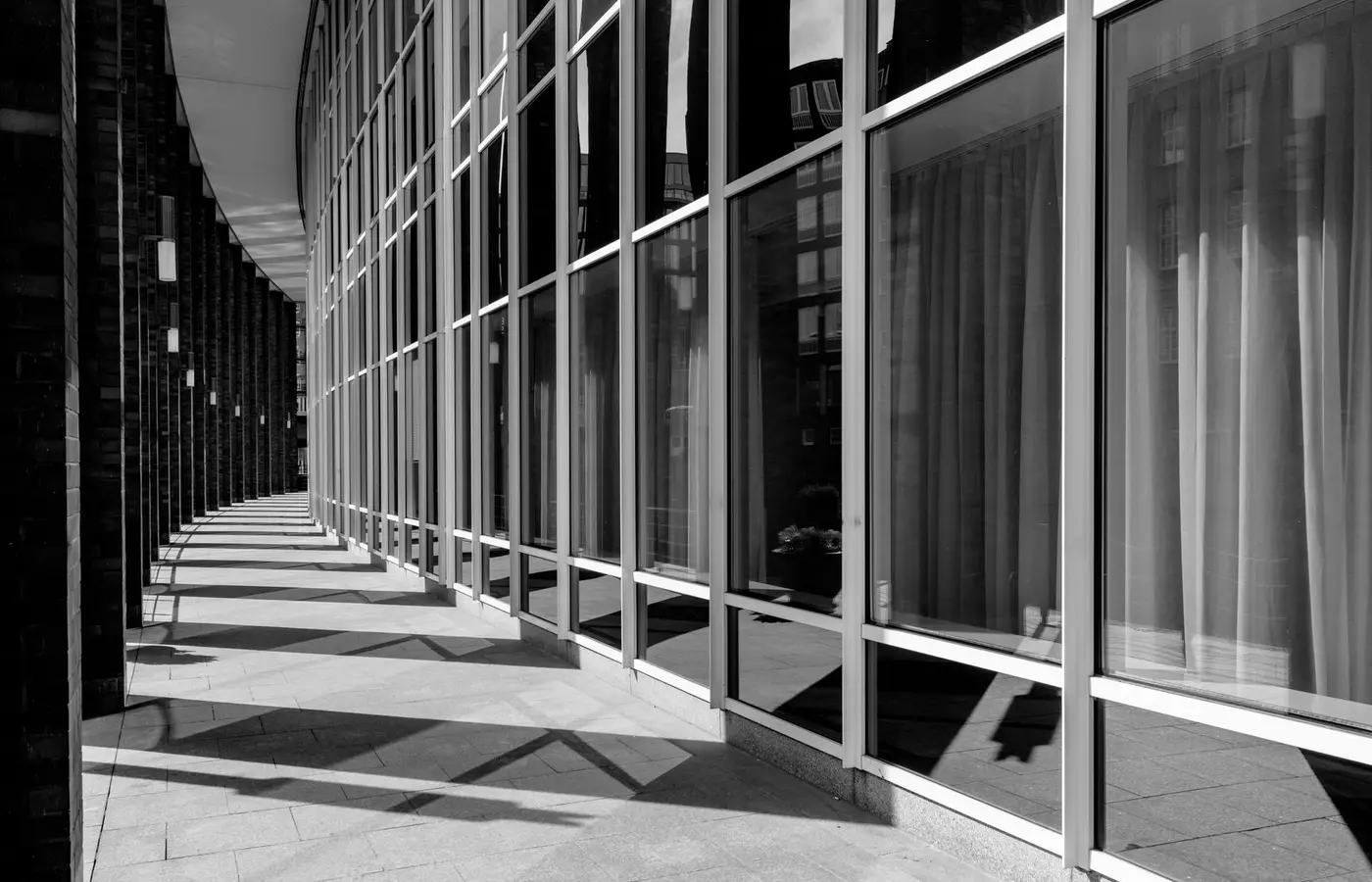
Why a facade needs regular cleaning
Riyadh dust is fine, mineral and constant, so it settles onto glass and cladding and leaves a dull film that ages a building fast. Hard water leaves calcium scale on the glass, and left long enough it etches the surface so it no longer polishes off. An alkaline cleaner strips the coating on cladding and the panel then oxidises unevenly. Regular cleaning stops all of that before it becomes permanent.
-
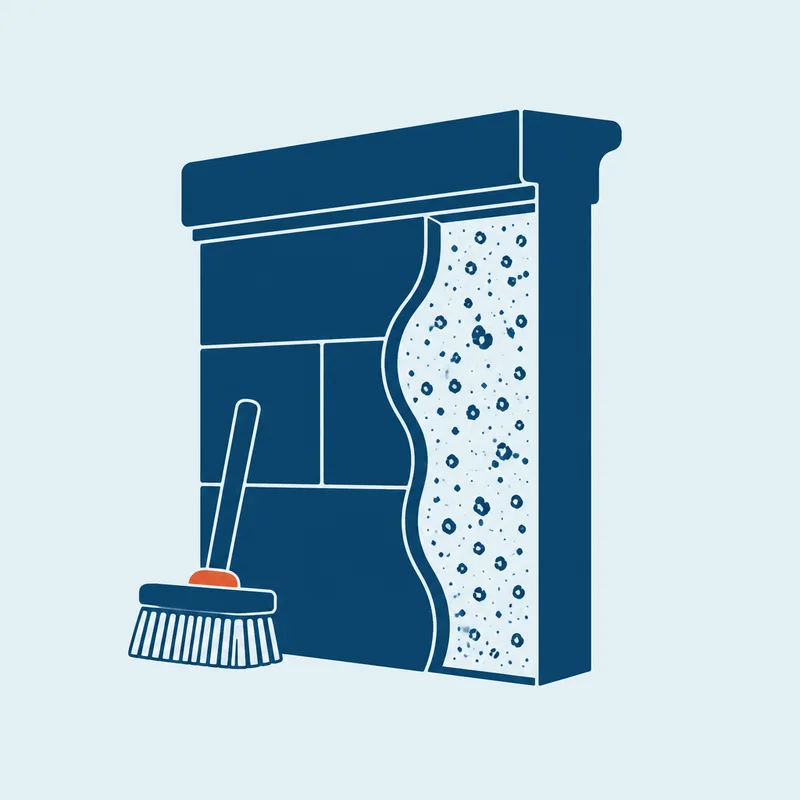
The surface is protected
The wrong product costs more than the dirt it removes. We use a pH-neutral cleaner on cladding and stone, so the coating is not stripped and the panel does not oxidise, and the elevation still looks even a year later.
-
Access decided on site
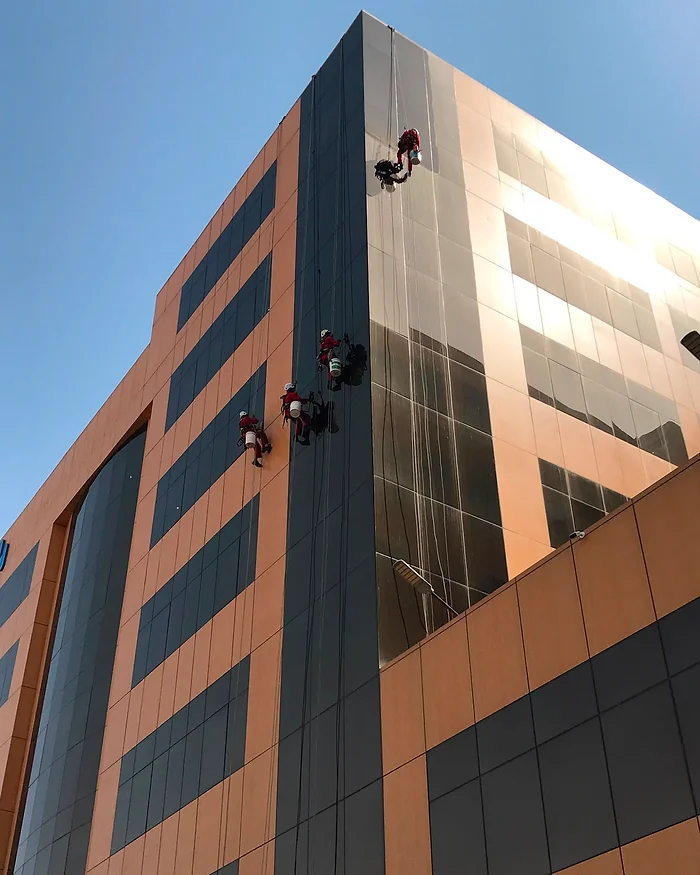
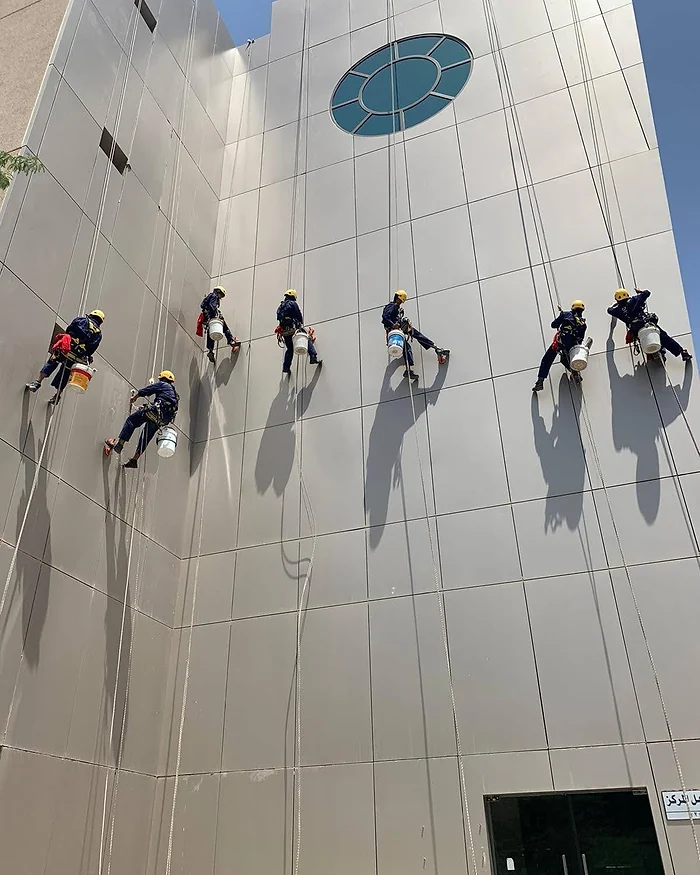
We do not pick the access method from an office. A tower with sound anchor points suits rope access, while a boom lift needs firm ground in front for its outriggers, and the choice is made after the survey on the building itself.
-
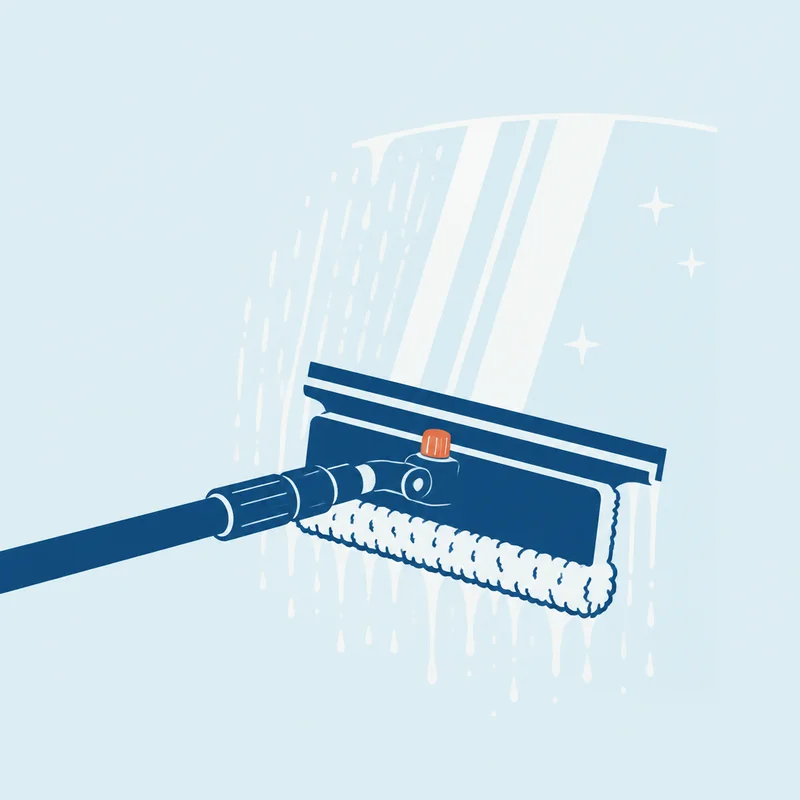
Glass stays clear
Calcium scale on glass turns into permanent etching if it is left. We remove it before it bites into the surface, and we treat the hard water in a way that leaves the frame and the silicone around each pane untouched.
-
The building keeps running
We plan the access and the working hours around how the building is used through the day, and we protect the ground, the entrances and anyone passing below. Doors and walkways stay open while we work on the elevation above them.
What's Included
Every elevation goes through these steps, from the first survey to lifting the protection off the ground.
-
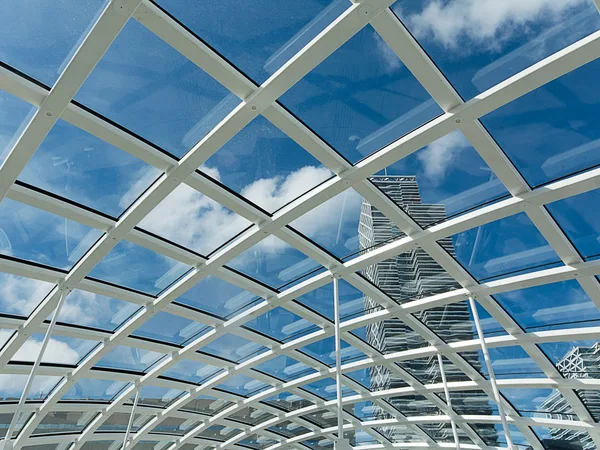
Roof survey and anchor points
We go up to the roof first to read the anchor points, the ground below them, the surface type and how the building is used through the day before deciding anything.
-
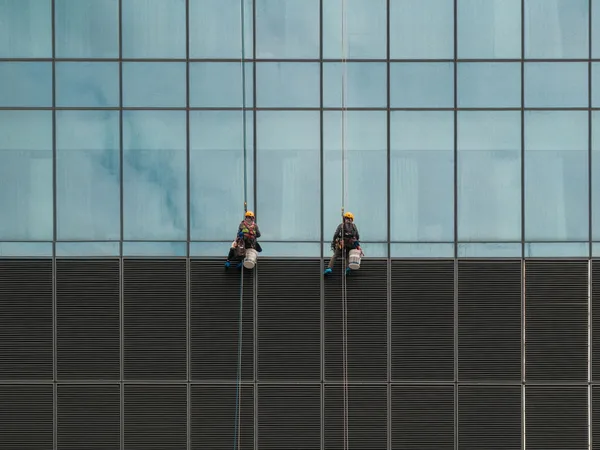
Access chosen: rope or powered
We choose between rope access and a powered lift based on what the survey shows: sound anchor points for rope, or firm ground in front for the lift's outriggers.
-
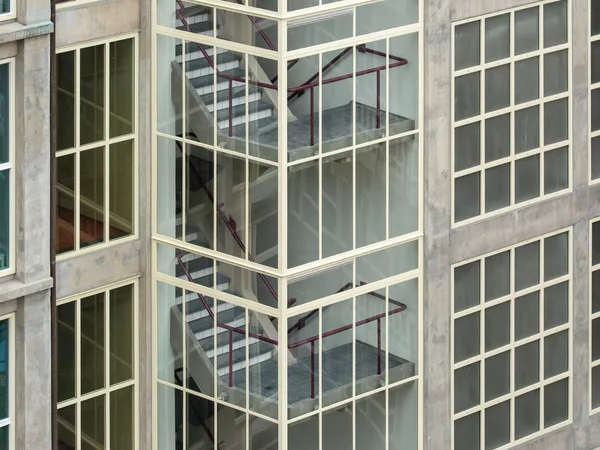
A test patch before the whole elevation
We try the product and the method on a small, out-of-sight patch first and confirm the surface is unaffected before we take it across the whole elevation.
-
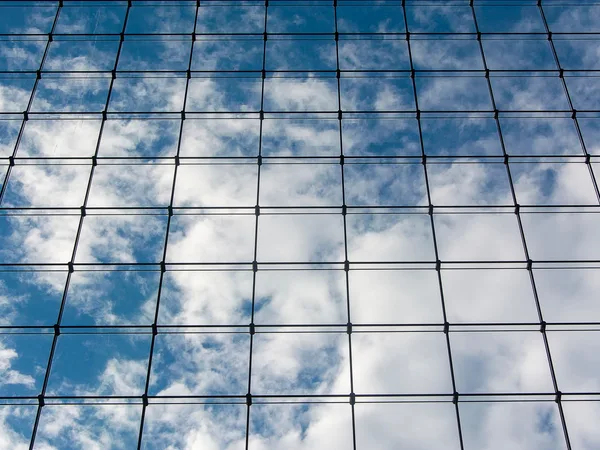
Glass and curtain walling
We clear calcium scale and dust from glass and curtain walling with products that spare the frame and silicone, before the scale etches the surface for good.
-
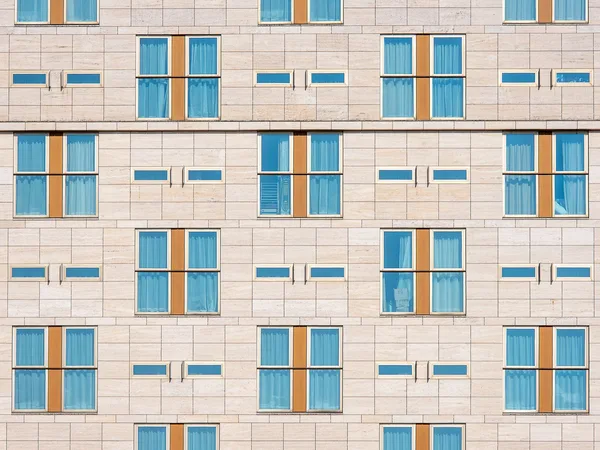
Cladding and stone, pH-neutral
We clean cladding and stone with a pH-neutral detergent, because an alkaline one strips the protective coating and leaves the panel oxidising unevenly after the wash.
-
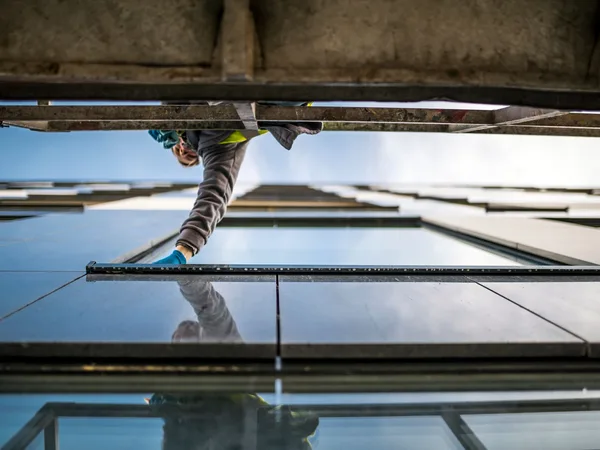
Ground and passers-by protected
We cover the ground below the work point and cordon off the path for passers-by, entrances and parked cars, so no spray reaches them and nothing falls onto anyone.
Some of our work
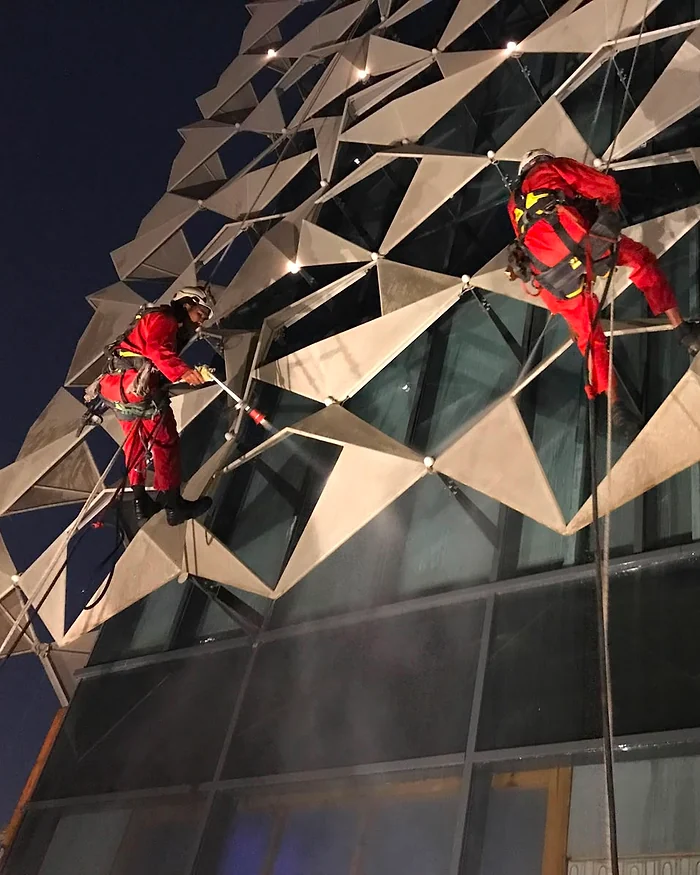
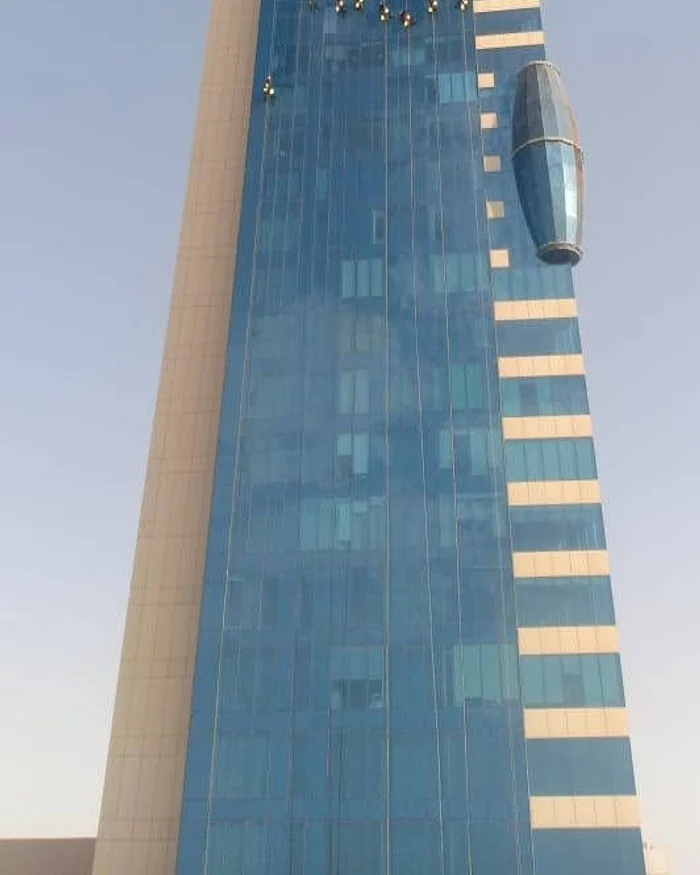
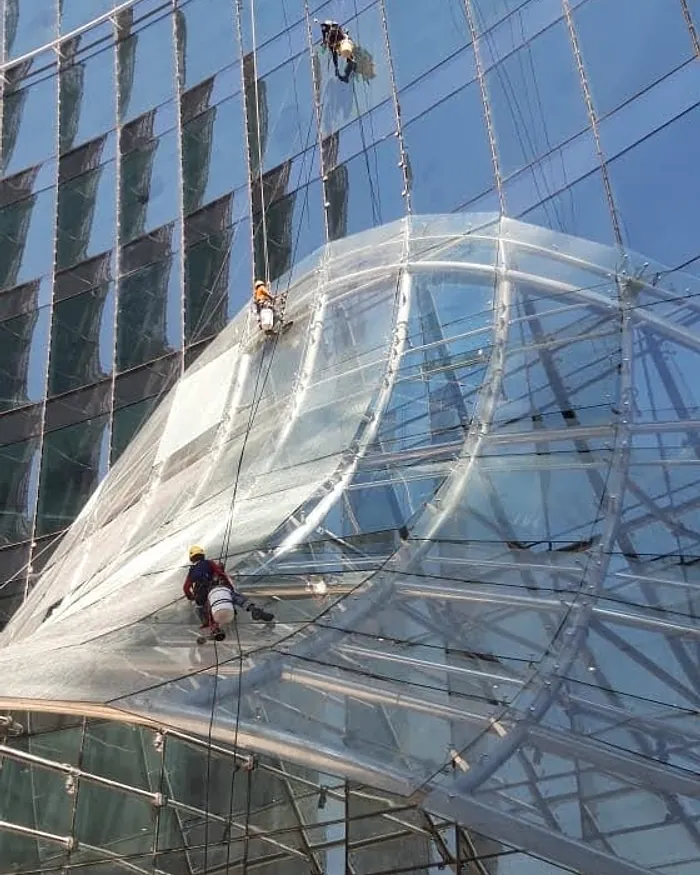
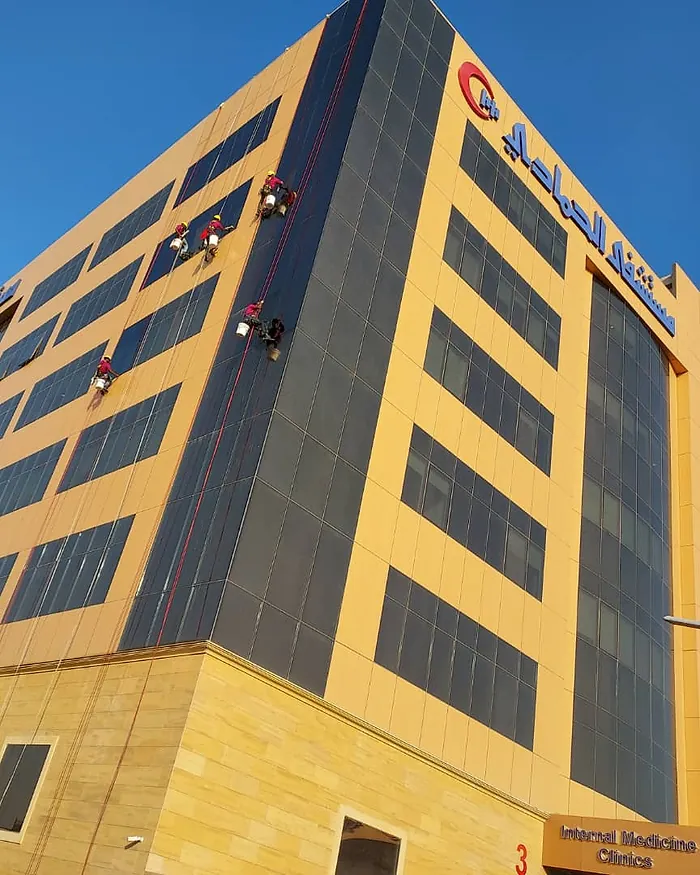
Photos from our team's work.
Related services
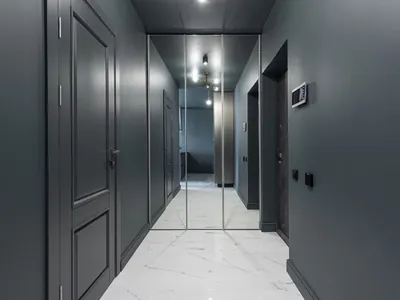
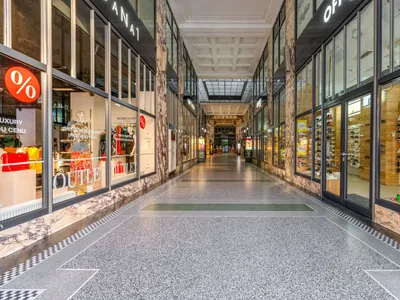
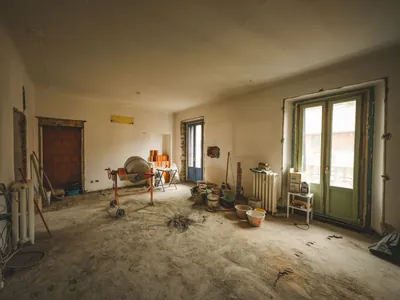
The room and the building around it are on one list.

Cities we cover
We clean buildings in many parts of the Kingdom, from towers in the larger cities to villas and mixed-use complexes. Pick your area from the list to see whether we reach you.