Raghwat Al Janoub Maintenance and Cleaning
Building facade cleaning in Ras Al Khair
Ras Al-Khair is a new industrial port town on the Arabian Gulf coast, built around a mining and metals complex, a power and desalination plant and a large shipyard under construction, with worker housing but almost no separate residential town. Warm salt-laden air and high humidity deposit a sticky film on glass and cladding, while fine industrial fallout from the plants adds additional soiling. Cleaning facades here means protecting electrical equipment and machinery from salt and moisture infiltration, and maintaining visibility through glass and instrument panels that corrosion threatens.
Why a facade needs regular cleaning
-
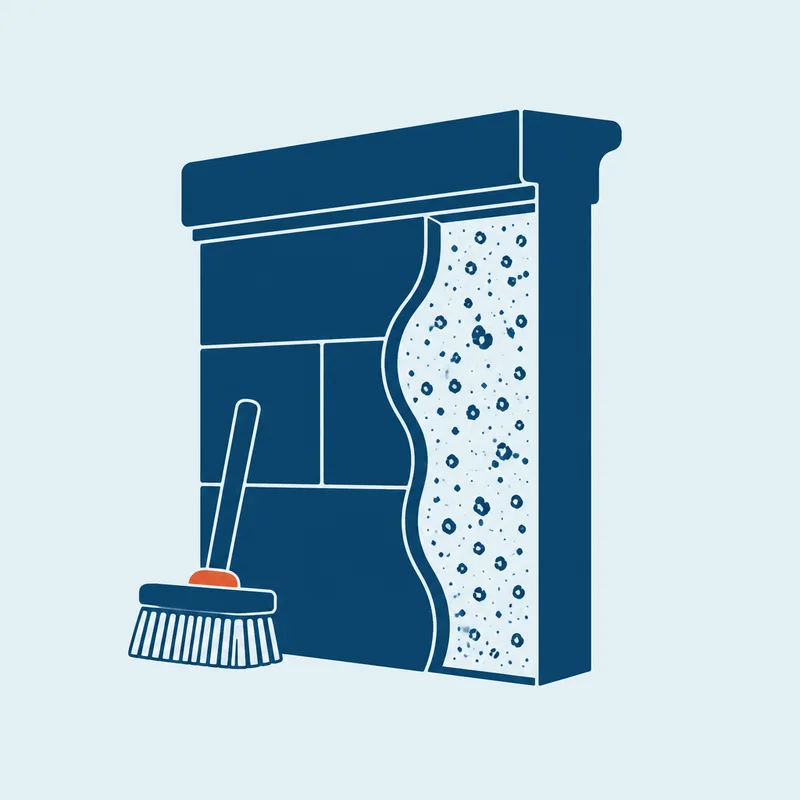
The surface is protected
The wrong product costs more than the dirt it removes.
-
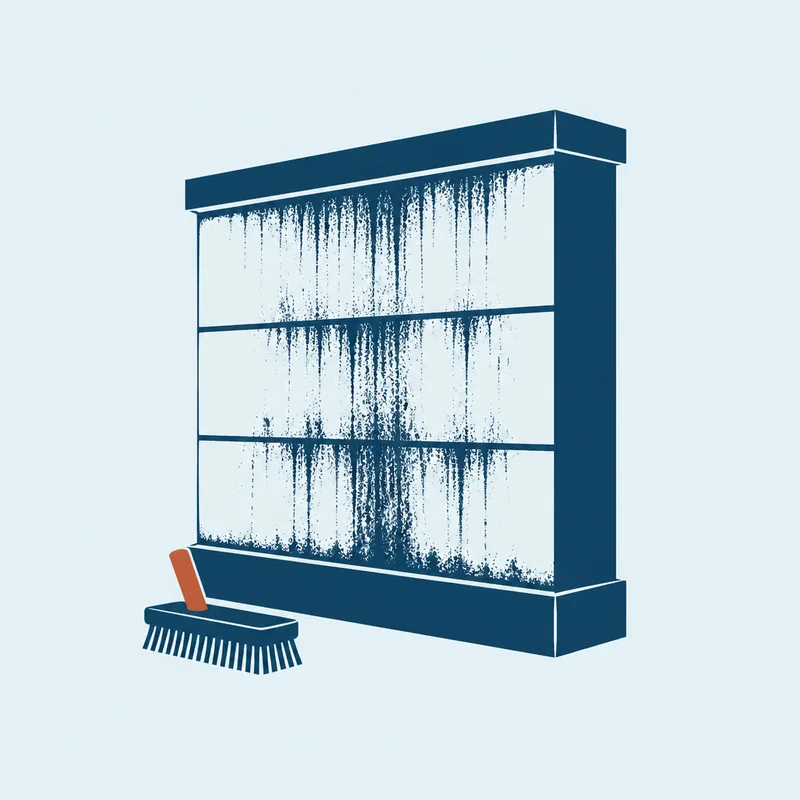
Access decided on site
We do not pick the access method from an office.
-

Glass stays clear
Calcium scale on glass turns into permanent etching if it is left.
-
The building keeps running
We plan the access and the working hours around how the building is used through the day, and we protect the ground, the entrances and anyone passing below.
Why the job is different in Ras Al Khair
Metal rusts at an accelerated rate and glass turns into a white salt haze within a week, and electrical equipment may corrode internally long before external signs appear. The whole method is set out in the building facade cleaning overview.
-
Salt eats metal from inside at every gap and seam
Salt-laden air penetrates the smallest gaps around windows, doors and equipment housings. Salt eats metal from within, so rust begins where you cannot see it. Aluminium window frames may look clean on the outside while the metal underneath corrodes actively. Regular cleaning must reach into gaps and seams, not just visible surfaces, and must include removal of salt from inside protective covers and equipment enclosures.
-
Industrial dust bonds chemically and stays harder than salt alone
Dust from metals and mining operations carries heavy metal particles and light oils. This dust does not simply accumulate; it bonds chemically to the surface. When mixed with salt and moisture it forms a hard cement-like crust. Water alone cannot lift it, and cleaning requires a specialist product that breaks the chemical bond without stripping paint or damaging seals.
-
High humidity accelerates all corrosion and blocks ventilation holes
Gulf humidity speeds rust on exposed metals and can plug air vents in electrical equipment. Cooling holes that dissipate heat can become clogged with salt deposits and rust scale. Regular cleaning sometimes requires opening equipment housings to reach internal gaps and remove salt accumulation that threatens function.
What's Included
The new coastal town sits surrounded by major industrial and maritime projects with worker housing scattered without a separate residential district, and every building faces direct exposure to salt air and high humidity.
-
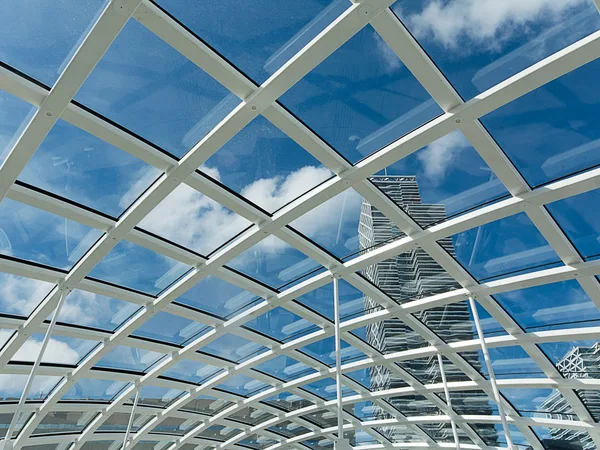
Roof survey and anchor points
Roof survey at Ras Al-Khair focuses on assessing salt and moisture in gaps and seams, not just visible surfaces, and checking structural integrity of industrial roof structures.
-
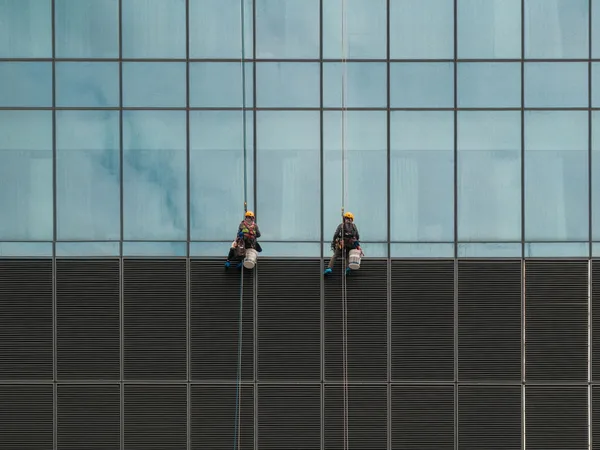
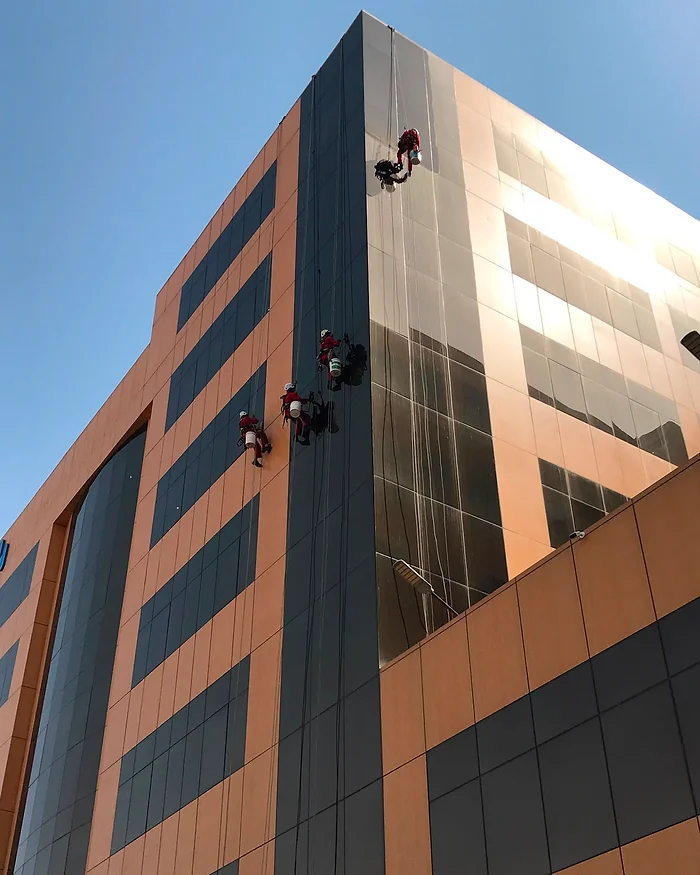
Access chosen: rope or powered
Access may require large mobile lifts because industrial buildings can be very tall. We need engineering drawings of tower roof structures before fixing anchors.
-
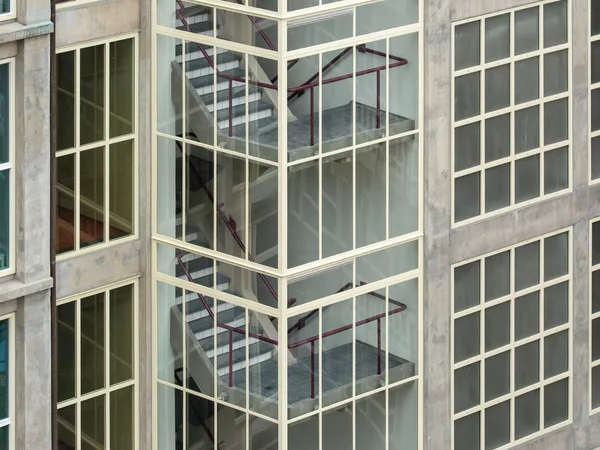
A test patch before the whole elevation
Test patch must include testing both paint and exposed metal separately, because solutions that work on one may damage the other.
-
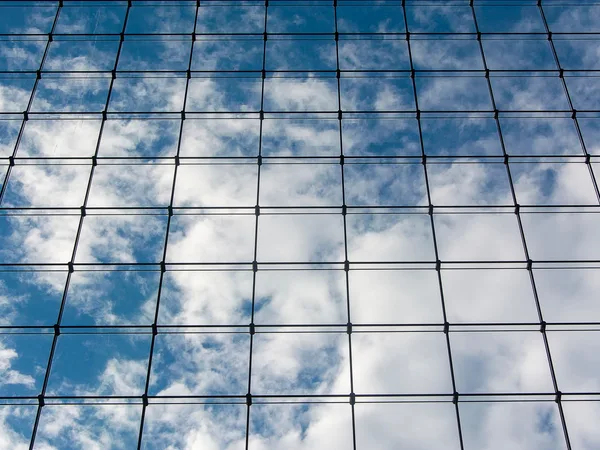
Glass and curtain walling
Glass may be thick and high-performance coated, but salt can penetrate seals around the frames and degrade the coating from behind.
-
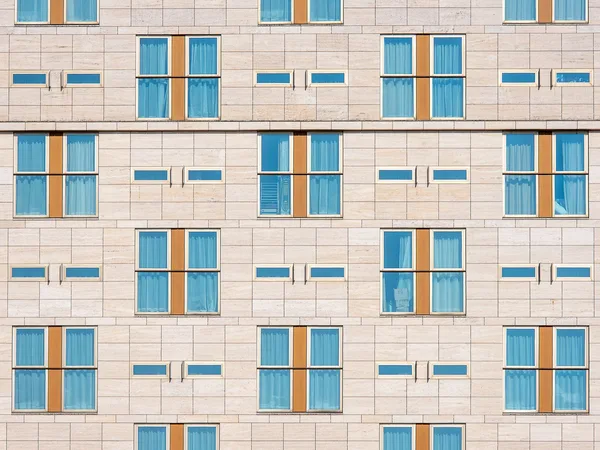
Cladding and stone, pH-neutral
Cladding, stone and metal all need specialist products that do not compromise protective coatings or equipment seals.
-
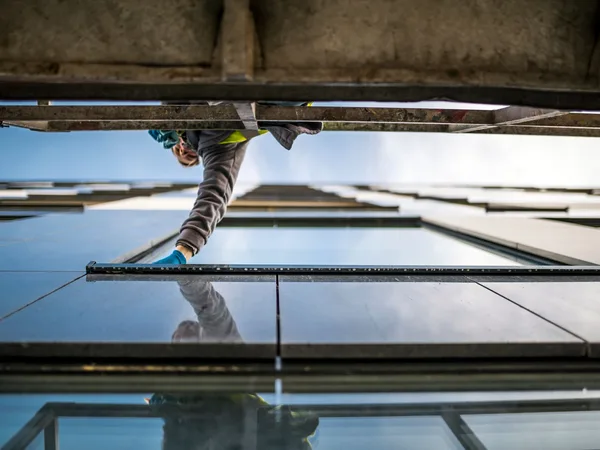
Ground and passers-by protected
Ground and passers-by protection is critical because runoff may carry salt and industrial dust that is hazardous to equipment and personnel.
The character of Ras Al Khair
Industrial area: workshops, warehouses and loading yards
Industrial areas on the coast are not simply open space needing a clean. Every surface in Ras Al-Khair is a barrier against salt and humidity that threaten equipment and production. Cleaning here protects the economic value of the facility, not just its appearance.
How we work
Survey from the roof
Choose access and products
Wash top to bottom
Inspect and hand over
Some of our work
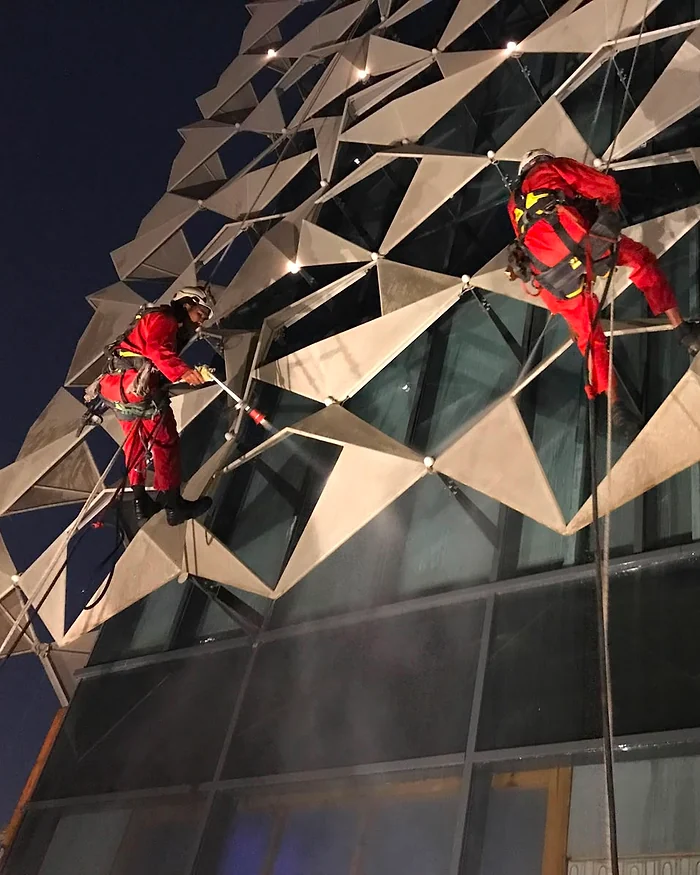
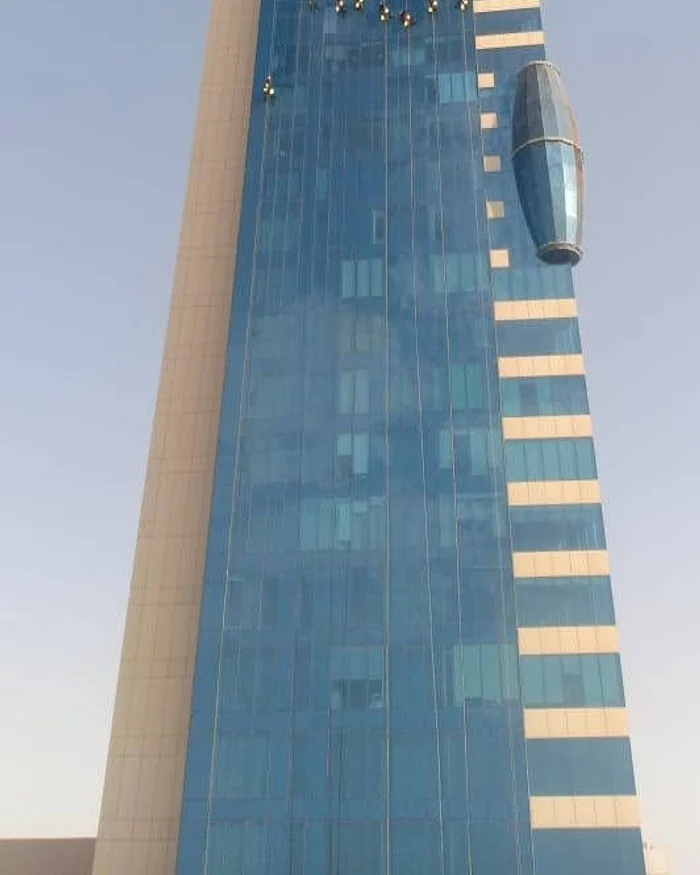
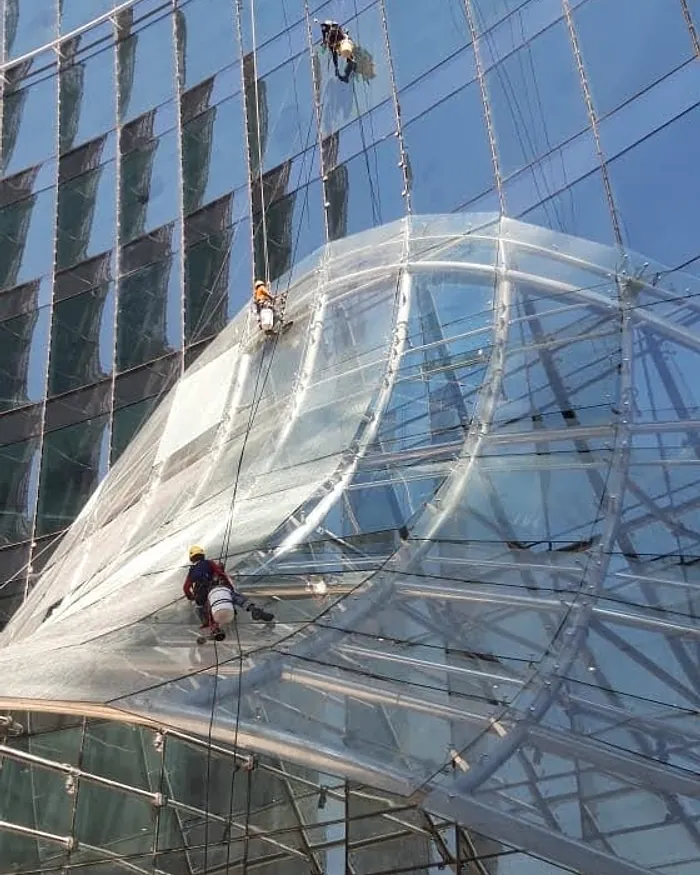
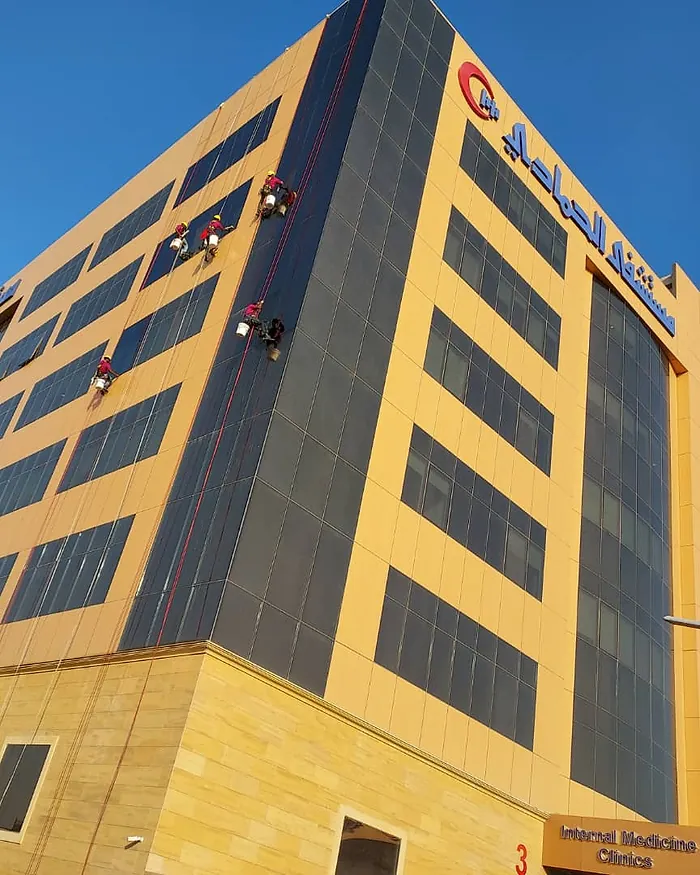
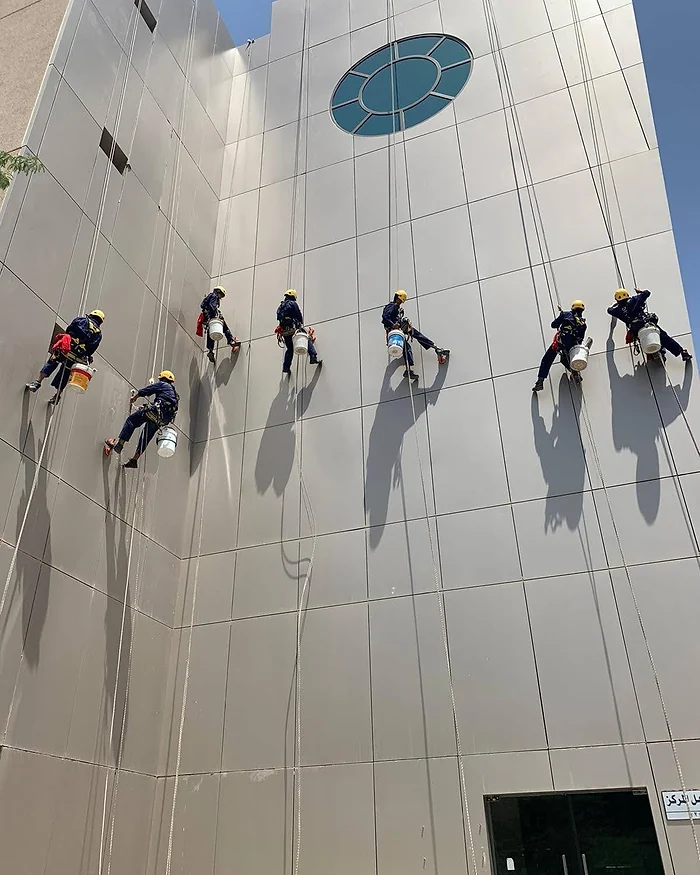
Photos from our team's work.
Landmarks of Ras Al Khair
Working in Ras Al-Khair requires precise coordination with major facilities. Ras Al-Khair Port and its loading docks provide clear geographical reference points. Ras Al-Khair Power and Desalination Plant is a major landmark that determines the location of residential and administrative buildings. King Salman Global Maritime Industries Complex is the largest project, and access planning depends on understanding its scale and the workspace around it.
- Ras Al-Khair Port
- Ras Al-Khair Power and Desalination Plant
- King Salman Global Maritime Industries Complex
Other services in Ras Al Khair
The room and the building around it are on one list.