Raghwat Al Janoub Maintenance and Cleaning
Building facade cleaning in An Nairyah
An Nairyah is a small desert market town far from the coast with roots in livestock and Bedouin trade. Work concentrates around King Fahd Camel Racing Field to the north and the Popular Market to the south, where modern buildings cluster. Fine dust bonds quickly to damp surfaces, but rapid drying means residue can be stubborn.
Why a facade needs regular cleaning
-
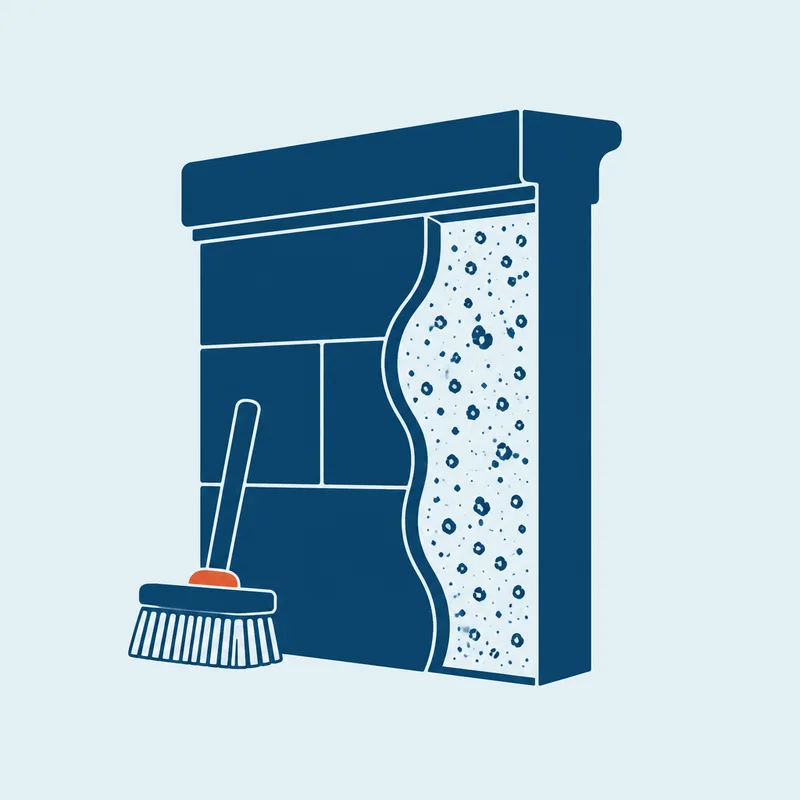
The surface is protected
The wrong product costs more than the dirt it removes.
-
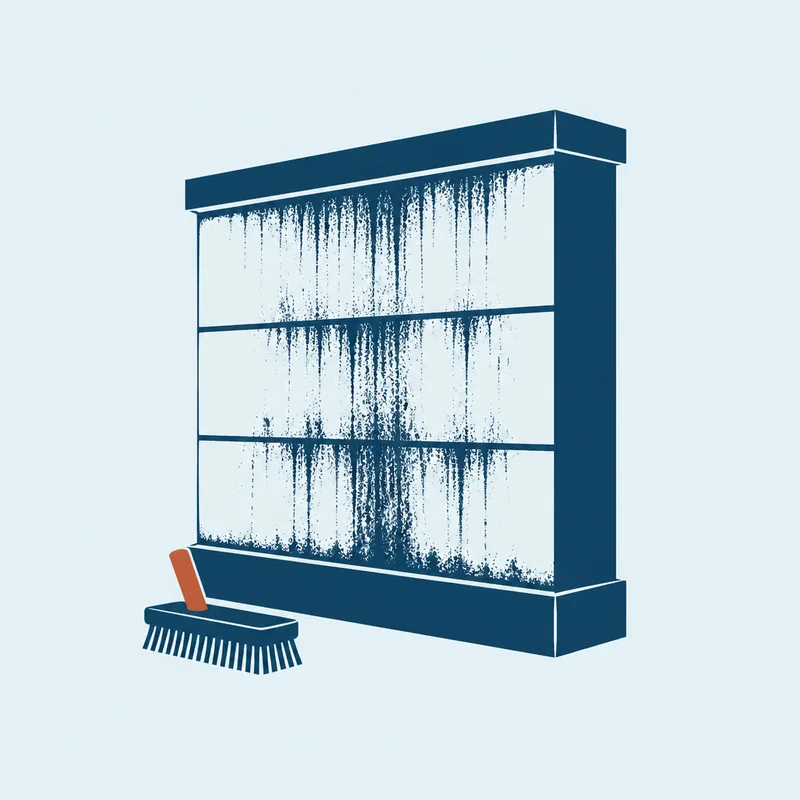
Access decided on site
We do not pick the access method from an office.
-

Glass stays clear
Calcium scale on glass turns into permanent etching if it is left.
-

The building keeps running
We plan the access and the working hours around how the building is used through the day, and we protect the ground, the entrances and anyone passing below.
Why the job is different in An Nairyah
Extreme dryness means cleaners dry fast. Work needs wind protection and speed of application. The whole method is set out in our notes on building facade cleaning.
-
Fine desert dust bonds quickly and resists removal
The desert produces very fine dust that bonds instantly to damp surfaces. Rapid drying in arid conditions converts dust to a stubborn layer. We need long soaks and soft brushes to avoid scoring the surface.
-
Imported water is necessary and evaporation is very fast
The extremely arid desert requires imported water, as local supplies may be hard. Fast evaporation means cleaners dry before working fully. We need stronger concentrations and longer dwell times.
-
Remote location and scattered buildings need special planning
An Nairyah is distant from larger cities and buildings are scattered widely. Equipment, water and crews need exact coordination to minimise wasted time between sites.
What's Included
The very dry desert requires imported water for cleaning. Northern winds bring regular dust recurrence.
-
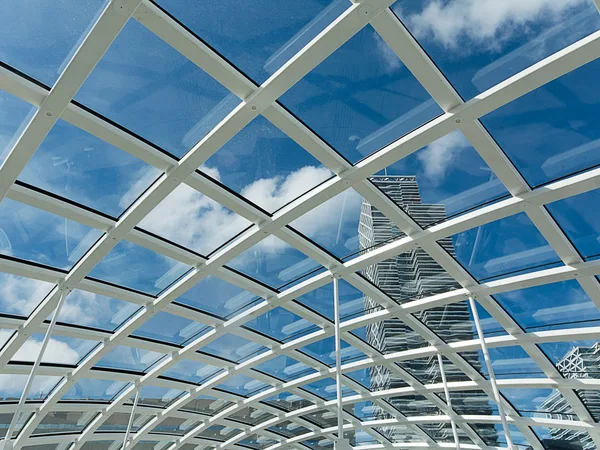
Roof survey and anchor points
Buildings are scattered over wide ground and may lack conventional roofs. Roof survey needs full assessment before planning access.
-
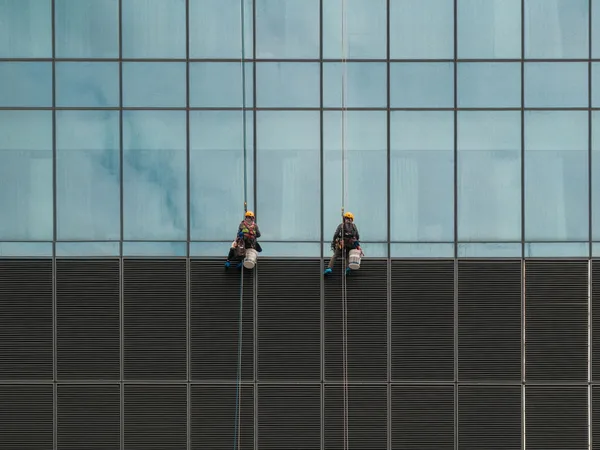
Access chosen: rope or powered
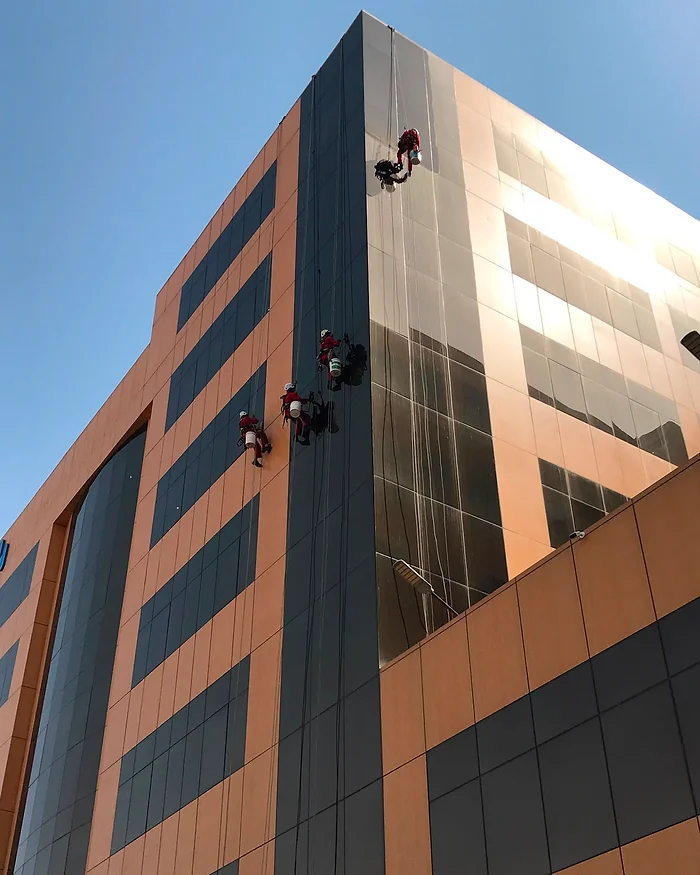
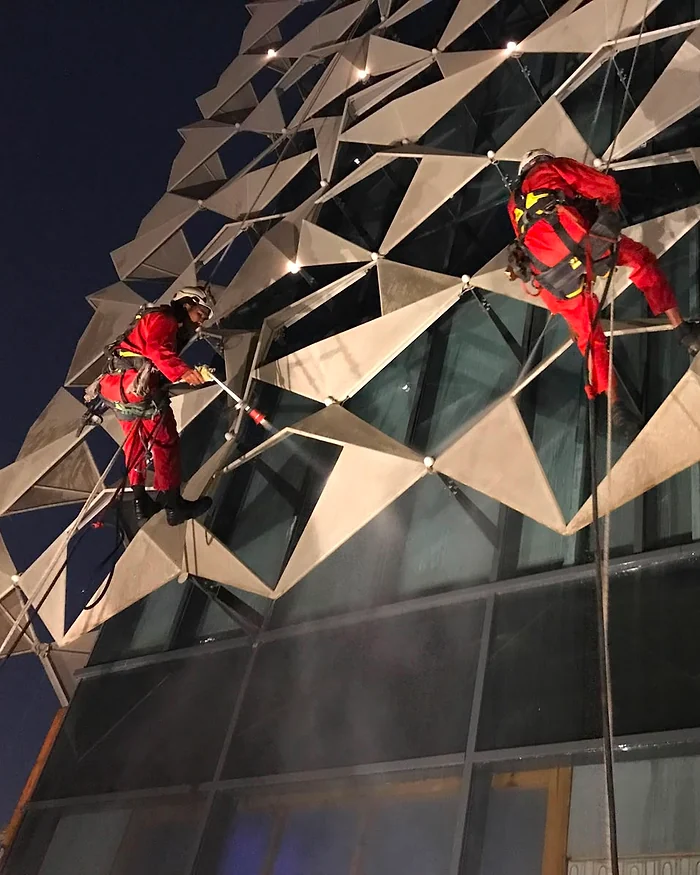
Ropes and platforms are the default. Desert winds can be strong, so safety calculations must be precise.
-
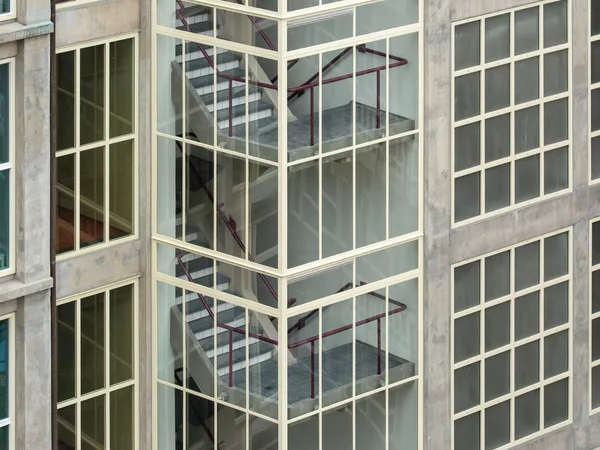
A test patch before the whole elevation
Small test patches before start are essential. Stone or cladding may react unexpectedly to imported water.
-
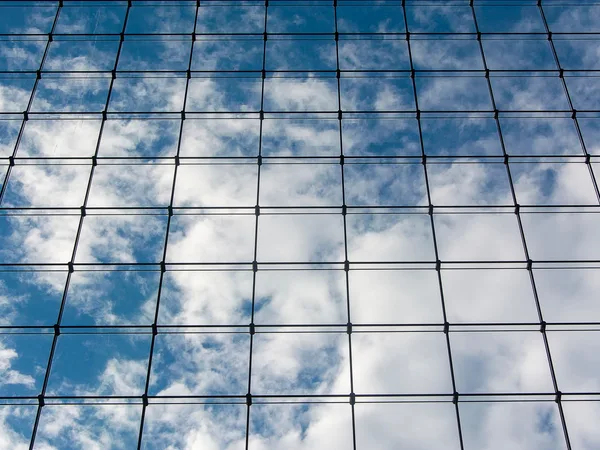
Glass and curtain walling
Glass heavily coated with dust needs soft soaking. Scrapers easily scratch glass in the desert.
-
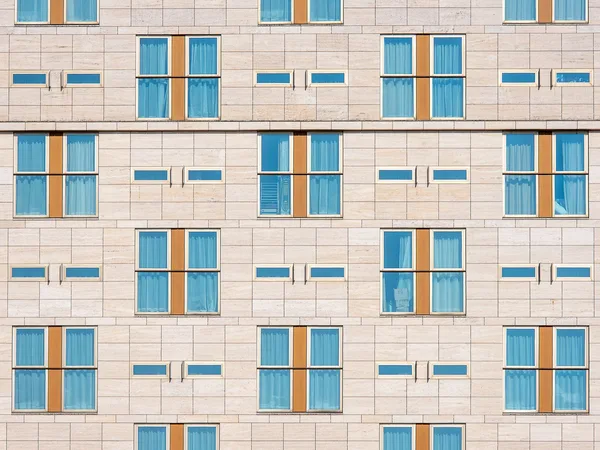
Cladding and stone, pH-neutral
Stone and cladding need moderate cleaners. Low humidity means faster absorption.
-
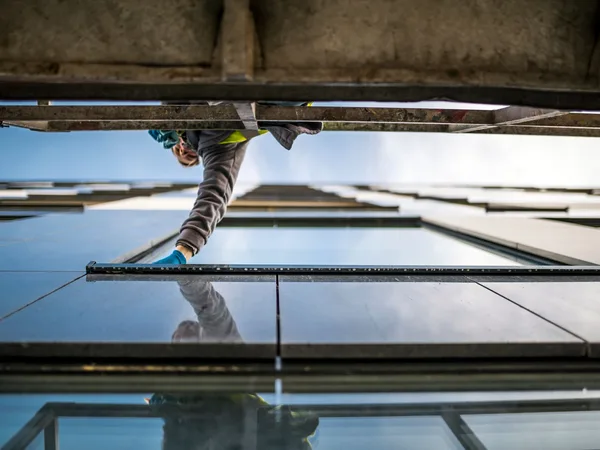
Ground and passers-by protected
Drainage is not a problem but water may leave mineral residue unless we filter carefully.
Landmarks of An Nairyah
Access to buildings centres around King Fahd Camel Racing Field to the north and the Popular Market to the south, where most modern buildings and services cluster. Work in the town needs coordination around these two hubs to manage equipment and water flow.
- King Fahd Camel Racing Field
- An Nairyah Popular Market
- Al-Khaleej District Park
How we work
Survey from the roof
Choose access and products
Wash top to bottom
Inspect and hand over
Some of our work
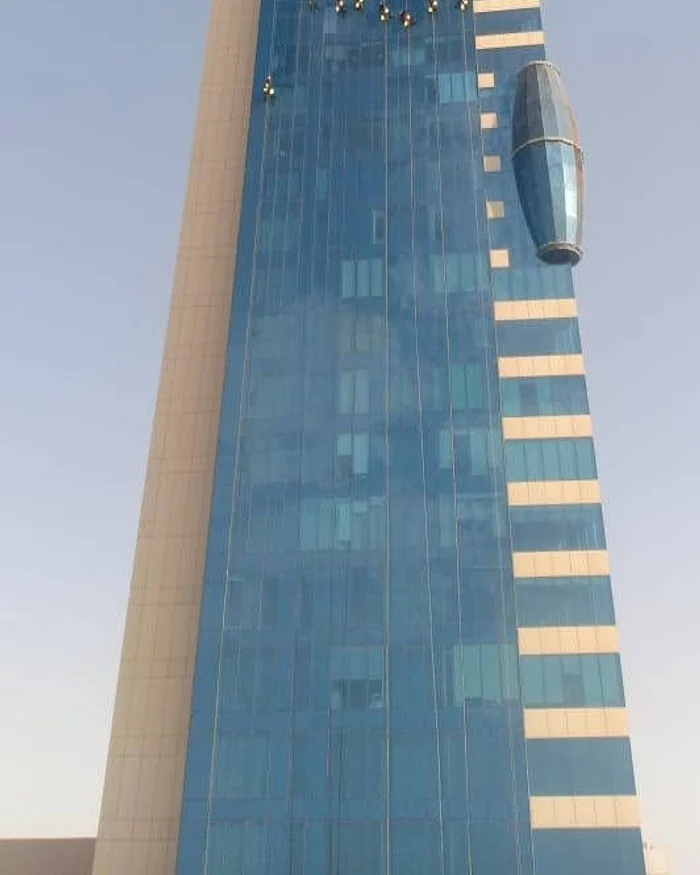
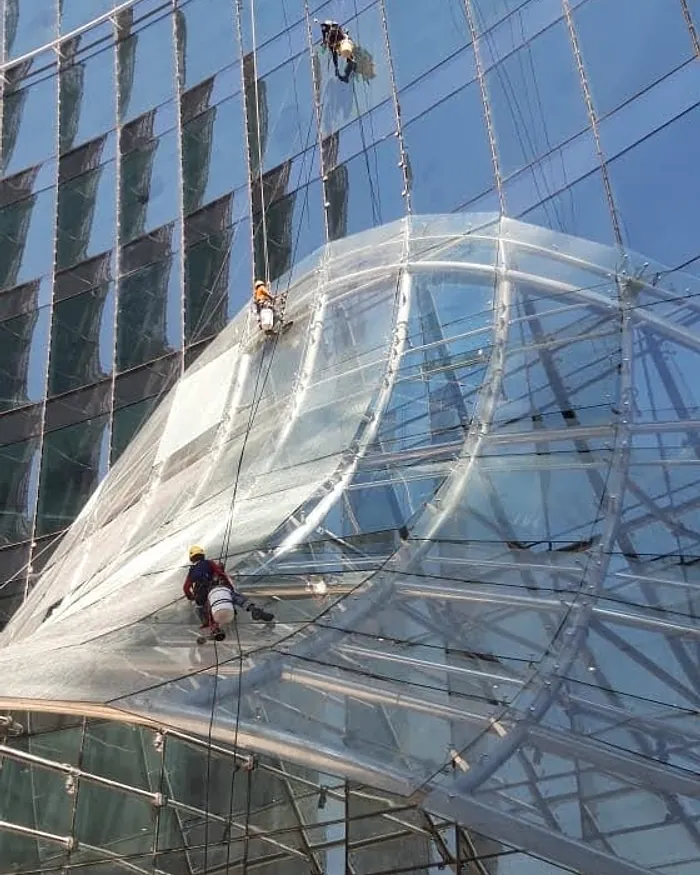
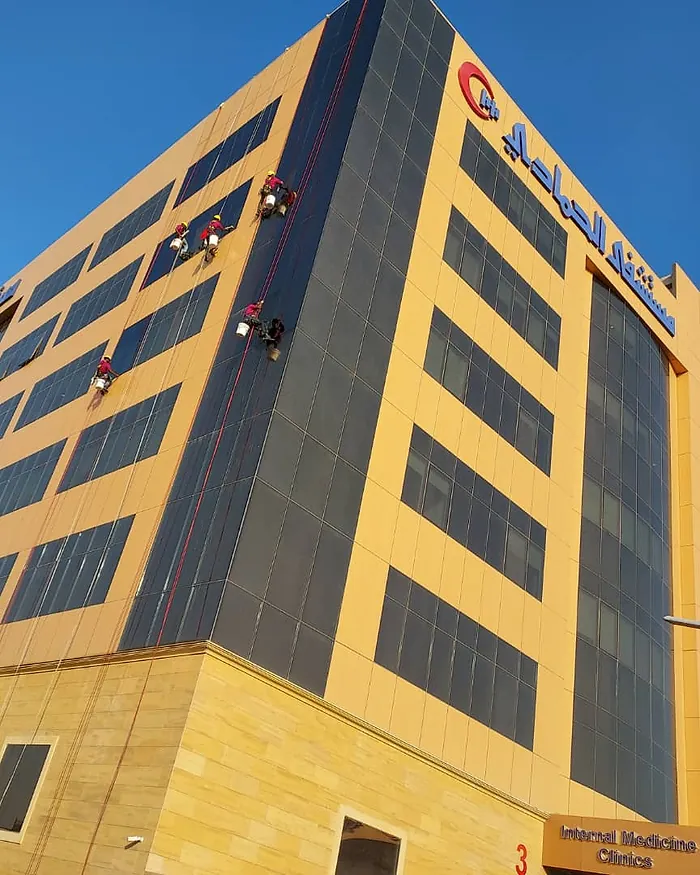
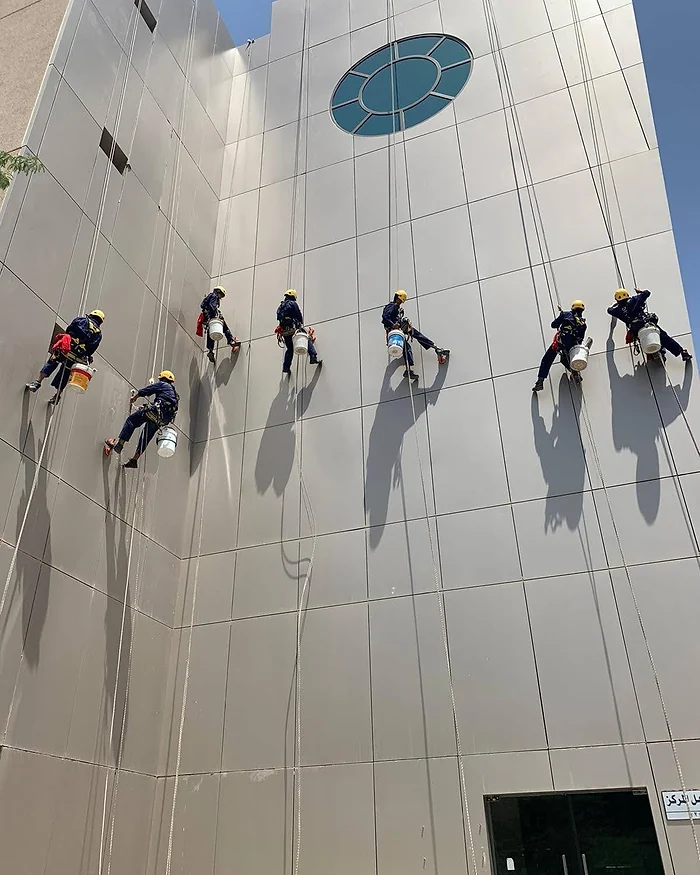
Photos from our team's work.
What is different about Eastern Province
The Eastern Province is the most humid part of the country. Dammam, Khobar, Dhahran and Jubail face the Gulf, where warm salt laden air and summer haze leave a sticky film on glass towers, corniche apartments and the cladding of Aramco and industrial housing, and refinery and petrochemical fallout at Jubail and Ras Tanura adds a fine grey grime. Al Ahsa is an oasis of palm groves, springs and older stone and mud quarters around Hofuf, while Hafr Al Batin inland is dry and swept by northern shamal dust. Metal fittings corrode and marble dulls quickly near the water.
Other services in An Nairyah
The room and the building around it are on one list.