Raghwat Al Janoub Maintenance and Cleaning
Building facade cleaning in Rabigh
Rabigh is a Red Sea coastal town north of Jeddah built around a large oil refinery, petrochemical complex and a modern deep water port with a university campus nearby. Salt and humidity persist all year, and hotel towers and apartments live in humid salt laden air that films glass and pits metal.
Why a facade needs regular cleaning
-
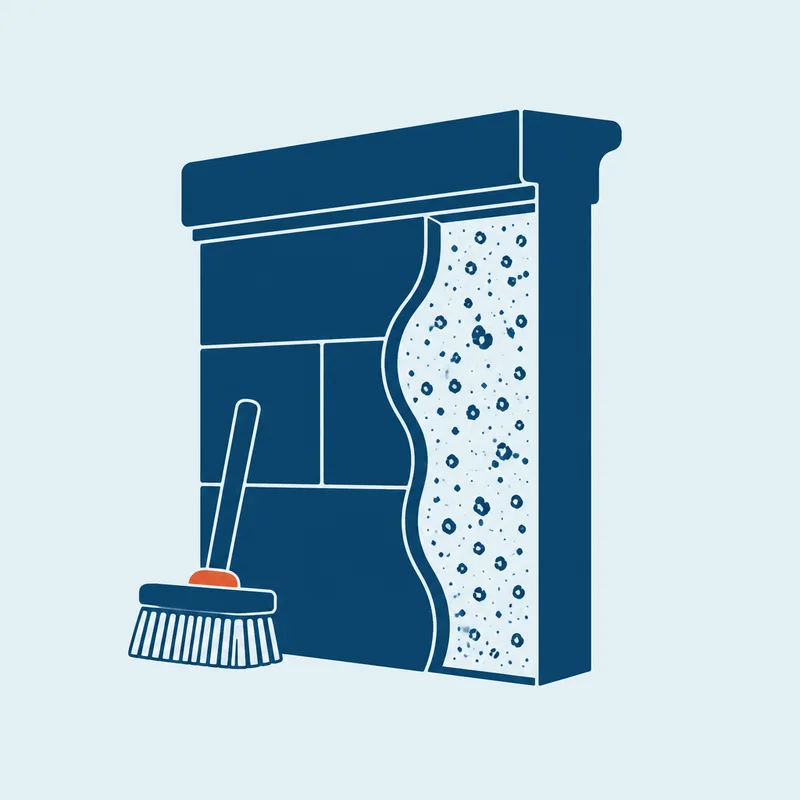
The surface is protected
The wrong product costs more than the dirt it removes.
-
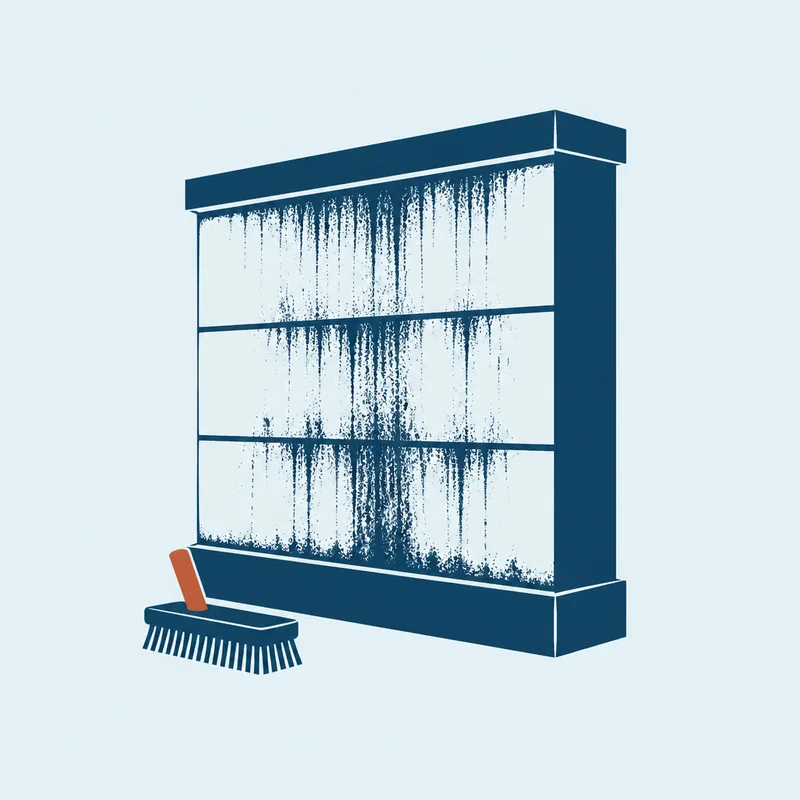
Access decided on site
We do not pick the access method from an office.
-

Glass stays clear
Calcium scale on glass turns into permanent etching if it is left.
-
The building keeps running
We plan the access and the working hours around how the building is used through the day, and we protect the ground, the entrances and anyone passing below.
Why the job is different in Rabigh
Window frames rust rapidly here, and glass needs frequent cleaning because salt spray leaves a thick crust. The whole method is set out in the building facade cleaning overview.
-
Salt attacks both metals and glass relentlessly
Rabigh sits directly on the coast, and Red Sea salt and humidity assault metals and glass with extreme force. Metal frames corrode at abnormal speed, and glass builds up a thick salt crust that etches the surface if left untreated for weeks.
-
Industrial facilities add pollution on top of natural salt
The refinery, port and petrochemical complex nearby raise additional pollutants alongside natural salt spray. Industrial dust and fumes mix with salt and leave greasy stains that resist ordinary rinsing.
-
Hotels and campus drive rapid ongoing expansion
New hotels, a university campus and residential towers have developed around Rabigh, and this rapid growth means new facades need protection from salt and moisture damage from day one of completion.
What's Included
Rabigh sits directly on the coast, and salt and humidity from the Red Sea affect every exposed facade throughout the year.
-
Roof survey and anchor points
The roof survey focuses on checking metal frames for rust, glass for salt crust, and walls for algae and mould.
-
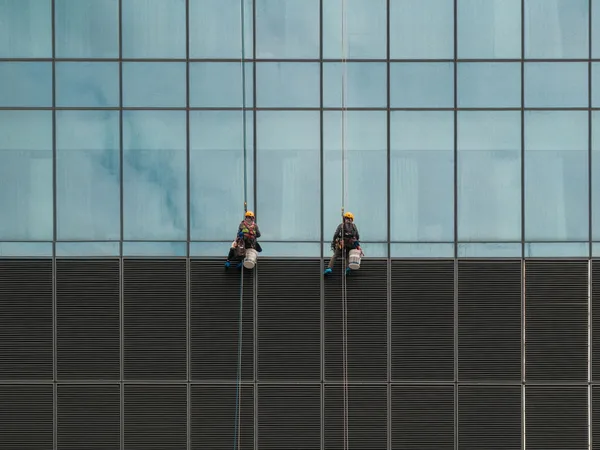
Access chosen: rope or powered
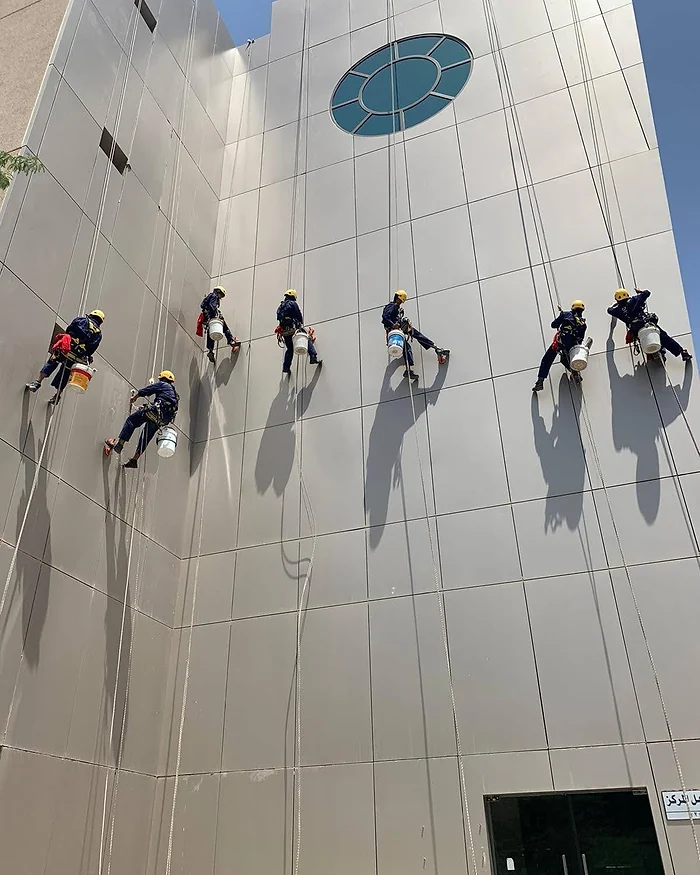
Powered lift or rope access is chosen based on building height and strength of coastal winds that complicate lift positioning.
-
A test patch before the whole elevation
Testing on a hidden metal or glass patch confirms that products are safe for use in the aggressive salt environment.
-
Glass and curtain walling
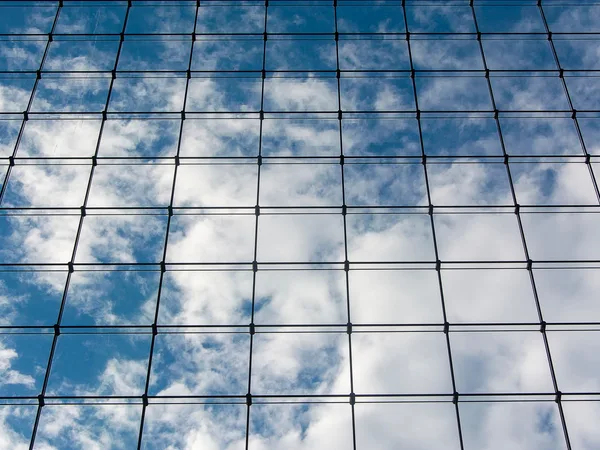
Glass needs very deep rinsing of salt residue before it dries and leaves a new deposit behind.
-
Cladding and stone, pH-neutral
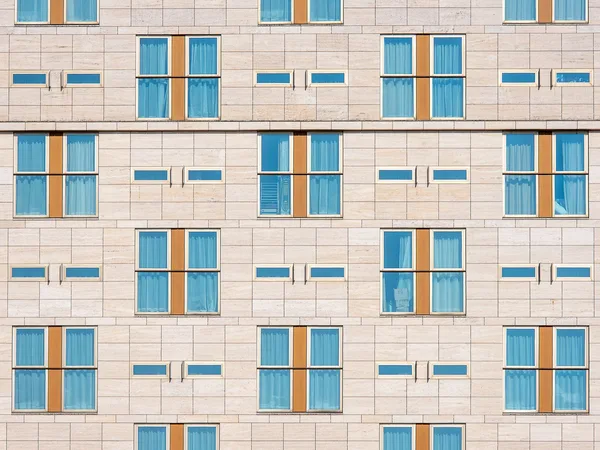
Metals are cleaned with products that dissolve salt without causing additional corrosion.
-
Ground and passers-by protected
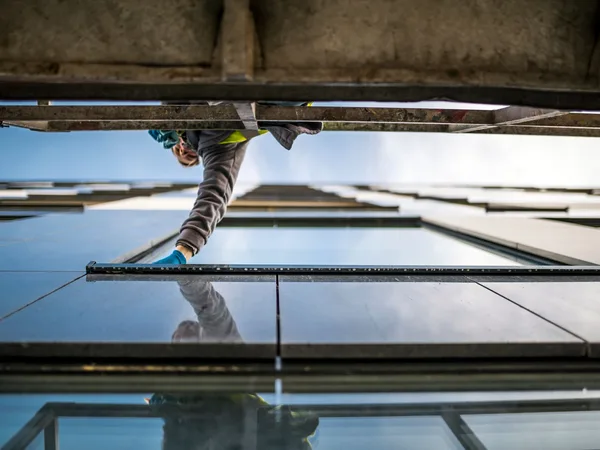
Ground level pavements around the building are protected from hard water and salt that could leave deposits after drying.
The character of Rabigh
Coastal area: high humidity and salt air through the year
Coastal areas face salt air and humidity all year round, meaning metals and glass need additional protective measures and more frequent cleaning than inland locations.
How we work
Survey from the roof
Choose access and products
Wash top to bottom
Inspect and hand over
Some of our work
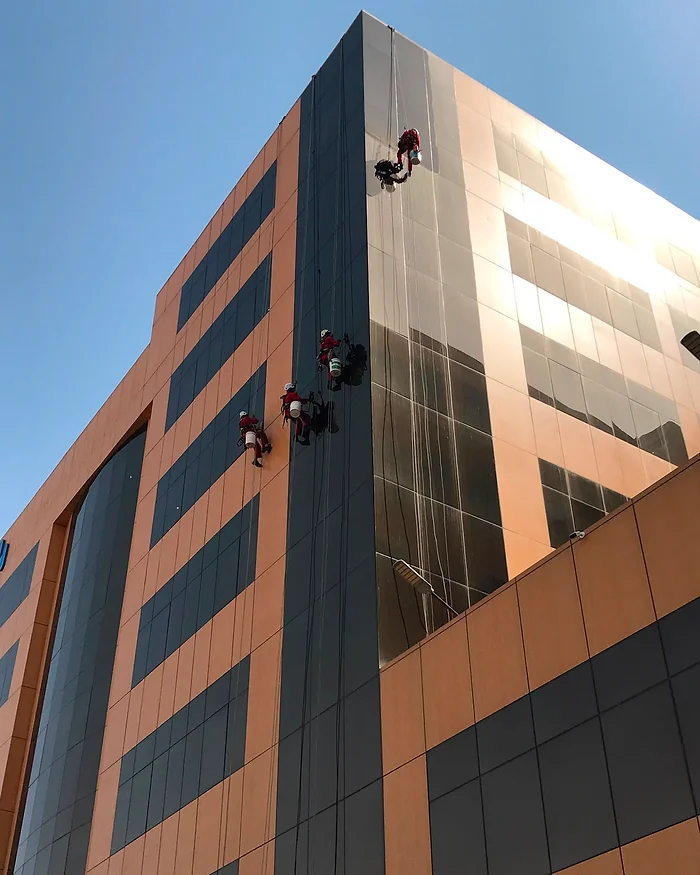
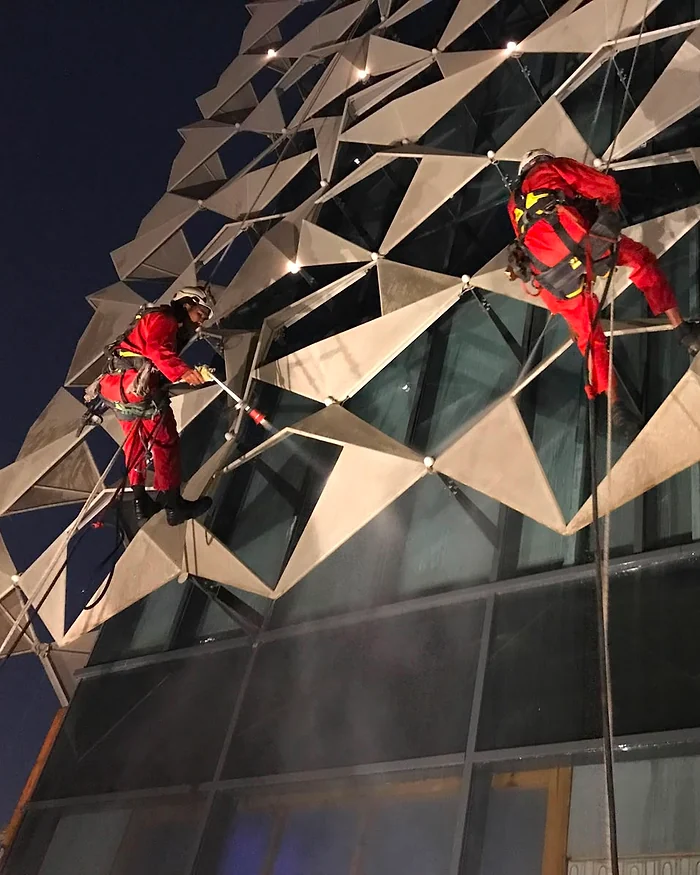
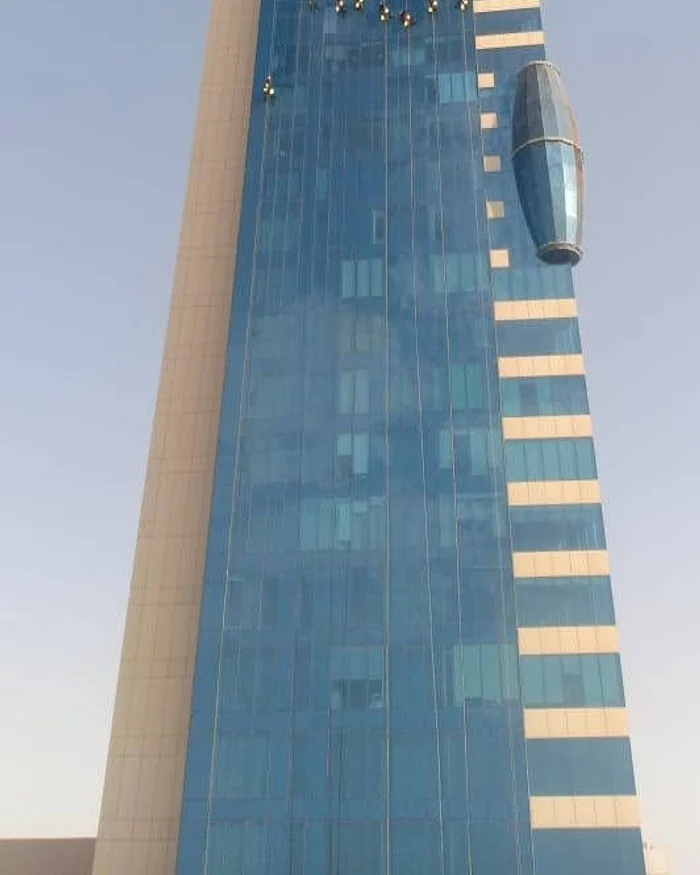
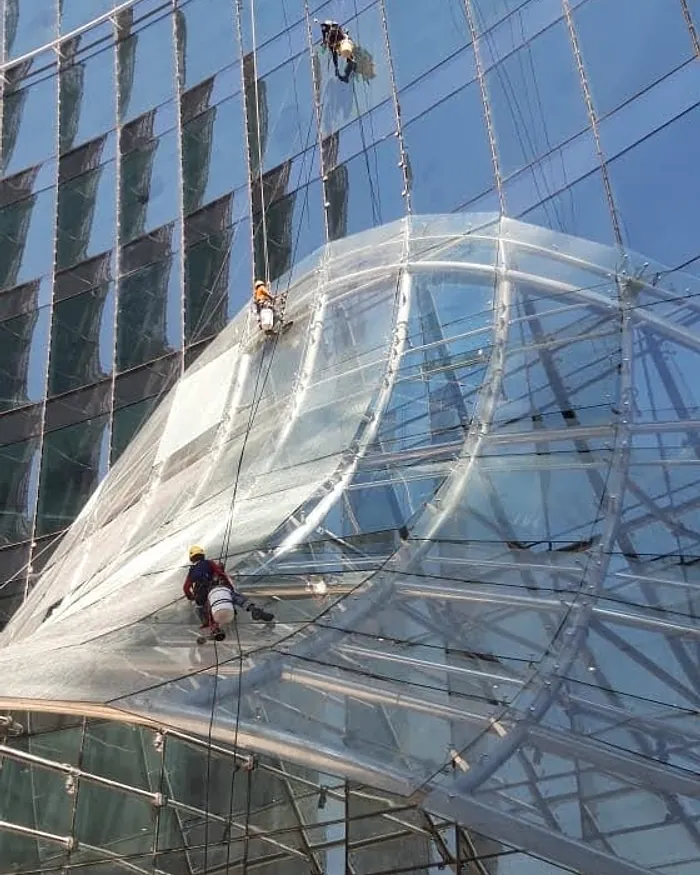
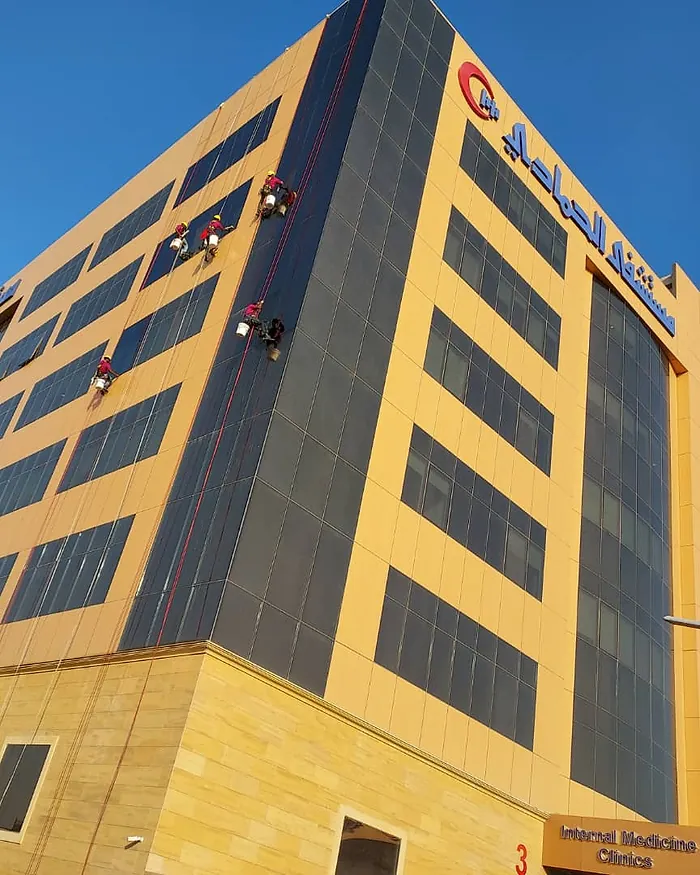
Photos from our team's work.
What is different about Makkah Region
Makkah Region reaches from the Red Sea coast at Jeddah, Rabigh, Al Lith and Al Qunfudhah to the holy city in its valley and up to Taif on the Hijaz escarpment. Jeddah's corniche towers, glass offices and the coral stone houses of Al Balad live in humid, salt laden air that films glass and pits metal. Makkah's hotel towers and marble courtyards stand in dry heat with constant pilgrim traffic and dust, while Taif's stone villas get fog, rain and cold nights on Al Hada. Salt residue and damp are the main enemies of stone and glass here.
Other services in Rabigh
The room and the building around it are on one list.