Raghwat Al Janoub Maintenance and Cleaning
Building facade cleaning in Sarat Abidah
Sarat Abidah sits high on the Asir plateau, a farming and trading settlement surrounded by fertile wadis and plains. The town receives monsoon rains, thick fog and cold mountain nights. Damp settles into the stone villas and painted concrete blocks and stays for weeks. Algae and moss colonise the shaded walls. Facades here face a challenge of persistent humidity that nowhere else in the Kingdom experiences.
Why a facade needs regular cleaning
-

The surface is protected
The wrong product costs more than the dirt it removes.
-
Access decided on site
We do not pick the access method from an office.
-

Glass stays clear
Calcium scale on glass turns into permanent etching if it is left.
-

The building keeps running
We plan the access and the working hours around how the building is used through the day, and we protect the ground, the entrances and anyone passing below.
Why the job is different in Sarat Abidah
Algae and moss growth is faster here than anywhere else in the country. Buildings cleaned during the dry season may need cleaning again before the rains and fog return in earnest. The whole method is set out in our full account of building facade cleaning.
-
Rapid algae and moss growth on damp stone
The plateau gets thick fog and monsoon rain, so the stone walls stay wet for long periods. Biological growth starts fast on wet stone, especially on the north facing and shaded walls. Algae etches into the surface and weakens it over time. Cleaning must include a growth-suppressing product to slow regrowth. Without it, new algae returns within weeks in this climate.
-
Stone and mortar stain white from dissolved mineral salts
Rain water and fog dissolve salts held in the stone and mortar. These salts are drawn to the surface by evaporation and leave white stains and limescale coating. New mortar leaches salts rapidly here. Cleaning must remove the stains and protect the mortar from re-leaching new salts back to the surface as more rain comes.
-
Drying is slow and overnight humidity returns moisture to the wall
Cold nights and thick fog mean walls do not dry quickly even on sunny days. Damp returns in the evening and overnight. Cleaning here requires longer drying time and precise water control so no moisture remains in the pores to cause new problems after the work ends.
What's Included
Sarat Abidah stands at high elevation surrounded by fertile wadis. Seasonal monsoon rain, persistent fog and cold nights combine to create continuous moisture that does not dry quickly.
-
Roof survey and anchor points
Roofs in Sarat Abidah may be damp and slippery from overnight fog and mist. Careful survey of anchor points is more critical than in dry regions. We may need additional safety equipment to work confidently on a slick roof.
-
Access chosen: rope or powered
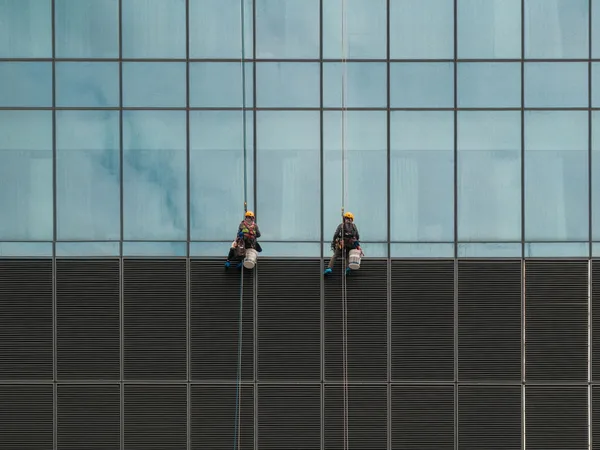
Ropes are the primary option here. Powered lifts may not suit the uneven terrain and wet ground could not bear their weight. The site ground and slope determine our choice. We often choose ropes and need a strong roof tie-off point.
-
A test patch before the whole elevation
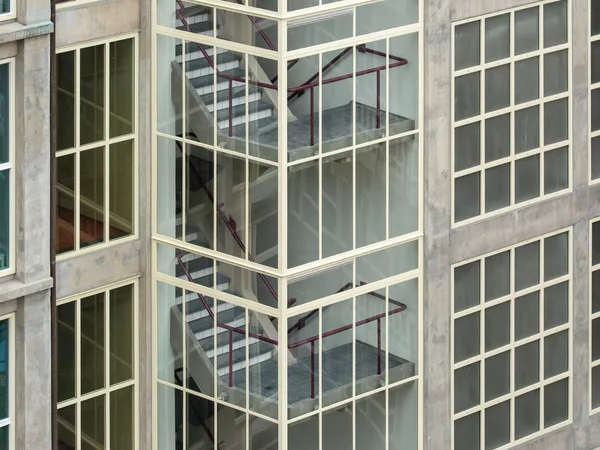
We test a small patch first on old damp stone. The surface may react differently to water and cleaner than in dry areas. The test patch tells us how much pressure and time we need for this specific stone.
-
Glass and curtain walling
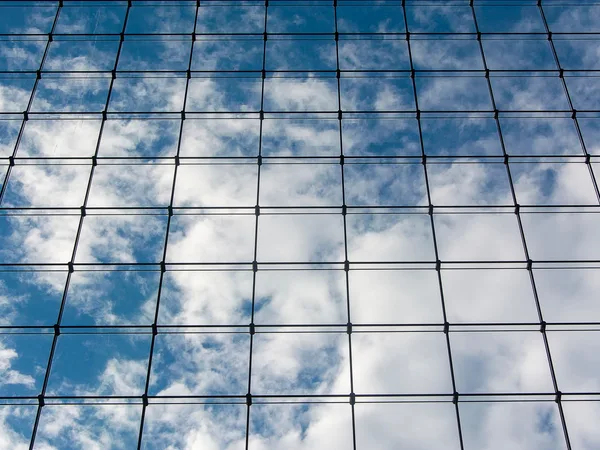
Glazing in modern villas needs care because fog and rain leave moisture on the frames. We dry frames and edges immediately after washing to prevent moisture pooling behind the glass. Old weathersealing may need inspection and renewal if it has failed.
-
Cladding and stone, pH-neutral
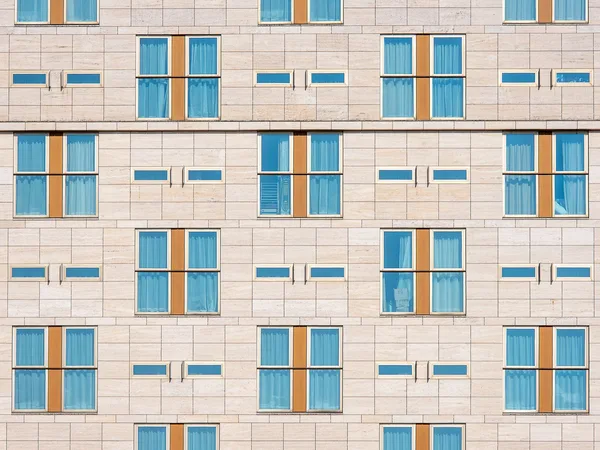
Stone and cladding in the highlands need pH-neutral products because constant damp weakens mortar. Strong alkaline cleaners speed stone decay. We choose products that protect both the stone and the mortar joint from further erosion.
-
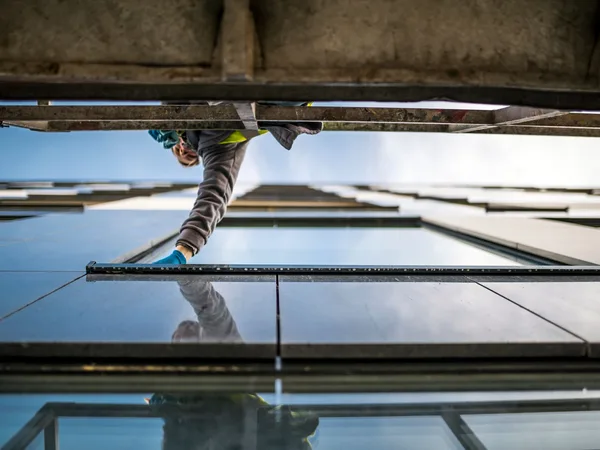
Ground and passers-by protected
Ground is always damp from rain and fog. We place protective barriers around the work area to shield pathways and gardens. Excess water must drain safely away from the building foundations and neighbouring properties. We may need to dig a temporary drainage channel.
The character of Sarat Abidah
Rural area: farms, open ground and scattered homes
Rural means scattered buildings across open ground, but here the ground is naturally wet. These villas grow in a damp natural environment where algae and moss are a seasonal fact of life. Cleaning here must plan for rapid moisture return, so protection after washing matters more than the wash itself.
How we work
Survey from the roof
Choose access and products
Wash top to bottom
Inspect and hand over
Some of our work
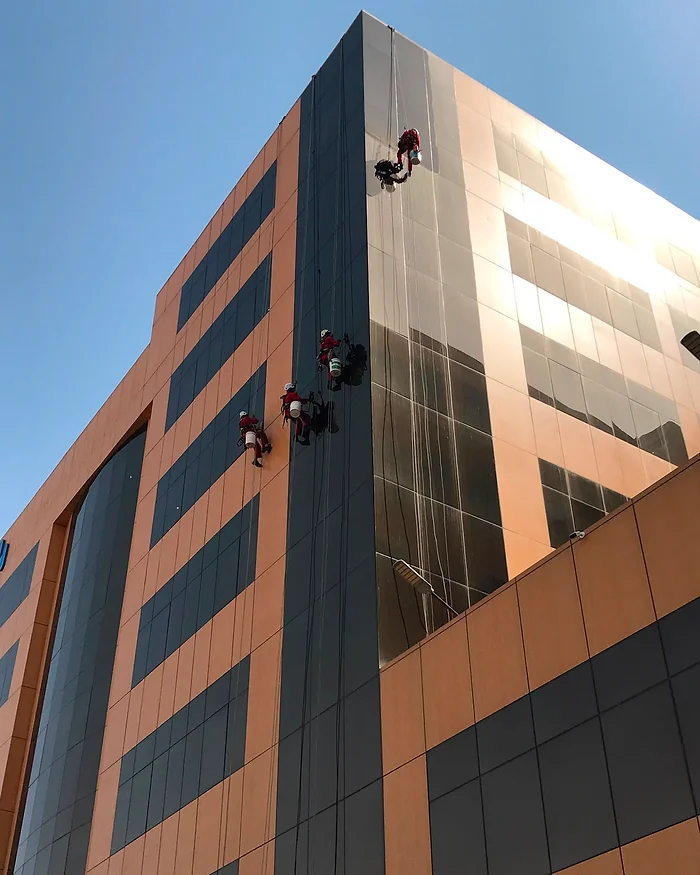
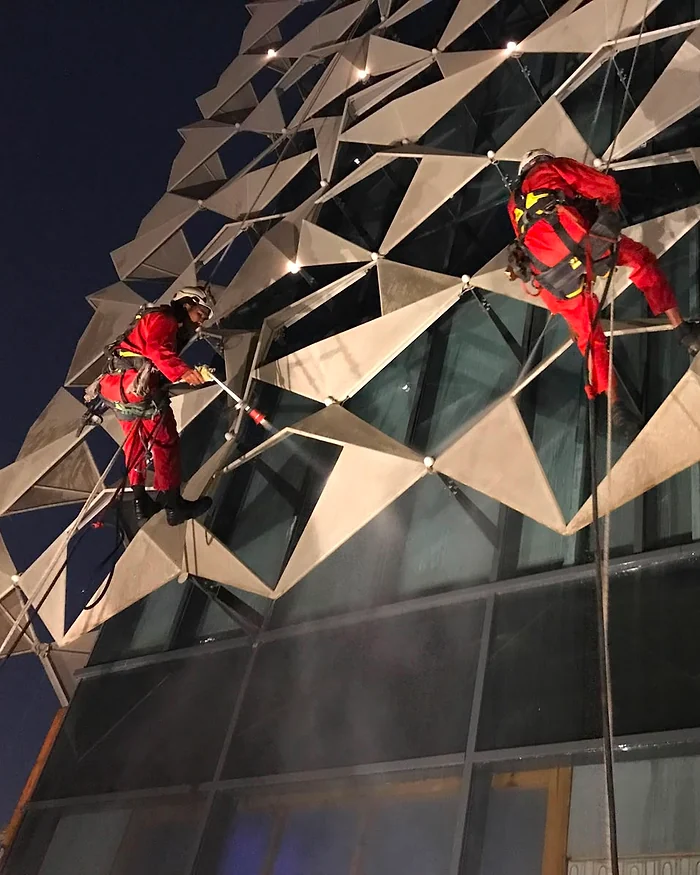
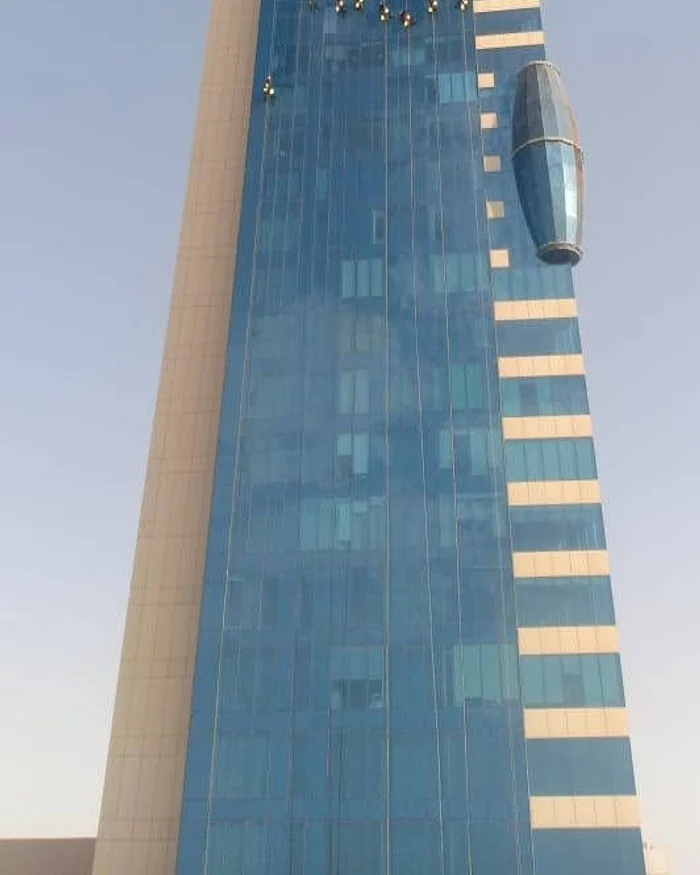
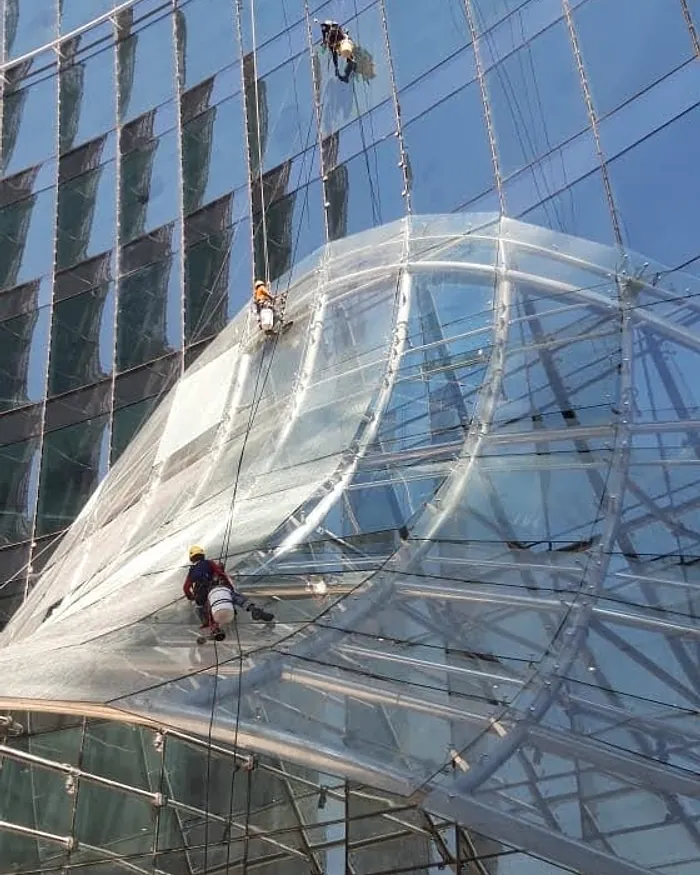
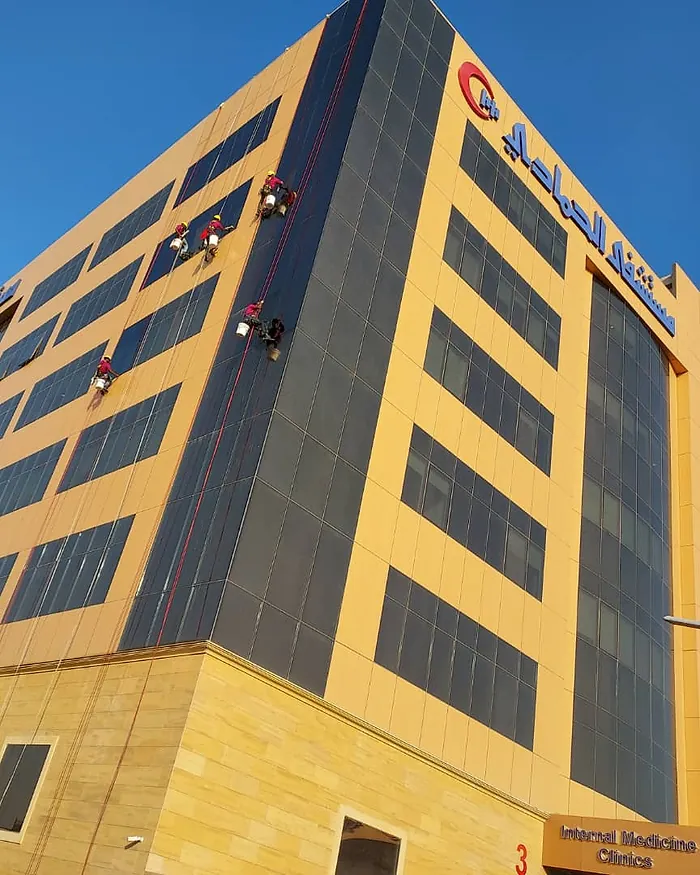
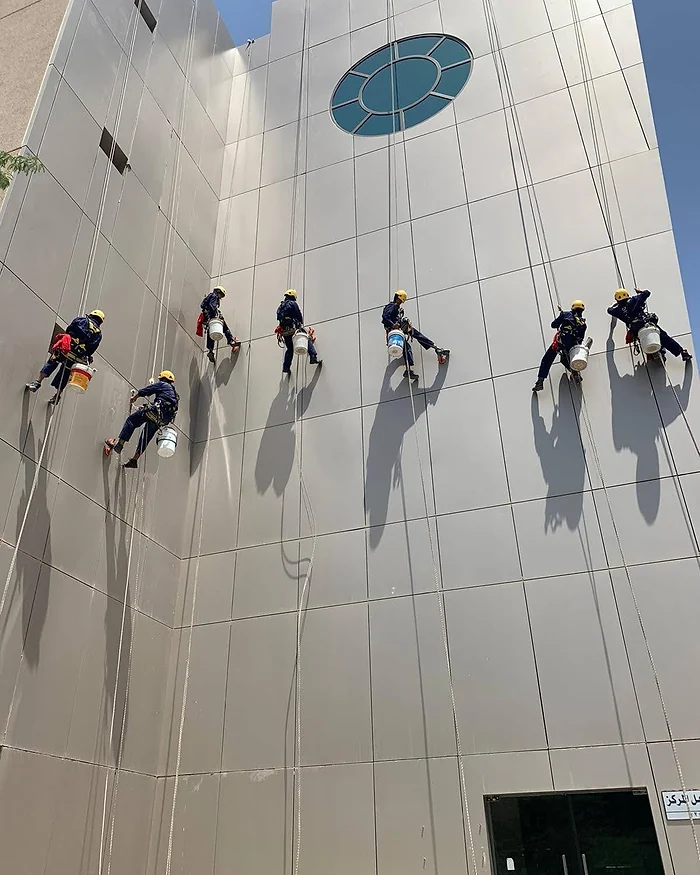
Photos from our team's work.
What is different about Asir Region
Asir climbs from the hot, humid Tihama lowland at Muhayil to the highland plateau of Abha and Khamis Mushait. The high country gets summer monsoon rain, thick fog and cold winter nights, so stone villas, painted concrete and terraced villages such as Rijal Almaa stay damp for weeks, and moss and algae take hold on the shaded side of a facade. Khamis Mushait is the larger commercial city of apartment blocks and showrooms. Wet stone stains, mortar leaches white salts, and cleaning has to work with the weather rather than against it.
Other services in Sarat Abidah
The room and the building around it are on one list.