Raghwat Al Janoub Maintenance and Cleaning
Building facade cleaning in Dhahran Al Janub
Dhahran Al Janub is a high altitude mountain town on the Asir plateau close to the Yemen border, its modest villas and houses set among wide wadis and green pastures. The elevation and seasonal moisture keep stone facades damp for weeks, and mould blooms fast on shaded walls. Work here has to strip mould and salts without damaging the stone underneath.
Why a facade needs regular cleaning
-

The surface is protected
The wrong product costs more than the dirt it removes.
-

Access decided on site
We do not pick the access method from an office.
-

Glass stays clear
Calcium scale on glass turns into permanent etching if it is left.
-

The building keeps running
We plan the access and the working hours around how the building is used through the day, and we protect the ground, the entrances and anyone passing below.
Why the job is different in Dhahran Al Janub
Stone villas on the plateau stay damp for weeks after rain, and black mould spots appear on north facing and shaded walls with striking speed. The whole method is set out in the building facade cleaning overview.
-
Seasonal moisture feeds mould and algae growth
Dhahran Al Janub sits high and catches monsoon rain and heavy fog. Stone stays damp long and black mould grows fast on shadows. Regular cleaning strips algae before it etches the face.
-
Stone and mortar leach white mineral salts
Stone villas in the highlands drink moisture and mortar leaches white salts. These stains stay visible if not cleaned with pH-neutral products that dissolve salts without abrading the stone.
-
Cold nights on high ground condense heavy dew
Cold nights on the plateau make facades collect heavy dew. Villas facing north stay cool and damp. Rapid drying after washing is critical here.
What's Included
Dhahran Al Janub rises above the hot, humid Tihama plain and catches summer monsoon rain, thick fog and cold nights. Water sits on stone surfaces for extended periods after rain.
-
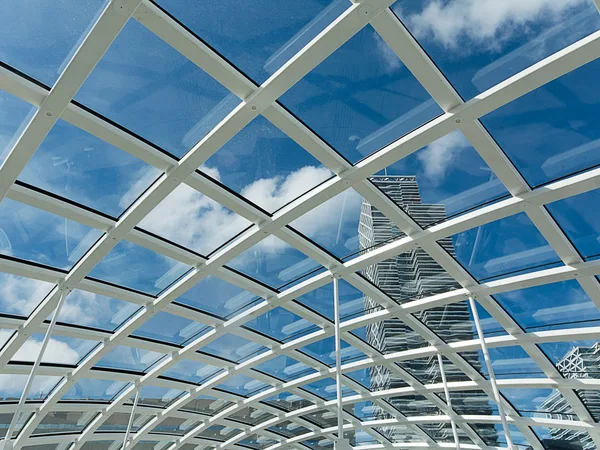
Roof survey and anchor points
Roofs on the plateau may be uneven or cracked from age and damp. We check cracks carefully as they trap water and weaken anchors.
-
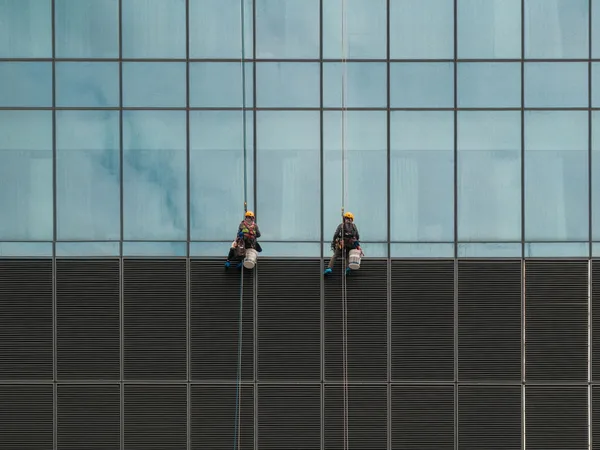
Access chosen: rope or powered
Rope systems are the main option here as roofs may be tight and unsafe for powered access. We choose anchor points away from cracks and weak mortar.
-
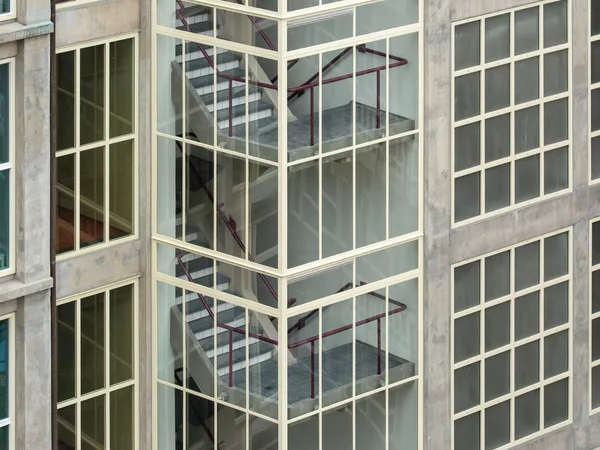
A test patch before the whole elevation
We test a small patch on the stone of each house first as stone types vary and some react sensitively to cleaning products.
-

Glass and curtain walling
Glass on old villas in the highlands is sparse. We focus on stone and mortar. Any glass that exists gets dried at once to avoid staining.
-

Cladding and stone, pH-neutral
Stone and mortar here need very neutral products because high moisture means salts leach easily. We avoid anything alkaline.
-
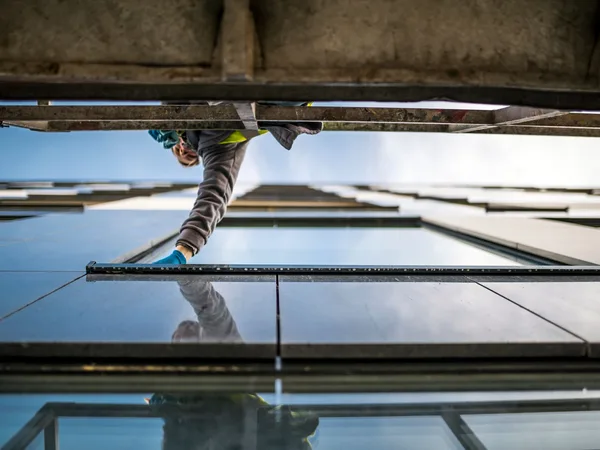
Ground and passers-by protected
Cold, damp weather means floors may be slippery. We protect passers-by with clear barriers and use secure anchor systems.
Dhahran Al Janub on the map
Dhahran Al Janub sits about 63 km from Sarat Abidah and about 95.5 km from Ahad Rufaidah.
Open in Google MapsHow we work
Survey from the roof
Choose access and products
Wash top to bottom
Inspect and hand over
Some of our work
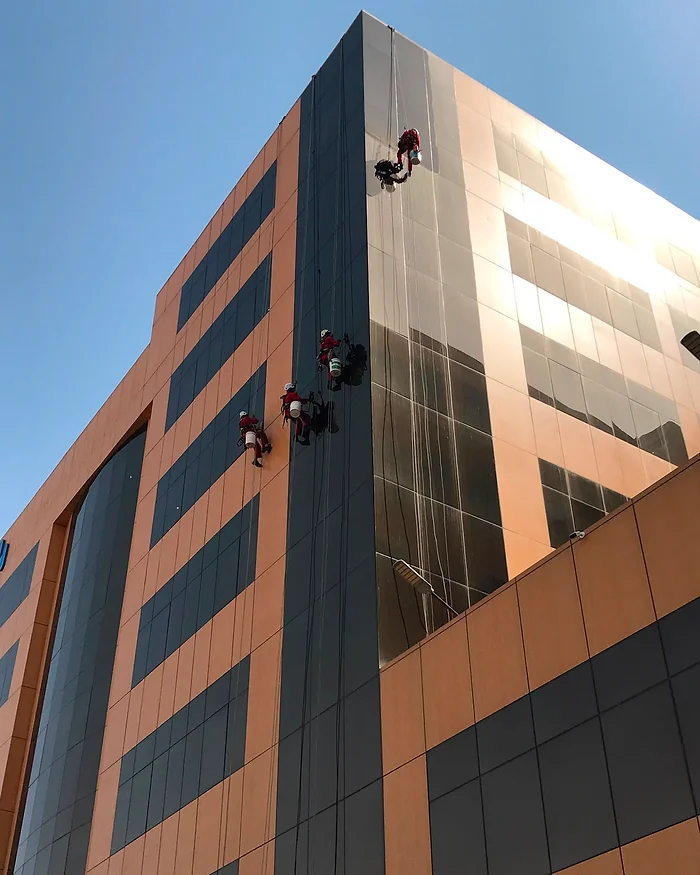
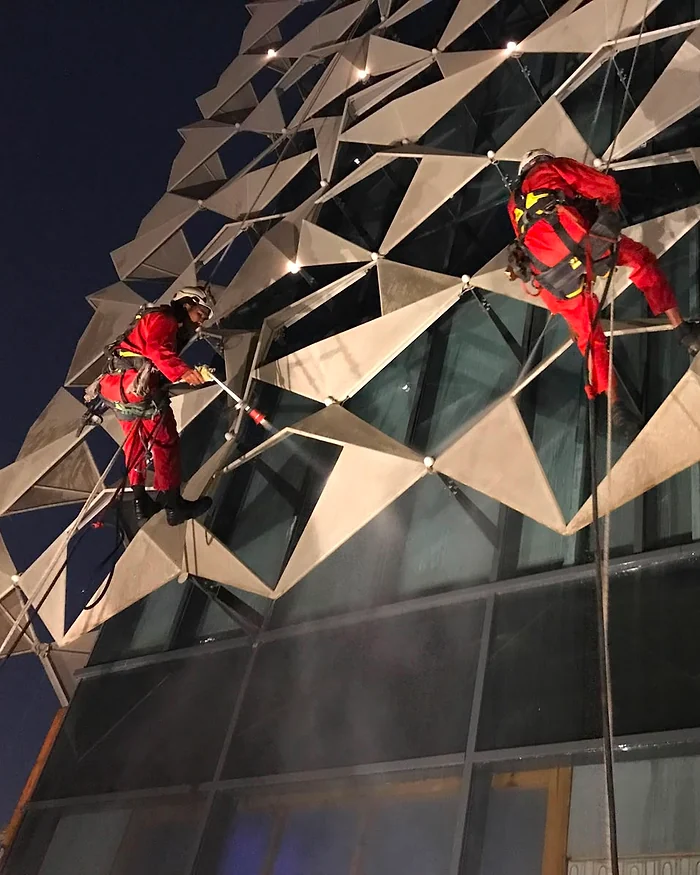
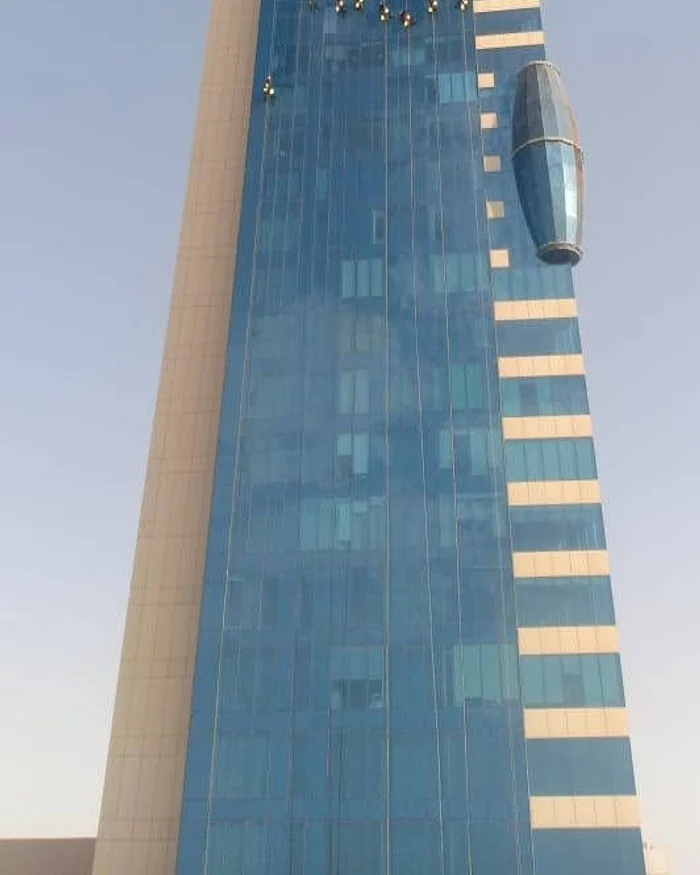
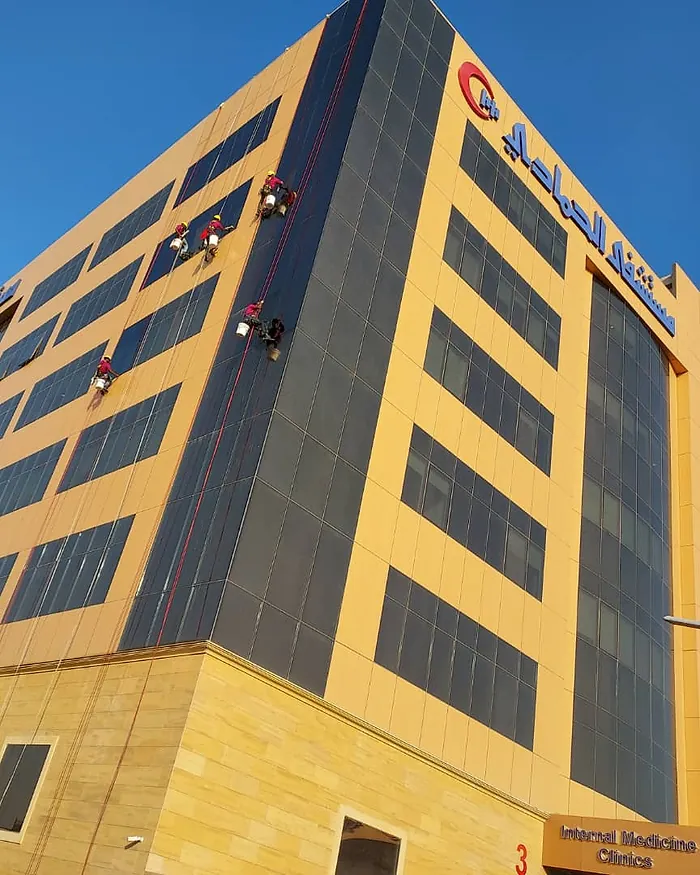
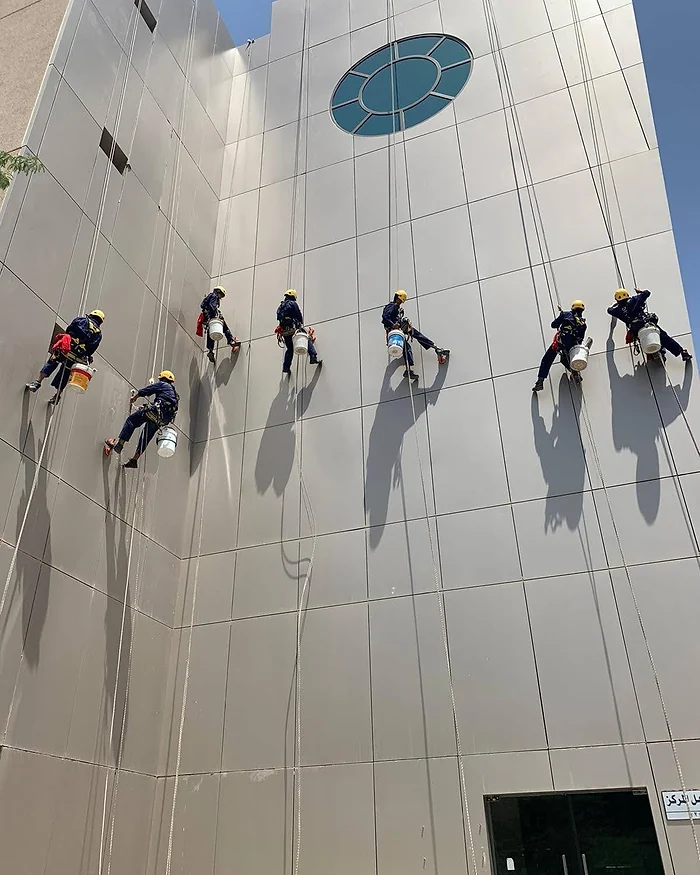
Photos from our team's work.

What is different about Asir Region
Asir climbs from the hot, humid Tihama lowland at Muhayil to the highland plateau of Abha and Khamis Mushait. The high country gets summer monsoon rain, thick fog and cold winter nights, so stone villas, painted concrete and terraced villages such as Rijal Almaa stay damp for weeks, and moss and algae take hold on the shaded side of a facade. Khamis Mushait is the larger commercial city of apartment blocks and showrooms. Wet stone stains, mortar leaches white salts, and cleaning has to work with the weather rather than against it.
Other services in Dhahran Al Janub
The room and the building around it are on one list.