
Raghwat Al Janoub Maintenance and Cleaning
Marble grinding and crystallisation in Sarat Abidah
Sarat Abidah mixes permanent residents with market-day traffic around its Thursday bazaar, so marble floors here see steady wear from both home use and the dust and footfall of traders and shoppers. The red soil carried down from the surrounding wadis settles on flooring year-round, so deep crystallisation work keeps the stone looking fresh between market weeks.
Why grinding beats a surface polish
-

Shine from the stone, not a layer
A surface polish shines for the first week, then flakes off at the doors and busy walkways.
-

Scratches removed, not hidden
Deep scratches and sunken stains do not wipe away, because they sit inside the stone.
-

A surface that resists Riyadh dust
Central Saudi dust is fine, mineral and constant, and it grinds against a soft polish all day until the shine dulls.
-
Edges and skirtings matched
Many floor jobs leave the corners and skirtings dull, so the edge of every room gives the work away.
Why the job is different in Sarat Abidah
Marble floors in Sarat Abidah accumulate thick layers of red dust after each rainy season, and shop flooring around the market loses its shine quickly due to constant foot traffic and trader activity. The whole method is set out in the details of our marble grinding and crystallisation service.
-
Homes amid wadis and weekly markets
Sarat Abidah's houses sit on mountain terrain where wadi soil enters seasonally, and shop floors around the Thursday bazaar hold dust and water residue all week because of foot traffic. Flooring in both settings needs crystal work, not routine sweeping.
-
Seasonal moisture and red soil
Wadi Al Jawf and Wadi Khidar carry high moisture during the rains, and that moisture penetrates shallow marble and leaves marks that need crystallisation treatment rather than a simple surface wash.
-
Daily wear from residents and market visitors
Local people move between homes daily, and traders and visitors arrive Thursdays from surrounding villages, so floors face uneven pressure between market day and quiet days that calls for preventive crystallisation work.
What's Included
Sarat Abidah sits in highland plains ringed by Wadi Al Jawf and Wadi Khidar, so red soil and seasonal moisture from those valleys directly affect how marble flooring weathers in homes and shops throughout the town.
-
The stone type and its condition read
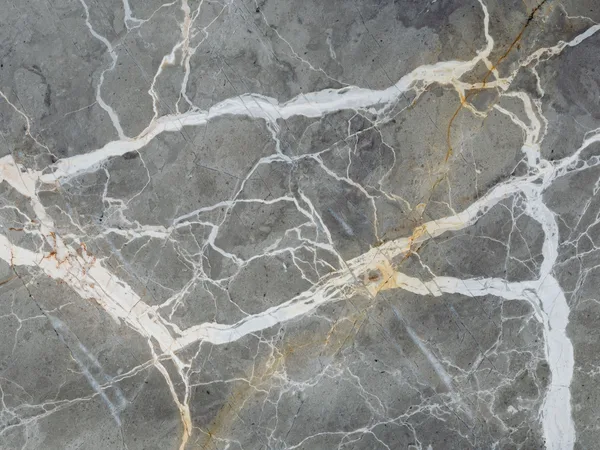
Red soil from the surrounding wadis deposits on marble quickly, so work begins with deep washing and complete drying before crystallisation starts.
-
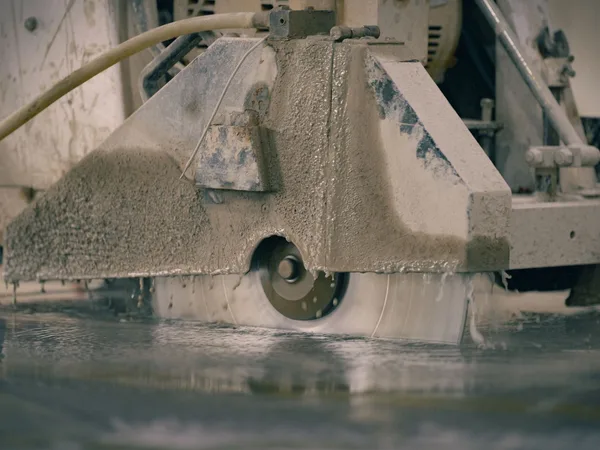
Coarse grinding to take out the scratches
An initial floor inspection reveals scratch layers and salt marks from past seasonal moisture that may not show to the naked eye at first glance.
-
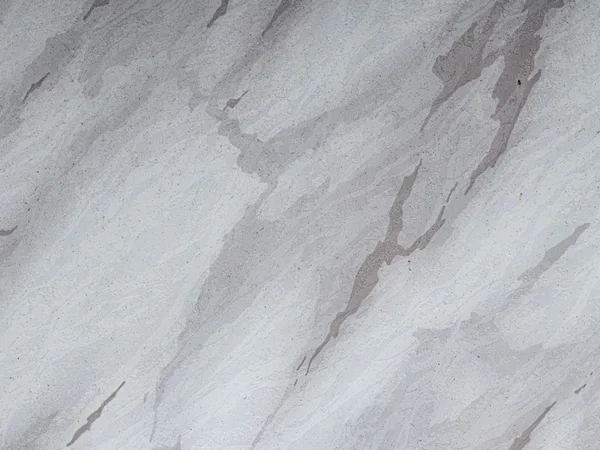
Stepped through to the fine pads
Shop marble around the market needs stronger treatment than residential marble because of steady foot traffic and heavy goods being moved through.
-
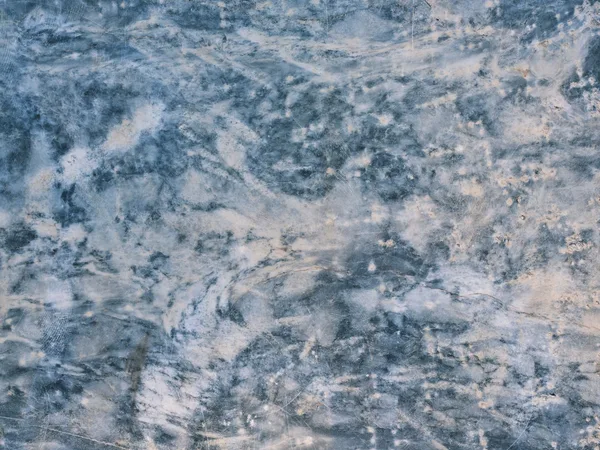
Crystallisation for a hard surface
Drying floors after washing takes longer in Sarat Abidah because the moisture in the air from nearby wadis retreats slowly.
-
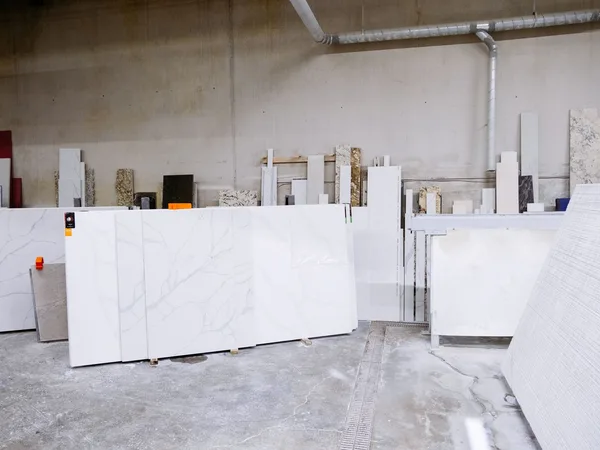
Edges and skirtings
Crystallisation leaves a new protective layer that resists moisture and seasonal salt seepage much better than exposed stone would on its own.
-
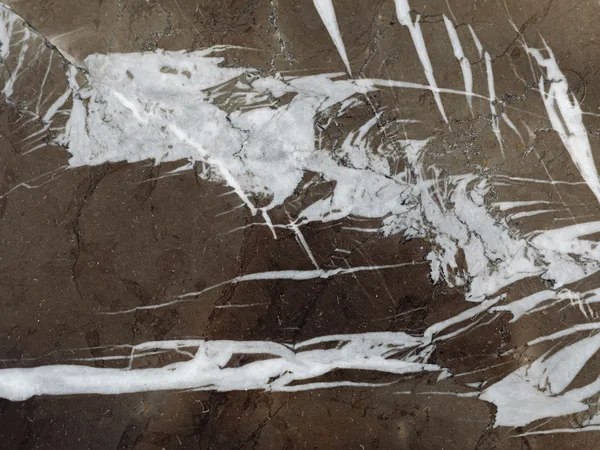
A final seal on the pores
After crystallisation is complete, residents are advised to avoid walking on floors for a few hours while the new layer dries fully.
The character of Sarat Abidah
Rural area: farms, open ground and scattered homes
Sarat Abidah mixes residential homes with shops around the weekly bazaar, so each type of flooring needs a separate assessment based on how much traffic it bears and how much red soil exposure it faces.
How we work
Survey the floor
Prepare the space
Grind and crystallise
Clean up and hand over
Some of our work
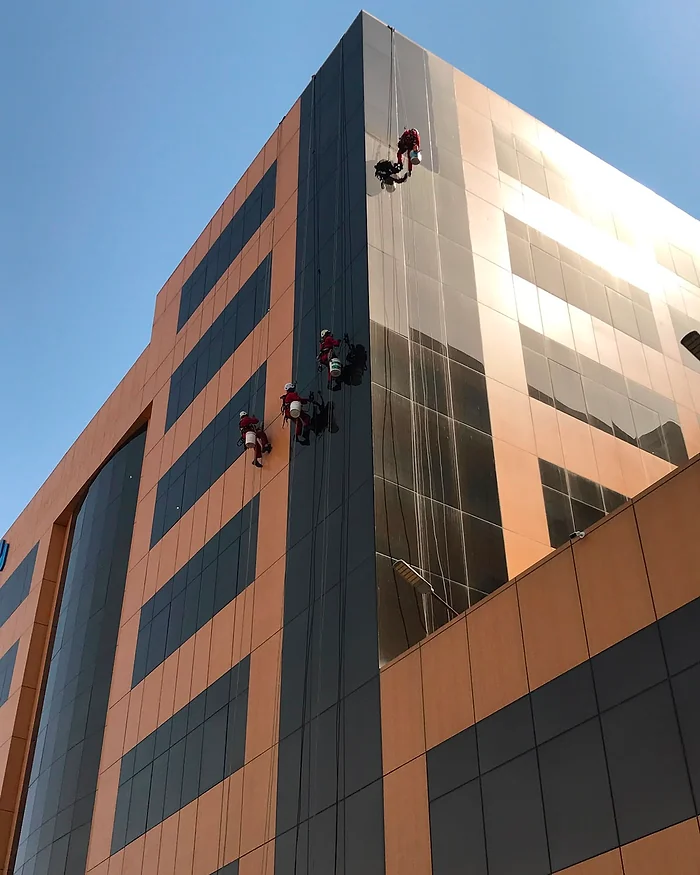
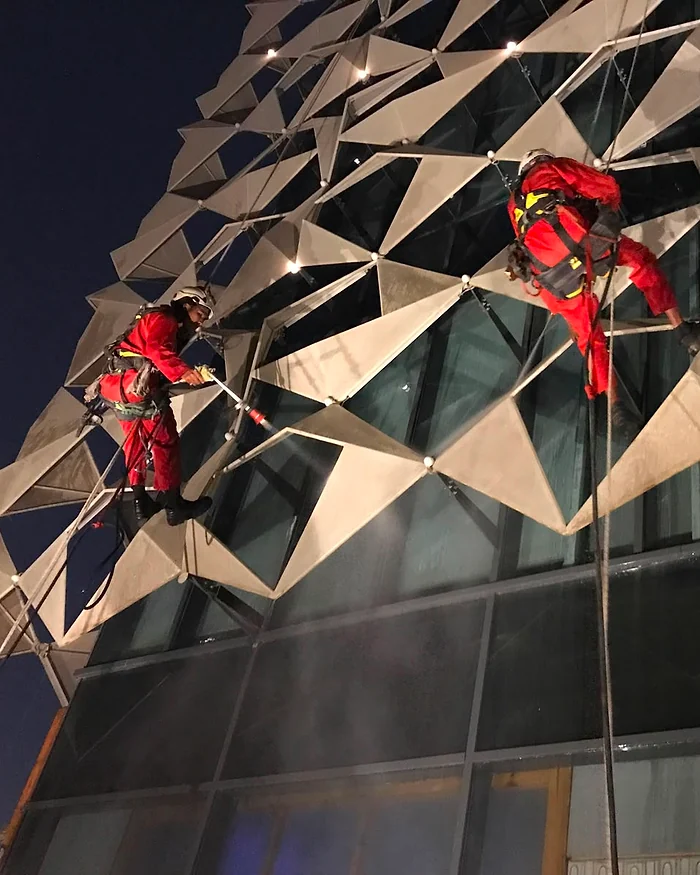
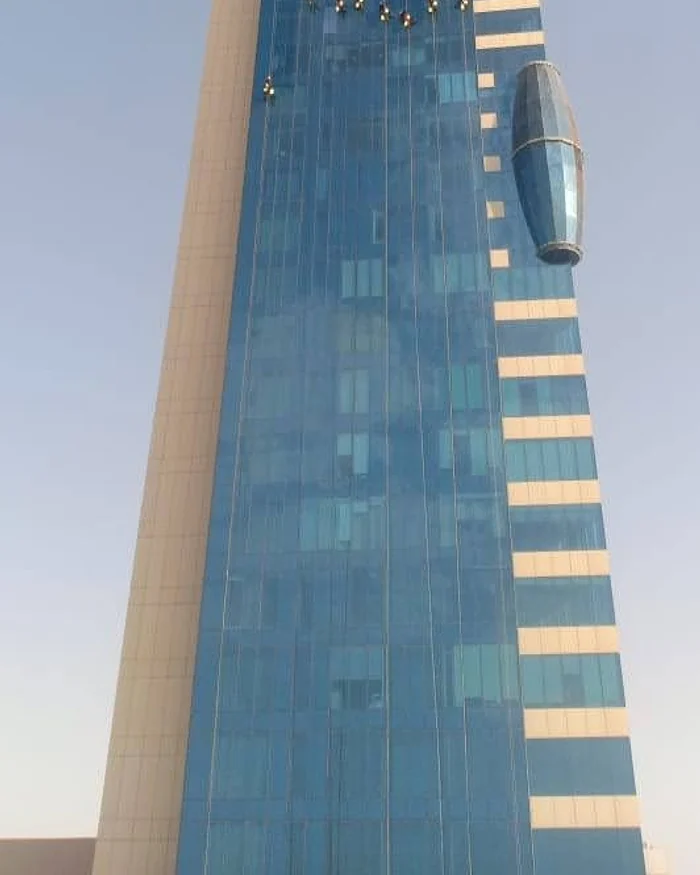
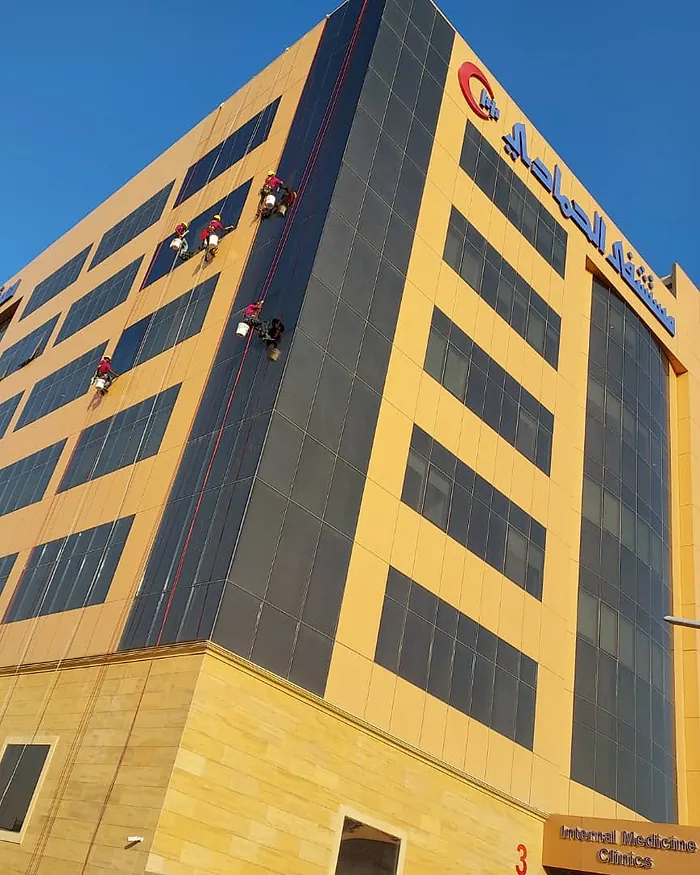
Photos from our team's work.

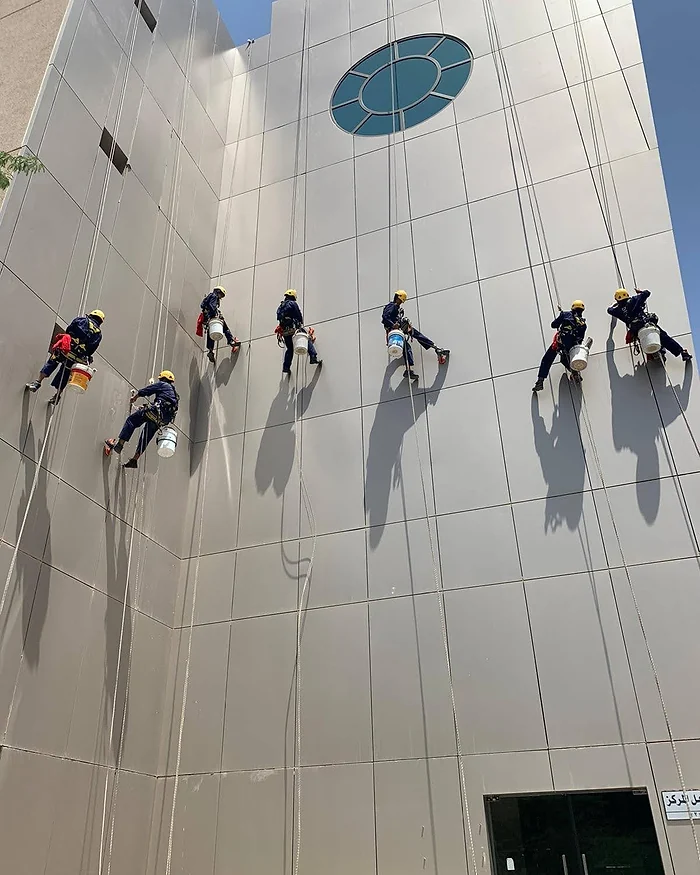
What is different about Asir Region
Asir climbs from the hot, humid Tihama lowland at Muhayil to the highland plateau of Abha and Khamis Mushait. The high country gets summer monsoon rain, thick fog and cold winter nights, so stone villas, painted concrete and terraced villages such as Rijal Almaa stay damp for weeks, and moss and algae take hold on the shaded side of a facade. Khamis Mushait is the larger commercial city of apartment blocks and showrooms. Wet stone stains, mortar leaches white salts, and cleaning has to work with the weather rather than against it.
Other services in Sarat Abidah
The room and the building around it are on one list.