Raghwat Al Janoub Maintenance and Cleaning
Building facade cleaning in Diriyah
Diriyah is a heritage town that blends restored mud palaces and mosques with museums, gardens and restaurants, so facades range from ancient clay to modern glass and stone. Heavy daily tourism and active dining makes scheduling different from a typical residential town, and the restored surfaces demand careful handling.
Why a facade needs regular cleaning
-

The surface is protected
The wrong product costs more than the dirt it removes.
-
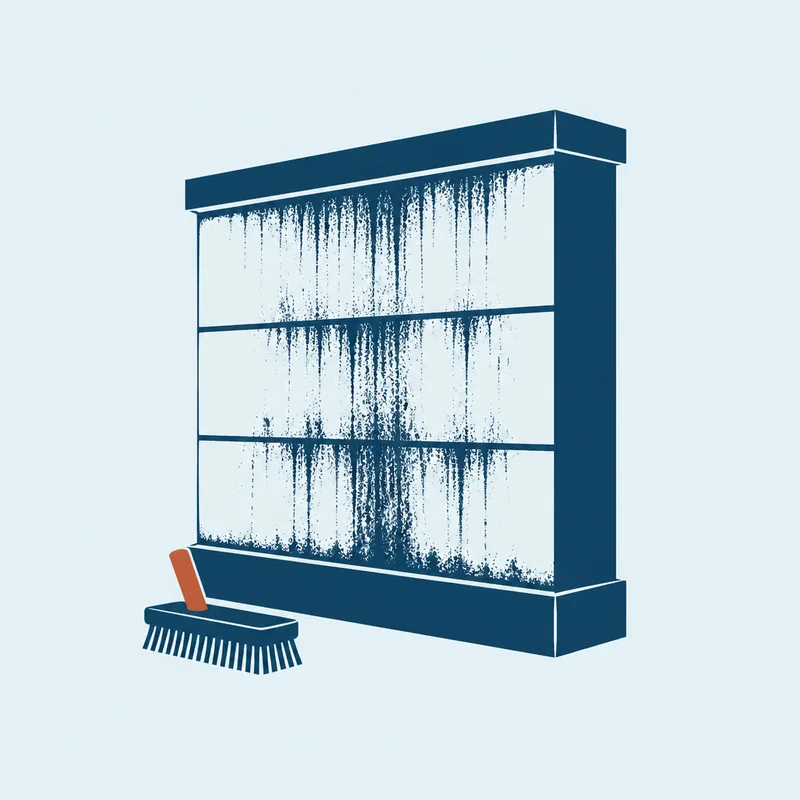
Access decided on site
We do not pick the access method from an office.
-

Glass stays clear
Calcium scale on glass turns into permanent etching if it is left.
-

The building keeps running
We plan the access and the working hours around how the building is used through the day, and we protect the ground, the entrances and anyone passing below.
Why the job is different in Diriyah
Restored mud brick on the palaces and mosques uses fresh plaster and thin protective layers that are far more sensitive to water and strong cleaners than aged, kiln dried clay would be. The whole method is set out in our notes on building facade cleaning.
-
Restored mud brick and historic protection
The restored mud palaces and mosques are protected monuments and must be surveyed carefully before cleaning begins. Fresh or recently patched clay absorbs water differently than old dry mud and reacts unpredictably to cleaners, and a mistake leaves a visible stain on a historic building.
-
Tourism traffic and coordinating work around it
The heritage zone draws visitors every day and restaurants operate near the facades. Work must fit around visitor patterns and restaurant hours, with ground protection from water and slip risk.
-
Stone and glass mixed with ancient clay
The town contains stone and glass on newer buildings alongside clay on the old structures, so different materials demand different methods. Hard groundwater leaves spotting on stone and glass; mud needs filtered water and gentle cleaners only.
What's Included
The heritage district sits on Riyadh's edge, mixing protected historic buildings with recently developed tourism zones, all under steady visitor and staff footfall from museums and dining establishments.
-
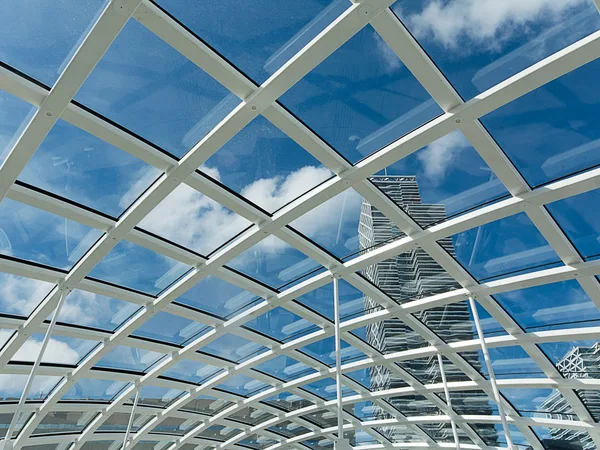
Roof survey and anchor points
Roof survey of mud palaces and mosques requires understanding which materials are original versus recent restoration, with special care to locate secure anchor points on heritage structures.
-
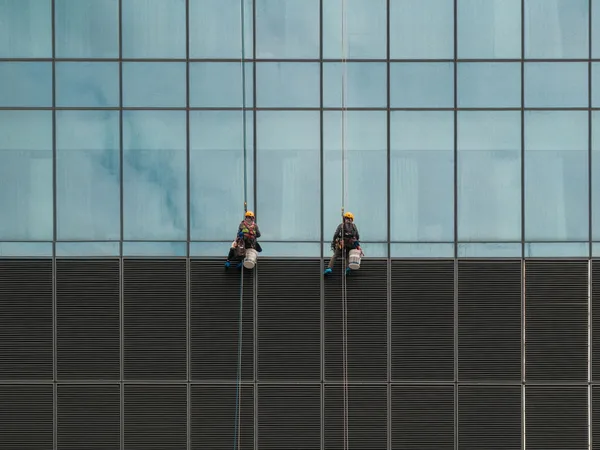
Access chosen: rope or powered
Access is coordinated with visitor patterns and daily site operations, with rope access preferred over powered lifts in narrow historic spaces and sensitive areas.
-
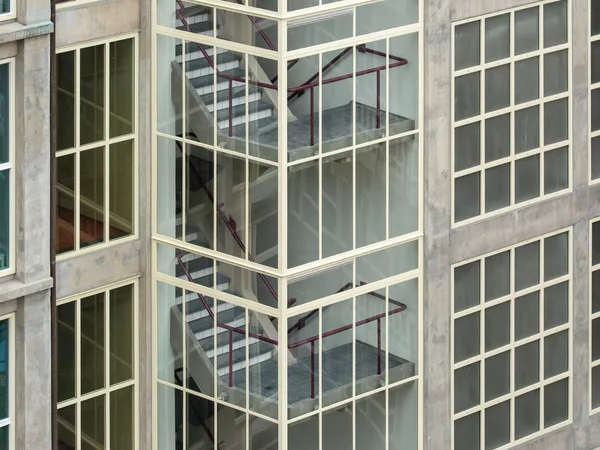
A test patch before the whole elevation
Test patches on restored mud brick and modern stone are mandatory before full cleaning, because surface conditions vary significantly between buildings and sections.
-
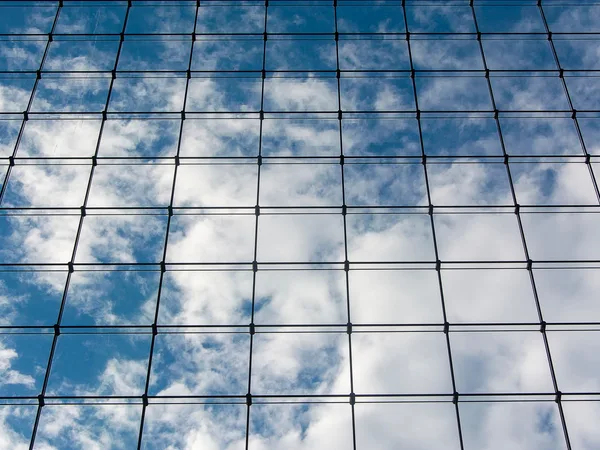
Glass and curtain walling
Glass in museums and restaurants may be old single pane or modern laminate, so each facade's condition determines whether the cleaning method can be aggressive or must be gentle.
-
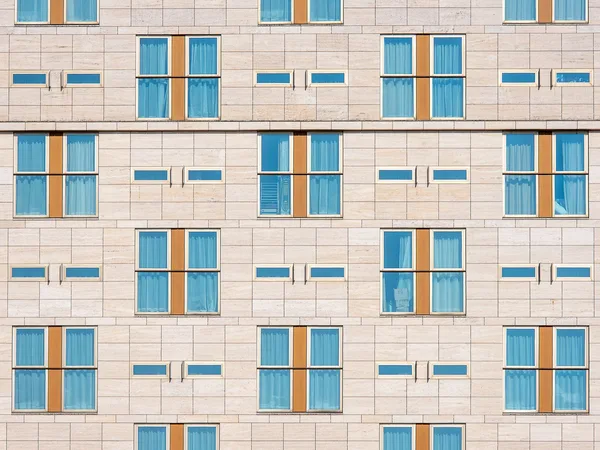
Cladding and stone, pH-neutral
Stone used in recent restoration and modern building cladding requires pH neutral products to avoid damaging fresh finishes and new protective coatings.
-
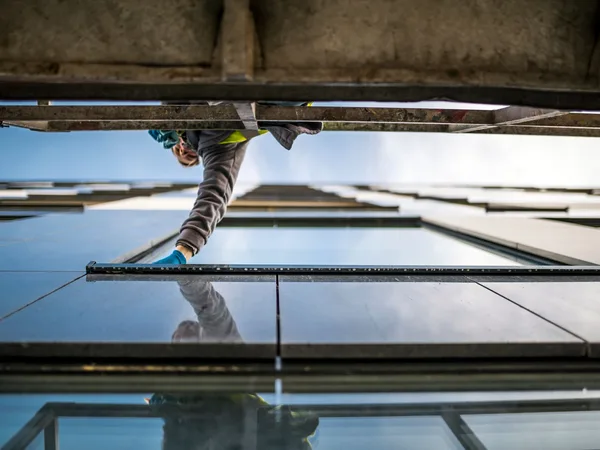
Ground and passers-by protected
Ground and walkways are heavily protected because visitors pass continuously, and water and cleaner discharge must not create slip risks or staining on visitor paths.
Landmarks of Diriyah
Diriyah divides between At-Turaif historic quarter with Salwa Palace and the Imam Muhammad bin Saud Mosque in the north, and Al-Bujairi Heritage Park with Bujairi Terrace housing restaurants and staff to the south. Locating work precisely and coordinating delivery depends on these key reference points.
- At-Turaif District
- Salwa Palace
- Imam Muhammad bin Saud Mosque
- Al-Bujairi Heritage Park
- Bujairi Terrace
How we work
Survey from the roof
Choose access and products
Wash top to bottom
Inspect and hand over
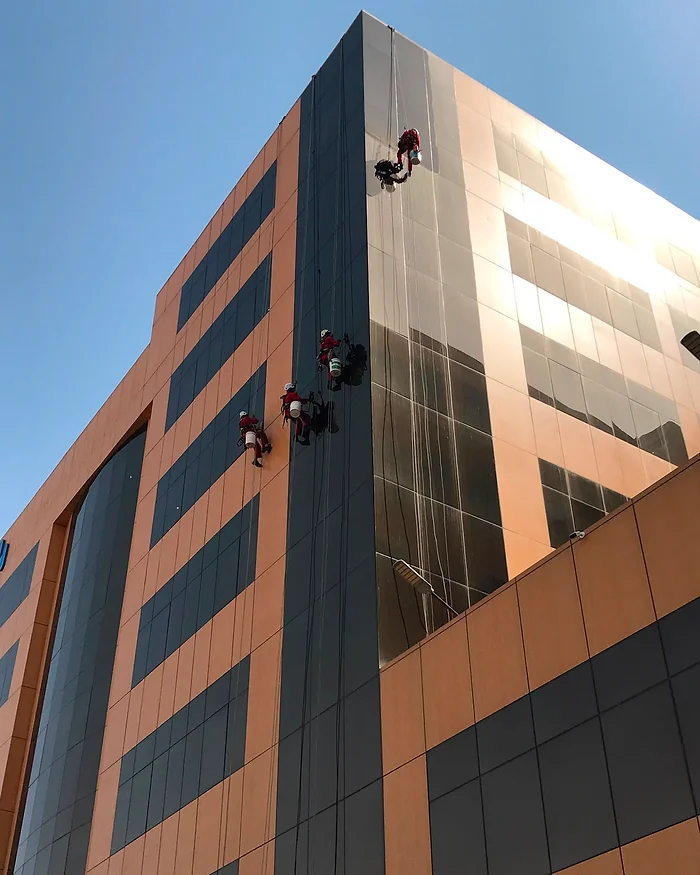
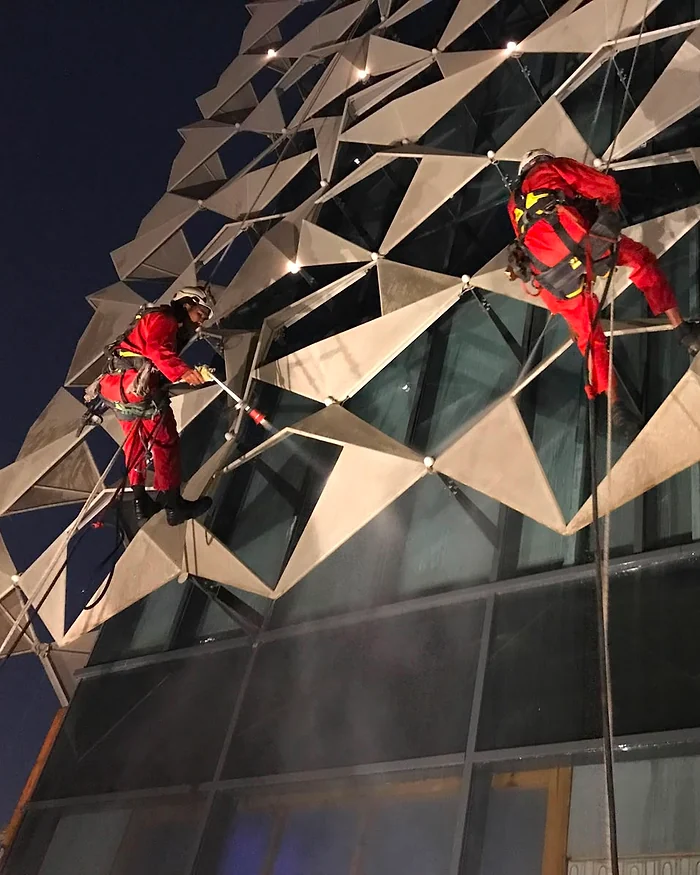
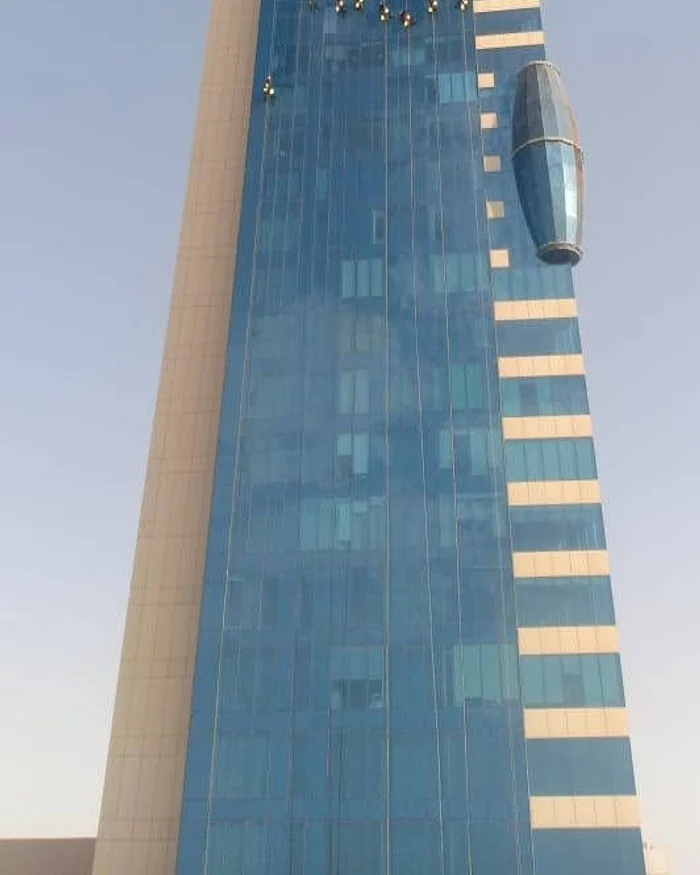
Some of our work
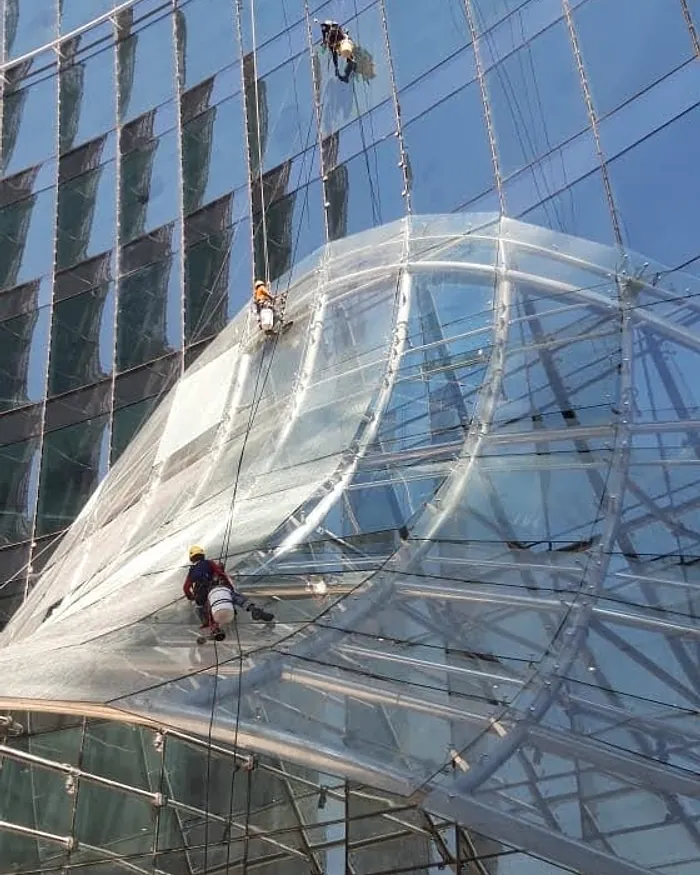
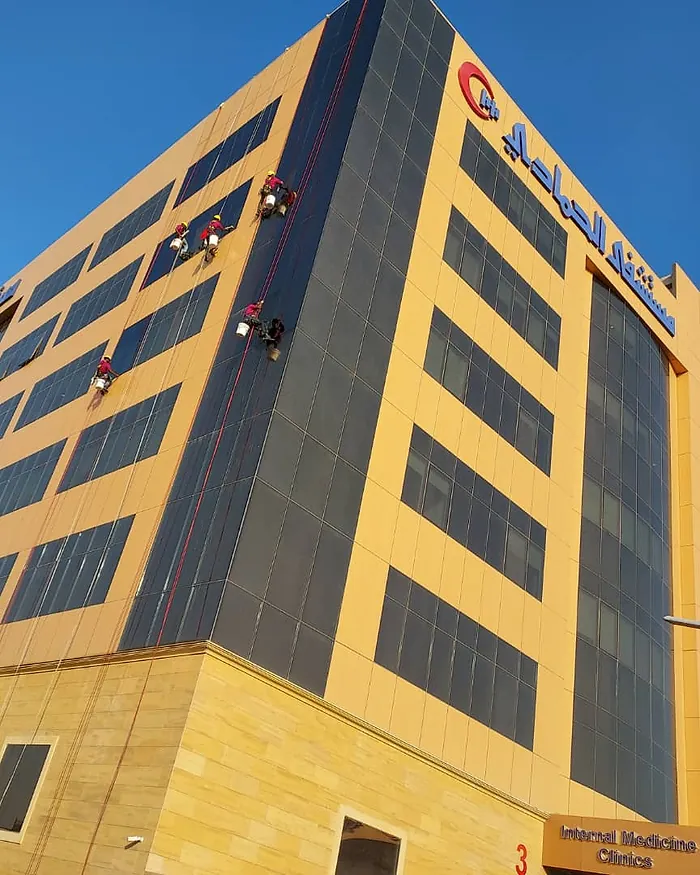
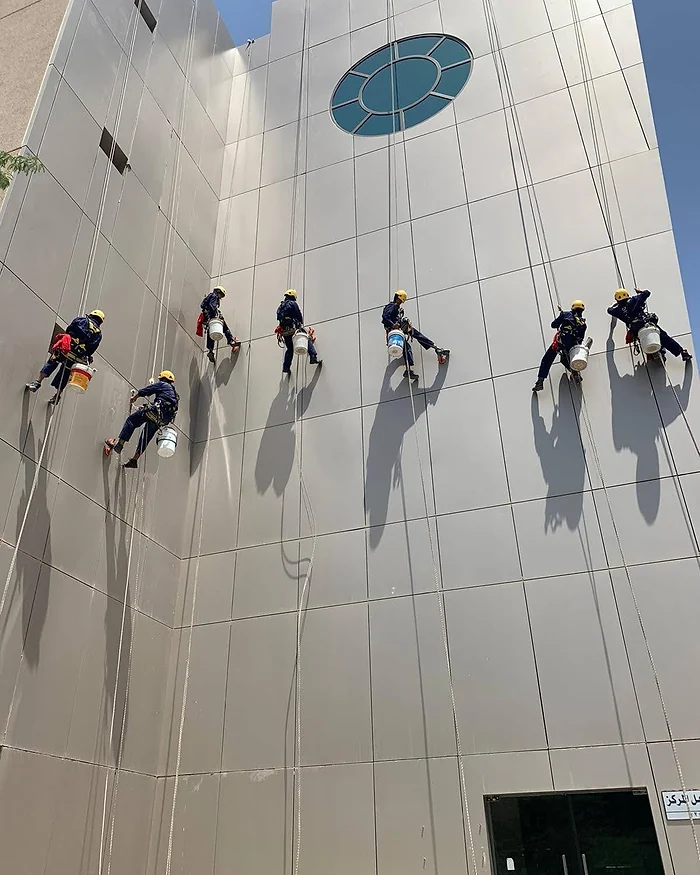
Photos from our team's work.
What is different about Riyadh Region
Riyadh Region covers the central Najd plateau from the capital out to Al Kharj, Al Majma'ah, Al Zulfi, Dawadmi, Al Quwaiiyah and Wadi Al Dawasir. The climate is dry, with fierce summer heat, cool winters and spring dust storms carried off the Dahna sands to the east and the Nafud beyond Al Zulfi. The capital's glass towers and cladding sit alongside stone and marble villas, mosques and government buildings in the towns, with farms and palm groves around Al Kharj and the southern wadis. Fine dust abrades polished floors, and the hard groundwater leaves stubborn spotting on glass and stone.
Other services in Diriyah
The room and the building around it are on one list.