Raghwat Al Janoub Maintenance and Cleaning
Building facade cleaning in Riyadh
Riyadh spreads across the Najd plateau with modern glass towers, stone villas and dense apartment blocks all mixed into a wide grid. The city's fine mineral dust from traffic and ongoing construction adheres to every exposed surface and leaves a dull film fast. Hard groundwater etches glass if left to set. Regular cleaning here stops permanent damage before it begins.
Why a facade needs regular cleaning
-
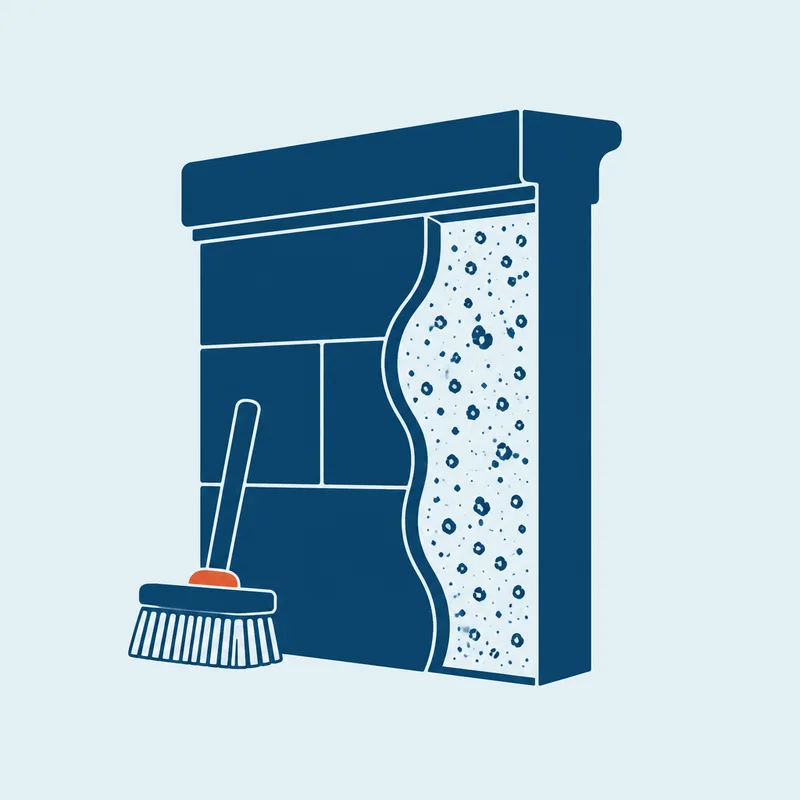
The surface is protected
The wrong product costs more than the dirt it removes.
-
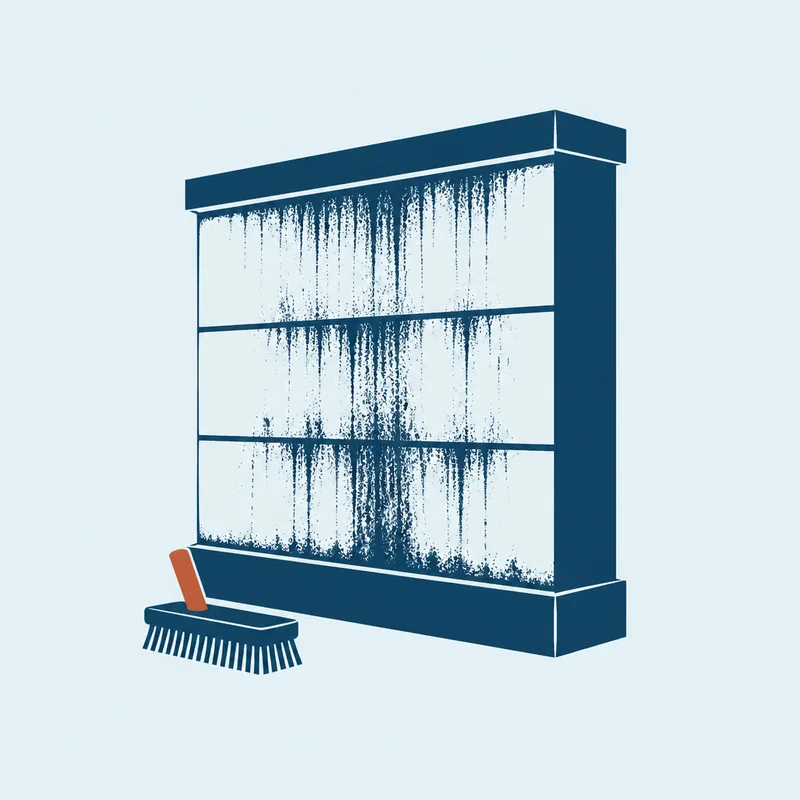
Access decided on site
We do not pick the access method from an office.
-

Glass stays clear
Calcium scale on glass turns into permanent etching if it is left.
-
The building keeps running
We plan the access and the working hours around how the building is used through the day, and we protect the ground, the entrances and anyone passing below.
Why the job is different in Riyadh
Riyadh's metallic dust penetrates tight gaps and builds up visibly on glass and cladding within days of a clean, especially after wind from the surrounding desert. The whole method is set out in our building facade cleaning guide.
-
Fine mineral dust that never stops accumulating
Riyadh dust carries fine metallic particles from engines and building work that bind to surface moisture. On glass it forms a hazy film that dulls light and views. On cladding and aluminium the particles attack the protective coating and start uneven oxidation that looks like staining and spreads.
-
Hard groundwater leaves etching that does not polish out
Riyadh's deep wells draw hard water full of lime and magnesium salts. Water left on glass after cleaning leaves a white scale that hardens as it dries. If left long enough it etches the glass surface itself, so polishing no longer removes it and the glass stays marked.
-
Dense housing mixed with office towers forces tight access planning
Glass towers sit beside apartment blocks on a tight street grid, creating long north facing shaded facades that hold damp and grow algae, and south facing elevations in direct sun that dry cleaning liquid fast and leave salt streaks. Each orientation needs different timing and water.
What's Included
The city sits on a grid of major highways where construction dust from ongoing development on the outskirts travels across and settles on all facades facing the roads.
-
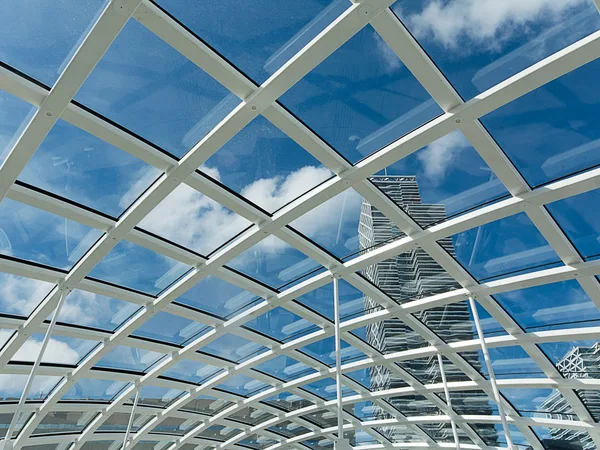
Roof survey and anchor points
Roof surveys on Riyadh's tall office blocks look for solid fixing points on concrete or older cladding that may be weakened by trapped interior moisture leaching through the joints.
-
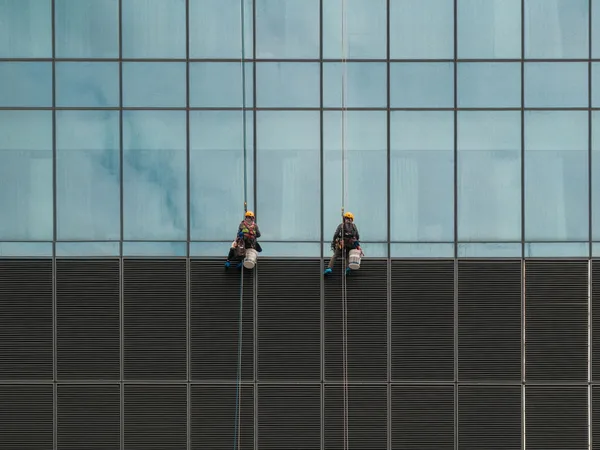
Access chosen: rope or powered
Office towers permit mobile elevated platforms from street level, but villas and apartments in tight neighbourhoods need rope descent teams from the roof because ground space is too narrow.
-
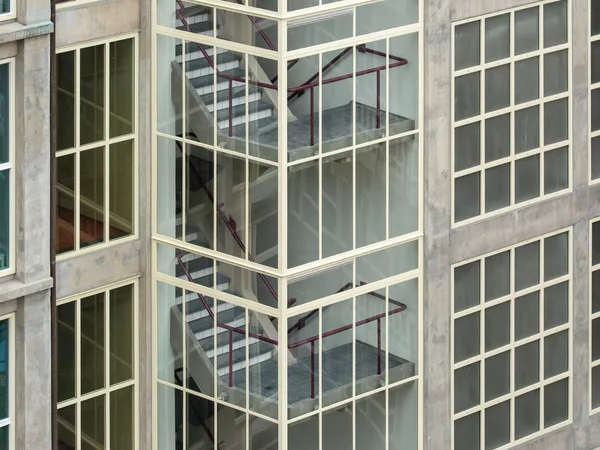
A test patch before the whole elevation
A test patch on cladding or stone before full deployment stops loss of the protective layer over a wide area if the wrong pH is used.
-
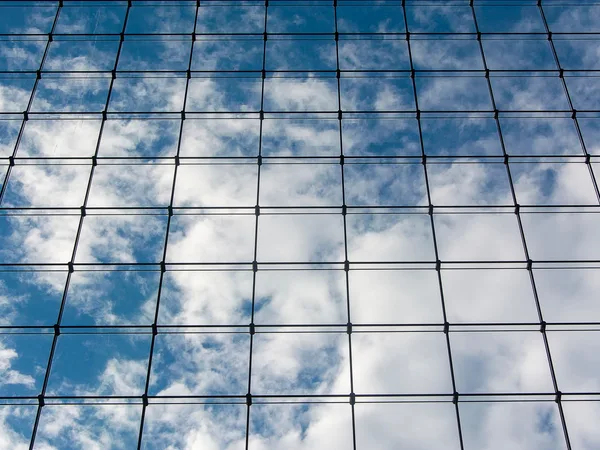
Glass and curtain walling
Glass is abundant on Riyadh towers and curtain walling needs careful attention to metal fixings that corrode from fine salt accumulation and moisture trapped behind the glazing system.
-
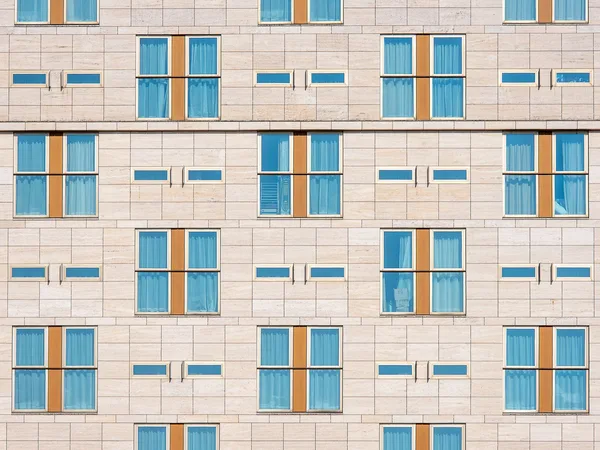
Cladding and stone, pH-neutral
Cladding and stone on older villas need pH neutral products that do not strip the protective coating, so oxidation stays even and repair is not needed after the clean.
-
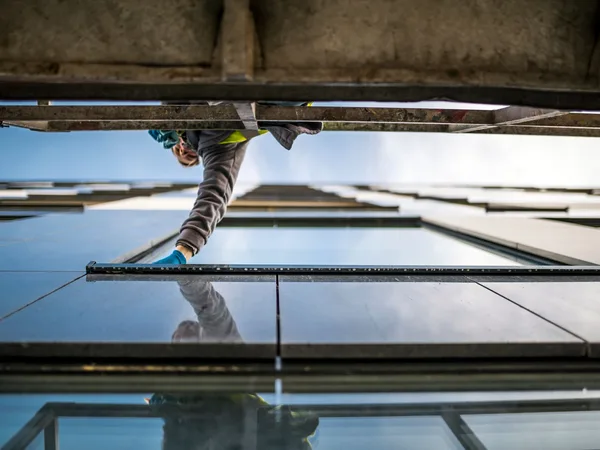
Ground and passers-by protected
Narrow commercial streets around facades need ground barriers because wash water and loosened dust spread fast across pavements and affect shopfronts and passing public.
Riyadh on the map
Riyadh sits about 18 km from Diriyah and about 49.5 km from Al-Muzahimiyah.
Open in Google MapsHow we work
Survey from the roof
Choose access and products
Wash top to bottom
Inspect and hand over
Some of our work
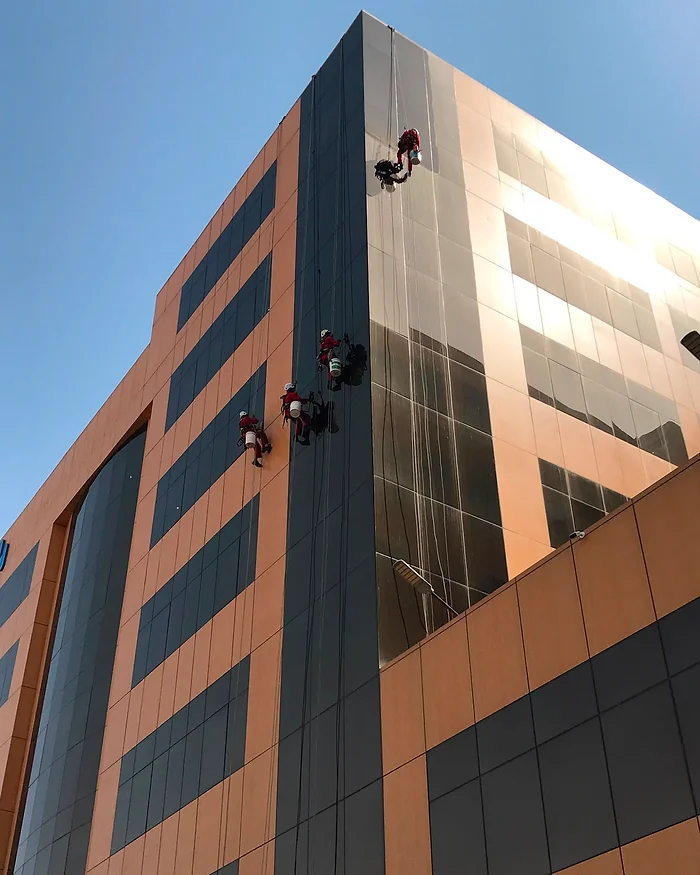
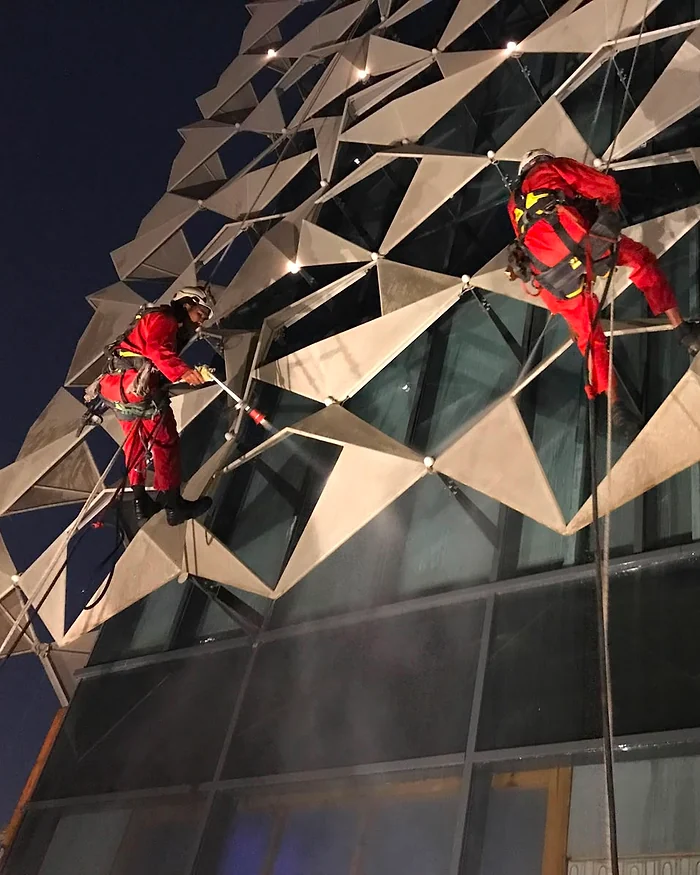
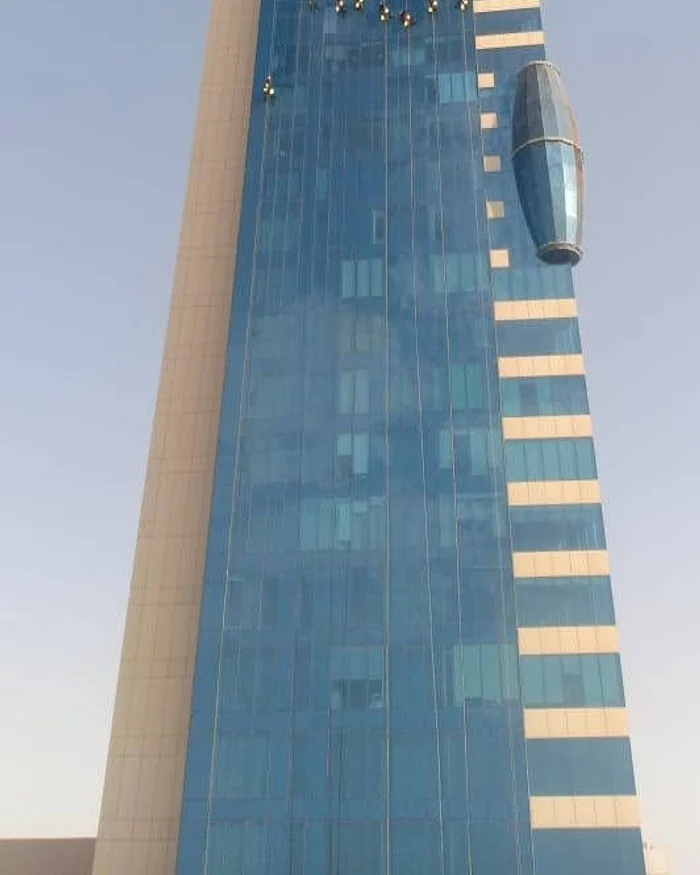
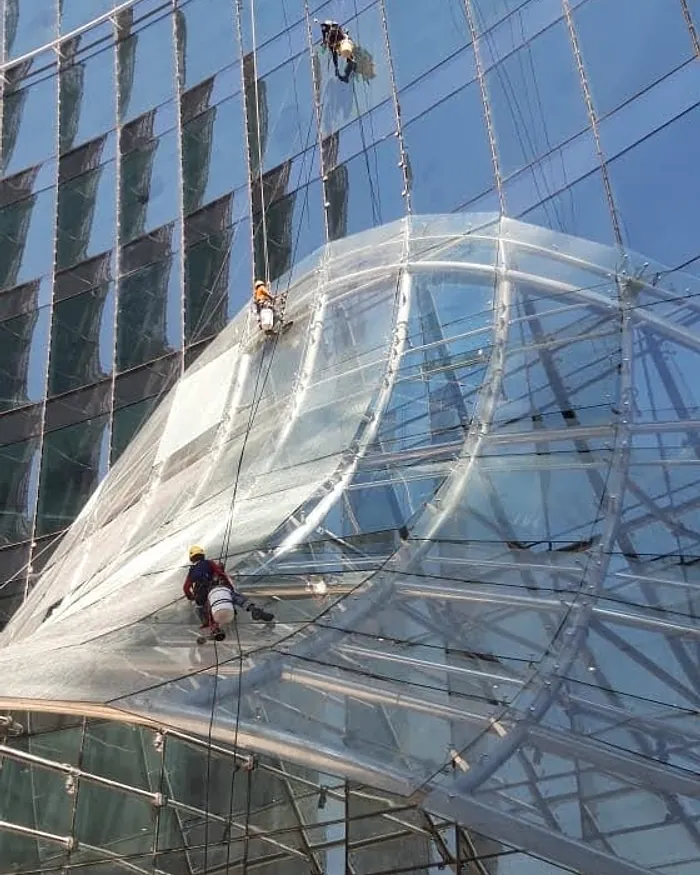
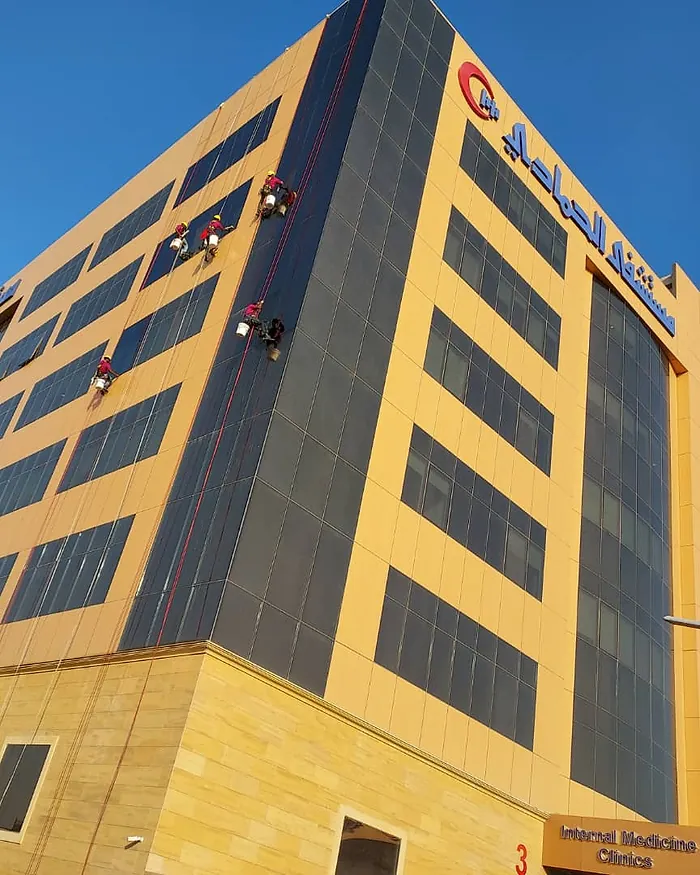
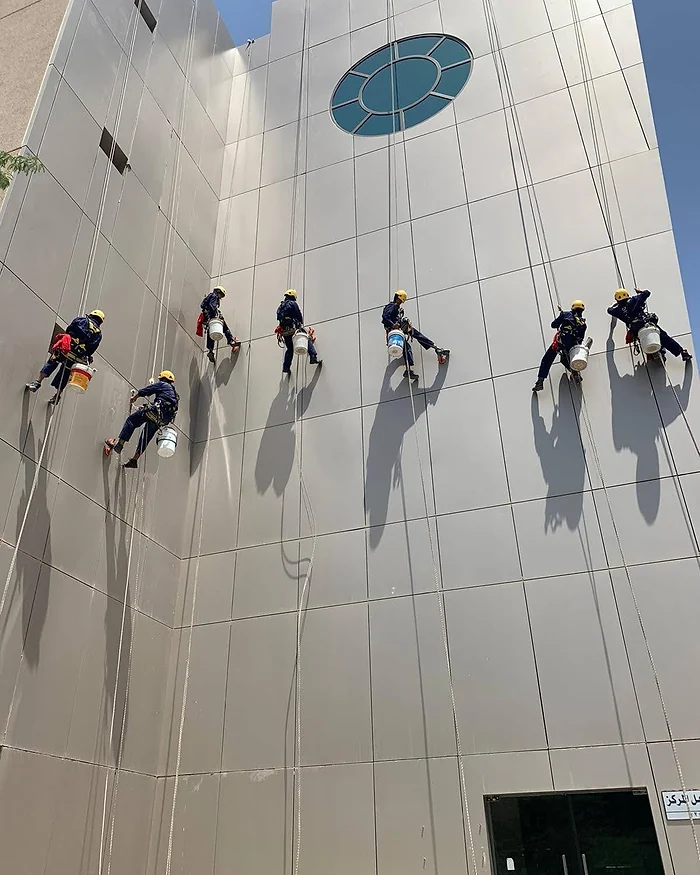
Photos from our team's work.
What is different about Riyadh Region
Riyadh Region covers the central Najd plateau from the capital out to Al Kharj, Al Majma'ah, Al Zulfi, Dawadmi, Al Quwaiiyah and Wadi Al Dawasir. The climate is dry, with fierce summer heat, cool winters and spring dust storms carried off the Dahna sands to the east and the Nafud beyond Al Zulfi. The capital's glass towers and cladding sit alongside stone and marble villas, mosques and government buildings in the towns, with farms and palm groves around Al Kharj and the southern wadis. Fine dust abrades polished floors, and the hard groundwater leaves stubborn spotting on glass and stone.
Other services in Riyadh
The room and the building around it are on one list.