Raghwat Al Janoub Maintenance and Cleaning
Marble grinding and crystallisation in Diriyah
Diriyah is a historic town on Riyadh's edge, blending restored mud-brick palaces of the old capital with modern residential blocks nearby. Marble in these two very different settings faces Riyadh's high plateau climate and urban dust, so each job needs a separate approach based on building age and use.
Why grinding beats a surface polish
-
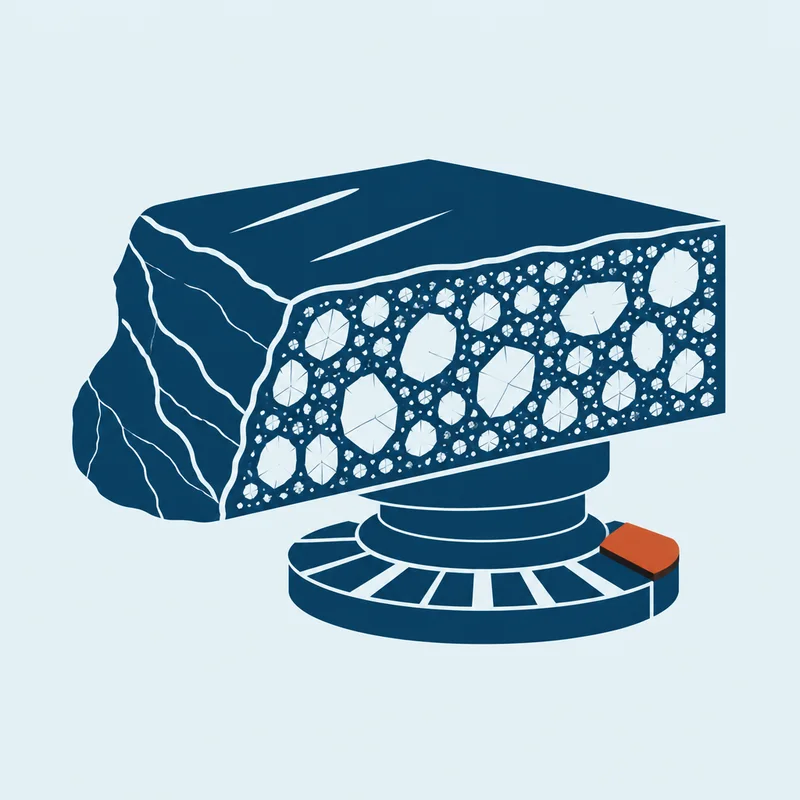
Shine from the stone, not a layer
A surface polish shines for the first week, then flakes off at the doors and busy walkways.
-

Scratches removed, not hidden
Deep scratches and sunken stains do not wipe away, because they sit inside the stone.
-
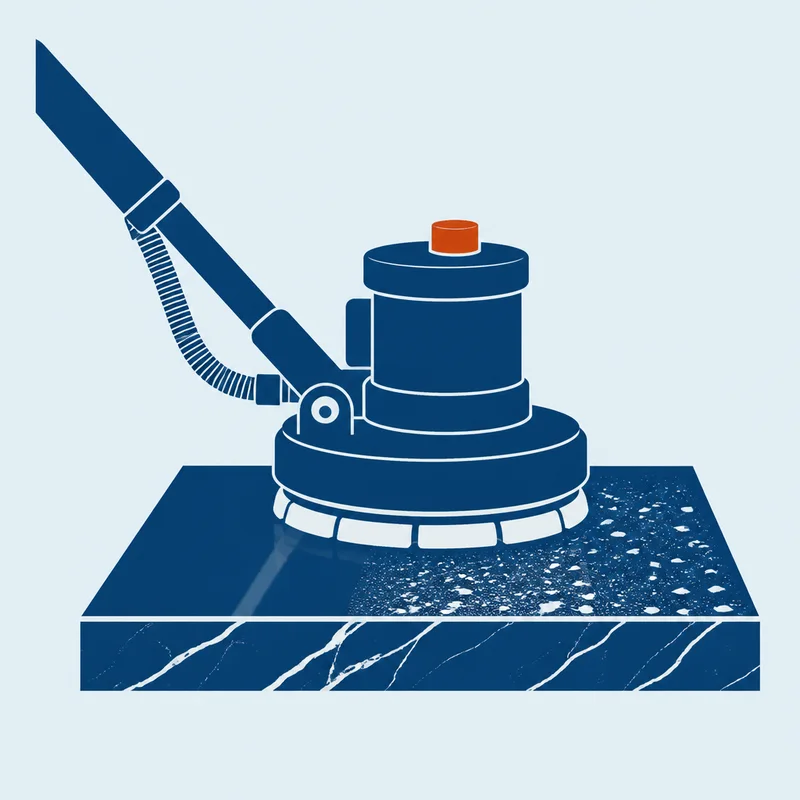
A surface that resists Riyadh dust
Central Saudi dust is fine, mineral and constant, and it grinds against a soft polish all day until the shine dulls.
-
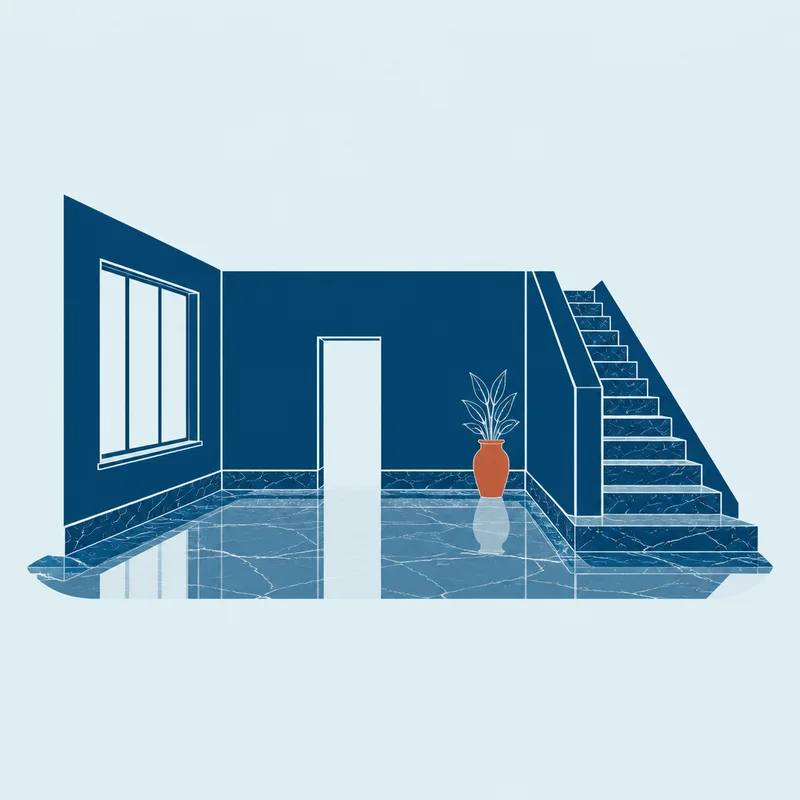
Edges and skirtings matched
Many floor jobs leave the corners and skirtings dull, so the edge of every room gives the work away.
Why the job is different in Diriyah
In Diriyah, marble in heritage palaces holds fine dust and foot traffic marks from many visitors, while nearby modern apartment buildings sometimes show small cracks from vibration caused by nearby vehicle movement. The whole method is set out in our marble grinding and crystallisation guide.
-
Restored mud palaces and modern residential blocks side by side
Diriyah holds restored historic mud palaces alongside modern apartment buildings in the same district, so palace floors may be original or repaired in different ways, while new flats have contemporary marble that needs a completely different approach.
-
Urban dust from Riyadh's main roads and palace visitor traffic
Buildings near Riyadh's main roads face heavy urban dust, and Diriyah's palaces especially see thousands of visitors yearly so dust and footprints build up much faster than in residential flats.
-
Vibration from vehicles and minor seismic effects
Some newer buildings in Diriyah experience light vibration from heavy traffic on neighbouring roads or weak earth tremors, causing small marble cracks that may not show clearly until close inspection.
What's Included
Diriyah sits on the banks of Wadi Hanifa overlooking Riyadh's plains, and closeness to the capital's urban dust means particles settle on marble in palaces and residential buildings alike, especially on floors near the main roads.
-
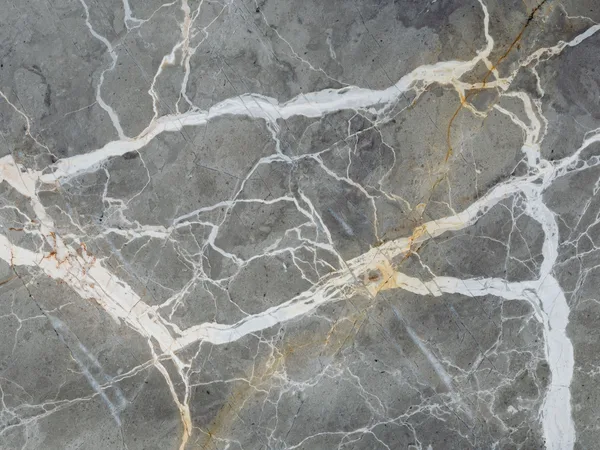
The stone type and its condition read
Original marble in historic palaces is tested carefully before grinding as it may be weaker than modern stone.
-
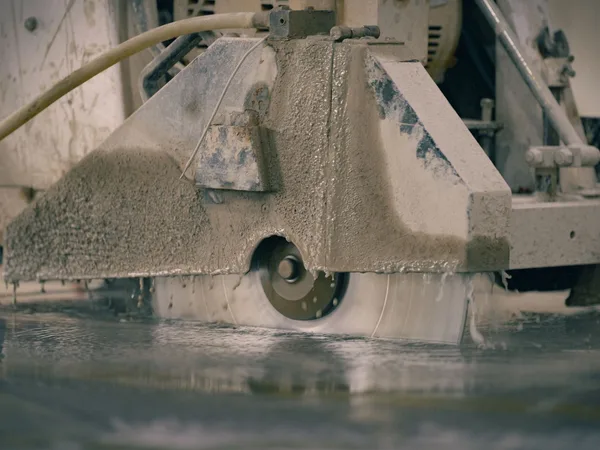
Coarse grinding to take out the scratches
Urban dust from Riyadh roads is vacuumed deeply first before the crystal is applied.
-
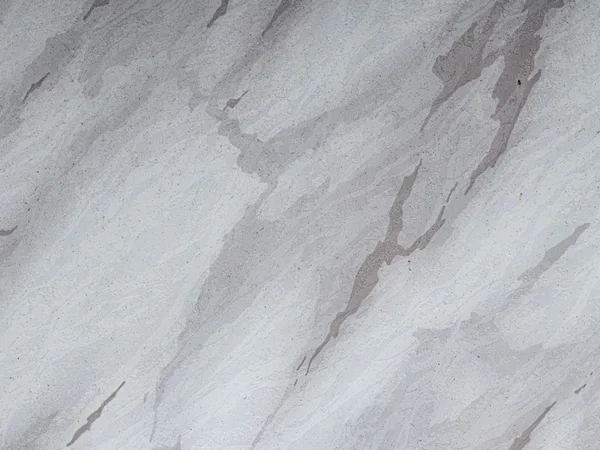
Stepped through to the fine pads
Small cracks from vibration are partially filled by crystal but do not disappear completely.
-
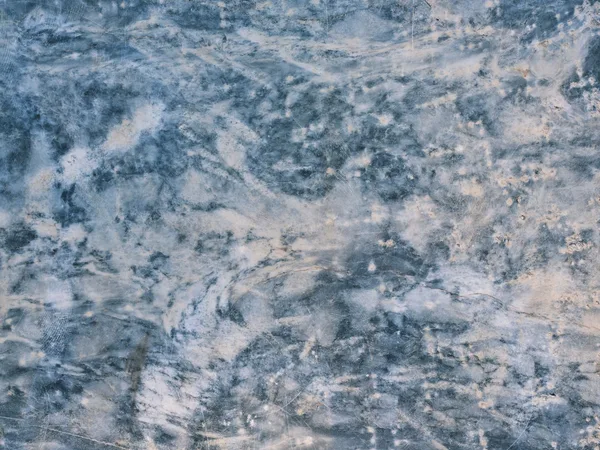
Crystallisation for a hard surface
Building corners and joints between pieces need dry compressed-air cleaning before polishing.
-
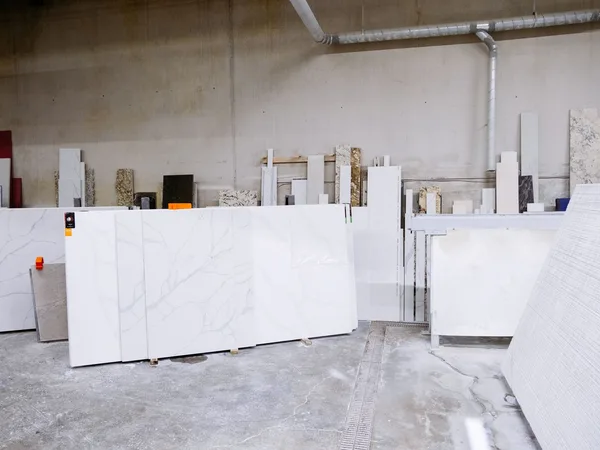
Edges and skirtings
Slip level after polishing is chosen based on use, higher in palace areas and lower in main walkways.
-
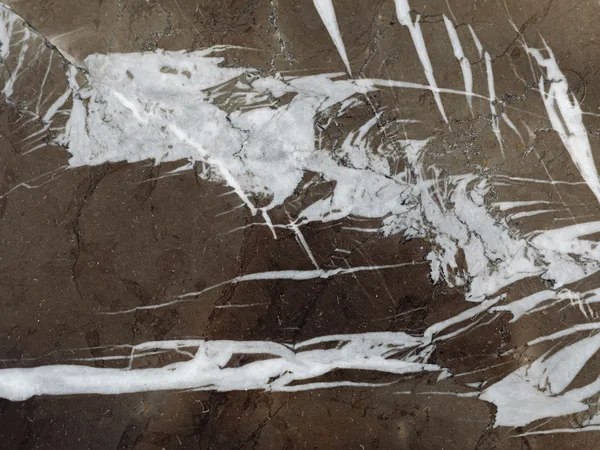
A final seal on the pores
Marble in urban areas close to main roads needs more frequent polishing than other zones.
Landmarks of Diriyah
Scheduling runs around At-Turaif District, Salwa Palace and Imam Muhammad bin Saud Mosque in the historic heart, and modern buildings near Al-Bujairi Heritage Park and Bujairi Terrace, so palace and flat visits are reached without delay between appointments.
- At-Turaif District
- Salwa Palace
- Imam Muhammad bin Saud Mosque
- Al-Bujairi Heritage Park
- Bujairi Terrace
How we work
Survey the floor
Prepare the space
Grind and crystallise
Clean up and hand over
Some of our work
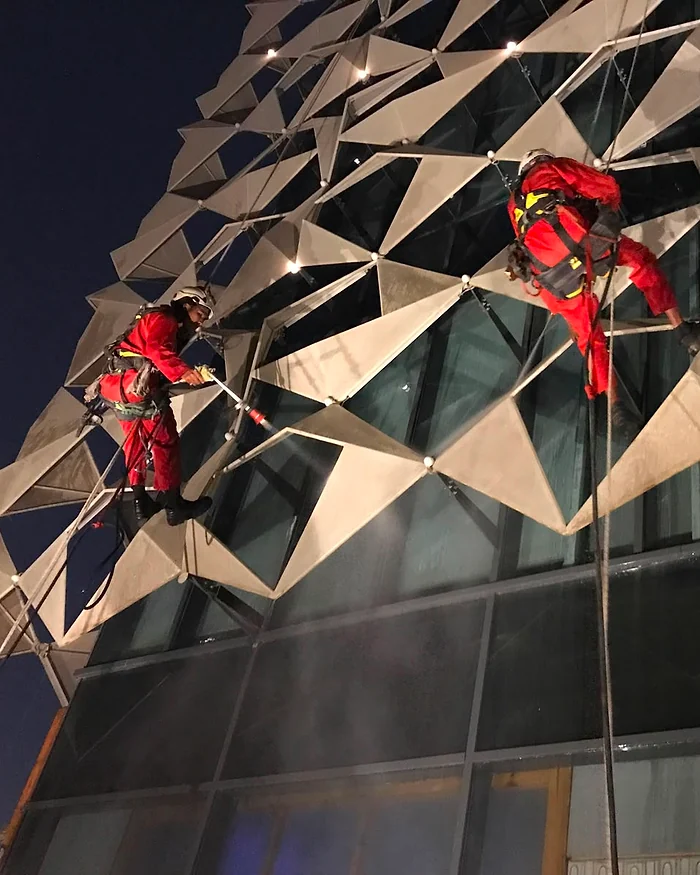
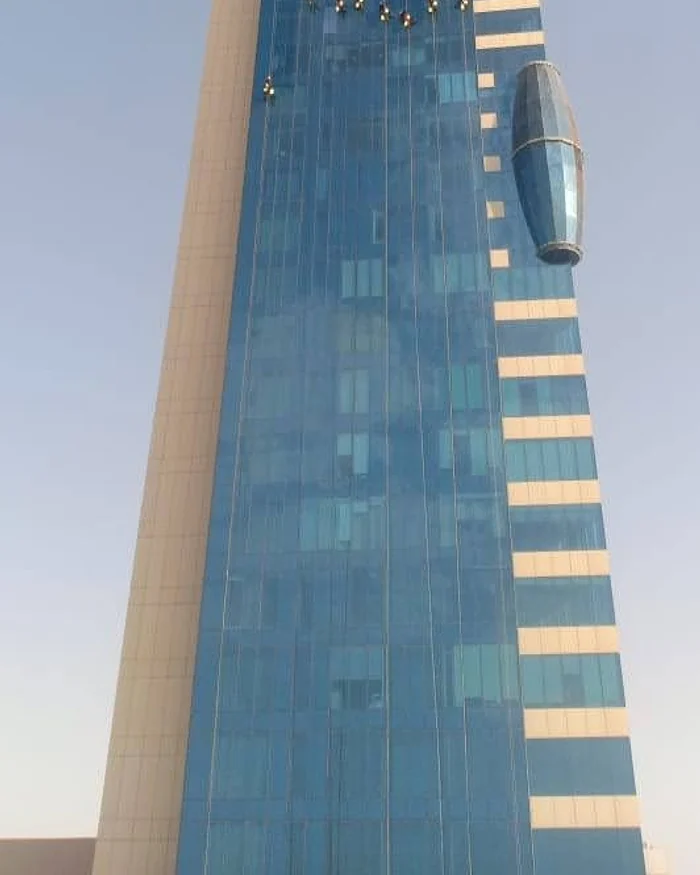
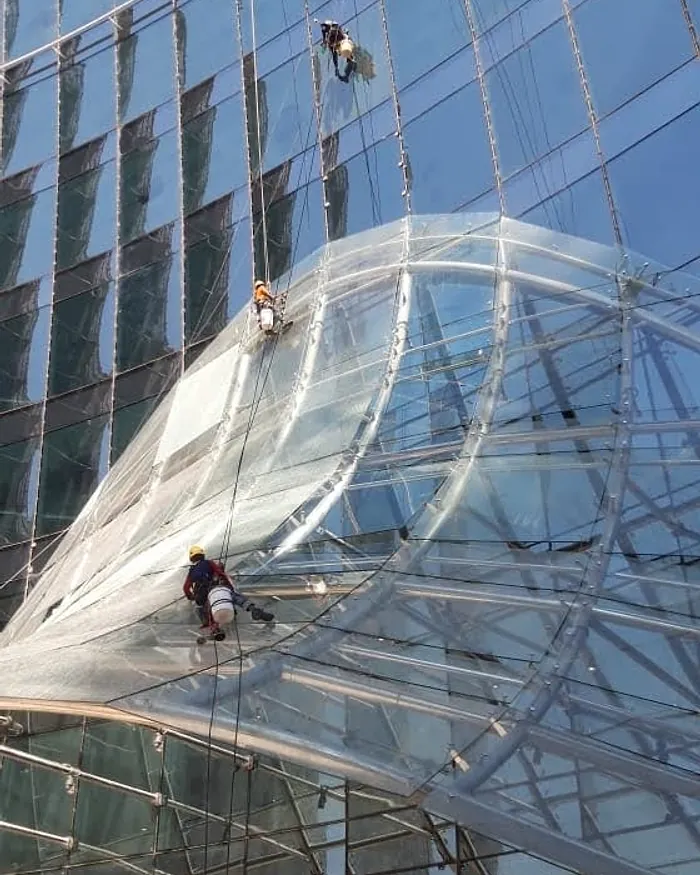
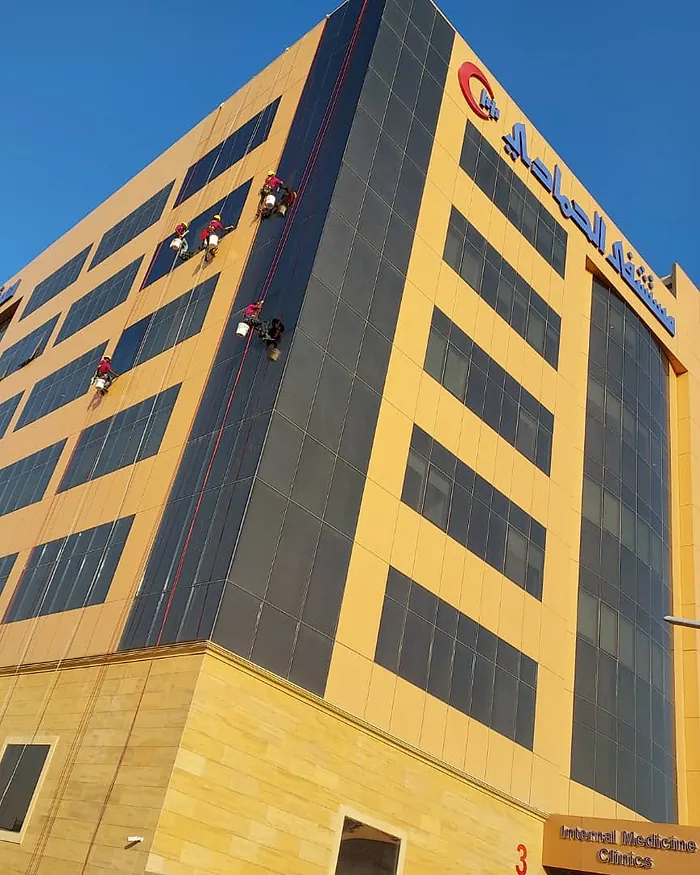
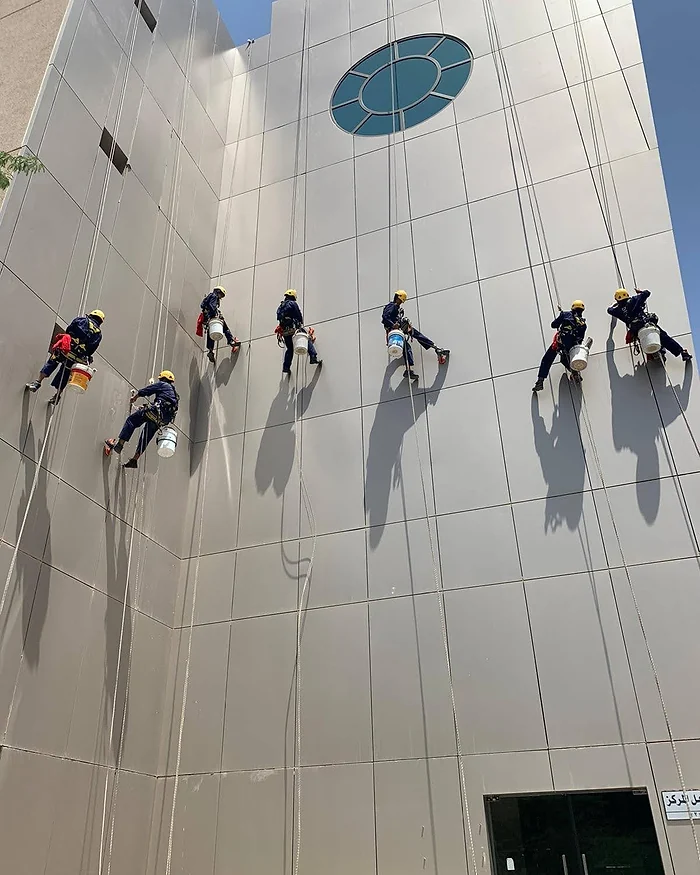
Photos from our team's work.
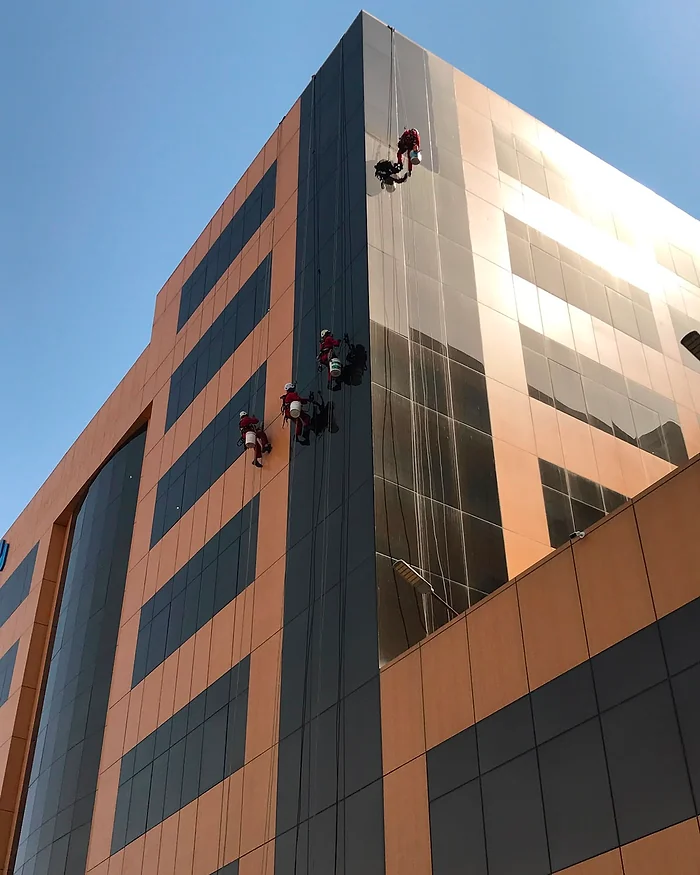
What is different about Riyadh Region
Riyadh Region covers the central Najd plateau from the capital out to Al Kharj, Al Majma'ah, Al Zulfi, Dawadmi, Al Quwaiiyah and Wadi Al Dawasir. The climate is dry, with fierce summer heat, cool winters and spring dust storms carried off the Dahna sands to the east and the Nafud beyond Al Zulfi. The capital's glass towers and cladding sit alongside stone and marble villas, mosques and government buildings in the towns, with farms and palm groves around Al Kharj and the southern wadis. Fine dust abrades polished floors, and the hard groundwater leaves stubborn spotting on glass and stone.
Other services in Diriyah
The room and the building around it are on one list.