
Raghwat Al Janoub Maintenance and Cleaning
Marble grinding and crystallisation in Dhurma
Dhurma sits on the Tuwaiq edge as a historic town where palaces, older villas and rural homes have marble floors that have collected fine Wadi Al-Bateen dust for decades. Polishing marble here calls for knowledge of local stone types and the valley's moisture patterns, not a single method for every floor.
Why grinding beats a surface polish
-

Shine from the stone, not a layer
A surface polish shines for the first week, then flakes off at the doors and busy walkways.
-

Scratches removed, not hidden
Deep scratches and sunken stains do not wipe away, because they sit inside the stone.
-
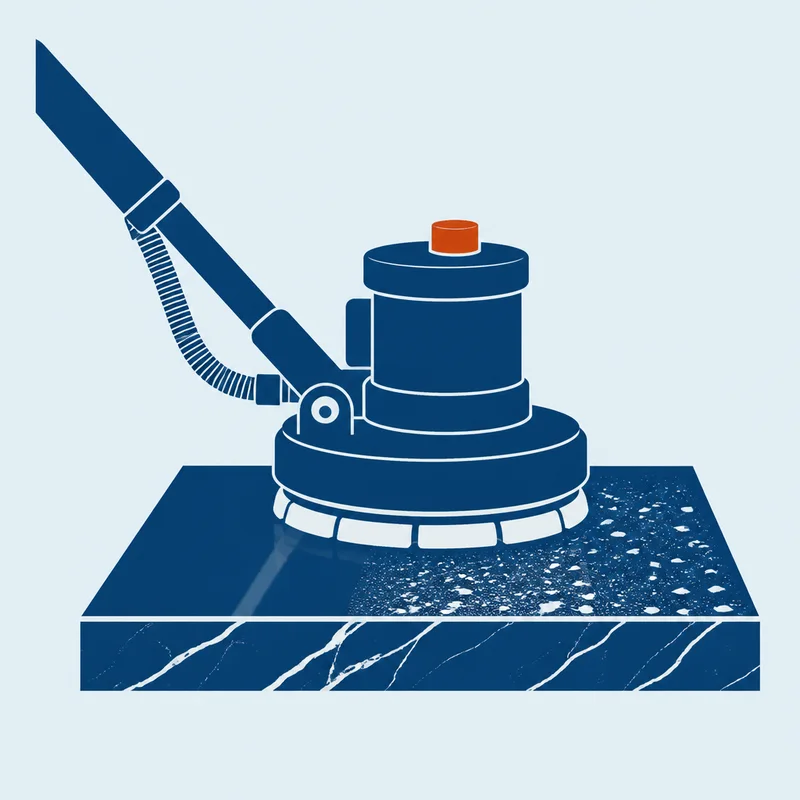
A surface that resists Riyadh dust
Central Saudi dust is fine, mineral and constant, and it grinds against a soft polish all day until the shine dulls.
-
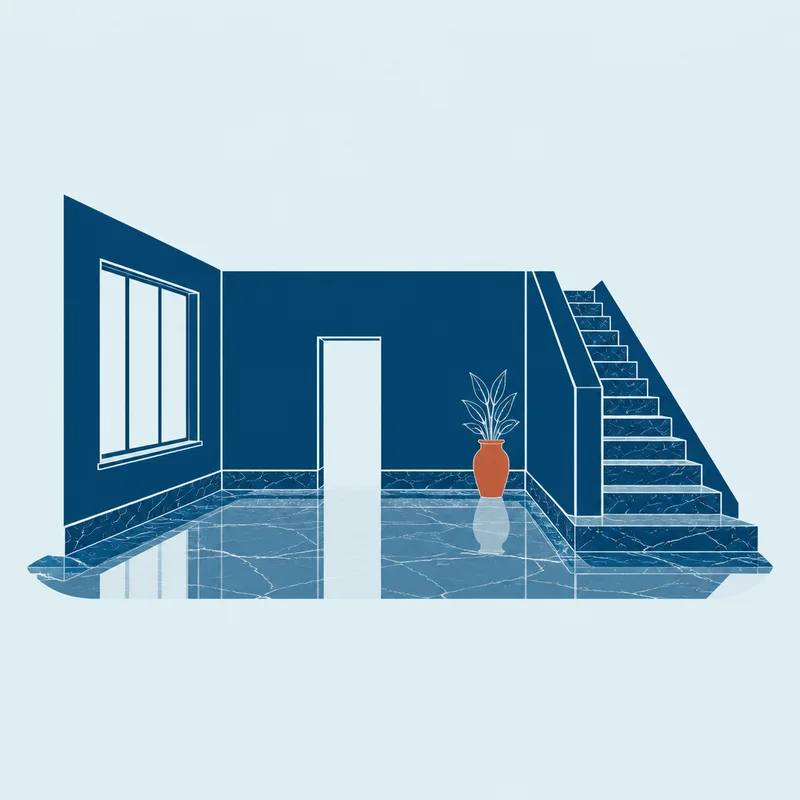
Edges and skirtings matched
Many floor jobs leave the corners and skirtings dull, so the edge of every room gives the work away.
Why the job is different in Dhurma
Marble floors in Dhurma villas and palaces carry a layer of fine dust and salt traces from moisture, so polishing requires a deep cleaning step before any crystallisation work begins. The whole method is set out in our notes on marble grinding and crystallisation.
-
Historic palaces and older villas with original marble
The Palace of Imam Turki bin Abdullah and older Dhurma villas hold original marble floors laid decades ago, and the stone types vary room to room depending on when each was built and what materials were at hand then. Each area needs its own assessment before polishing starts.
-
Valley moisture and mountain proximity affecting stone
Dhurma sits close to Tuwaiq and seasonal water in Wadi Al-Bateen, so moisture settles into marble floors and leaves salt traces that mask the stone's natural shine. Polishing here does more than clean; it removes the salt layer first, then restores the marble to its true colour and lustre.
-
Rural homes and simple villas in farming land surrounded by dust
Dhurma's rural homes sit amid date palm fields and farmland, so marble floors face fine dust from unpaved roads and seasonal moisture. Dust penetrates deep because older floors have aged and cracks have begun to widen over time.
What's Included
Dhurma sits in a wide valley known for date palms and farmland, and its proximity to the mountains means seasonal moisture affects marble and stone surfaces, especially in floors placed near foundations and outer walls.
-
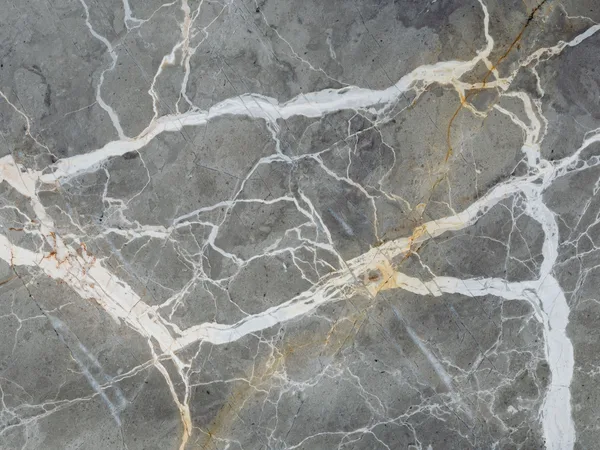
The stone type and its condition read
Old Dhurma marble floors collect salt from valley moisture, so deep cleaning before polishing removes all deposits completely.
-
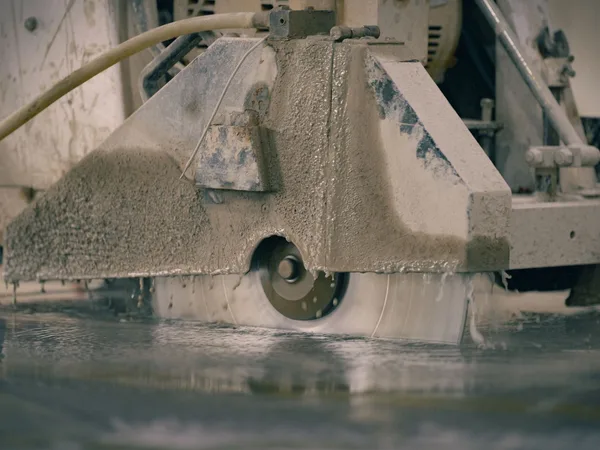
Coarse grinding to take out the scratches
Every marble type in palaces and villas is checked separately because stone age and moisture absorption rates differ across floors.
-
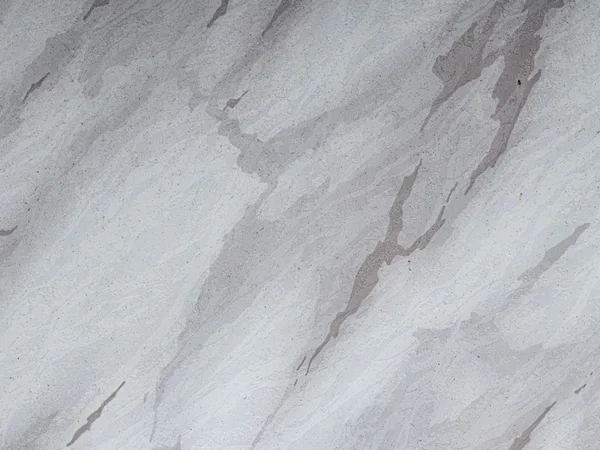
Stepped through to the fine pads
Cracks in older floors hold fine dust from unpaved roads that needs careful removal before polishing begins.
-
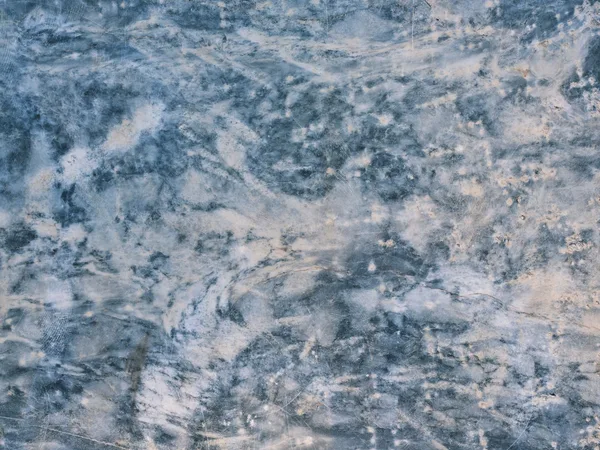
Crystallisation for a hard surface
Salt treatment from seasonal moisture requires understanding how valley water affects original stone and its depth.
-
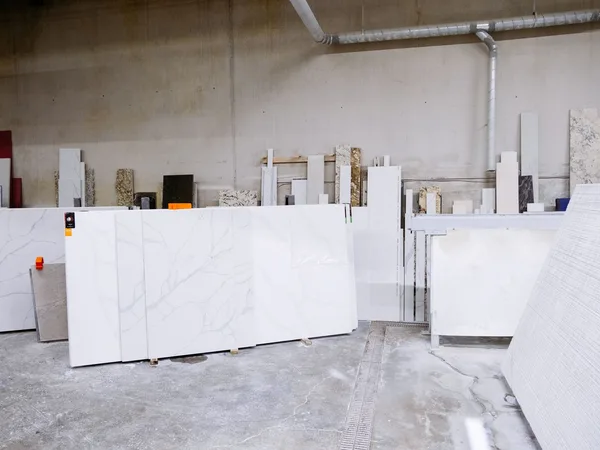
Edges and skirtings
Foundations near marble floors may hold moisture, so surface dryness is tested before each polishing session.
-
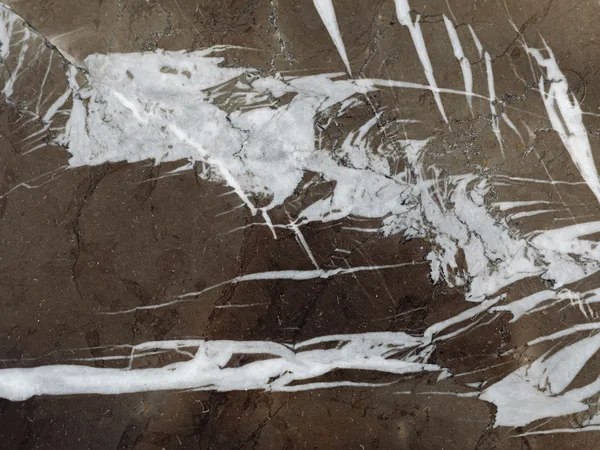
A final seal on the pores
After grinding and crystallisation, the floor needs a few weeks before it handles heavy foot traffic in the home.
The character of Dhurma
Historic district: close-set buildings, narrow lanes and ageing services
Dhurma is a historic district with heritage palaces, older villas and simple rural buildings, each holding a different marble or stone type that needs separate treatment based on its age and condition.
How we work
Survey the floor
Prepare the space
Grind and crystallise
Clean up and hand over
Some of our work
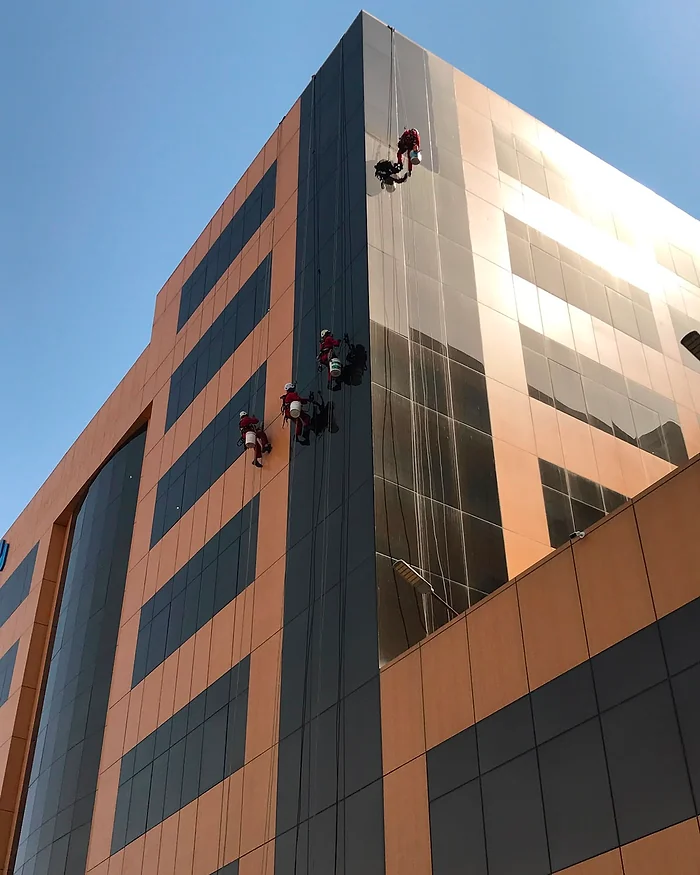
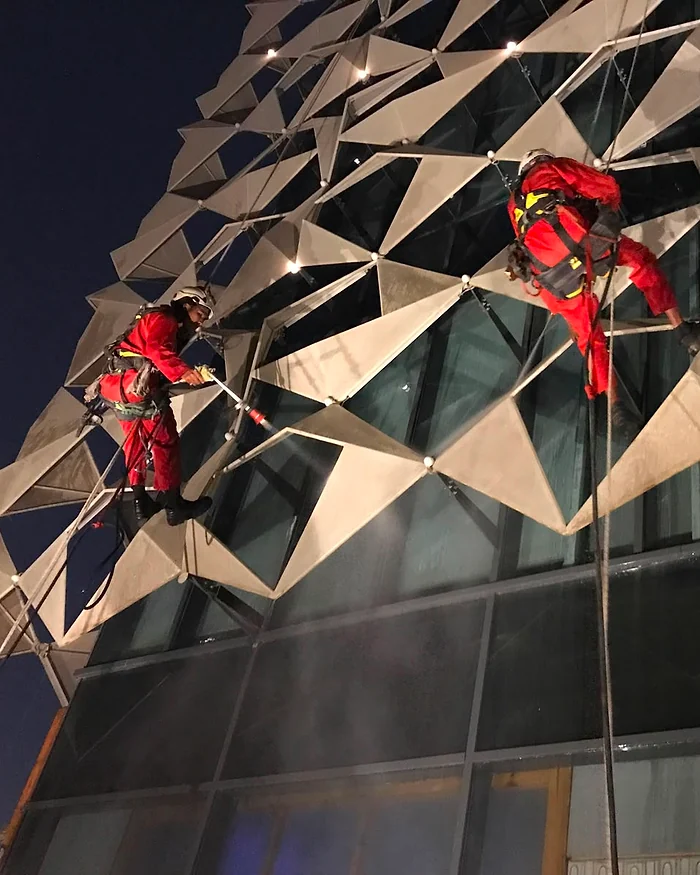
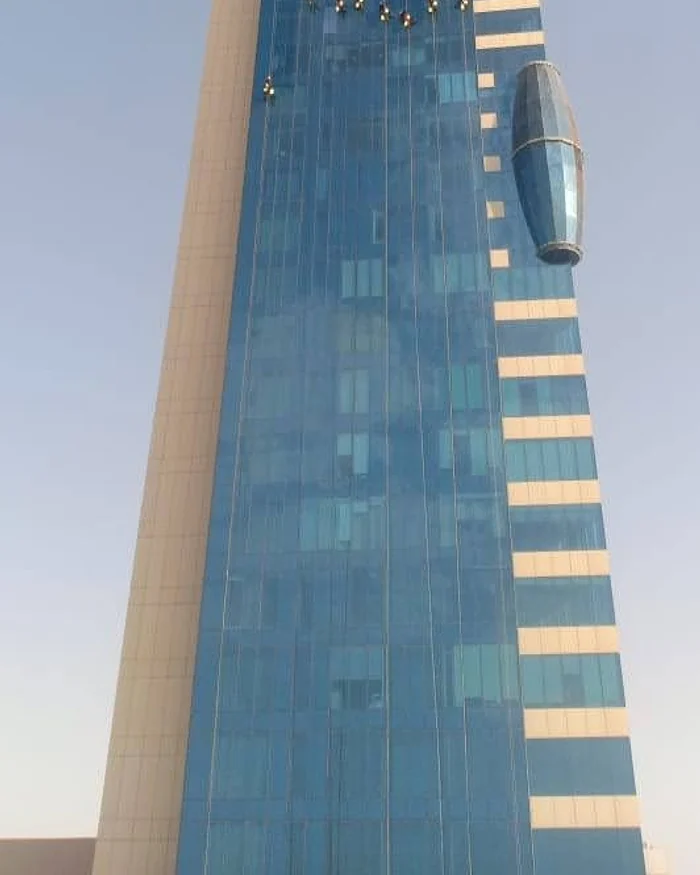
Photos from our team's work.


What is different about Riyadh Region
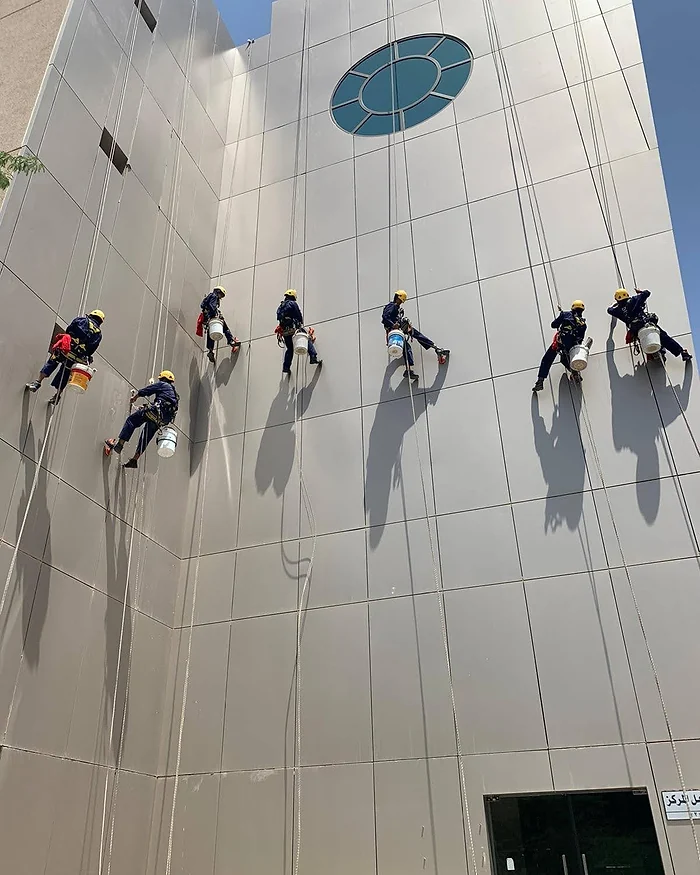
Riyadh Region covers the central Najd plateau from the capital out to Al Kharj, Al Majma'ah, Al Zulfi, Dawadmi, Al Quwaiiyah and Wadi Al Dawasir. The climate is dry, with fierce summer heat, cool winters and spring dust storms carried off the Dahna sands to the east and the Nafud beyond Al Zulfi. The capital's glass towers and cladding sit alongside stone and marble villas, mosques and government buildings in the towns, with farms and palm groves around Al Kharj and the southern wadis. Fine dust abrades polished floors, and the hard groundwater leaves stubborn spotting on glass and stone.
Other services in Dhurma
The room and the building around it are on one list.