Raghwat Al Janoub Maintenance and Cleaning
Building facade cleaning in Abqaiq
Abqaiq is a small industrial desert town organised around a major oil stabilisation plant. Industrial and fenced company residential buildings are surrounded by fine grey fallout from petrochemical operations. Metallic and oily dust bonds to glass and cladding and leaves a permanent film unless cleaned regularly.
Why a facade needs regular cleaning
-
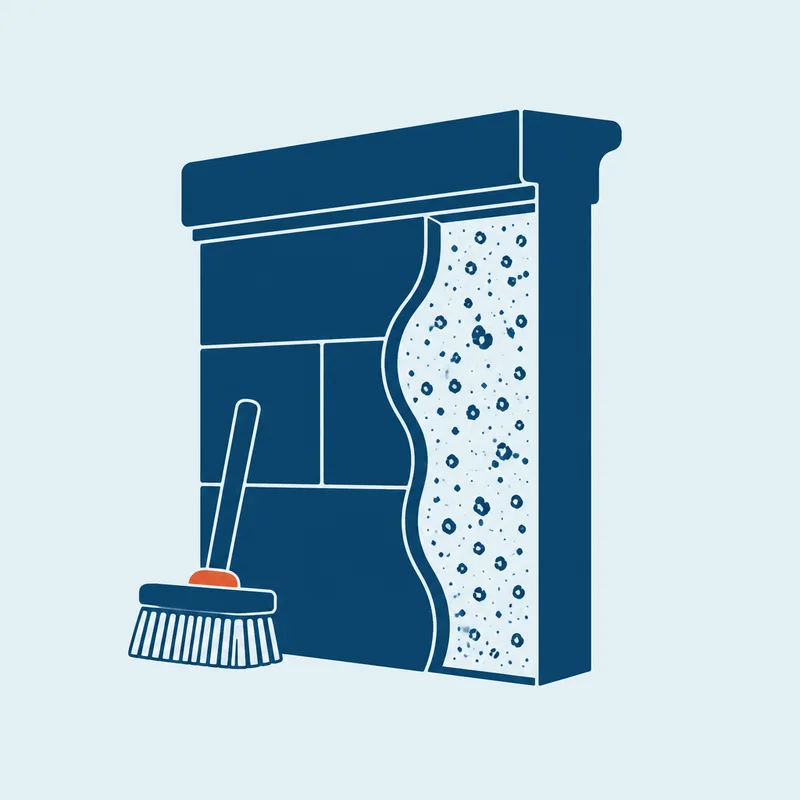
The surface is protected
The wrong product costs more than the dirt it removes.
-
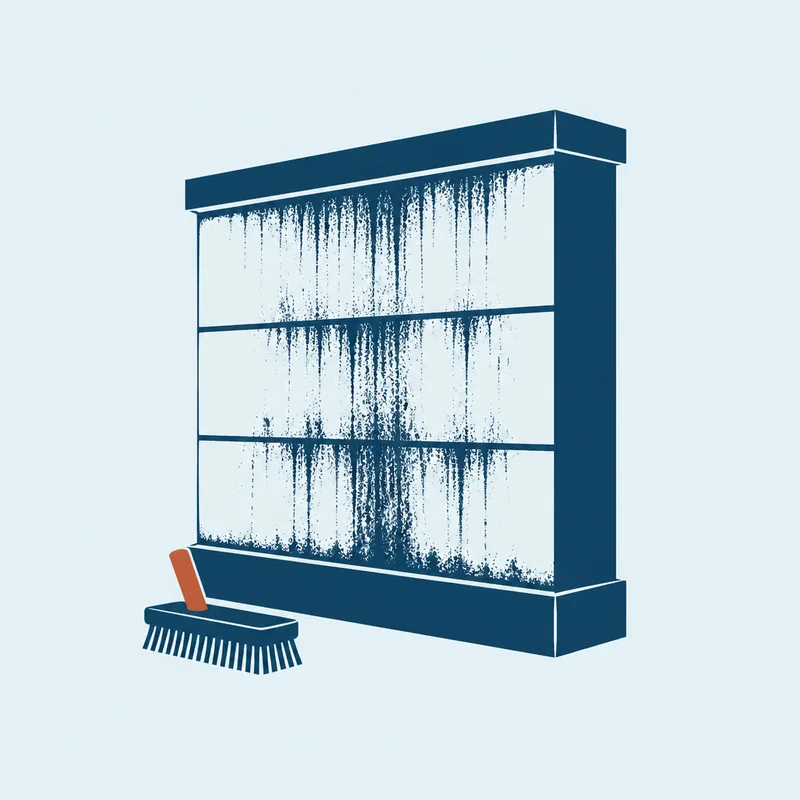
Access decided on site
We do not pick the access method from an office.
-
Glass stays clear
Calcium scale on glass turns into permanent etching if it is left.
-
The building keeps running
We plan the access and the working hours around how the building is used through the day, and we protect the ground, the entrances and anyone passing below.
Why the job is different in Abqaiq
Industrial pollutants do not dry like ordinary dust. They deposit and bond quickly, requiring stronger treatment than other areas. The whole method is set out in our building facade cleaning guide.
-
Petrochemical fallout leaves oily particle films
Winds carry fine particles from nearby petrochemical plants. These particles contain oils and minerals that do not yield to water alone. Strong alkaline cleaners and very deep rinsing are needed.
-
Residential and industrial buildings need health protection
Company housing is home to families and children. Cleaning must remove contaminants entirely and leave no chemical residue. Cleaners used must be safe for occupied spaces.
-
Yards and storage areas accumulate heavy soiling
The yards and storage areas around the plant collect heavy fallout. Adjacent buildings receive thick layers of grime. Cleaning requires pre-treatment and repeated rinses.
What's Included
The industrial town sits in dry desert around a major oil processing facility and fenced company residential sector. Winds carry fine grey particles from industrial processes.
-
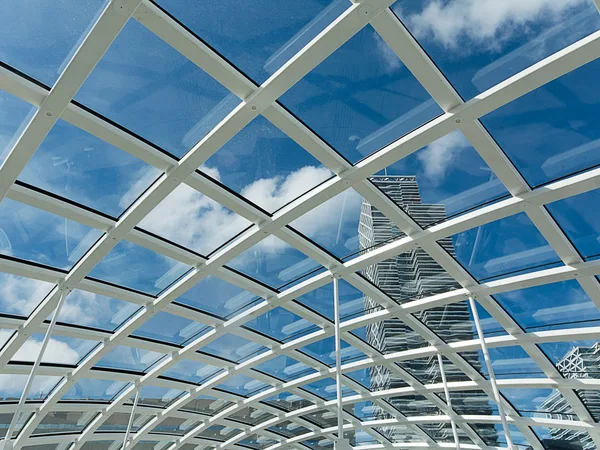
Roof survey and anchor points
The oil stabilisation plant needs careful roof survey. Anchor points must be safe and clear of active process equipment.
-
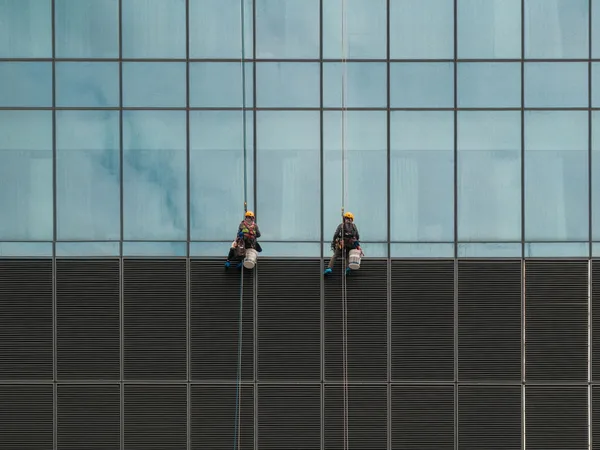
Access chosen: rope or powered
Mobile lifts may be available on the industrial site. Close coordination with plant management is needed for safe work.
-
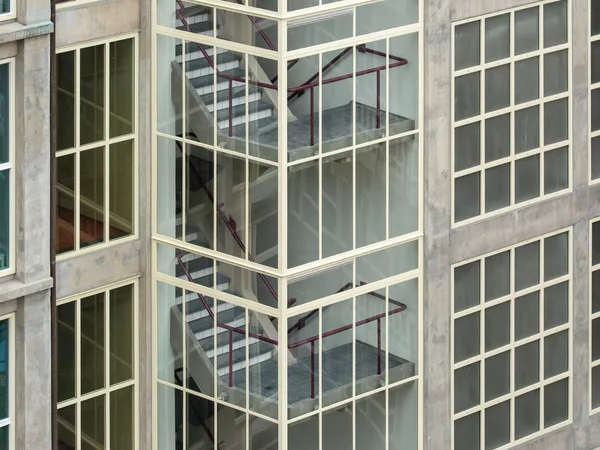
A test patch before the whole elevation
Small test patches on cladding reveal pollutant type. Alkaline cleaners may be necessary but must be tested first.
-
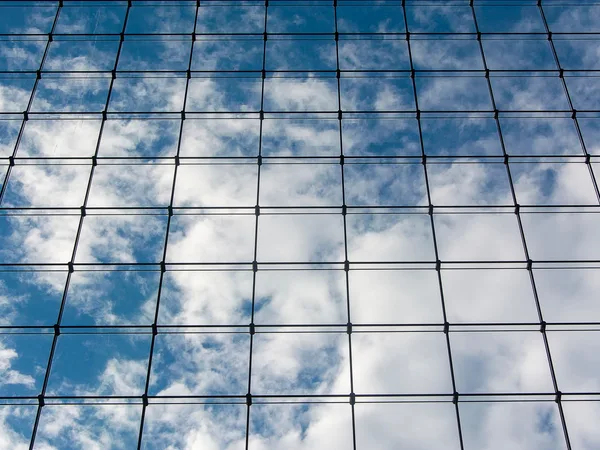
Glass and curtain walling
Glass covered in oil and sand needs long soaks and soft brushes. Scrapers leave scratches on glass.
-
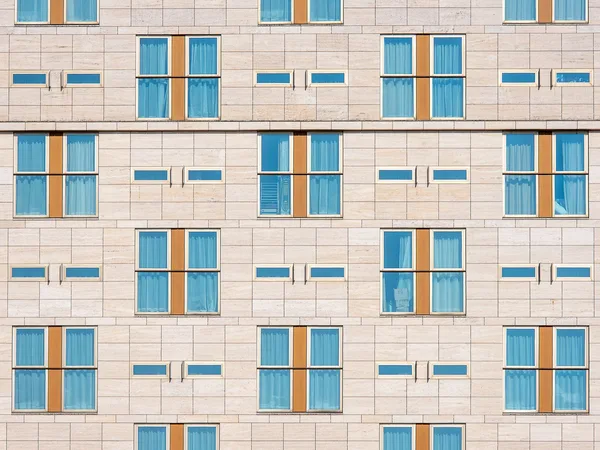
Cladding and stone, pH-neutral
Cladding and stone need strong cleaners and repeated rinses. Water used must be clean and mineral-free.
-
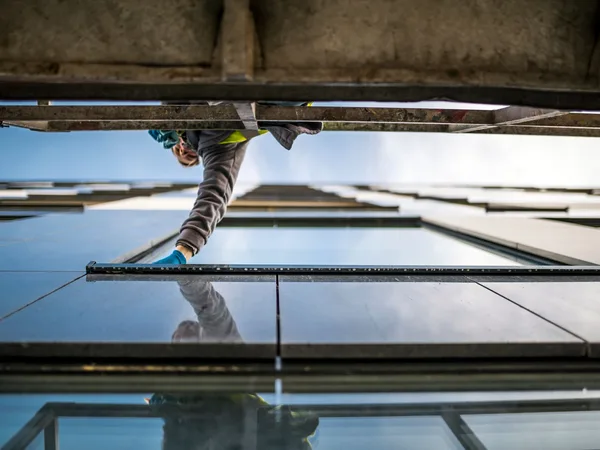
Ground and passers-by protected
Surrounding yards and ground need water protection. We need a system to collect water and prevent pollutant seepage.
Abqaiq on the map
Abqaiq sits about 56.5 km from Al-Ahsa and about 61 km from Dhahran.
Open in Google MapsHow we work
Survey from the roof
Choose access and products
Wash top to bottom
Inspect and hand over
Some of our work
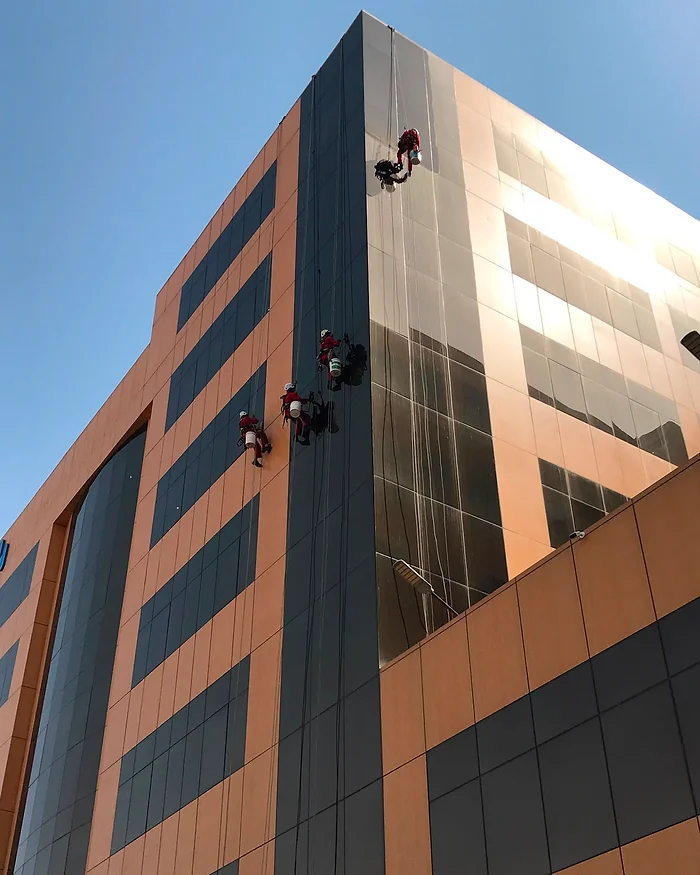
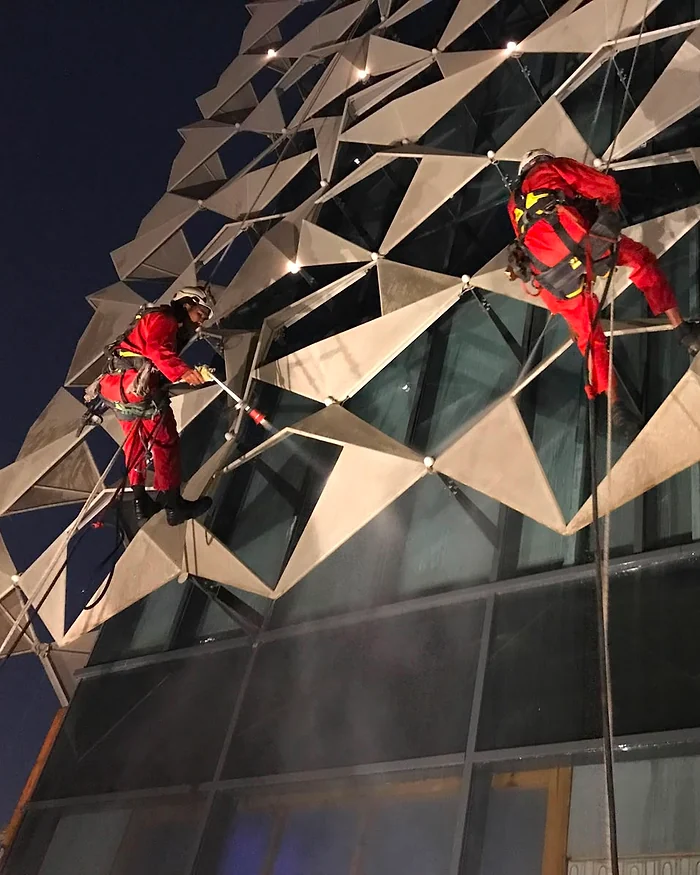
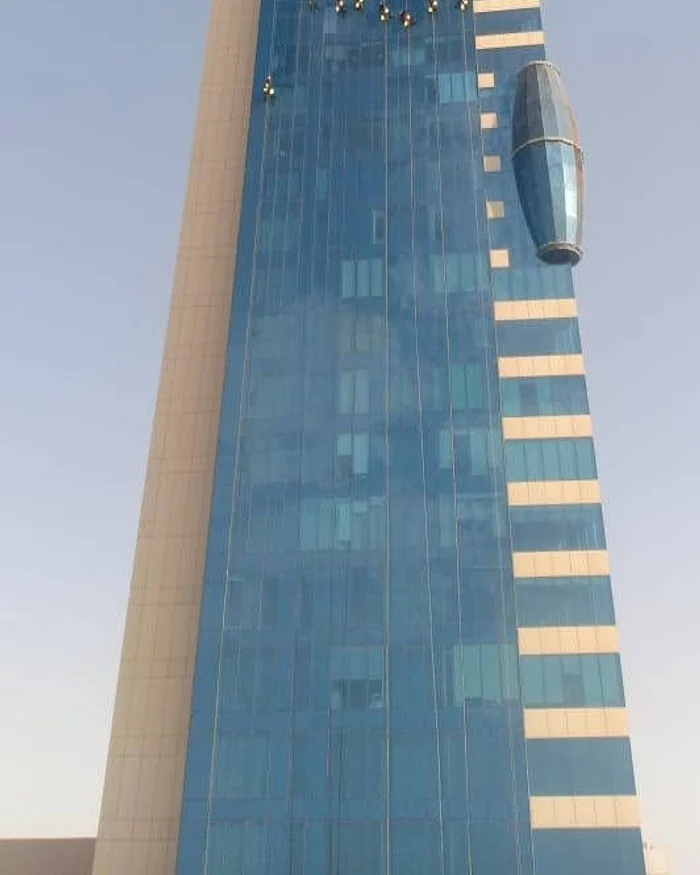
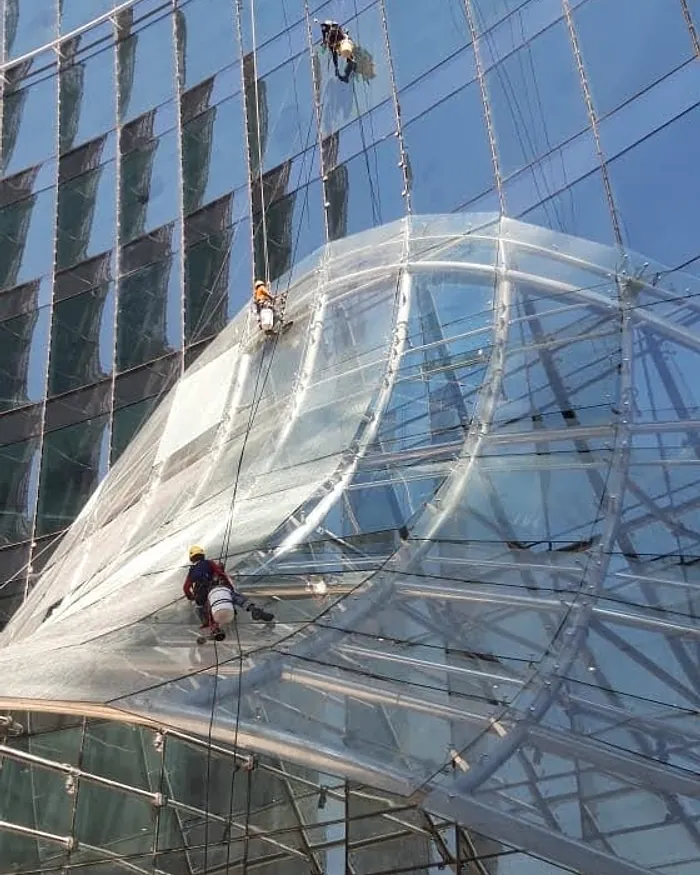
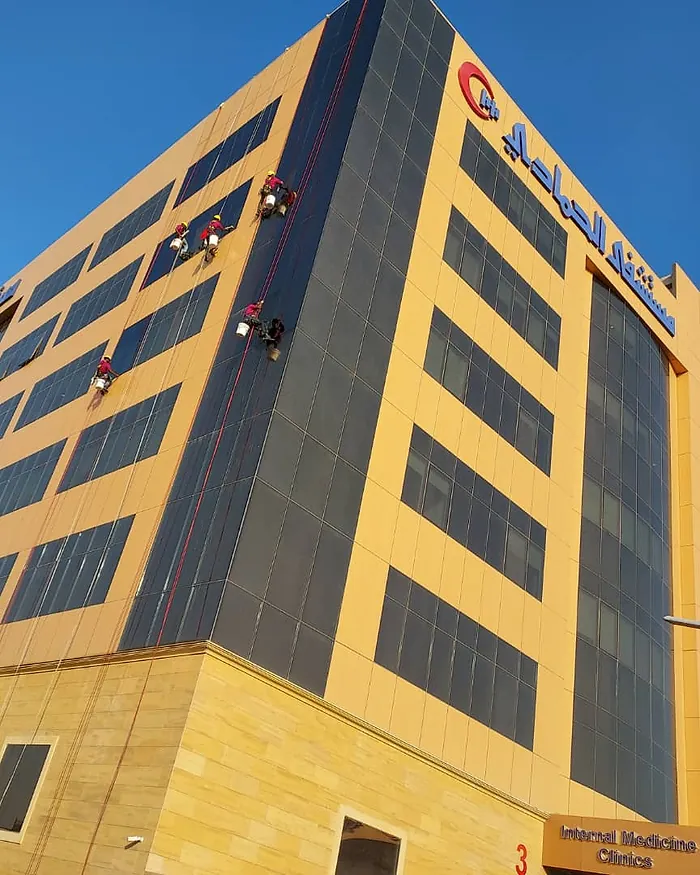
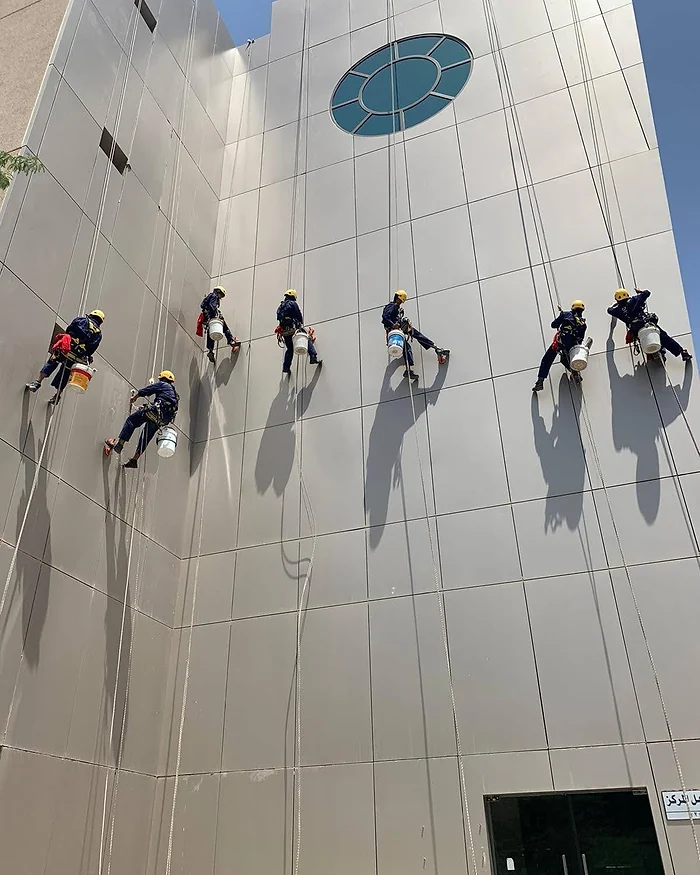
Photos from our team's work.
What is different about Eastern Province
The Eastern Province is the most humid part of the country. Dammam, Khobar, Dhahran and Jubail face the Gulf, where warm salt laden air and summer haze leave a sticky film on glass towers, corniche apartments and the cladding of Aramco and industrial housing, and refinery and petrochemical fallout at Jubail and Ras Tanura adds a fine grey grime. Al Ahsa is an oasis of palm groves, springs and older stone and mud quarters around Hofuf, while Hafr Al Batin inland is dry and swept by northern shamal dust. Metal fittings corrode and marble dulls quickly near the water.
Other services in Abqaiq
The room and the building around it are on one list.