Raghwat Al Janoub Maintenance and Cleaning
Building facade cleaning in Farasan
Farasan is an island on the Red Sea where traditional coral stone houses face a unique environment of salt, humidity and sea wind. Access to the island requires special coordination through Farasan Port, and work focuses on preserving the stone heritage.
Why a facade needs regular cleaning
-

The surface is protected
The wrong product costs more than the dirt it removes.
-

Access decided on site
We do not pick the access method from an office.
-

Glass stays clear
Calcium scale on glass turns into permanent etching if it is left.
-

The building keeps running
We plan the access and the working hours around how the building is used through the day, and we protect the ground, the entrances and anyone passing below.
Why the job is different in Farasan
Coral stone in Farasan weathers from salt faster than any mainland site, and sea winds carry salt deep into the stone's porous matrix. The whole method is set out in the building facade cleaning overview.
-
Coral stone loses strength rapidly with salt exposure
The original coral building stone in Farasan is soft and delicate. Salt and moisture cause gradual surface dissolution, and aggressive cleaning can destroy it permanently.
-
Island access requires special logistics coordination
Farasan is an island, and all access depends on the port and ferries. We arrange local equipment hire and coordinate with island authorities before any work.
-
Sea winds carry salt deep into the stone
Sea winds are not just damp but carry salts that penetrate deep into stone and mortar pores. Cleaning needs intensive rinsing and slow drying.
What's Included
The island is surrounded by the Red Sea on all sides, with salt laden air and constant sea winds affecting every surface directly.
-
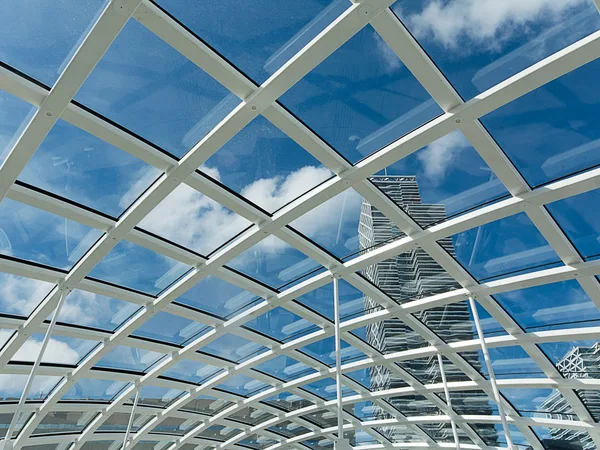
Roof survey and anchor points
Roof survey must understand the condition of coral stone and mortar deeply, and assess building durability before external pressure.
-
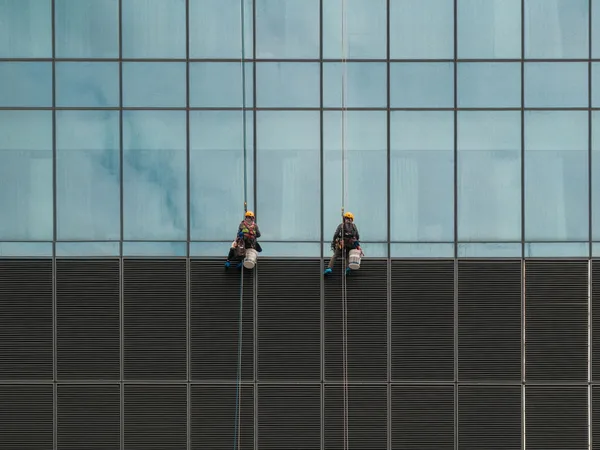
Access chosen: rope or powered
Rope systems and safe descent are essential in Farasan because sea winds shift rapidly and old buildings may not tolerate powered equipment loads.
-
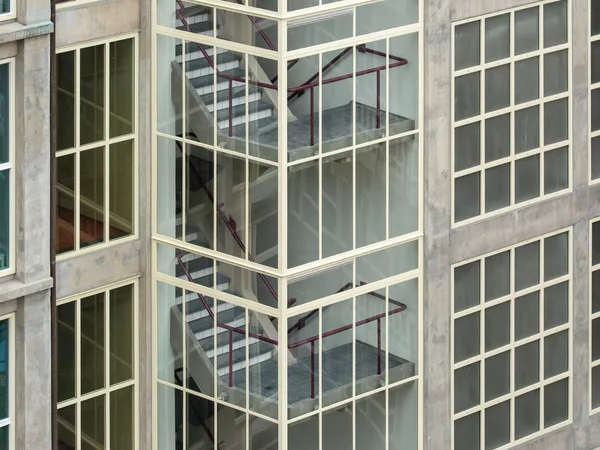
A test patch before the whole elevation
An extensive test patch is mandatory before any full cleaning to confirm chosen chemistry will not damage the coral stone.
-
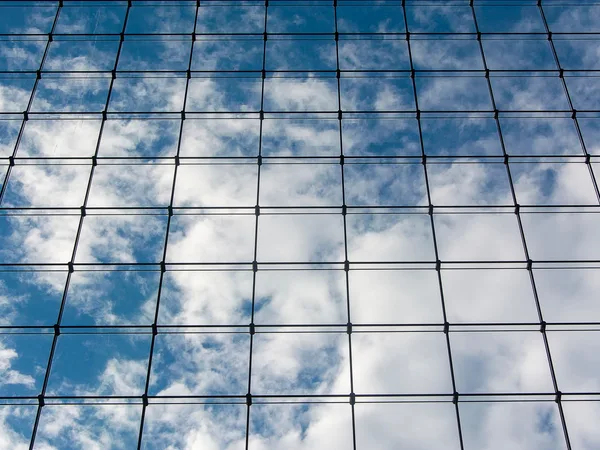
Glass and curtain walling
Historic glass in heritage houses may be rare and uneven, requiring exceptional care to prevent breakage or damage.
-
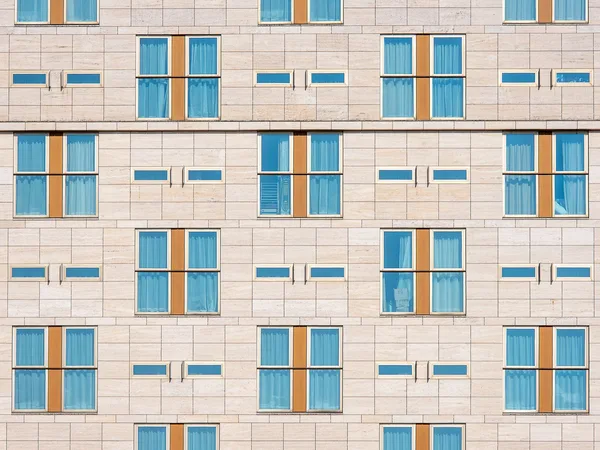
Cladding and stone, pH-neutral
Cladding and stone need very slow natural drying on the island because high humidity prevents rapid drying and keeps salts in the surface.
-
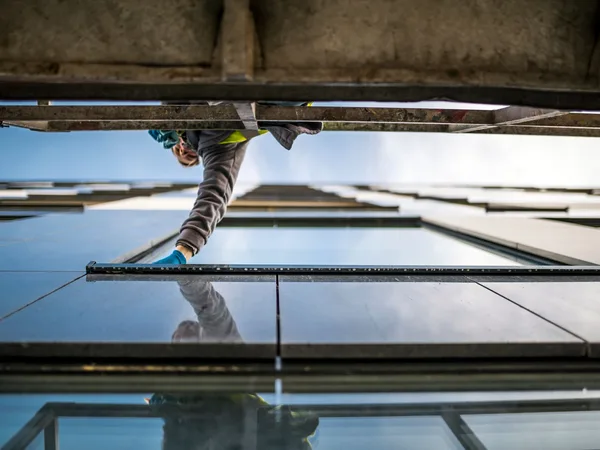
Ground and passers-by protected
Ground, pedestrians and adjacent properties need comprehensive protection because heritage buildings may be occupied and of high archaeological value.
Farasan on the map
Farasan sits about 51.5 km from Jazan and about 73 km from Sabya.
Open in Google MapsHow we work
Survey from the roof
Choose access and products
Wash top to bottom
Inspect and hand over
Some of our work
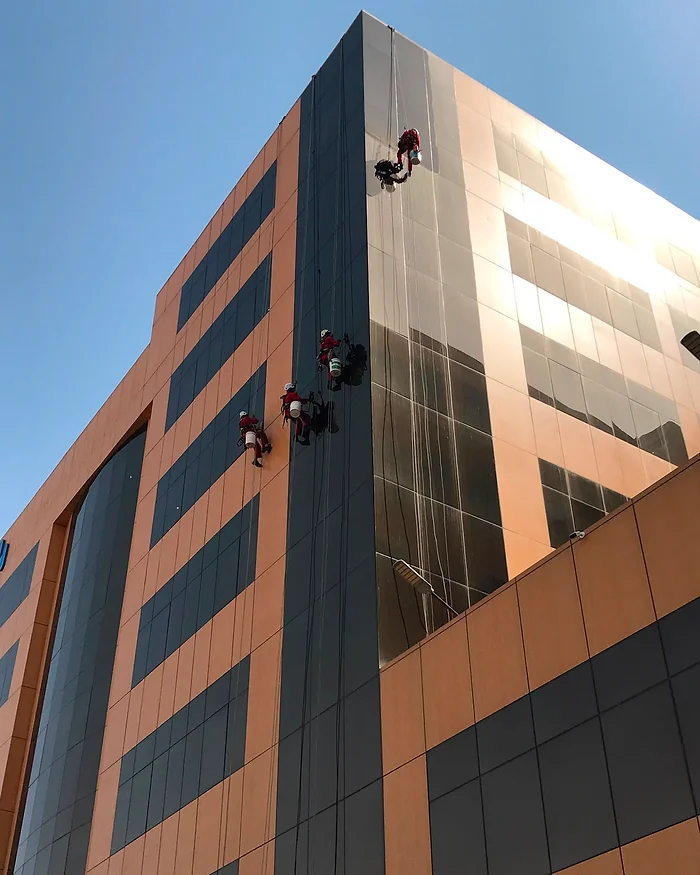
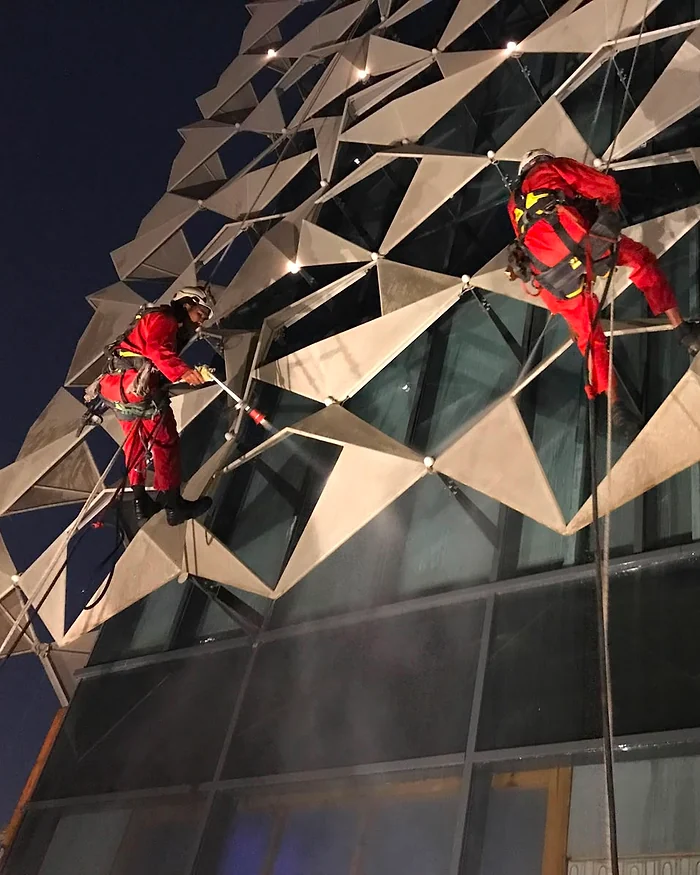
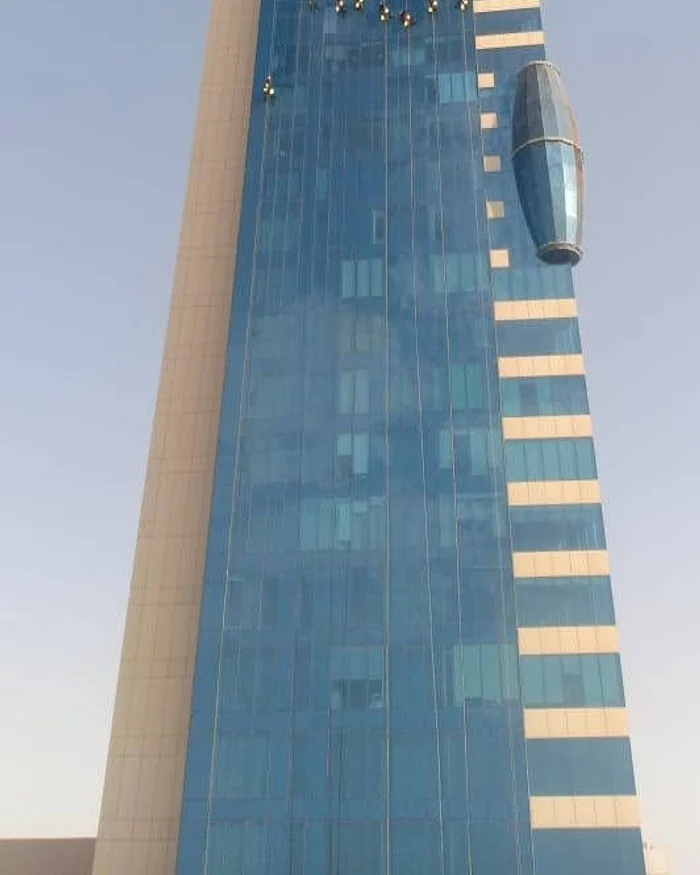
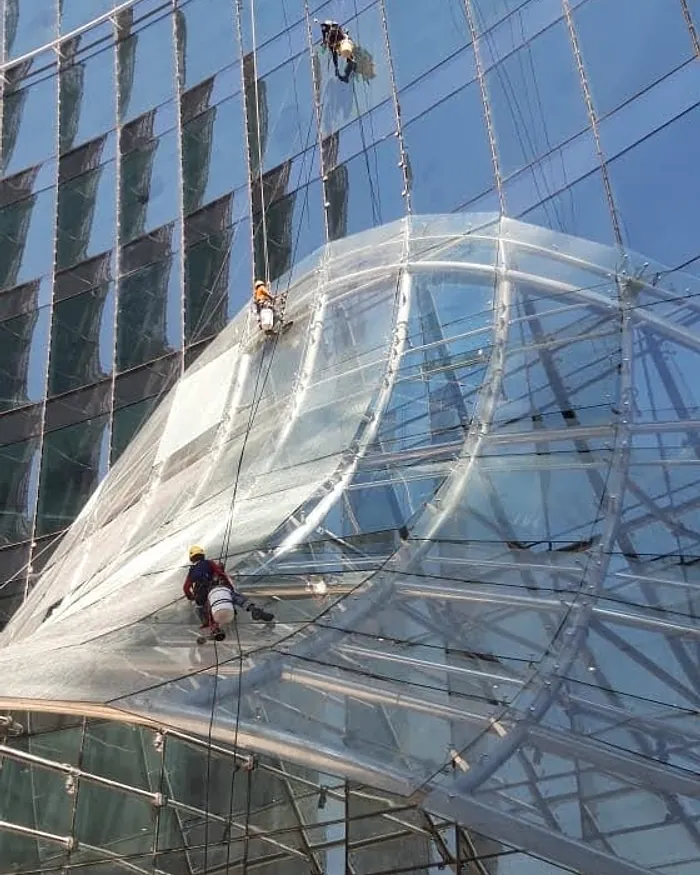
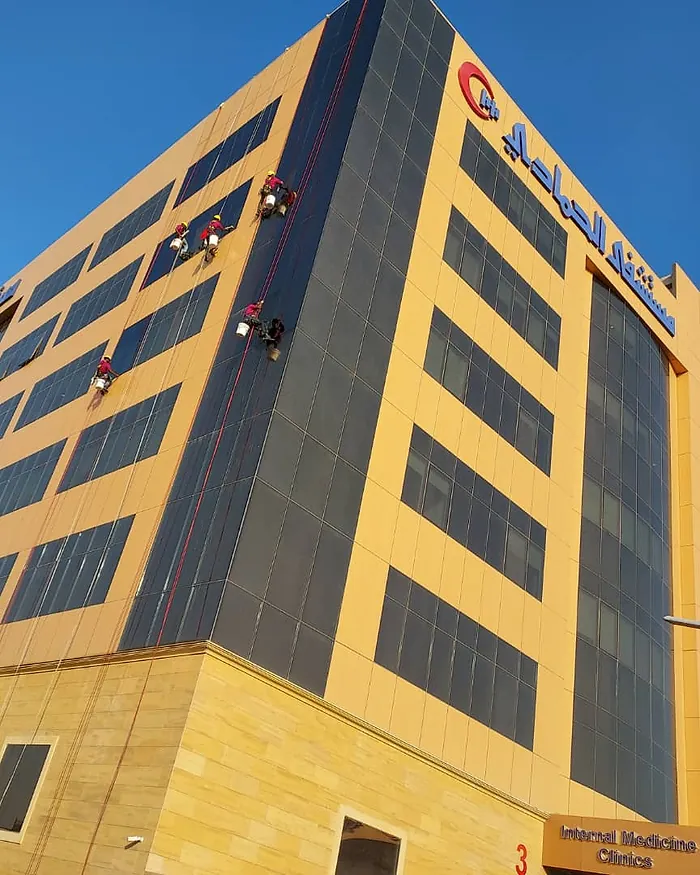
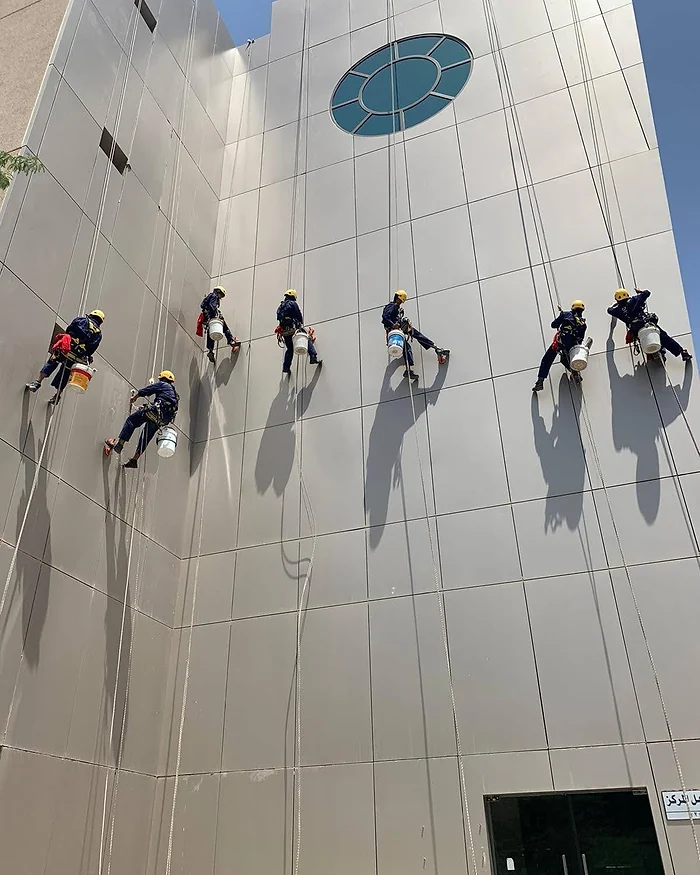
Photos from our team's work.
Landmarks of Farasan
Access to facades in Farasan requires coordination through Farasan Port first, where all work begins with local authority liaison. The Ottoman Castle and the adjacent Bait Al Rifai serve as reference points for location and direction on the small island.
- Bait Al Rifai
- Ottoman Castle
- Al Najdi Mosque
- Qalat Luqman
Other services in Farasan
The room and the building around it are on one list.