
Raghwat Al Janoub Maintenance and Cleaning
Marble grinding and crystallisation in Farasan
Farasan is a Red Sea island with old coral stone houses built during the pearl trade era, their marble floors white and coloured, hosting pearl merchants and families for centuries. Crystallisation polishing here preserves this aged marble from the island's salt and very high humidity that could otherwise degrade it.
Why grinding beats a surface polish
-

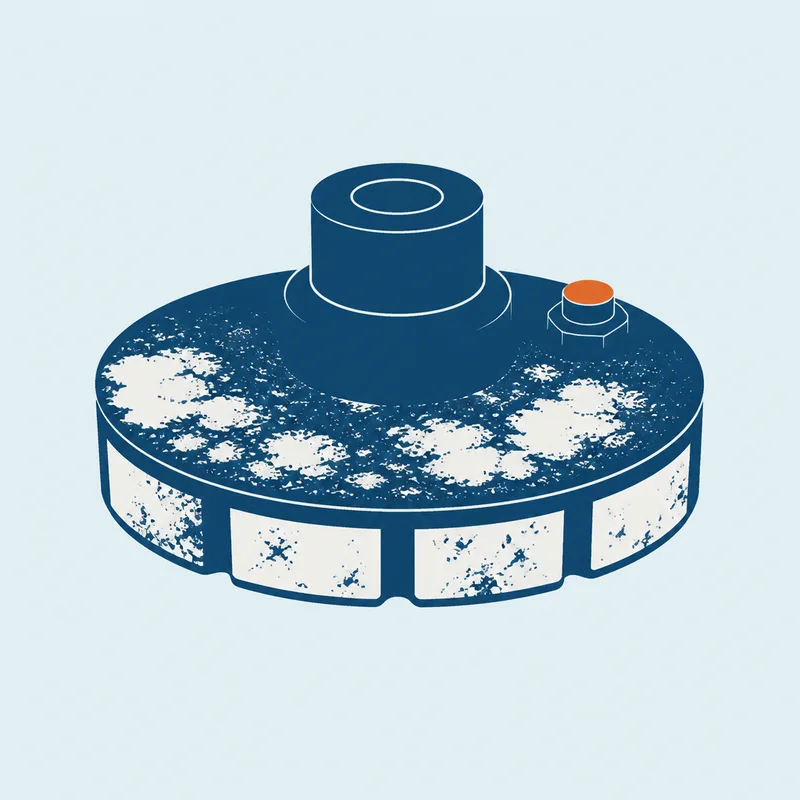
Shine from the stone, not a layer
A surface polish shines for the first week, then flakes off at the doors and busy walkways.
-
Scratches removed, not hidden
Deep scratches and sunken stains do not wipe away, because they sit inside the stone.
-

A surface that resists Riyadh dust
Central Saudi dust is fine, mineral and constant, and it grinds against a soft polish all day until the shine dulls.
-
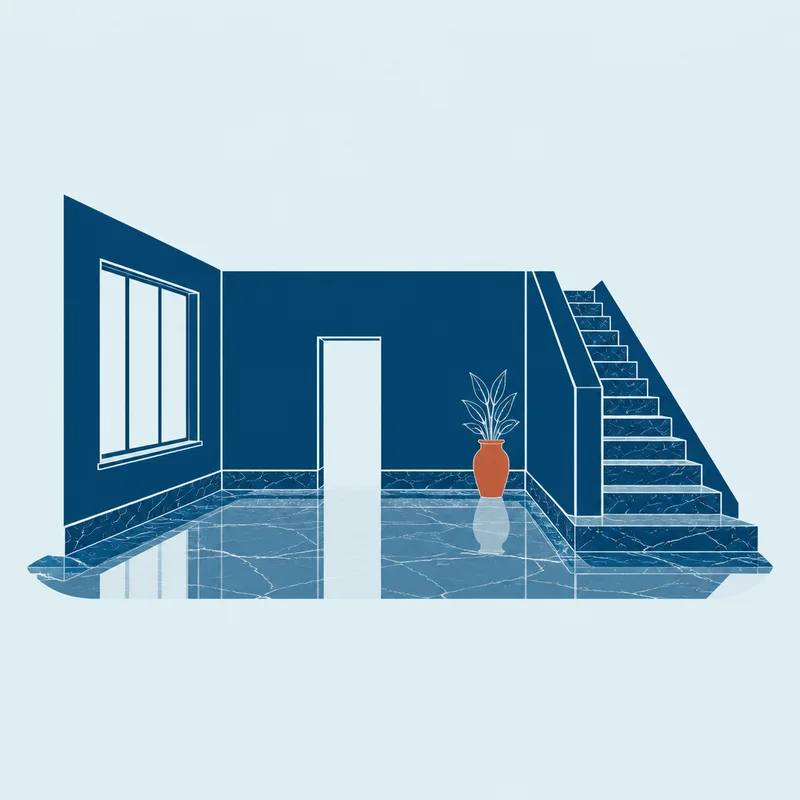
Edges and skirtings matched
Many floor jobs leave the corners and skirtings dull, so the edge of every room gives the work away.
Why the job is different in Farasan
Historic house floors in Farasan show white salt lines and pale greenish-grey traces from sea moisture faster than any other coastal location in the region. The whole method is set out in our marble grinding and crystallisation guide.
-
Old coral stone and historical wealth floors
Farasan has Bait Al Rifai and historic homes built on coral stone, their marble floors white and coloured from the pearl era, these floors are unique and need careful polishing because the marble layer is thinner than modern stone.
-
Island humidity very high and salt concentrated
The island is surrounded by sea in all directions, so humidity reaches very high levels and salt deposits on every surface quickly, marble absorbs this salt deep inside its pores in concentrated form.
-
Ottoman Fort and mosque need special care
The Ottoman Fort and Al Najdi Mosque are historic sites, their marble floors need careful polishing to preserve their historical character and constant protection from new salt forming.
What's Included
Farasan is an island in the Red Sea near the coast, with humidity among the highest in the Kingdom, and coral stone and marble floors absorb salt and moisture from air that is heavily saturated.
-
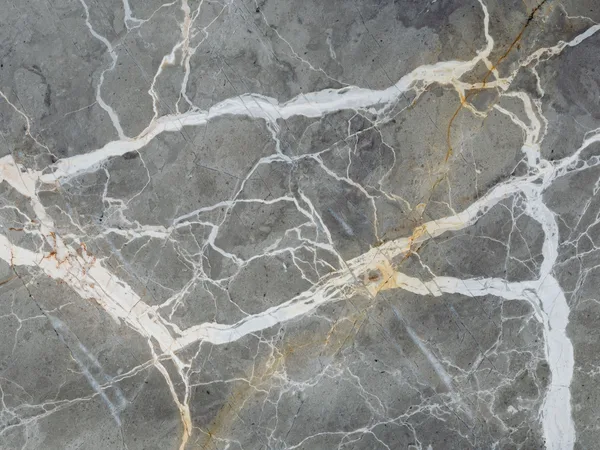
The stone type and its condition read
Checking marble in Farasan focuses on layer thickness and deep salt buildup in pores before grinding level is set.
-
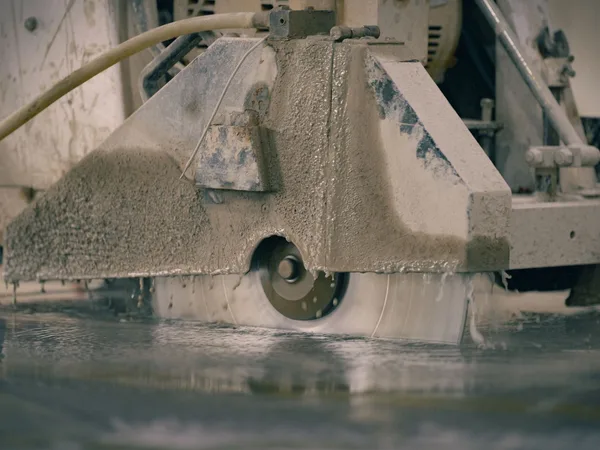
Coarse grinding to take out the scratches
Removing salt and moisture deposits from old marble requires gradual care, not speed.
-
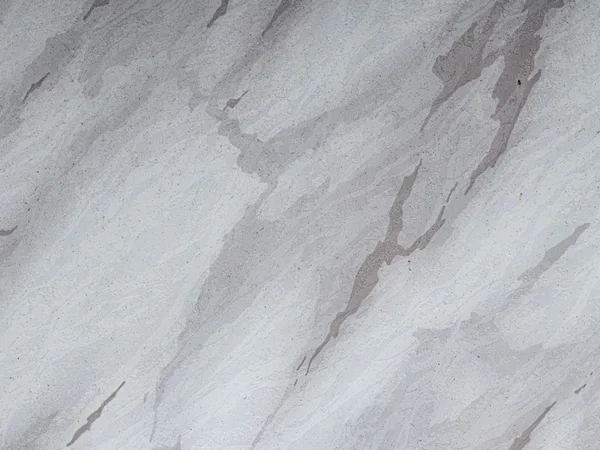
Stepped through to the fine pads
Slow, light polishing in historic areas preserves the original marble layer from excessive wear.
-
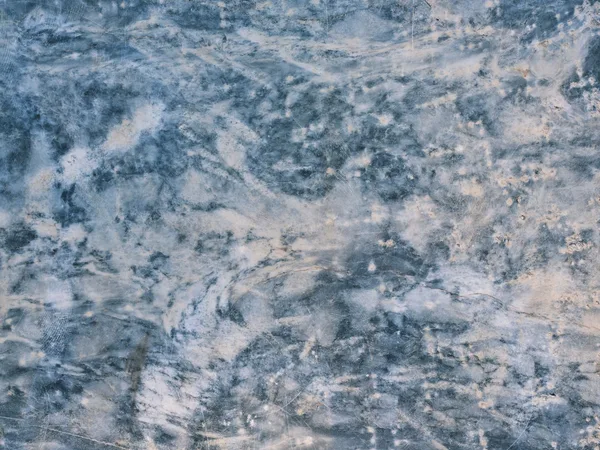
Crystallisation for a hard surface
Strong crystal sealing after polishing is essential in Farasan because salt and humidity will return quickly.
-
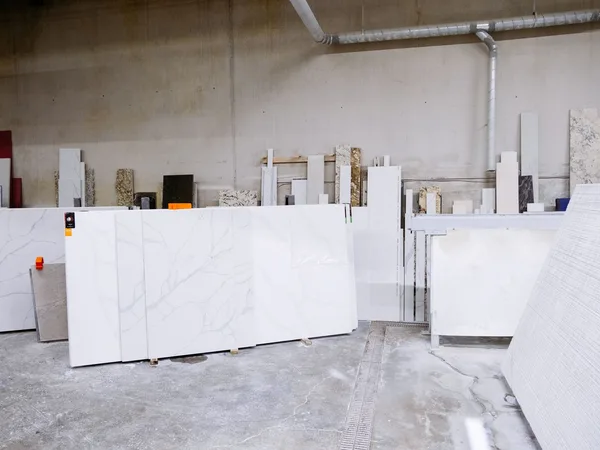
Edges and skirtings
Testing coral stone under old marble before polishing prevents layer separation.
-
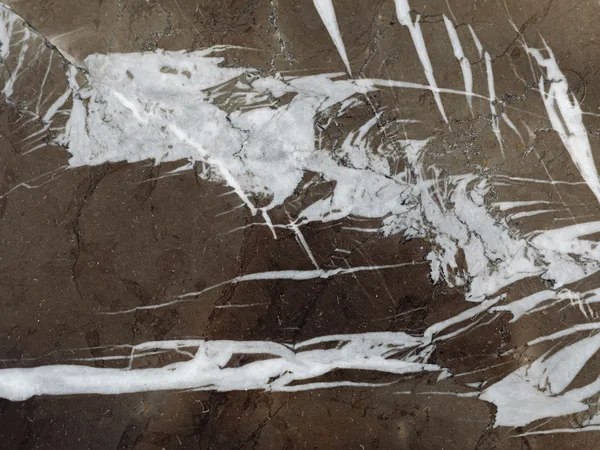
A final seal on the pores
Complete drying under monitored conditions in high-humidity Farasan may take longer than in other areas.
Farasan on the map
Farasan sits about 51.5 km from Jazan and about 73 km from Sabya.
Open in Google MapsHow we work
Survey the floor
Prepare the space
Grind and crystallise
Clean up and hand over
Some of our work
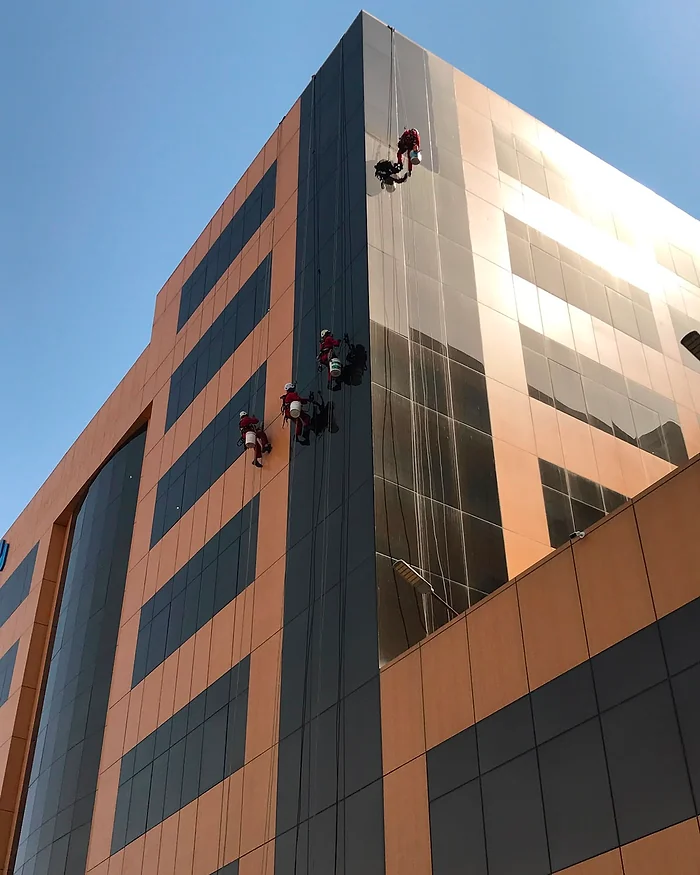
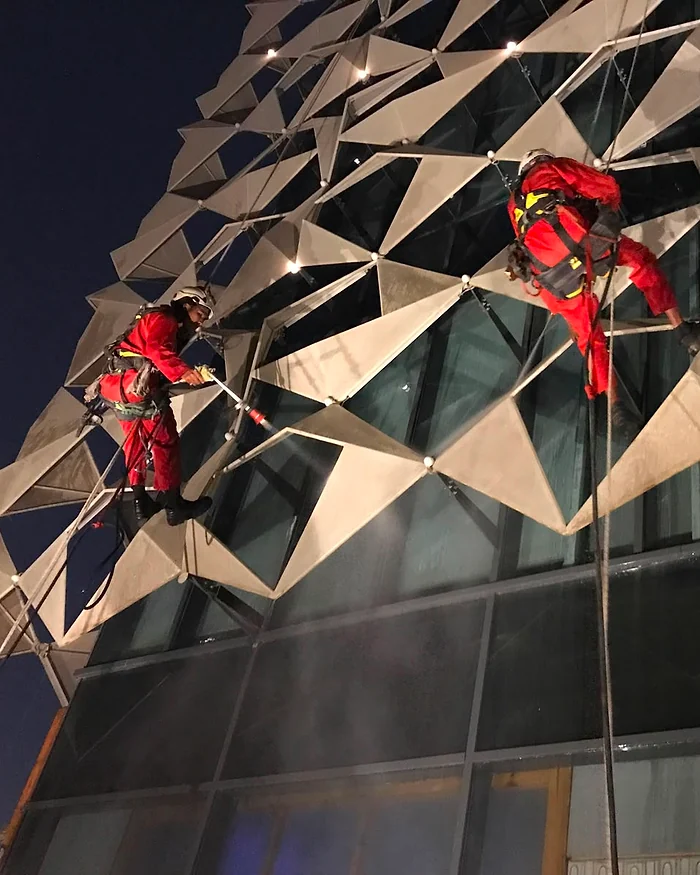
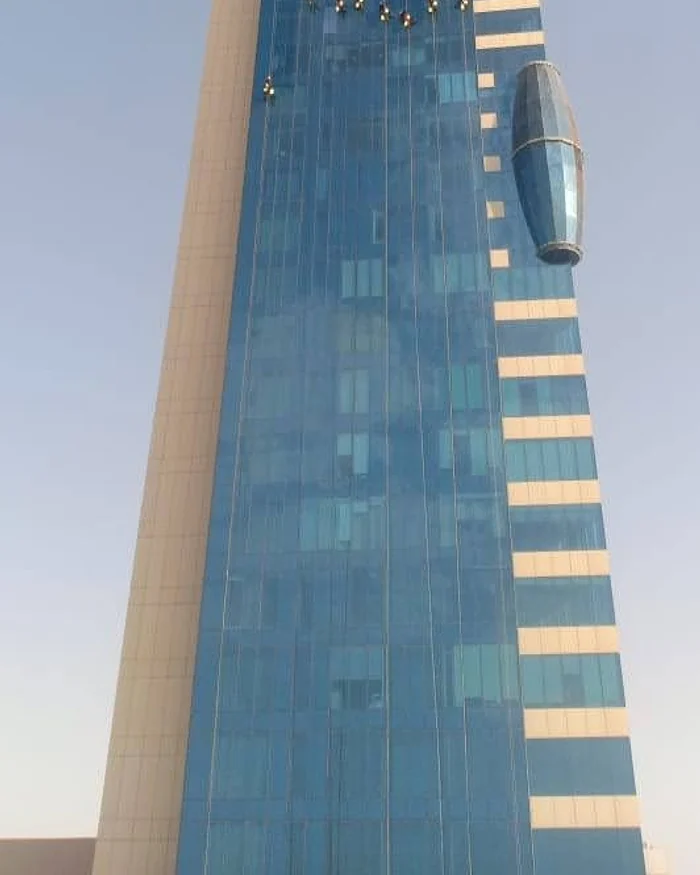
Photos from our team's work.


Landmarks of Farasan
Crews in Farasan coordinate polishing around Bait Al Rifai, the Ottoman Castle and Al Najdi Mosque, planning visits to reach historic homes, mosques and heritage sites in sequence that maintains quality without rushing.
- Bait Al Rifai
- Ottoman Castle
- Al Najdi Mosque
- Qalat Luqman
Other services in Farasan
The room and the building around it are on one list.