Raghwat Al Janoub Maintenance and Cleaning
Marble grinding and crystallisation in Sabya
Sabya mixes ground-floor shops with flats above them and heritage stone houses from the Adarisah quarter, each with floors varying in material, age and use. Very high Tihama humidity and salt from the nearby coast speed up deterioration of natural stone and marble.
Why grinding beats a surface polish
-
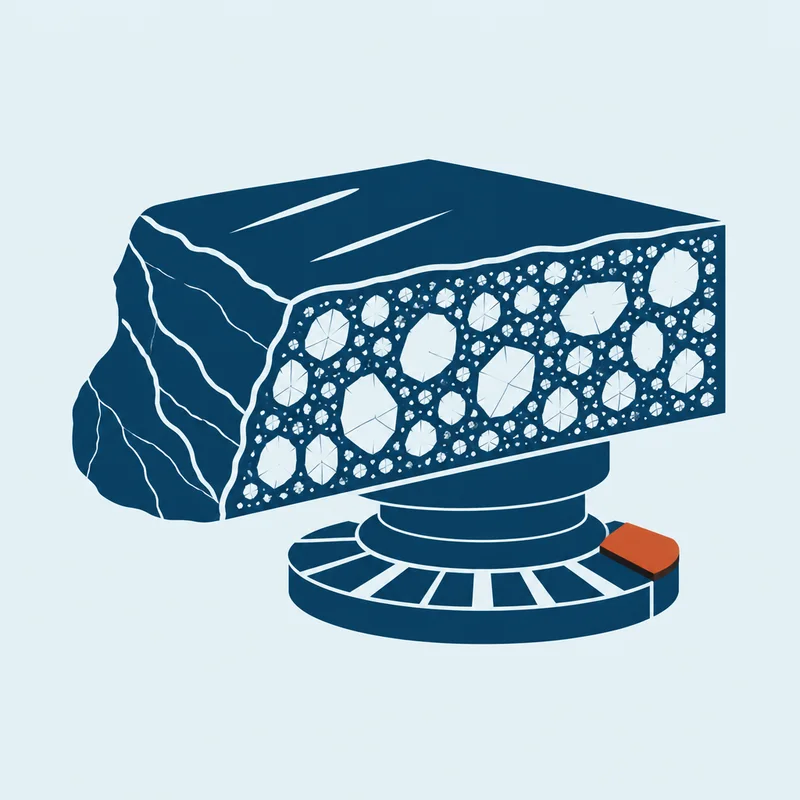
Shine from the stone, not a layer
A surface polish shines for the first week, then flakes off at the doors and busy walkways.
-

Scratches removed, not hidden
Deep scratches and sunken stains do not wipe away, because they sit inside the stone.
-
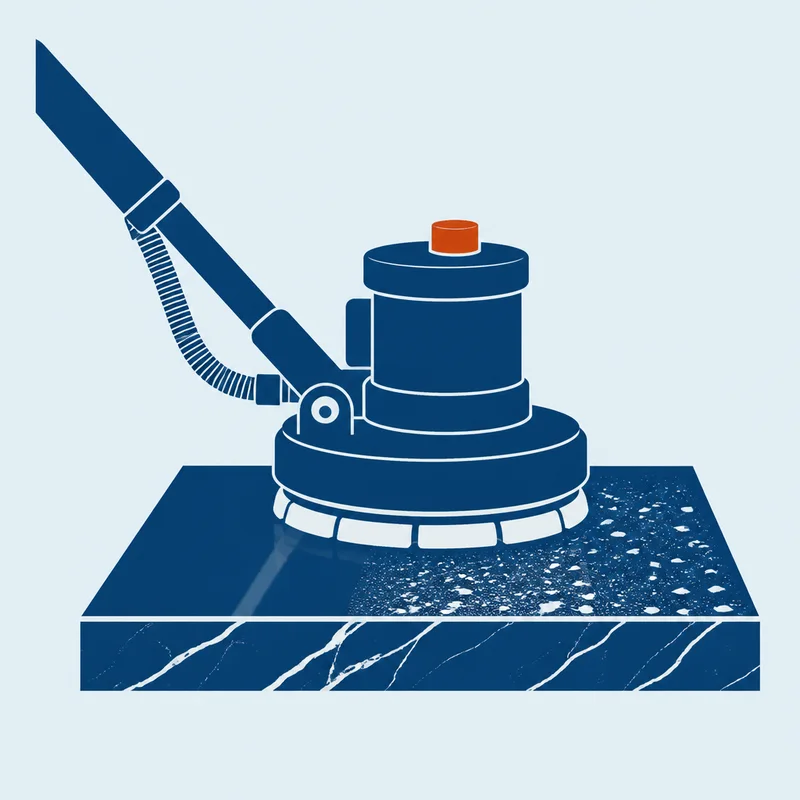
A surface that resists Riyadh dust
Central Saudi dust is fine, mineral and constant, and it grinds against a soft polish all day until the shine dulls.
-
Edges and skirtings matched
Many floor jobs leave the corners and skirtings dull, so the edge of every room gives the work away.
Why the job is different in Sabya
Shop floors in Sabya face humidity, salt and heavy daily use, while old heritage stone house floors are fragile and need very careful handling in any cleaning or treatment. The whole method is set out in the marble grinding and crystallisation overview.
-
Shops with ground-floor frontages and flats above under high humidity and salt
Sabya's shops face the street directly with flats above them, so shop floors bear heavy use pressure all day in very high humidity and sea salt, while upper flats have higher moisture but lighter foot traffic.
-
Old heritage stone houses from the Adarisah quarter
Adarisah heritage houses in Sabya are built from clay stone and polished limestone in their original form, but the stone is very old and fragile, so any treatment must be very gentle, and crystallisation protection must be sensitive and light, not heavy.
-
Very high Tihama humidity and sea salt carried in the air
Sabya sits very close to the sea and shore, so air humidity is very high year-round and salt deposits on floors fast, penetrating porous stone and speeding decay, so any protection must be strong and reliable but without locking the stone or blocking its natural breathing.
What's Included
Sabya sits in the coastal Tihama plain between Wadi Bish and Al Tarfa beach, with very high humidity and sea salt in the air, and its closeness to the sea means sandstone, limestone and marble floors deteriorate faster than in inland towns.
-
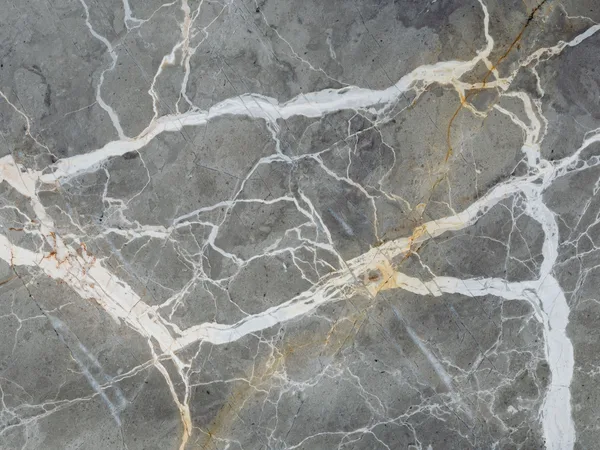
The stone type and its condition read
Sabya floors face very high humidity and sea salt, so we start with gentle deep cleaning and careful stone condition inspection before any treatment.
-
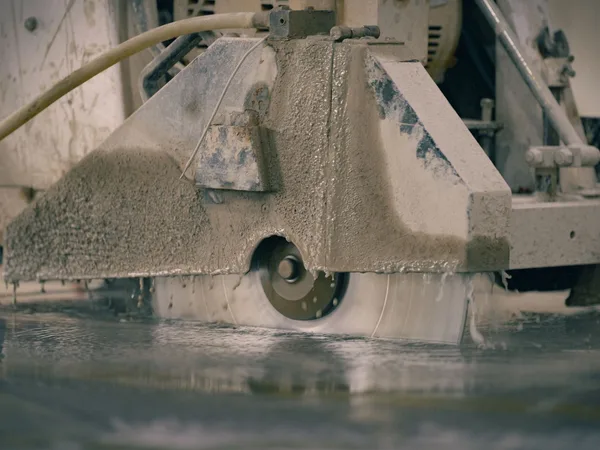
Coarse grinding to take out the scratches
Shop floors are under heavy daily use, so they need very strong, thick protection that resists continuous friction and pressure.
-
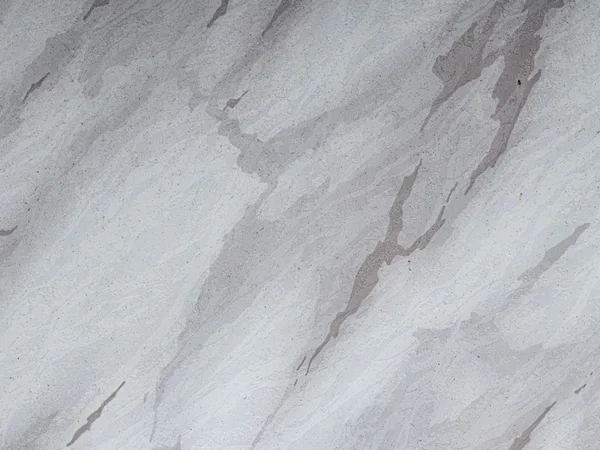
Stepped through to the fine pads
Sandstone and limestone in Sabya is very porous, so crystallisation protection must fill the pores without locking the stone or blocking its natural breathing.
-
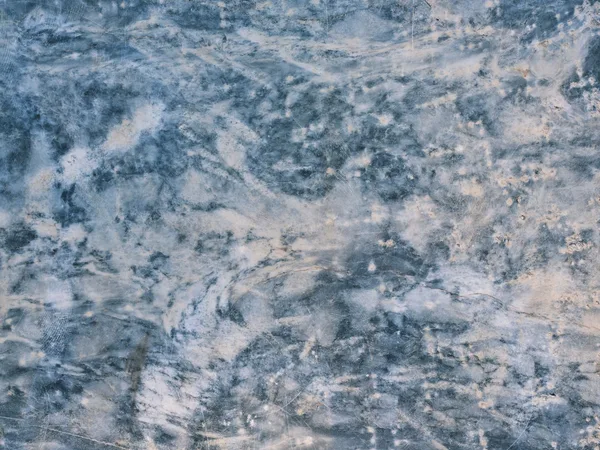
Crystallisation for a hard surface
Adarisah heritage houses are very old, so they need careful initial inspection and very light sensitive protection that does not weigh on the old, fragile stone.
-
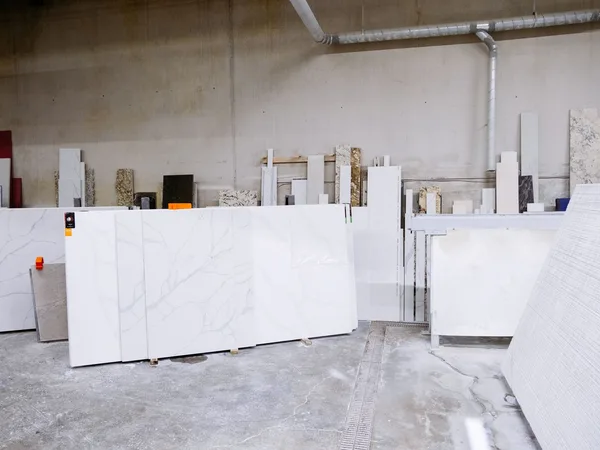
Edges and skirtings
Sabya's high humidity means new protection takes longer to cure, so we recommend longer airing time before the space is used.
-
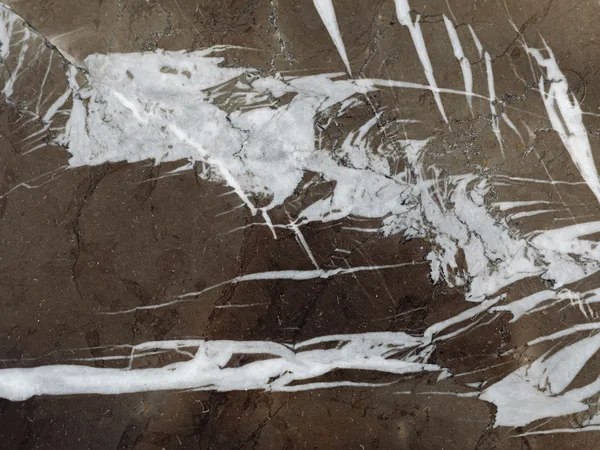
A final seal on the pores
Cleaning accumulated salt from the sea air must be gentle and done regularly, because the coastal environment keeps depositing salt fast.
Landmarks of Sabya
Teams coordinate around Tuesday Market, Adarisah heritage houses, King Fahd Eastern Park and Wadi Bish Dam, moving between market shops, flats and heritage houses based on market hours and events and quieter times when floors see less traffic.
- King Fahd Eastern Park
- Wadi Bish Dam
- Al Tarfa Beach
- Houses of the Adarisah
- Tuesday Market
How we work
Survey the floor
Prepare the space
Grind and crystallise
Clean up and hand over
Some of our work
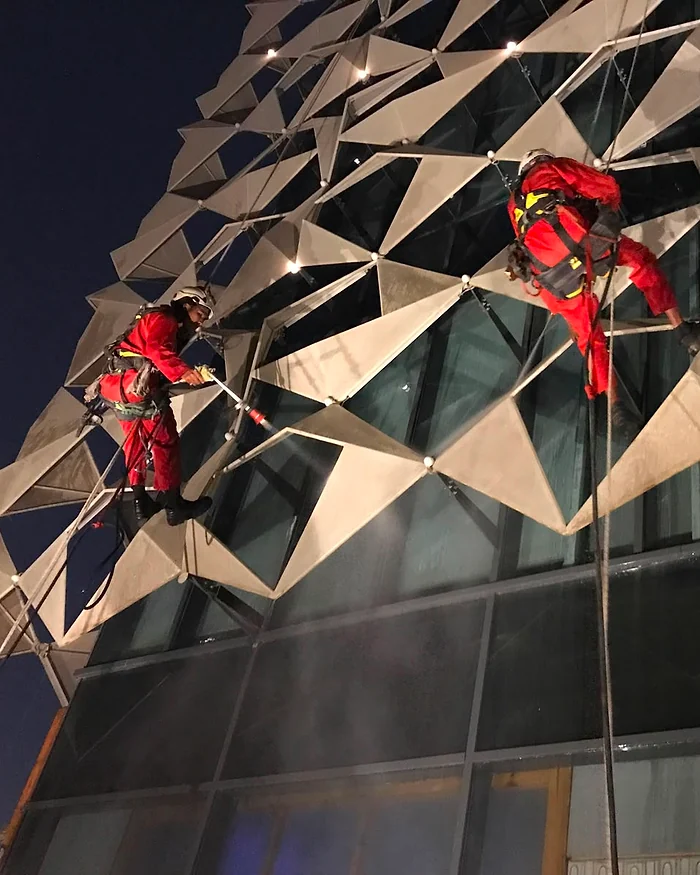
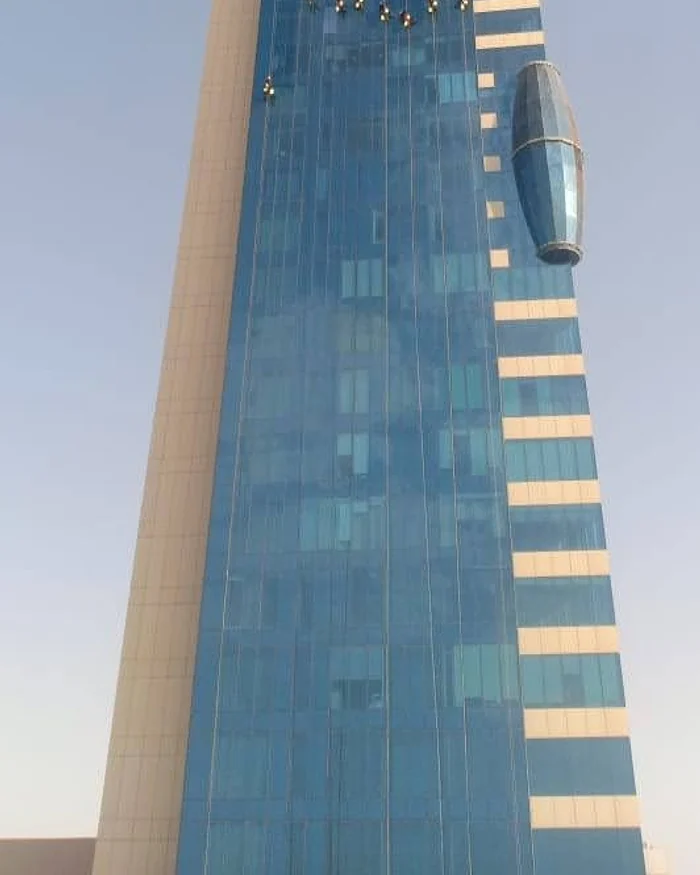
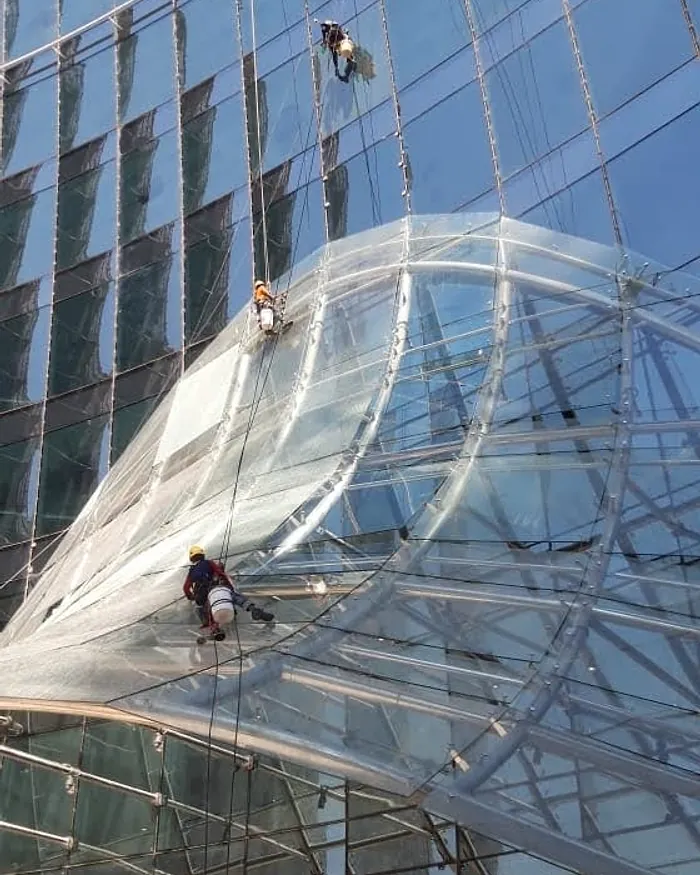
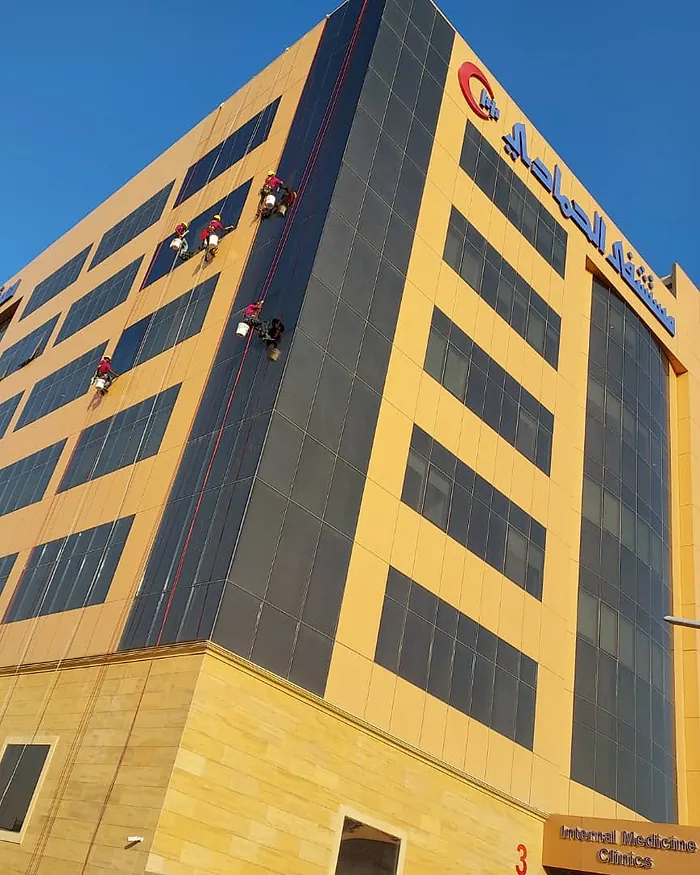
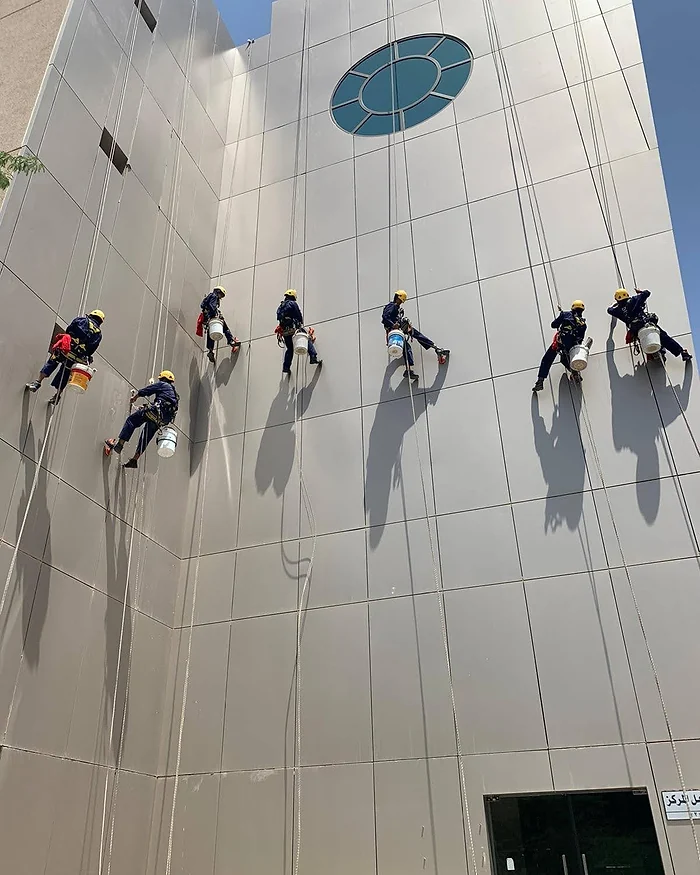
Photos from our team's work.
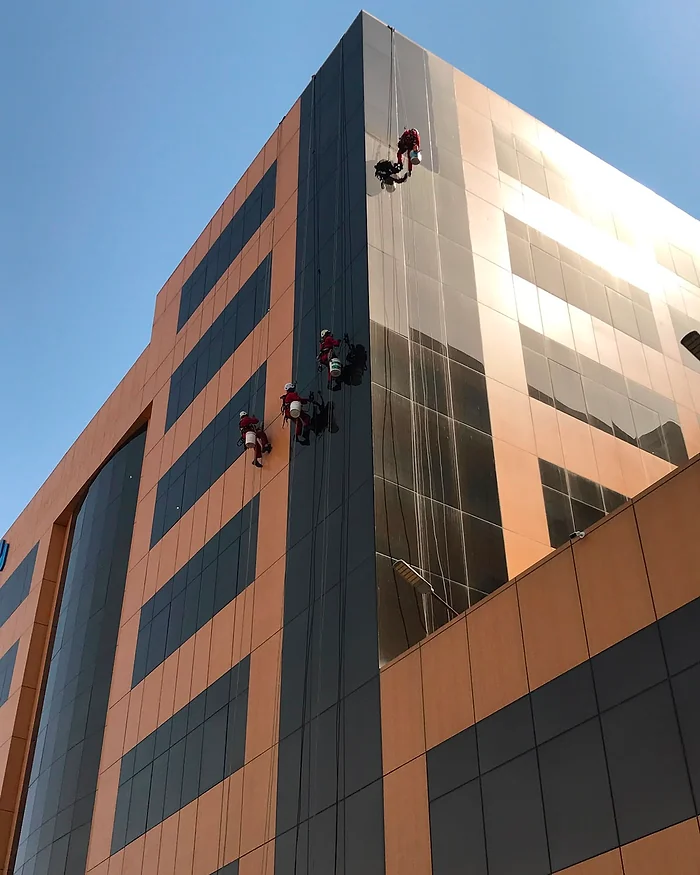
What is different about Jazan Region
Jazan is the wettest and most humid corner of the country. Jazan city, Sabya, Abu Arish and Samtah are low rise concrete towns on the Tihama plain, with the port, the corniche and the new refinery on the coast, the coral stone houses of the Farasan Islands offshore, and the terraced coffee villages of Fifa and Al Dayer in the mountains behind. Heat and humidity last all year, salt haze rolls in from the Red Sea, and mould and algae bloom on any facade that stays damp. Stone and glass here weather faster than anywhere else.
Other services in Sabya
The room and the building around it are on one list.