
Raghwat Al Janoub Maintenance and Cleaning
Marble grinding and crystallisation in Damad
Damad is a small Tihama town east of Jazan city, built around an old eastern quarter and the historic Monday Market, with modest homes and simple marble floors exposed to seasonal dampness and sea salt from the nearby Red Sea. Marble polishing here requires careful salt and humidity removal and precise ongoing protection.
Why grinding beats a surface polish
-

Shine from the stone, not a layer
A surface polish shines for the first week, then flakes off at the doors and busy walkways.
-

Scratches removed, not hidden
Deep scratches and sunken stains do not wipe away, because they sit inside the stone.
-

A surface that resists Riyadh dust
Central Saudi dust is fine, mineral and constant, and it grinds against a soft polish all day until the shine dulls.
-
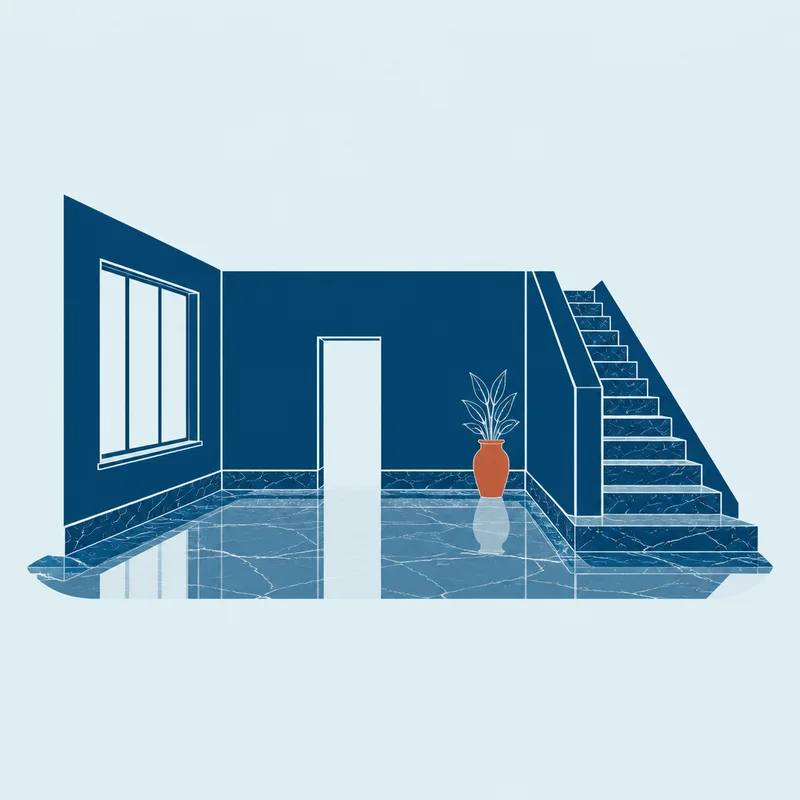
Edges and skirtings matched
Many floor jobs leave the corners and skirtings dull, so the edge of every room gives the work away.
Why the job is different in Damad
Home, mosque and public building marble in Damad shows white salt stains and slow discoloration from accumulated dampness without regular care. The whole method is set out in our full account of marble grinding and crystallisation.
-
Modest homes with simple marble floors
Most Damad homes are humble dwellings with plain marble floors, no intricate inlays or patterns. That simplicity means any salt or dampness damage shows clearly on the smooth surface.
-
Salt and dampness traces from sea wind
Damad sits a short distance from the sea but wind carries moisture and salt toward it constantly, especially in wet seasons. Mineral deposits build in marble joints and are hard to remove without skill.
-
Daily use by farming and rural families
Damad residents mostly work farming, herding and manual trades, so they enter homes daily with dampness and soil on their clothes. That raises dirt accumulation on simple marble floors steady and fast.
What's Included
Damad sits east of Jazan and a short distance from the Red Sea, but seasonal humidity and salt traces reach it on the wind, so mineral deposits build up on home marble and are hard to lift.
-
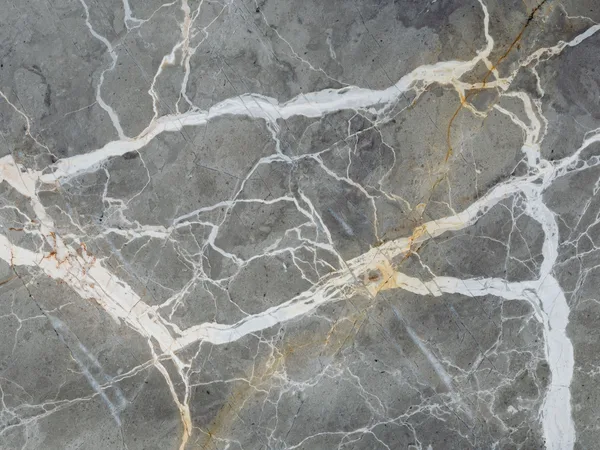
The stone type and its condition read
Marble inspection in simple Damad homes looks for salt residue and cracks before any section is treated.
-
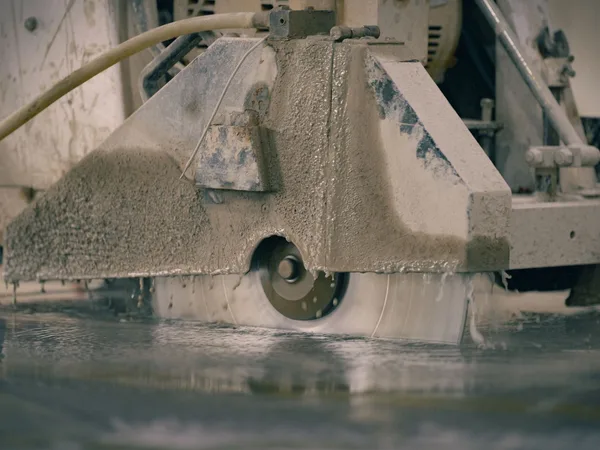
Coarse grinding to take out the scratches
Dirt removal lifts mineral deposits from joints with careful moderate force to avoid widening gaps.
-
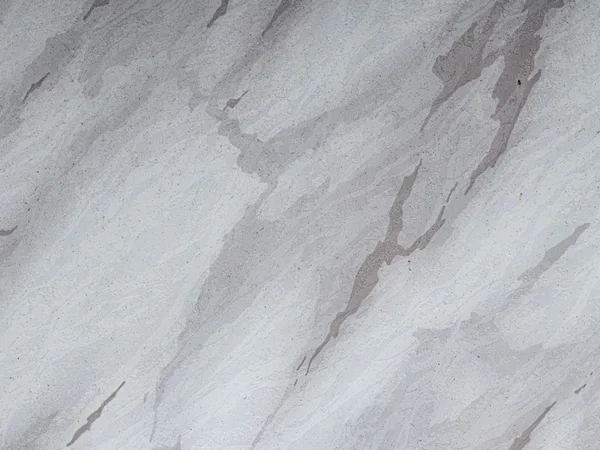
Stepped through to the fine pads
Grinding is set to a measured level to remove the affected outer layer without weakening the plain stone.
-
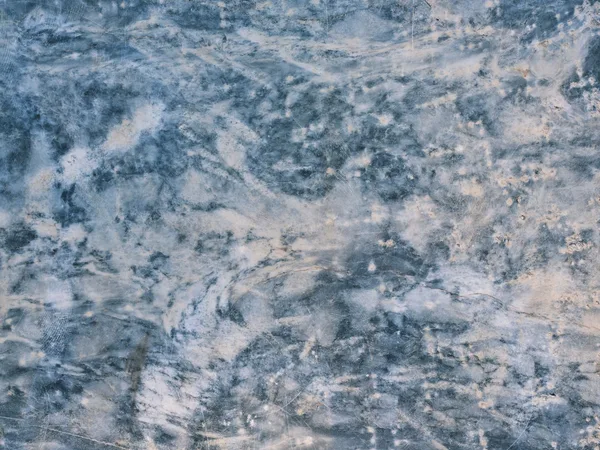
Crystallisation for a hard surface
Crystallisation uses moisture and salt-resistant products suited to Damad's seasonal climate.
-
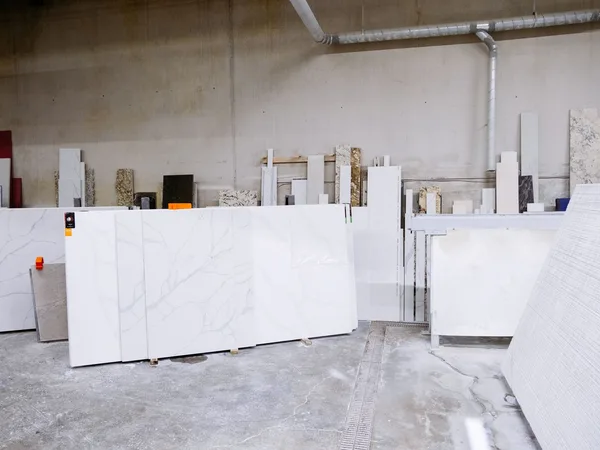
Edges and skirtings
Extra protection is applied after wet seasons or floods for severely affected buildings.
-
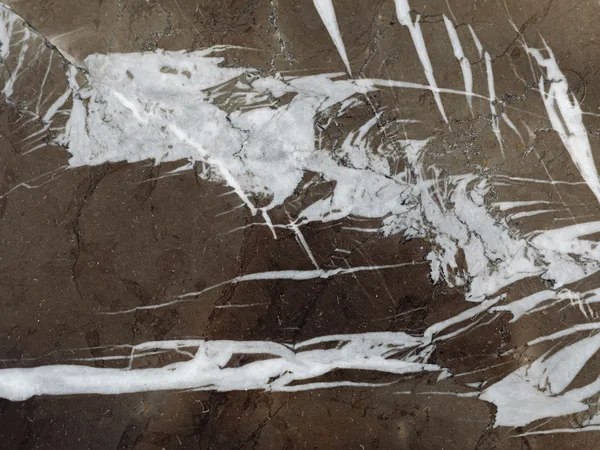
A final seal on the pores
Complete drying ensures moisture is not trapped under the crystallisation layer before floors are used again.
Damad on the map
Damad sits about 16 km from Abu Arish and about 17.5 km from Sabya.
Open in Google MapsHow we work
Survey the floor
Prepare the space
Grind and crystallise
Clean up and hand over
Some of our work
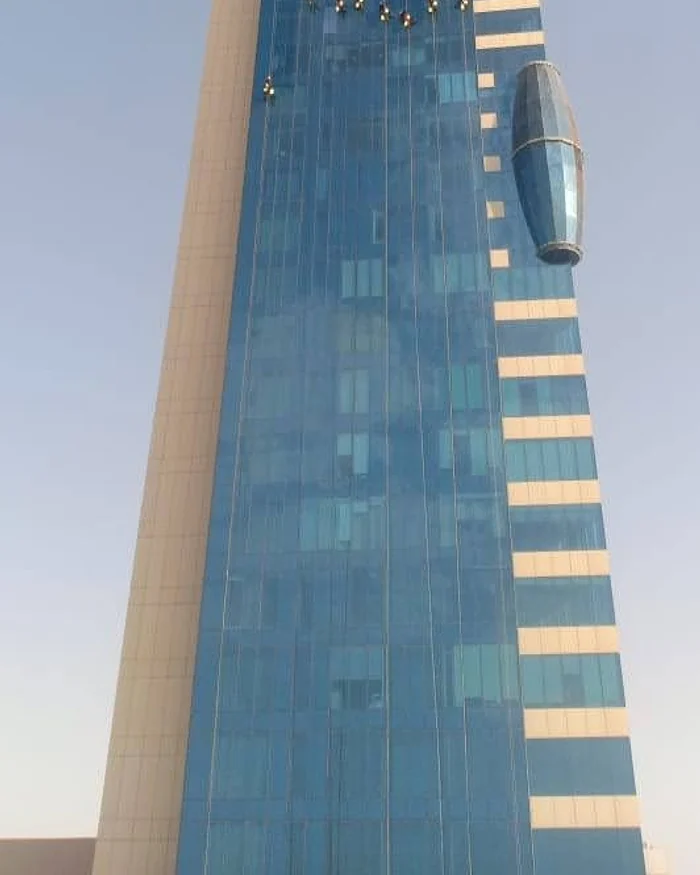
Photos from our team's work.





What is different about Jazan Region
Jazan is the wettest and most humid corner of the country. Jazan city, Sabya, Abu Arish and Samtah are low rise concrete towns on the Tihama plain, with the port, the corniche and the new refinery on the coast, the coral stone houses of the Farasan Islands offshore, and the terraced coffee villages of Fifa and Al Dayer in the mountains behind. Heat and humidity last all year, salt haze rolls in from the Red Sea, and mould and algae bloom on any facade that stays damp. Stone and glass here weather faster than anywhere else.
Other services in Damad
The room and the building around it are on one list.