Raghwat Al Janoub Maintenance and Cleaning
Building facade cleaning in Al Hariq
Al-Hariq is a small governorate town south of Riyadh in an agricultural valley famous for citrus, supported by a dam that manages seasonal floods and maintains the water table. Buildings are relatively modern set within farming activity that sheds organic dust, humidity from irrigation and an annual festival bringing additional traffic and grime. Dust and dampness mix into sticky layers that conventional washing struggles to lift.
Why a facade needs regular cleaning
-
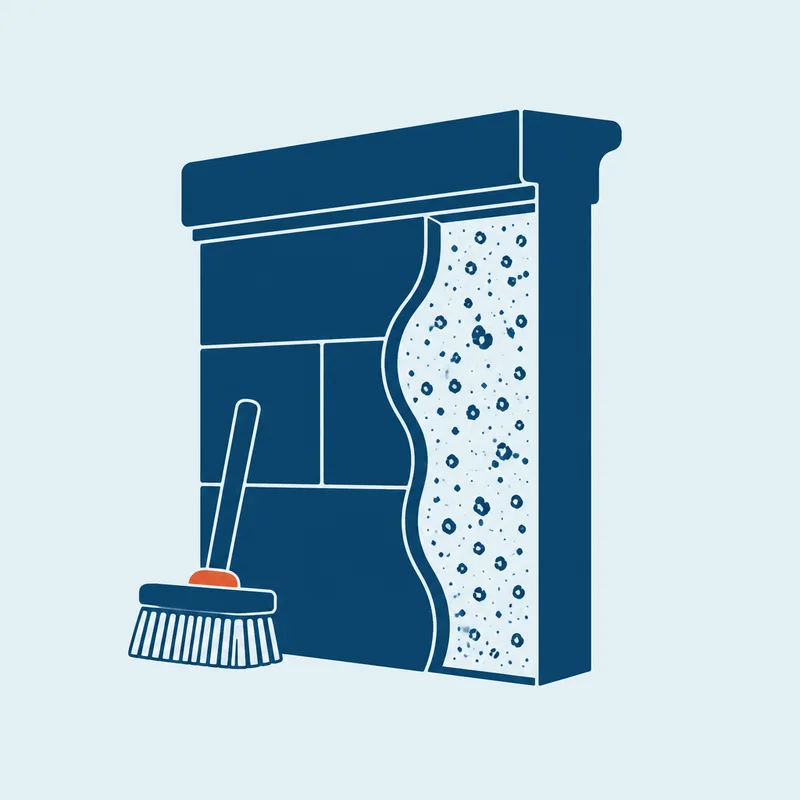
The surface is protected
The wrong product costs more than the dirt it removes.
-
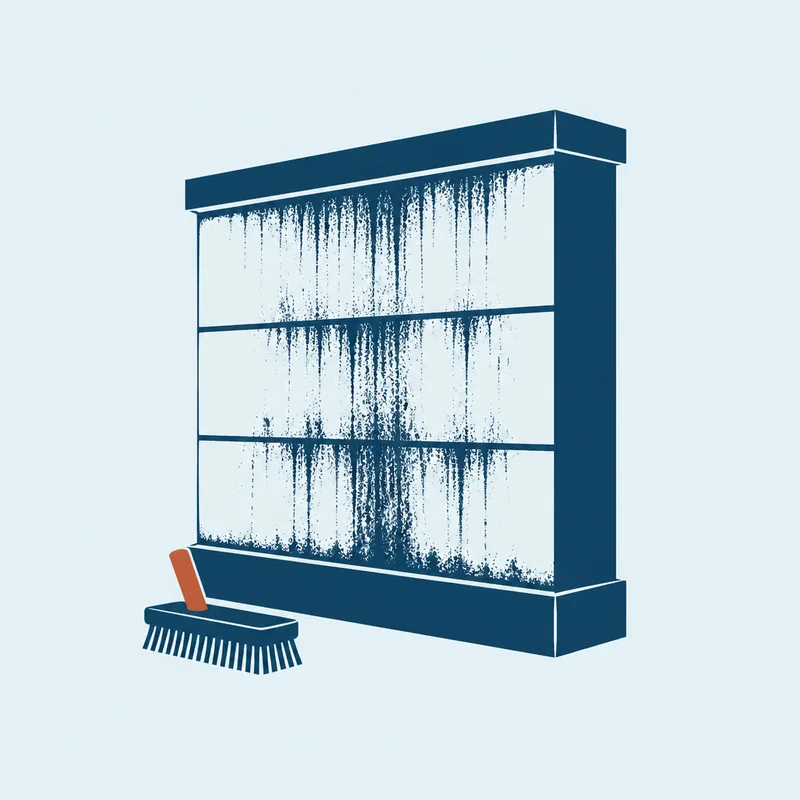
Access decided on site
We do not pick the access method from an office.
-

Glass stays clear
Calcium scale on glass turns into permanent etching if it is left.
-
The building keeps running
We plan the access and the working hours around how the building is used through the day, and we protect the ground, the entrances and anyone passing below.
Why the job is different in Al Hariq
Organic dust from citrus, palms, harvesting and drying mixes with moisture and leaves a sticky, oily layer on glass and cladding that requires specialist cleaning products to dissolve. The whole method is set out in the building facade cleaning overview.
-
Organic dust mixed with farming humidity
Dust from citrus, palm work and farm operations is not mineral like desert dust but organic and sticky. Irrigation and dam humidity make it adhere to facades and support mould growth. Standard cleaners cannot remove it alone, so biological products and firmer scrubbing are necessary.
-
The dam, seasonal floods and constant dampness
The dam pumps water continuously to support farming, so air moisture is permanently high. Old seasonal flooding may have marked buildings near the wadi, and the dampness prevents fast drying after cleaning.
-
The annual festival and commercial activity
The annual citrus festival brings crowds and heavy trading, so cleaning must fit around business patterns. Dust from shipping and processing adds extra load to facades, especially during harvest season.
What's Included
The wadi sits on damp ground fed by the dam and constant irrigation, with agricultural operations raising the concentration of organic particles in the air. Service and residential buildings are recent but organic dust leaves marks harder to remove than mineral dust alone.
-
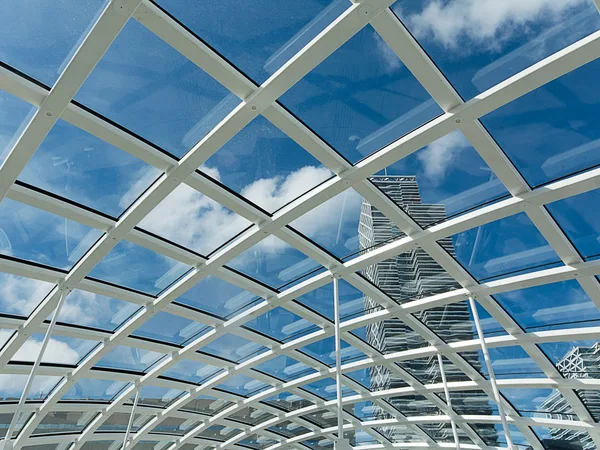
Roof survey and anchor points
Roof survey requires understanding modern building construction and proximity to the wadi and dam, assessing how seasonal flooding and dampness affect structure soundness.
-
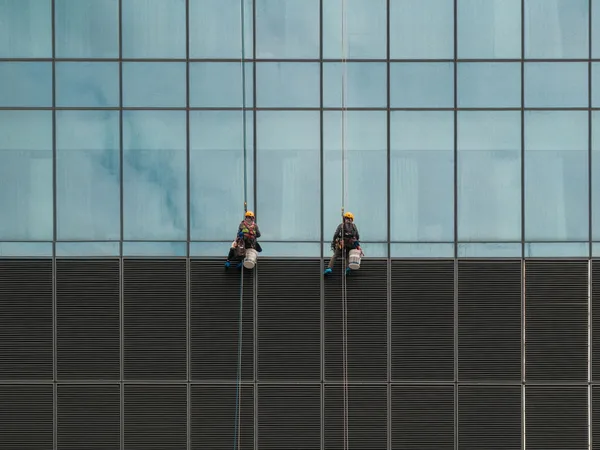
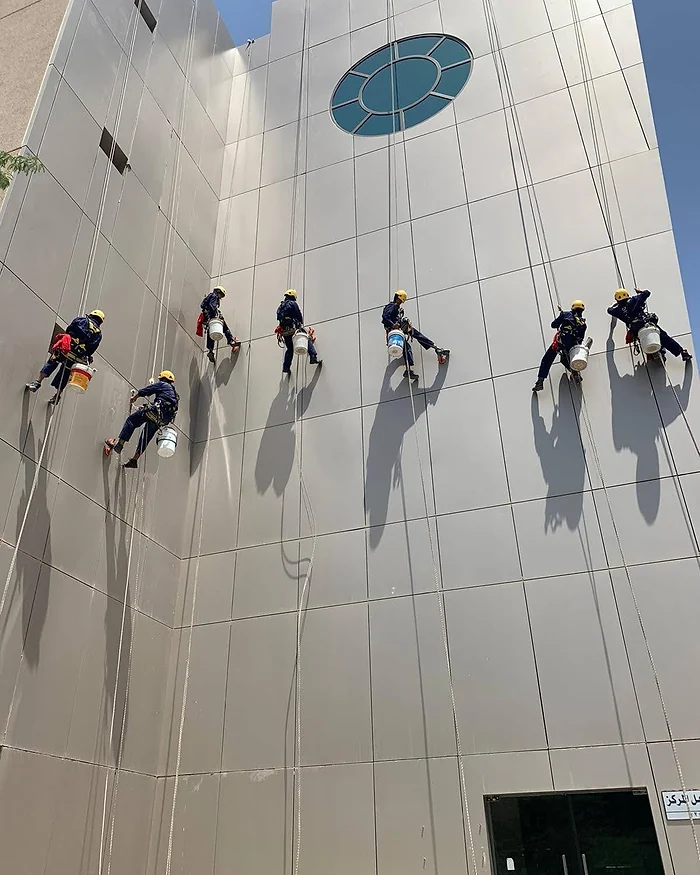
Access chosen: rope or powered
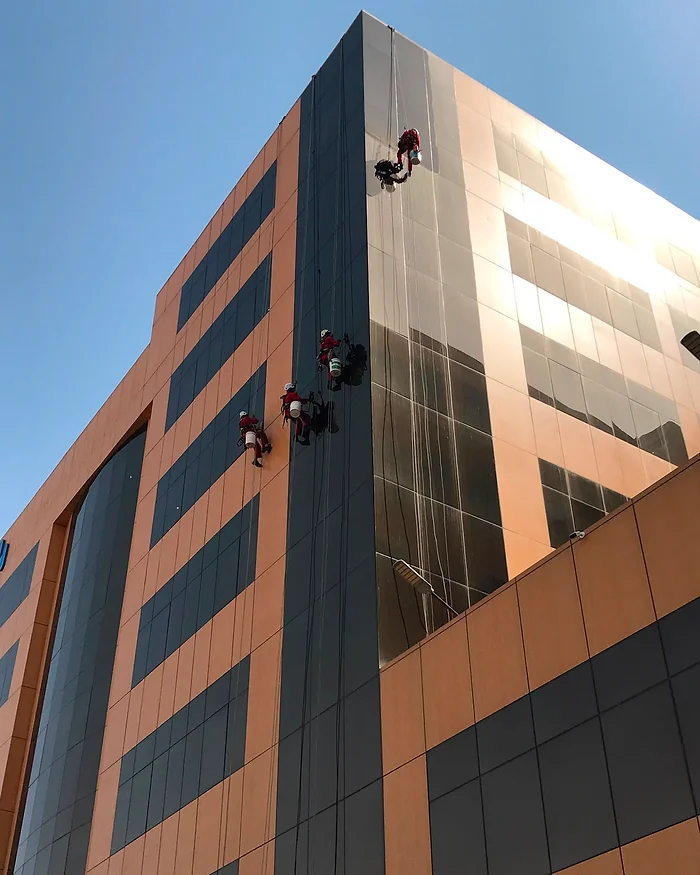
Access is chosen between rope and powered lift depending on location and commercial traffic, avoiding disruption to the trading centre, especially during festival season.
-
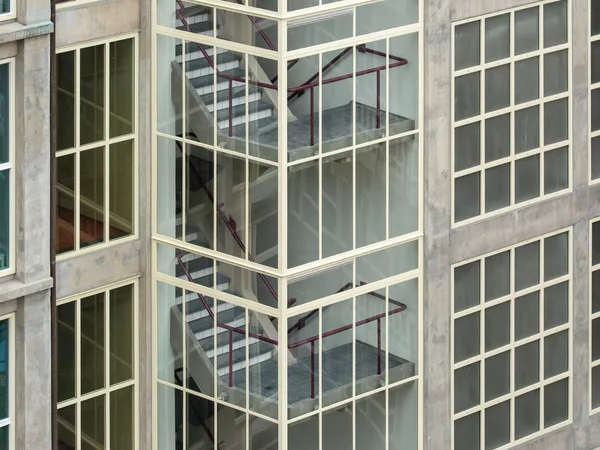
A test patch before the whole elevation
Test patches confirm that specialist organic dust cleaners work safely before full facade treatment, with moisture possibly affecting chemical reactions.
-
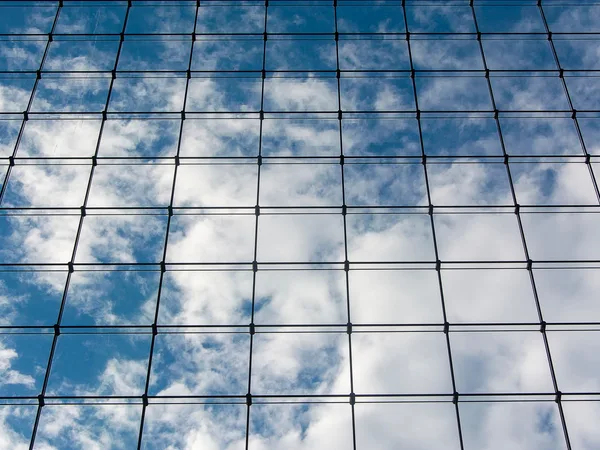
Glass and curtain walling
Glass may bear sticky organic residue and dampness requiring biological products and firmer scrubbing than mineral dust, with protective coating after washing.
-
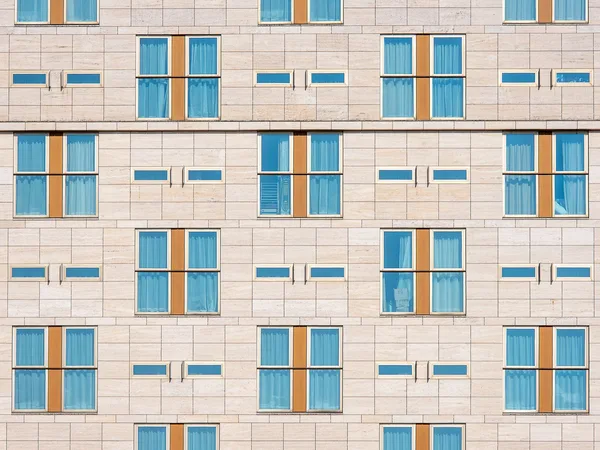
Cladding and stone, pH-neutral
Modern cladding and stone tolerate firmer treatment for organic dust, but year round humidity means pH neutral products are chosen to preserve surface protection from future moisture.
-
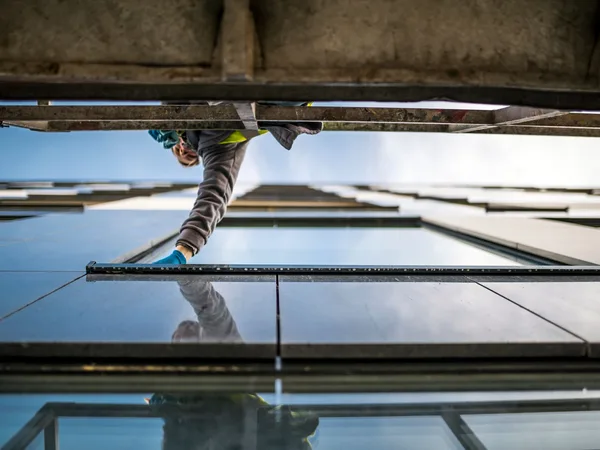
Ground and passers-by protected
Ground and passers by are shielded from discharge, but the trading activity around buildings demands extra care not to disrupt shops and workers with water and cleaners.
Al Hariq on the map
Al Hariq sits about 41 km from Hawtat Bani Tamim and about 81.5 km from Ad Dilam.
Open in Google MapsHow we work
Survey from the roof
Choose access and products
Wash top to bottom
Inspect and hand over
Some of our work
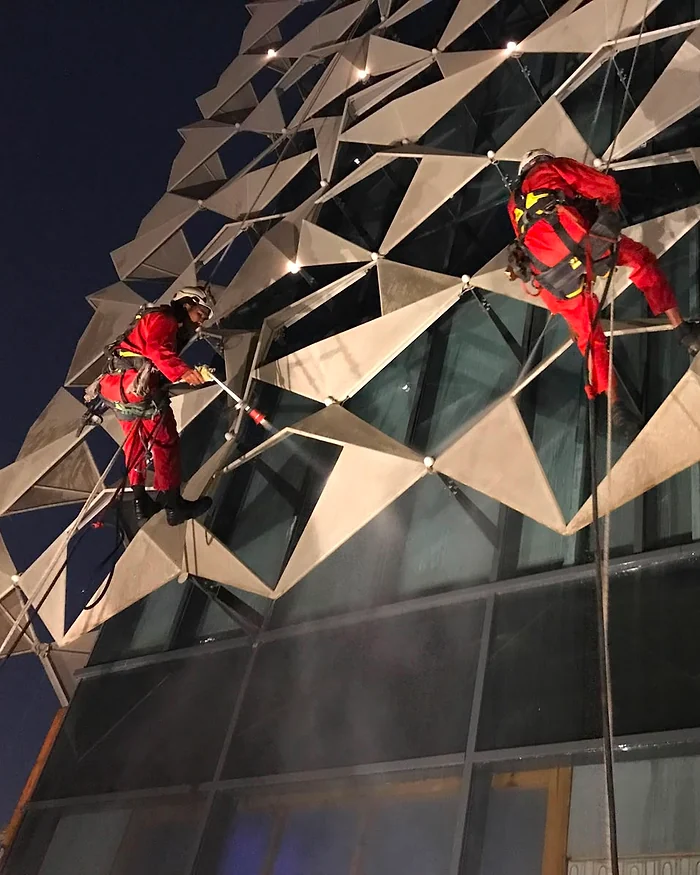
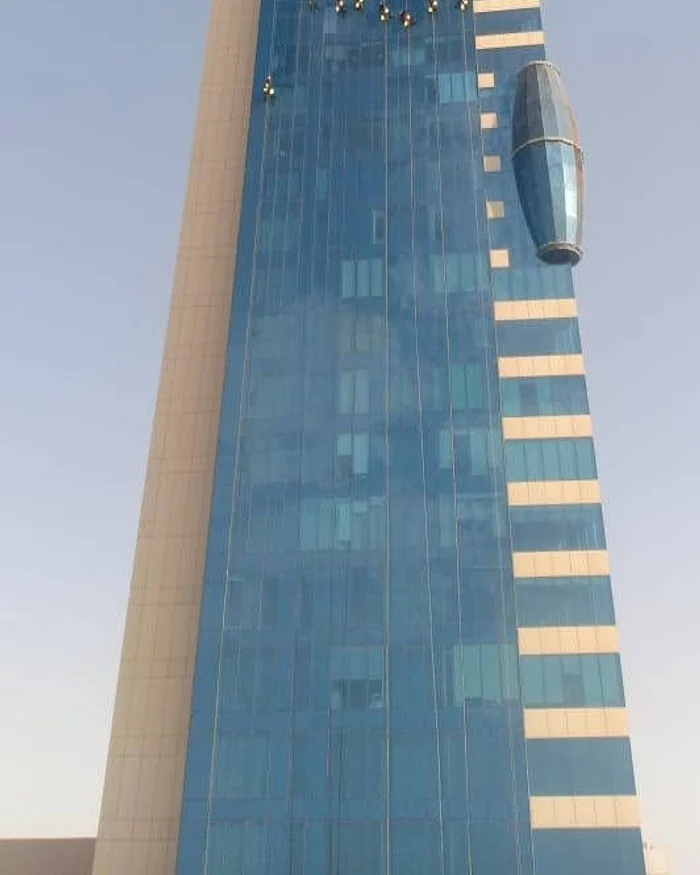
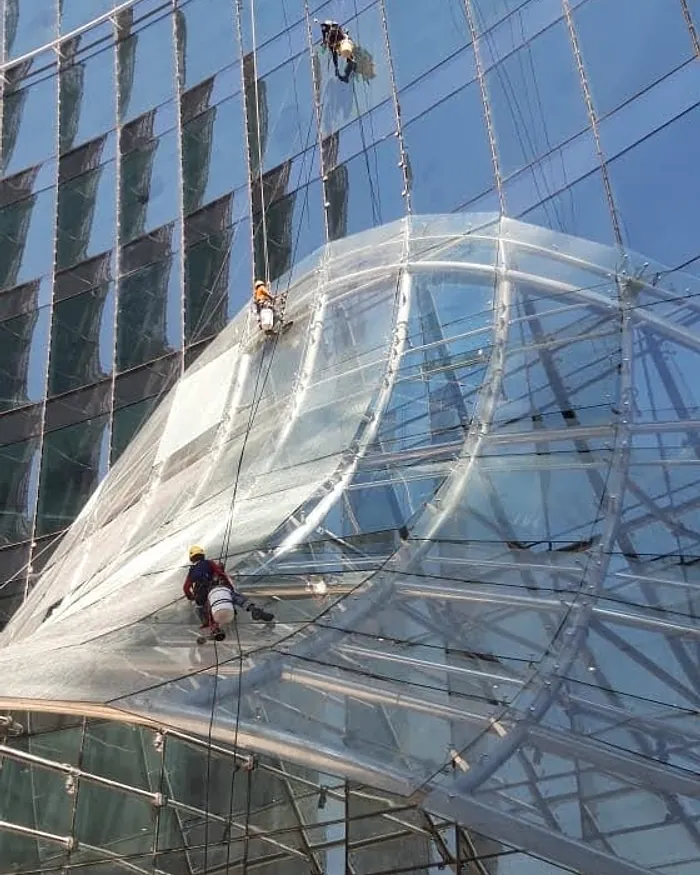
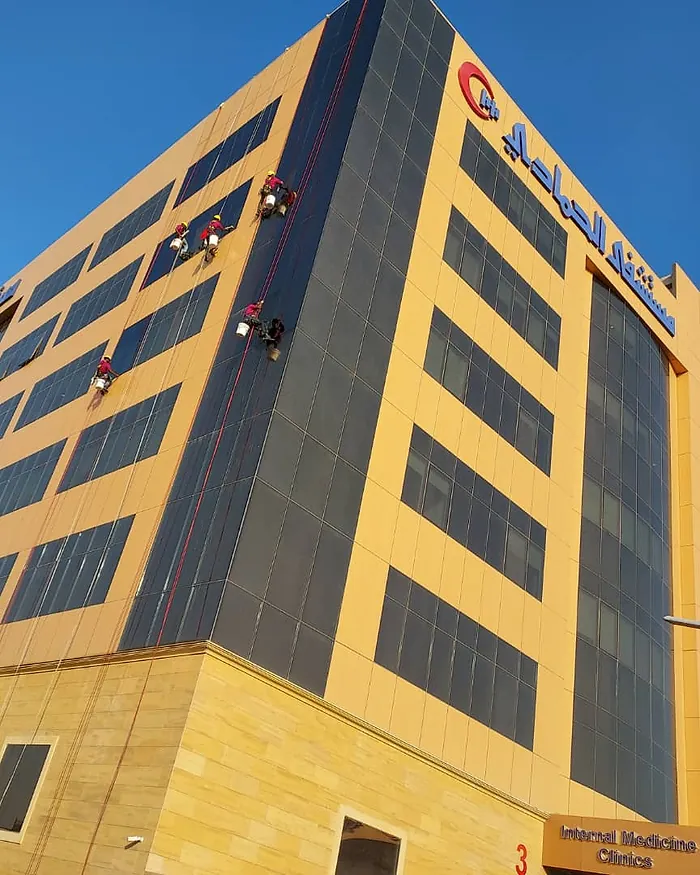
Photos from our team's work.
What is different about Riyadh Region
Riyadh Region covers the central Najd plateau from the capital out to Al Kharj, Al Majma'ah, Al Zulfi, Dawadmi, Al Quwaiiyah and Wadi Al Dawasir. The climate is dry, with fierce summer heat, cool winters and spring dust storms carried off the Dahna sands to the east and the Nafud beyond Al Zulfi. The capital's glass towers and cladding sit alongside stone and marble villas, mosques and government buildings in the towns, with farms and palm groves around Al Kharj and the southern wadis. Fine dust abrades polished floors, and the hard groundwater leaves stubborn spotting on glass and stone.
Other services in Al Hariq
The room and the building around it are on one list.