Raghwat Al Janoub Maintenance and Cleaning
Marble grinding and crystallisation in Al Hariq
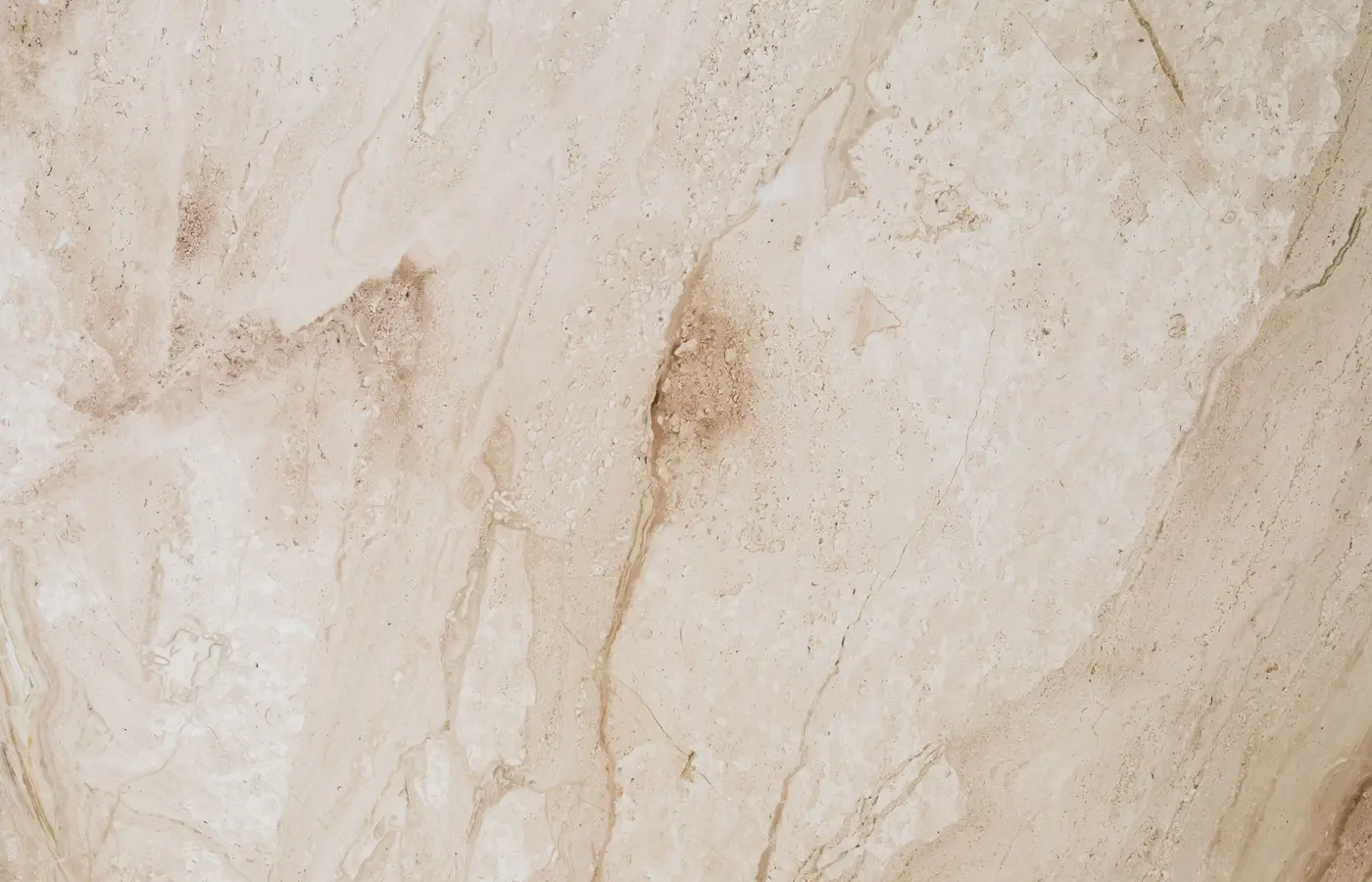
Al Hariq is an agricultural valley south of Riyadh surrounded by citrus farms and traditional rural buildings with simple marble floors exposed to fine dust from open land. Floors here need regular polishing because dust and seasonal moisture from the valley accelerate surface wear faster than in enclosed urban areas.
Why grinding beats a surface polish
-
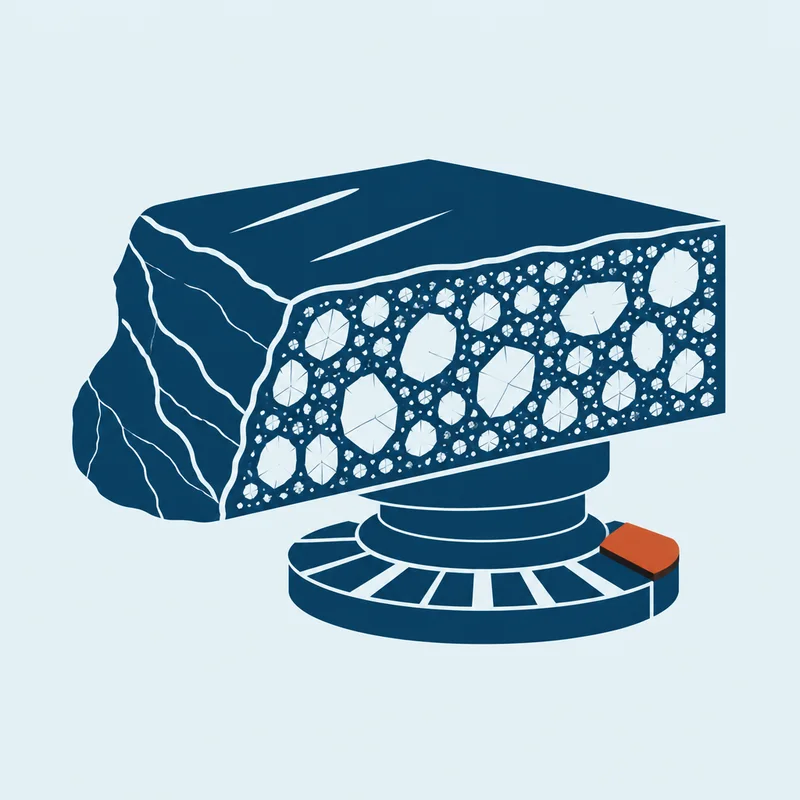
Shine from the stone, not a layer
A surface polish shines for the first week, then flakes off at the doors and busy walkways.
-
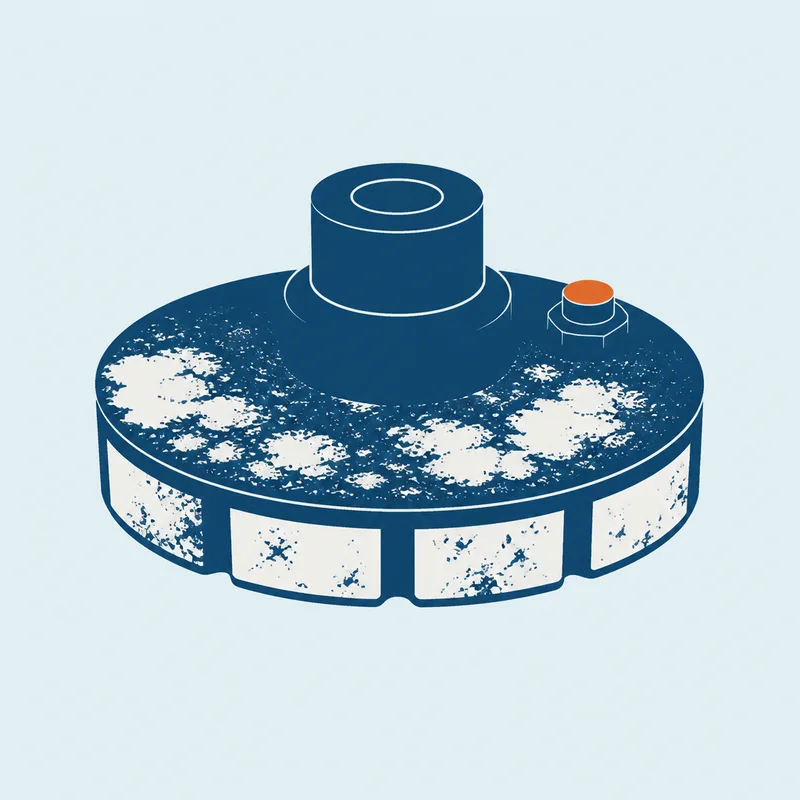
Scratches removed, not hidden
Deep scratches and sunken stains do not wipe away, because they sit inside the stone.
-
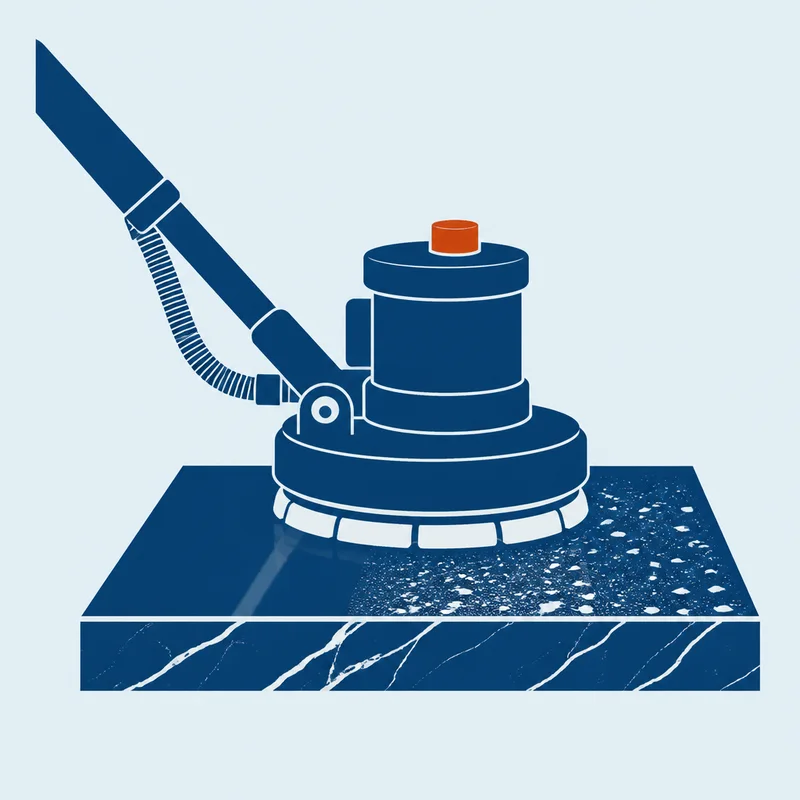
A surface that resists Riyadh dust
Central Saudi dust is fine, mineral and constant, and it grinds against a soft polish all day until the shine dulls.
-
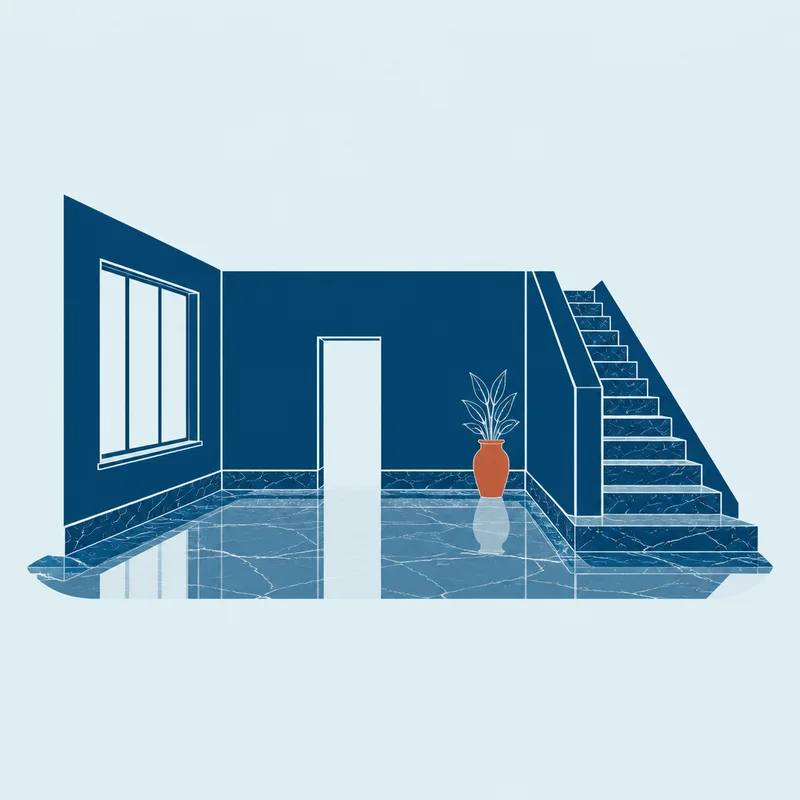
Edges and skirtings matched
Many floor jobs leave the corners and skirtings dull, so the edge of every room gives the work away.
Why the job is different in Al Hariq
Marble floors in Al Hariq's government and residential buildings carry a layer of sand dust that is harder to remove than in cities because the open land air carries coarser particles. The whole method is set out in the marble grinding and crystallisation overview.
-
Rural government buildings with wide marble floors
Government centres, clinics and schools in Al Hariq have expansive marble floors that see daily foot traffic from staff and visitors entering straight from open land, so layers build up on the surface quickly.
-
Seasonal moisture and its effect on marble
Rainy seasons in the valley raise humidity inside buildings, and this increases how water reacts with mineral salts on the marble surface, leaving fine white marks that do not clear with ordinary polishing unless treated for moisture specifically.
-
Heavy daily use on government building floors
Government service centres, clinics and schools receive dozens of visitors each day on the same floor, so doorways and corridors wear faster than corners and need selective polishing focused on the heaviest-traffic zones.
What's Included
Al Hariq sits in a valley bounded by Hareeq Dam to the north and vast farmland on all sides, so seasonal moisture and sand dust reach directly into homes and government buildings without urban shelter or barriers.
-
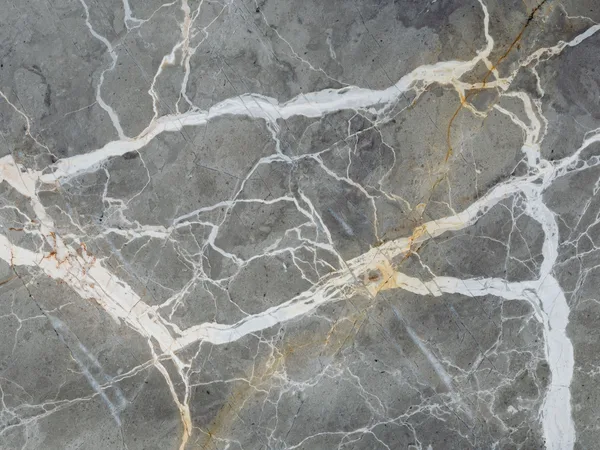
The stone type and its condition read
Marble in Al Hariq government buildings carries thick sand dust that needs dry vacuuming first before any grinding begins.
-
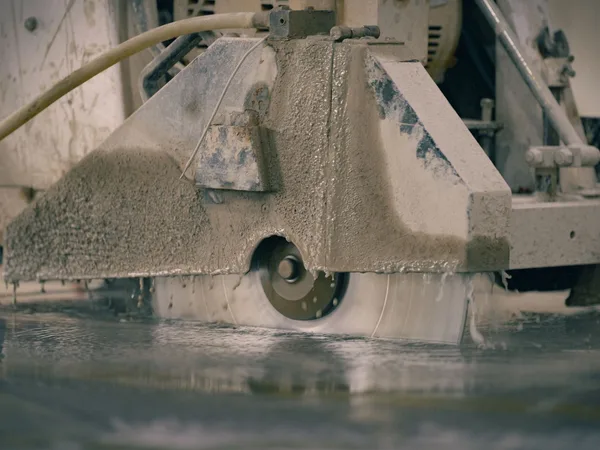
Coarse grinding to take out the scratches
Pre-cleaning inspection reveals white moisture marks that require specific chemical treatment before grinding can proceed.
-
Stepped through to the fine pads
Stone crystallisation polishing is applied more heavily to high-traffic zones like hallways than to the rest of the surface.
-
Crystallisation for a hard surface
Crystal protection shields the surface from sand dust clinging to it for a time, but moisture during rainy seasons reduces how long that shield lasts.
-
Edges and skirtings
Areas near doors and entrances need denser polishing because they receive dust straight from open farmland.
-
A final seal on the pores
After grinding, the surface is left to dry fully in the valley air before buildings reopen for use.
Al Hariq on the map
Al Hariq sits about 41 km from Hawtat Bani Tamim and about 81.5 km from Ad Dilam.
Open in Google MapsHow we work
Survey the floor
Prepare the space
Grind and crystallise
Clean up and hand over
Some of our work
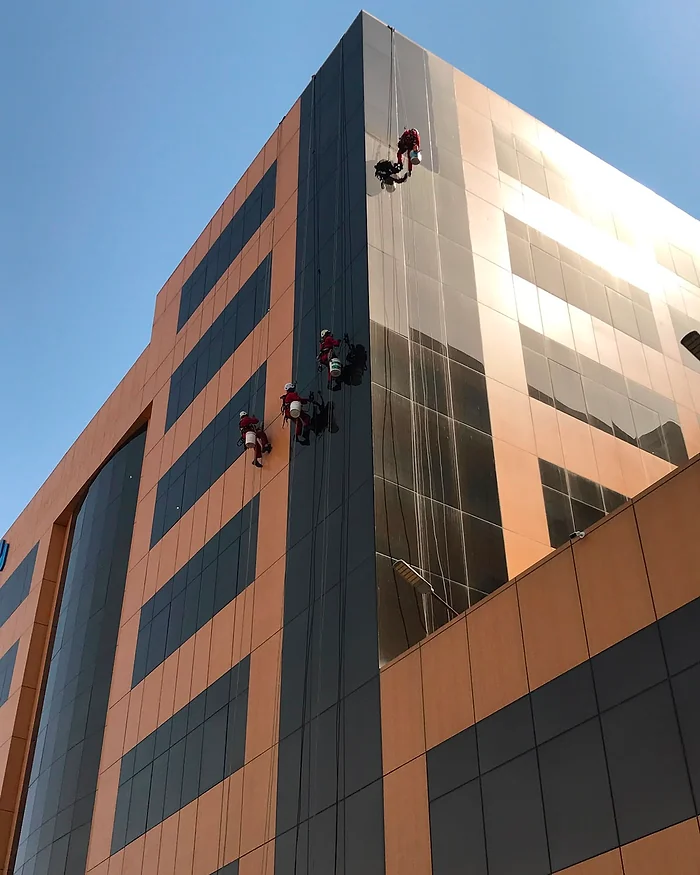
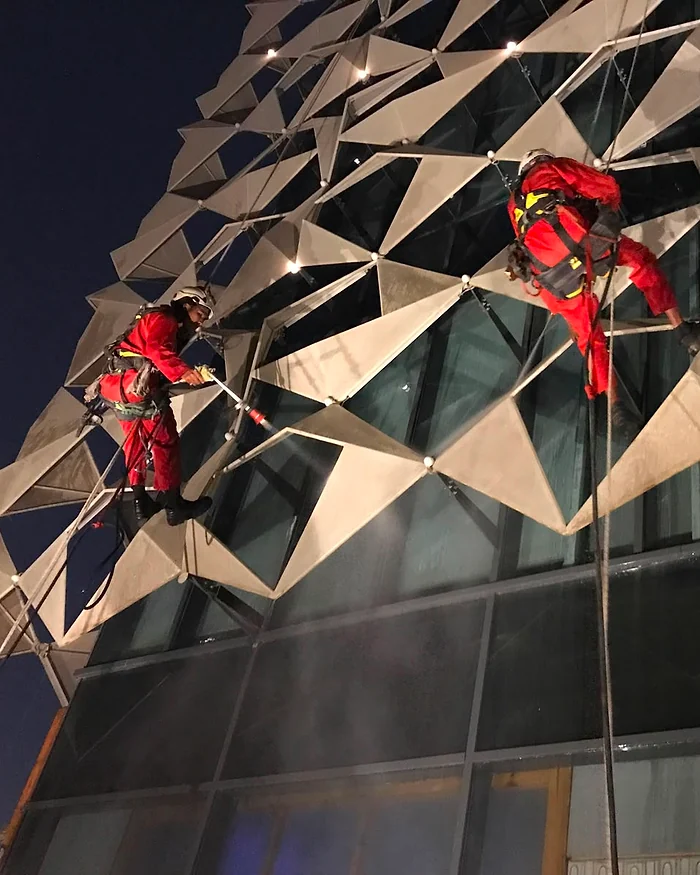
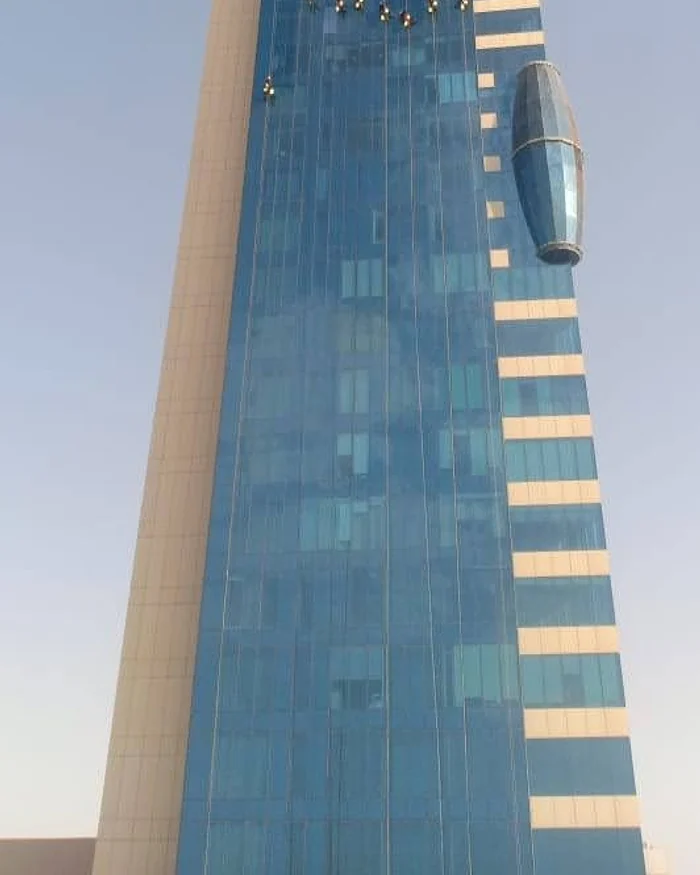
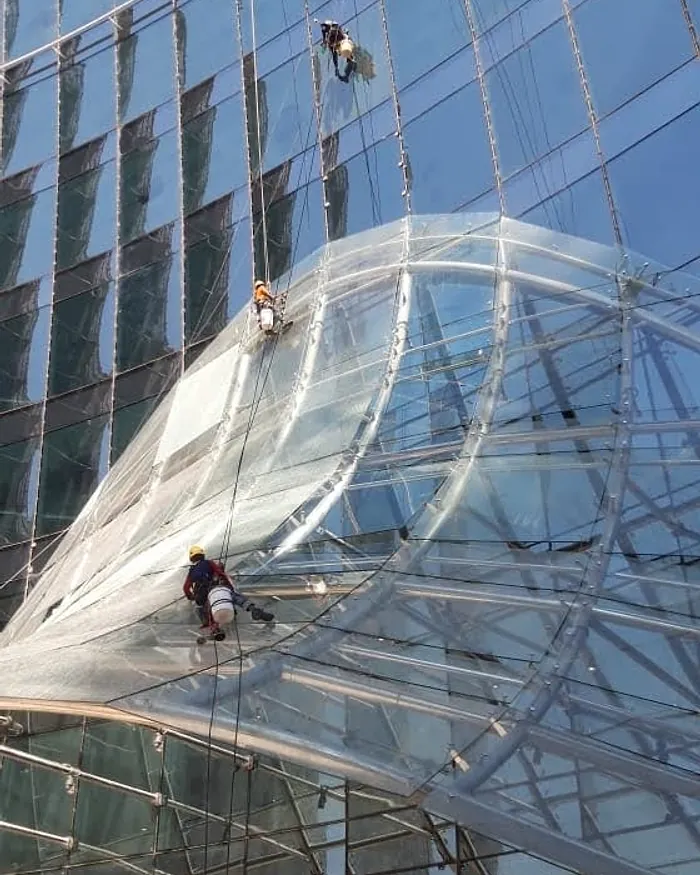
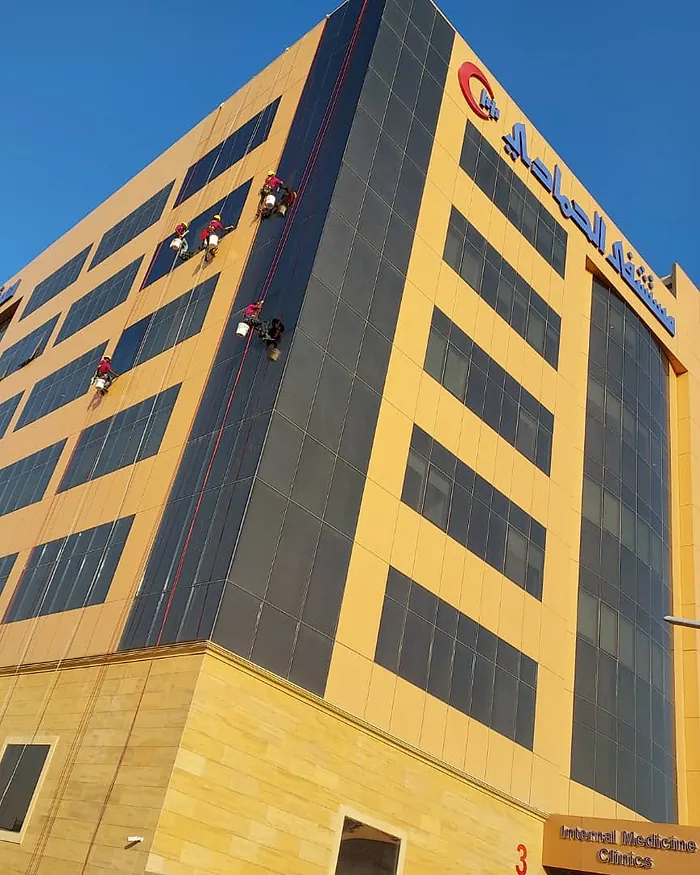
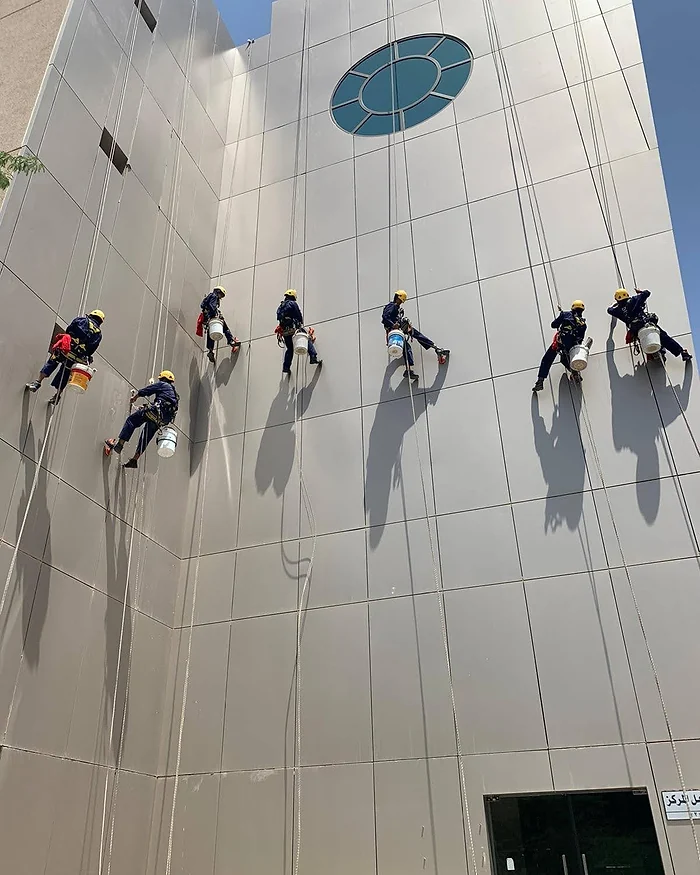
Photos from our team's work.
What is different about Riyadh Region
Riyadh Region covers the central Najd plateau from the capital out to Al Kharj, Al Majma'ah, Al Zulfi, Dawadmi, Al Quwaiiyah and Wadi Al Dawasir. The climate is dry, with fierce summer heat, cool winters and spring dust storms carried off the Dahna sands to the east and the Nafud beyond Al Zulfi. The capital's glass towers and cladding sit alongside stone and marble villas, mosques and government buildings in the towns, with farms and palm groves around Al Kharj and the southern wadis. Fine dust abrades polished floors, and the hard groundwater leaves stubborn spotting on glass and stone.
Other services in Al Hariq
The room and the building around it are on one list.