Raghwat Al Janoub Maintenance and Cleaning
Marble grinding and crystallisation in Hawtat Bani Tamim
Hawtat Bani Tamim is a governorate town south of Riyadh with low-rise administrative and residential buildings whose stone and marble floors face constant fine desert sand and dust settling into the pores rapidly. Polishing quality here depends on understanding how stone reacts to low humidity and high heat working together.
Why grinding beats a surface polish
-
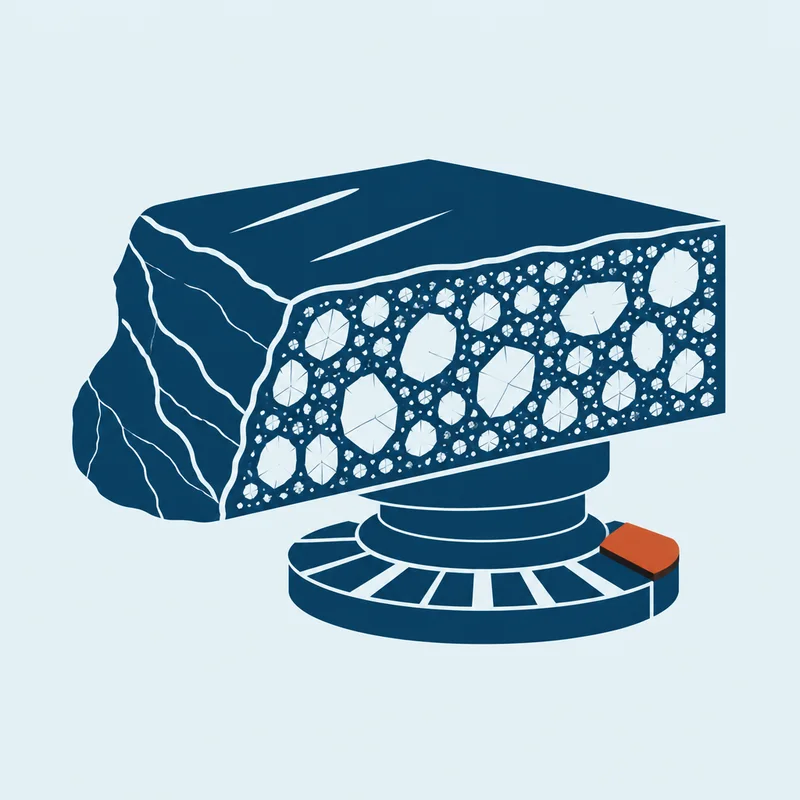
Shine from the stone, not a layer
A surface polish shines for the first week, then flakes off at the doors and busy walkways.
-

Scratches removed, not hidden
Deep scratches and sunken stains do not wipe away, because they sit inside the stone.
-
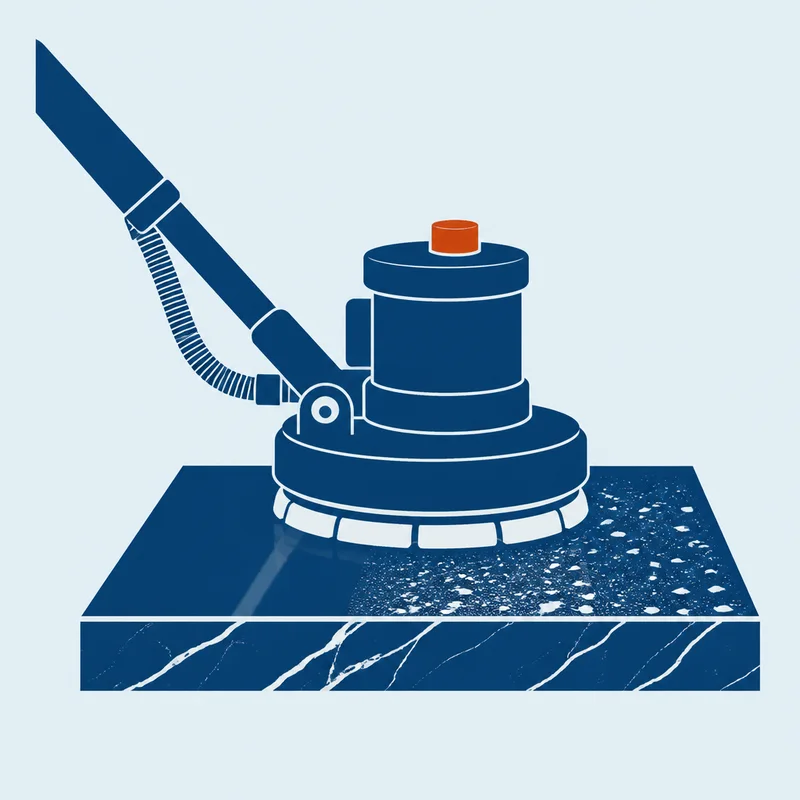
A surface that resists Riyadh dust
Central Saudi dust is fine, mineral and constant, and it grinds against a soft polish all day until the shine dulls.
-
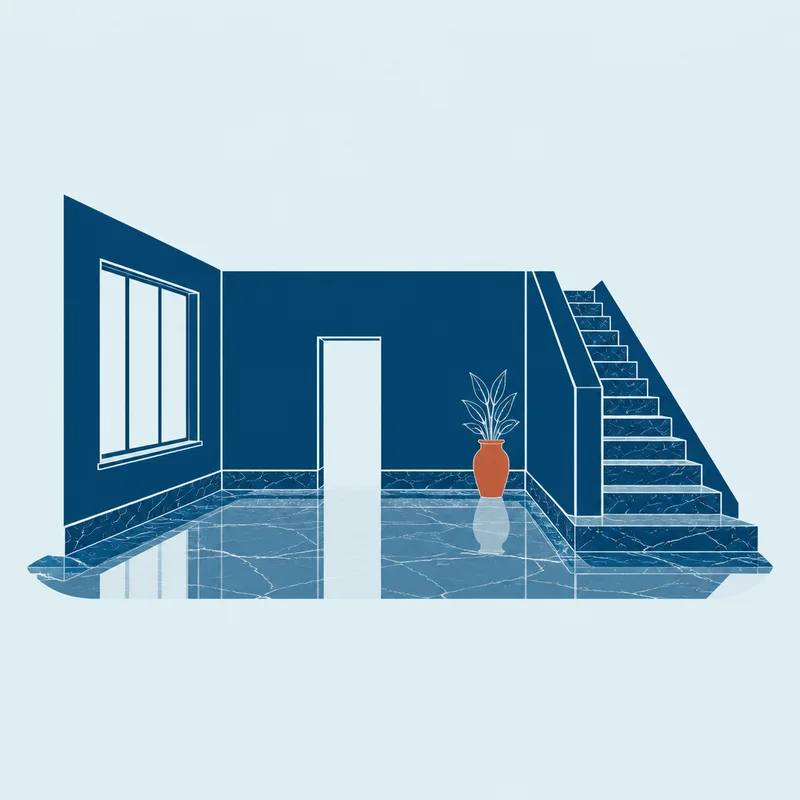
Edges and skirtings matched
Many floor jobs leave the corners and skirtings dull, so the edge of every room gives the work away.
Why the job is different in Hawtat Bani Tamim
Stone floors in Hawtat Bani Tamim's administrative and residential buildings collect fine sand layers faster than areas closer to Riyadh, because proximity to open desert increases the amount of airborne sand particles settling onto every surface. The whole method is set out in our marble grinding and crystallisation guide.
-
Low-rise government and residential buildings
Administrative and residential buildings in Hawtat Bani Tamim rise no more than three or four storeys, with floors of local stone and marble that need careful handling in the desert because daily swings between cool nights and hot days stress the surface.
-
Fine sand and desert dust accumulation
Proximity to Wadi Bark and open terrain means fine sand enters buildings with every door opened, settling into stone and marble pores faster than in larger cities, so regular cleaning before polishing is essential to avoid trapping grit under the new surface.
-
Scarce humidity and constant high heat
The arid desert climate means any marble treatment must account for extreme dryness and heat that affect how materials set and how quickly floors dry after washing, requiring slower drying protocols than humid-climate work would use.
What's Included
Hawtat Bani Tamim sits in open desert terrain near Wadi Bark, where wind-borne fine sand enters buildings readily and settles on stone floors before the dry climate dries away any moisture that might help keep them clean.
-
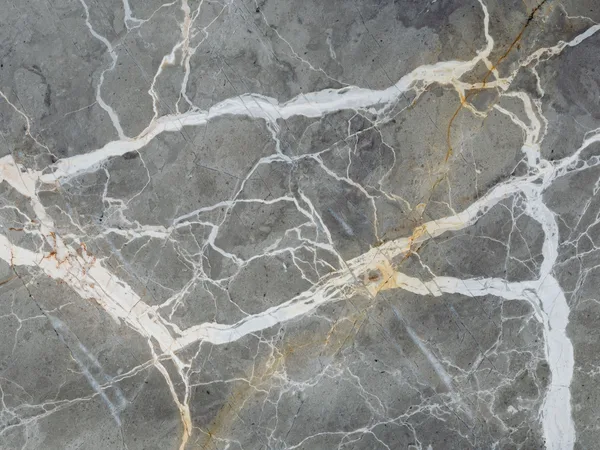
The stone type and its condition read
Administrative and residential buildings need careful inspection of accumulated sand and dust layers before any marble treatment begins.
-
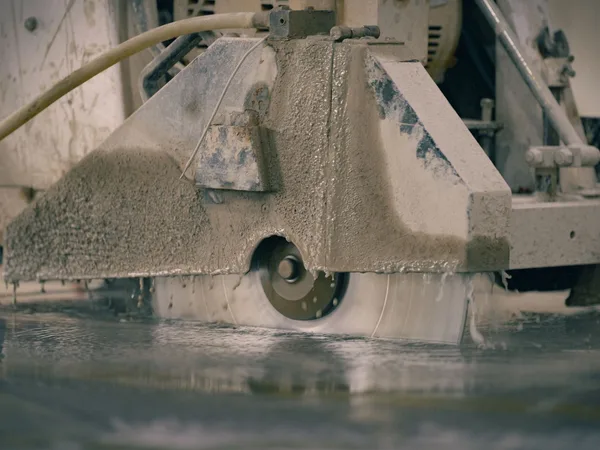
Coarse grinding to take out the scratches
Local stone in Hawtat Bani Tamim absorbs moisture quickly during rare rainy seasons, so we test samples to determine the right polishing method.
-
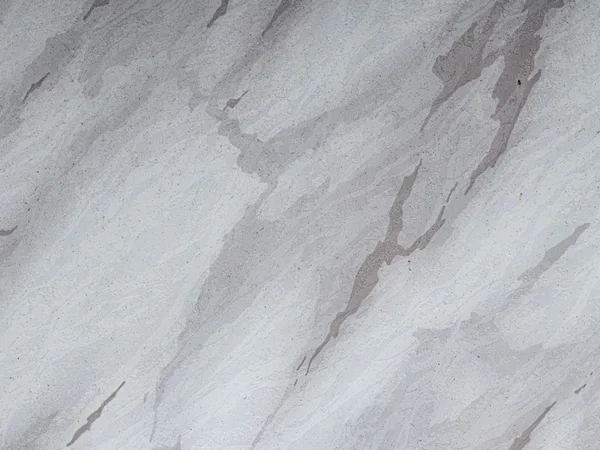
Stepped through to the fine pads
Initial cleaning focuses on removing fine sand from stone pores so it does not remain trapped under the new polish layer.
-
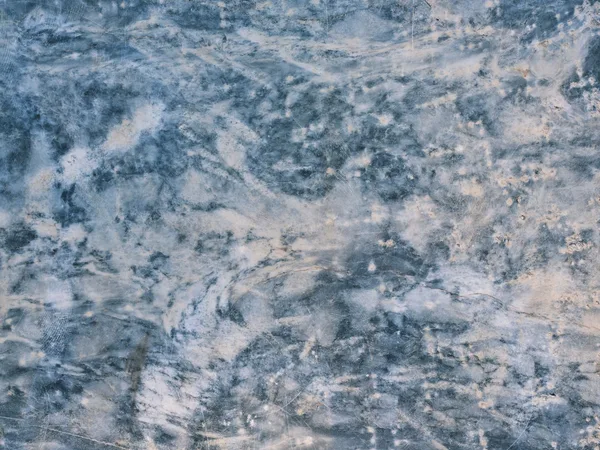
Crystallisation for a hard surface
Selected materials must withstand daily heat and humidity shifts and cure reliably in the dry climate.
-
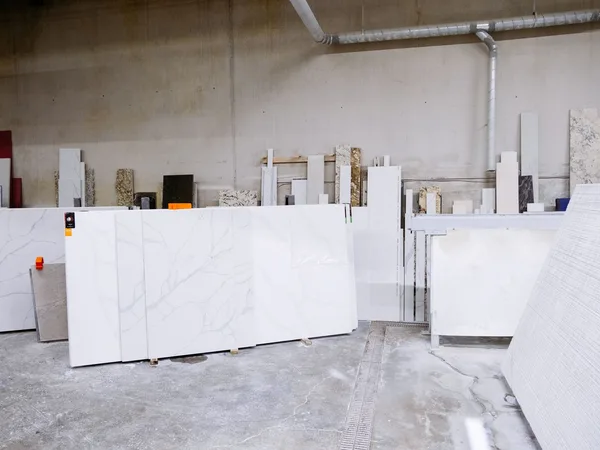
Edges and skirtings
After polishing we let the floor dry slowly under controlled conditions, keeping sand and dust out until the surface has fully set.
-
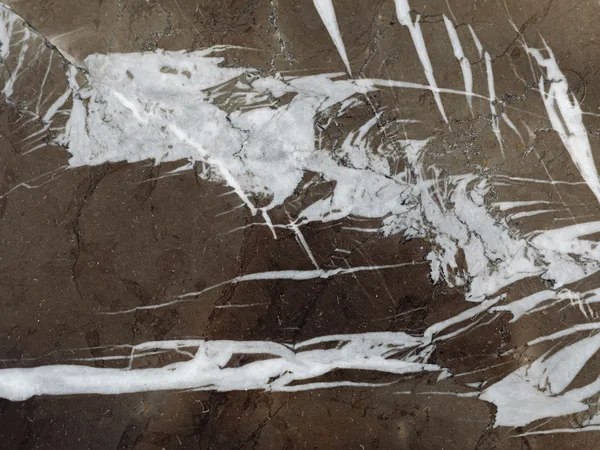
A final seal on the pores
Maintenance guidance afterwards emphasizes light regular sweeping and weekly damp mopping to prevent fine desert sand from building up again.
The character of Hawtat Bani Tamim
Rural area: farms, open ground and scattered homes
Hawtat Bani Tamim is a rural governorate town with low-rise, scattered administrative and residential buildings, each standing apart and exposed directly to desert winds and sand, so floors accumulate grit faster than they would in compact urban settings.
How we work
Survey the floor
Prepare the space
Grind and crystallise
Clean up and hand over
Some of our work
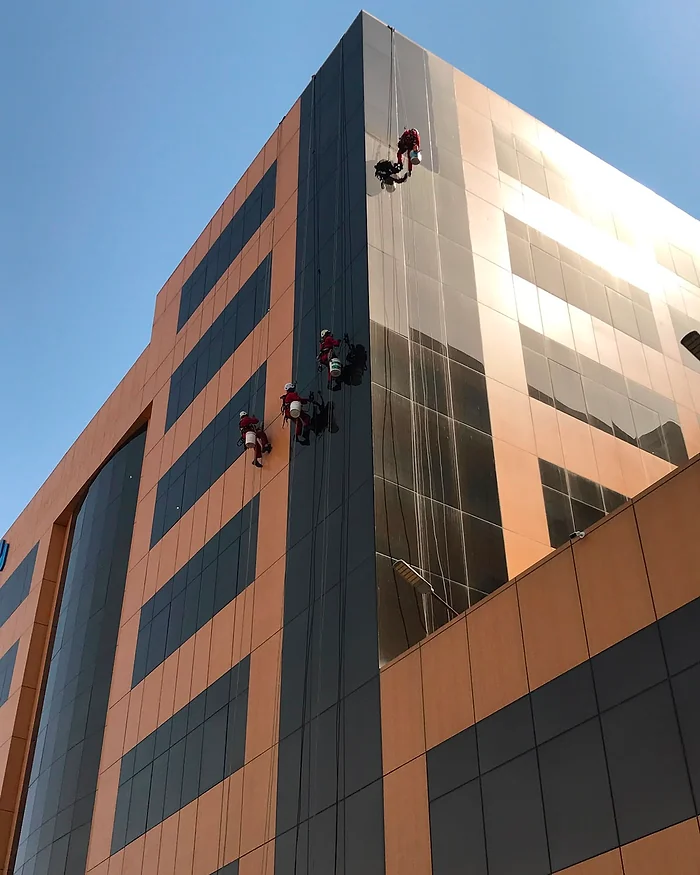
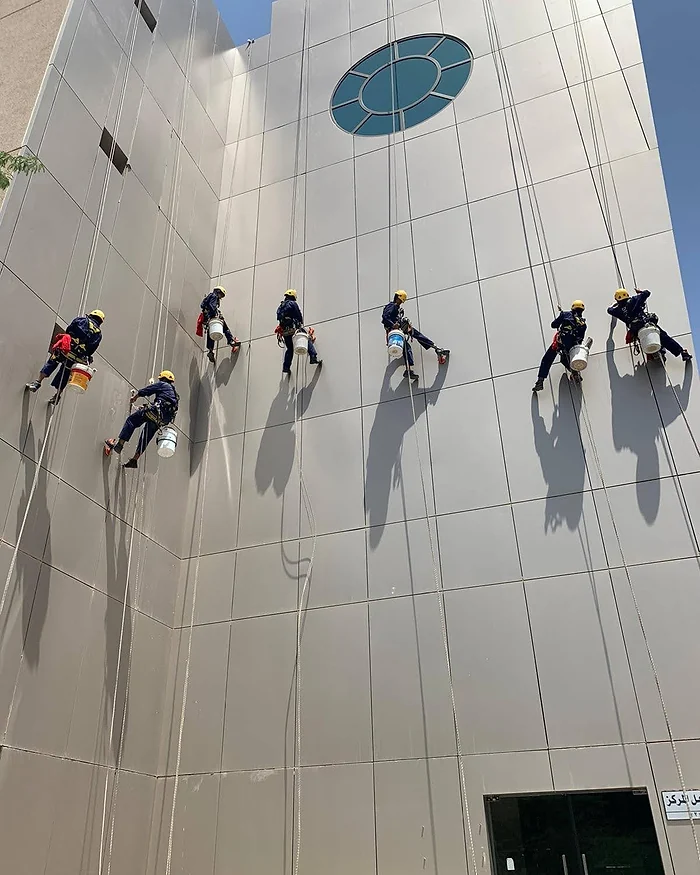
Photos from our team's work.
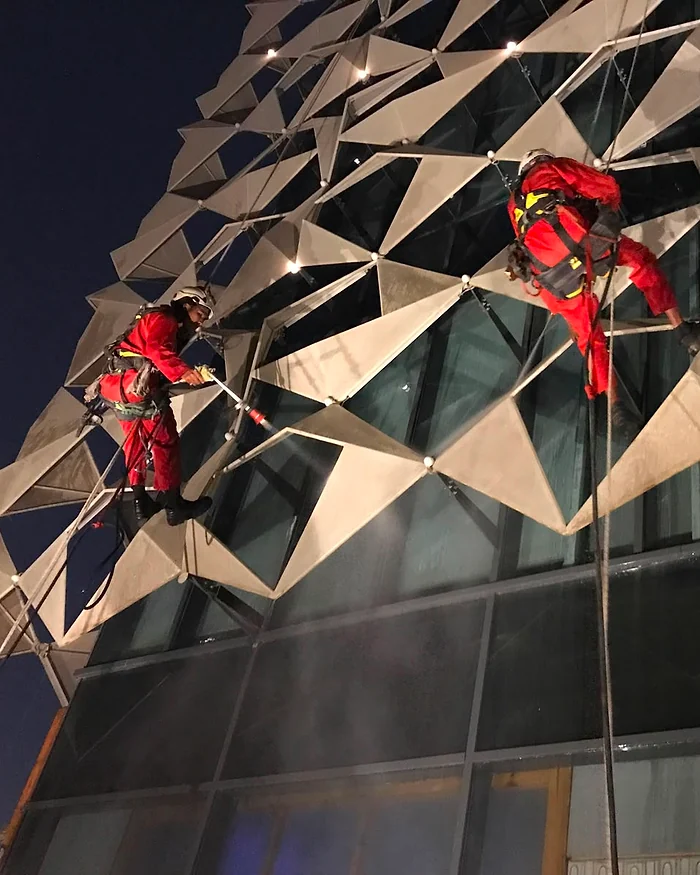
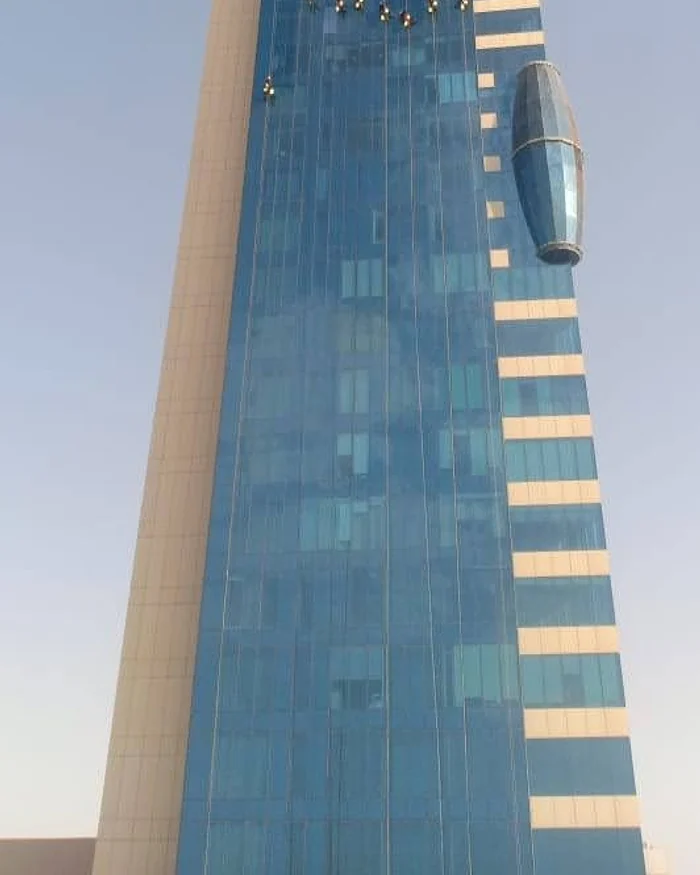
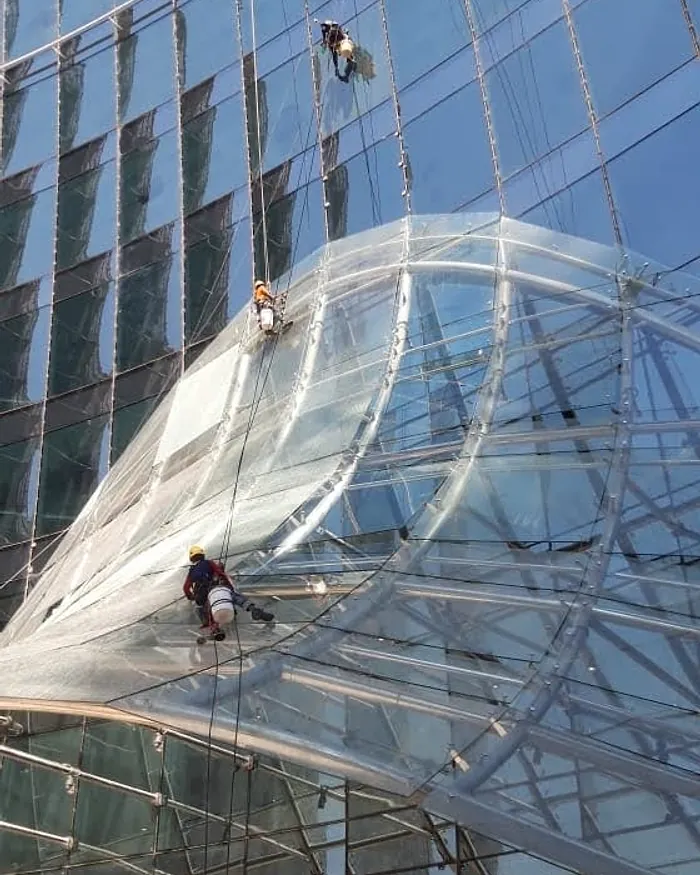
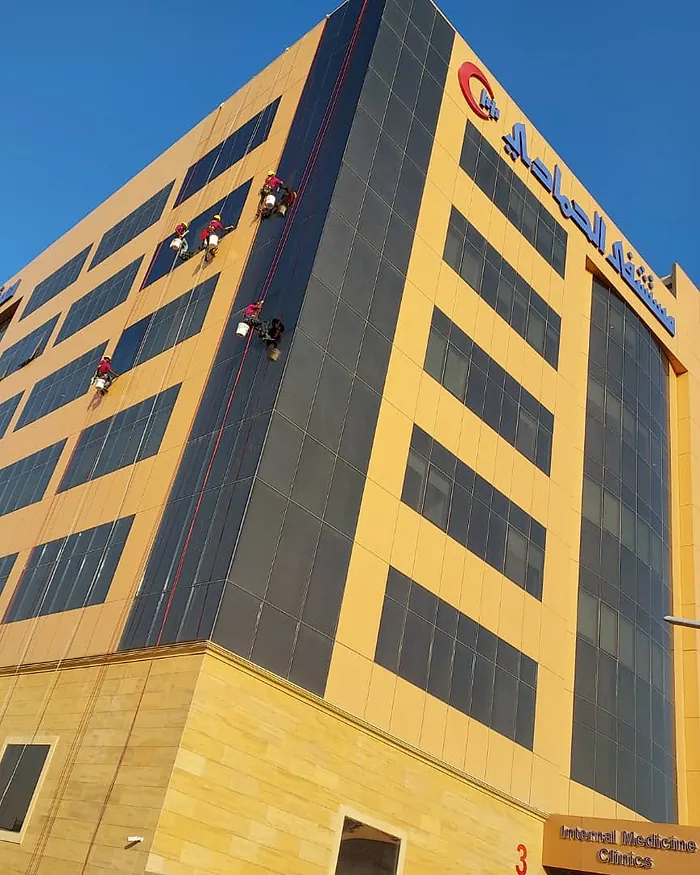
What is different about Riyadh Region
Riyadh Region covers the central Najd plateau from the capital out to Al Kharj, Al Majma'ah, Al Zulfi, Dawadmi, Al Quwaiiyah and Wadi Al Dawasir. The climate is dry, with fierce summer heat, cool winters and spring dust storms carried off the Dahna sands to the east and the Nafud beyond Al Zulfi. The capital's glass towers and cladding sit alongside stone and marble villas, mosques and government buildings in the towns, with farms and palm groves around Al Kharj and the southern wadis. Fine dust abrades polished floors, and the hard groundwater leaves stubborn spotting on glass and stone.
Other services in Hawtat Bani Tamim
The room and the building around it are on one list.