Raghwat Al Janoub Maintenance and Cleaning
Marble grinding and crystallisation in Al-Kharj
Al-Kharj is a farming oasis south of Riyadh with modern villas and heritage palaces whose marble floors sit amidst dairy farms, vegetable greenhouses and irrigation, next to an industrial city holding factories and warehouses. Moisture from watering and dust from factories and roads shape the stone differently than other cities. Understanding the agricultural soil, irrigation moisture and industrial particulate is vital before polishing starts.
Why grinding beats a surface polish
-
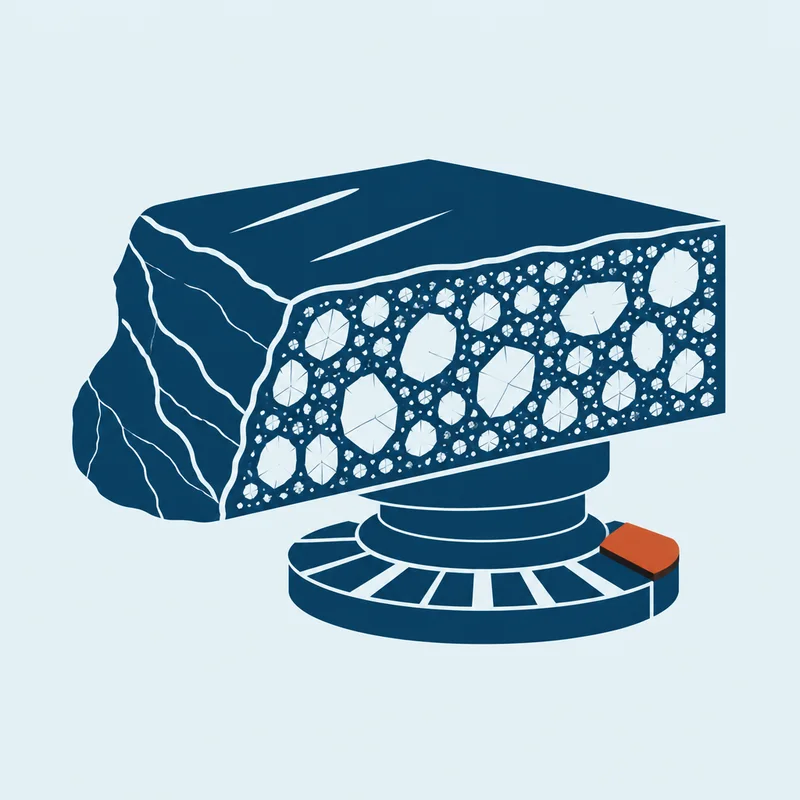
Shine from the stone, not a layer
A surface polish shines for the first week, then flakes off at the doors and busy walkways.
-

Scratches removed, not hidden
Deep scratches and sunken stains do not wipe away, because they sit inside the stone.
-
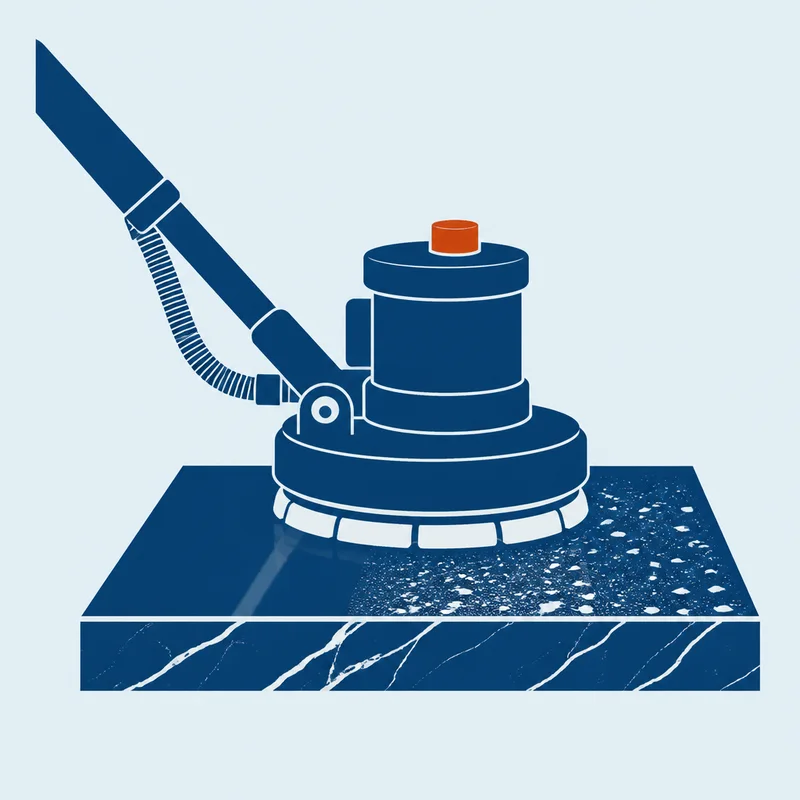
A surface that resists Riyadh dust
Central Saudi dust is fine, mineral and constant, and it grinds against a soft polish all day until the shine dulls.
-
Edges and skirtings matched
Many floor jobs leave the corners and skirtings dull, so the edge of every room gives the work away.
Why the job is different in Al-Kharj
Marble floors in Al-Kharj's villas and palaces face high moisture from nearby farm irrigation systems and industrial dust from factories and roads that leaves a brown film on the surface. The whole method is set out in the details of our marble grinding and crystallisation service.
-
Heritage palaces and modern villas with different ages
Al-Kharj mixes heritage palaces built from mud and stone with modern villas of concrete and premium marble, and each building has different needs. Older palaces may have aged marble less resistant to moisture, while new villas have modern floors but face the same farm humidity.
-
High moisture from farm irrigation and groundwater
Al-Kharj is a farm oasis with modern irrigation systems that pump water generously to surrounding fields. This heavy irrigation raises the groundwater table and boosts humidity in the air and soil around buildings. Ground-floor marble especially absorbs moisture seeping up from foundations set in water-logged soil.
-
Industrial dust and road particulate from nearby factories
The Al-Kharj Industrial City beside residential areas sees daily truck traffic and factory dust drifting on the wind toward villas and palaces. This dust mixes with moisture and leaves a sticky brown layer on marble rather than plain dry dust alone.
What's Included
Al-Kharj sits on a fertile farming oasis surrounded by farms and factories, and proximity to the industrial city means irrigation moisture, factory dust and road particulate from factory traffic reach villa and palace marble easily.
-
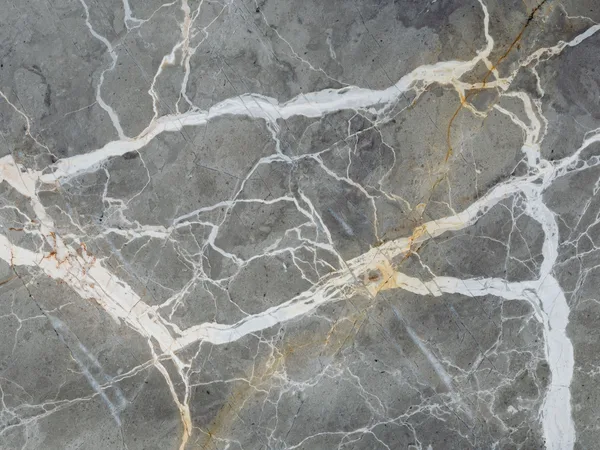
The stone type and its condition read
Marble inspection in Al-Kharj focuses on moisture level and sticky factory dust before work starts.
-
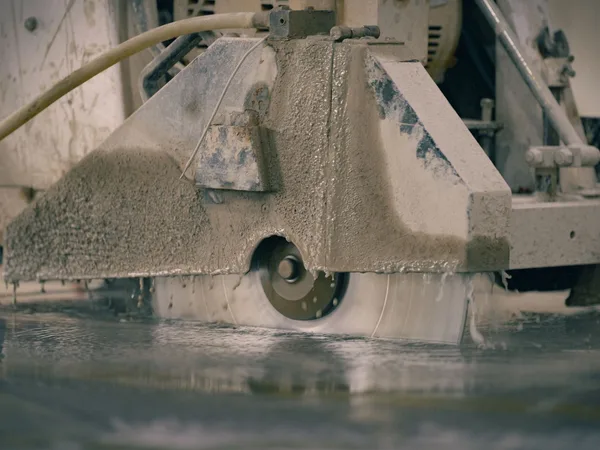
Coarse grinding to take out the scratches
Deep cleaning removes brown industrial residue and salts from farm irrigation moisture completely.
-
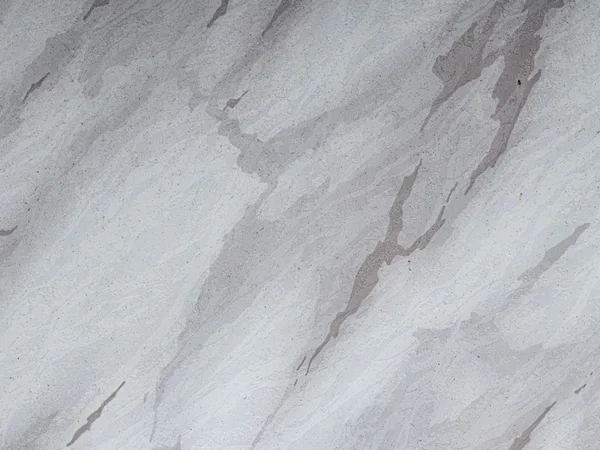
Stepped through to the fine pads
Crystallisation polishing seals marble pores and cuts water absorption from soil and air.
-
Crystallisation for a hard surface
Moisture-barrier treatment after polish adds extra shielding against high groundwater.
-
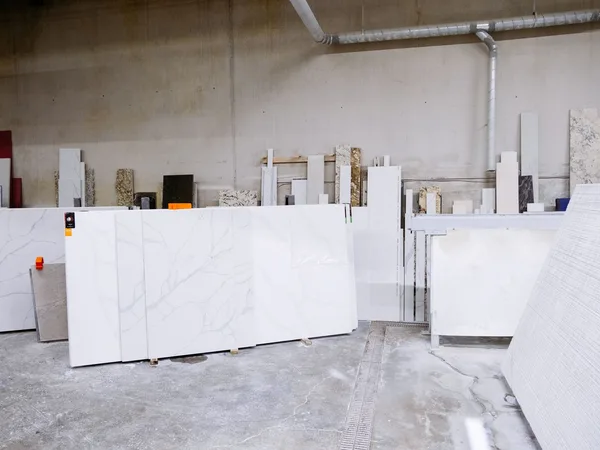
Edges and skirtings
Ground-floor and foundation-adjacent tiles receive stronger moisture-barrier treatment than upper floors.
-
A final seal on the pores
After polishing we recommend good ventilation and improved drainage below the building to prevent ongoing moisture seepage.
Landmarks of Al-Kharj
Work teams move through Al-Kharj by proximity to Prince Sattam University, King Abdulaziz Palace and the Industrial City, scheduling visits to reach villas, palaces and buildings near the industrial zone without gaps between appointments.
- Prince Sattam bin Abdulaziz University
- King Abdulaziz Palace
- Abu Jafan Palace
- Al-Kharj Industrial City
How we work
Survey the floor
Prepare the space
Grind and crystallise
Clean up and hand over
Some of our work
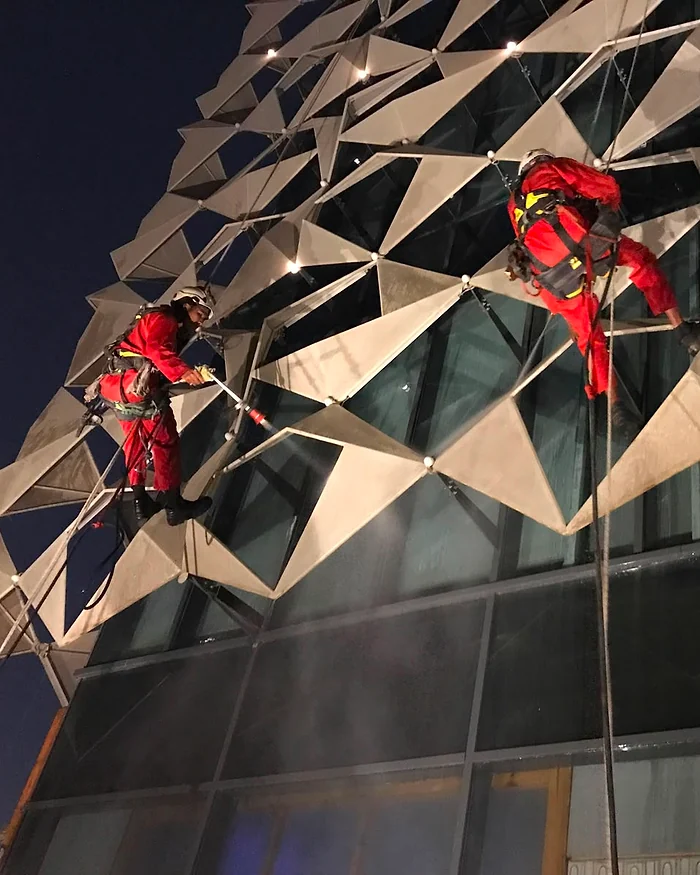
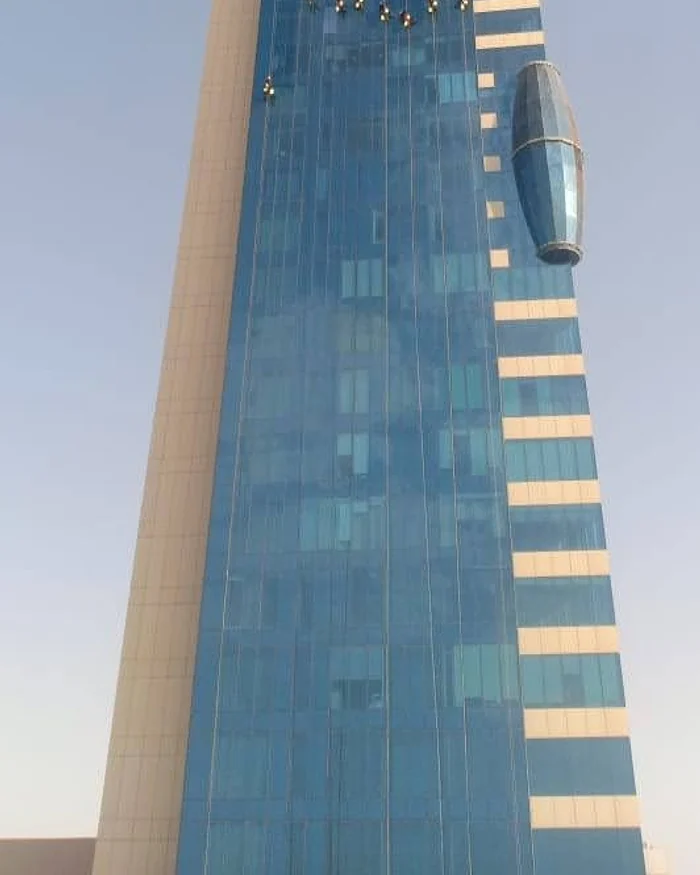
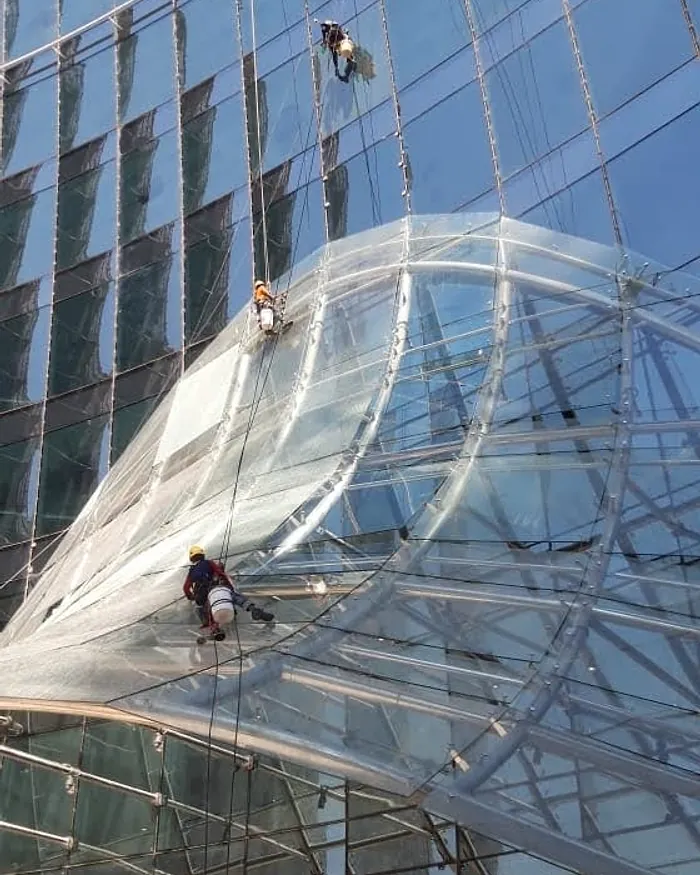
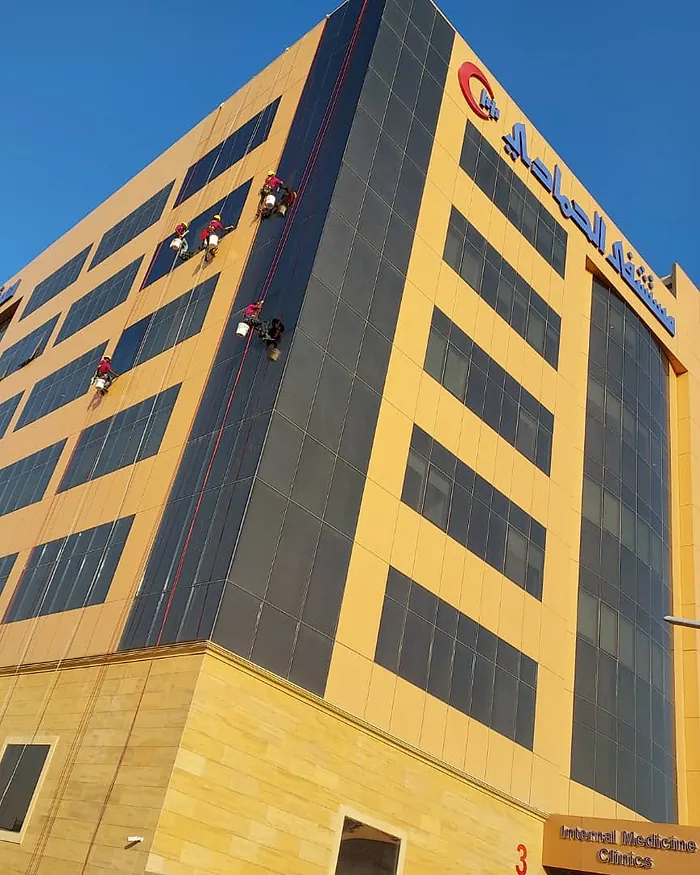
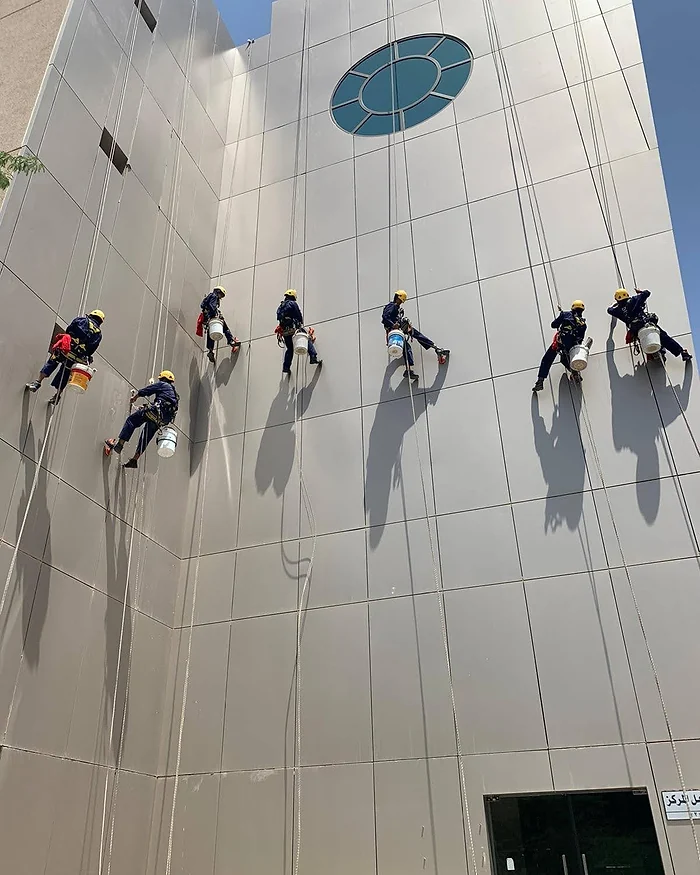
Photos from our team's work.
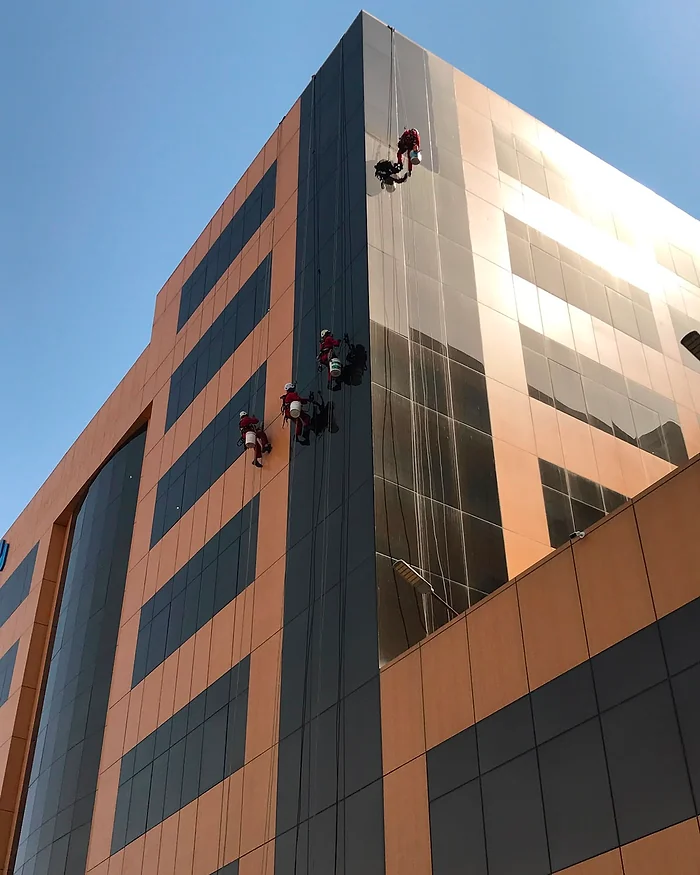
What is different about Riyadh Region
Riyadh Region covers the central Najd plateau from the capital out to Al Kharj, Al Majma'ah, Al Zulfi, Dawadmi, Al Quwaiiyah and Wadi Al Dawasir. The climate is dry, with fierce summer heat, cool winters and spring dust storms carried off the Dahna sands to the east and the Nafud beyond Al Zulfi. The capital's glass towers and cladding sit alongside stone and marble villas, mosques and government buildings in the towns, with farms and palm groves around Al Kharj and the southern wadis. Fine dust abrades polished floors, and the hard groundwater leaves stubborn spotting on glass and stone.
Other services in Al-Kharj
The room and the building around it are on one list.