
Raghwat Al Janoub Maintenance and Cleaning
Marble grinding and crystallisation in Ad Dilam
Ad Dilam is a historic town southeast of Riyadh on a plain surrounded by sand dunes to the east and hills to the west, built around a restored ancient wall and tower and heritage township, containing deep historical settlement traces. Its stone and marble floors carry both historical weight and desert environment exposure, requiring treatment that respects historical significance while protecting the surface.
Why grinding beats a surface polish
-

Shine from the stone, not a layer
A surface polish shines for the first week, then flakes off at the doors and busy walkways.
-

Scratches removed, not hidden
Deep scratches and sunken stains do not wipe away, because they sit inside the stone.
-

A surface that resists Riyadh dust
Central Saudi dust is fine, mineral and constant, and it grinds against a soft polish all day until the shine dulls.
-
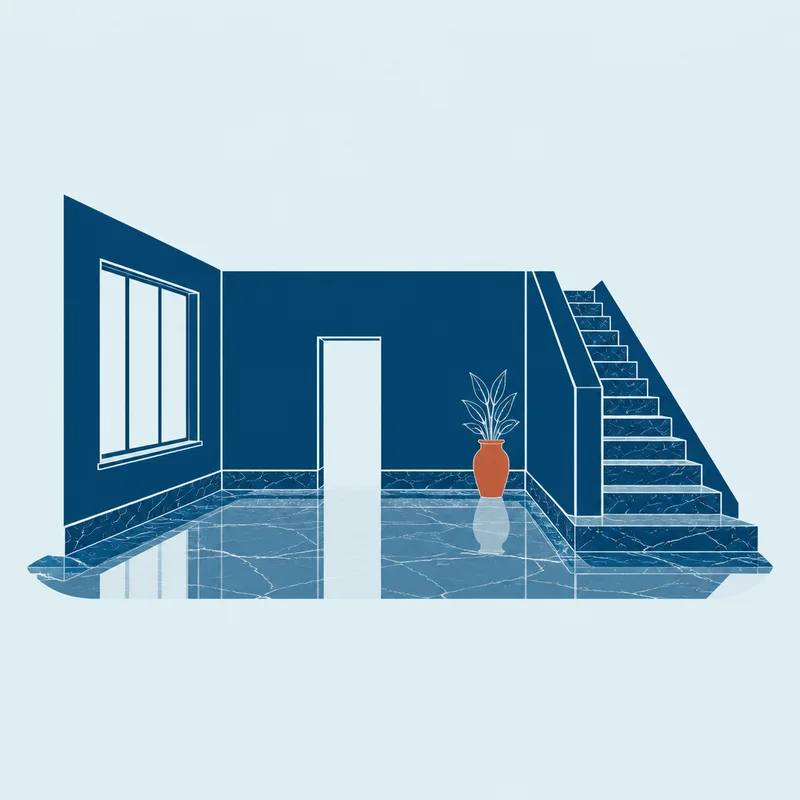
Edges and skirtings matched
Many floor jobs leave the corners and skirtings dull, so the edge of every room gives the work away.
Why the job is different in Ad Dilam
Ad Dilam's historic and modern buildings have floors bearing centuries of use and mixed desert dust with sand from both dunes and hills, making each polish job unique based on the old floor's condition. The whole method is set out in our notes on marble grinding and crystallisation.
-
Historic town around ancient wall and tower
Ad Dilam is a historic town built around an old wall and tower with a restored heritage township and deep archaeological site, so stone floors carry historical and civilisational weight, needing crystallisation that respects that value without harming old stone.
-
Sand dunes to the east and hills to the west
Ad Dilam's position between sand dunes to the east and hills to the west means floors face two different sand and dust types, each with slightly different absorption and drying properties, so cleaning must account for that variation.
-
Mixed government, tourism and heritage use
Ad Dilam is a government town with a restored old market and archaeological site that draws visitors, so use mixes daily staff movement with historical tourist traffic, each leaving different traces on the floor.
What's Included
Ad Dilam sits on a plain with sand dunes to the east and hills to the west, so its floors are exposed to winds carrying sand from both environments, each with slightly different properties.
-
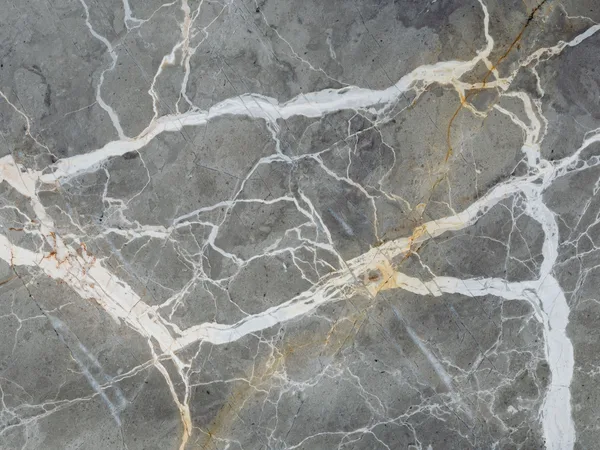
The stone type and its condition read
Historic buildings in Ad Dilam carry civilisational weight, so initial inspection focuses on old stone condition and any weakness or cracks.
-
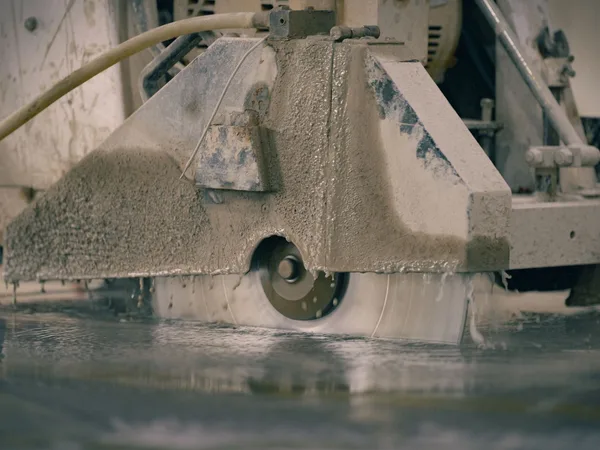
Coarse grinding to take out the scratches
Sand from dunes and hills are two different types, so initial cleaning uses multi-stage methods to remove both together.
-
Stepped through to the fine pads
Old stone needs very gentle crystallisation treatment that respects historical features and does not remove any old carvings or marks.
-
Crystallisation for a hard surface
Nearby archaeological site increases fine dust particles, so cleaning takes longer before polishing starts.
-
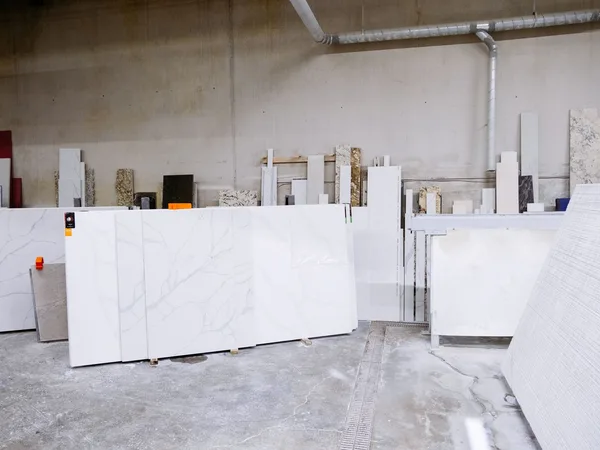
Edges and skirtings
Government and tourism buildings see different use, but maintenance afterwards is unified and focused on preserving old floors.
-
A final seal on the pores
Post-polish maintenance programme is very simple and safe for old stone: light regular cleaning and avoiding harsh materials.
Ad Dilam on the map
Ad Dilam sits about 49.5 km from Al-Kharj and about 65.5 km from Hawtat Bani Tamim.
Open in Google MapsHow we work
Survey the floor
Prepare the space
Grind and crystallise
Clean up and hand over
Some of our work
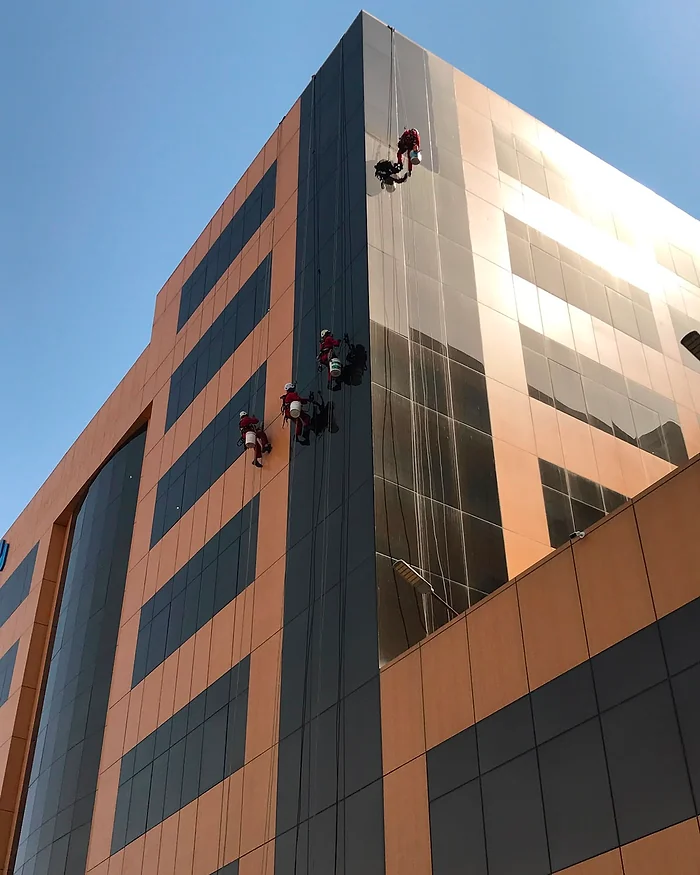
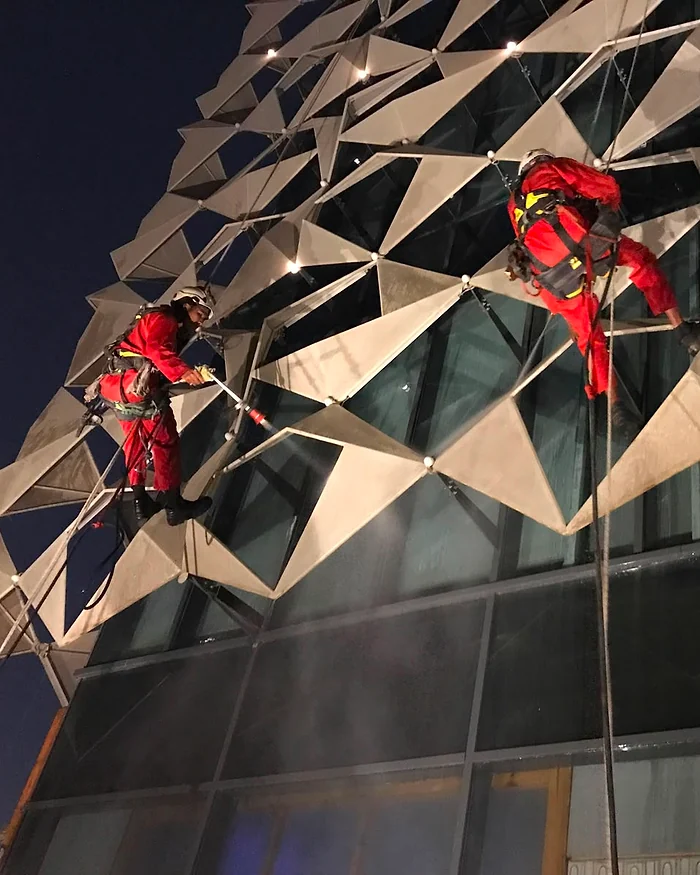
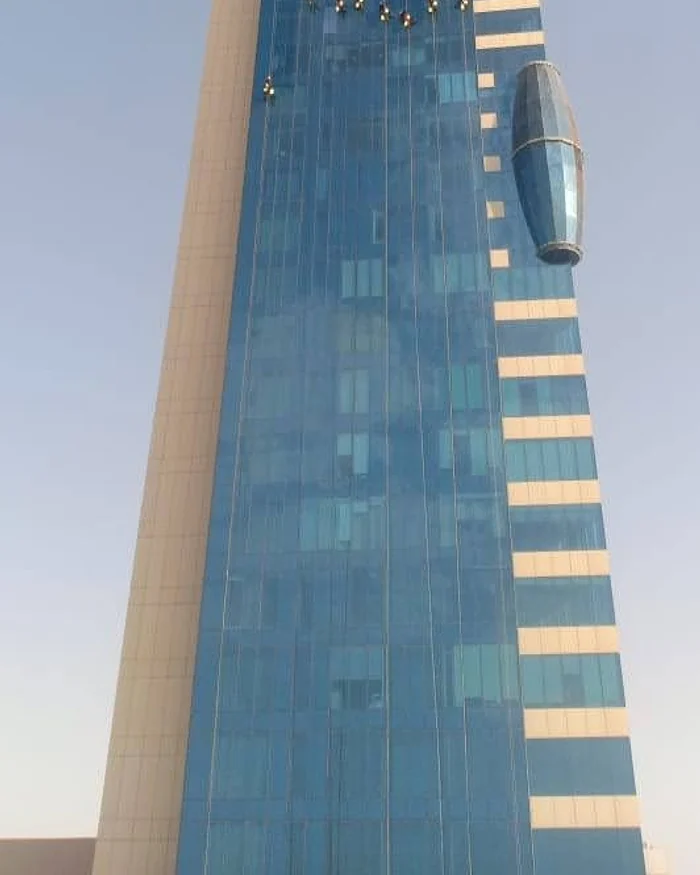
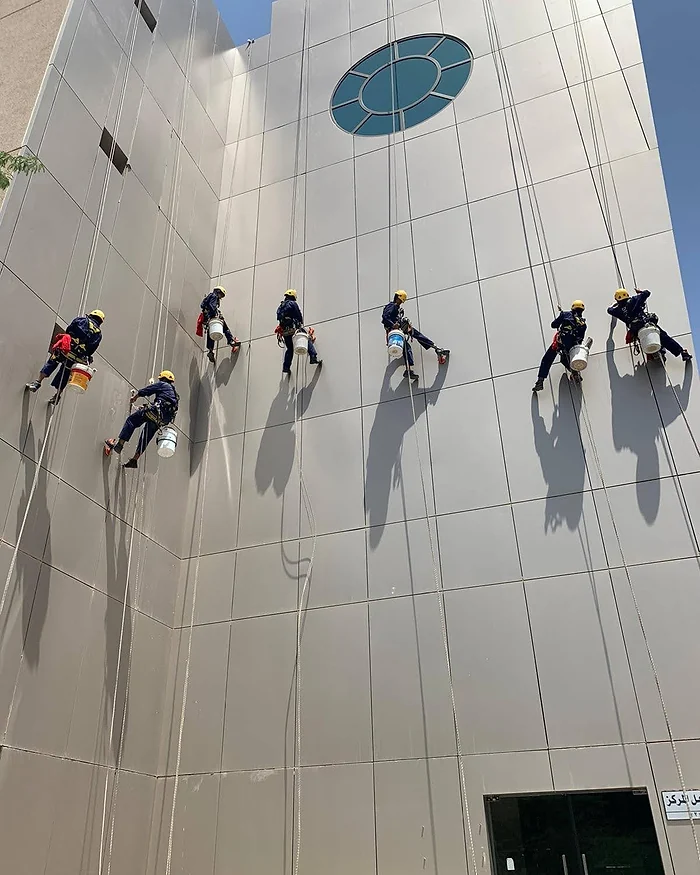
Photos from our team's work.


What is different about Riyadh Region
Riyadh Region covers the central Najd plateau from the capital out to Al Kharj, Al Majma'ah, Al Zulfi, Dawadmi, Al Quwaiiyah and Wadi Al Dawasir. The climate is dry, with fierce summer heat, cool winters and spring dust storms carried off the Dahna sands to the east and the Nafud beyond Al Zulfi. The capital's glass towers and cladding sit alongside stone and marble villas, mosques and government buildings in the towns, with farms and palm groves around Al Kharj and the southern wadis. Fine dust abrades polished floors, and the hard groundwater leaves stubborn spotting on glass and stone.
Other services in Ad Dilam
The room and the building around it are on one list.