Raghwat Al Janoub Maintenance and Cleaning
Building facade cleaning in Khobar
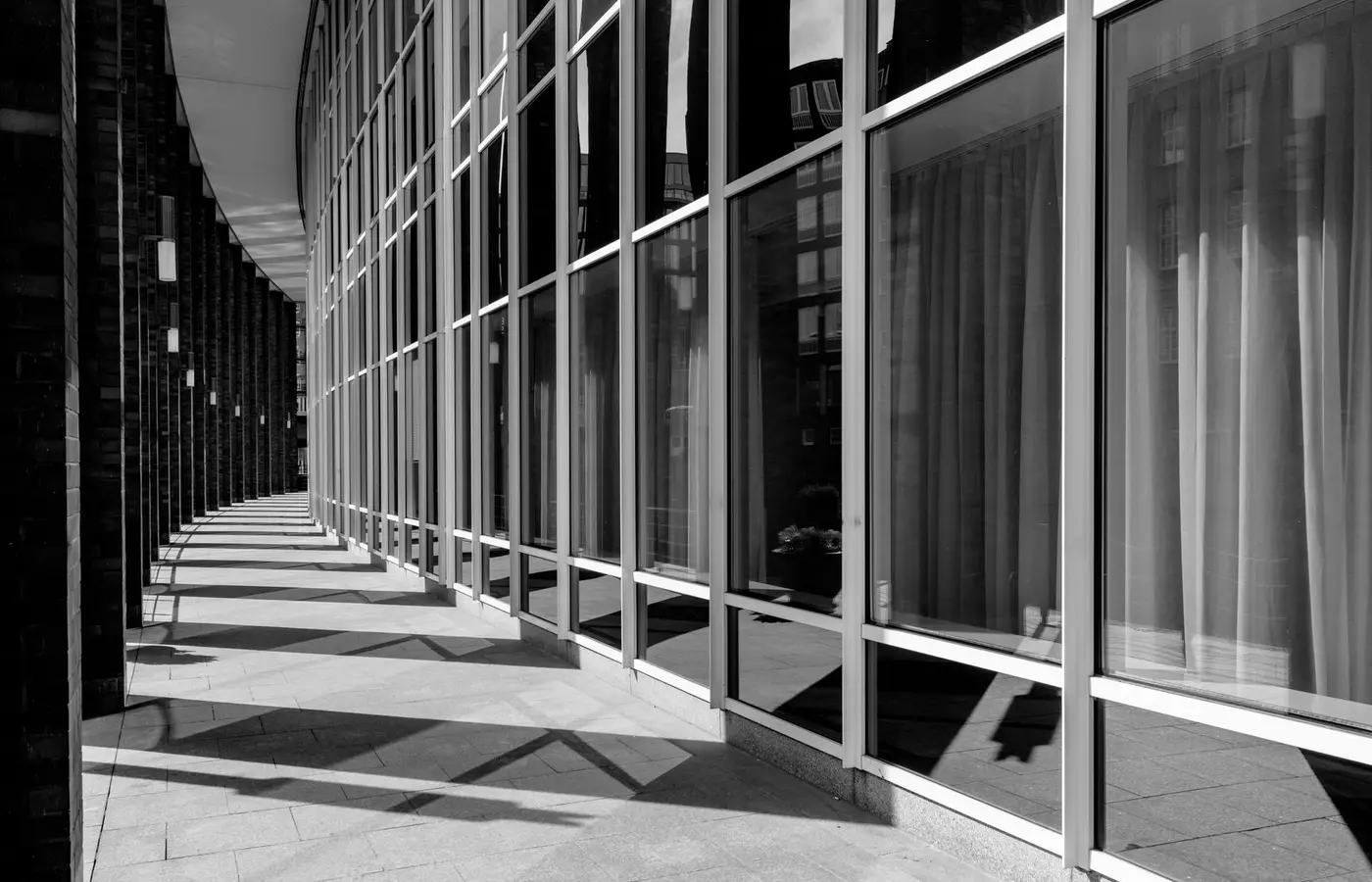
Khobar is a dense Gulf city built around a long corniche, and warm salt laden air and summer haze leave a sticky film on glass towers, waterfront apartments and metal cladding fast. Refinery and petrochemical dust from Jubail and Ras Tanura adds a fine grey grime that ages buildings visibly within weeks.
Why a facade needs regular cleaning
-
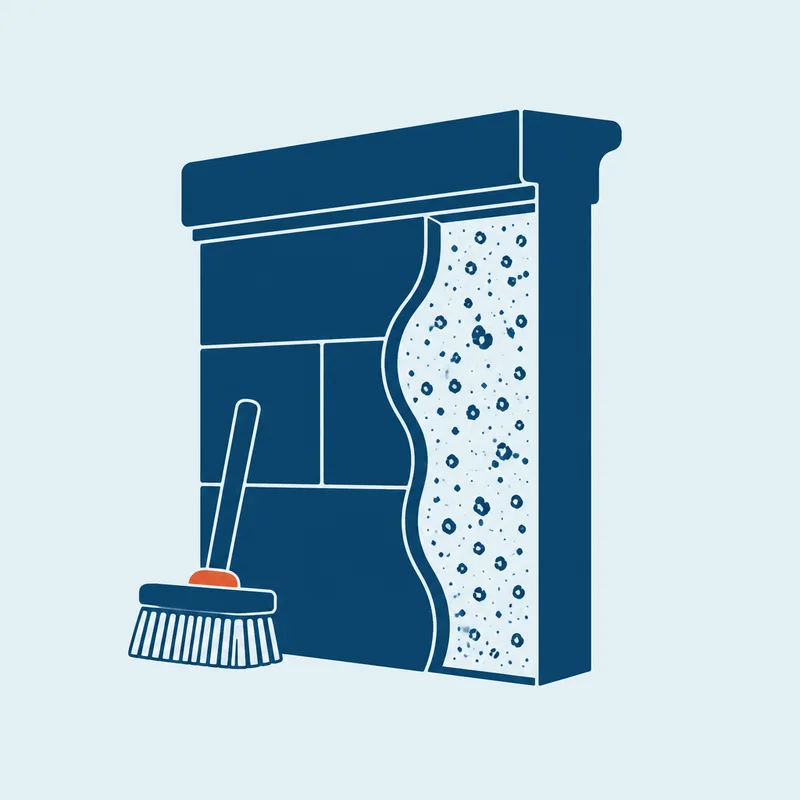
The surface is protected
The wrong product costs more than the dirt it removes.
-
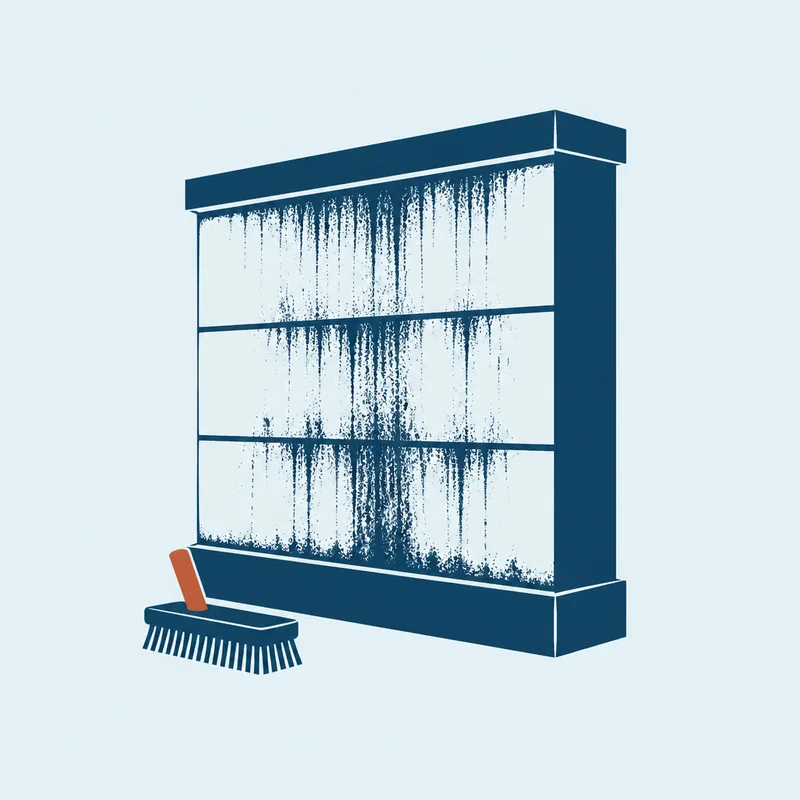
Access decided on site
We do not pick the access method from an office.
-

Glass stays clear
Calcium scale on glass turns into permanent etching if it is left.
-

The building keeps running
We plan the access and the working hours around how the building is used through the day, and we protect the ground, the entrances and anyone passing below.
Why the job is different in Khobar
Summer haze leaves sticky dew on glass until midday. Tall glass towers take refinery dust and salt at higher concentration than low rise buildings because of wind patterns. The whole method is set out in our notes on building facade cleaning.
-
Warm salt laden air and sticky summer haze
Gulf warm air saturates with salt and humidity. Summer haze leaves a sticky film on glass towers and waterfront facades. Tall towers accumulate salt and dust at higher concentration. Cleaning is frequent and post cleaning protection is short lived.
-
Fine grey dust from refinery and petrochemical fallout
Jubail and Ras Tanura lie directly north. Summer northerly winds carry refinery dust so fine it penetrates micro crevices and leaves deep grey layer. Standard cleaners cannot remove it and need strong pH-neutral products instead.
-
Marble and metal surfaces that dull and corrode rapidly
White marble turns grey within weeks. Metal loses lustre and begins to rust. Aluminium frames corrode quickly. Metal cladding wears through its coating. Regular preventive cleaning matters more than post cleaning protection.
What's Included
The Eastern Province is the most humid part of the country. Warm salt laden air deposits sticky residue on glass and cladding. Refinery dust adds a cumulative grey layer that dulls surfaces.
-
Roof survey and anchor points
Roof anchors on the corniche need strong inspection for salt corrosion and drainage. Metal fixings in tall towers need routine verification of rust and load bearing.
-
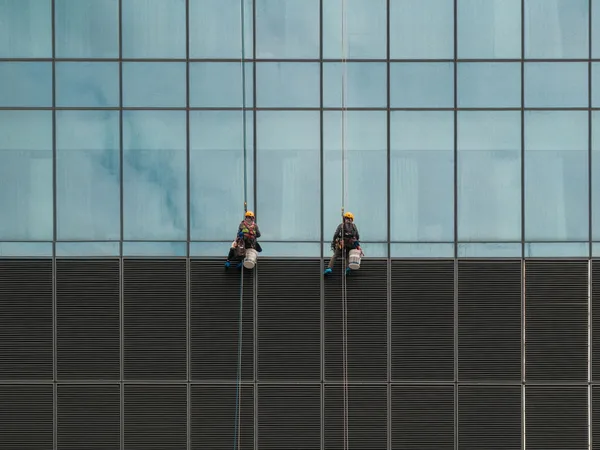
Access chosen: rope or powered
Rope access is safe from strong sea winds. Powered access may not reach extreme heights. Seaward facing anchor points need very strong verification.
-
A test patch before the whole elevation
Glass is tested for one day only. Salt and dust return quickly. Stone is tested for two days. Metals are tested for rust over one week.
-
Glass and curtain walling
Glass is the priority. Salt crust and dust obscure views within days. Rinsing with fresh water is essential and salt water leaves white stains.
-
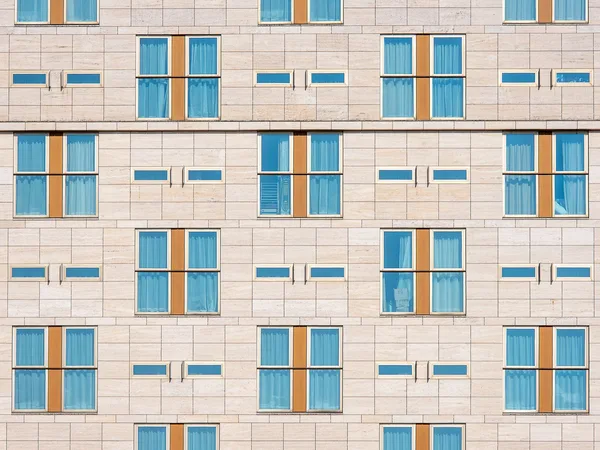
Cladding and stone, pH-neutral
Metal cladding needs post-cleaning protection but it lasts briefly. Stone and marble need pH-neutral products. Metals need rust protection coating.
-
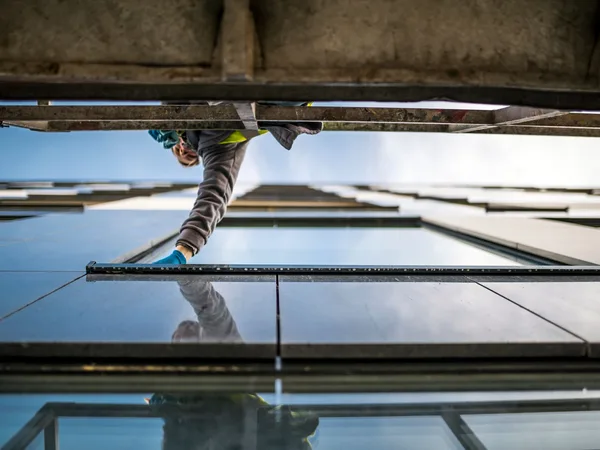
Ground and passers-by protected
Ground near the corniche absorbs salt water quickly. Foot traffic is heavy so protection barriers are critical. Sea winds push spray upward onto pedestrians.
Khobar on the map
Khobar sits about 5.5 km from Dhahran and about 19.5 km from Dammam.
Open in Google MapsHow we work
Survey from the roof
Choose access and products
Wash top to bottom
Inspect and hand over
Some of our work
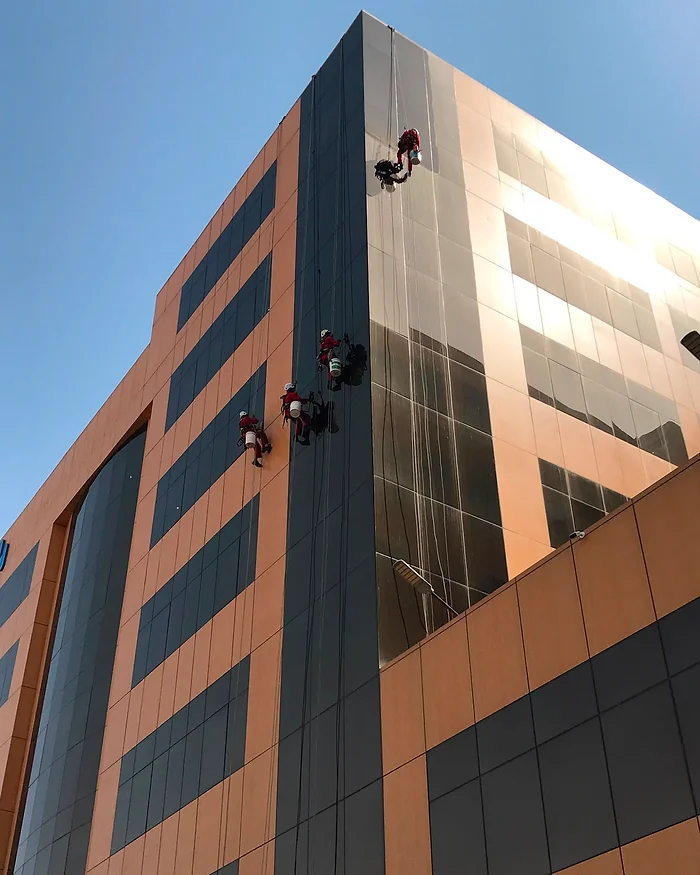
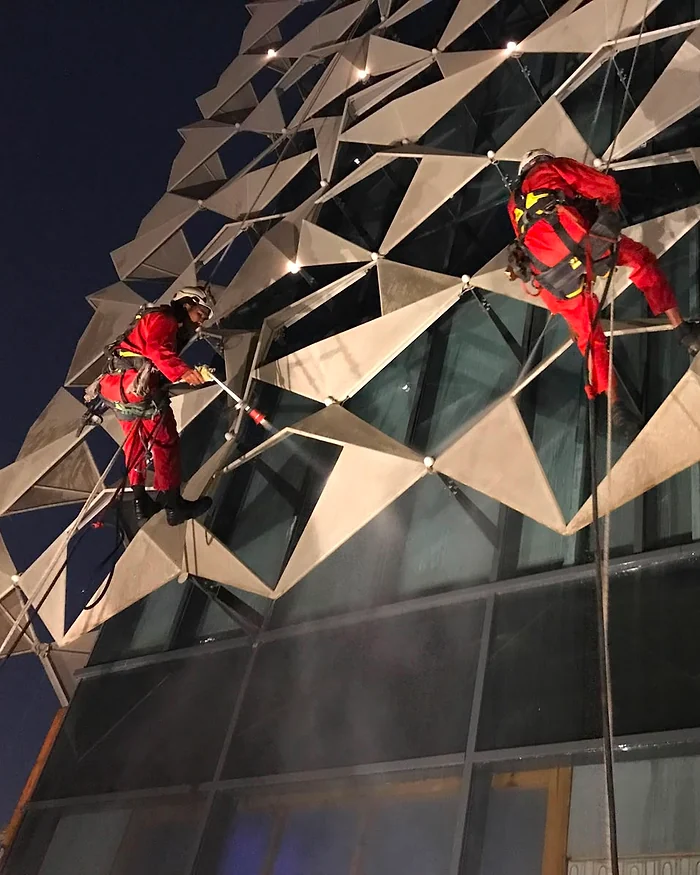
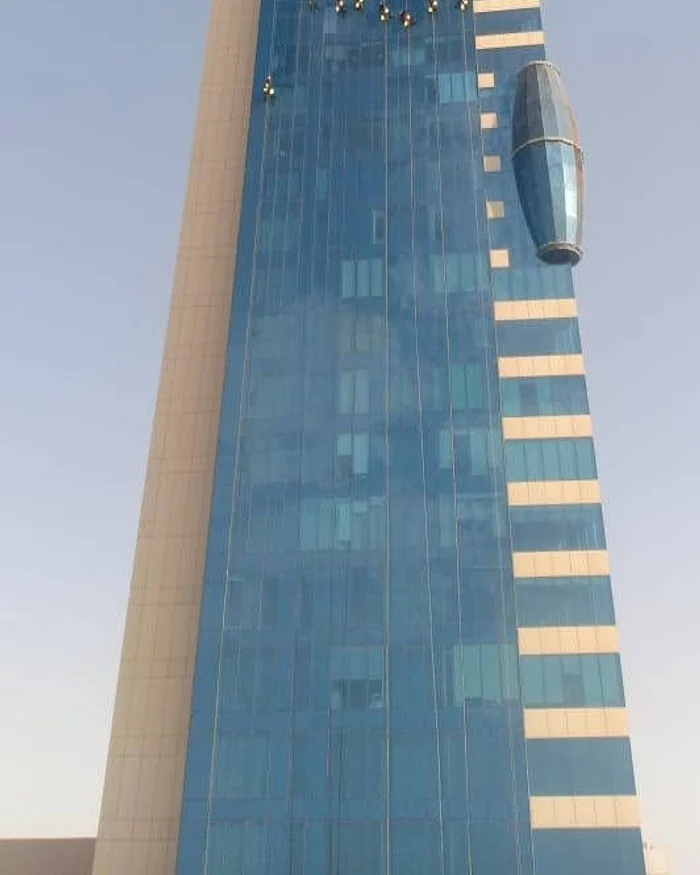
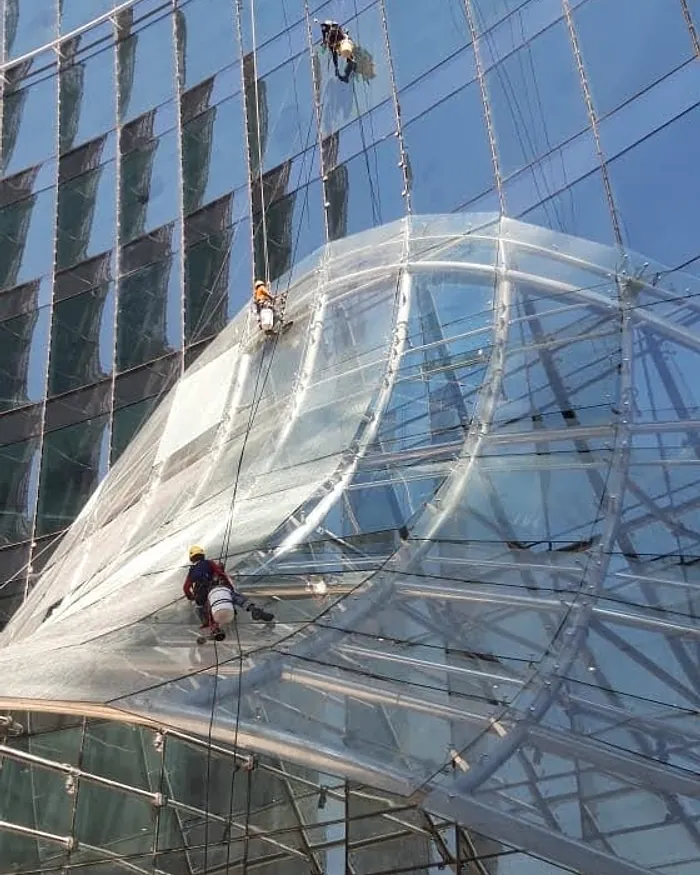
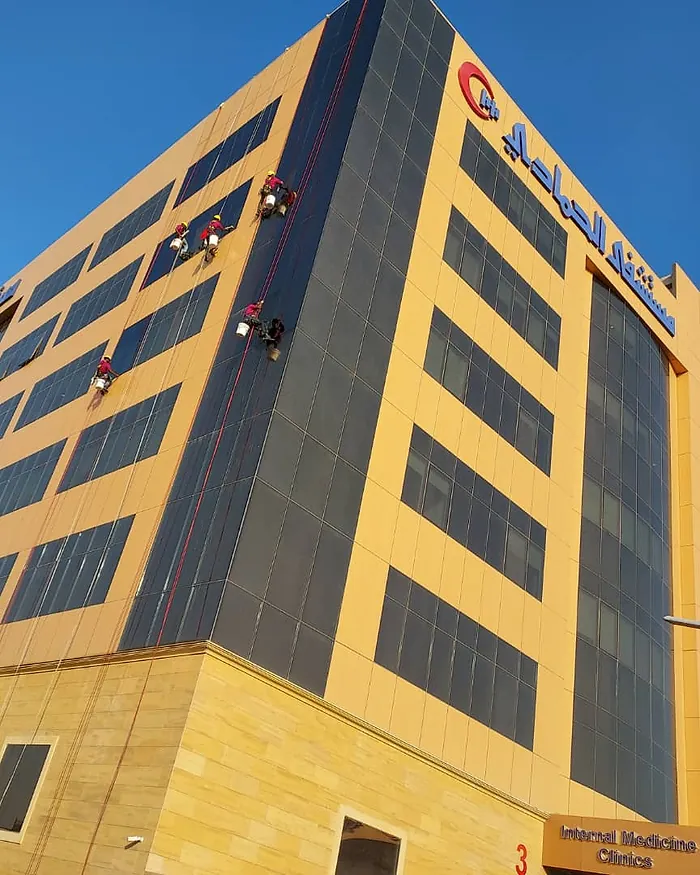
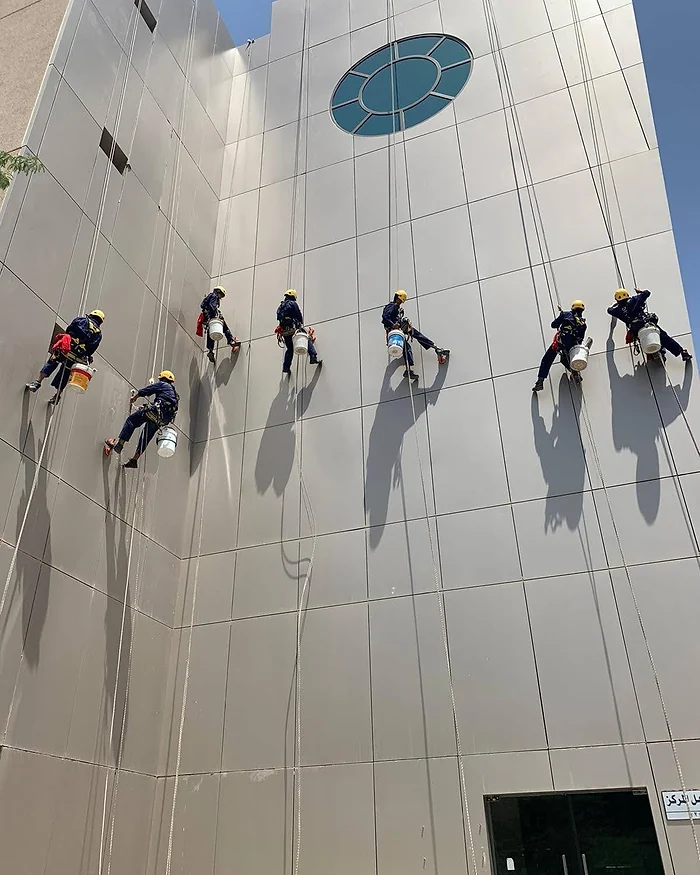
Photos from our team's work.
What is different about Eastern Province
The Eastern Province is the most humid part of the country. Dammam, Khobar, Dhahran and Jubail face the Gulf, where warm salt laden air and summer haze leave a sticky film on glass towers, corniche apartments and the cladding of Aramco and industrial housing, and refinery and petrochemical fallout at Jubail and Ras Tanura adds a fine grey grime. Al Ahsa is an oasis of palm groves, springs and older stone and mud quarters around Hofuf, while Hafr Al Batin inland is dry and swept by northern shamal dust. Metal fittings corrode and marble dulls quickly near the water.
Other services in Khobar
The room and the building around it are on one list.