Raghwat Al Janoub Maintenance and Cleaning
Building facade cleaning in Al-Majmaah
Al-Majmaah is a small city in a rocky mountainous part of central Najd, mixing modern villa neighbourhoods and government buildings with older mud and stone quarters below a hilltop fortress. Seasonal dust storms and hard groundwater create different challenges than the dense urban areas of the capital. This setting sits on high rocky ground where water and dust interact differently.
Why a facade needs regular cleaning
-
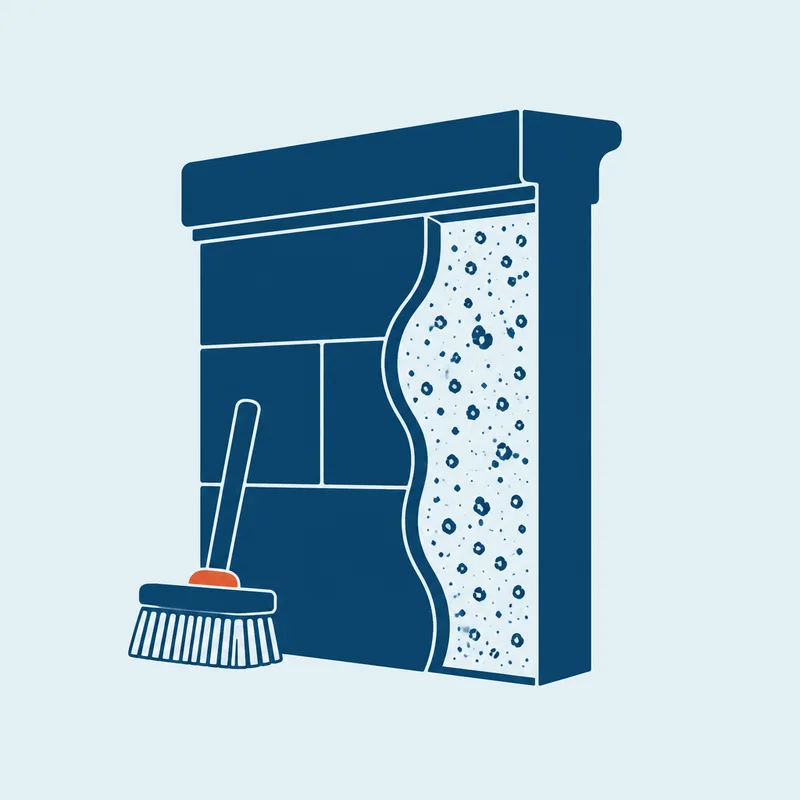
The surface is protected
The wrong product costs more than the dirt it removes.
-
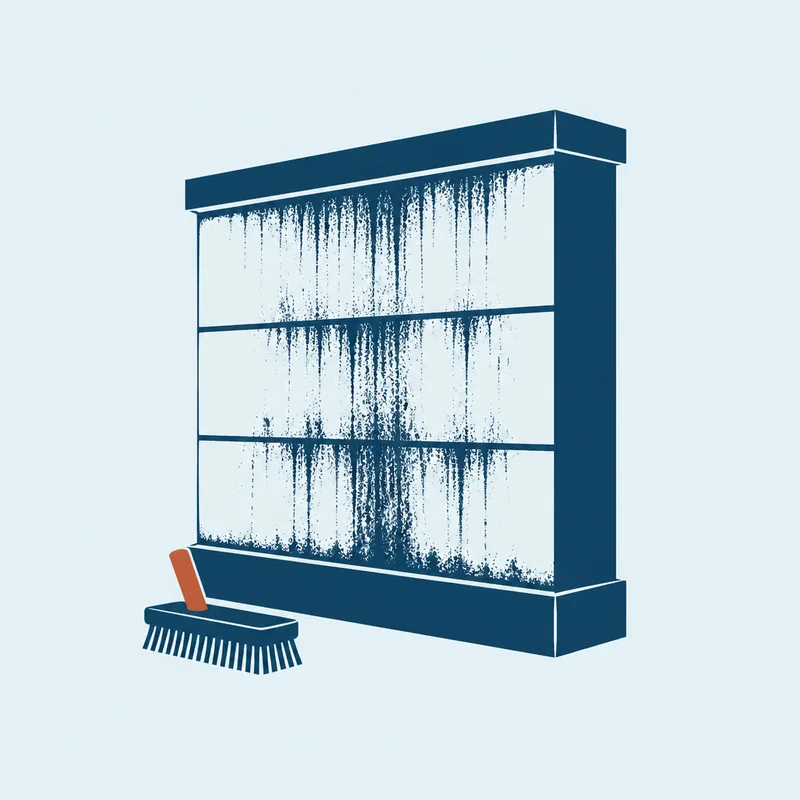
Access decided on site
We do not pick the access method from an office.
-

Glass stays clear
Calcium scale on glass turns into permanent etching if it is left.
-

The building keeps running
We plan the access and the working hours around how the building is used through the day, and we protect the ground, the entrances and anyone passing below.
Why the job is different in Al-Majmaah
Dust here is coarser than city dust, mixed with mineral salts from groundwater, creating a stubborn layer on glass and stone that does not wash off easily. The whole method is set out in our building facade cleaning guide.
-
Spring dust storms bring coarse dust and sand from the plateaus
Al-Majmaah faces intense spring dust storms from the Dahna sands eastward and sand dunes beyond. This dust is coarser and heavier than urban dust and works into every crack.
-
Very hard mineral-rich groundwater leaves thick white crust
Groundwater here is extremely mineral-rich, and irrigation and sprinklers leave dense white limescale on glass and stone. This crust hardens fast and becomes very difficult to remove once dry.
-
Old buildings beside new ones need entirely different treatment
Al-Majmaah mixes modern polished stone villas with old mud and rough stone quarters. Each type needs different products and handling methods.
What's Included
Al-Majmaah sits in rocky elevated terrain where seasonal dust storms arrive from the Dahna sands to the east and sand dunes beyond, and where groundwater is rich in minerals.
-
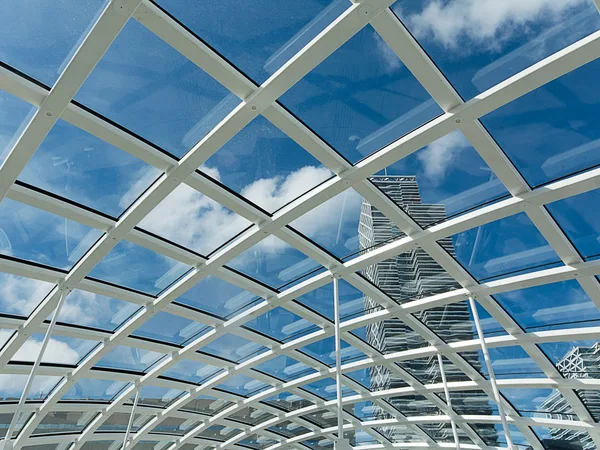
Roof survey and anchor points
Buildings on elevated rocky ground may have complex anchor points on natural rock or concrete, so we inspect them carefully before climbing.
-
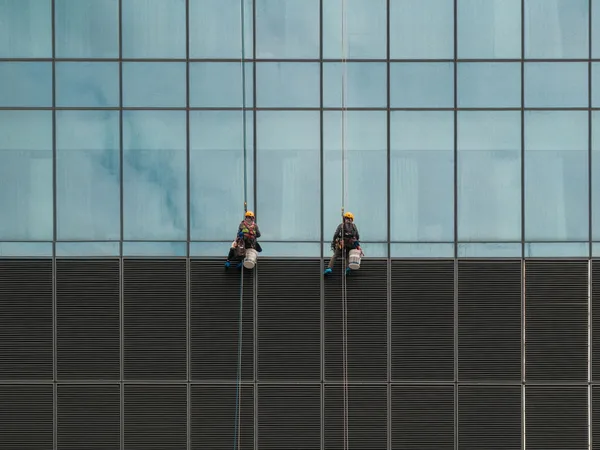
Access chosen: rope or powered
Strong winds in dry season and dust storms need heavy ropes and extra protection for climbing equipment.
-
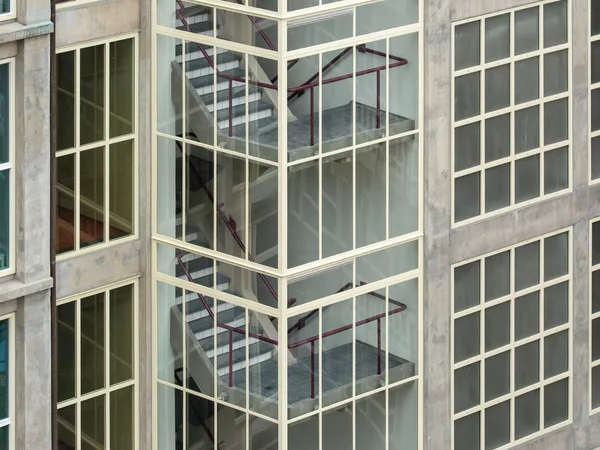
A test patch before the whole elevation
Coarse dust and thick mineral deposits need multi-method testing on different stone and glass types.
-
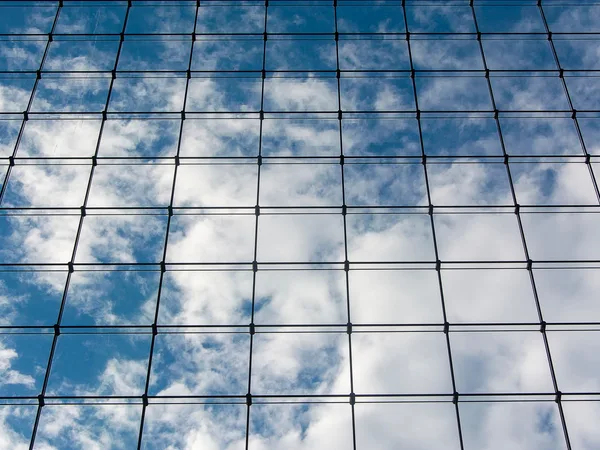
Glass and curtain walling
Modern and old glass need separate treatment: modern may tolerate stronger products, old needs greater gentleness.
-
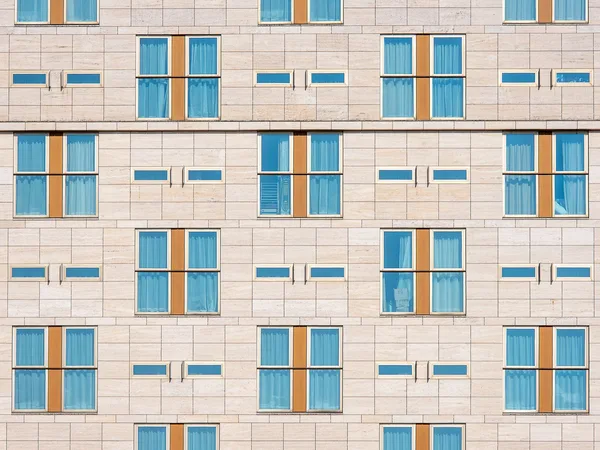
Cladding and stone, pH-neutral
Polished and raw stone need entirely different products. Raw stone is more sensitive.
-
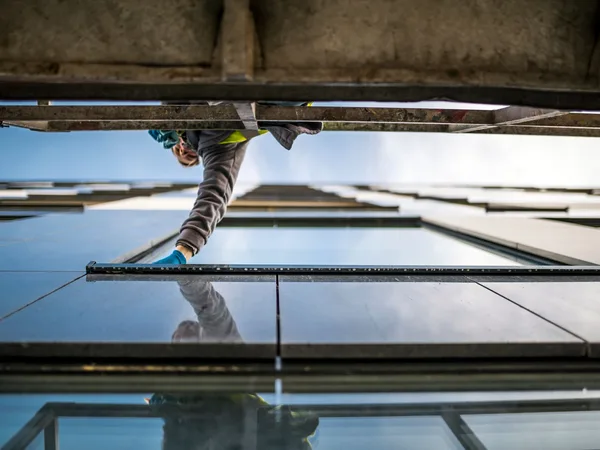
Ground and passers-by protected
Surrounding ground is rocky and often dry, but water drainage may create mud flow if subsurface soil is damp.
Al-Majmaah on the map
Al-Majmaah sits about 44 km from Al Ghat and about 72.5 km from Az-Zulfi.
Open in Google MapsHow we work
Survey from the roof
Choose access and products
Wash top to bottom
Inspect and hand over
Some of our work
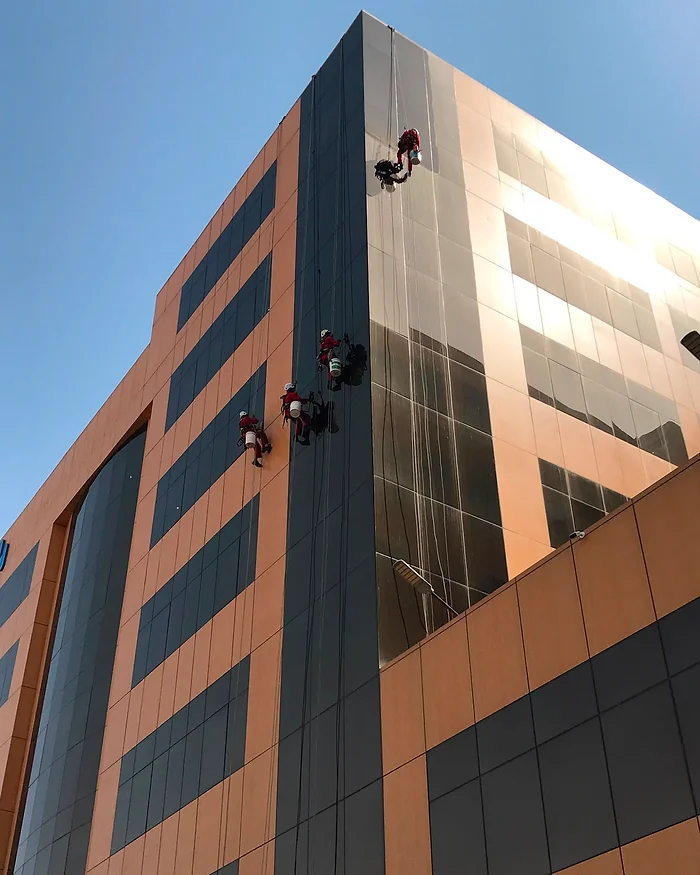
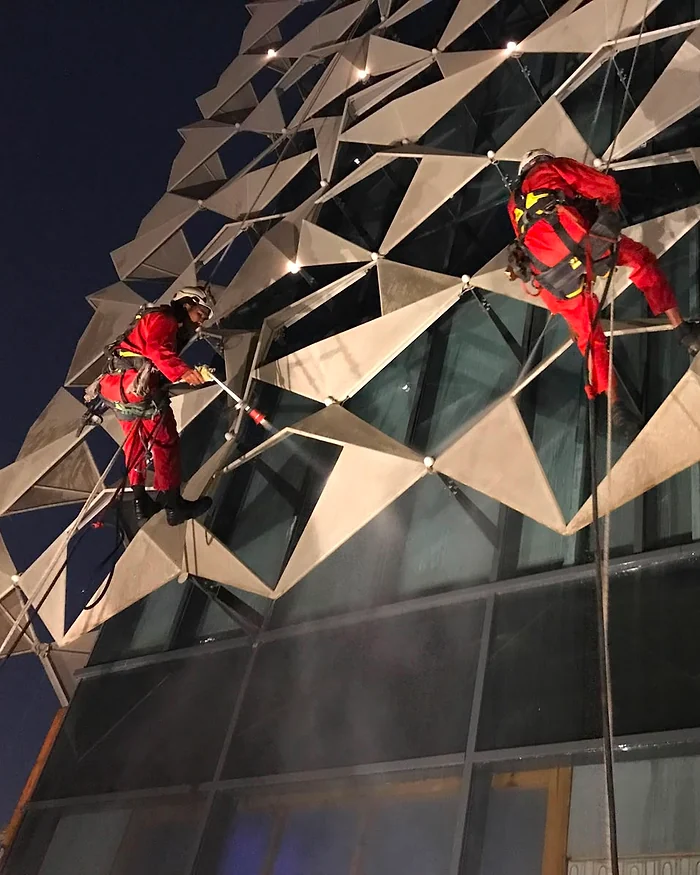
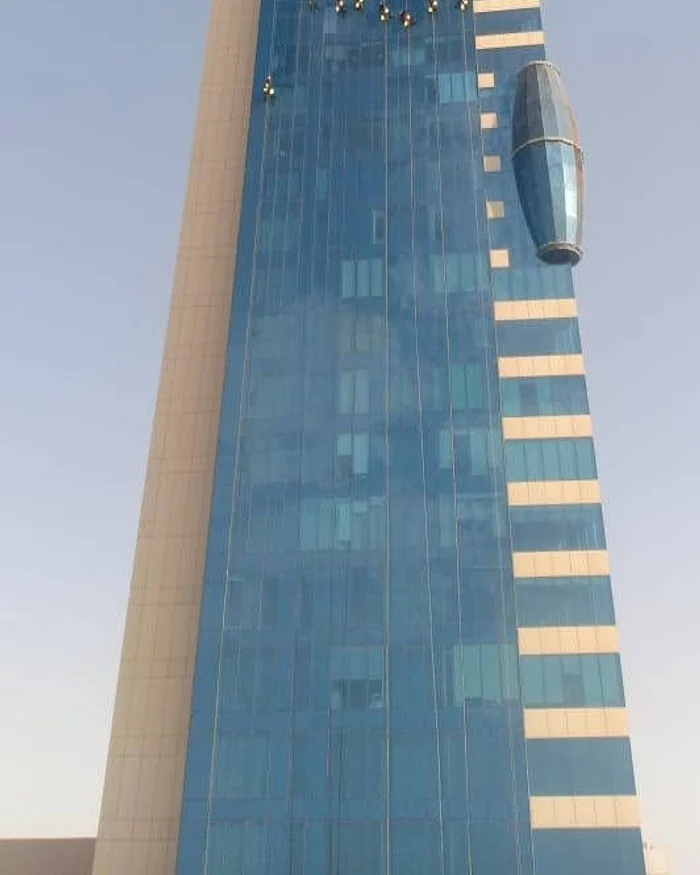
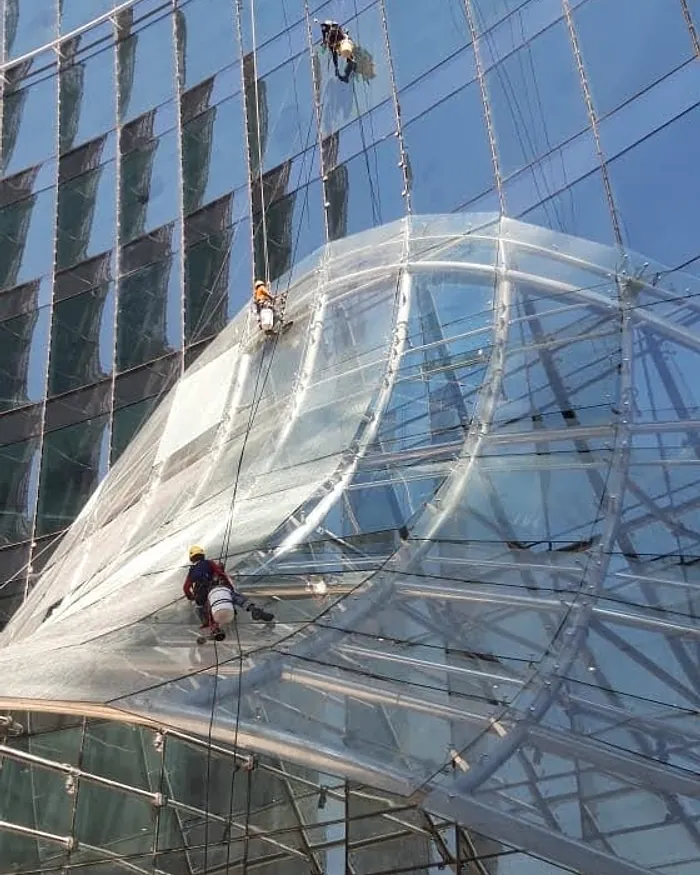
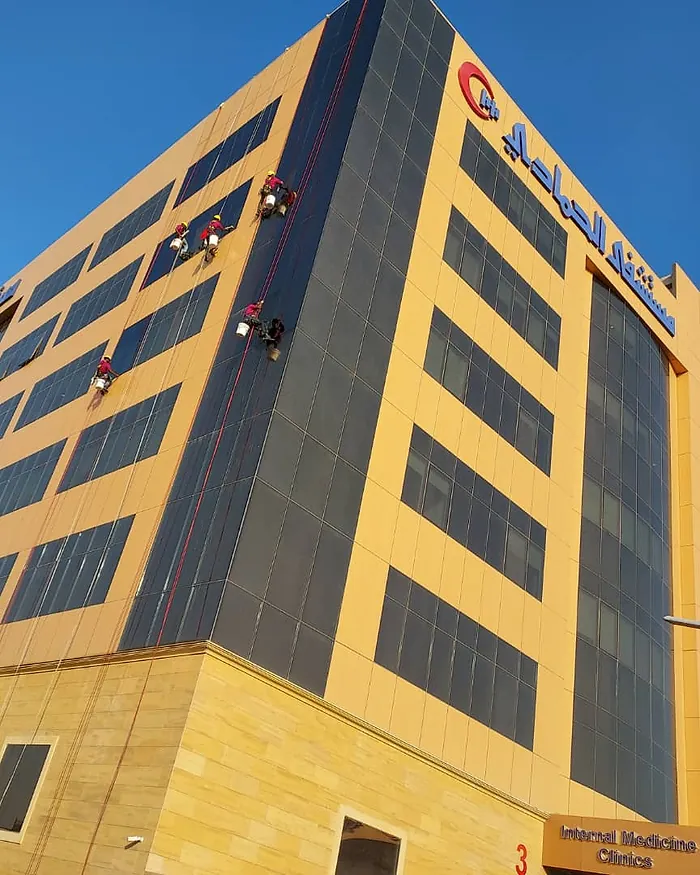
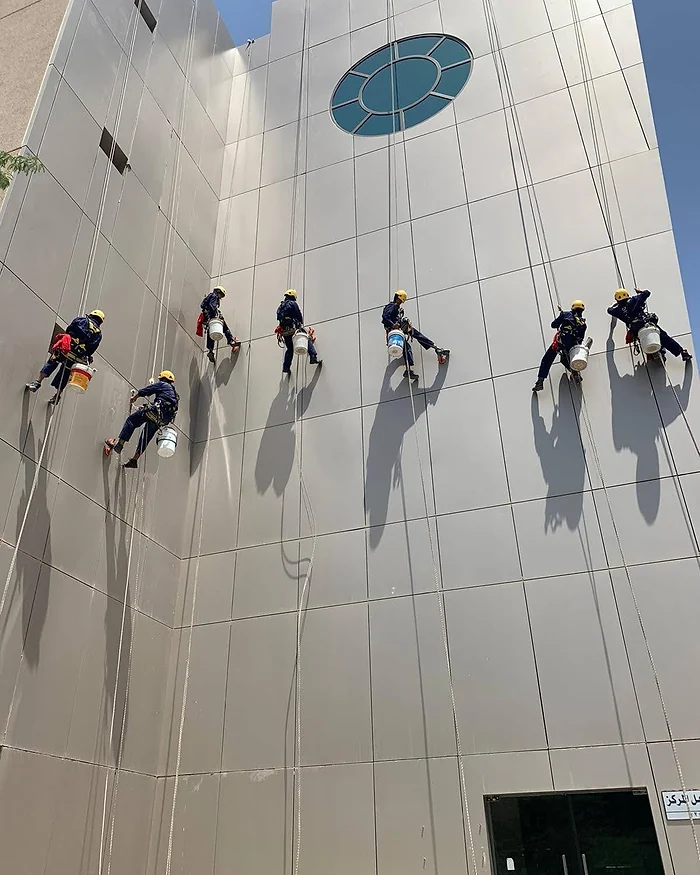
Photos from our team's work.
What is different about Riyadh Region
Riyadh Region covers the central Najd plateau from the capital out to Al Kharj, Al Majma'ah, Al Zulfi, Dawadmi, Al Quwaiiyah and Wadi Al Dawasir. The climate is dry, with fierce summer heat, cool winters and spring dust storms carried off the Dahna sands to the east and the Nafud beyond Al Zulfi. The capital's glass towers and cladding sit alongside stone and marble villas, mosques and government buildings in the towns, with farms and palm groves around Al Kharj and the southern wadis. Fine dust abrades polished floors, and the hard groundwater leaves stubborn spotting on glass and stone.
Other services in Al-Majmaah
The room and the building around it are on one list.