Raghwat Al Janoub Maintenance and Cleaning
Building facade cleaning in Al Ghat
Al-Ghat is a compact historic town where buildings are built from aged mud brick and stone with narrow lanes between them, requiring different care from modern complexes. The structures here sit on irregular clay and stone foundations, and decorative elements are unlike those found in contemporary developments. Cleaning these facades demands knowledge of how to handle ancient stone without inflicting damage.
Why a facade needs regular cleaning
-
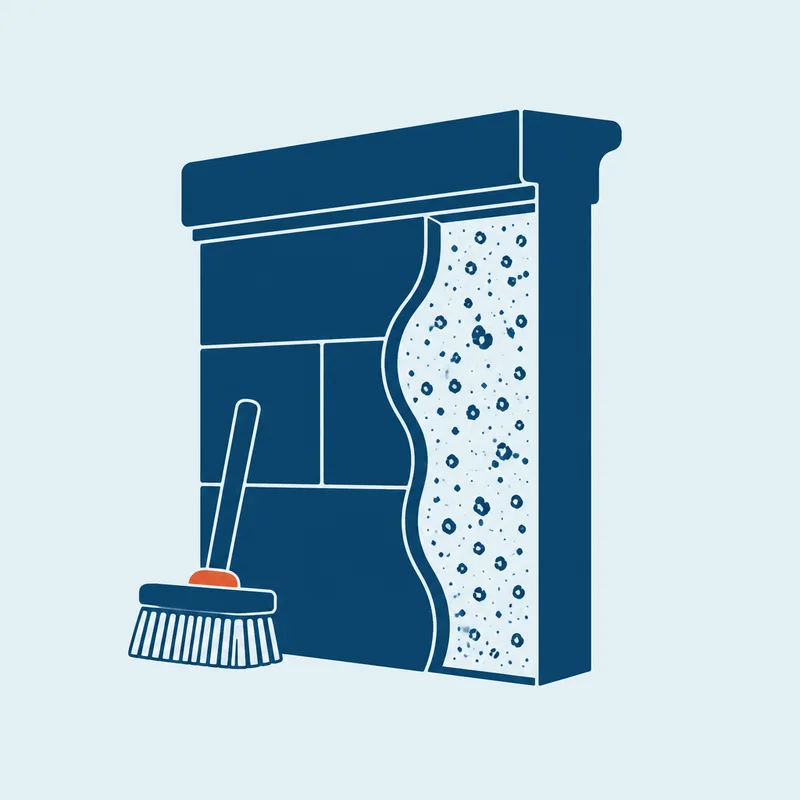
The surface is protected
The wrong product costs more than the dirt it removes.
-

Access decided on site
We do not pick the access method from an office.
-

Glass stays clear
Calcium scale on glass turns into permanent etching if it is left.
-

The building keeps running
We plan the access and the working hours around how the building is used through the day, and we protect the ground, the entrances and anyone passing below.
Why the job is different in Al Ghat
Mud brick stone here crumbles easily if strong chemicals or high pressure are applied, and the mortar binding the stones is more fragile than the stone itself. The whole method is set out in our building facade cleaning guide.
-
Mud brick stone requires a different approach
Mud brick stone in Al-Ghat is not solid like limestone or sandstone elsewhere. It absorbs water easily and decays from inside if left damp for too long. Cleaning must be gentle and fast-drying to protect the fabric of the building.
-
Aged mortar between stones is vulnerable
High pressure and mechanical stress pull mortar from between stones in heritage buildings. Soaking mortar then scrubbing it away hard leaves gaps that let water penetrate indoors. Low-flow cleaning from bottom to top shields the structure.
-
Permanent dampness breeds algae and mould
Walls facing shade and those near the spring stay damp year round, so algae and mould spread quickly. Removing mould requires pH-neutral products and thorough drying afterwards, or regrowth returns in weeks.
What's Included
Permanent spring water raises moisture levels around the old buildings, and narrow lanes restrict air flow between walls so dampness lingers longer than in open developments.
-
Roof survey and anchor points
The old buildings in Al-Ghat sit on irregular clay and stone foundations, and roofs may be uneven and unable to support heavy loads without architectural inspection first.
-

Access chosen: rope or powered
Narrow lanes and close-set buildings prevent large powered lifts, so we depend on ropes and manual handling with anchor points on the aged roofs, selected with extra care for load limits.
-
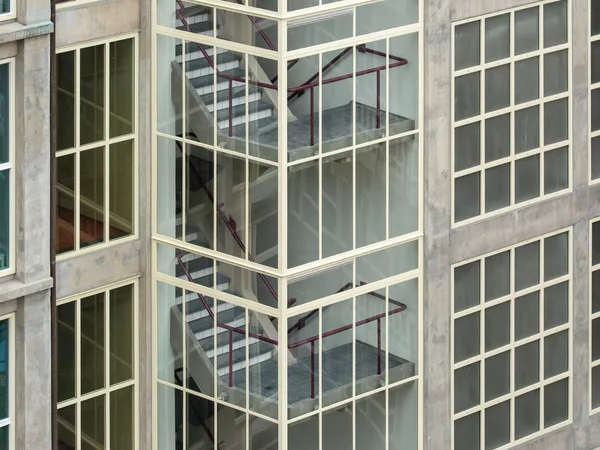
A test patch before the whole elevation
Testing mud brick on a small area before cleaning the whole wall is essential because stone reaction varies with depth and natural decay of the material beneath the surface.
-

Glass and curtain walling
Glass in heritage buildings is often uneven in thickness and brittle, so cleaning demands extra care and much lower pressure than modern window panes can withstand.
-

Cladding and stone, pH-neutral
Cladding is rare in Al-Ghat, but where it exists on modern additions the surrounding mud brick requires completely different treatment from the cladding panel itself.
-
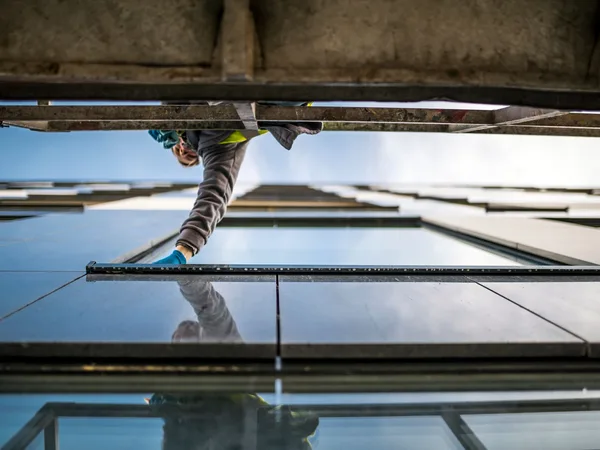
Ground and passers-by protected
Ground and pathways around the old buildings are narrow and perpetually damp, so protecting passers-by means clear barriers and continuous control of water flow away from the street.
The character of Al Ghat
Historic district: close-set buildings, narrow lanes and ageing services
A historic district means the stone and mortar may be over a hundred years old or much older. These materials were not tested against modern cleaners, so caution and initial testing is not optional but a legal and practical necessity before any work touches the facade.
How we work
Survey from the roof
Choose access and products
Wash top to bottom
Inspect and hand over
Some of our work
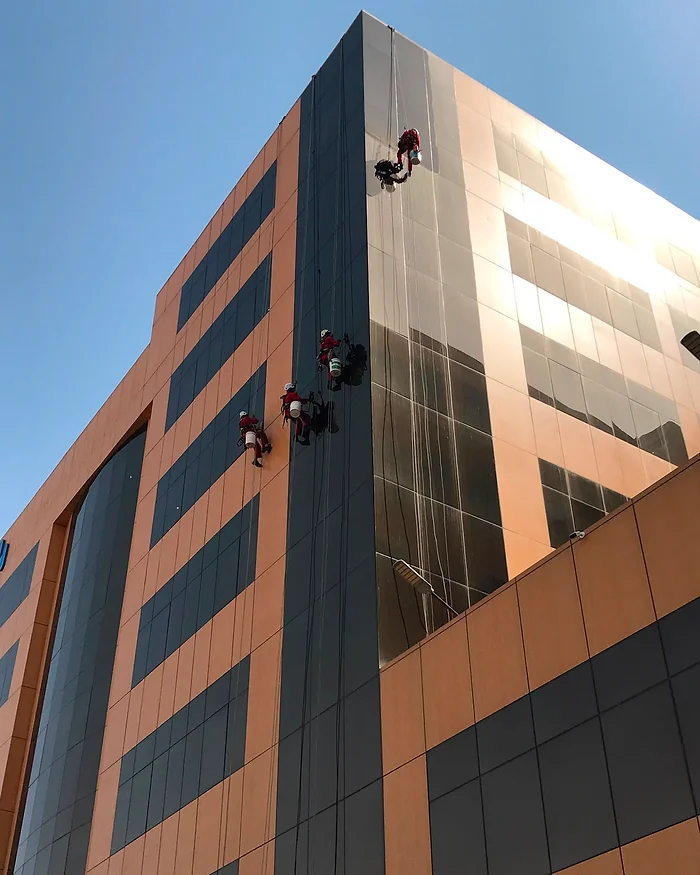
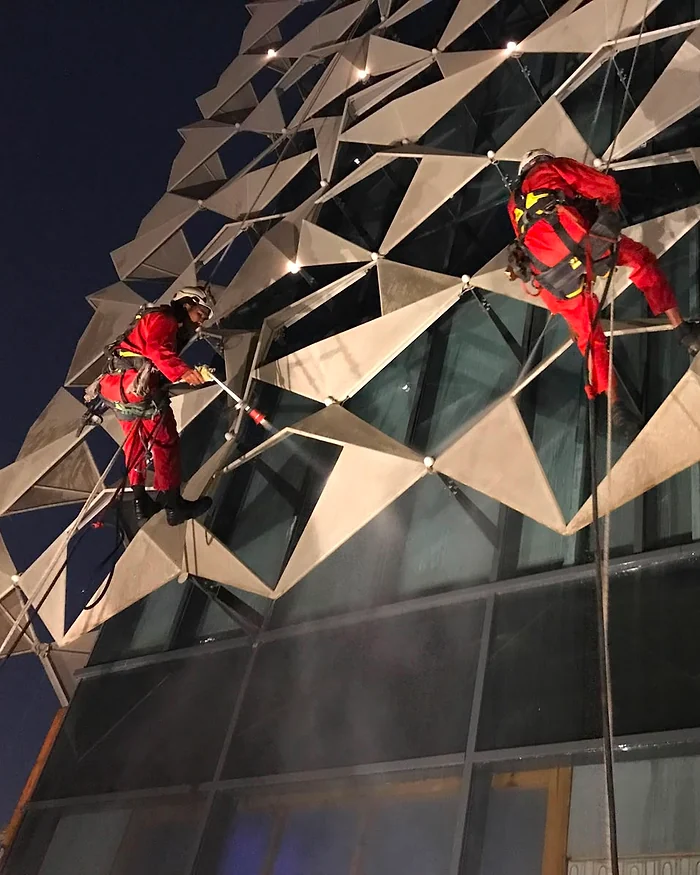
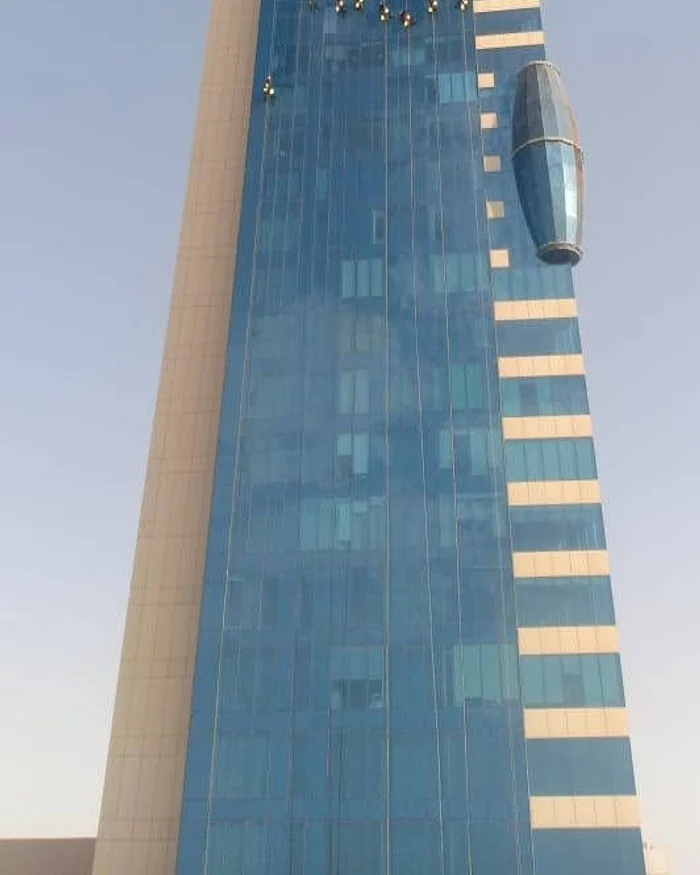
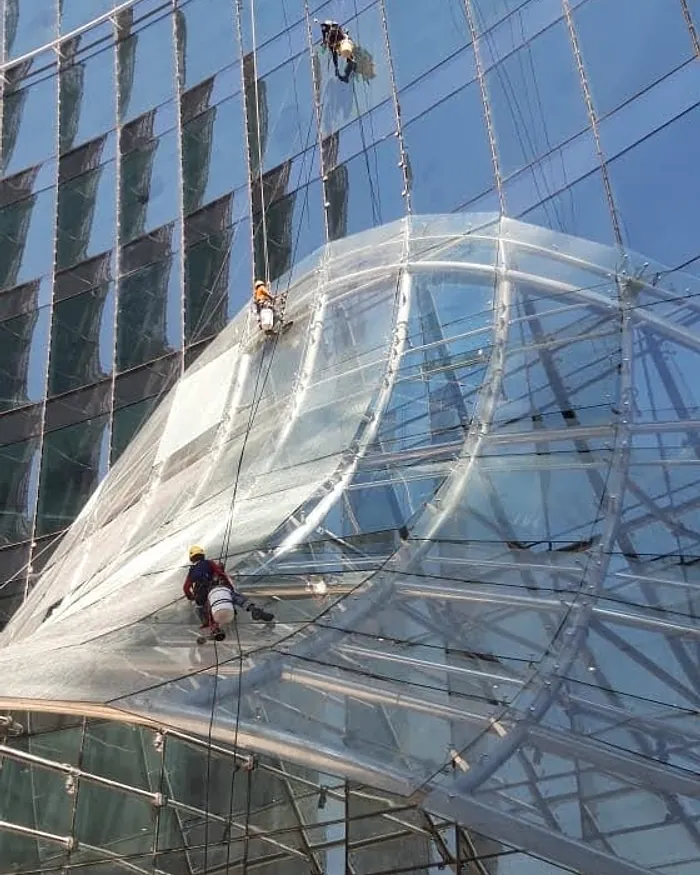
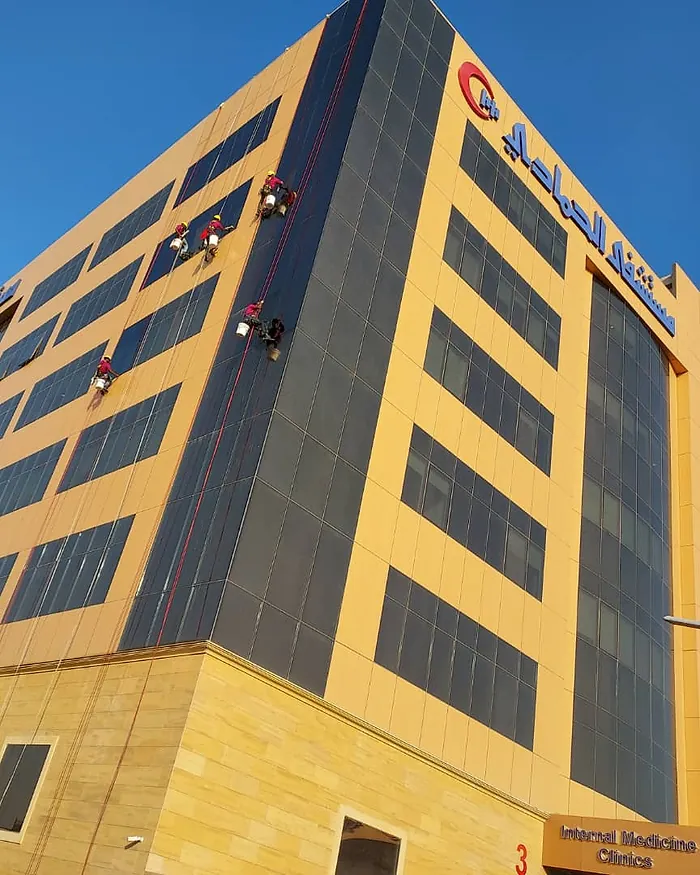
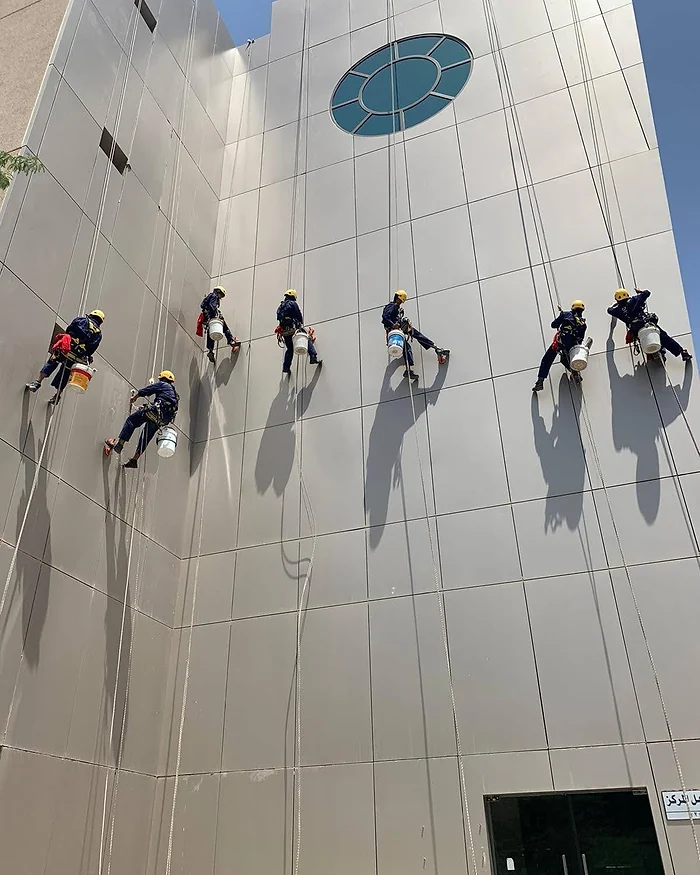
Photos from our team's work.
Landmarks of Al Ghat
The Emir's Palace and the heritage village under restoration sit at the heart of Al-Ghat's old quarter, so cleaning the buildings around them is coordinated to avoid disrupting visits and protecting the monuments from water damage during the work. The route to site passes near these landmarks, so access and equipment planning is scheduled around their location.
- Emir's Palace (Old Al-Ghat)
- Al-Qaltah Spring
- Al-Ghat Heritage Village
- Al-Rahmaniyah Library
Other services in Al Ghat
The room and the building around it are on one list.