Raghwat Al Janoub Maintenance and Cleaning
Building facade cleaning in Bariq
Bariq is a mountain and coastal plain town of several districts where modern housing surrounds a historic stone hilltop village with an old market, near wadis that flow year round through fertile farmland. The heritage village sits in a valley where humidity from below meets fog from above, keeping the old stone damp for weeks. Modern buildings on the hillsides face strong wind and lower humidity, but also carry salt from the near coast.
Why a facade needs regular cleaning
-
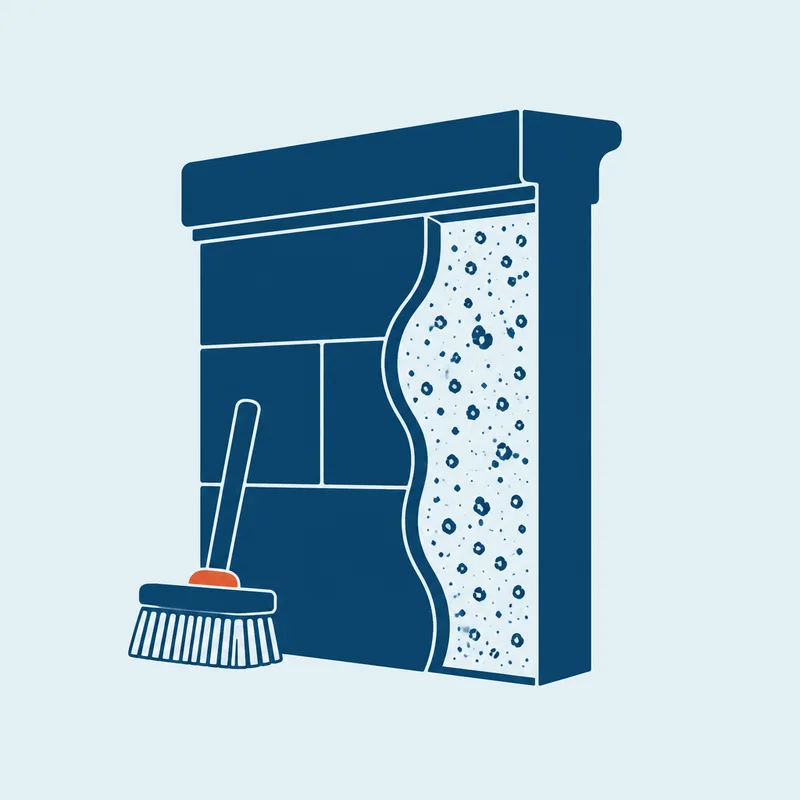
The surface is protected
The wrong product costs more than the dirt it removes.
-
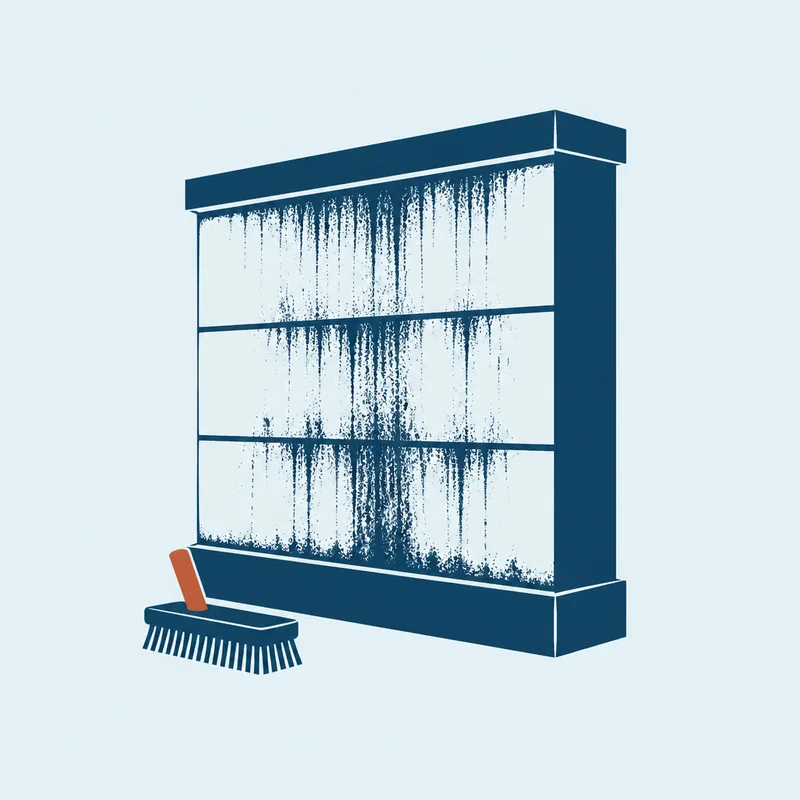
Access decided on site
We do not pick the access method from an office.
-

Glass stays clear
Calcium scale on glass turns into permanent etching if it is left.
-

The building keeps running
We plan the access and the working hours around how the building is used through the day, and we protect the ground, the entrances and anyone passing below.
Why the job is different in Bariq
The junction between old stone and new construction often traps humidity and algae, and high buildings on the hillcrest show cracked stone from rapid daily temperature swings between cold nights and hot sun. The whole method is set out in our building facade cleaning guide.
-
Mixed districts combine heritage stone and modern concrete challenges
In Bariq, historic stone and modern concrete stand side by side, each demanding completely different treatment. Old stone needs pH-neutral products that do not strip ancient mortar. Modern concrete may tolerate stronger chemistry. The old market and new government buildings may be adjacent, requiring separate cleaning plans, different products and staggered timing to avoid cross-contamination.
-
Wadis make lower district air far more humid than hilltop air
The year-round flowing wadis around Bariq raise humidity dramatically in lower neighborhoods. Water from the wadis seeps upward slowly while fog descends from above. The result is that lower buildings may be much more algae-prone than hilltop buildings, even though the hilltop may be drier overall and more prone to heat cracking from rapid thermal cycling.
-
Strong winds on the hilltop speed drying and cause thermal cracking
Modern tall buildings on the hill crest may face strong winds that rapidly dry paint and mortar. This rapid drying can cause thermal stress cracking. Paint may peel faster than in sheltered areas. But those same winds carry salt from the nearby coast, combining salt exposure and rapid drying stress on the same buildings.
What's Included
The town spreads across multiple elevations from a historic stone hilltop village to modern residential districts, with lower neighborhoods near year-round flowing wadis and upper areas exposed to wind and thermal stress.
-
Roof survey and anchor points
Roof survey in Bariq must compare heritage stone and modern concrete separately, and assess different humidity and algae levels across different neighborhoods and elevations.
-
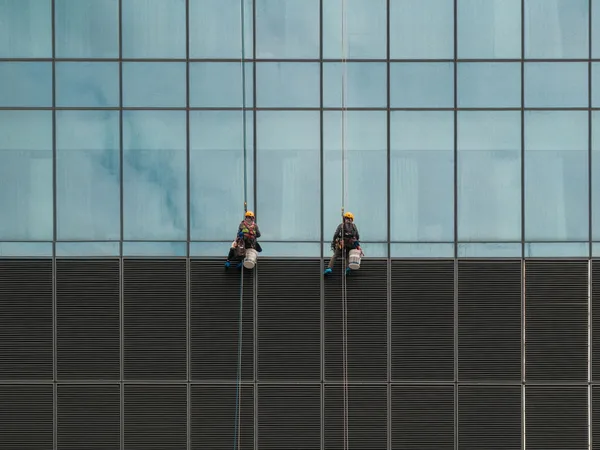
Access chosen: rope or powered
Access varies by district. Lower areas may need mobile lifts. Upper districts on slopes may need rope access because buildings sit on steep terrain.
-
A test patch before the whole elevation
Test patch must include both heritage stone and modern concrete samples, and must include a moisture meter reading before work starts.
-
Glass and curtain walling
Glass may be very old in heritage buildings and modern in new structures, so we use different cleaners for each building type.
-
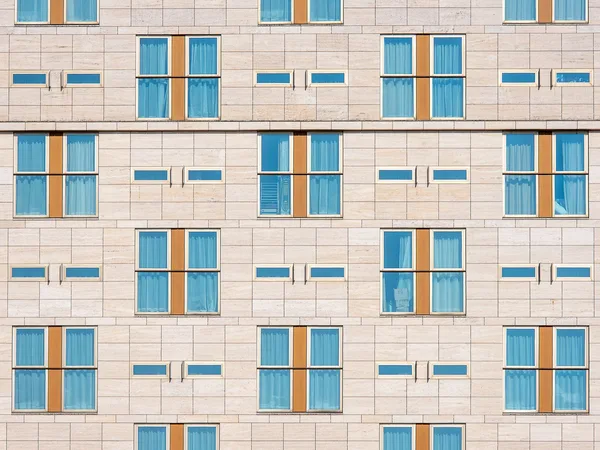
Cladding and stone, pH-neutral
Stone, concrete and mortar each need specialist products, and we may need to allow natural drying time between different treatment phases.
-
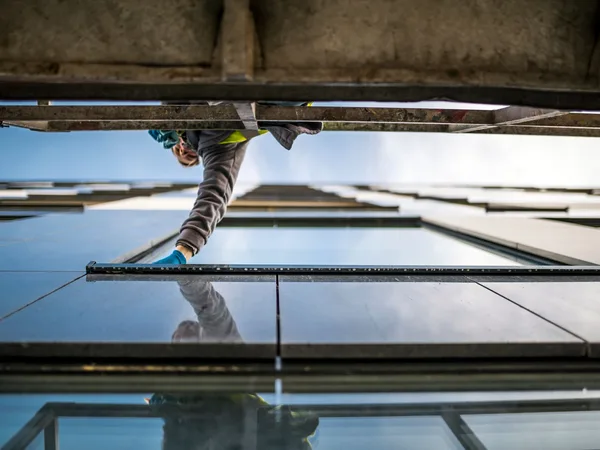
Ground and passers-by protected
Ground and passers-by protection is essential because the old market may have busy foot traffic, and we may need partial street closure during cleaning.
The character of Bariq
Mixed district: shops at street level with homes above them
Mixed districts mean facades serving multiple uses in one location. Shops at ground level and homes above face different pressures. Shops are often damp and soiled from daily use. Homes above suffer from rising damp seeping up from the shops.
How we work
Survey from the roof
Choose access and products
Wash top to bottom
Inspect and hand over
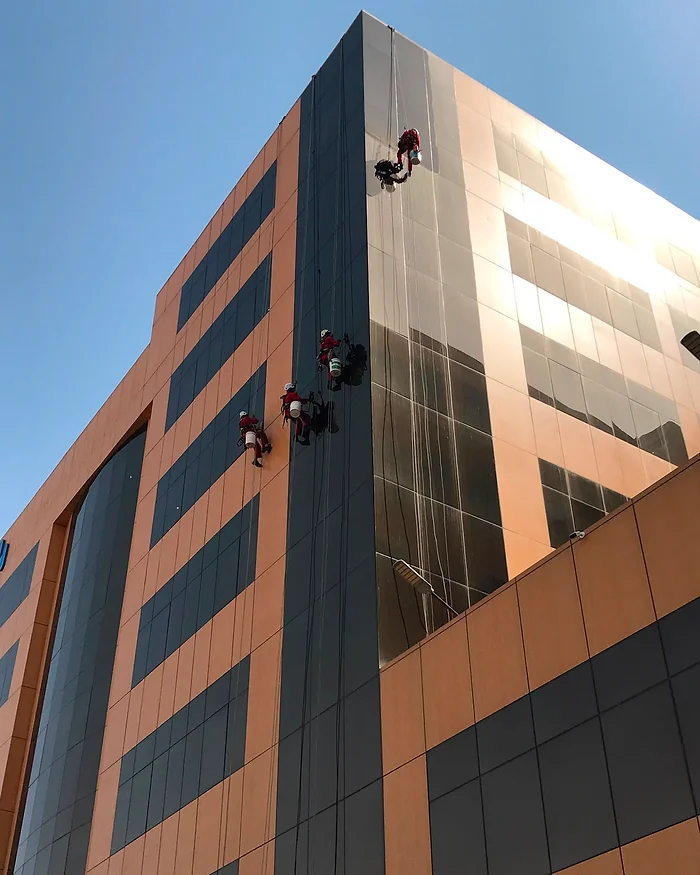
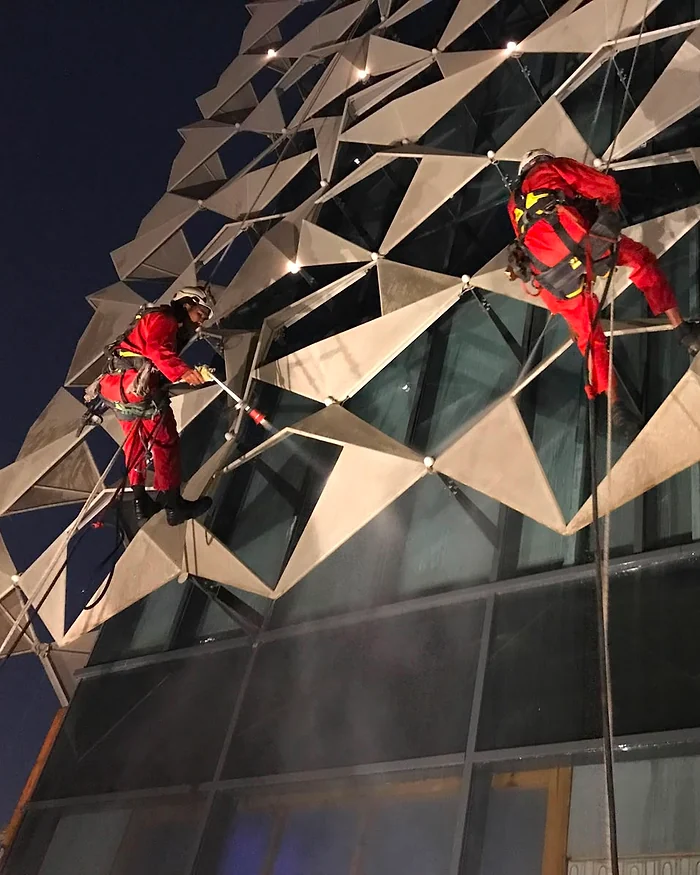
Some of our work
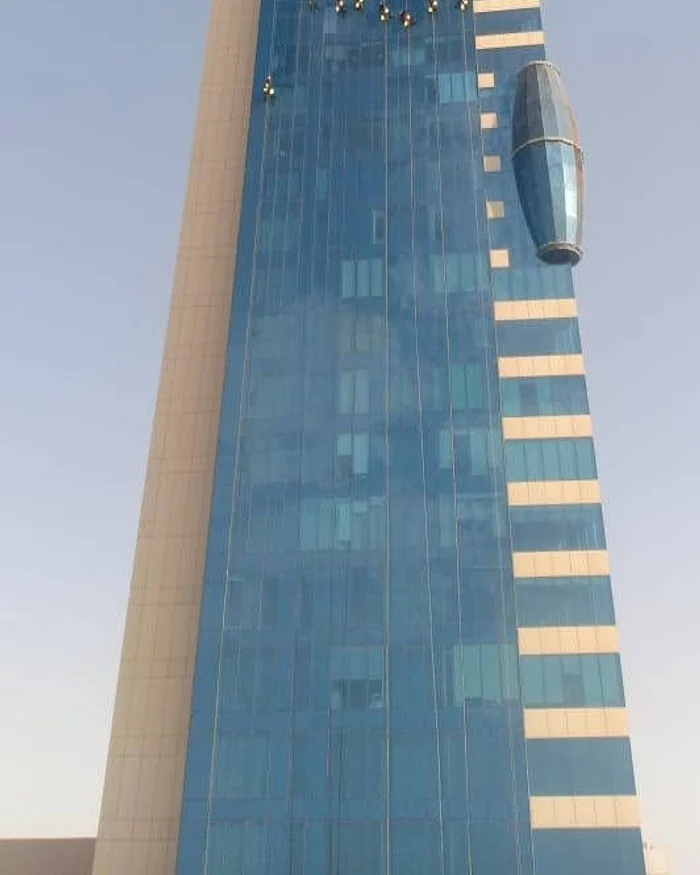
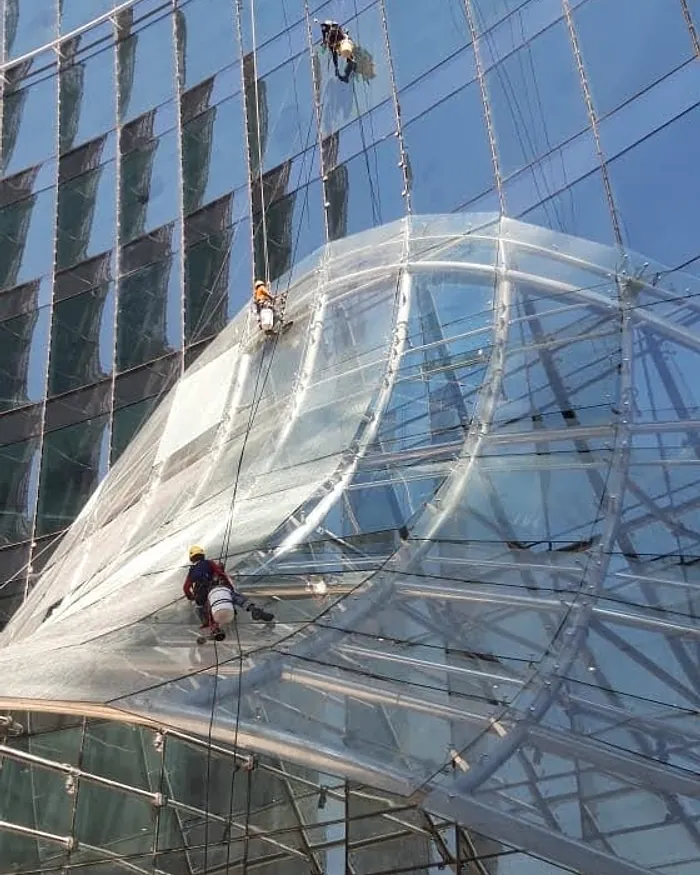
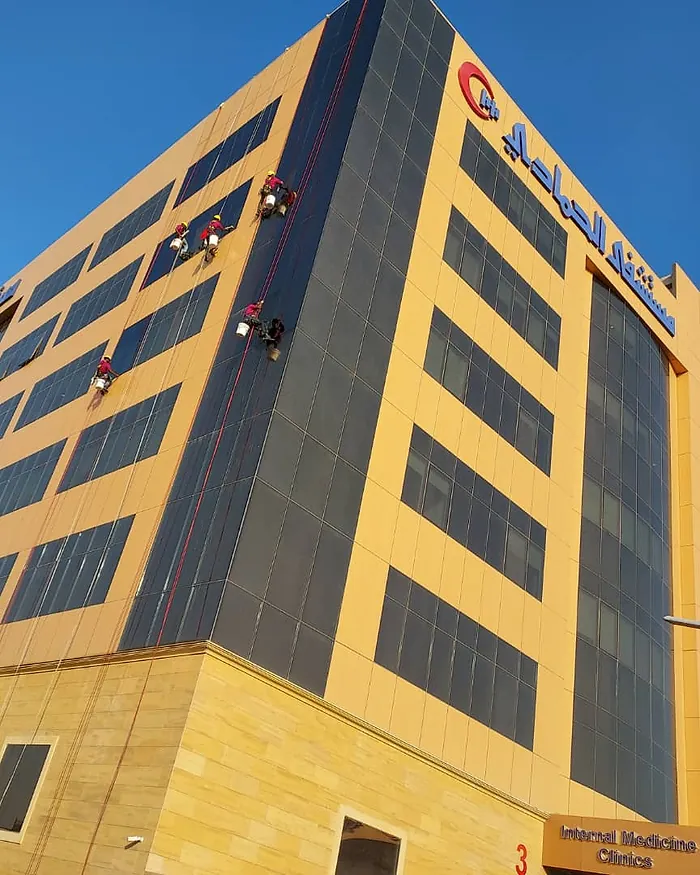
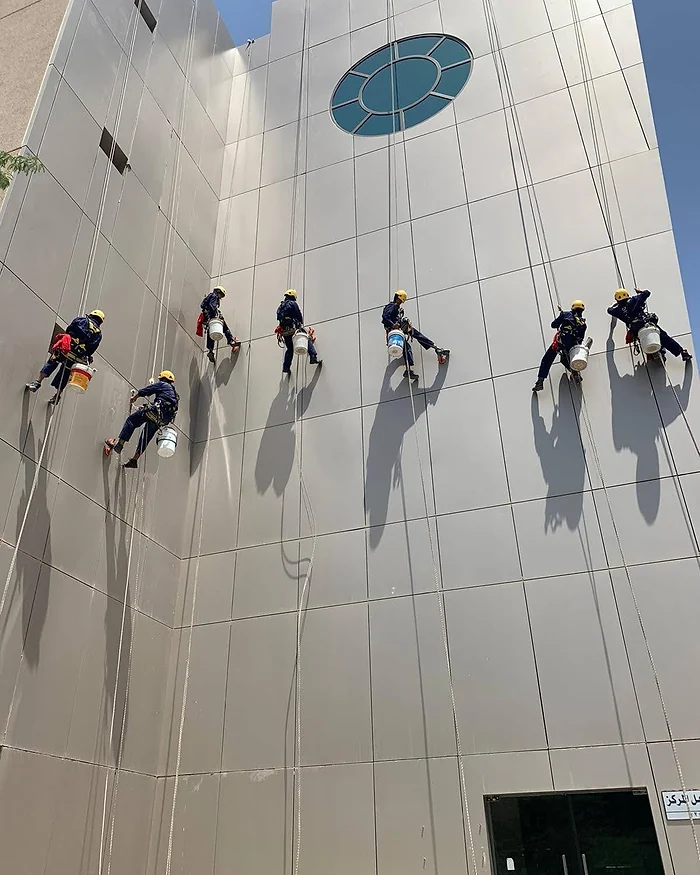
Photos from our team's work.
What is different about Asir Region
Asir climbs from the hot, humid Tihama lowland at Muhayil to the highland plateau of Abha and Khamis Mushait. The high country gets summer monsoon rain, thick fog and cold winter nights, so stone villas, painted concrete and terraced villages such as Rijal Almaa stay damp for weeks, and moss and algae take hold on the shaded side of a facade. Khamis Mushait is the larger commercial city of apartment blocks and showrooms. Wet stone stains, mortar leaches white salts, and cleaning has to work with the weather rather than against it.
Other services in Bariq
The room and the building around it are on one list.