Raghwat Al Janoub Maintenance and Cleaning
Marble grinding and crystallisation in Bariq
Bariq mixes a heritage stone village on a hilltop with modern housing spread around it, beside wadis that run water year-round through fertile farmland. Marble and stone floors here face constant high moisture from the wadis and nearby farming, and dust from irrigated fields settles fast on flooring, requiring regular crystallisation to maintain the stone's finish.
Why grinding beats a surface polish
-
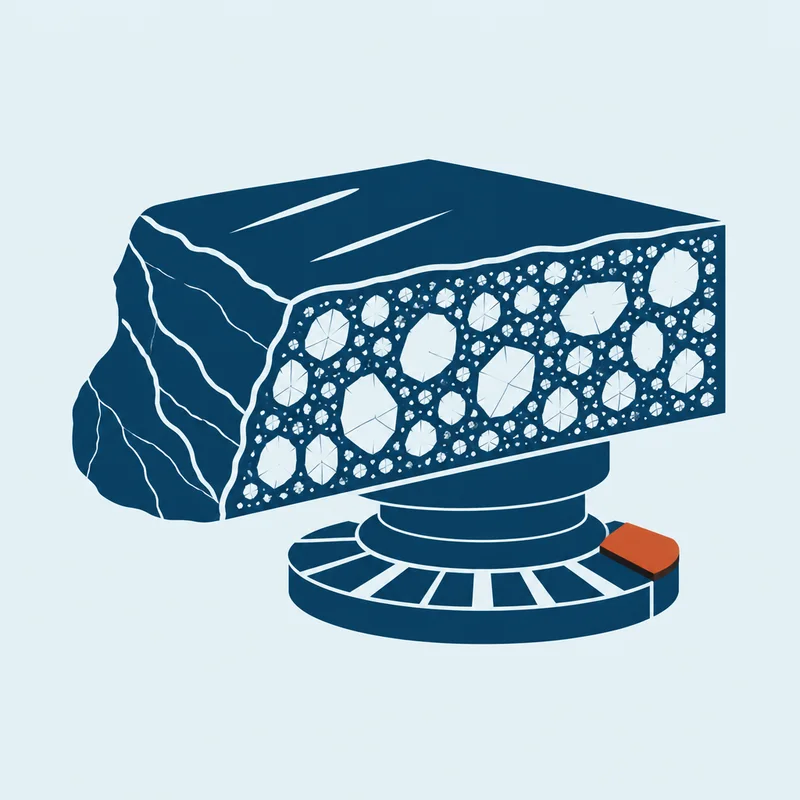
Shine from the stone, not a layer
A surface polish shines for the first week, then flakes off at the doors and busy walkways.
-

Scratches removed, not hidden
Deep scratches and sunken stains do not wipe away, because they sit inside the stone.
-
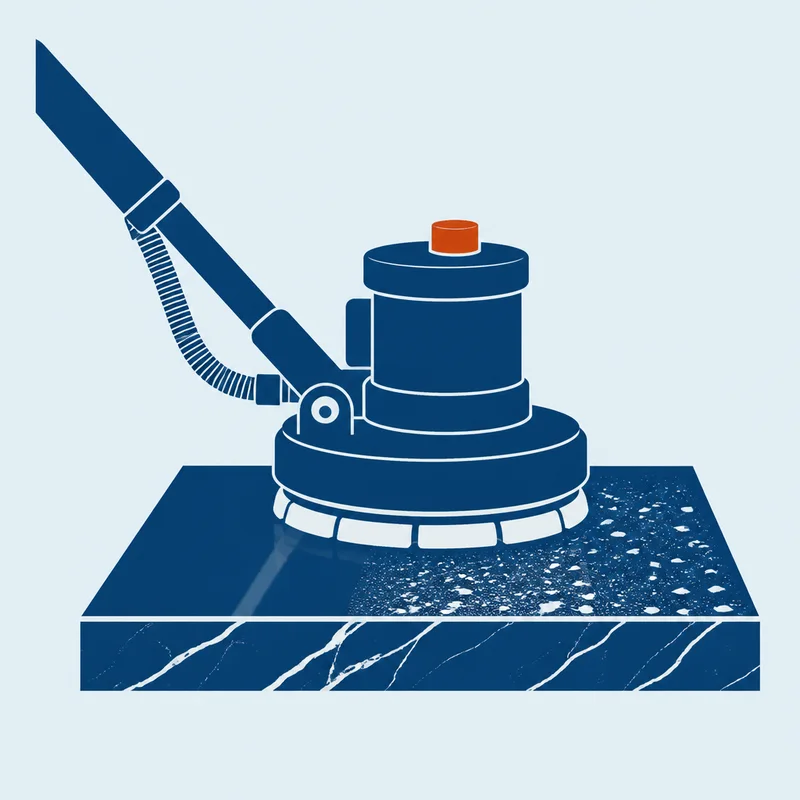
A surface that resists Riyadh dust
Central Saudi dust is fine, mineral and constant, and it grinds against a soft polish all day until the shine dulls.
-
Edges and skirtings matched
Many floor jobs leave the corners and skirtings dull, so the edge of every room gives the work away.
Why the job is different in Bariq
Marble and stone floors in Bariq hold higher moisture than in drier regions, and water marks and salt deposits appear regularly, especially soon after the rainy season when wadi flow peaks. The whole method is set out in our notes on marble grinding and crystallisation.
-
Heritage stone village and modern buildings mixed
Bariq combines an old stone hilltop village with modern buildings spread around it, so original stone flooring and modern marble coexist in the town. Each material needs treatment matched to its age and current condition.
-
Year-round moisture from Wadi Bariq and farmland
Wadi Bariq flows water throughout the year and surrounding fields are irrigated constantly, so resulting moisture seeps deep into foundations and floors. Water marks and salt deposits appear quickly on surfaces.
-
Dust from irrigated fields and salt from rising damp
Planted fields near homes release fine dust particles into the air, and high groundwater draws salt from the soil up to floor surfaces, creating grey salt marks on marble and stone that grow more visible over time.
What's Included
Bariq sits beside Jabal Raydan and Wadi Bariq which flows year-round, and surrounding farmland keeps humidity high constantly, causing steady moisture to seep into building foundations and marble floors throughout the town.
-
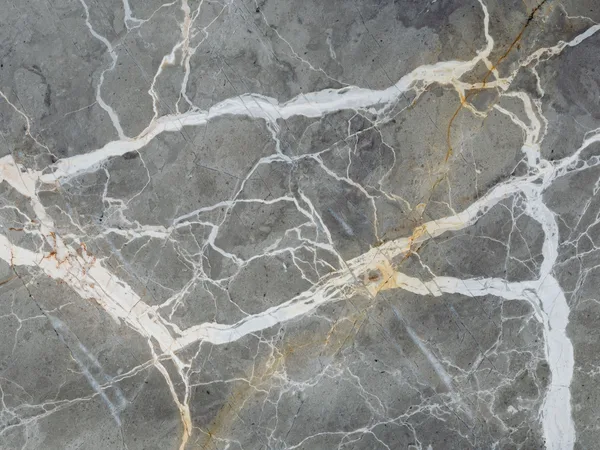
The stone type and its condition read
Bariq's high moisture needs deep washing before crystallisation, with drying that may take longer than in other regions.
-
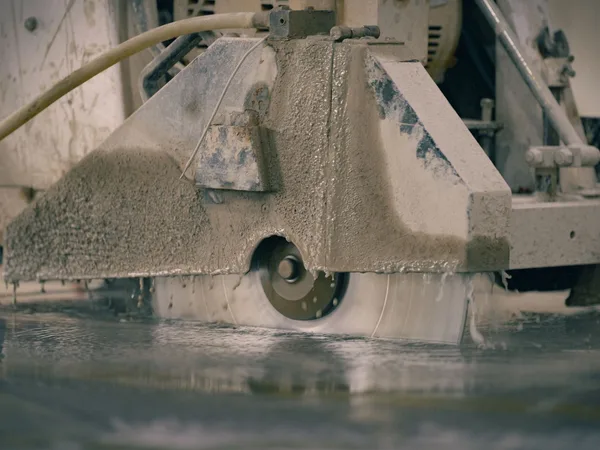
Coarse grinding to take out the scratches
An initial inspection reveals salt deposits and humidity marks in corners and near foundations where moisture penetrates deepest.
-
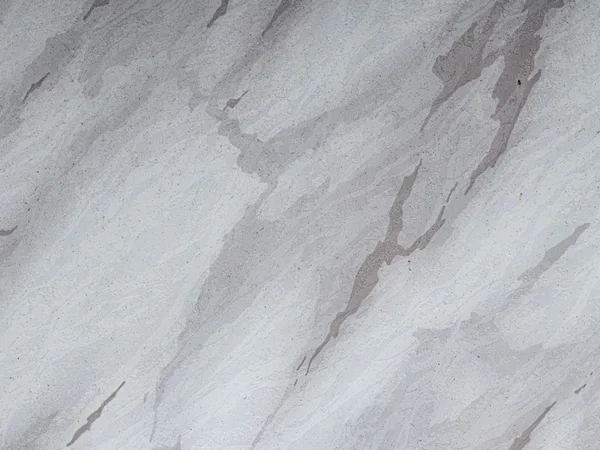
Stepped through to the fine pads
Old stone in Sahel village gets lighter crystallisation than modern marble because it absorbs water faster and deeper.
-
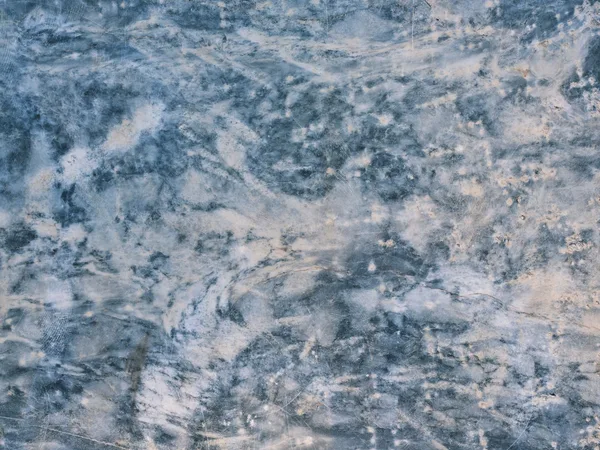
Crystallisation for a hard surface
Floor drying after washing takes extra time because both air humidity and rising groundwater slow natural drying.
-
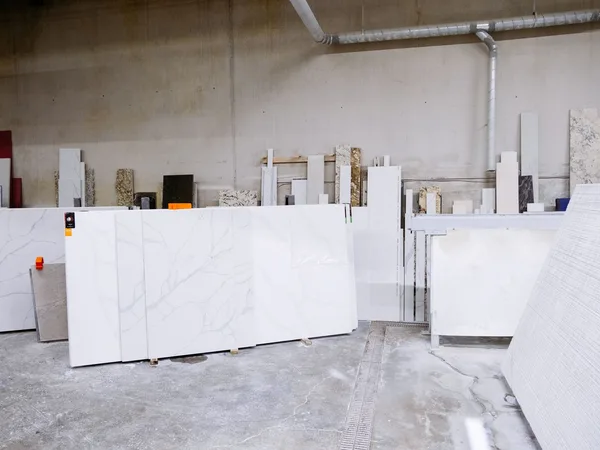
Edges and skirtings
Crystallisation stops air moisture but rising damp from below may need separate waterproofing treatment before or after crystallisation.
-
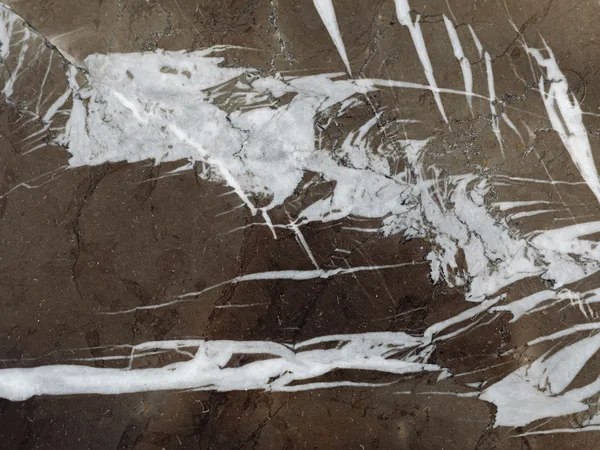
A final seal on the pores
After work is done, Bariq residents are advised to keep home windows open for ongoing ventilation so humidity drops more quickly.
The character of Bariq
Mixed district: shops at street level with homes above them
Bariq mixes heritage stone village with modern buildings around the wadis, so each area and each stone type needs separate assessment based on its age and surrounding moisture levels.
How we work
Survey the floor
Prepare the space
Grind and crystallise
Clean up and hand over
Some of our work
Photos from our team's work.
What is different about Asir Region
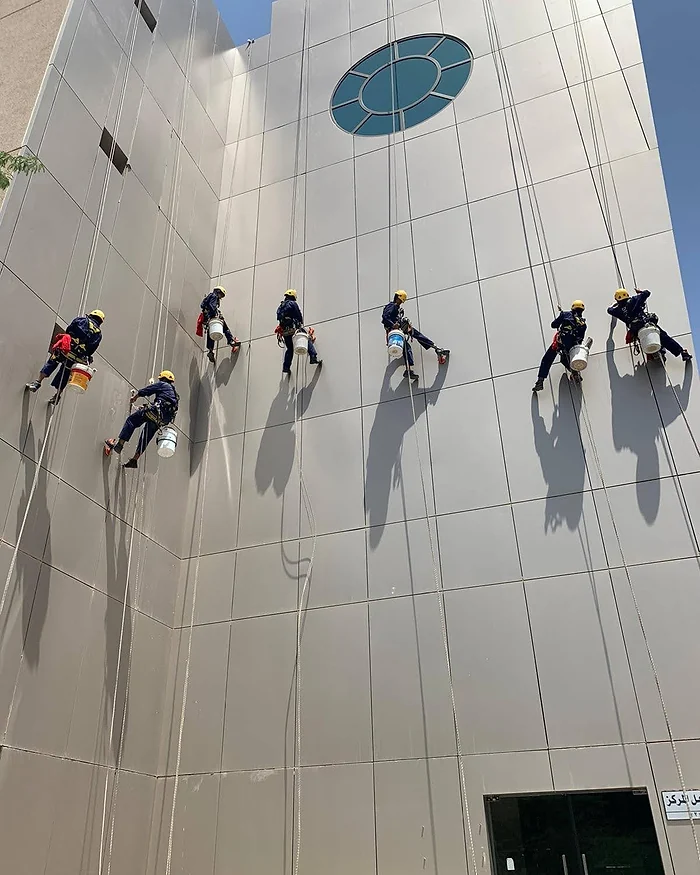
Asir climbs from the hot, humid Tihama lowland at Muhayil to the highland plateau of Abha and Khamis Mushait. The high country gets summer monsoon rain, thick fog and cold winter nights, so stone villas, painted concrete and terraced villages such as Rijal Almaa stay damp for weeks, and moss and algae take hold on the shaded side of a facade. Khamis Mushait is the larger commercial city of apartment blocks and showrooms. Wet stone stains, mortar leaches white salts, and cleaning has to work with the weather rather than against it.
Other services in Bariq
The room and the building around it are on one list.