Raghwat Al Janoub Maintenance and Cleaning
Building facade cleaning in Ras Tanura
Ras Tanura is an industrial peninsula town built around an oil refinery and tanker port, where facades face year-round salt-laden air and fine petrochemical fallout. The warm, humid air off the Gulf deposits a sticky film of salt crystals on glass and cladding, while refinery dust adds a grey mineral grime that bonds chemically to every surface. Cleaning facades here means breaking that salt and dust bond before it hardens into permanent etching, and choosing access methods that work within the town's tight industrial layout.
Why a facade needs regular cleaning
-
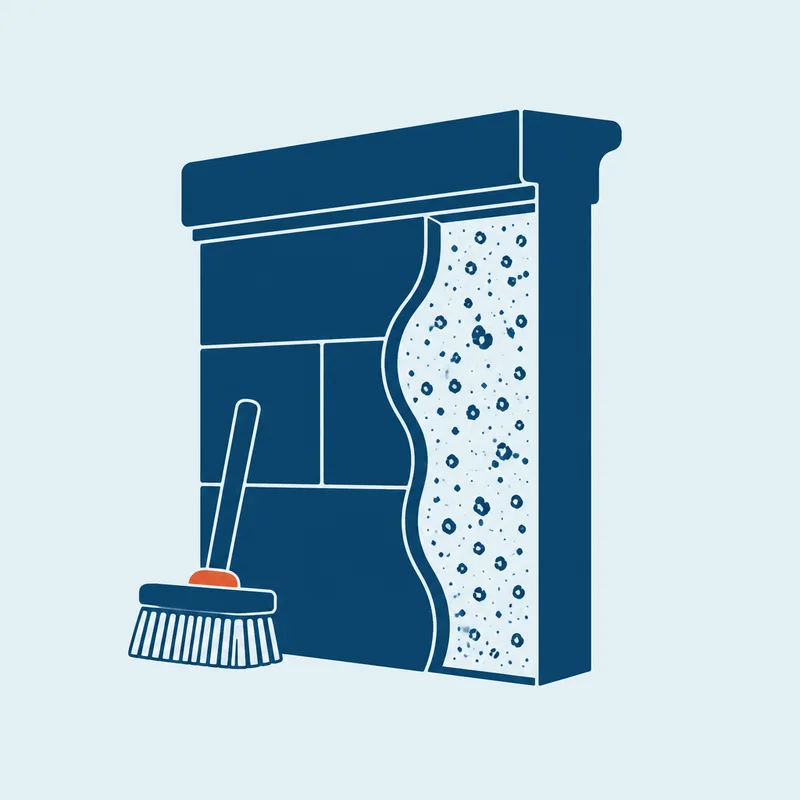
The surface is protected
The wrong product costs more than the dirt it removes.
-
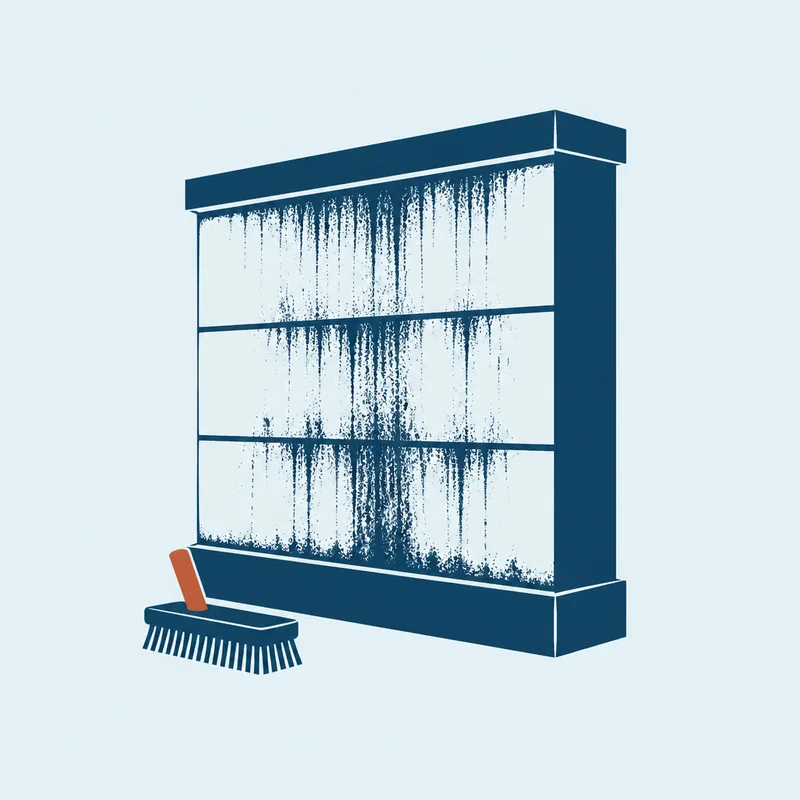
Access decided on site
We do not pick the access method from an office.
-

Glass stays clear
Calcium scale on glass turns into permanent etching if it is left.
-
The building keeps running
We plan the access and the working hours around how the building is used through the day, and we protect the ground, the entrances and anyone passing below.
Why the job is different in Ras Tanura
Aluminium window frames show brown rust stains within weeks, and glass transforms into a white salt haze before a season is out. The whole method is set out in our full account of building facade cleaning.
-
Sea salt crystallises on every exposed surface
The Gulf air carries salt that settles as invisible crystals on glass and cladding, then mineralises and hardens. The salt penetrates thin coatings on aluminium frames and accelerates corrosion. Hard groundwater leaves calcium scale on top of the salt crust, trapping it. Breaking this compound deposit takes more than fresh water: it needs a pH neutral cleaner that dissolves salt without etching the glass or stripping the protective coating on modern cladding.
-
Industrial dust is oily and metallic, not dry
Petrochemical fallout from refineries behaves differently from natural dust. It carries metal particles and light oils that bond chemically to glass and cladding, leaving a grey film that water alone cannot lift. The dust settles heavily on horizontal ledges and around the joints in curtain walling, where it traps moisture and accelerates corrosion underneath. Alkaline cleaners strip the protective coating, so neutral pH products must be used from the first scrub.
-
Year-round humidity speeds every degradation
Gulf humidity stays high even in the dry months, keeping surfaces damp between cleaning cycles. This damp accelerates rust formation on exposed metals, encourages fungal growth on shaded elevations, and allows salt and dust to bond more firmly. Each rainy spell reactivates the salt crust. Scheduled cleaning that works with this humidity pattern, rather than waiting for visible soiling, is the only way to stop permanent damage.
What's Included
The town spreads across a confined peninsula with the refinery at its core, industrial housing compounds, a public beach and limited commercial areas, all exposed to constant salt-laden air and refinery emissions.
-
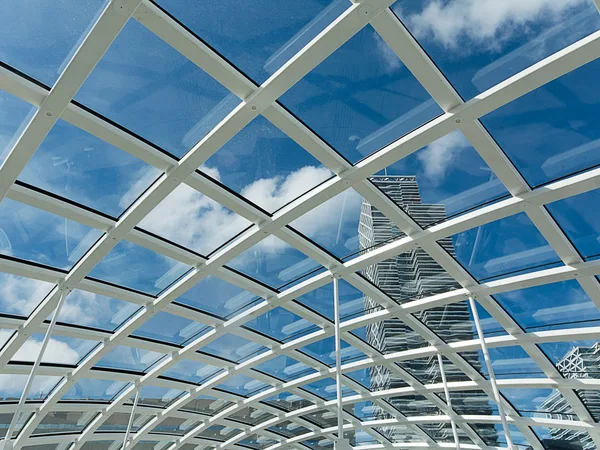
Roof survey and anchor points
Industrial roofs may be reinforced but often carry heavy equipment, so we obtain a structural layout from site management before fixing anchors.
-
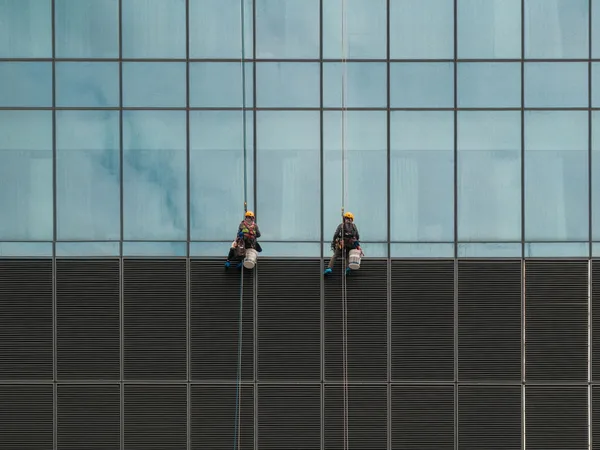
Access chosen: rope or powered
Industrial compounds usually have permanent hoists or accessible mobile lifts, but we check their technical documentation and load ratings first.
-
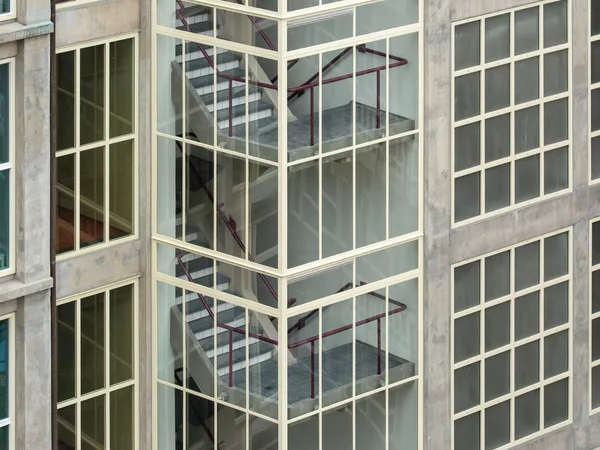
A test patch before the whole elevation
We test glass and cladding on a small patch first, especially if the surfaces are old, polished, or already showing etching from salt.
-
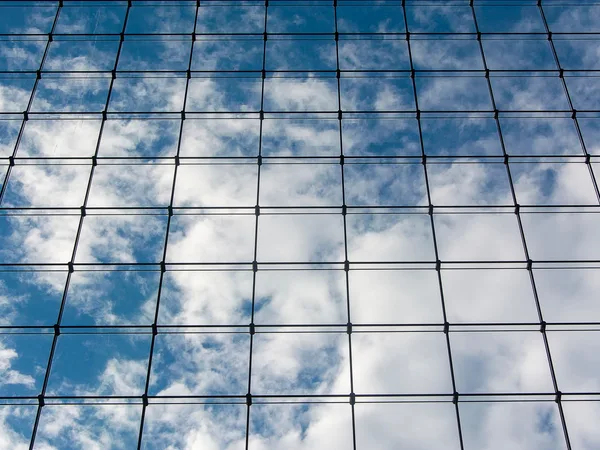
Glass and curtain walling
Glass here must be cleaned with neutral pH solution or salt and dust return faster than the schedule allows.
-
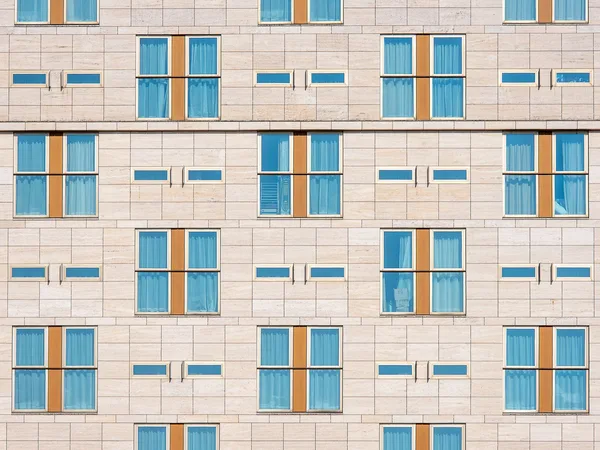
Cladding and stone, pH-neutral
Cladding and stone need pH-neutral products because hard water and salt are already etching the surface, and wrong chemistry accelerates that damage.
-
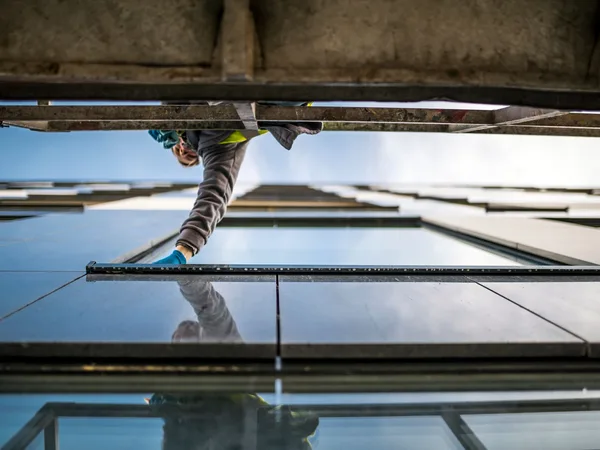
Ground and passers-by protected
Ground areas around industrial facilities may be oiled or contaminated, so we protect the work area with coverings and clean up runoff after finishing.
Landmarks of Ras Tanura
Working in Ras Tanura means navigating a small tight-knit industrial town. Ras Tanura Beach runs along the eastern edge and the Ras Tanura Corniche with its palm-lined park are the landmarks we use to locate buildings and plan access routes, because streets in the residential quarters are narrow and may not accommodate heavy equipment.
- Ras Tanura Beach
- Ras Tanura Corniche
- Ras Tanura Corniche Park
How we work
Survey from the roof
Choose access and products
Wash top to bottom
Inspect and hand over
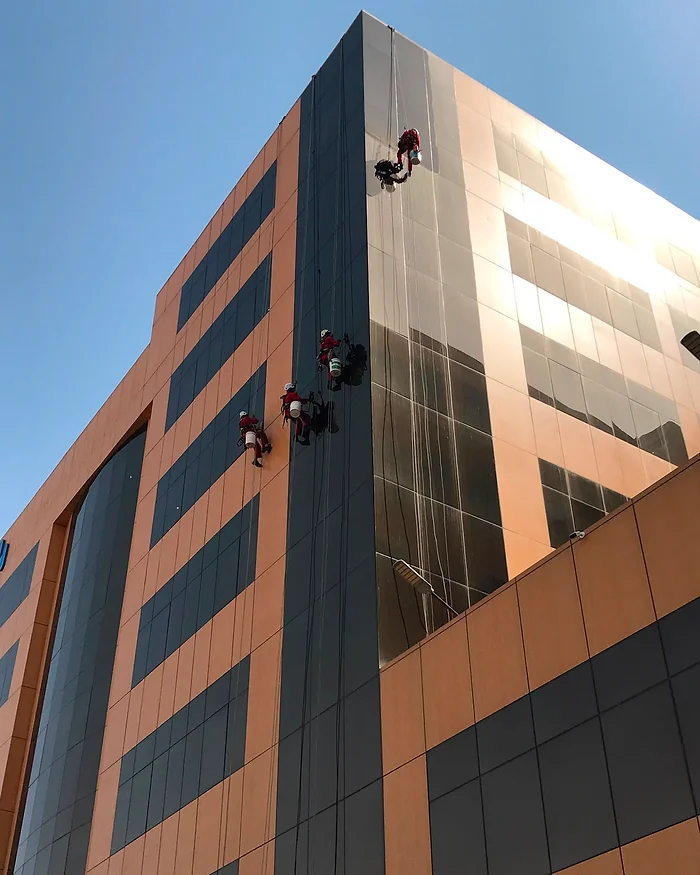
Some of our work
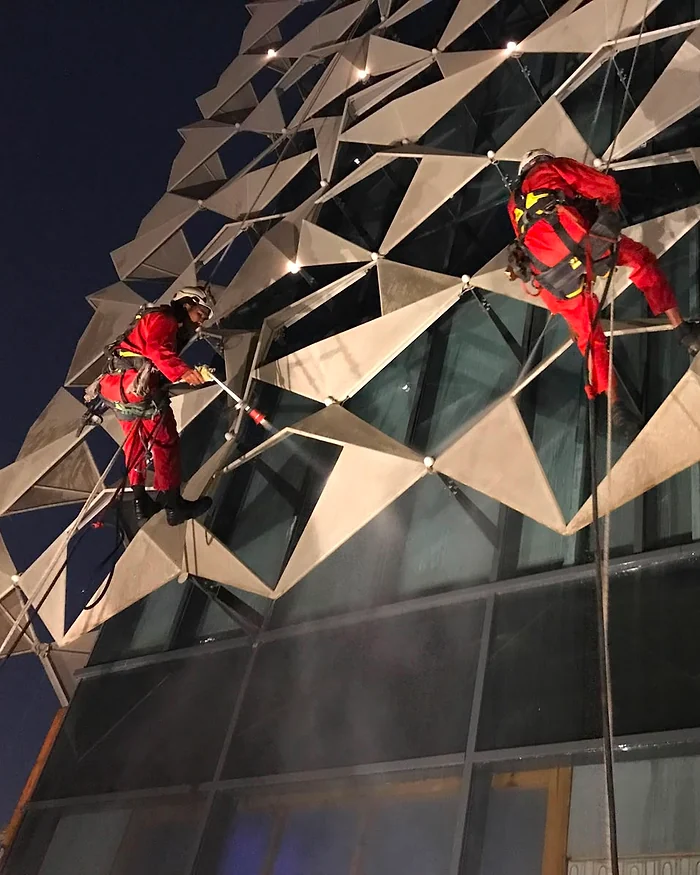
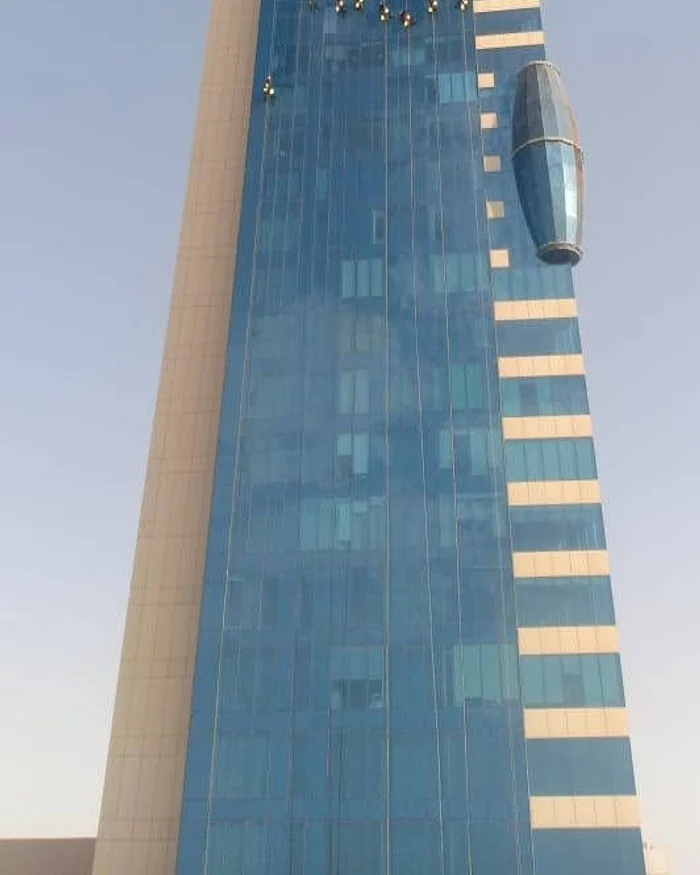
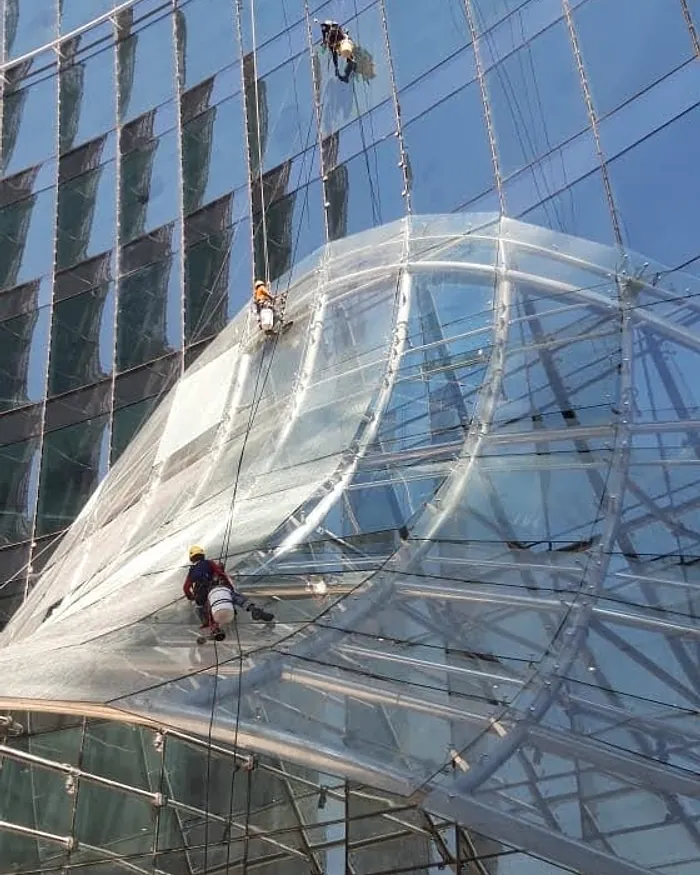
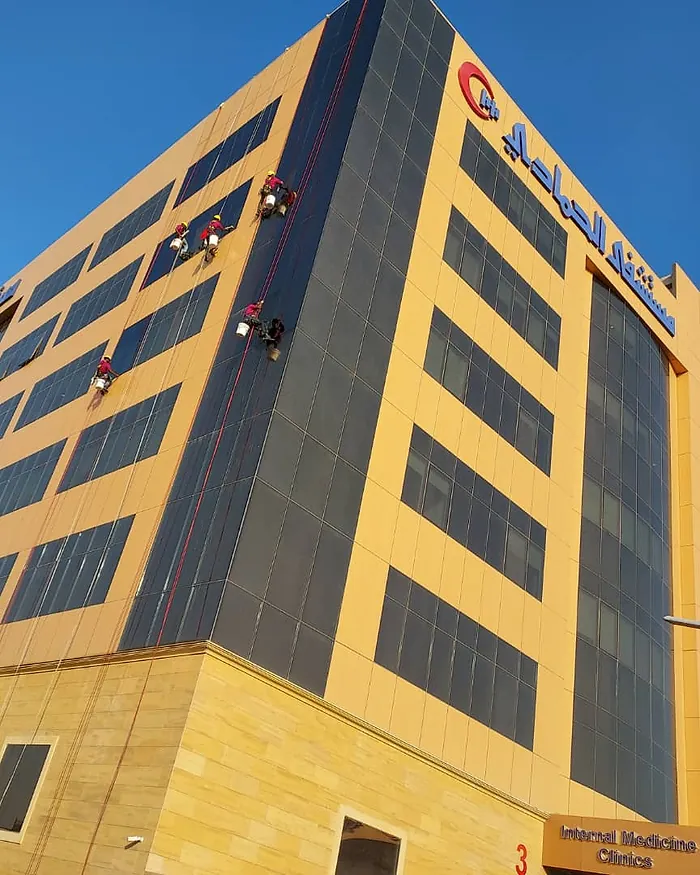
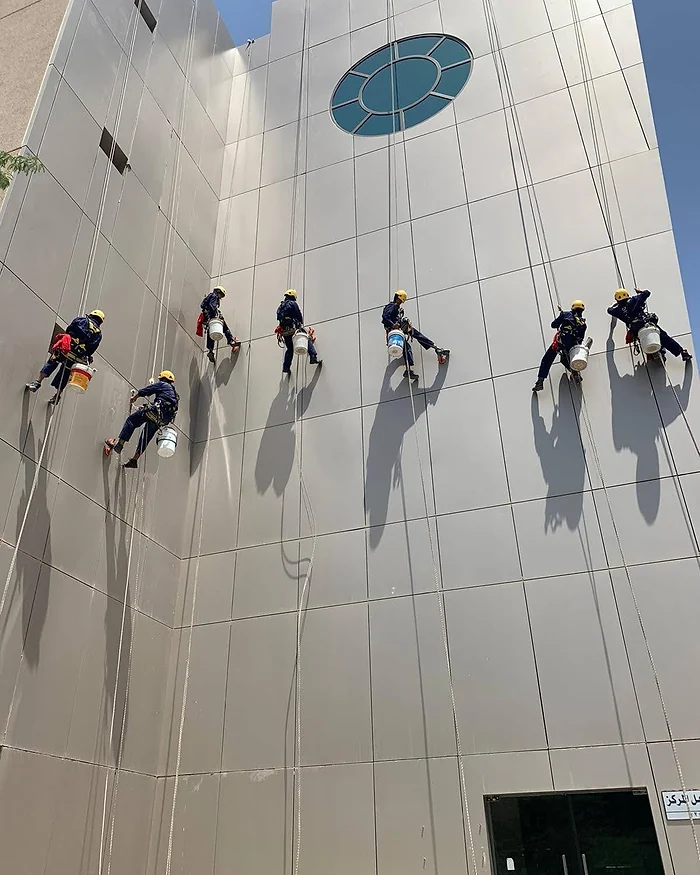
Photos from our team's work.
What is different about Eastern Province
The Eastern Province is the most humid part of the country. Dammam, Khobar, Dhahran and Jubail face the Gulf, where warm salt laden air and summer haze leave a sticky film on glass towers, corniche apartments and the cladding of Aramco and industrial housing, and refinery and petrochemical fallout at Jubail and Ras Tanura adds a fine grey grime. Al Ahsa is an oasis of palm groves, springs and older stone and mud quarters around Hofuf, while Hafr Al Batin inland is dry and swept by northern shamal dust. Metal fittings corrode and marble dulls quickly near the water.
Other services in Ras Tanura
The room and the building around it are on one list.