Raghwat Al Janoub Maintenance and Cleaning
Building facade cleaning in Tarout
Tarout is an ancient island surrounded by salt water and marine winds, its facades bearing the marks of centuries on the Gulf. The buildings crowded tightly in the narrow historic district stand shoulder to shoulder, so dampness, salt and algae gather quickly on the shaded sides and remain trapped between them.
Why a facade needs regular cleaning
-
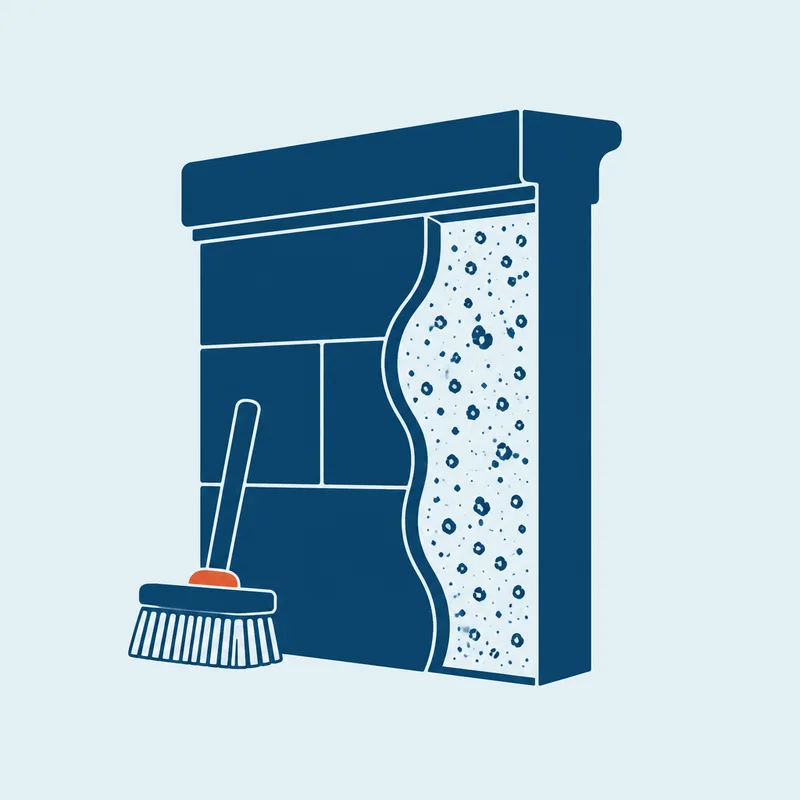
The surface is protected
The wrong product costs more than the dirt it removes.
-
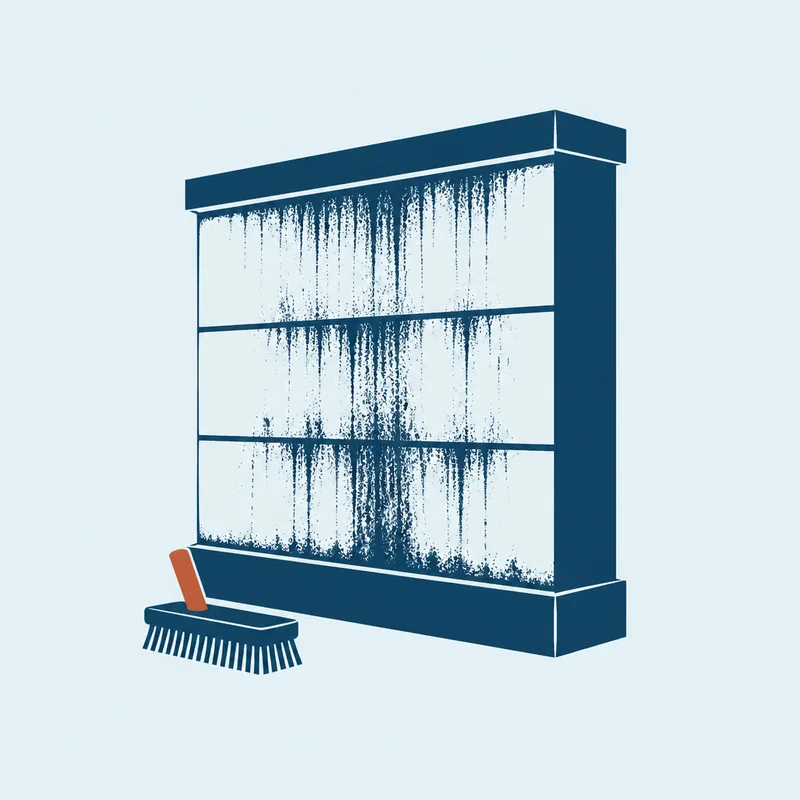
Access decided on site
We do not pick the access method from an office.
-

Glass stays clear
Calcium scale on glass turns into permanent etching if it is left.
-

The building keeps running
We plan the access and the working hours around how the building is used through the day, and we protect the ground, the entrances and anyone passing below.
Why the job is different in Tarout
The seaward facades here stain quickly, and algae appears almost as fast. Mortar between the old stones leaches white salt deposits within weeks of rain or spray. The whole method is set out in the building facade cleaning overview.
-
Sea salt accelerates decay on all materials
Air from the Gulf carries fine salt particles that settle on glass, stone and cladding. This salt traps moisture and speeds oxidation of metals and the stone's reaction with water. Regular cleaning stops this process before damage becomes permanent and costly to repair.
-
Dampness traps algae on shaded faces
The moist marine air keeps the eastern and northern facades damp for entire weeks. Algae and mould grow rapidly on these shaded, perpetually damp surfaces. Cleaning removes the growth, but the coastal climate brings it back quickly and relentlessly.
-
Packed buildings block air and drying
The historic quarter's buildings are pressed tightly together, so facades do not dry quickly even on sunny days. Air does not circulate between the walls. This means moisture remains trapped for long periods after rain and spray, feeding algae and surface damage.
What's Included
The coastal setting means persistent high humidity and salt carried in the air that settles on every surface. Salt water and damp penetrate between tightly packed buildings with ease, reaching every facade.
-
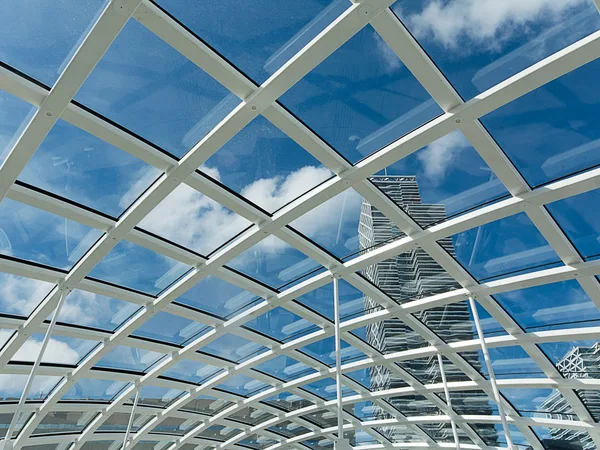
Roof survey and anchor points
Tarout's castles and fortress sit on uneven ground and the roof may be old stone or repaired concrete. We survey from the roof carefully to find strong anchor points for ropes and equipment before any work begins.
-
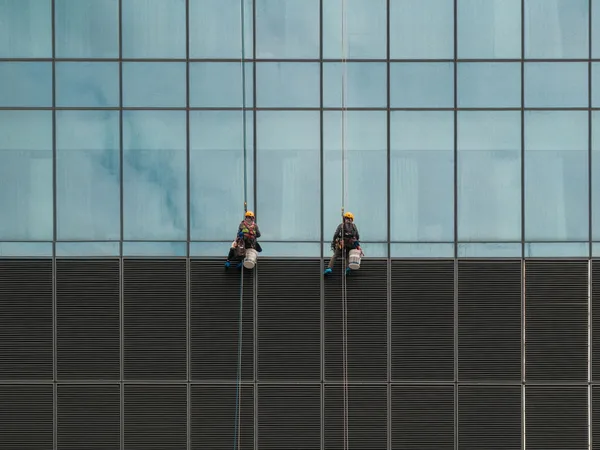
Access chosen: rope or powered
The tightly packed old buildings make roof access limited. Ropes are usually the first choice, and small powered platforms may suit some newer buildings at the town edges near the corniche.
-
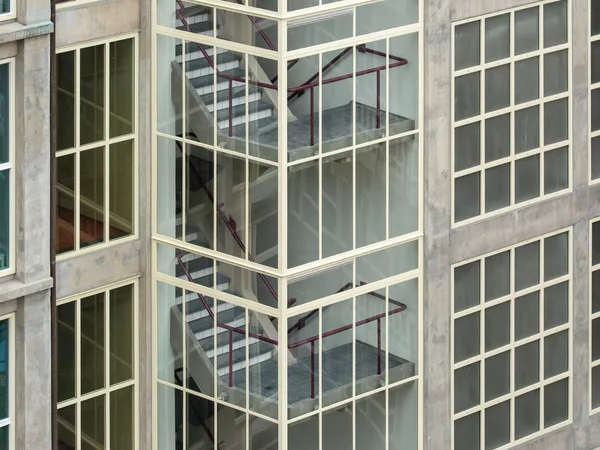
A test patch before the whole elevation
Tarout's old stone is varied and may be fragile in places. We test a small area first before cleaning the whole elevation to avoid damage to historic fabric and irreplaceable stonework.
-
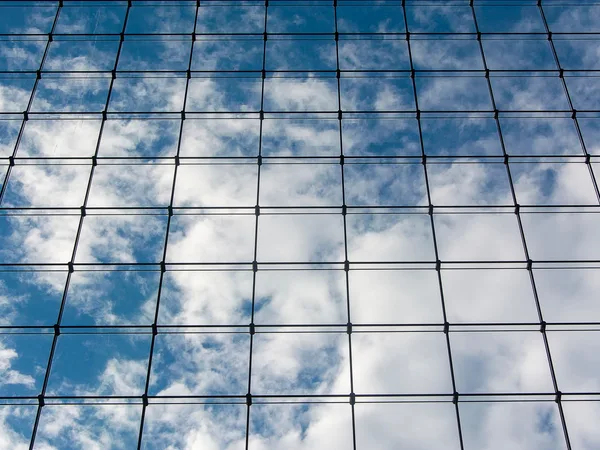
Glass and curtain walling
The old glass in the historic quarter may be thin and weak. We use low pressure water and gentle products. Modern shop glass on the ground floors carries stubborn sea lime scale that needs careful handling.
-
Cladding and stone, pH-neutral
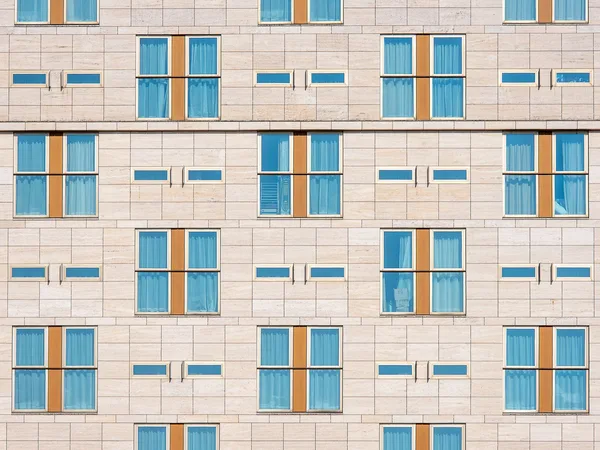
Natural stone here needs protection from salt and white salt deposits. We use pH-neutral products and avoid alkaline cleaners that cause uneven oxidation and damage. Old mortar is very sensitive and can fray easily.
-
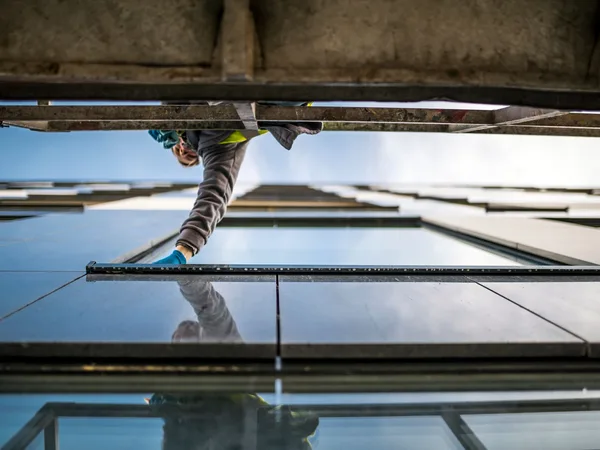
Ground and passers-by protected
The historic quarter is densely populated with homes and shops. We protect the ground, pathways and ground-floor shops from water, salt and runoff. The nearby corniche may have foot traffic peaks at certain times of day.
Tarout on the map
Tarout sits about 6 km from Qatif and about 11 km from Saihat.
Open in Google MapsHow we work
Survey from the roof
Choose access and products
Wash top to bottom
Inspect and hand over
Some of our work
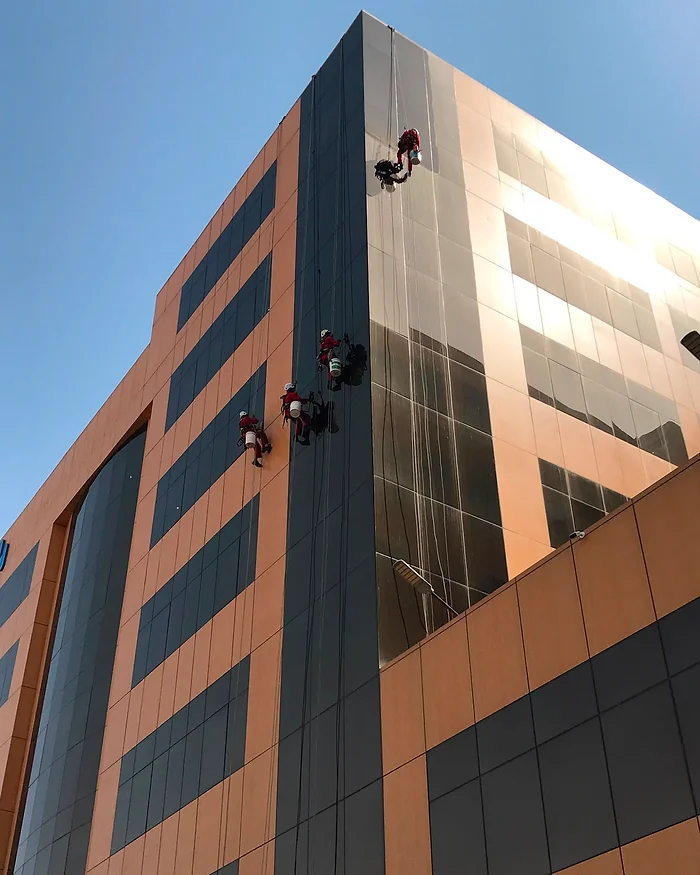
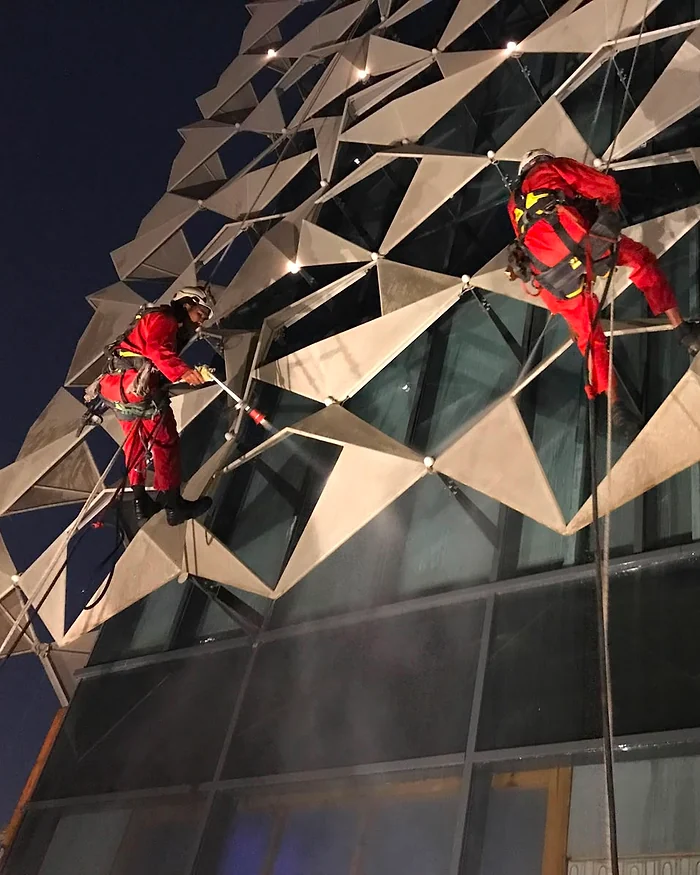
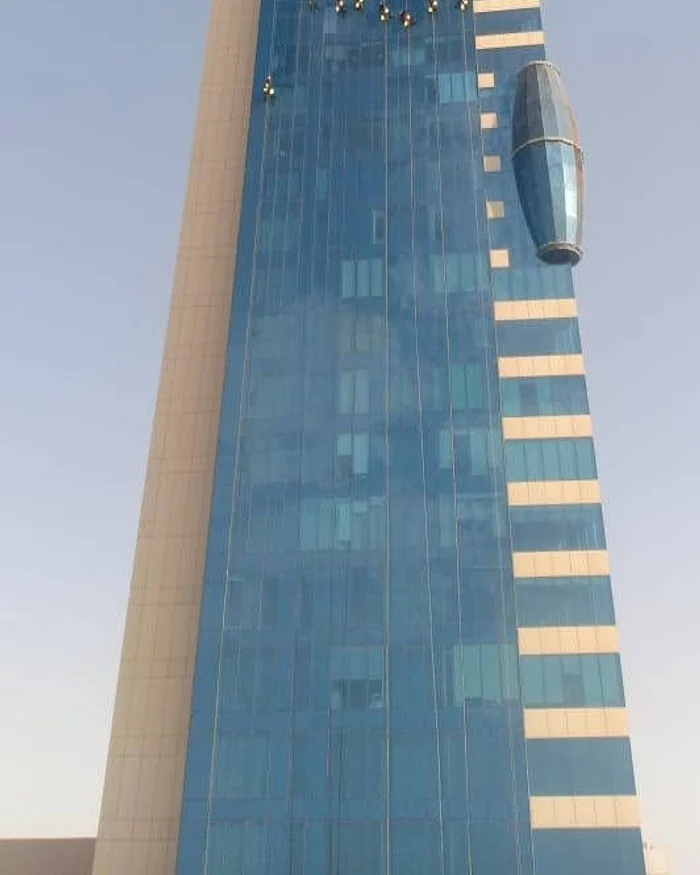
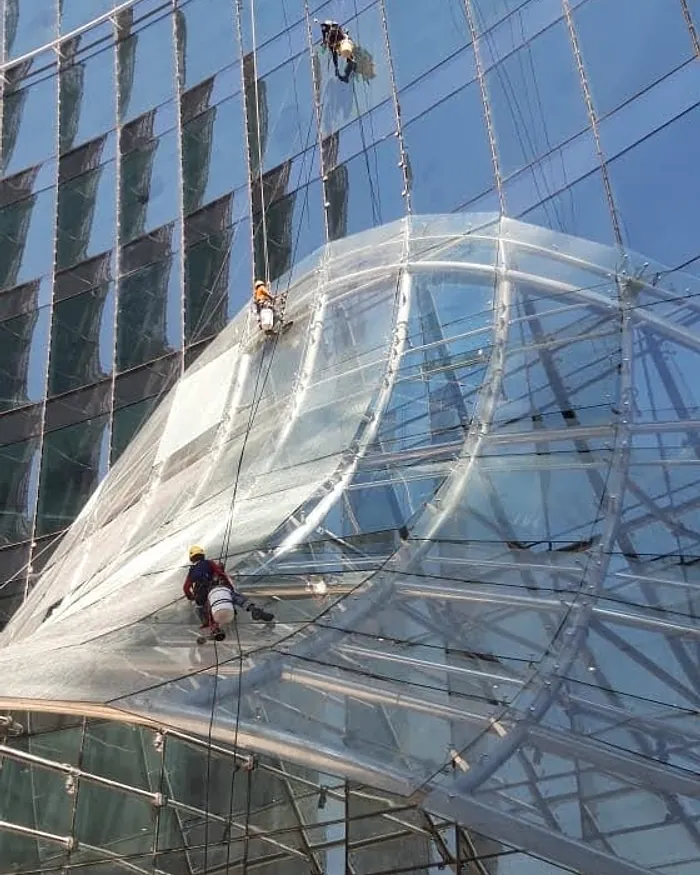
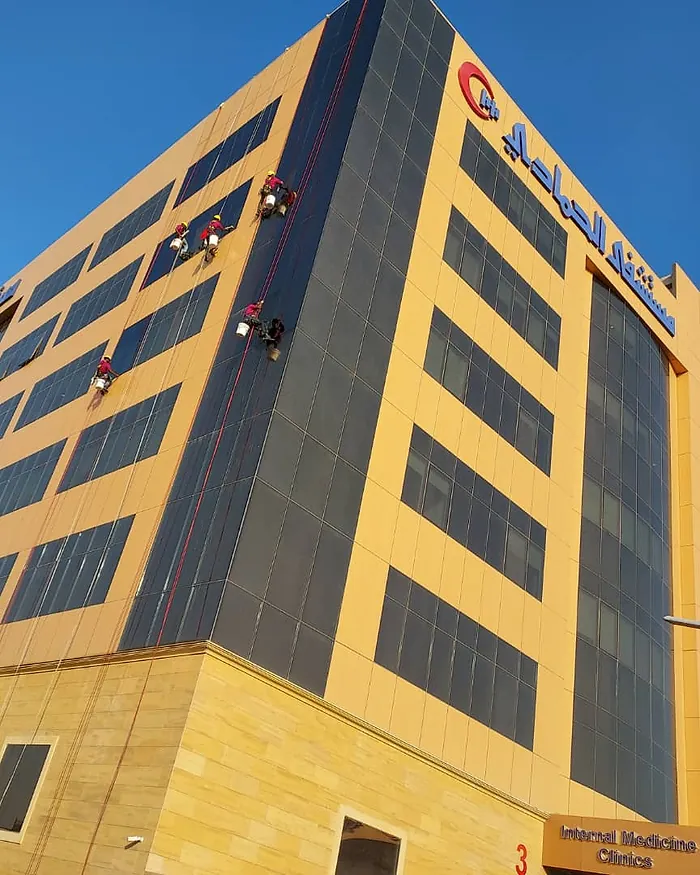
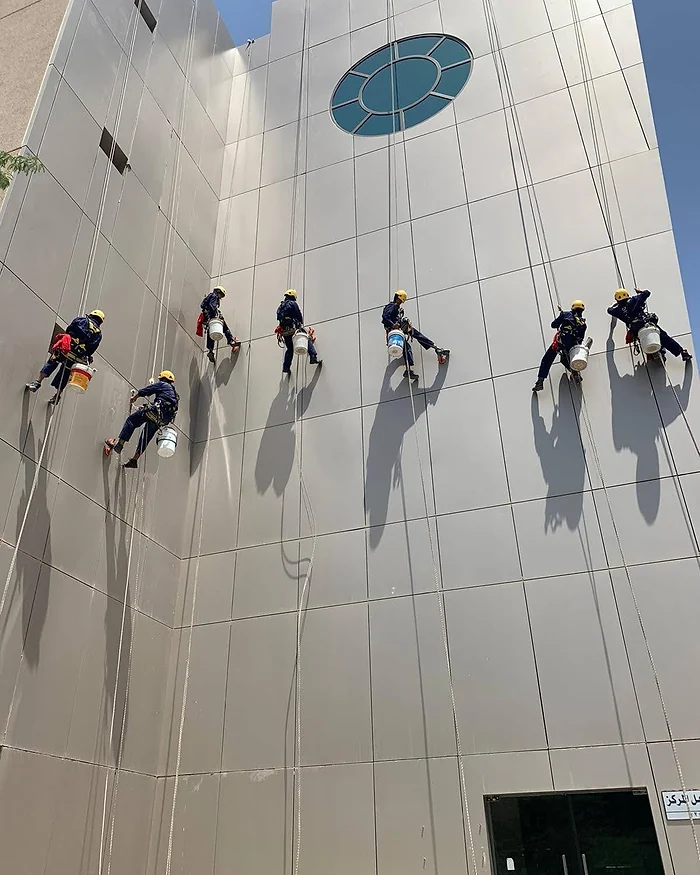
Photos from our team's work.
The character of Tarout
Historic district: close-set buildings, narrow lanes and ageing services
The old building stock here means stone of varying strength and weak mortar that leaches salt easily. Carved details and ornament on facades need extra care. Damage from salt and persistent dampness happens fast here because it is layered and compounded.
Other services in Tarout
The room and the building around it are on one list.