
Raghwat Al Janoub Maintenance and Cleaning
Marble grinding and crystallisation in Tarout
Tarout is an ancient Gulf island reached by causeways, with narrow winding streets around a hilltop castle and small fishing villages along its corniche and ruined fortresses nearby. Marble floors in homes and mosques here need special care because sea salt and humidity penetrate quickly, and moving grinding equipment through tight alleyways demands a completely different plan than modern urban zones.
Why grinding beats a surface polish
-
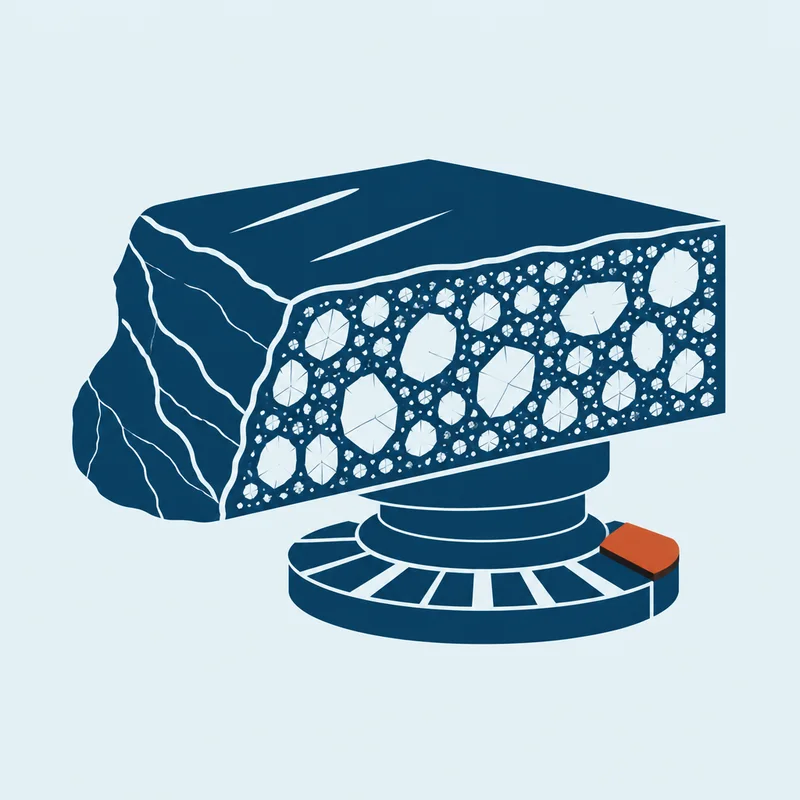
Shine from the stone, not a layer
A surface polish shines for the first week, then flakes off at the doors and busy walkways.
-

Scratches removed, not hidden
Deep scratches and sunken stains do not wipe away, because they sit inside the stone.
-
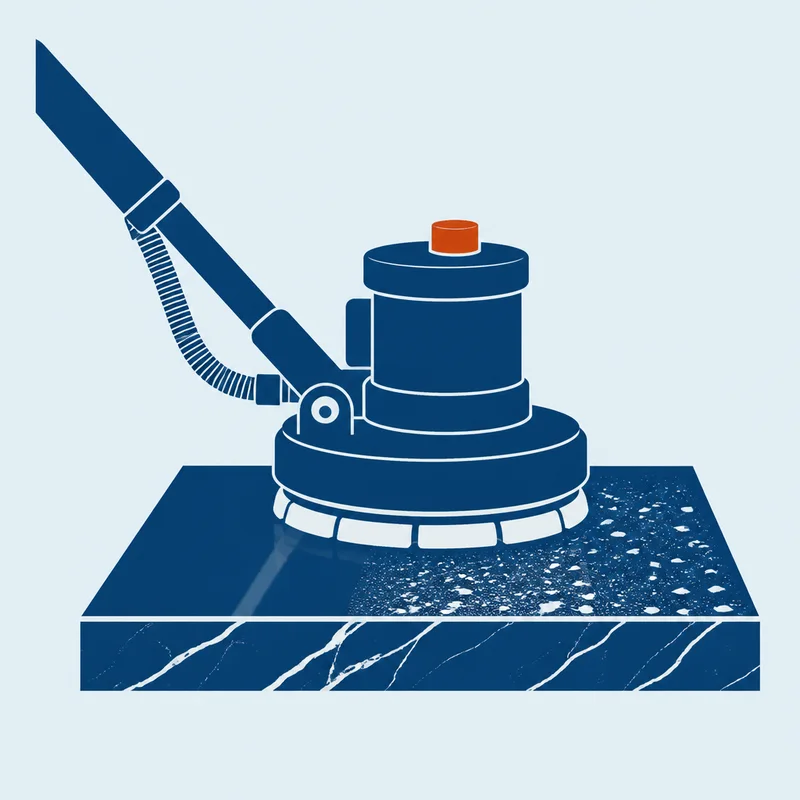
A surface that resists Riyadh dust
Central Saudi dust is fine, mineral and constant, and it grinds against a soft polish all day until the shine dulls.
-
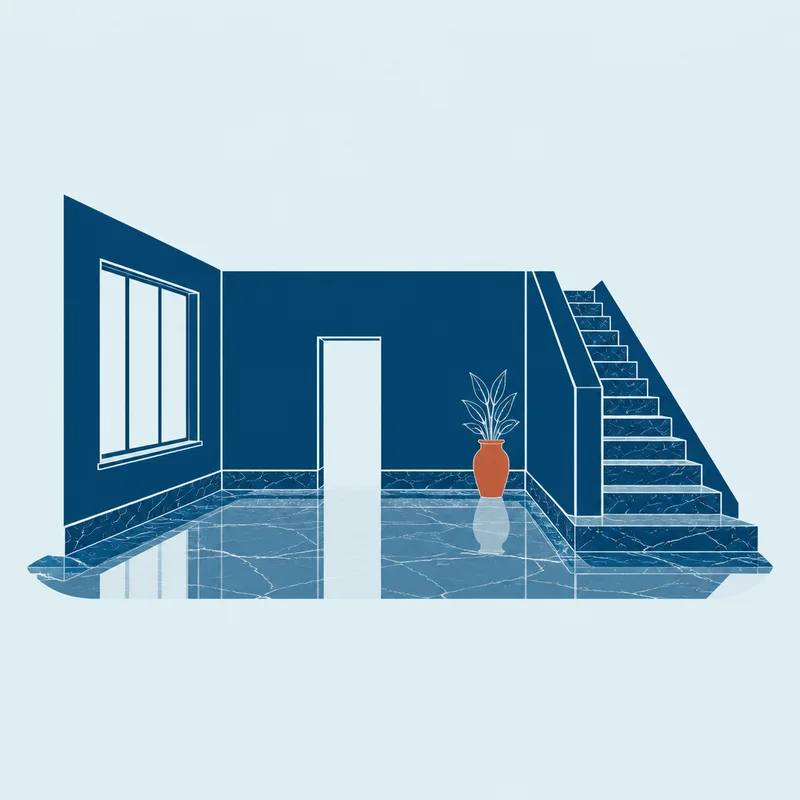
Edges and skirtings matched
Many floor jobs leave the corners and skirtings dull, so the edge of every room gives the work away.
Why the job is different in Tarout
On Tarout Island marble floors in homes retain very high baseline moisture, and sea salt deposits on both surface and interior simultaneously. The whole method is set out in our notes on marble grinding and crystallisation.
-
Tight alleyways around the old castle
Tarout's streets are extremely narrow and winding around Tarout Castle on the hilltop, so bringing grinding, sanding and polishing equipment requires careful route planning for each visit. Sometimes smaller tools or disassembled machine parts are needed.
-
Small fishing villages on the corniche
Fishing villages along Tarout's corniche sit very close to salty water and sea air, so salt penetrates homes from every angle, and marble floors there are surrounded by very high coastal moisture.
-
Ruined historic fortresses around the island
Darin Fort and its historic seaport, Abu Al-Leaf Fortress stand as ruins around the island, meaning every part of Tarout carries deep history and very old homes with weak foundations and extremely high moisture levels.
What's Included
Tarout is an island surrounded by water, with sea salt on all sides and extremely narrow streets that make it difficult to bring heavy grinding equipment through, while excess humidity causes marble to lose its shine at an unusual rate.
-
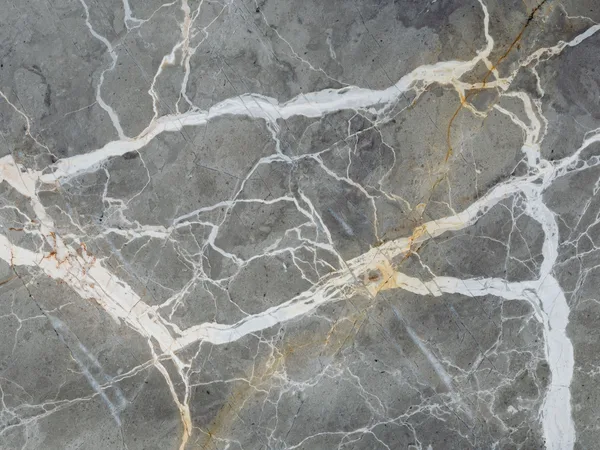
The stone type and its condition read
Tarout's tight alleyways require advance planning for each appointment, sometimes smaller tools or disassembled parts are needed.
-
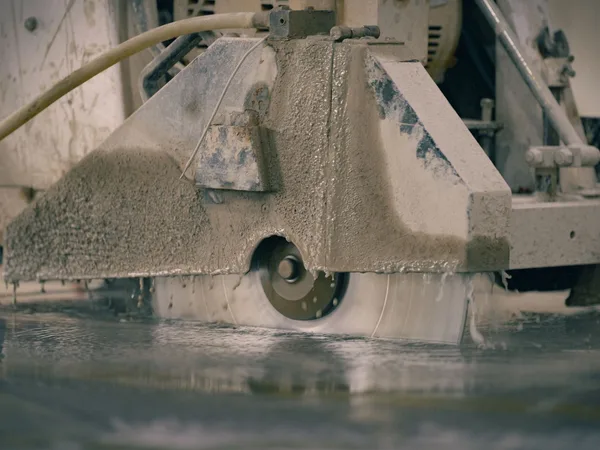
Coarse grinding to take out the scratches
Sea salt on the island penetrates marble from both surface and foundation, so grinding every six weeks is essential.
-
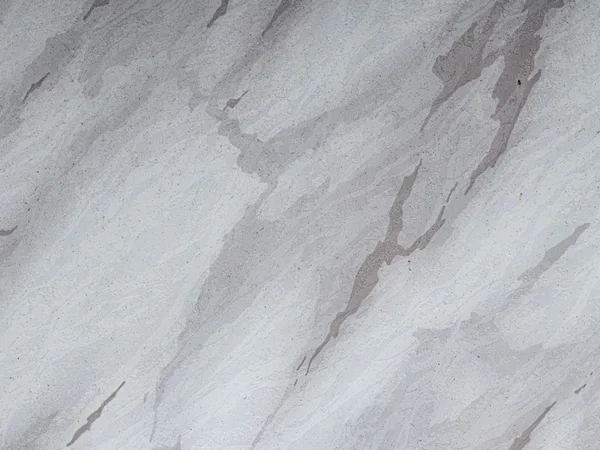
Stepped through to the fine pads
Fishermen's homes on the corniche have very high salt moisture and need grinding every four weeks.
-
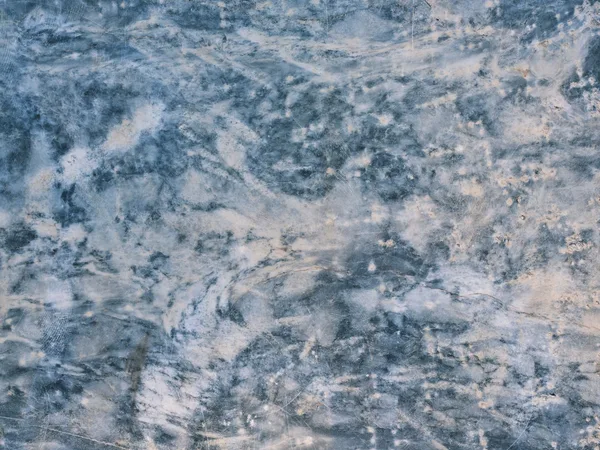
Crystallisation for a hard surface
Old mosques and buildings have weakened marble and aged foundations requiring full inspection before grinding.
-
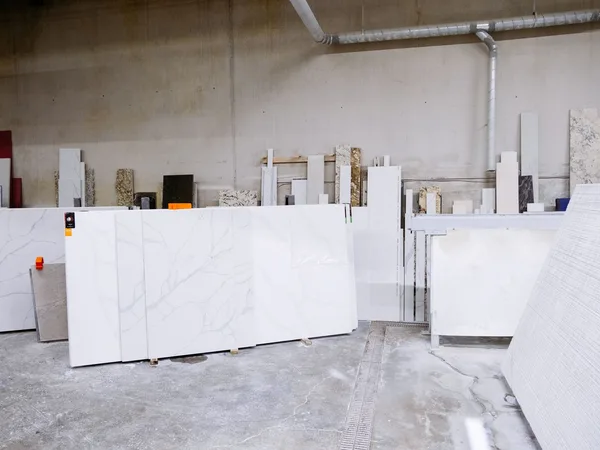
Edges and skirtings
Extra sealing and protective coatings are essential in Tarout due to continuous salt from the island's perimeter.
-
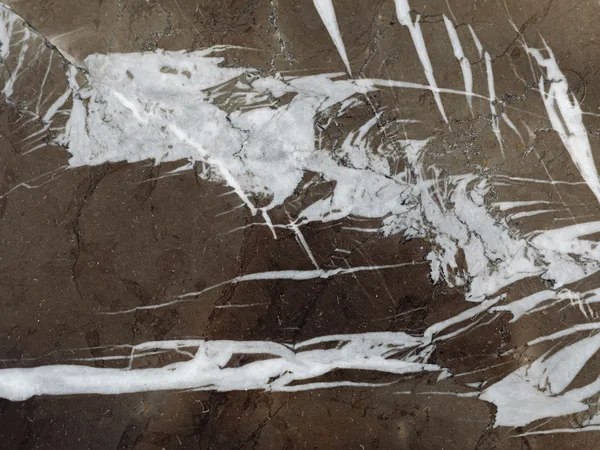
A final seal on the pores
Weekly cleaning between grinding sessions is important to reduce sea salt accumulation between appointments.
Tarout on the map
Tarout sits about 6 km from Qatif and about 11 km from Saihat.
Open in Google MapsHow we work
Survey the floor
Prepare the space
Grind and crystallise
Clean up and hand over
Some of our work
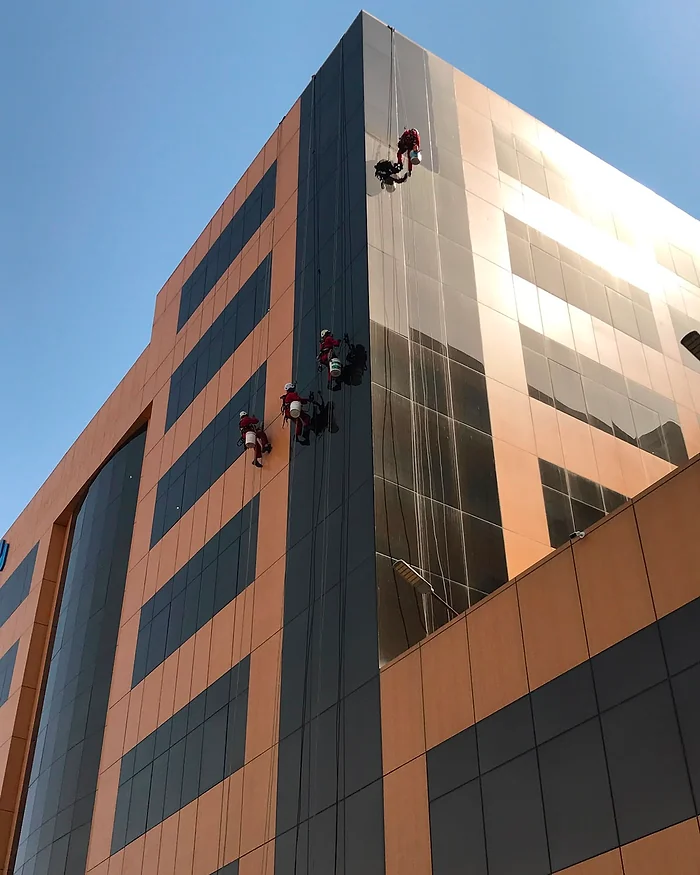
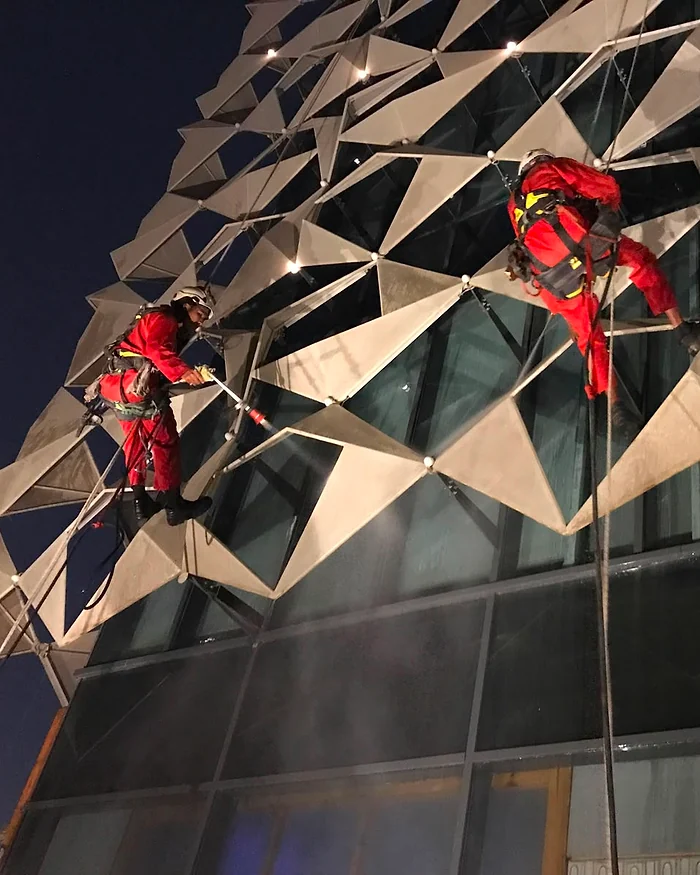
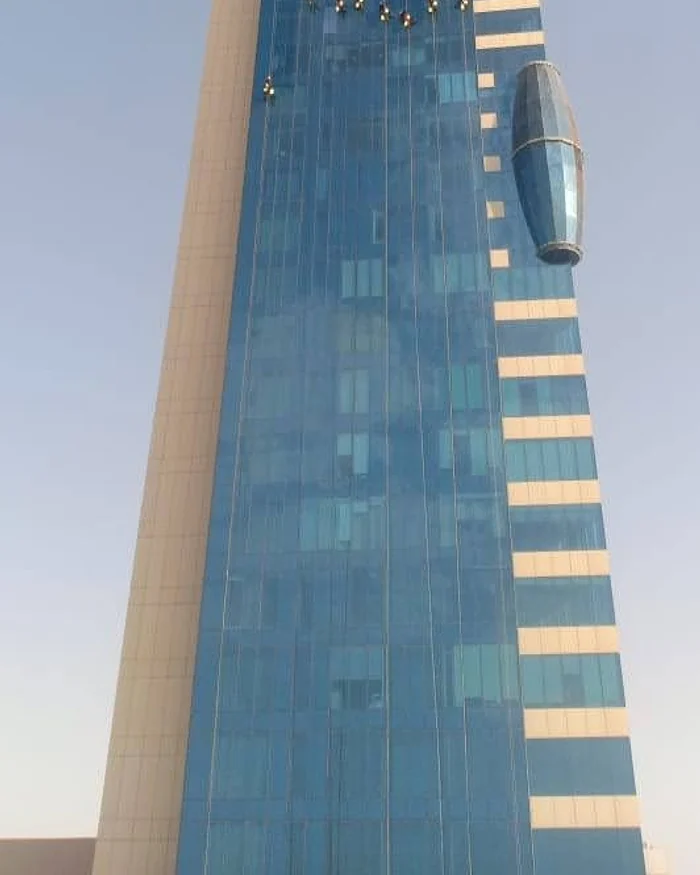
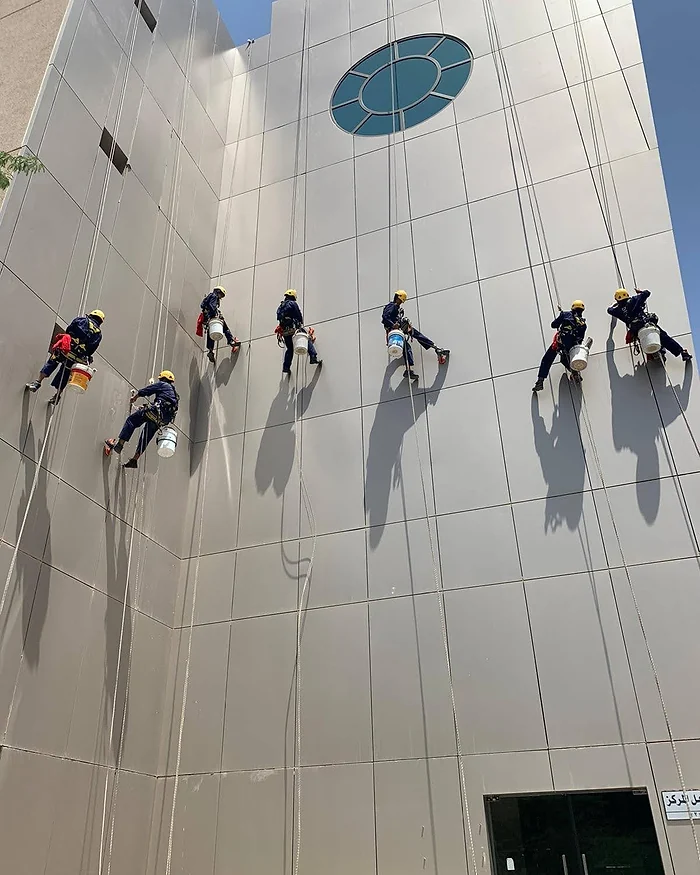
Photos from our team's work.


The character of Tarout
Historic district: close-set buildings, narrow lanes and ageing services
Tarout is an ancient Gulf island with narrow streets and small fishing villages, so every home there carries deep historical weight and sea salt and humidity are part of that history itself on the island.
Other services in Tarout
The room and the building around it are on one list.