
Raghwat Al Janoub Maintenance and Cleaning
Marble grinding and crystallisation in Qatif
Qatif is an ancient oasis on the Gulf coast mixing traditional courtyard houses with narrow lanes against newer residential blocks and villas, each with stone floors that face different restoration challenges. Marble in the old town carries centuries of foot traffic and coastal humidity, while newer villa floors are younger but equally affected by salt air and moisture in the ground.
Why grinding beats a surface polish
-

Shine from the stone, not a layer
A surface polish shines for the first week, then flakes off at the doors and busy walkways.
-

Scratches removed, not hidden
Deep scratches and sunken stains do not wipe away, because they sit inside the stone.
-

A surface that resists Riyadh dust
Central Saudi dust is fine, mineral and constant, and it grinds against a soft polish all day until the shine dulls.
-
Edges and skirtings matched
Many floor jobs leave the corners and skirtings dull, so the edge of every room gives the work away.
Why the job is different in Qatif
Marble floors in Qatif's old houses show salt residue and discolouration from constant humidity, while villas in newer neighbourhoods face cracking from water seeping up through the foundation. The whole method is set out in the details of our marble grinding and crystallisation service.
-
Traditional courtyard houses with open atriums
Old houses in Qatif have stone-paved courtyards open to the sky with marble floors that rise and dip as the foundation shifts from moisture. Each stone varies in colour and shape from its neighbour, so treatment must account for the unevenness of the surface itself.
-
Salt deposits underneath the surface
Salt-laden moisture seeps up from below ground level in homes close to the coast, leaving white salt crusts or discolouring the marble from inside before it appears on top. Polishing here needs repeated rinsing and breaking down of salt deposits first, before any grinding starts.
-
Modern villas on reclaimed ground with foundation cracks
Villas in newer neighbourhoods were built on reclaimed or raised land, and their foundations move with moisture, creating fine cracks in the marble. Polishing these floors requires first checking for hairline fractures that may widen if treated with water.
What's Included
Qatif sits on the eastern coast near the Gulf, and salt-laden moisture penetrates both old courtyard houses and modern villas, so marble polishing here requires extra treatment for salt deposits lodged beneath the surface.
-
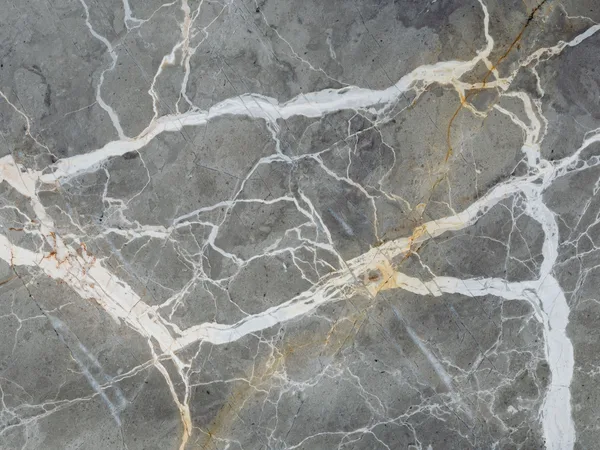
The stone type and its condition read
Old courtyard floors are checked first for foundation movement and salt under the surface before any grinding begins.
-
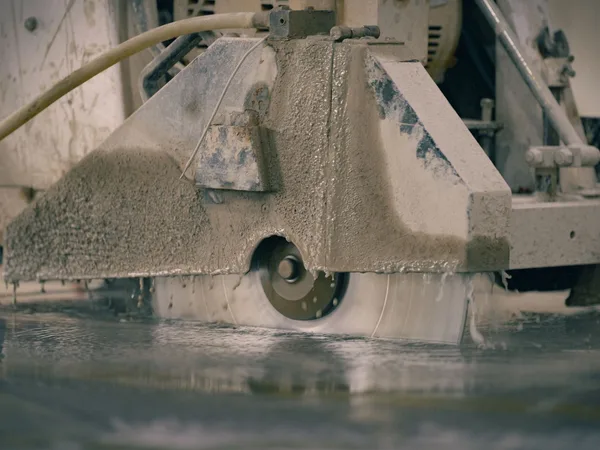
Coarse grinding to take out the scratches
Salt deposits beneath the marble are broken down and cleaned with repeated rinsing to remove them fully before polishing treatment.
-
Stepped through to the fine pads
Marble that varies in height is treated with careful grinding that accounts for natural surface irregularities.
-
Crystallisation for a hard surface
Fine cracks are examined to determine if they come from ongoing foundation movement or have settled over time.
-
Edges and skirtings
Modern villas on raised land need moisture absorption testing from below before grinding begins.
-
A final seal on the pores
After polishing, floors are left to dry fully before use, especially open courtyards exposed to air and salt.
The character of Qatif
Historic district: close-set buildings, narrow lanes and ageing services
Qatif mixes traditional houses with old foundations against modern villas on raised land, so each building style needs a different assessment of moisture and salt before polishing starts.
How we work
Survey the floor
Prepare the space
Grind and crystallise
Clean up and hand over
Some of our work
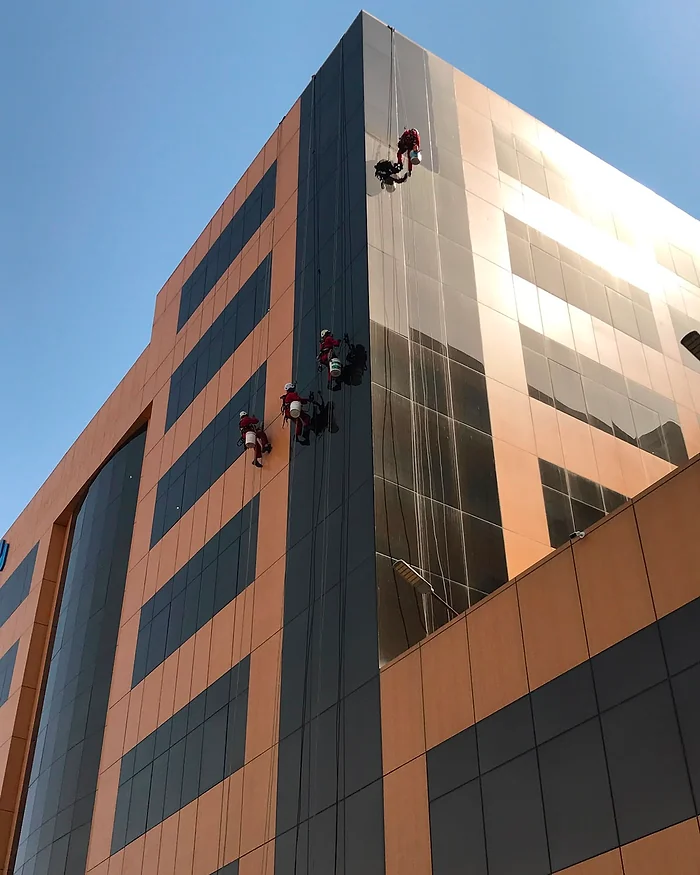
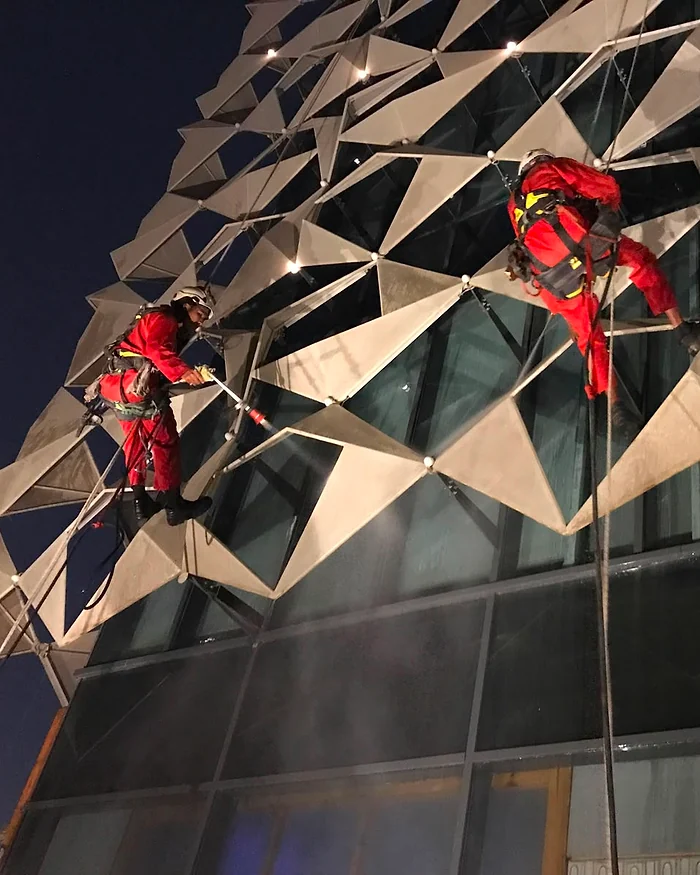
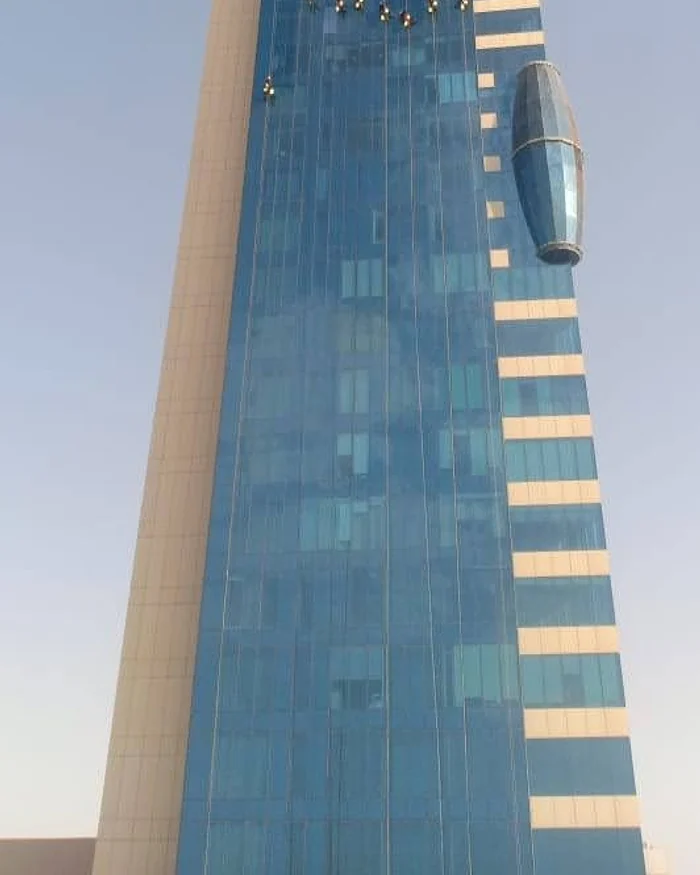
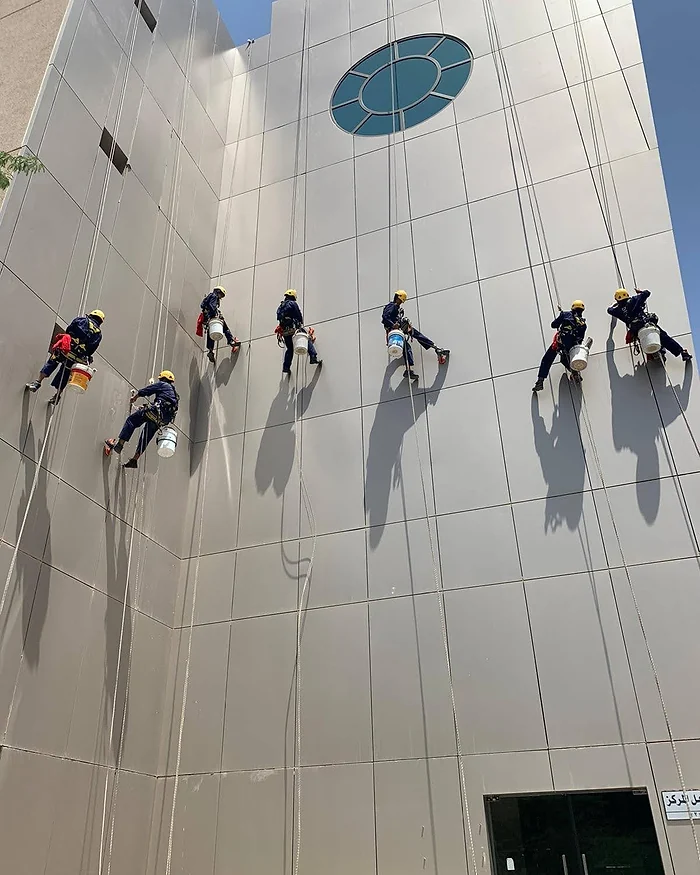
Photos from our team's work.


What is different about Eastern Province
The Eastern Province is the most humid part of the country. Dammam, Khobar, Dhahran and Jubail face the Gulf, where warm salt laden air and summer haze leave a sticky film on glass towers, corniche apartments and the cladding of Aramco and industrial housing, and refinery and petrochemical fallout at Jubail and Ras Tanura adds a fine grey grime. Al Ahsa is an oasis of palm groves, springs and older stone and mud quarters around Hofuf, while Hafr Al Batin inland is dry and swept by northern shamal dust. Metal fittings corrode and marble dulls quickly near the water.
Other services in Qatif
The room and the building around it are on one list.