Raghwat Al Janoub Maintenance and Cleaning
Marble grinding and crystallisation in Safwa
Safwa is a small, planned Gulf coast town with an updated corniche, organised residential districts and hotels, and their marble, local and Asian stone, faces salt spray and coastal moisture daily. Salt, humidity and marine air cause polish decay faster than any desert zone, affecting both natural shine and crystallised layers, and hotels and shops near the corniche need maintenance far sooner than homes further inland.
Why grinding beats a surface polish
-

Shine from the stone, not a layer
A surface polish shines for the first week, then flakes off at the doors and busy walkways.
-

Scratches removed, not hidden
Deep scratches and sunken stains do not wipe away, because they sit inside the stone.
-

A surface that resists Riyadh dust
Central Saudi dust is fine, mineral and constant, and it grinds against a soft polish all day until the shine dulls.
-
Edges and skirtings matched
Many floor jobs leave the corners and skirtings dull, so the edge of every room gives the work away.
Why the job is different in Safwa
Marble floors in Safwa's hotels and shops near the corniche show salt stains and wear noticeably faster, while homes further from the shore keep their polish longer. The whole method is set out in our notes on marble grinding and crystallisation.
-
Updated corniche and hotels facing the Gulf
The modern corniche and hotels overlooking the Persian Gulf receive tourists and visitors daily, and their marble is directly exposed to salt spray blown by sea breezes and constant damp air.
-
Marine humidity and salt penetrating pores
Damp sea air and salt enter marble pores easily and break down the crystallised layer from inside, so crystallisation needs to be redone more often than in desert zones.
-
Planned residential areas close to the shore
Safwa's organised neighbourhoods sit closer to shore than inland zones, so even homes some distance from the corniche receive more moisture and salt than desert-area equivalents.
What's Included
Safwa sits directly on the Persian Gulf and its corniche carries constant salt spray and marine humidity, so buildings near the shore face corrosion and salt-affected marble faster than buildings inland.
-
The stone type and its condition read
Sea salt and humidity penetrate marble pores quickly, so we test salt depth before each crystallisation.
-
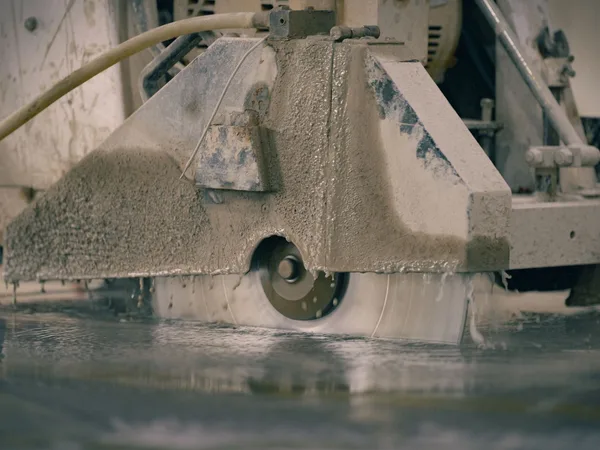
Coarse grinding to take out the scratches
Hotels and shops near the corniche need crystallisation every six to eight weeks because of constant salt spray.
-
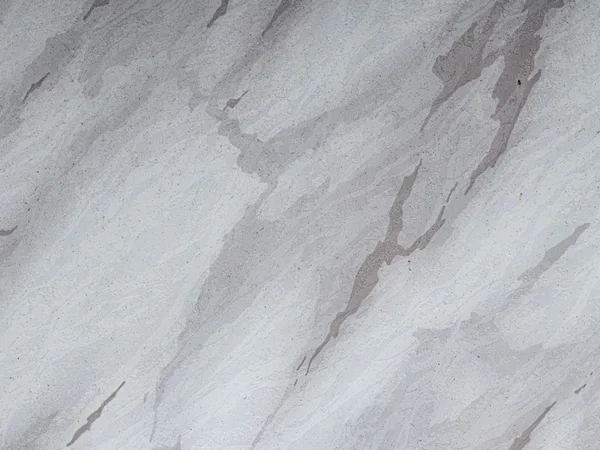
Stepped through to the fine pads
Surface salt stains are removed gently before crystallisation so they do not harden under the new layer.
-
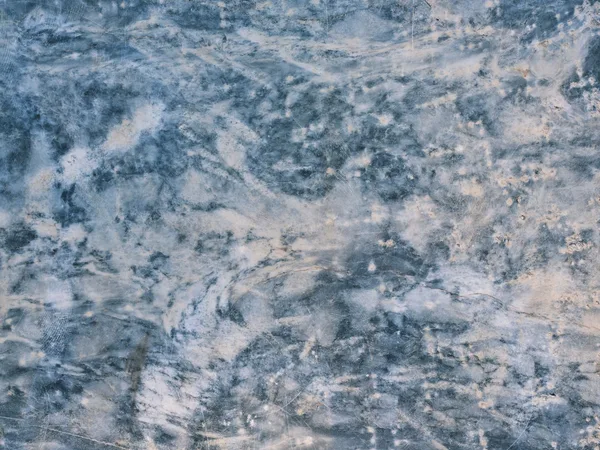
Crystallisation for a hard surface
Homes further from shore need less maintenance but still face more salt than desert-region homes.
-
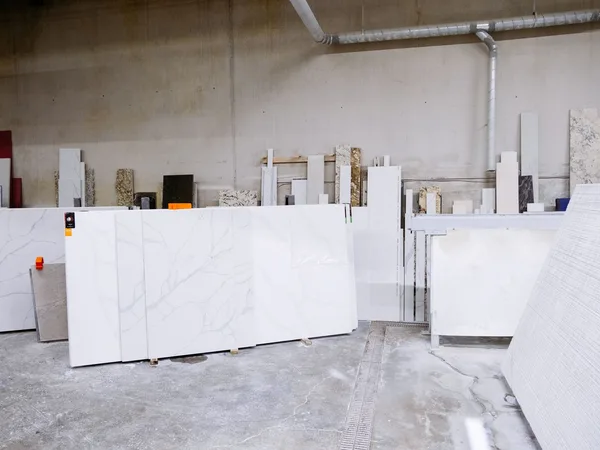
Edges and skirtings
High humidity in marine air slows crystallisation drying, so we allow extra time between finishing and use.
-
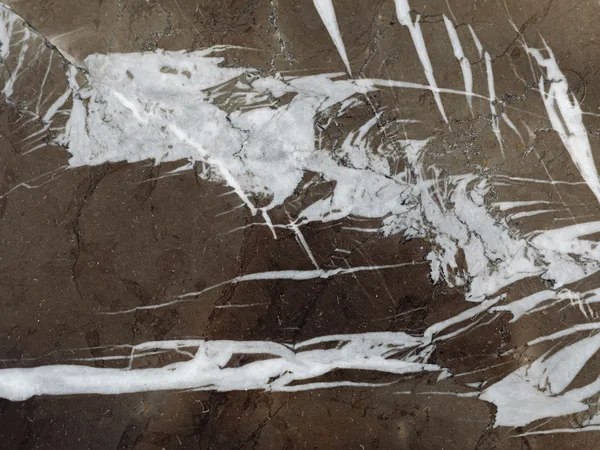
A final seal on the pores
Monthly inspection for salt stains helps predict the next crystallisation date before visible wear appears.
The character of Safwa
Coastal area: high humidity and salt air through the year
Safwa brings together waterfront hotels, planned-neighbourhood homes and shops, each building type getting different salt exposure, so hotels need intensive maintenance and homes further back need less, but all need more than desert-region equivalents.
How we work
Survey the floor
Prepare the space
Grind and crystallise
Clean up and hand over
Some of our work
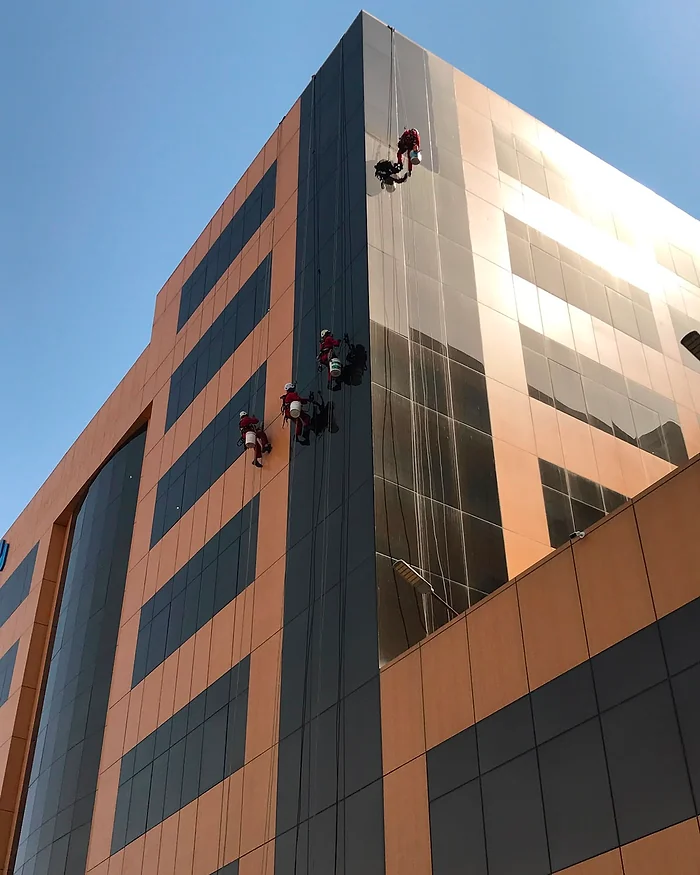
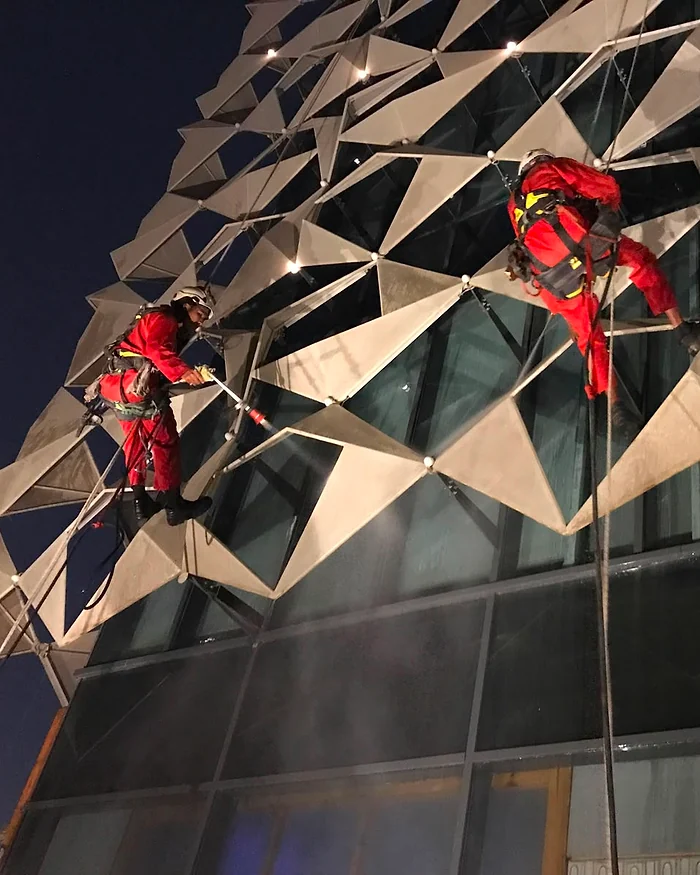
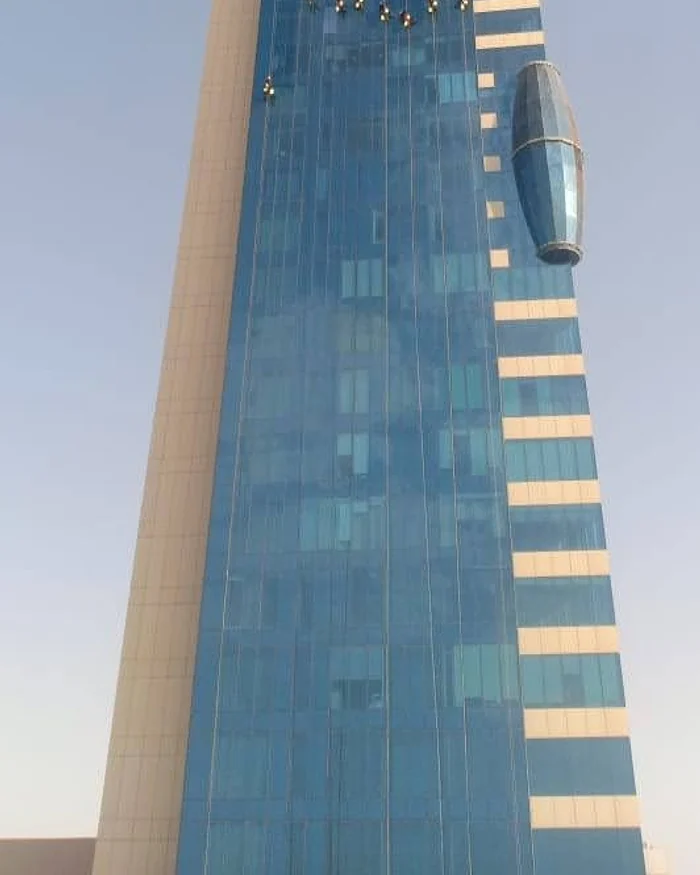
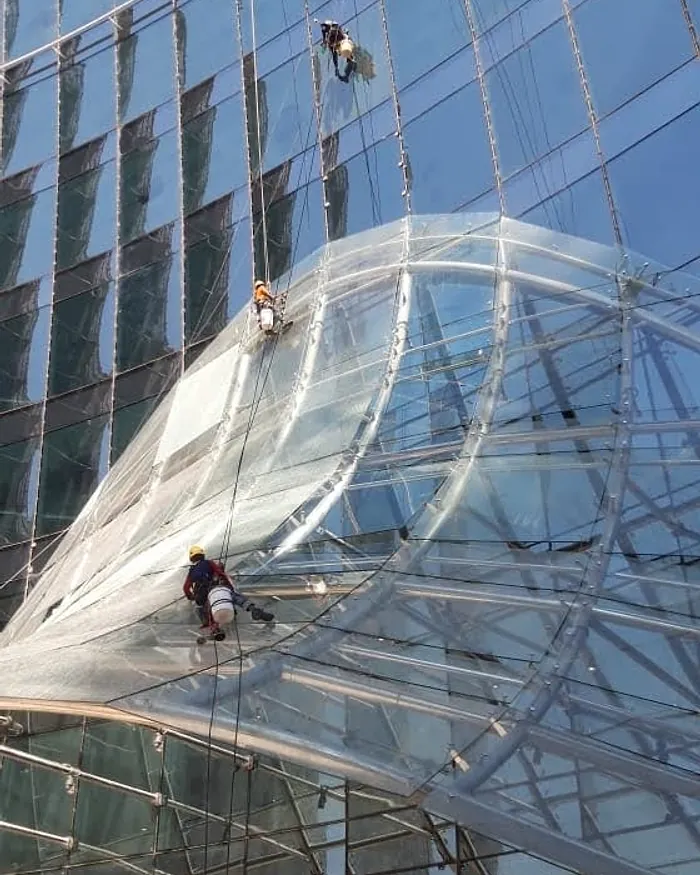
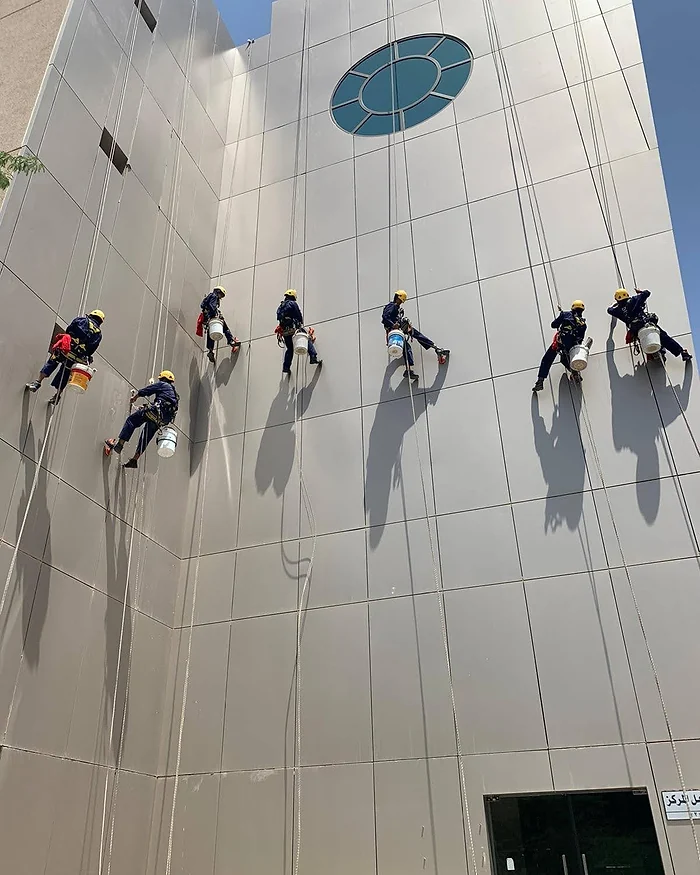
Photos from our team's work.

Landmarks of Safwa
Scheduling in Safwa runs around Safwa Corniche and the historic mosques at the town centre, so visits are arranged to reach waterfront hotels and shops and residential neighbourhoods near Al-Khudr and Al-Mustafa Mosques without one appointment running into the next.
- Safwa Corniche
- Al-Khudr Mosque
- Al-Mustafa Mosque
- Al-Jubara Market
Other services in Safwa
The room and the building around it are on one list.