Raghwat Al Janoub Maintenance and Cleaning
Building facade cleaning in Al-Baha
Al-Baha sits on the Sarawat crest above two thousand metres in a climate cold and rainy most of the year with fog and high humidity that grows lichen and moss on north facing walls of the stone villas and mid rise blocks spread over the slopes. Stone stays perpetually damp in misty mornings, and mud from the surrounding terraces splashes ground floors after rain.
Why a facade needs regular cleaning
-

The surface is protected
The wrong product costs more than the dirt it removes.
-
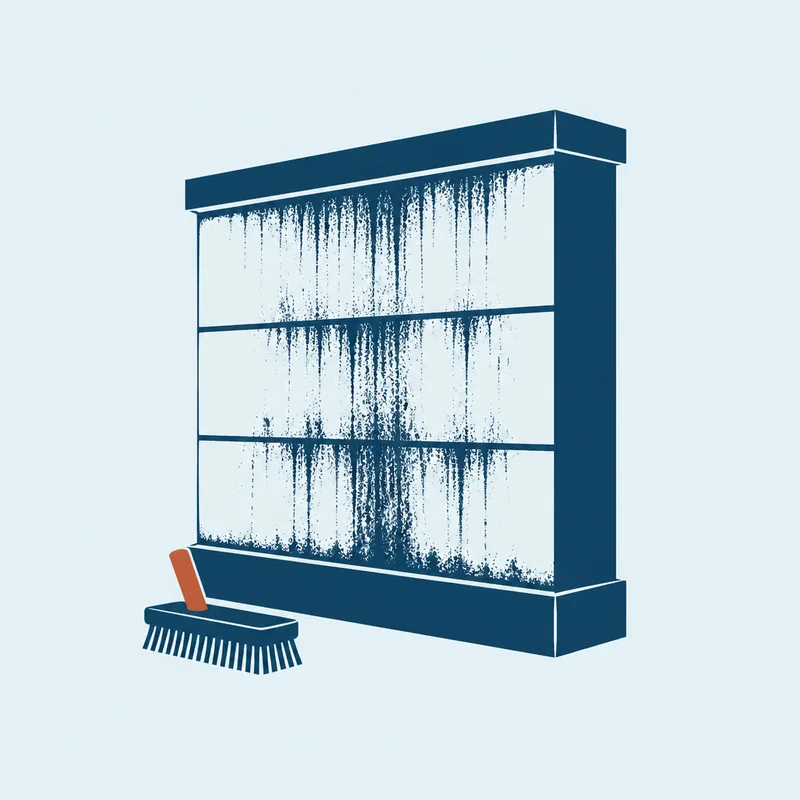
Access decided on site
We do not pick the access method from an office.
-

Glass stays clear
Calcium scale on glass turns into permanent etching if it is left.
-

The building keeps running
We plan the access and the working hours around how the building is used through the day, and we protect the ground, the entrances and anyone passing below.
Why the job is different in Al-Baha
Lichen and moss grow noticeably fast on north facing stone here and need removal before they penetrate deep enough to cause lasting damage to the finish. The whole method is set out in our notes on building facade cleaning.
-
Lichen and moss on north facing stone
High moisture and constant fog drive lichen and moss growth on stone faces that look north, especially granite and slate. Removing these living growths needs specialised treatment that does not penetrate stone or cause cracking and spalling of the face.
-
Mud splashed from terraces onto ground floors
Terraced fields above the slopes wash onto ground floor facades after seasonal rain, leaving a coating of clay and soil on lower elevations and ground level shopfronts. Regular washing before mud dries hard removes it safely and protects glass and cladding from scratch damage.
-
Heavy dew and mineral salts on morning glass
Cold misty mornings deposit heavy dew on glass and metalwork that leaves mineral salt marks and white residue stains. Regular cleaning before these salts concentrate prevents hard water deposits, and keeps glass clear for the mountain views from inside the building.
What's Included
Juniper forests surround the villas and apartment blocks, and granite and slate need specialised care because of the unending moisture in air and stone.
-
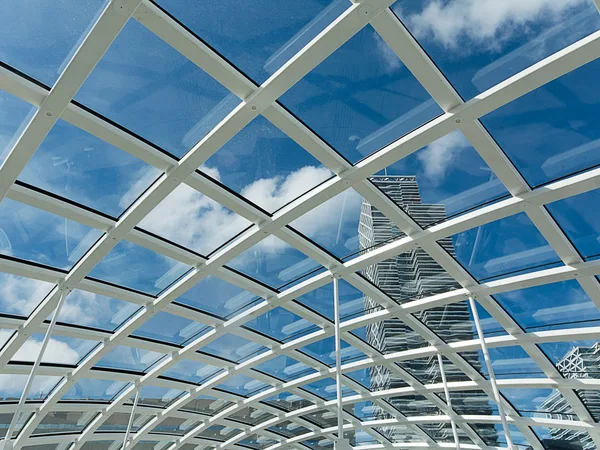
Roof survey and anchor points
Mountain slopes need careful survey for roof anchor points, and constant moisture means the roof may not dry quickly after rain, requiring extended drying time between jobs.
-
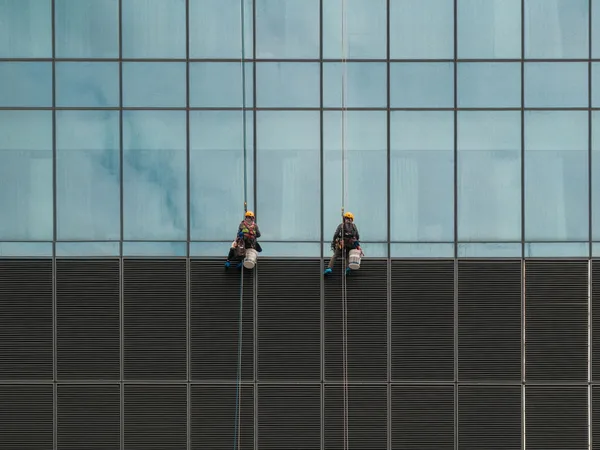
Access chosen: rope or powered
High humidity makes rope access safer than powered platforms, and fog may cut visibility so extra safety lines and reflective markers are needed to guard the crew and passing traffic.
-
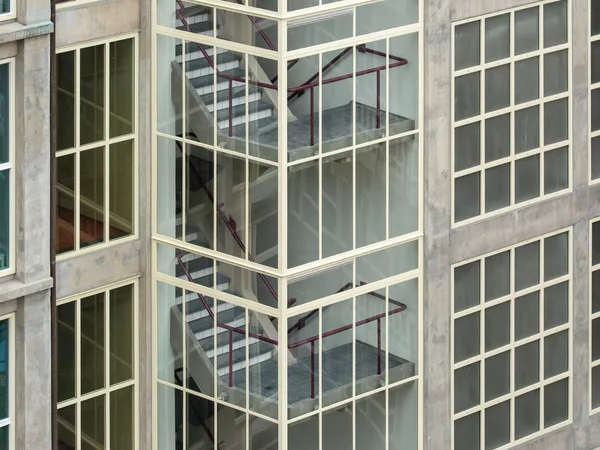
A test patch before the whole elevation
Test patches on granite and slate are mandatory to prevent metal oxidation staining or deepening of existing cracks and fissures in the stone layers before washing begins.
-
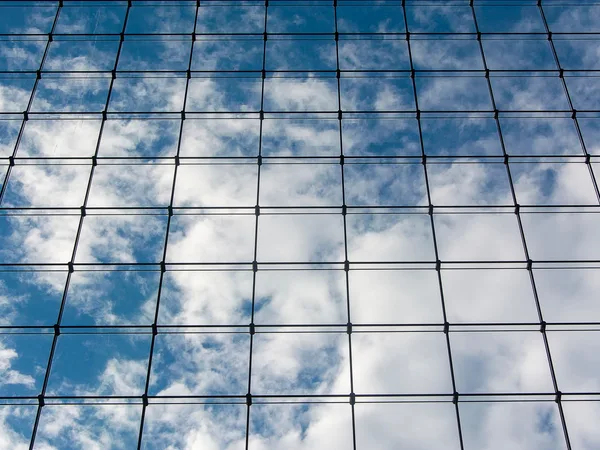
Glass and curtain walling
Glass on facades needs frequent cleaning because of dew and condensation deposits, and curtain wall frames may need specialist treatment to remove salt residue from the sealants.
-
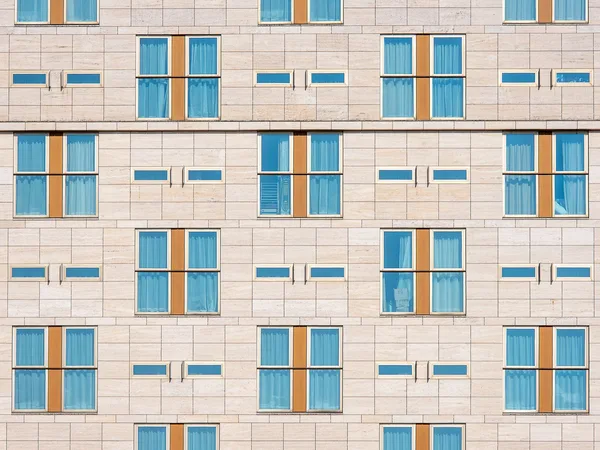
Cladding and stone, pH-neutral
Cladding and stone need pH neutral cleaner that does not strip protection or accelerate oxidation. Slate especially needs care to prevent water entering between the layers and causing frost damage.
-
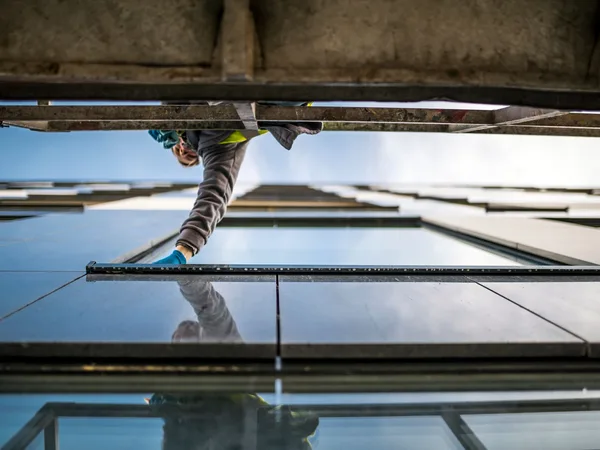
Ground and passers-by protected
Ground floor areas and passing pedestrians need protection from mud runoff and splash, and the slopes mean water runs fast downhill towards the street so careful direction and containment are essential.
Landmarks of Al-Baha
Facades along King Abdulaziz Road and near Raghadan Forest need careful access planning to keep them safe, with anchor points selected on shopfront and building roofs away from protected areas and foot traffic routes.
- Raghadan Forest
- King Abdulaziz Road
- King Fahd Hospital
- Al-Baha University
- Dhee Ayn Village
How we work
Survey from the roof
Choose access and products
Wash top to bottom
Inspect and hand over
Some of our work
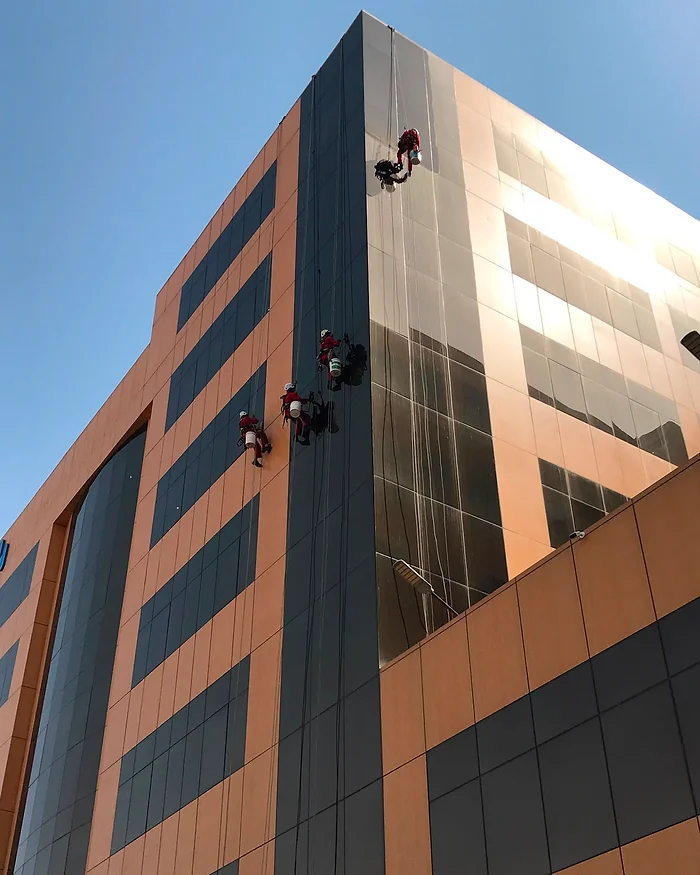
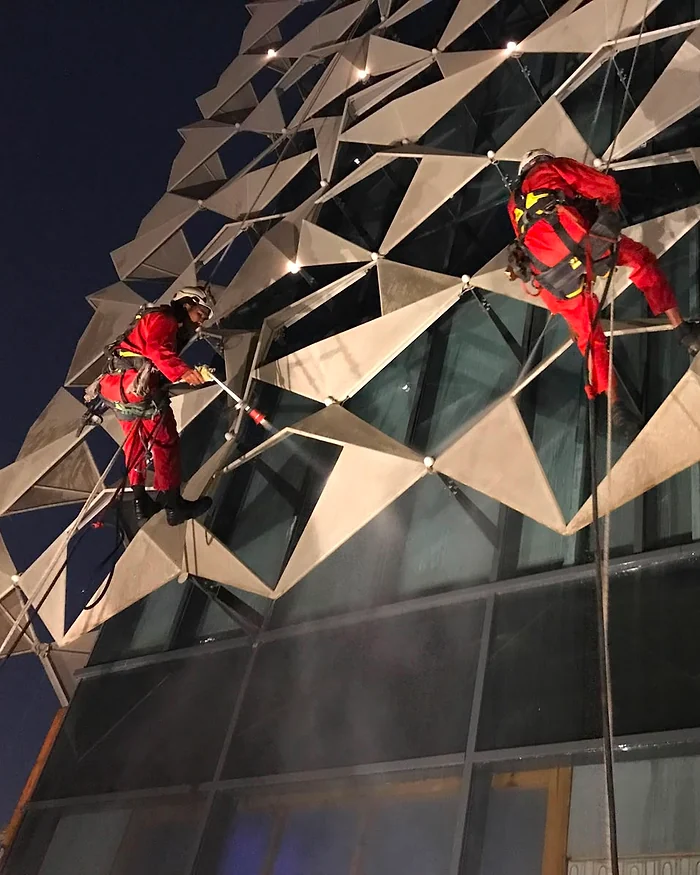
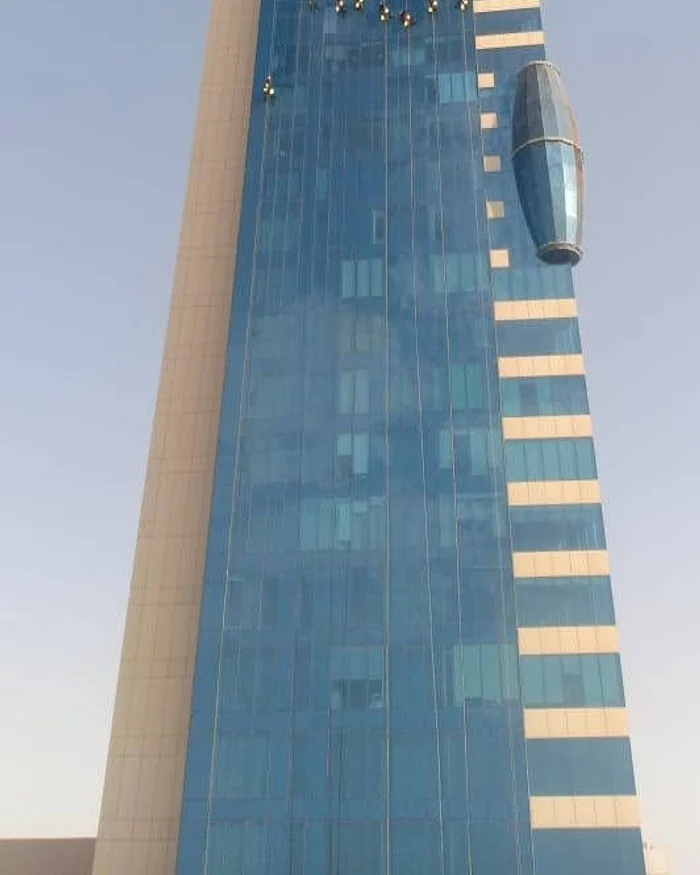
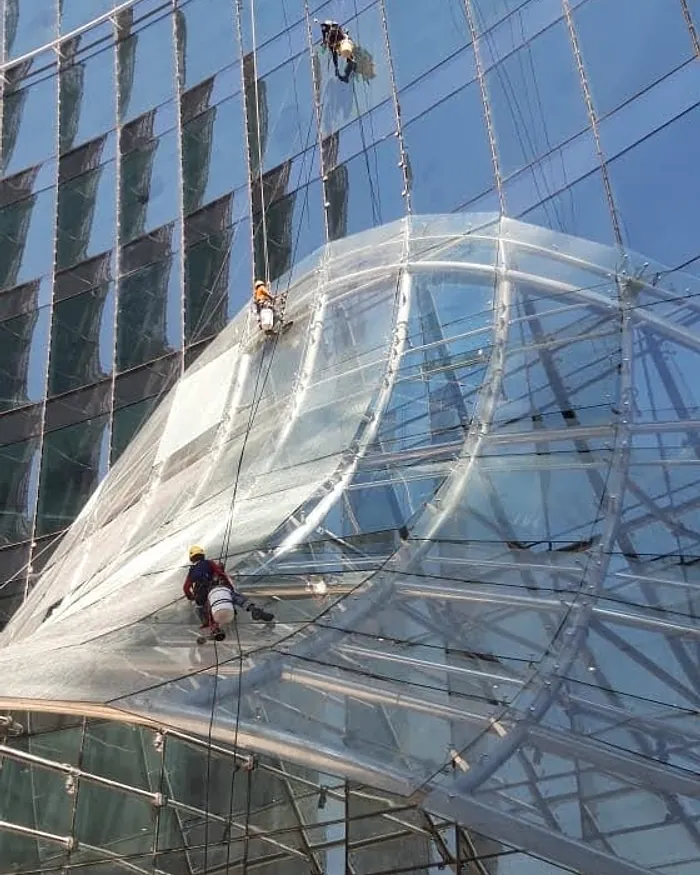
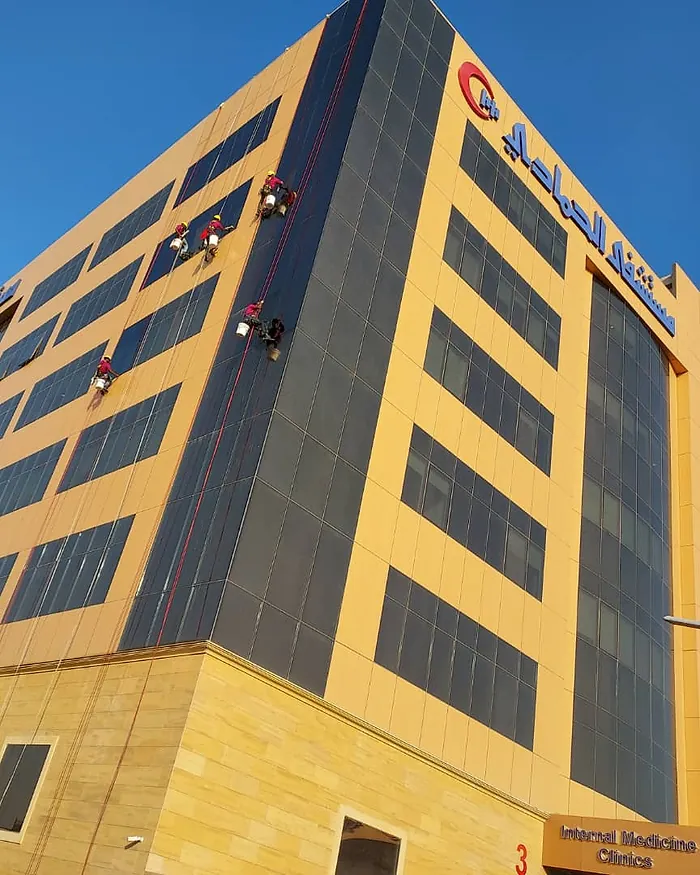
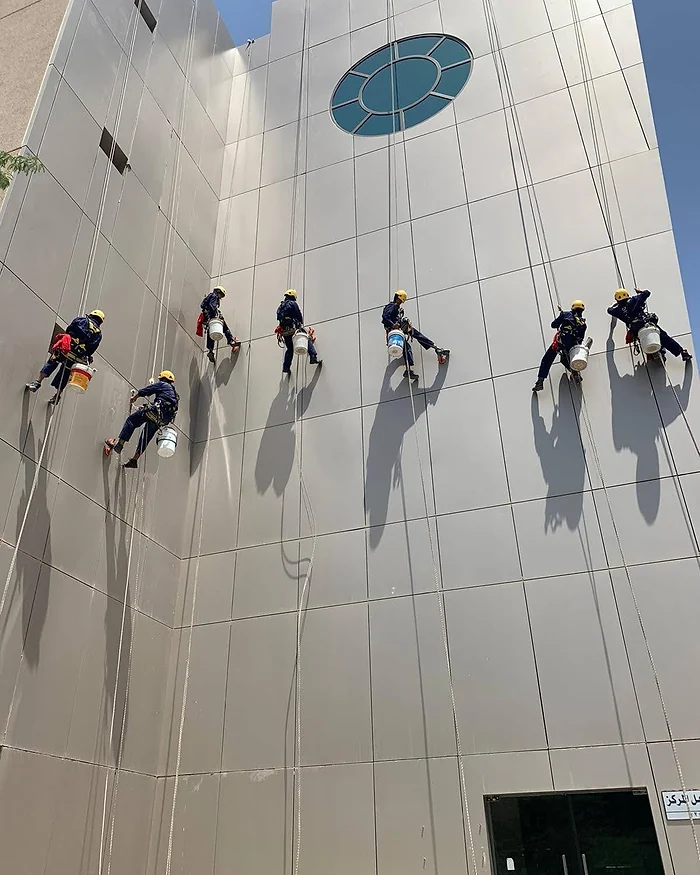
Photos from our team's work.
What is different about Al Bahah Region
Al Bahah is a small highland region of forests, terraces and stone villages on the Sarawat, with Baljurashi and Al Mandaq beside the capital and Qilwah and Al Mikhwah down in the hot Tihama lowland. The high country is cool, foggy and rainy for much of the year, and the traditional houses are slate and granite with the marble village of Dhee Ayn among them. Stone stays wet, lichen and moss creep over north facing walls, and mud from the terraces splashes ground floors, while the lowland towns take the humid heat and salt haze of the coast.
Other services in Al-Baha
The room and the building around it are on one list.