Raghwat Al Janoub Maintenance and Cleaning
Building facade cleaning in Jeddah
Jeddah sits directly on the Red Sea, so salt laden humidity reaches almost every elevation, from the glass towers along the corniche to the coral stone merchant houses in the old quarter. That damp, salty air settles on glass and aluminium faster than it would inland, so a building's age and material decide how access and products are chosen.
Why a facade needs regular cleaning
-
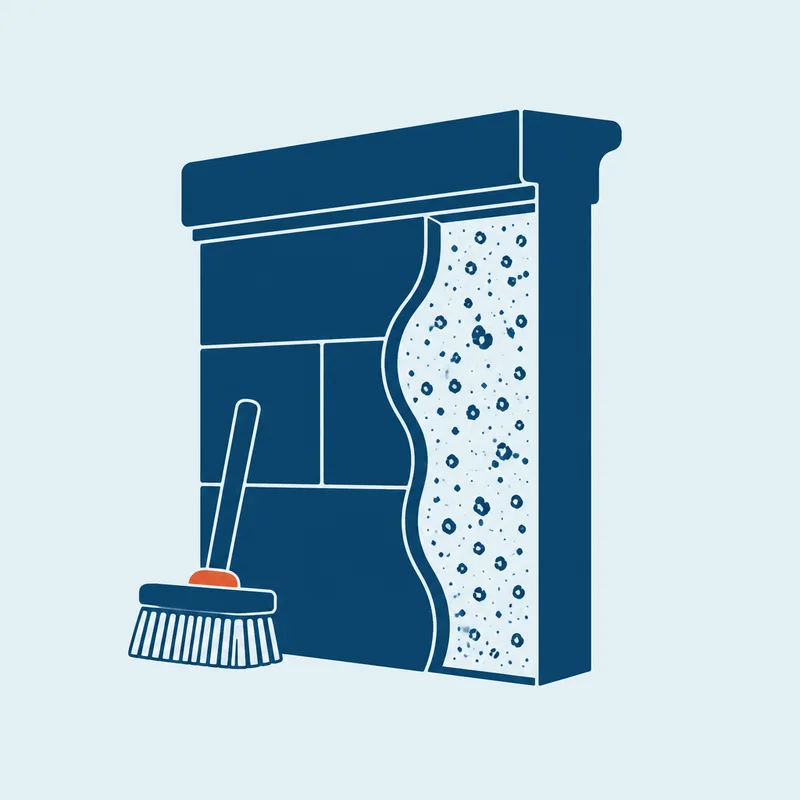
The surface is protected
The wrong product costs more than the dirt it removes.
-
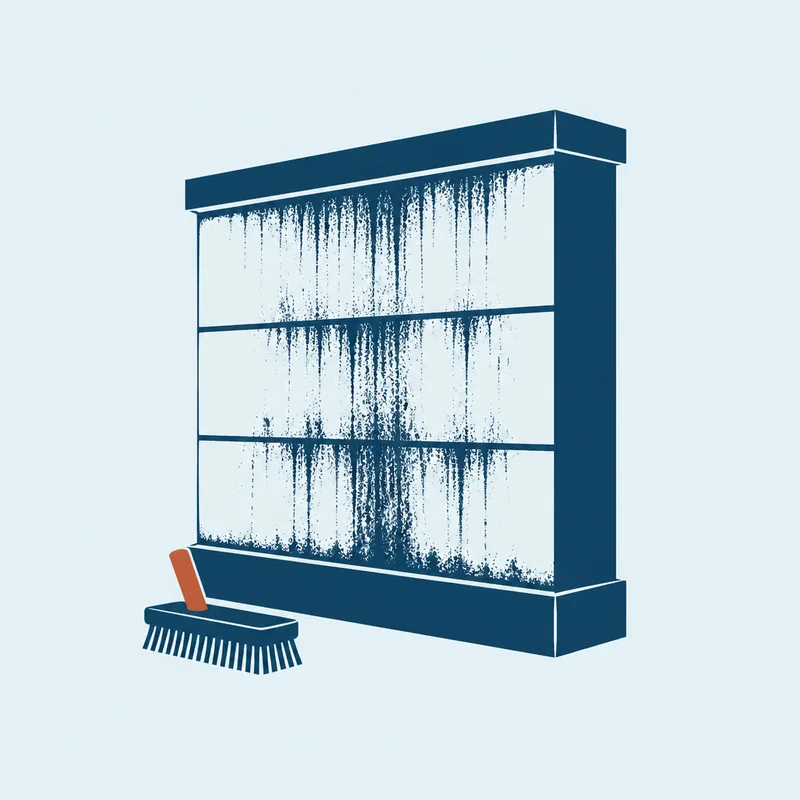
Access decided on site
We do not pick the access method from an office.
-

Glass stays clear
Calcium scale on glass turns into permanent etching if it is left.
-
The building keeps running
We plan the access and the working hours around how the building is used through the day, and we protect the ground, the entrances and anyone passing below.
Why the job is different in Jeddah
On the same tower in Jeddah, the elevation facing the Red Sea often carries a heavier salt film than the landward side, so the two faces of one building rarely need attention on the same schedule. The whole method is set out in the details of our building facade cleaning service.
-
Salt reaches the fixings before it reaches the glass
Salt carried in off the Red Sea works into anchor bolts and rope rigging points on the roof faster than it would in a city away from the coast, so every survey in Jeddah checks the condition of those fixings before any work starts on the elevation itself.
-
Al-Balad's coral stone needs different handling from corniche cladding
The old merchant houses in Al-Balad are built from porous coral stone that absorbs salt and moisture, quite unlike the metal cladding panels on the towers along the corniche, so each surface is tested first and treated with its own material and strength rather than one product used across the whole building.
-
Villas, towers and one unfinished giant share the same skyline
Jeddah runs from low coastal villas to tall towers on the corniche and an enormous tower still under construction, so the choice between rope access and a powered platform is made building by building, based on its height and the shape of its elevation rather than a fixed rule for the whole area.
What's Included
Jeddah's air stays humid and salt heavy for most of the year, unlike the dry inland cities, so glass and aluminium remain damp for longer and salt residue clings to the surface instead of drying off and blowing away with dust.
-
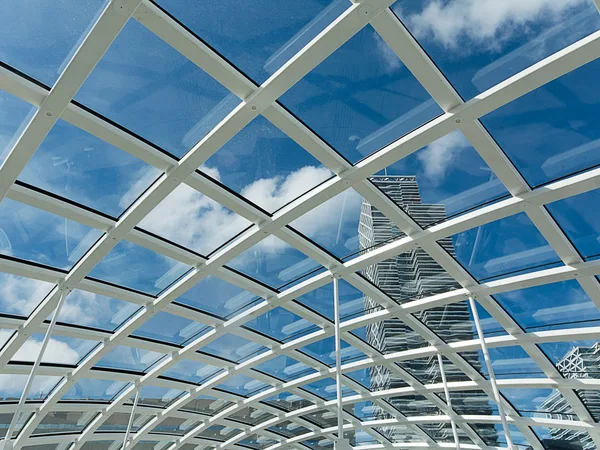
Roof survey and anchor points
In Jeddah we pay particular attention to anchor bolts and rope rigging points on the roof, since salty air corrodes them faster than it would further from the coast.
-
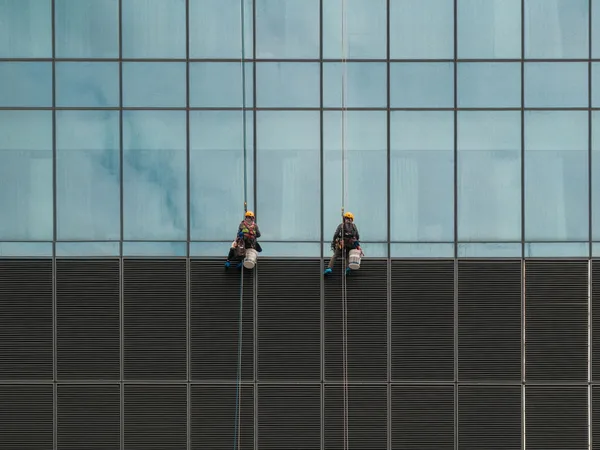
Access chosen: rope or powered
Access varies between low coastal villas and tall towers on the corniche, so the method is decided building by building, based on its height and location.
-
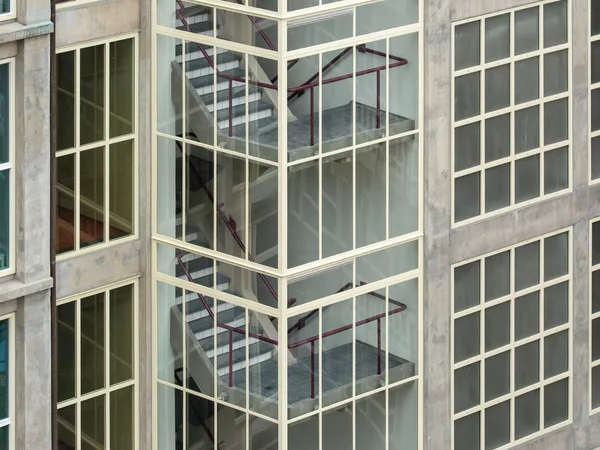
A test patch before the whole elevation
We test any product on a small patch first, because the porous coral stone in Al-Balad reacts differently to cleaners than the modern cladding on newer towers.
-
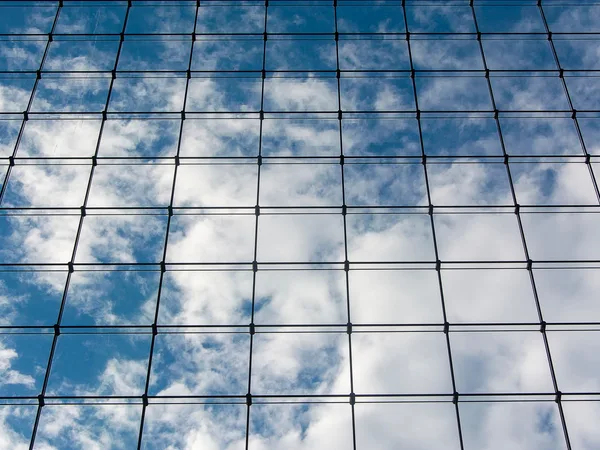
Glass and curtain walling
Curtain walling facing the Red Sea builds up a thin salt film faster than the faces set back from it, so it needs washing that lifts salt, not just dust.
-
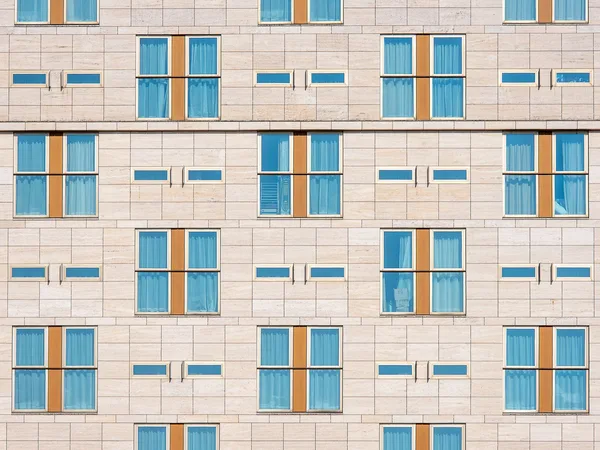
Cladding and stone, pH-neutral
From the old coral stone of Al-Balad to the cladding on corniche towers, the strength of the pH-neutral product is chosen to match how porous each surface is and how old the building is.
-
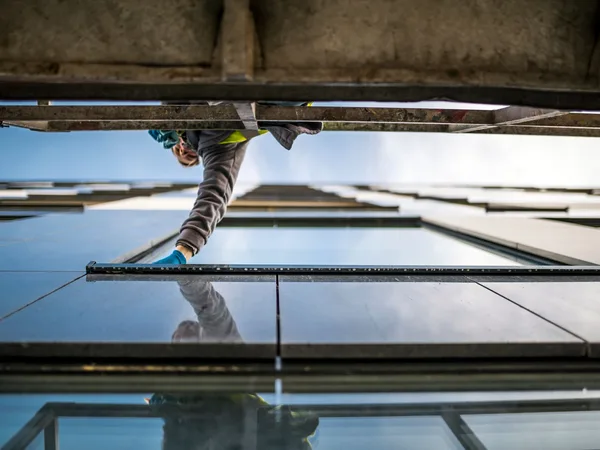
Ground and passers-by protected
We protect the ground and walkways around the site while work is under way, particularly near the corniche and the busy commercial streets nearby.
Landmarks of Jeddah
From Jeddah Corniche, where glass towers face the sea, to the Al-Balad Historic District with its old coral stone houses, access and survey work are planned around each site's exposure to salt and damp.
- King Fahd's Fountain
- King Abdullah Sports City
- Al-Rahmah Mosque
- Jeddah Corniche
- Al-Balad Historic District
How we work
Survey from the roof
Choose access and products
Wash top to bottom
Inspect and hand over
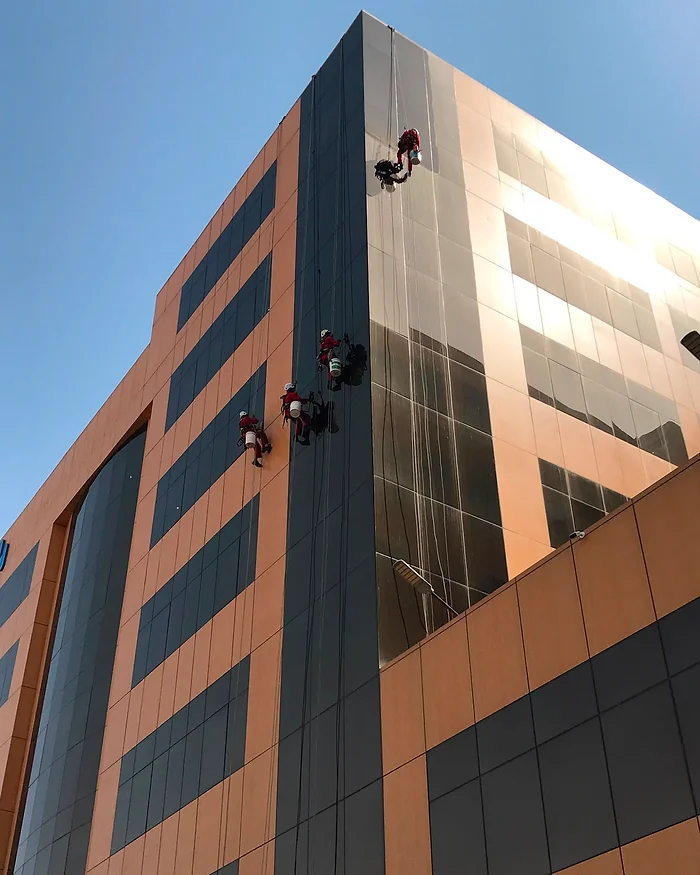
Some of our work
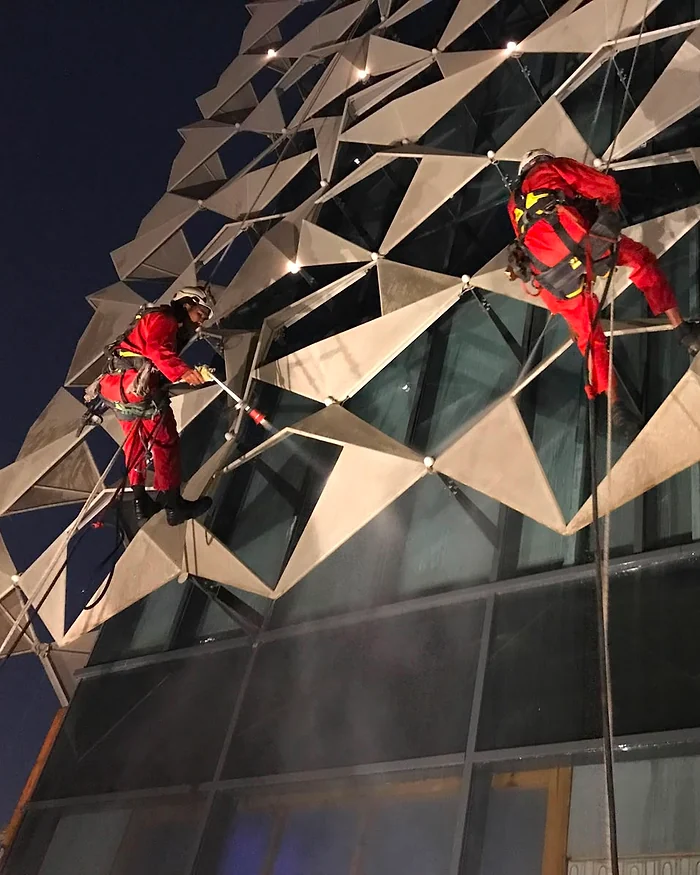
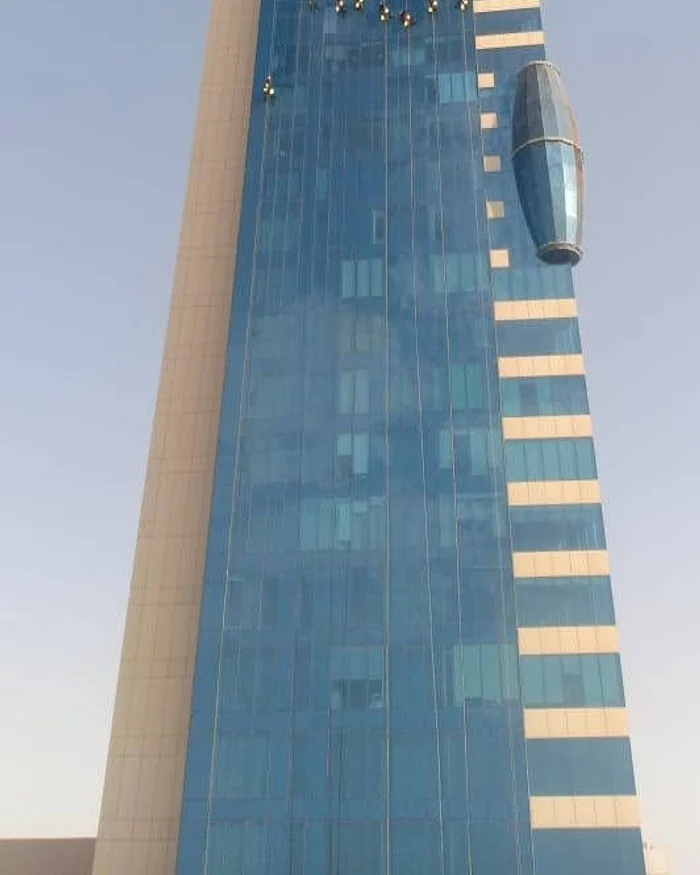
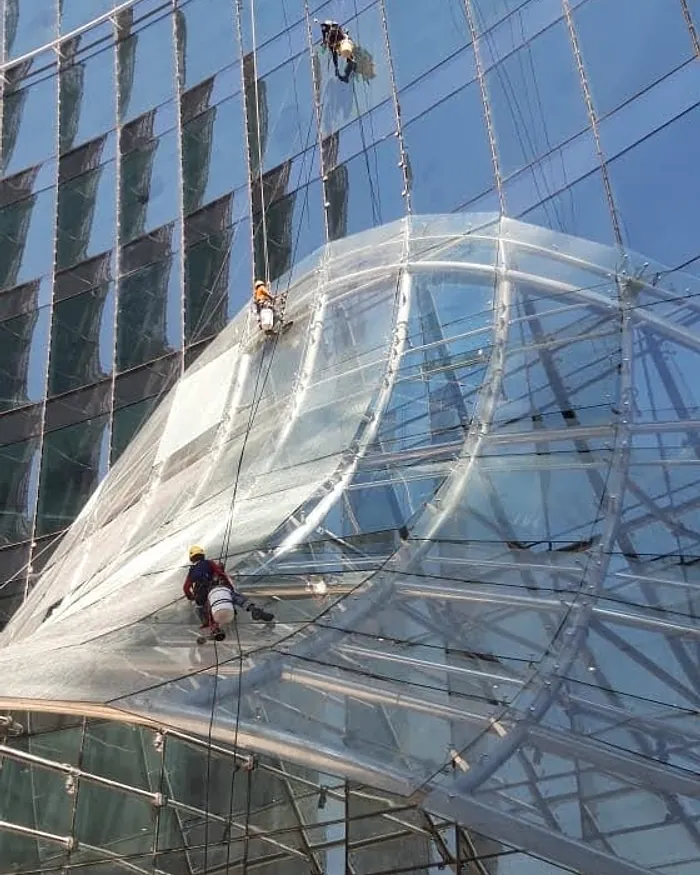
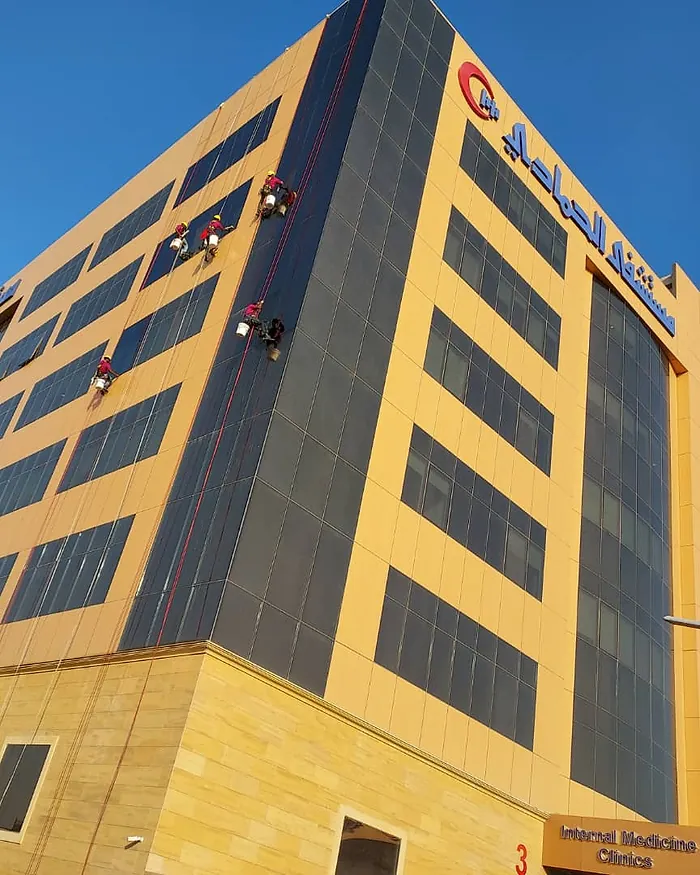
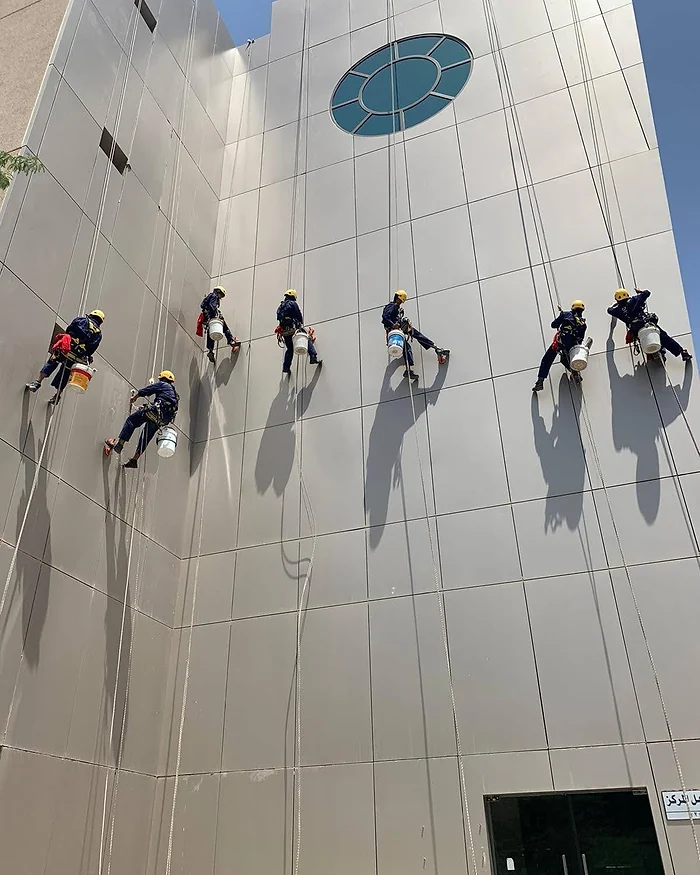
Photos from our team's work.
What is different about Makkah Region
Makkah Region reaches from the Red Sea coast at Jeddah, Rabigh, Al Lith and Al Qunfudhah to the holy city in its valley and up to Taif on the Hijaz escarpment. Jeddah's corniche towers, glass offices and the coral stone houses of Al Balad live in humid, salt laden air that films glass and pits metal. Makkah's hotel towers and marble courtyards stand in dry heat with constant pilgrim traffic and dust, while Taif's stone villas get fog, rain and cold nights on Al Hada. Salt residue and damp are the main enemies of stone and glass here.
Other services in Jeddah
The room and the building around it are on one list.