Raghwat Al Janoub Maintenance and Cleaning
Building facade cleaning in Rijal Almaa
Rijal Almaa is a historic stone village of tall multi storey tower houses set in an isolated mountain valley that receives summer monsoon rain, thick fog and cold winter nights, leaving the masonry damp for weeks at a time. Moss and algae flourish on shaded elevations, and mortar weeps white salt crystals that slowly etch the stone. Cleaning facades here means stopping fungal growth and removing salt efflorescence before it etches permanent damage into the heritage walls, using methods that preserve the ancient stonework and traditional construction.
Why a facade needs regular cleaning
-
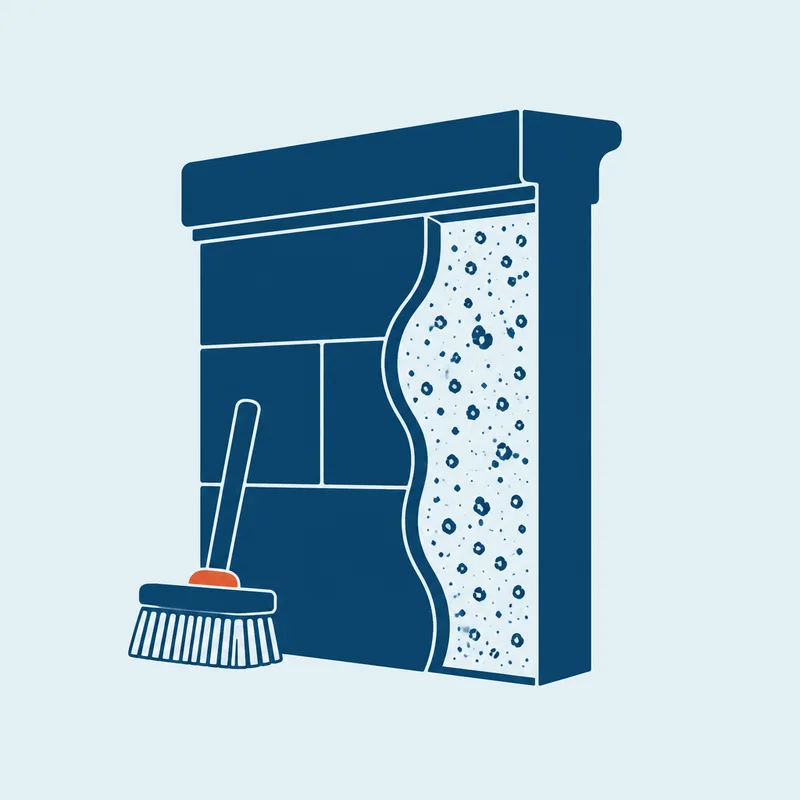
The surface is protected
The wrong product costs more than the dirt it removes.
-
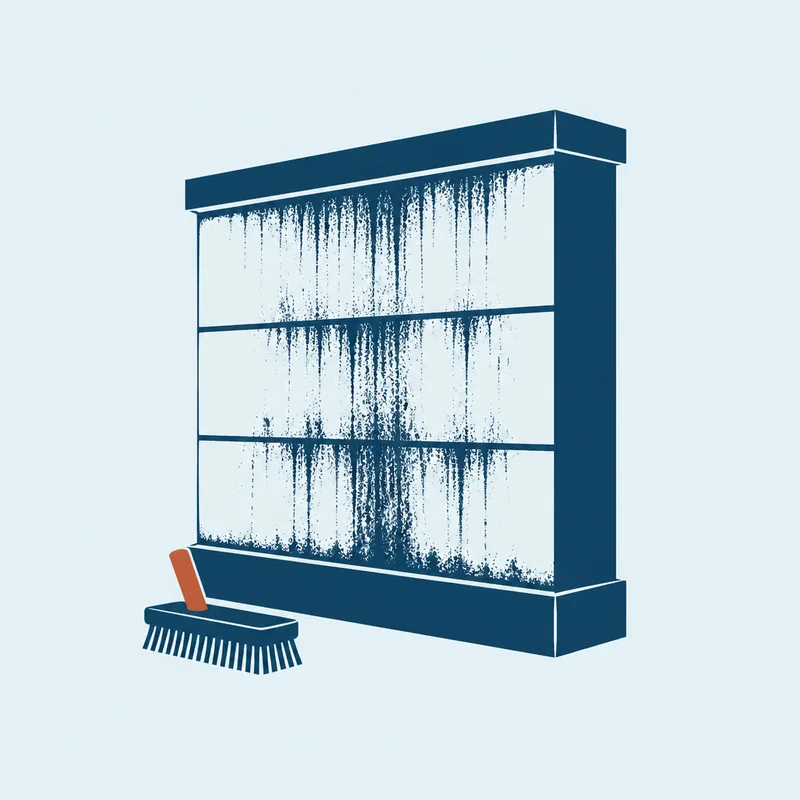
Access decided on site
We do not pick the access method from an office.
-

Glass stays clear
Calcium scale on glass turns into permanent etching if it is left.
-

The building keeps running
We plan the access and the working hours around how the building is used through the day, and we protect the ground, the entrances and anyone passing below.
Why the job is different in Rijal Almaa
Wet stone shows white salt deposits that form and reform after rain, and shaded walls may turn black with algae while the sun facing side shows orange rust stains from iron seepage in the mortar. The whole method is set out in our full account of building facade cleaning.
-
Year-round damp makes historic stone a breeding ground for fungal growth
In Rijal Almaa the masonry rarely dries completely. Overnight fog condenses water onto every stone face, and the low sun cannot dry it before the next fog arrives. Moss and algae colonise the shaded sides of towers, especially where adjacent buildings cast permanent shadow. Cleaning must kill the living organisms, not simply scrub the surface, and must use products gentle enough for stone that is centuries old.
-
Mortar weeps white salts that etch stone over time
Moisture forces dissolved salts from inside the stone and mortar to migrate to the surface, where they crystallise into white crusts. These salt deposits slowly etch the stone and accelerate natural weathering. Left long enough the crust becomes permanent and the stone underneath becomes soft and friable. Regular cleaning and neutral pH products prevent this migration, preserving the integrity of both stone and mortar.
-
Tower houses have multiple exposures with very different conditions
Tall towers with narrow footprints have four fully exposed facades, each facing different sun and wind exposure. The southern face may be relatively dry while the northern and eastern sides are damp and moss-covered. Choosing between rope access and temporary scaffolding depends on tower height, building shape, and the narrow steep alleys that limit equipment placement.
What's Included
The village sits at high elevation in a mountain valley that captures fog, rain and cold air, keeping stone and mortar chronically damp even when the lowlands are dry.
-
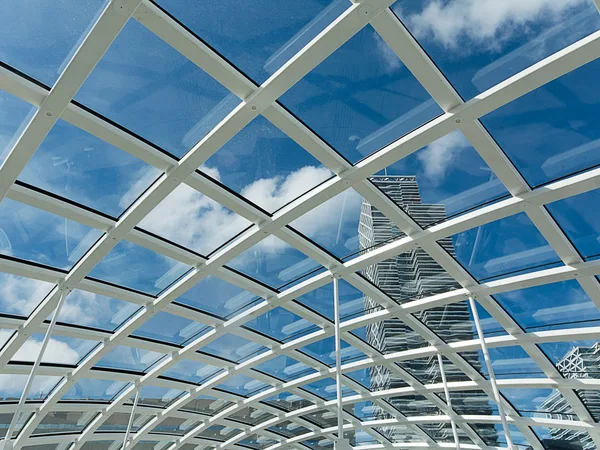
Roof survey and anchor points
Roof survey in Rijal Almaa must account for ancient timber frames and stone anchor points, because roofs may be weak or constructed in ways that make equipment tie points unsafe.
-
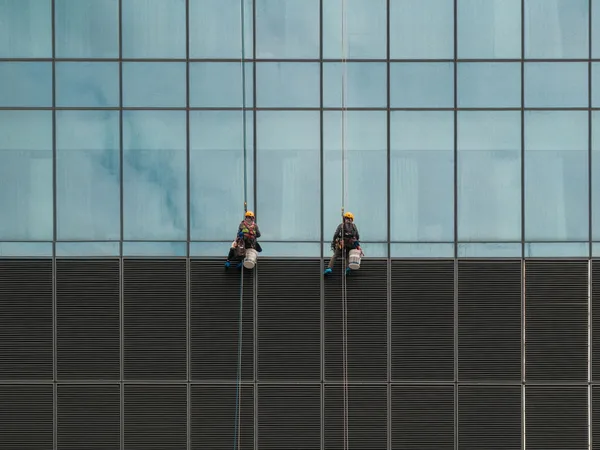
Access chosen: rope or powered
Rope access is the standard method because alleys are too narrow for mobile lifts and roofs cannot safely support hoist equipment without structural assessment.
-
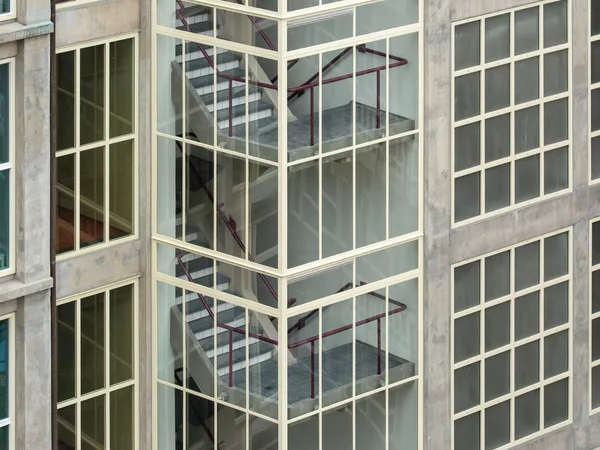
A test patch before the whole elevation
Test patch must be tried on both stone and mortar separately, because a solution safe for stone may strip or desiccate ancient mortar.
-
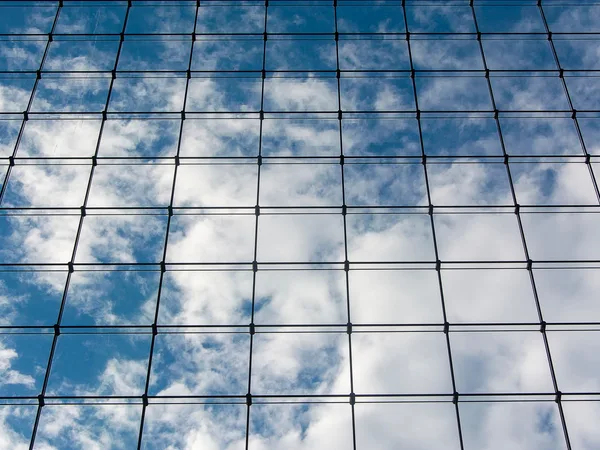
Glass and curtain walling
Glass may be very old and thin, so we use water only or the gentlest possible cleaner to avoid thermal shock or abrasion.
-
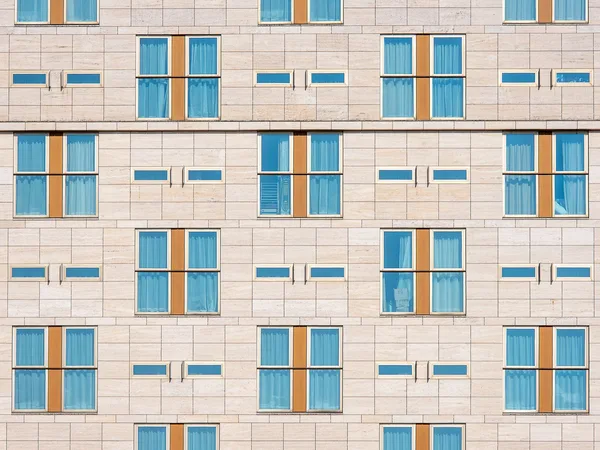
Cladding and stone, pH-neutral
Old stone and mortar are extremely sensitive, so we use only pH-neutral products that do not strip or etch the heritage layers.
-
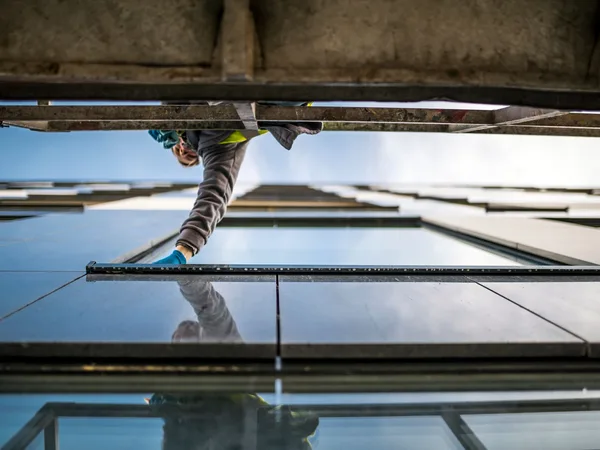
Ground and passers-by protected
Alleys through the village are very narrow, so we coordinate with residents, protect passageways with covers, and remove equipment rubble each day.
The character of Rijal Almaa
Historic district: close-set buildings, narrow lanes and ageing services
Historic districts like Rijal Almaa require cleaning that preserves heritage. The tower stone is ancient, the mortar may be original to the centuries-old construction. Cleaning here means stopping new damage, not restoring newness. Strong chemistry is prohibited, and speed can do more harm than leaving the walls untouched.
How we work
Survey from the roof
Choose access and products
Wash top to bottom
Inspect and hand over
Some of our work
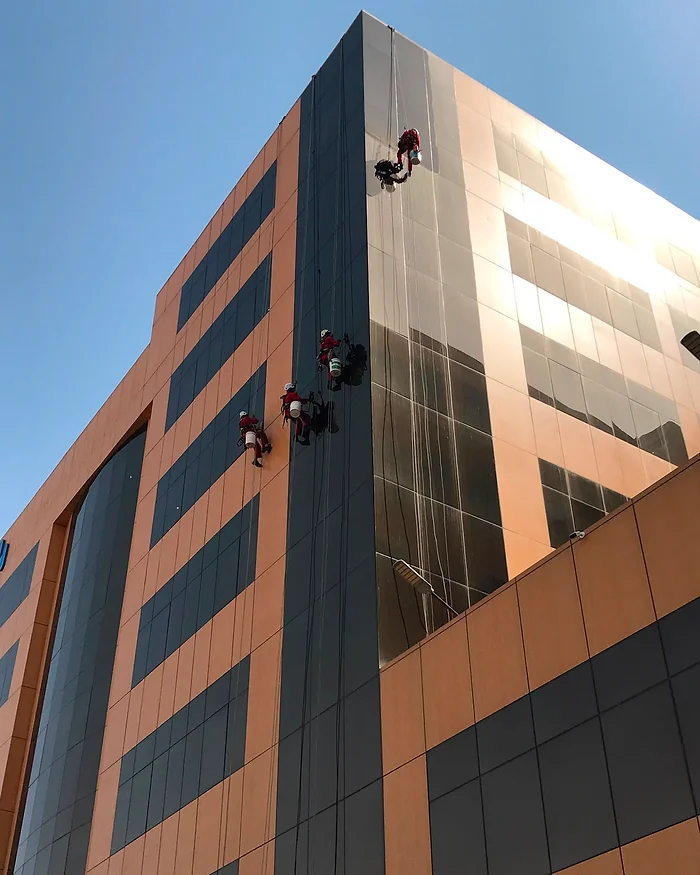
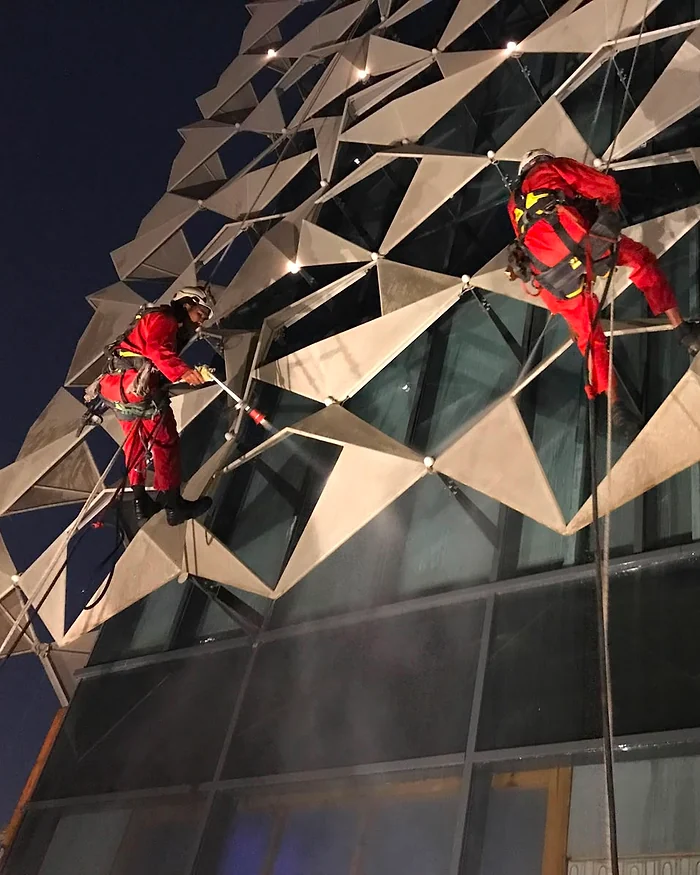
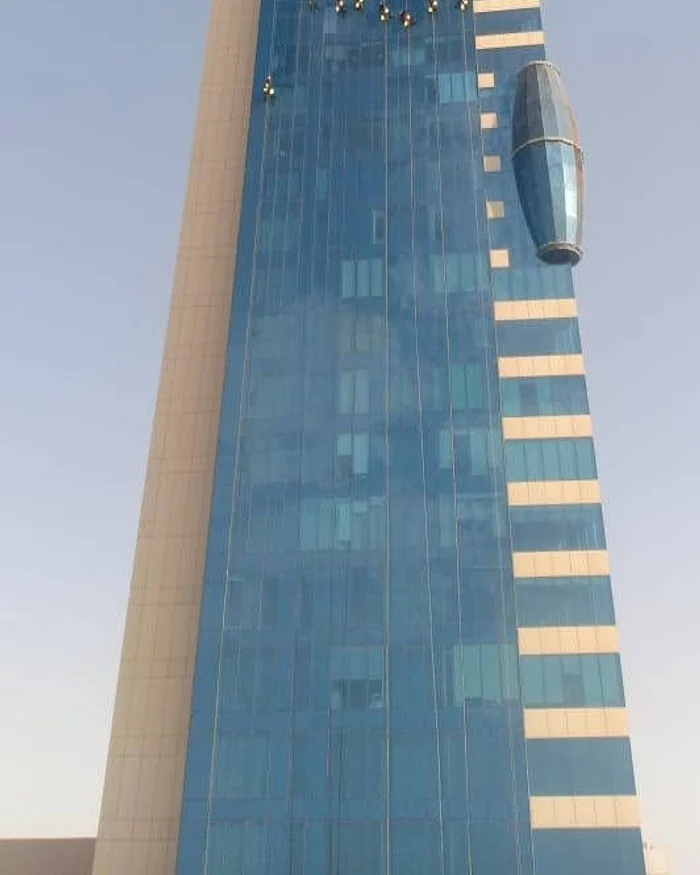
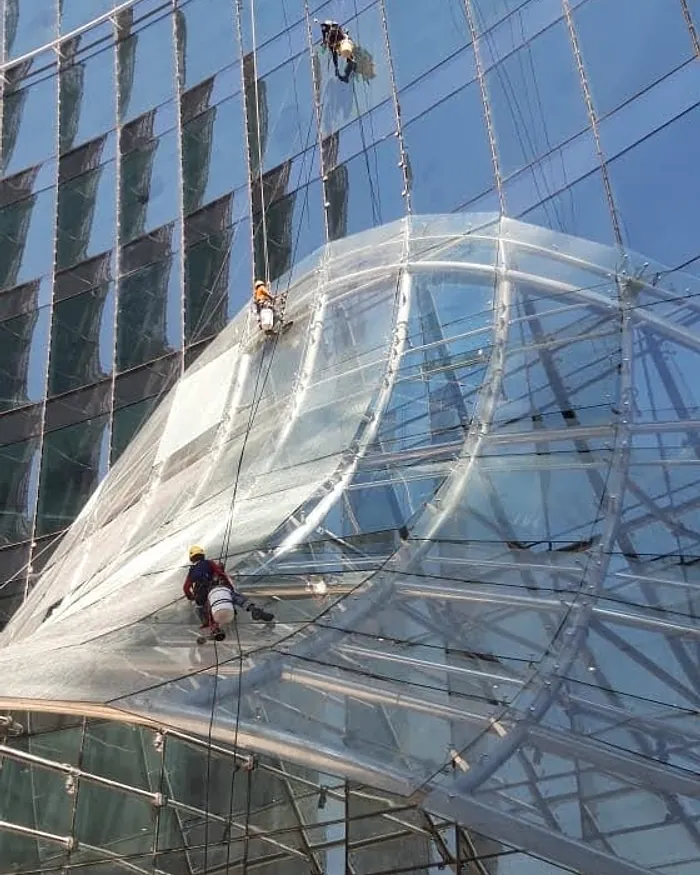
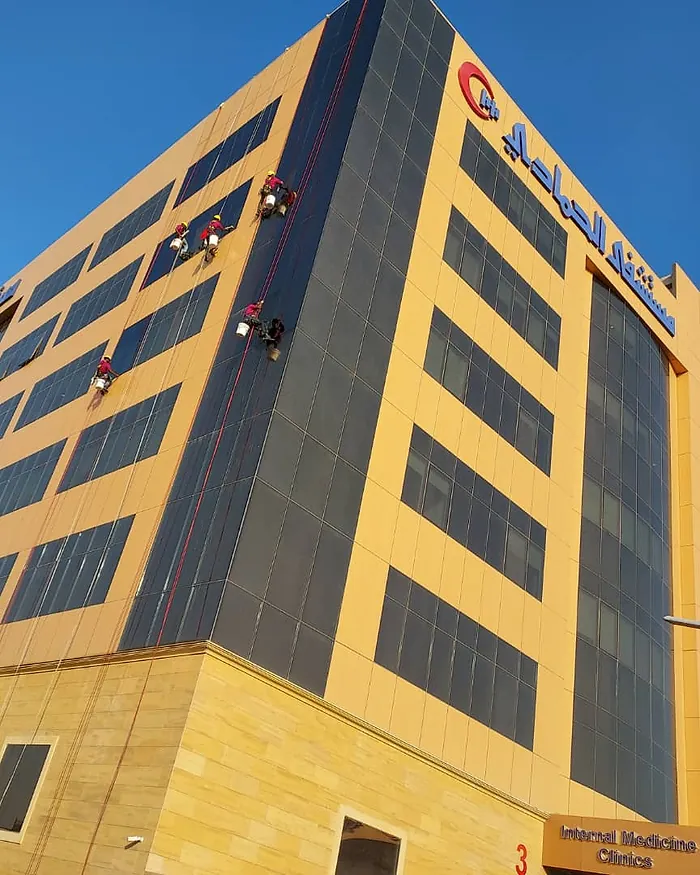
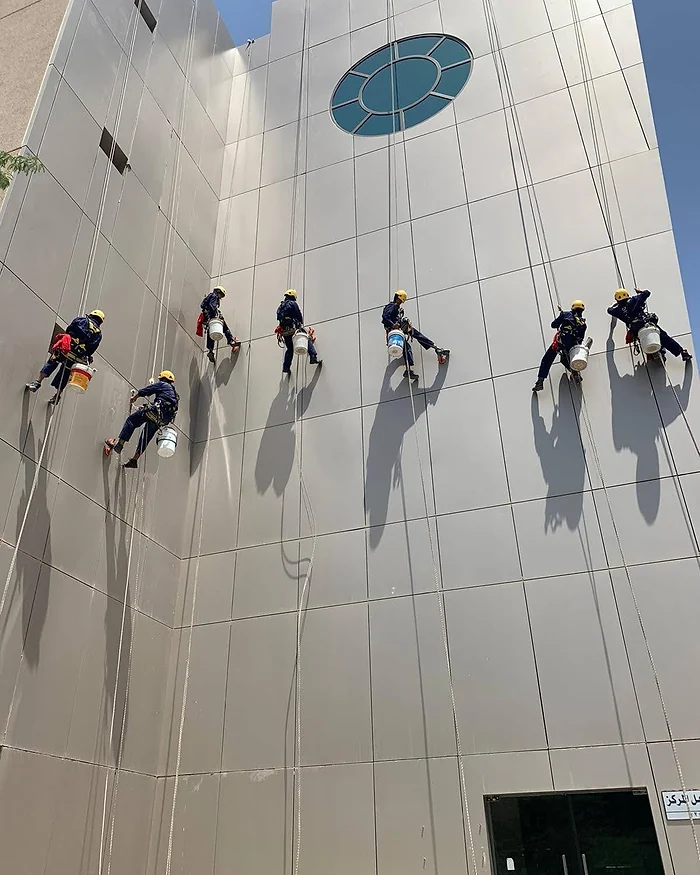
Photos from our team's work.
What is different about Asir Region
Asir climbs from the hot, humid Tihama lowland at Muhayil to the highland plateau of Abha and Khamis Mushait. The high country gets summer monsoon rain, thick fog and cold winter nights, so stone villas, painted concrete and terraced villages such as Rijal Almaa stay damp for weeks, and moss and algae take hold on the shaded side of a facade. Khamis Mushait is the larger commercial city of apartment blocks and showrooms. Wet stone stains, mortar leaches white salts, and cleaning has to work with the weather rather than against it.
Other services in Rijal Almaa
The room and the building around it are on one list.