Raghwat Al Janoub Maintenance and Cleaning
Building facade cleaning in Ranyah
Ranyah is a small town in a well-watered valley in southeastern Makkah Region, near a volcanic lava field and a nature reserve, with a large dam impounding valley waters and farming settlements scattered around its low-rise centre. The valley holds moisture and groundwater is rich in minerals, leaving stubborn metallic deposits on every facade. Warm damp air from the dam and the fertile wadi raise humidity constantly, so facades weather faster than in dry regions.
Why a facade needs regular cleaning
-
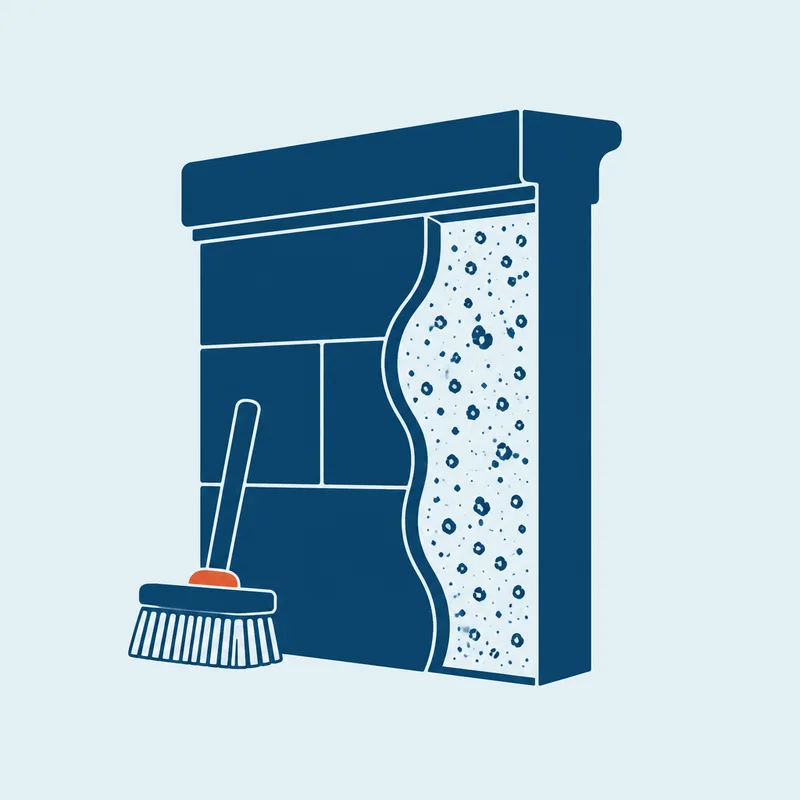
The surface is protected
The wrong product costs more than the dirt it removes.
-
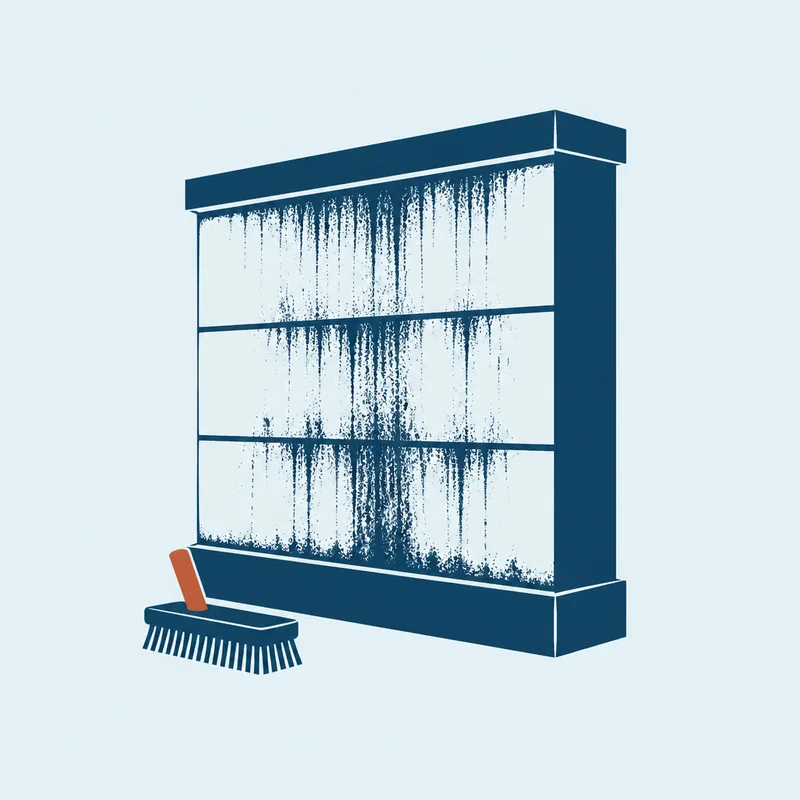
Access decided on site
We do not pick the access method from an office.
-

Glass stays clear
Calcium scale on glass turns into permanent etching if it is left.
-
The building keeps running
We plan the access and the working hours around how the building is used through the day, and we protect the ground, the entrances and anyone passing below.
Why the job is different in Ranyah
Concrete and stone show orange-brown iron stains from mineral-rich moisture seeping through them, and glass may develop a thin oily film of mineral salts that water alone cannot lift. The whole method is set out in our building facade cleaning guide.
-
High humidity from the wadi and dam accelerates all forms of corrosion
Ranyah sits in an open valley where groundwater is close to the surface and a major dam raises humidity levels. The air is damp almost continuously, especially near the dam and irrigated fields. This humidity speeds metal corrosion, encourages fungal growth on shaded elevations, and causes paint and cladding to peel and crack faster than in dry regions. Every climate cycle driven by dawn temperature drop and afternoon heat places stress on the facade that constant humidity amplifies.
-
Mineral-rich water leaves stubborn metallic stains
Water from local wells and the dam is saturated with iron and trace metals. When it dries on the facade it leaves orange and white mineral deposits that bond chemically to stone and concrete. These are not simple lime scale but oxidised metal salts that require specialist treatment. Cleaning needs a product that dissolves mineral deposits without stripping paint, and that works on surfaces that are often still damp.
-
The nearby volcanic field may carry mineral-laden sand
Harrat Nawasif lies close enough that winds sometimes carry black volcanic sand. This sand is heavier and stickier than ordinary desert dust, and may leave grey metallic streaks on facades. The wadi geography traps wind, raising humidity while slowing evaporation, so even wind-borne deposits stick and stay longer than in open desert.
What's Included
The town occupies an open wadi with abundant groundwater that feeds agriculture and grazing, and a major dam nearby that raises humidity and keeps groundwater levels high.
-
Roof survey and anchor points
Roof survey in Ranyah focuses on assessing moisture penetration and the type of mineral deposits present, and whether paint is already peeling or delaminating.
-
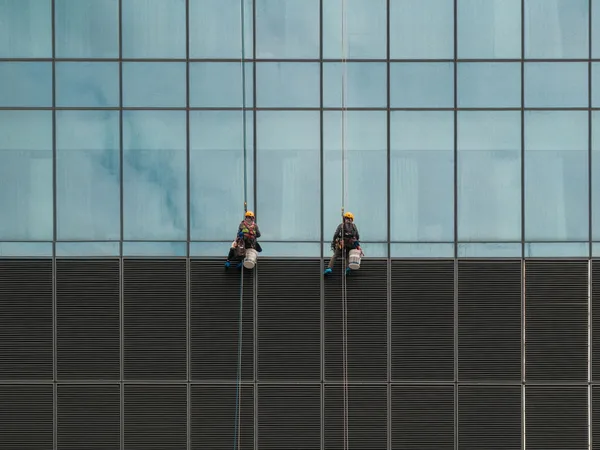
Access chosen: rope or powered
Access is relatively straightforward because buildings are low-rise, but we may need mobile lifts if ground is wet or soft from high groundwater.
-
A test patch before the whole elevation
Test patch must include testing both paint and stone separately, especially if metallic staining is visible on both.
-
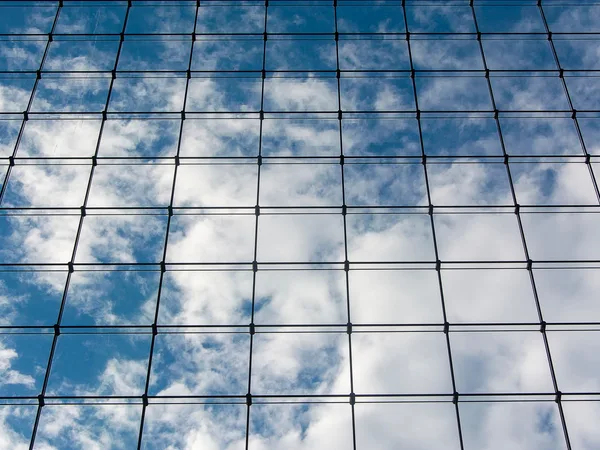
Glass and curtain walling
Glass may need specialist solution if it bears a thin oily film of mineral and sand particles that water cannot shift.
-
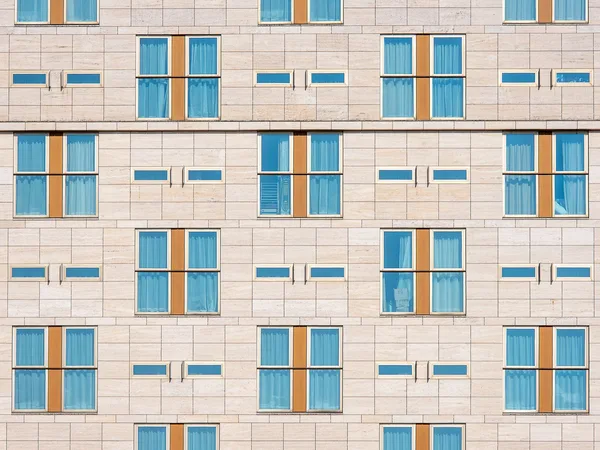
Cladding and stone, pH-neutral
Stone and concrete may already be damp, so we may need to allow drying time before cleaning or use products formulated for damp surfaces.
-
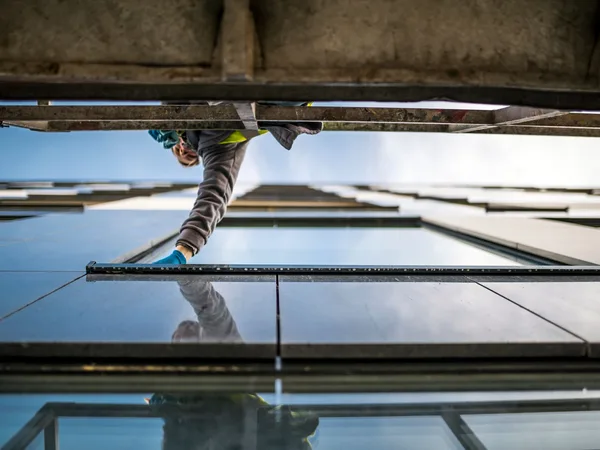
Ground and passers-by protected
Ground around buildings may be wet or low-lying, so we must drain water after cleaning or use temporary flooring to protect the work area.
Ranyah on the map
Ranyah sits about 106.5 km from Al Khurmah and about 130 km from Turubah.
Open in Google MapsHow we work
Survey from the roof
Choose access and products
Wash top to bottom
Inspect and hand over
Some of our work
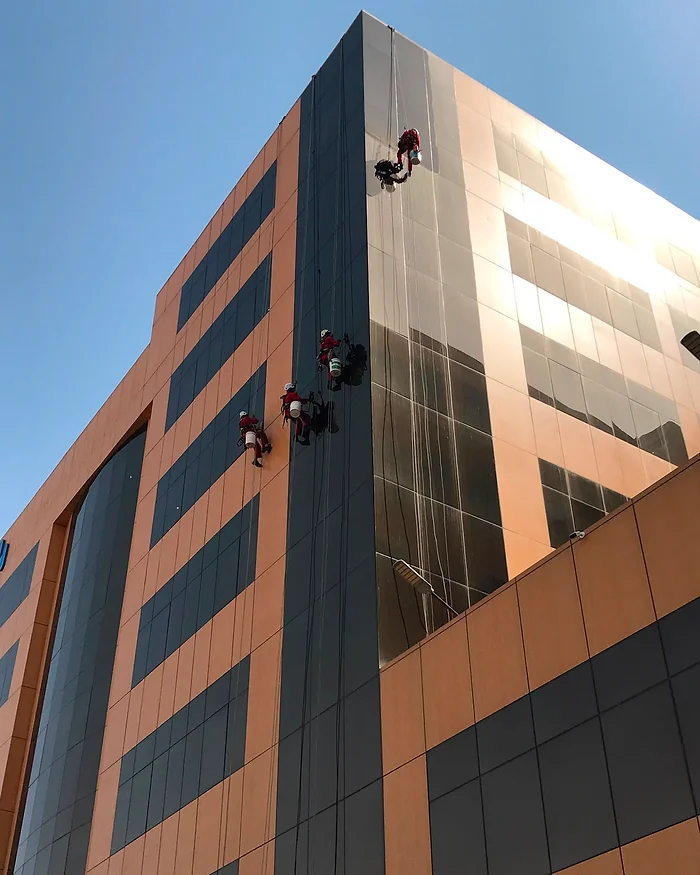
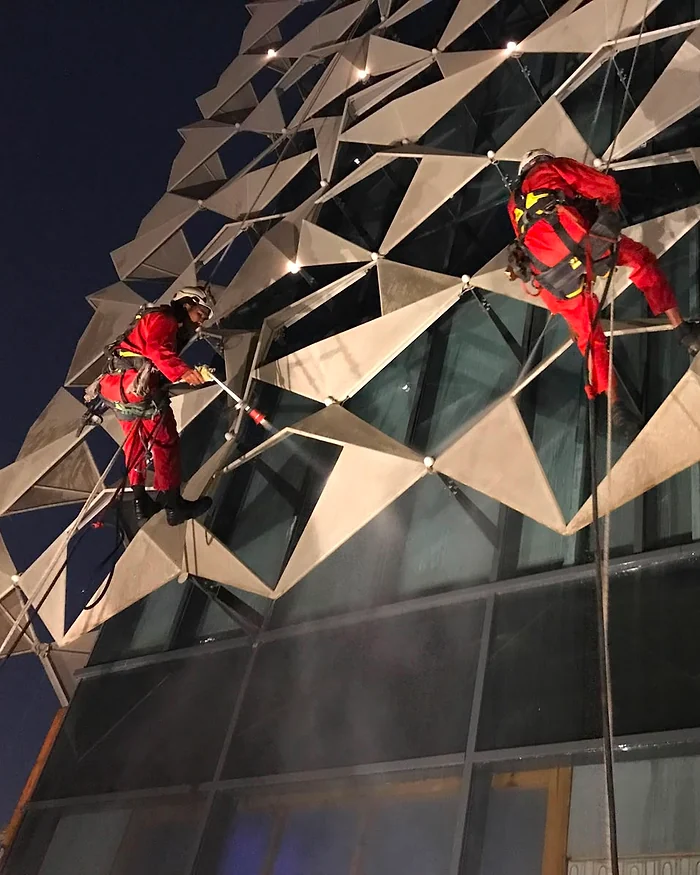
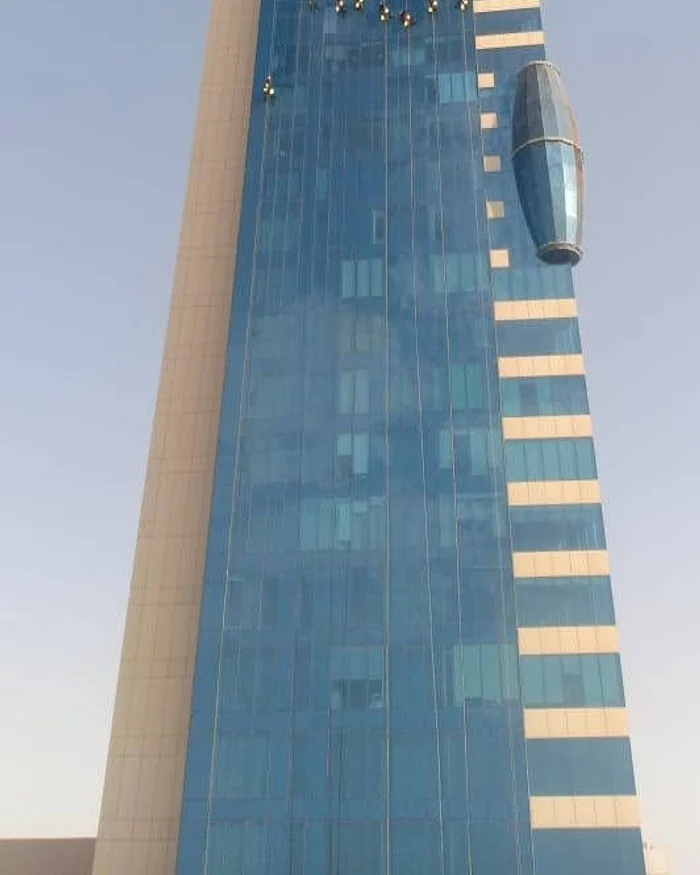
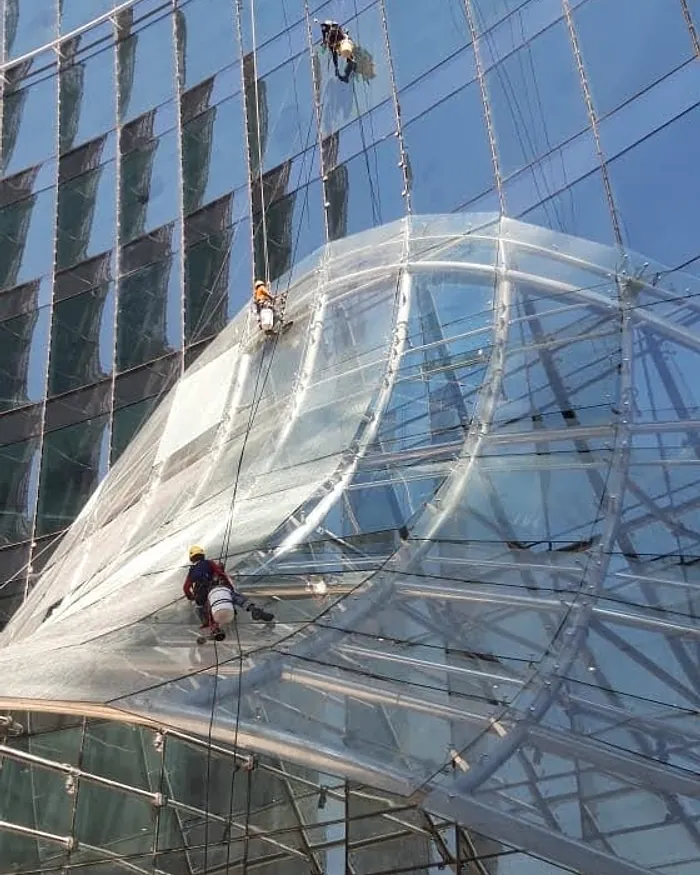
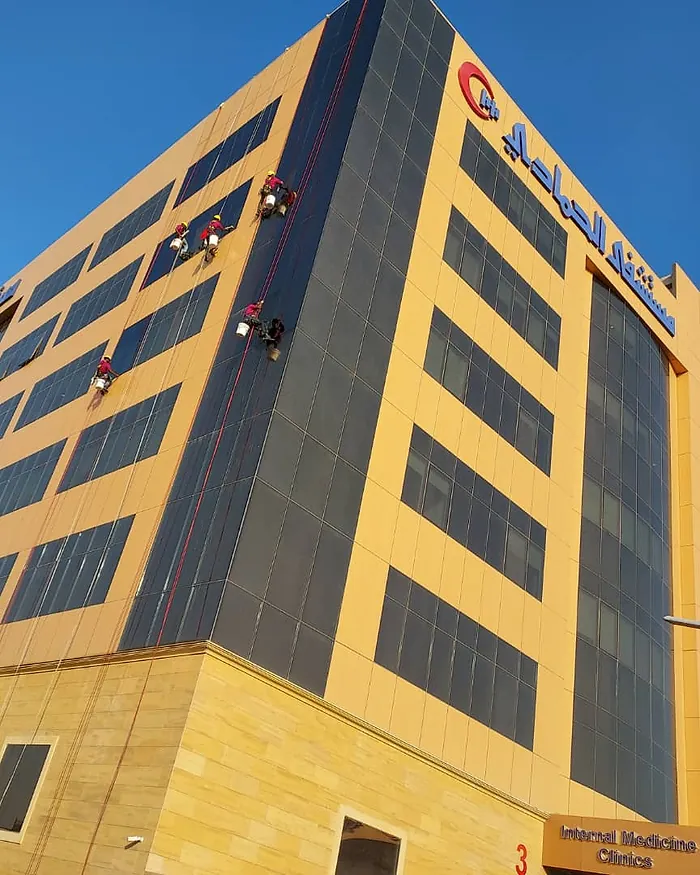
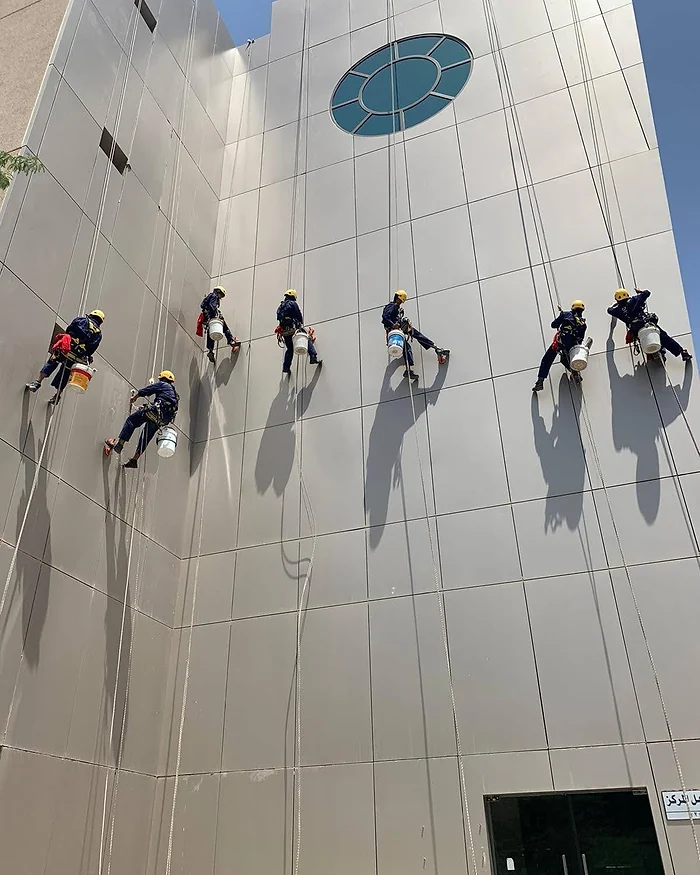
Photos from our team's work.
What is different about Makkah Region
Makkah Region reaches from the Red Sea coast at Jeddah, Rabigh, Al Lith and Al Qunfudhah to the holy city in its valley and up to Taif on the Hijaz escarpment. Jeddah's corniche towers, glass offices and the coral stone houses of Al Balad live in humid, salt laden air that films glass and pits metal. Makkah's hotel towers and marble courtyards stand in dry heat with constant pilgrim traffic and dust, while Taif's stone villas get fog, rain and cold nights on Al Hada. Salt residue and damp are the main enemies of stone and glass here.
Other services in Ranyah
The room and the building around it are on one list.