Raghwat Al Janoub Maintenance and Cleaning
Building facade cleaning in Haql
Haql is a small coastal town pinched between mountains and the Gulf of Aqaba, where salt air deposits on every exposed surface. Villas and tourism facilities here face a different pressure than inland buildings, as salt penetrates glass, cladding and aluminium far faster than in Riyadh's drier air, etching the surface within weeks.
Why a facade needs regular cleaning
-
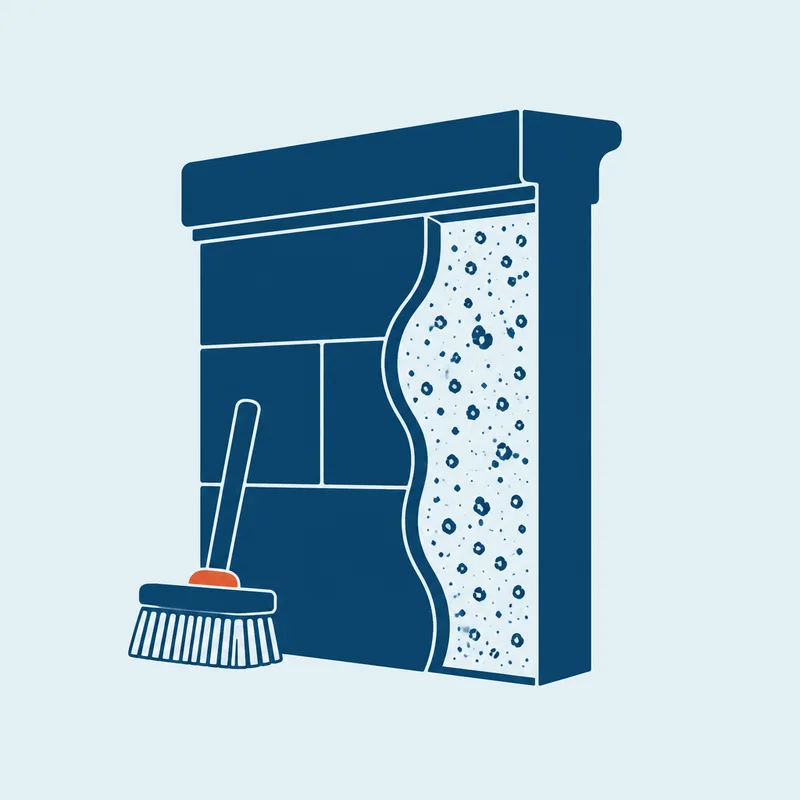
The surface is protected
The wrong product costs more than the dirt it removes.
-
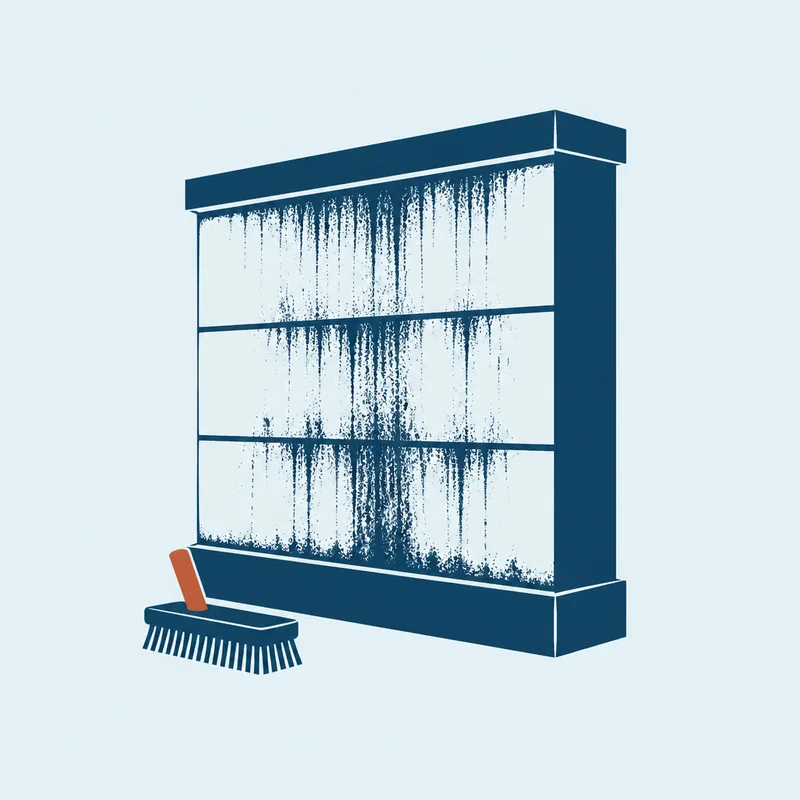
Access decided on site
We do not pick the access method from an office.
-

Glass stays clear
Calcium scale on glass turns into permanent etching if it is left.
-

The building keeps running
We plan the access and the working hours around how the building is used through the day, and we protect the ground, the entrances and anyone passing below.
Why the job is different in Haql
Salt air here leaves a tangible residue on glass within one week of rinsing, a pattern completely different from desert settlements far from the coast where dryness dominates. The whole method is set out in our building facade cleaning guide.
-
Salt air penetrates metals at accelerated speed
Aluminium frames and iron fixtures on windows corrode faster in Haql than anywhere else in the Kingdom. Salt does not merely settle on the surface: it infiltrates the protective layer and rust begins from within. Regular cleaning stops this corrosion before it becomes permanent damage that cannot be reversed.
-
High humidity prevents rapid drying
In Haql, the final rinse must wait until the facade is completely dry or residue remains. High humidity means cleaning takes longer and requires different timing than arid zones. Planning must account for the drying windows that change with the season.
-
Position between border post and beaches shapes exposure
Buildings between Al-Durra crossing and the beaches face salt-laden air from multiple directions. Protection from one side alone is insufficient, and planning must account for different wind patterns in summer and winter, each carrying salt differently.
What's Included
The location on the Gulf of Aqaba with constant coastal humidity creates unique conditions, and winter rains mixing with sea spray accelerate limestone crust formation on all exposed materials.
-
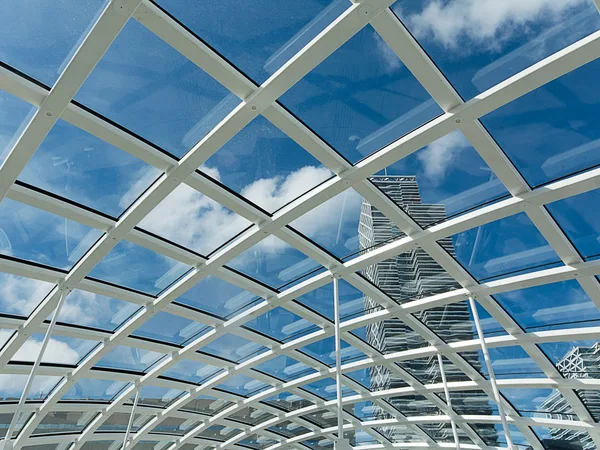
Roof survey and anchor points
King Abdulaziz Fort and nearby buildings require careful roof survey to confirm the safety of older fixtures and metal fixings before any work begins at height.
-
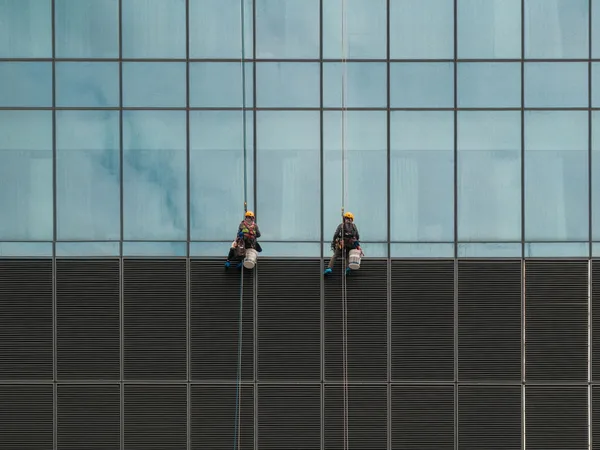
Access chosen: rope or powered
Rope access is usually the safe choice here given open spaces and variable winds that make crane positioning difficult. Powered access equipment must be protected from salt and humidity after every use.
-
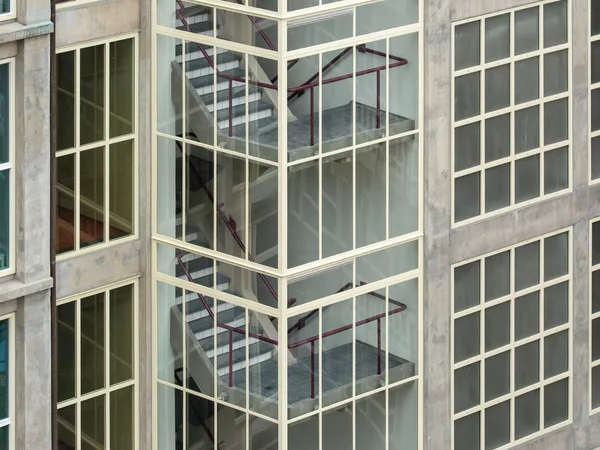
A test patch before the whole elevation
A small test patch reveals how different materials will react to salt in this specific coastal environment. Glass and cladding may need different rinsing than aluminium.
-
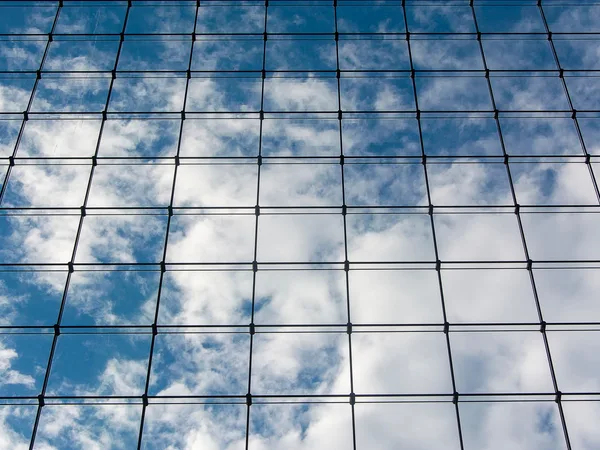
Glass and curtain walling
Glass here typically bears a white salt film that dries on the surface. Removing it requires specialist materials and extremely thorough rinsing to ensure final glass clarity.
-
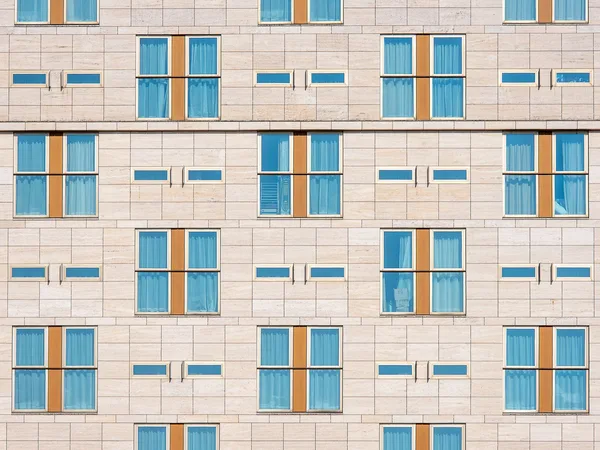
Cladding and stone, pH-neutral
Cladding and stone on tourism facilities need perfectly neutral materials to avoid stripping the protective layer. Alkaline products can damage the coating very quickly in salt-rich air.
-
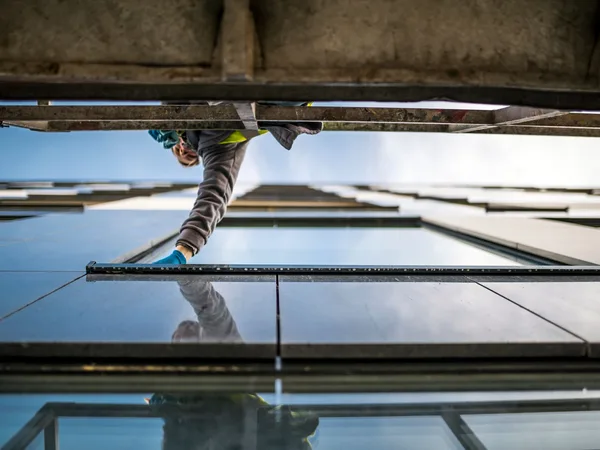
Ground and passers-by protected
Ground level around coastal buildings may be sandy or gravelled. Protection from salt water runoff requires temporary barriers and complete ground rinsing after work finishes.
Haql on the map
Haql sits about 144.5 km from NEOM and about 186.5 km from Tabuk.
Open in Google MapsHow we work
Survey from the roof
Choose access and products
Wash top to bottom
Inspect and hand over
Some of our work
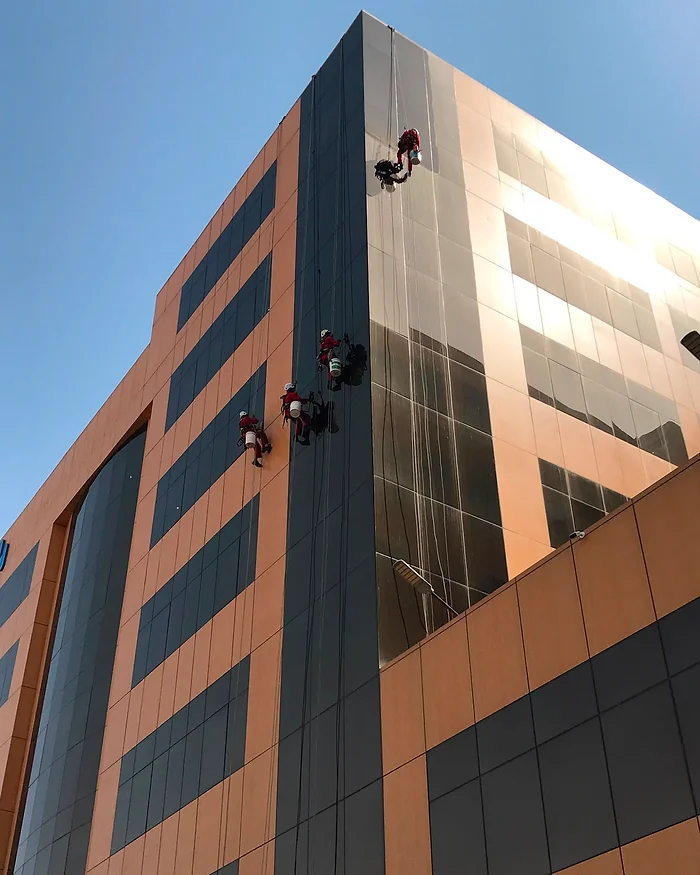
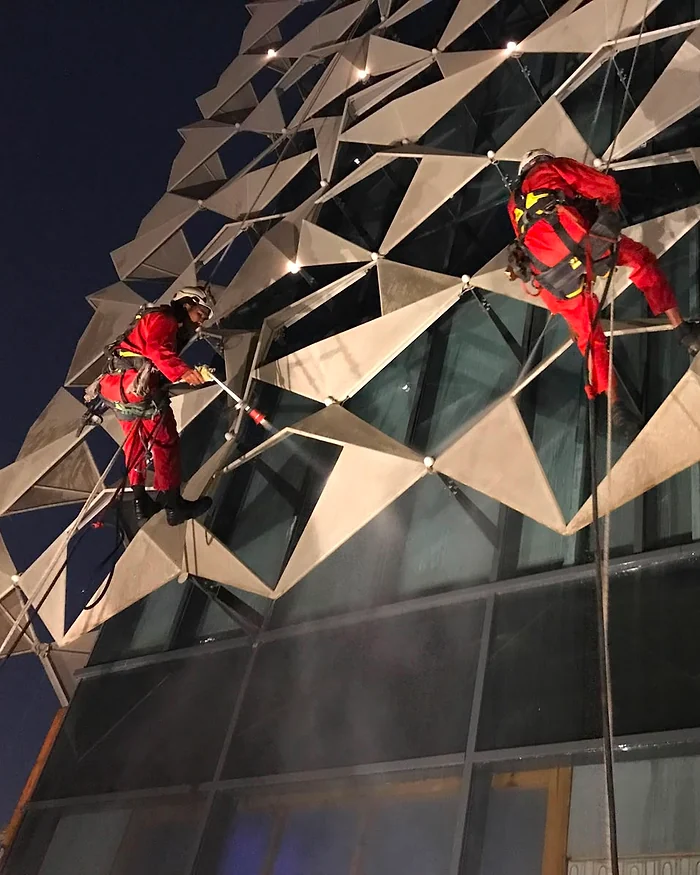
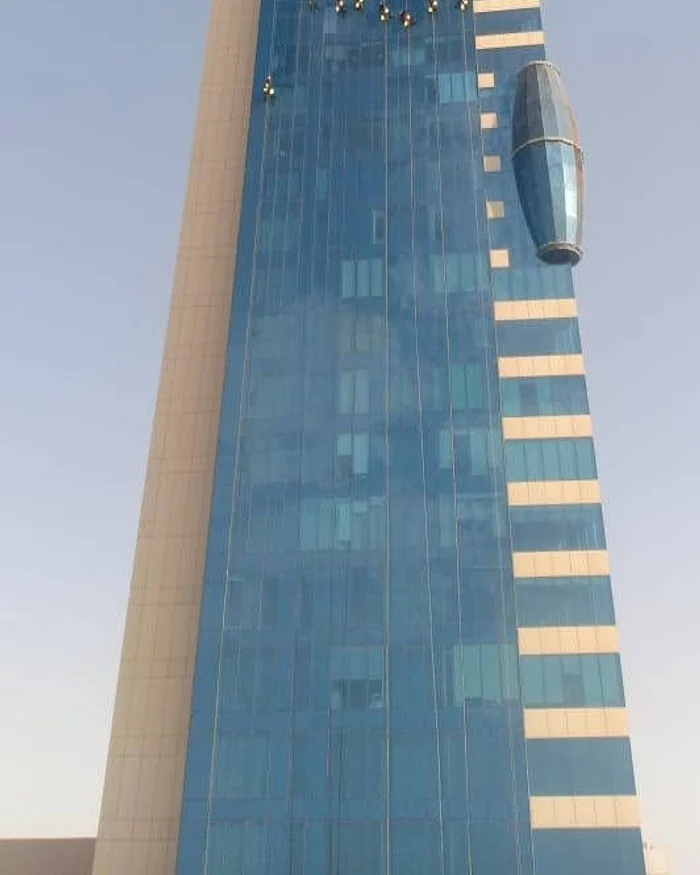
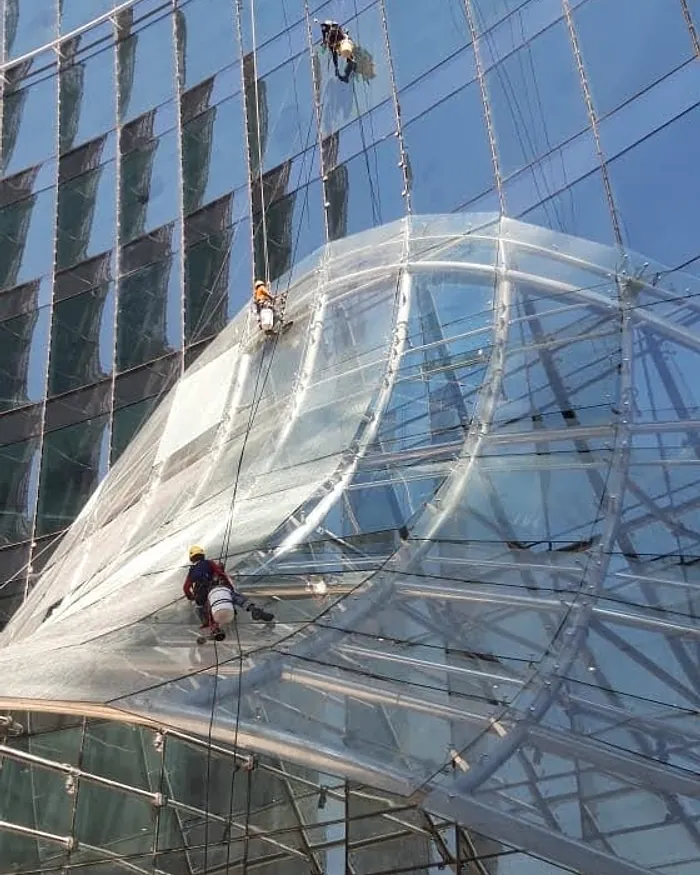
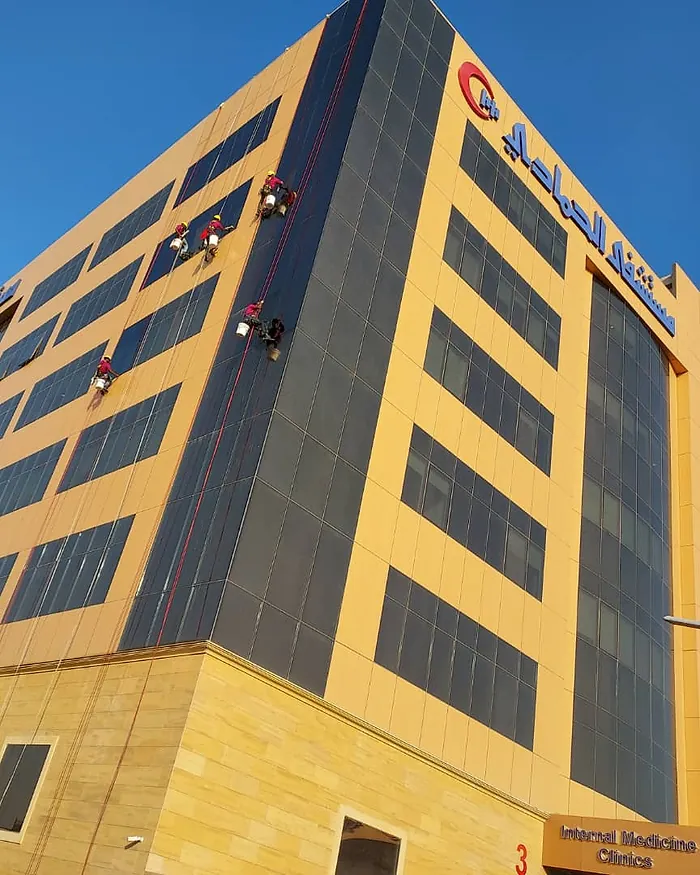
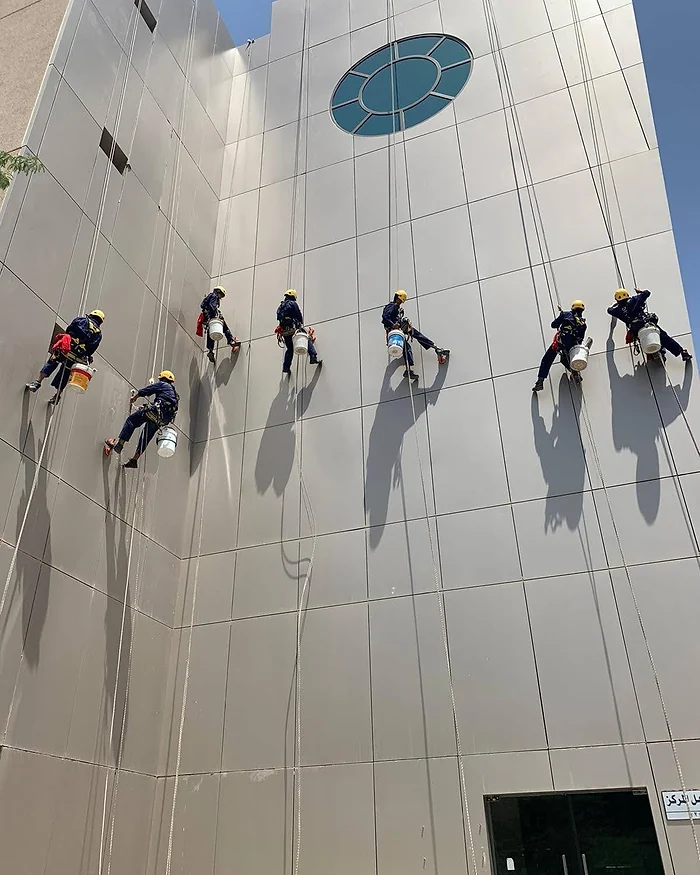
Photos from our team's work.
Landmarks of Haql
Haql's small size is defined by King Abdulaziz Fort and the beaches of Al-Sultan and Al-Humaidah, so work is organised around how each building sits relative to these landmarks. Facilities near Al-Durra Border Crossing and those on the shoreline need separate planning for access routes and salt protection measures.
- Al-Durra Border Crossing
- King Abdulaziz Fort
- Al-Humaidah Beach
- Al-Sultan Beach
- Al-Wasl Island
Other services in Haql
The room and the building around it are on one list.