Raghwat Al Janoub Maintenance and Cleaning
Building facade cleaning in Baqaa
Baqaa is a farming town set in a white stone basin split by a salt flat, and the water here is hard, leaving limestone scale on glass and stone. Facades need careful attention to prevent permanent damage from accumulated salt and mineral deposits.
Why a facade needs regular cleaning
-
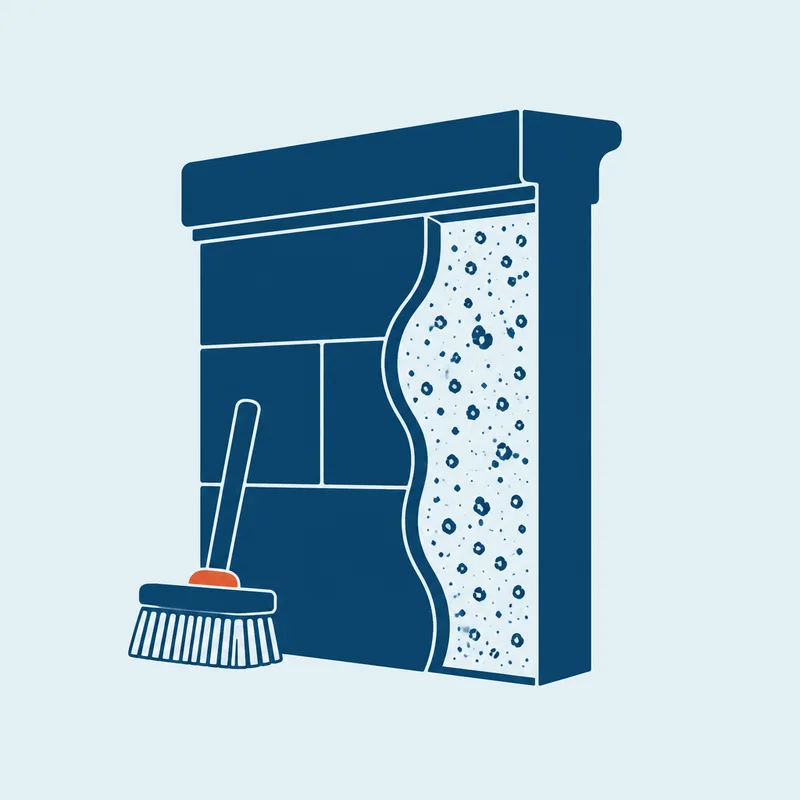
The surface is protected
The wrong product costs more than the dirt it removes.
-
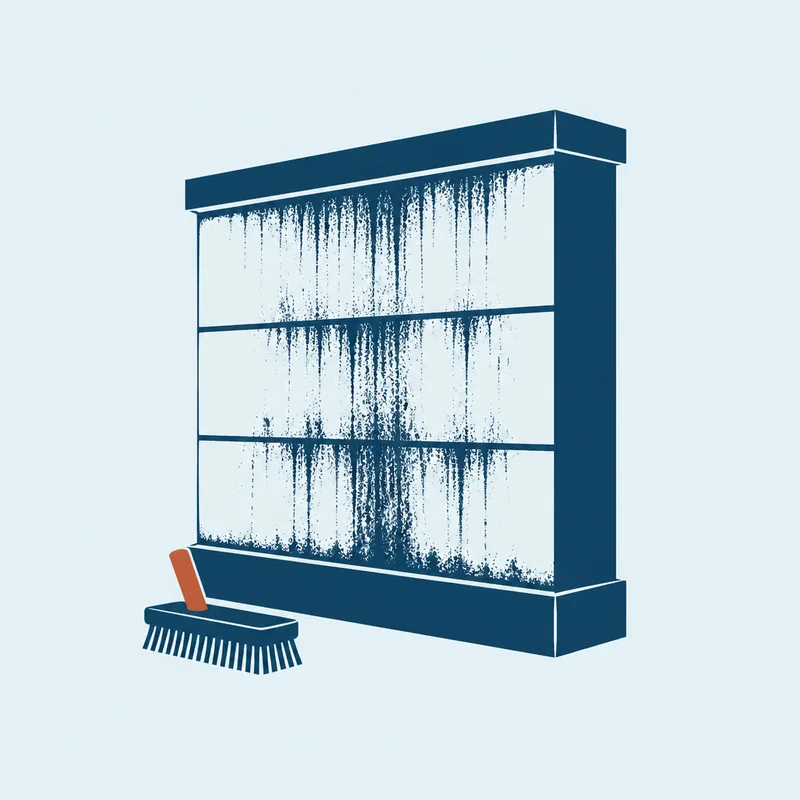
Access decided on site
We do not pick the access method from an office.
-

Glass stays clear
Calcium scale on glass turns into permanent etching if it is left.
-

The building keeps running
We plan the access and the working hours around how the building is used through the day, and we protect the ground, the entrances and anyone passing below.
Why the job is different in Baqaa
Stone facades here are hit harder by limestone scale than elsewhere, and cleaning with the wrong products damages the surface more than dirt ever could. The whole method is set out in the building facade cleaning overview.
-
Salt and white stone do not mix well
The salt flat beside the town raises humid, salt laden air around the buildings, and the pale white stone shows salt stains instantly. Saline water seeping from foundations deposits on the stone facades and sets into a hard white crust that looks like permanent staining. The longer it sits, the harder it bonds to the surface.
-
Hard water etches stone permanently
Baqaa's deep wells produce very hard water that leaves deep marks if left to dry on stone or glass. Attempting later to polish these marks away fails because the water has already etched the surface itself. The damage is not a stain but a physical alteration of the material.
-
Agricultural dust is finer and stickier
The soil around Baqaa's farms produces dust finer than Nafud sand, which clings powerfully to glass and cladding and does not slide off with water alone. The surrounding farmland multiplies the dust load on buildings during dry seasons.
What's Included
The saline soil and hard water in Baqaa leave deposits on every exterior surface, and dust blown from the salt flat clings stubbornly and resists ordinary water rinsing.
-
Roof survey and anchor points
The roof survey starts by checking the stone and cladding for prior damage from salt and hard water residue.
-
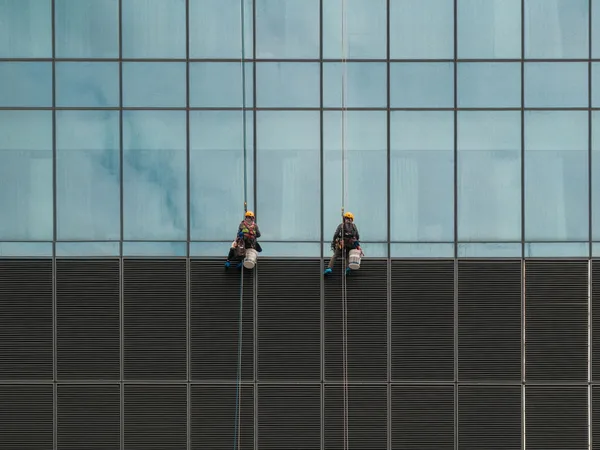
Access chosen: rope or powered
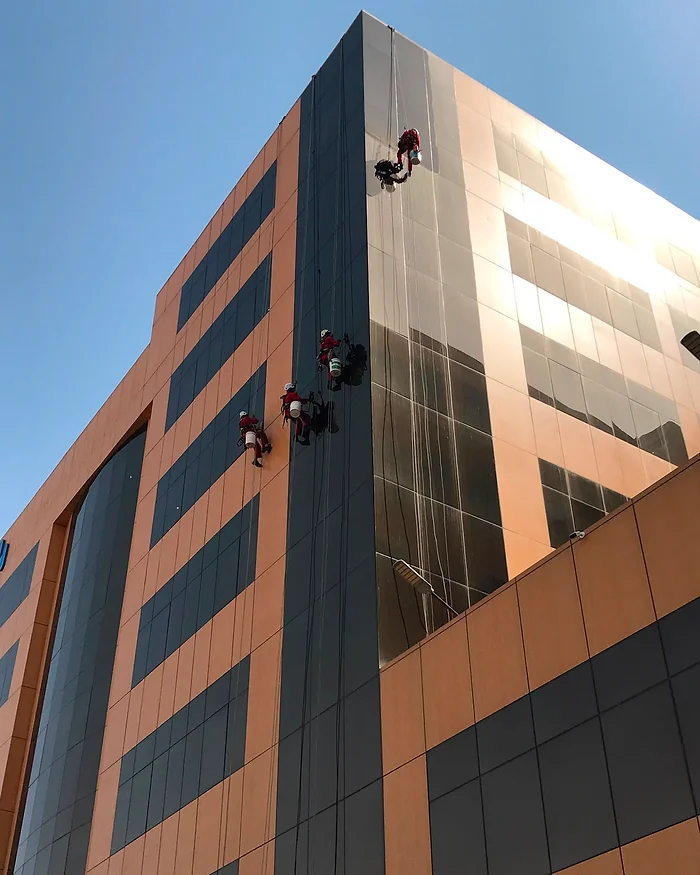
Rope access is preferred here as most buildings are modest height and powered lifts may not be available or practical on site.
-
A test patch before the whole elevation
Testing on a hidden stone patch is essential before applying any cleaner to the whole facade.
-

Glass and curtain walling
Glass here needs thorough rinsing of any salt residue before water dries and leaves a new deposit behind.
-
Cladding and stone, pH-neutral
Cladding, where present, is washed carefully with a pH neutral cleaner, and hard water is avoided for final rinses if possible.
-
Ground and passers-by protected
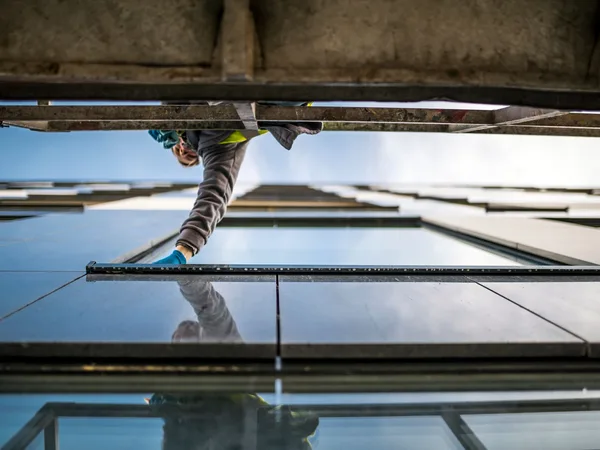
Ground level pavement and walkways are protected from runoff and cleaner spill to prevent slipping hazards.
Landmarks of Baqaa
Facades around Jabal Janin and buildings along the historic Darb Zubaydah route need particular care because they face higher salt exposure than areas further from the salt flat.
- Jabal Janin
- Zarud (Al-Majastiyah)
- Darb Zubaydah
How we work
Survey from the roof
Choose access and products
Wash top to bottom
Inspect and hand over
Some of our work
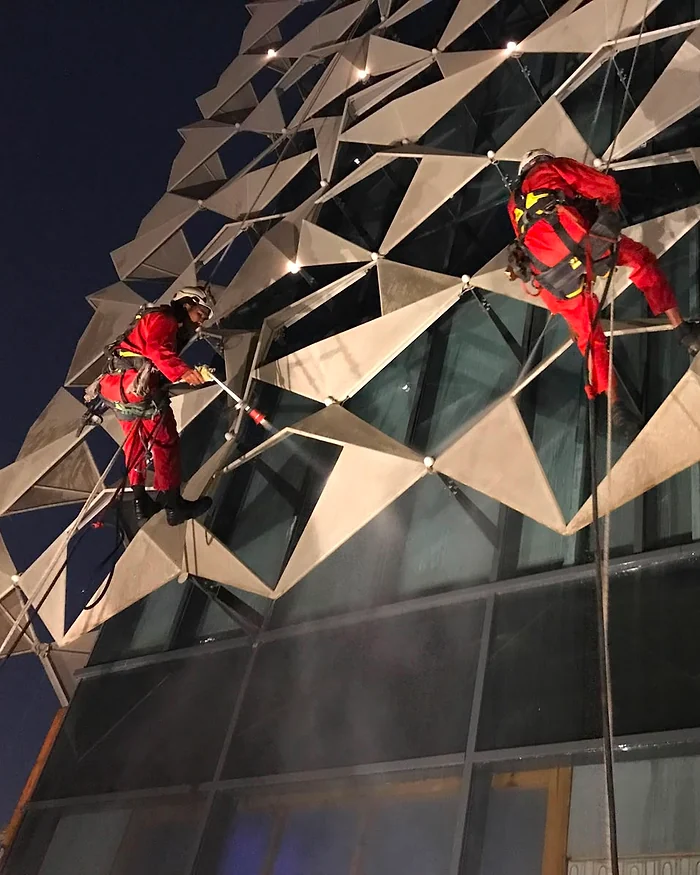
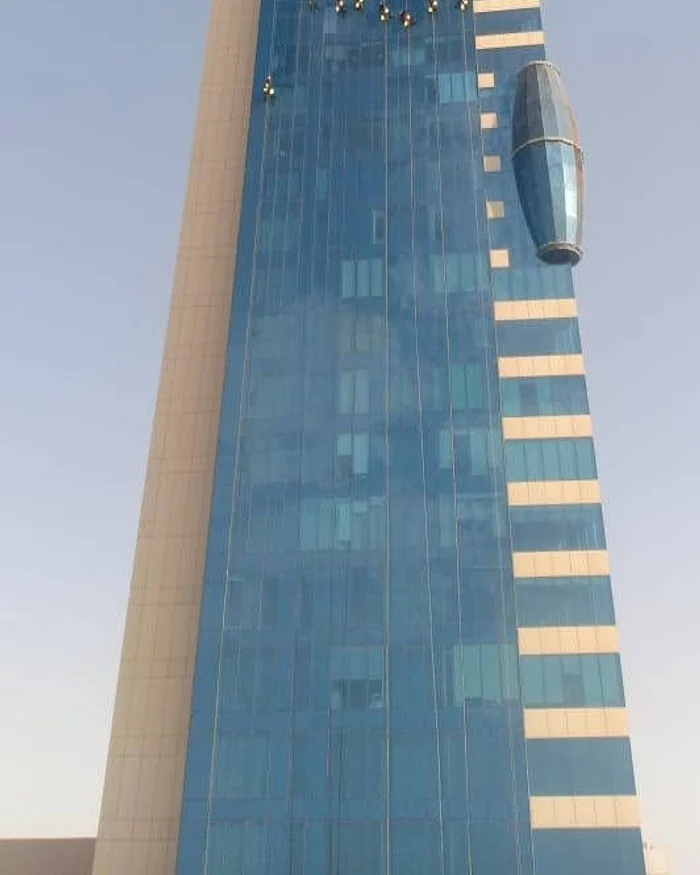
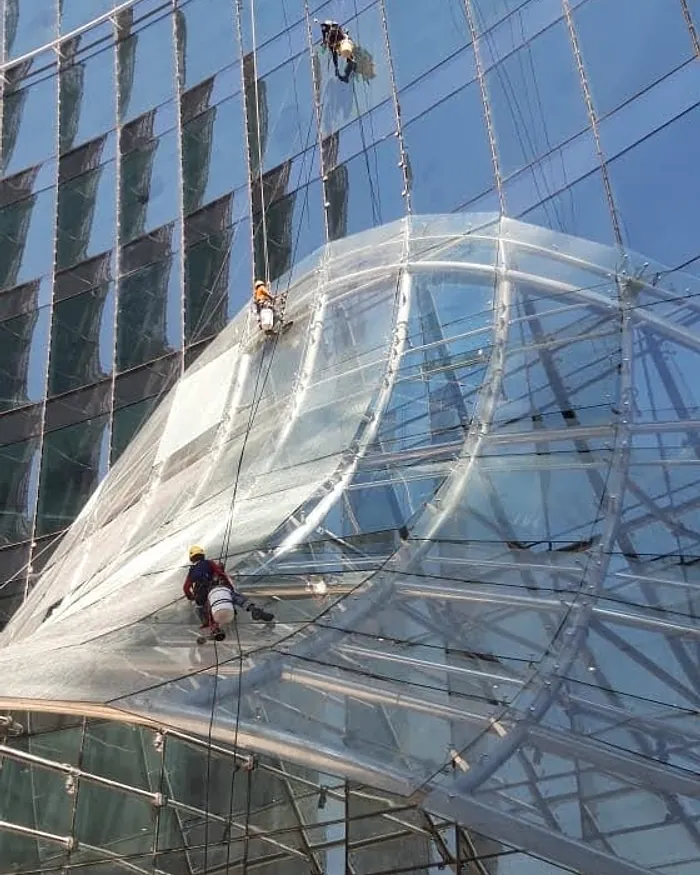
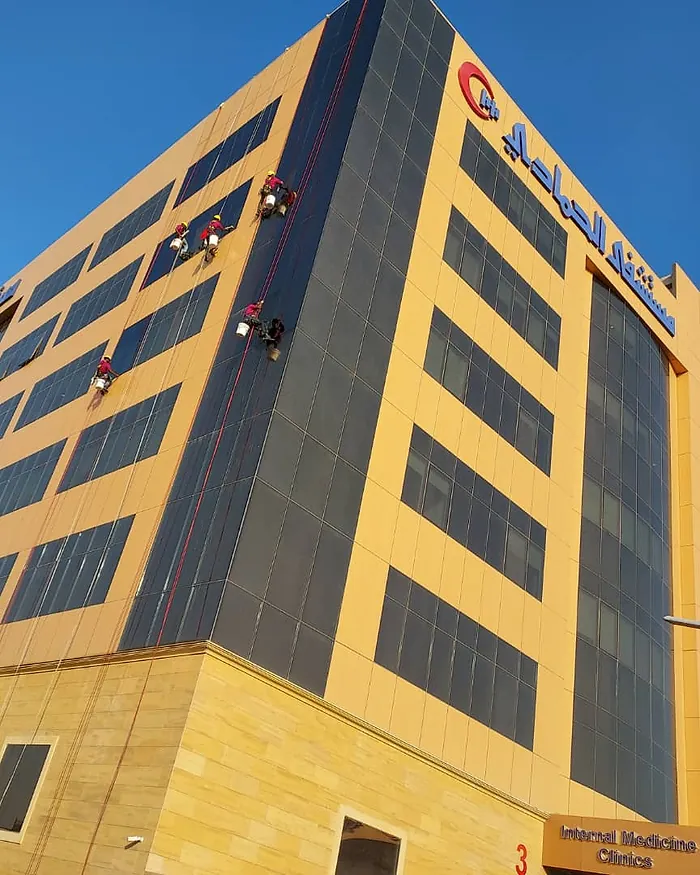
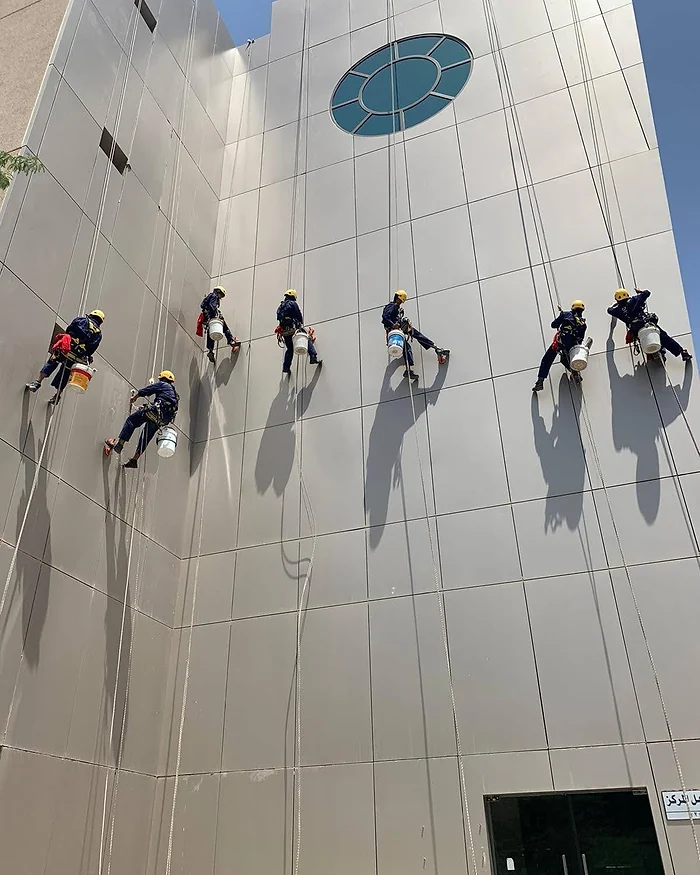
Photos from our team's work.
What is different about Hail Region
Hail sits at the foot of the granite ranges of Aja and Salma, with the Great Nafud desert opening to the north and grain and date farms filling the plain between. Hail city, Baqaa and Al Ghazalah are low rise towns of villas, older mud quarters and new commercial streets. Winters are cold with frost and some rain, and the prevailing winds lift a fine red sand off the Nafud that tints pale render and gathers on glass and ledges. Rain on that dust leaves rust coloured streaks, and the hard well water spots stone if left to dry.
Other services in Baqaa
The room and the building around it are on one list.