Raghwat Al Janoub Maintenance and Cleaning
Building facade cleaning in Umluj
Umluj is a small Red Sea town with turquoise water and a quiet corniche where villas and houses face the sea. Summers are hot and humid, winters mild but always damp. Salt air penetrates everything, and high humidity keeps facades wet long after rain. Walls on the waterfront and beachside take constant punishment from salt spray and algae.
Why a facade needs regular cleaning
-
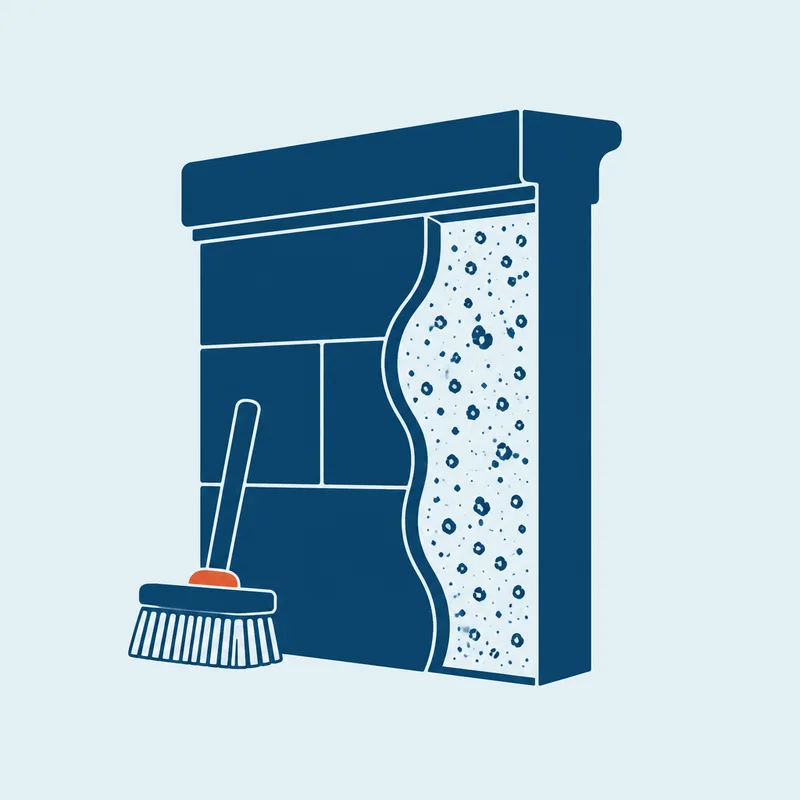
The surface is protected
The wrong product costs more than the dirt it removes.
-
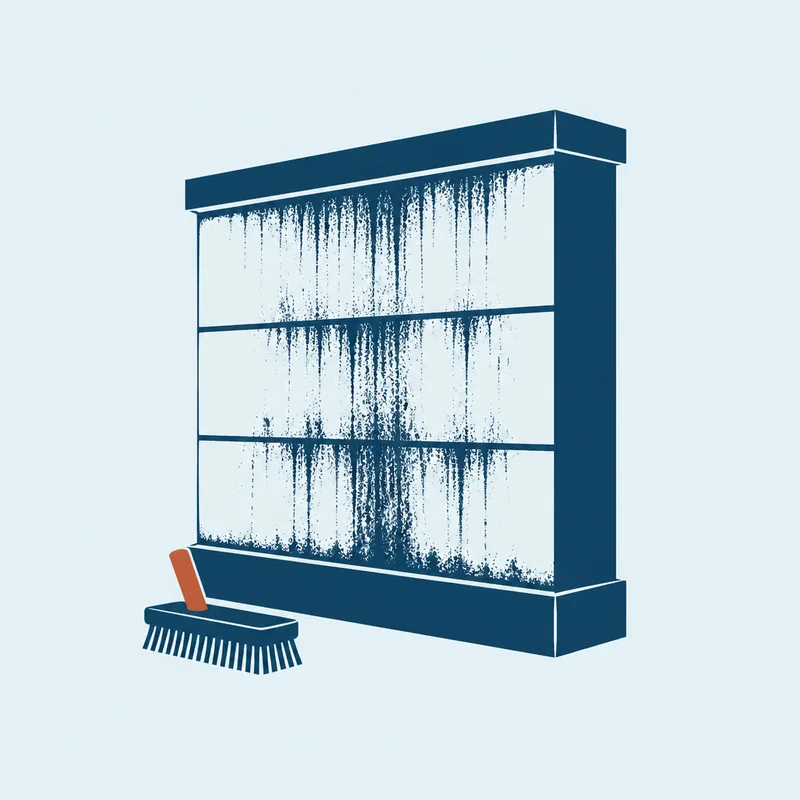
Access decided on site
We do not pick the access method from an office.
-

Glass stays clear
Calcium scale on glass turns into permanent etching if it is left.
-

The building keeps running
We plan the access and the working hours around how the building is used through the day, and we protect the ground, the entrances and anyone passing below.
Why the job is different in Umluj
Stone and concrete walls weep salt water from inside them at night, leaving white salt stains on the surface weeks after thorough cleaning, and the cycle repeats with coastal air. The whole method is set out in our full account of building facade cleaning.
-
Sea salt and unbroken humidity
Salt air settles on every exposed surface, and high humidity means water stays wet instead of drying. Salt builds on glass and cladding, and the dampness makes it sticky and hard to remove with plain water. Cleaning requires products that dissolve salt specifically.
-
Algae and mould on wet facades
Constant moisture and mild winters fuel algae and mould growth on walls especially on shaded sides. Algae lodges in stone and goes deep, so cleaning needs approved algaecide products that do no harm to the substrate.
-
White salt stains from subsurface migration
Salt penetrates concrete and porous stone, and as moisture dries the salts migrate to the surface leaving white deposits. This happens repeatedly even after thorough washing, and requires regular scheduled maintenance to prevent buildup.
What's Included
The town sits on the peaceful Red Sea coast with salt-laden air and high humidity year round. Winters are cool and summers very hot, but moisture never leaves the air completely.
-
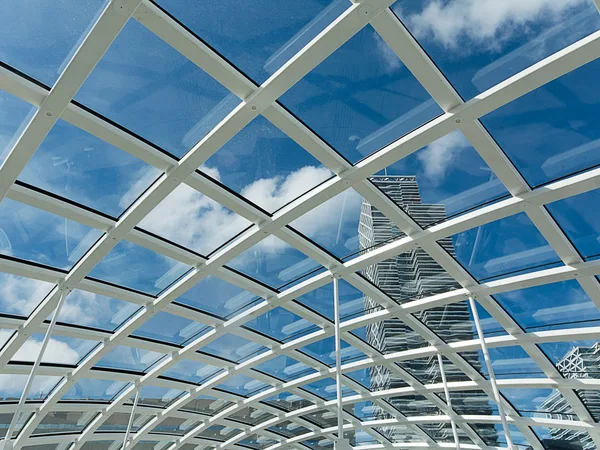
Roof survey and anchor points
Roof survey is essential because salt and moisture may affect concrete and steel. We check all anchor points carefully and may add extra points if needed.
-
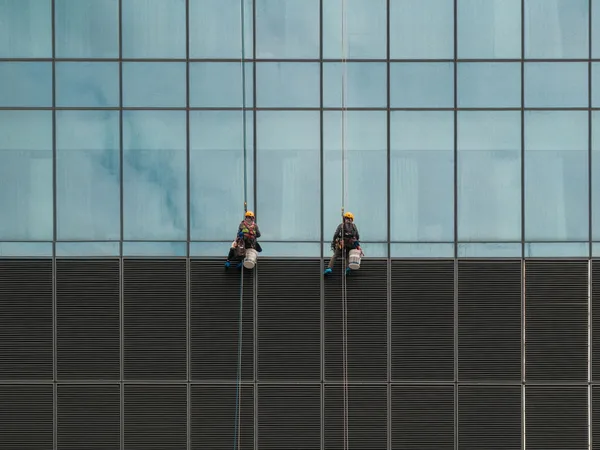
Access chosen: rope or powered
Rope access is safe for low rise buildings here, but salt may affect rope equipment so we test it first and rinse it regularly during work.
-
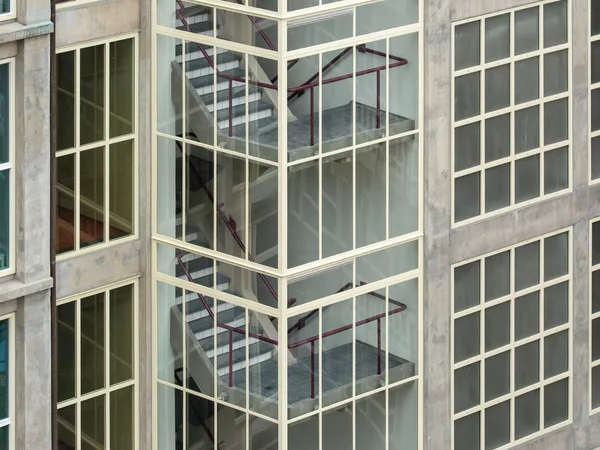
A test patch before the whole elevation
Testing a patch is critical because coastal stone can be weak or very porous and needs careful assessment.
-
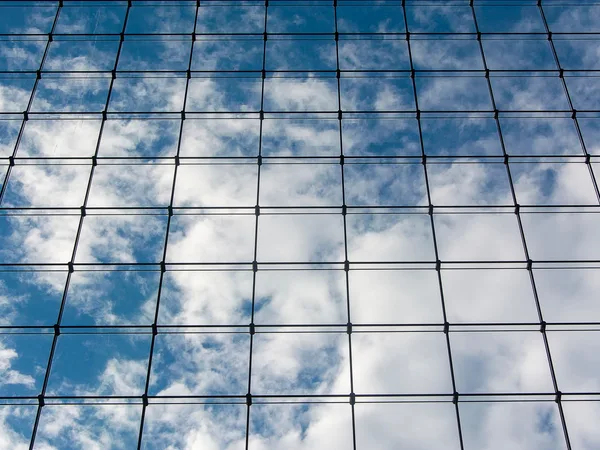
Glass and curtain walling
Glass needs intense care and multiple passes if needed because salt builds fast and returns quickly.
-
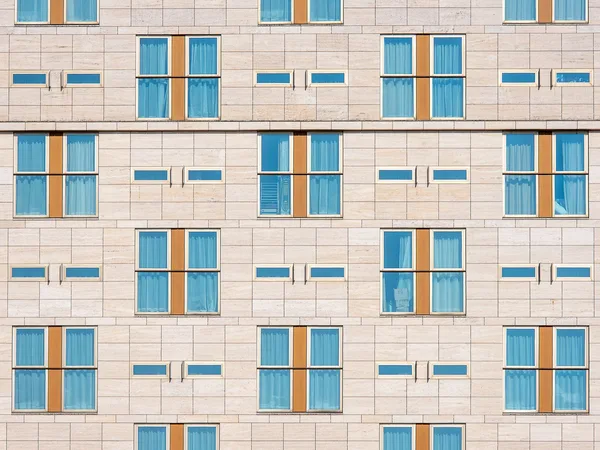
Cladding and stone, pH-neutral
Stone and cladding are washed with approved algaecide products that are safe for the material at the same time.
-
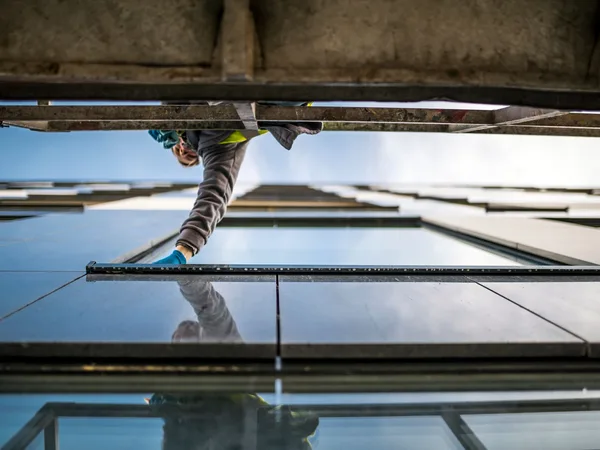
Ground and passers-by protected
Water drainage must go well away from the sea, beaches and nearby resort facilities.
Umluj on the map
Umluj sits about 163 km from Al Wajh and about 301.5 km from Duba.
Open in Google MapsHow we work
Survey from the roof
Choose access and products
Wash top to bottom
Inspect and hand over
Some of our work
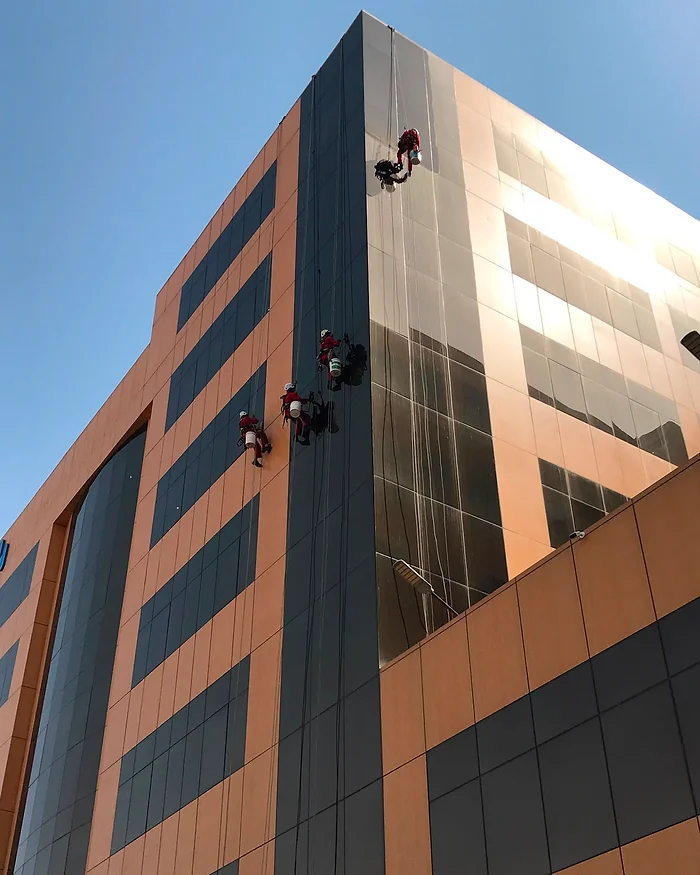
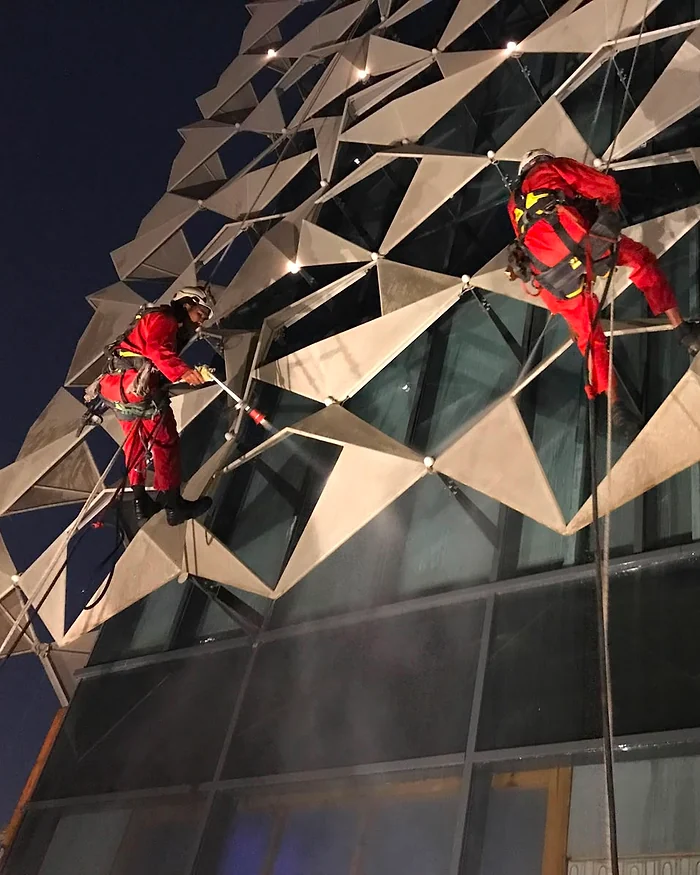
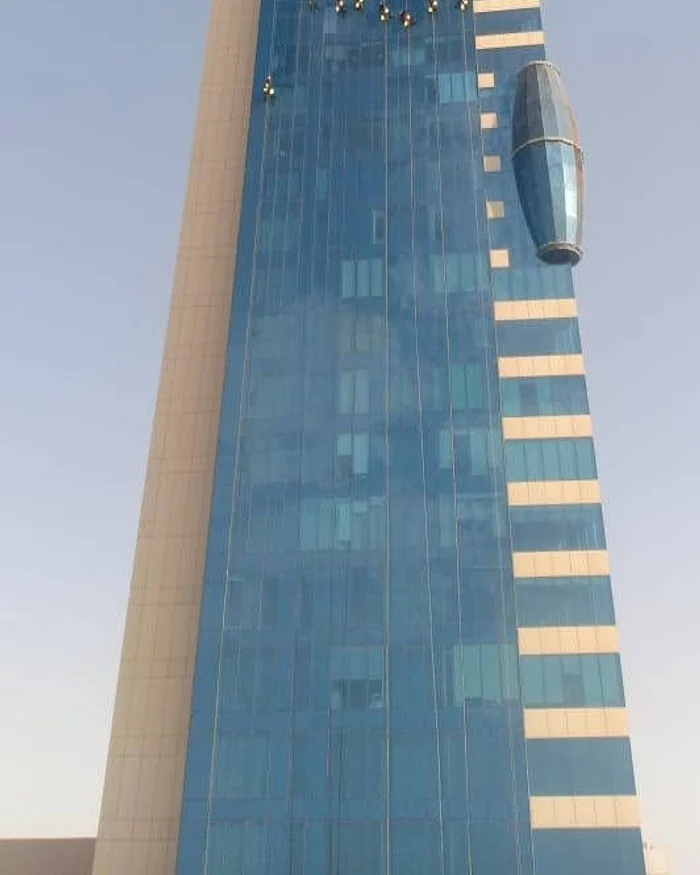
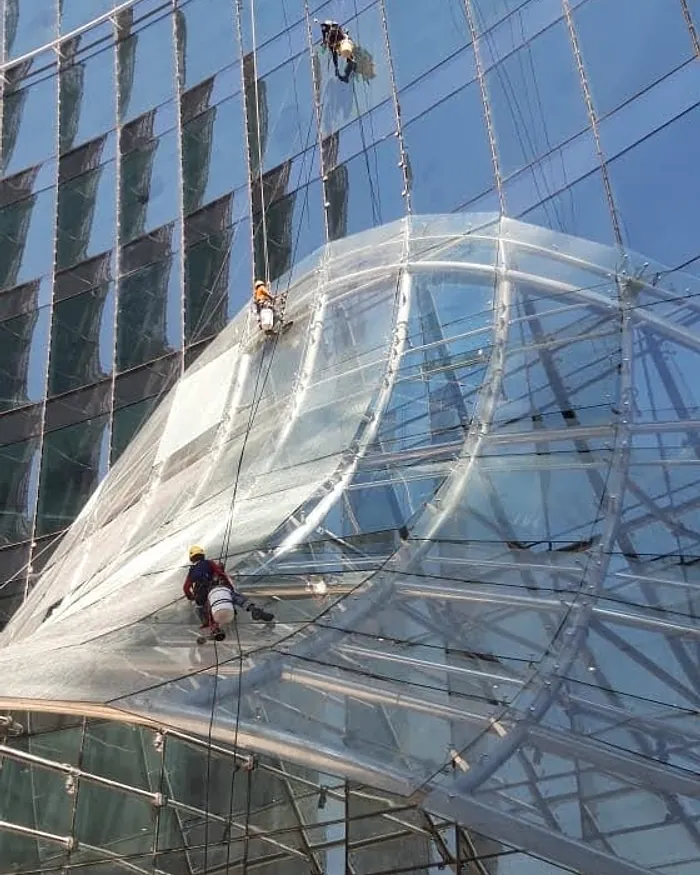
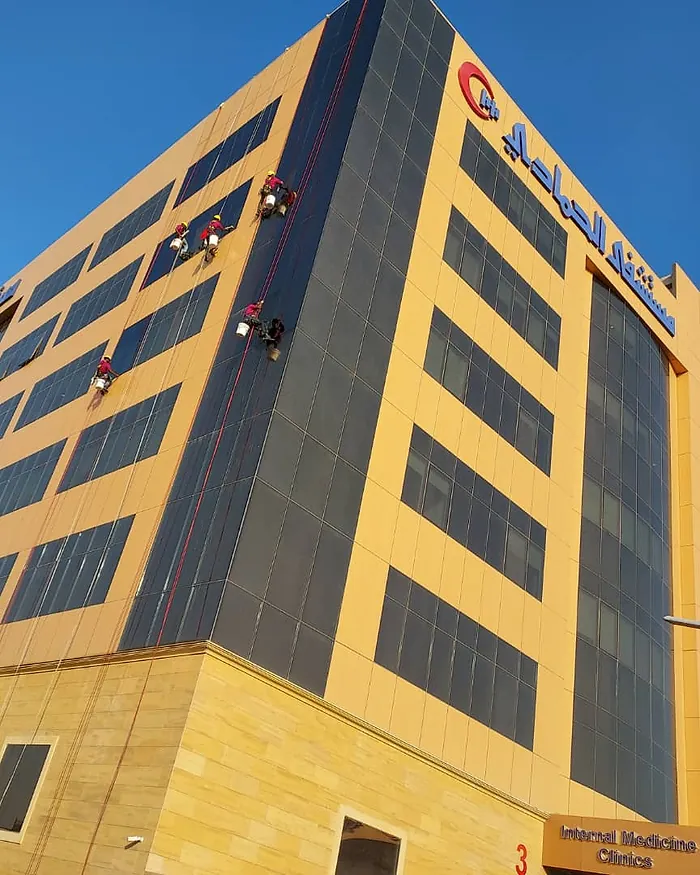
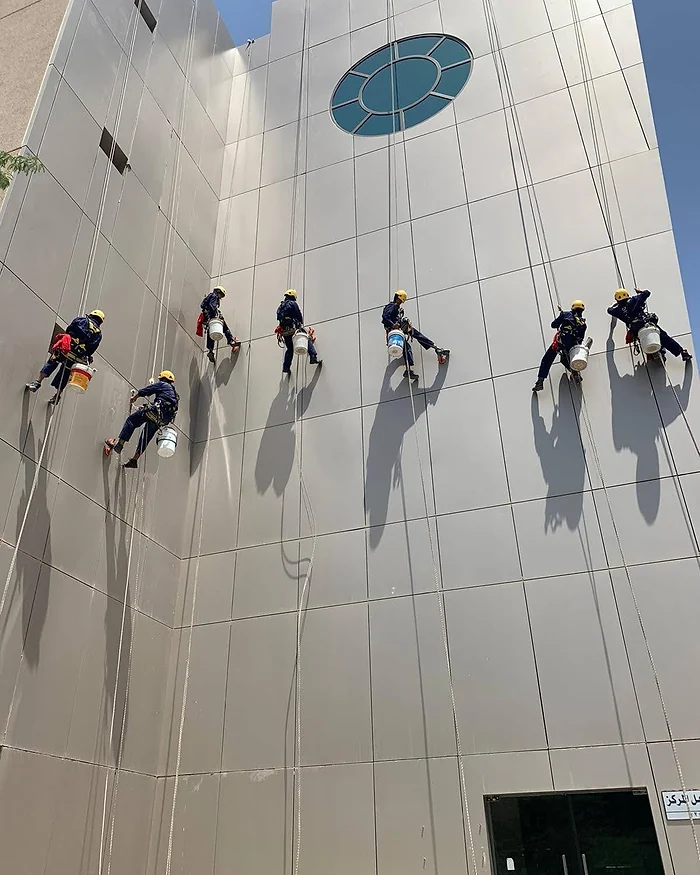
Photos from our team's work.
What is different about Tabuk Region
Tabuk Region spans the far north west, from Tabuk city and the oasis of Tayma inland to Duba, Al Wajh, Umluj and Haql on the Red Sea and the Gulf of Aqaba. Inland winters are the coldest on the western side of the country, with frost, rain and occasional snow on Jabal Al Lawz, and rain runs the dust of a dry season down render and glass in long streaks. The coast is humid and salty, and its resort buildings and port facilities take a salt film that clouds glass and dulls polished stone.
Other services in Umluj
The room and the building around it are on one list.