
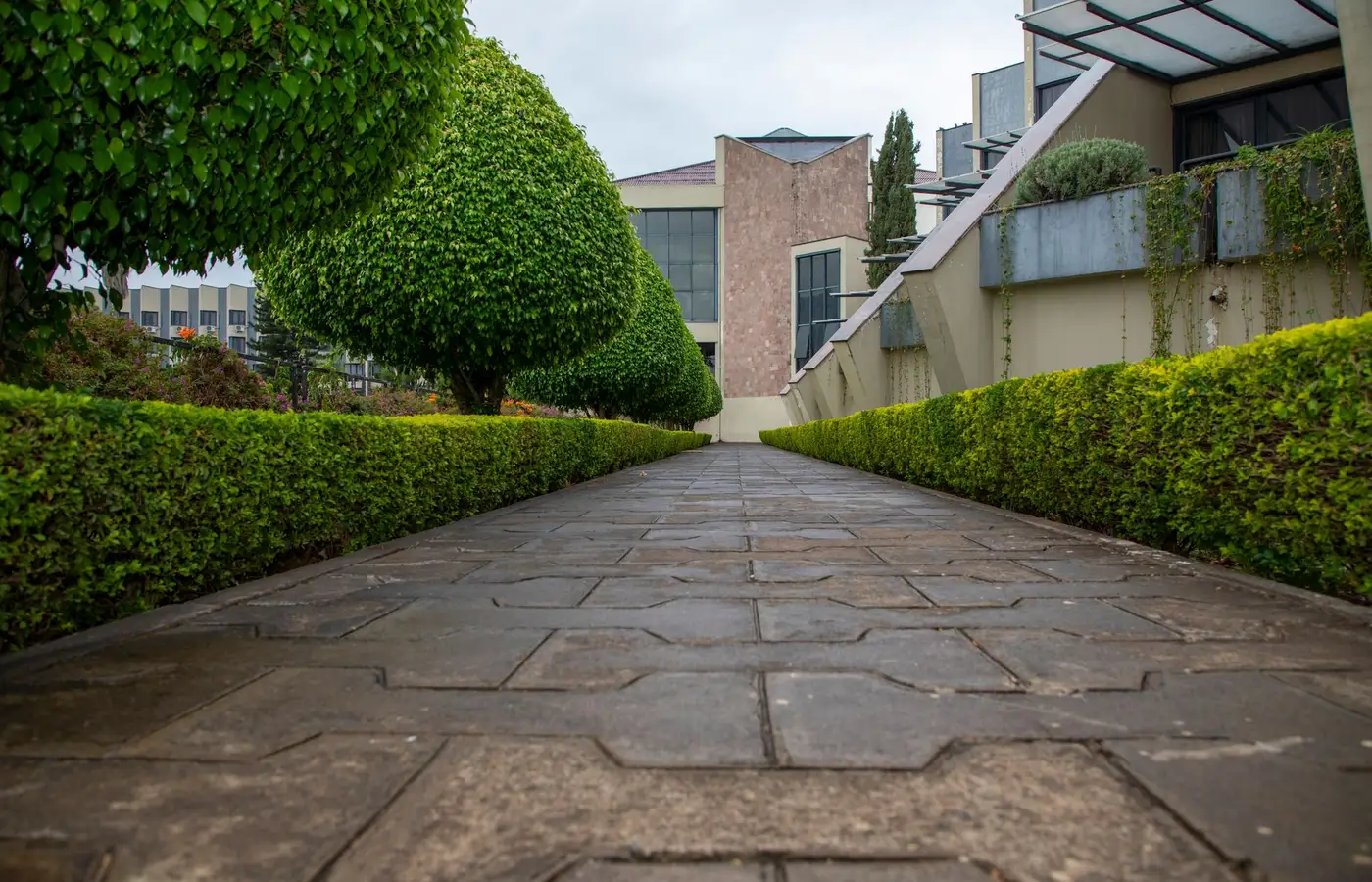
Raghwat Al Janoub Maintenance and Cleaning
Garden clearance in Al Arid, Riyadh
Al Arid in far northern Riyadh sits downwind of active building sites, where cement dust and fine sand from the open desert settle on every surface and planting. Large plots and chalets dominate the district, and irrigation water leaves scale on stone and glass. Garden clearance here must remove the settled dust, trim overgrown plants and restore the paved areas that drainage has begun to stain.
Why a garden needs regular attention
-
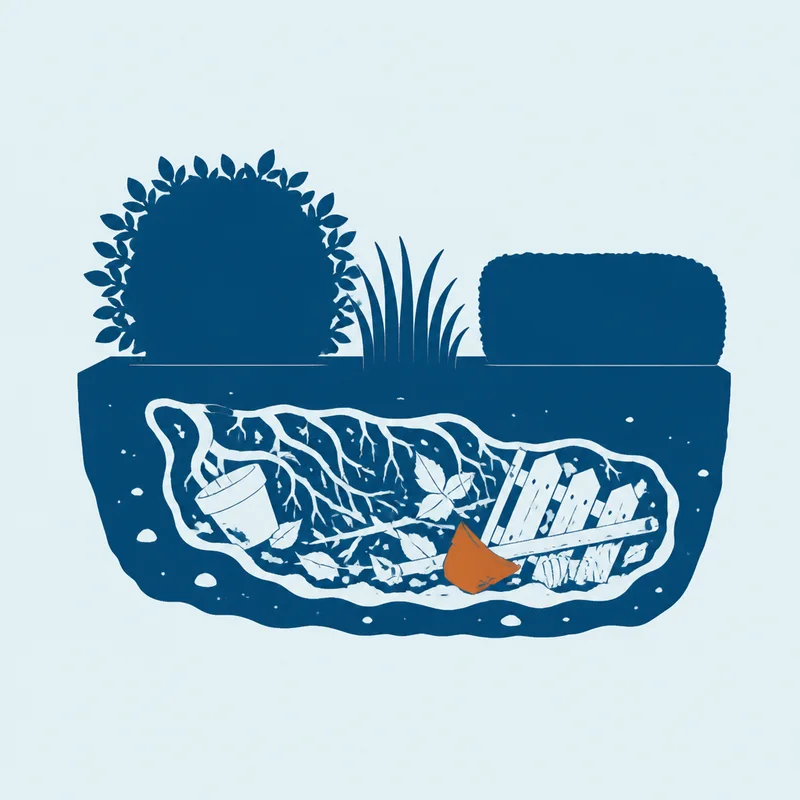
A tidy first impression
The first thing a guest sees is the entrance and the garden, not the inside of the house.
-
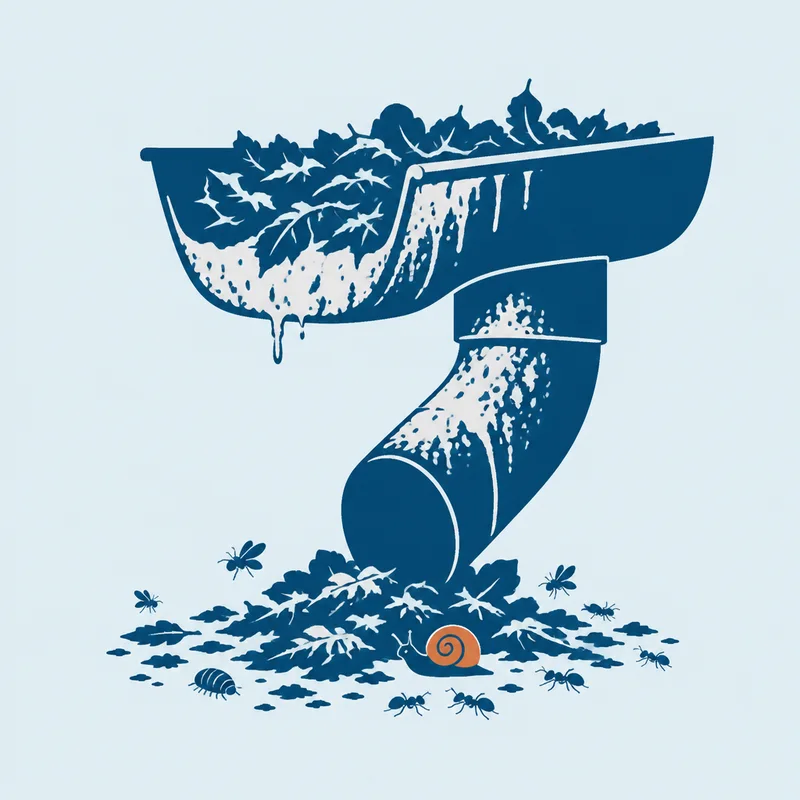
Fewer pests near the house
Piles of damp leaves and cuttings draw mosquitoes, flies and rodents, especially near the irrigation lines.
-

Protecting the irrigation
Riyadh's fine dust slowly blocks drip emitters, and plants die back for no visible reason.
-
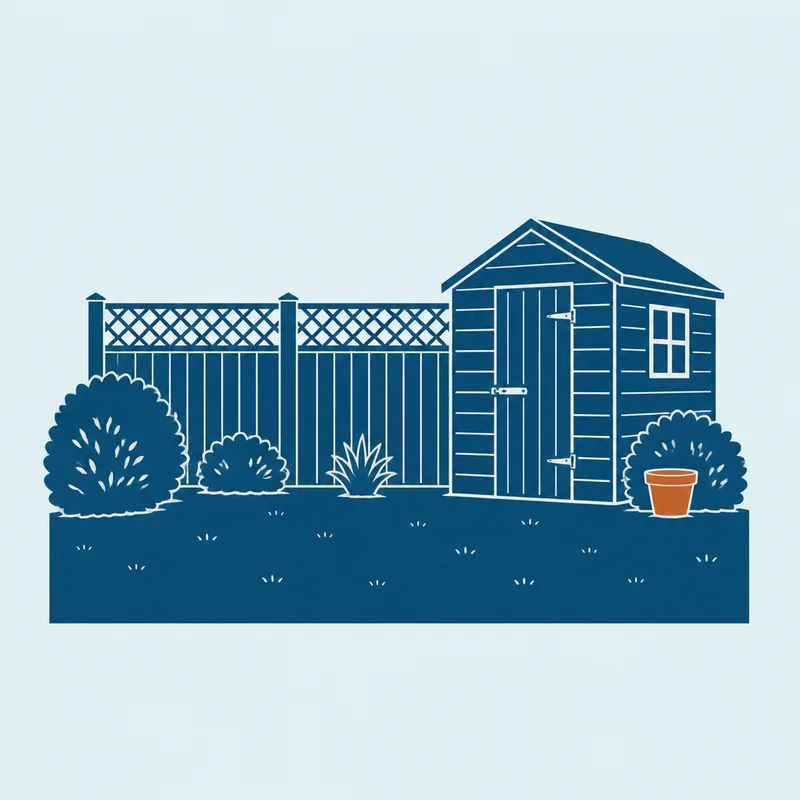
Saving your time and effort
Heavy palm fronds and hauling waste need equipment and a transport vehicle, not just a bin bag.
Why the job is different in Al Arid
Empty plots and new development schemes surround the district on all sides, so wind-driven fine sand and cement dust blanket gardens and pathways throughout the year, accumulating visibly in corners and along edges. The whole method is set out in the garden clearance overview.
-
Cement dust settles faster than elsewhere
Ongoing building behind Al Arid and Al Qirawan sends clouds of cement dust and fine sand from the Banban desert towards the developed plots. This dust coats stone, glass and foliage faster than anywhere else in Riyadh, mixes with irrigation moisture and leaves permanent grey staining on all light surfaces and around window frames.
-
Large gardens need systematic debris collection
Villas and chalets here enjoy substantial landscaped areas, and dry leaves and fallen palm fronds pile up quickly in corners and along pathways. Collection must reach every remote corner, and dry debris clogs the drainage gaps and channels in paving with ease, causing water to stand after irrigation.
-
Irrigation needs close scrutiny
Hard blended supply water leaves scale on stone, glass and visible irrigation pipe. Inspection must focus on joints and openings where white mineral scale and salt accumulate, and around nozzles where deposits block the spray ports. Visible fittings need particular attention where sediment builds fastest.
What's Included
Al Arid lies near Riyadh Golf Club and spreads between Al Baijan and Masharef Hills parks, with large landscaped plots around newer villas and chalets. Construction continues in the adjacent plots to the south, bringing continuous dust load to the district.
-
Debris and leaf litter collected
Leaves and palm fronds collect quickly from larger trees and mix with fine dust, so collection includes surface cleaning to remove the settled cement powder.
-
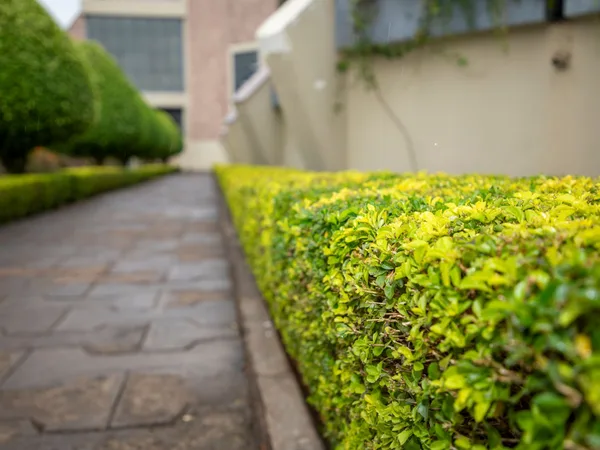
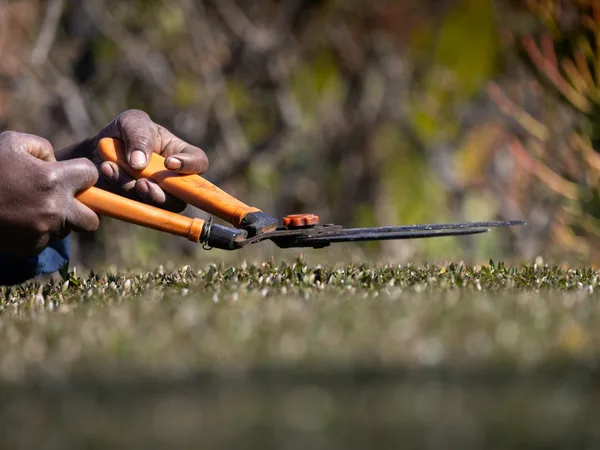
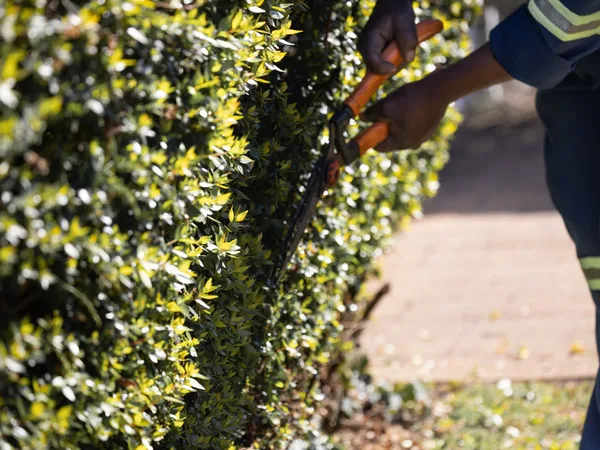
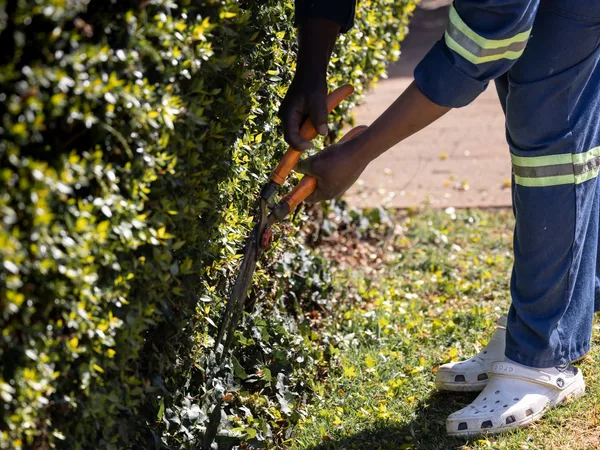
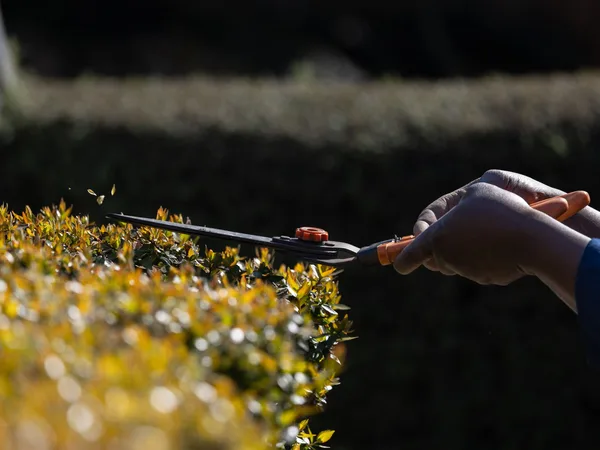
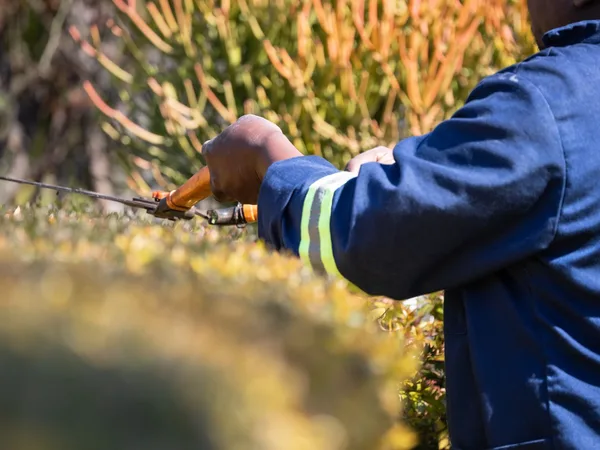
Hedges and edges trimmed
Hedges and edges need precise trimming to hold shape, as cement dust leaves a grey film on the foliage that must be removed during the cut.
-
Paths and paving cleaned
Pale stone pathways need deep cleaning to shift white scale deposits from hard water and the fine dust-moisture mixture that settles into joints.
-
Visible irrigation checked
Visible sprinkler risers and pipes need checking because mineral deposits clog the nozzles quickly, especially under heavy dust load from nearby sites.
-
Garden furniture and seating
Stone seating and planters need regular cleaning as dust settles on horizontal surfaces and hardens into a thick grey layer.
-
Waste hauled away
Collected debris and all plant matter is hauled away completely, with final check of corners and under trees where material often remains.
Landmarks of Al Arid
Al Baijan Park and Masharef Hills Park mark the district's boundaries and guide access to different zones. Work is organised by proximity to these landmarks, with gardens closer to Riyadh Golf Club requiring particular attention to the escalating dust from new projects on surrounding plots.
- Riyadh Golf Club
- Al Baijan Park
- Masharef Hills Park
- Riyadh National Schools
How we work
Survey and scope
Clear and trim
Clean paths and check
Haul away and hand over
Some of our work
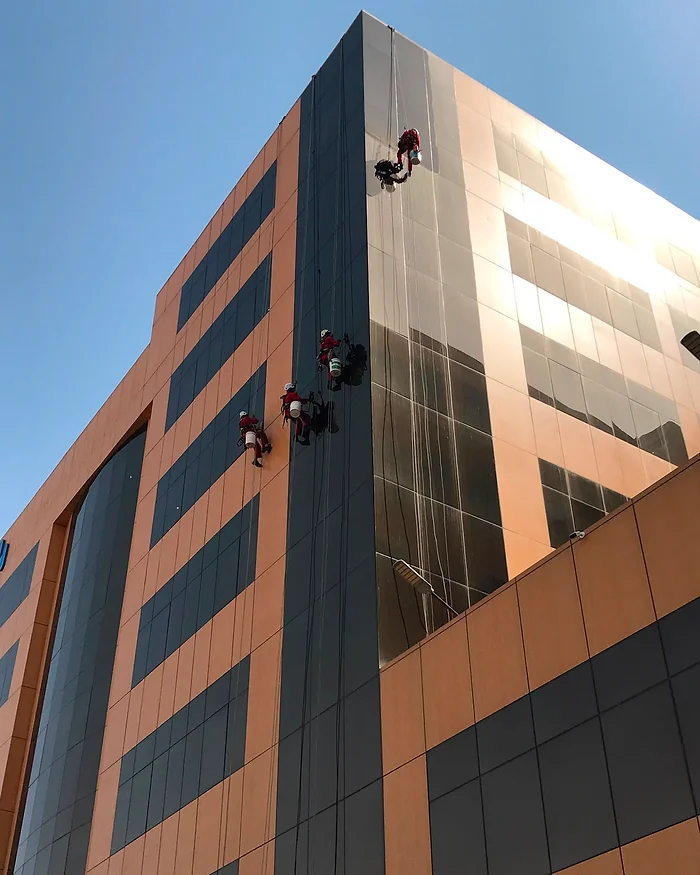
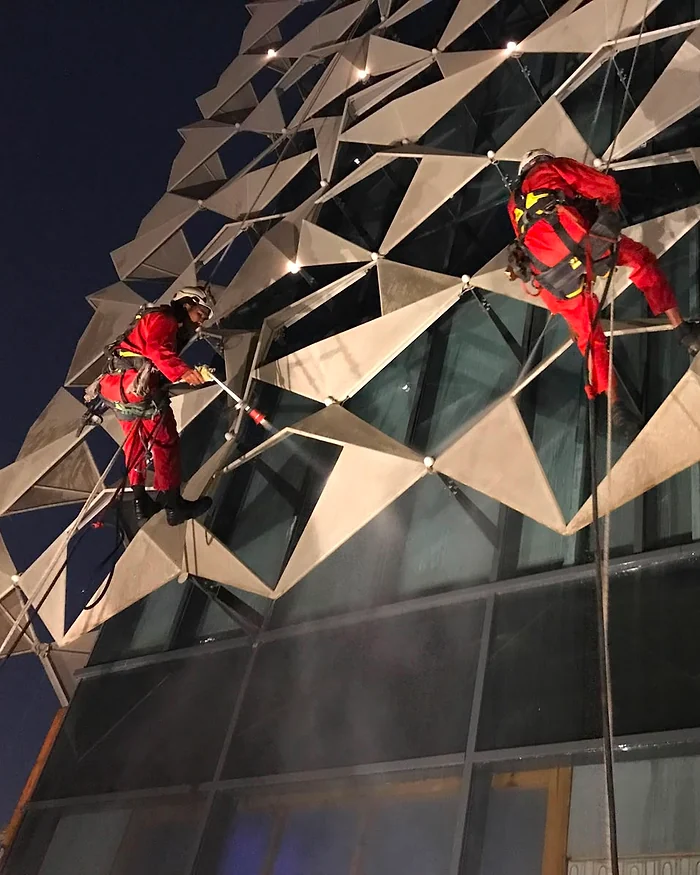
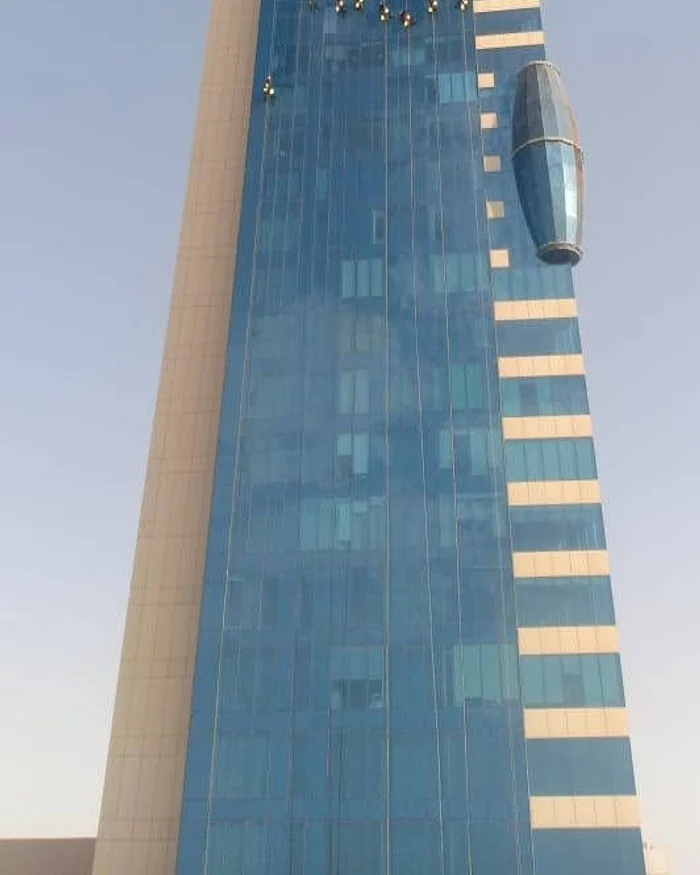
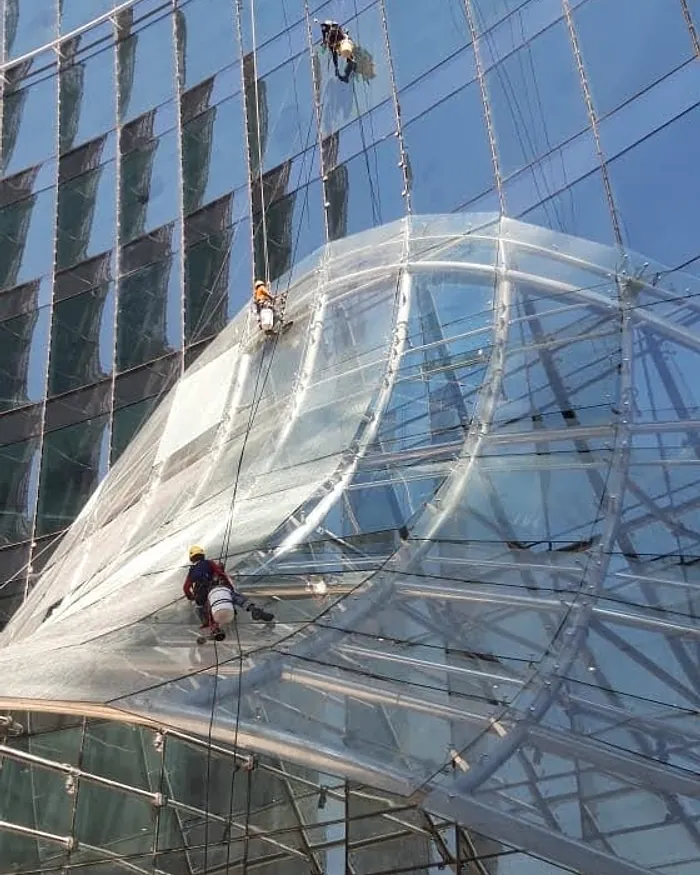
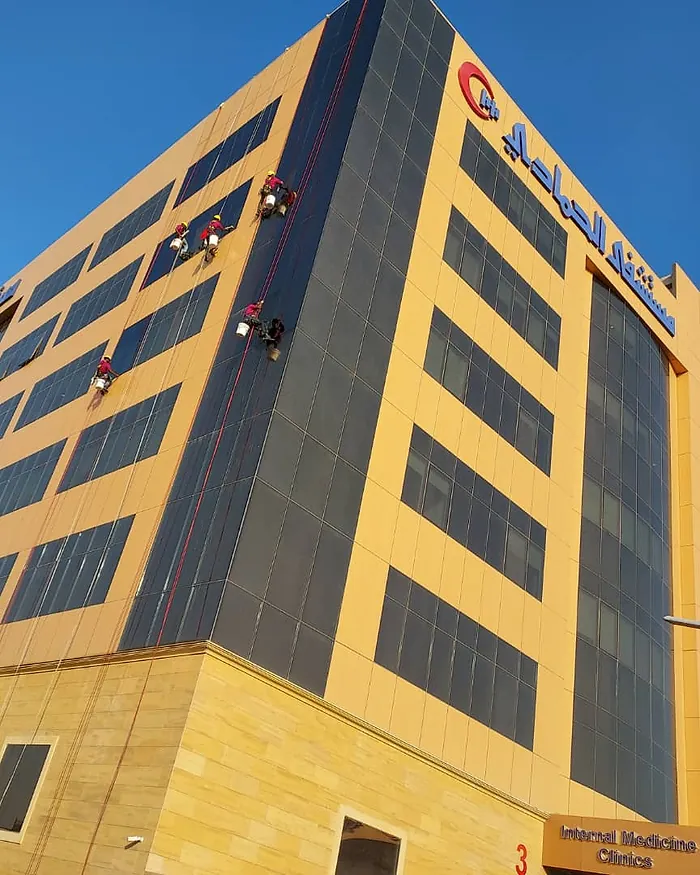
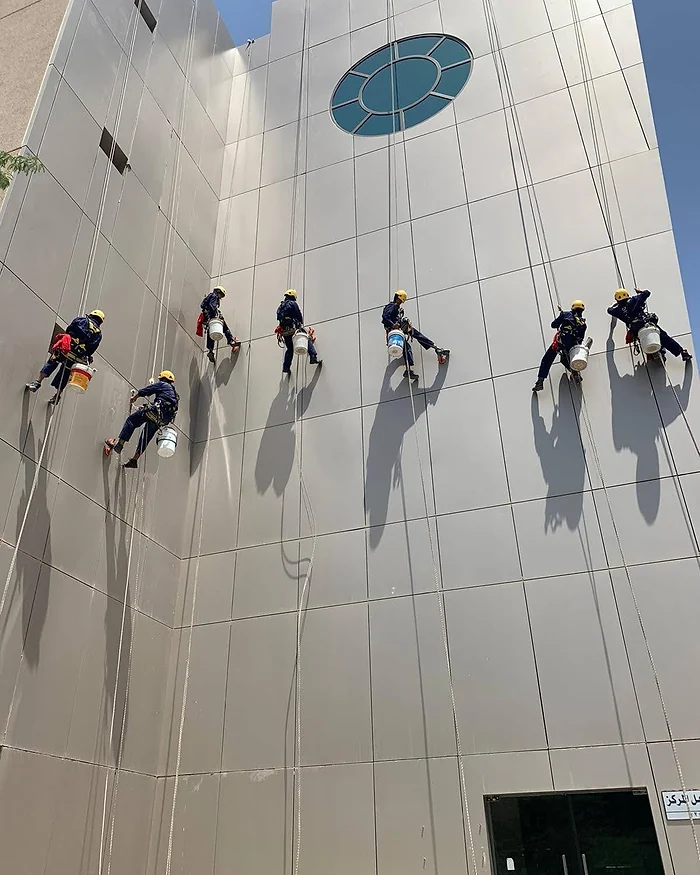
Photos from our team's work.
What is different about North Riyadh
North Riyadh is where the capital has grown fastest. Along the Northern Ring Road and King Salman Road, districts such as Al Malqa, Hittin, Al Yasmin, Al Narjis and Al Sahafa are largely new villas in light render, stone and glass, while the King Abdullah Financial District and the towers around Riyadh Front add curtain wall glass and marble lobbies. Beyond Al Arid and Al Qirawan the plots are still being built, so cement dust and fine sand from the open desert towards Banban settle on every surface, and the hard blended supply water leaves scale on glass and stone.
Other services in Al Arid
The room and the building around it are on one list.
-
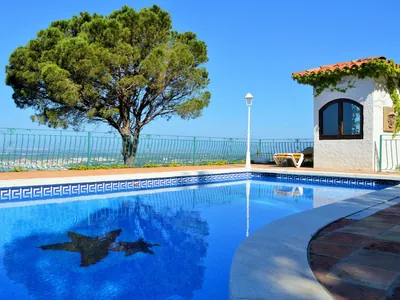
Swimming pool cleaning
-
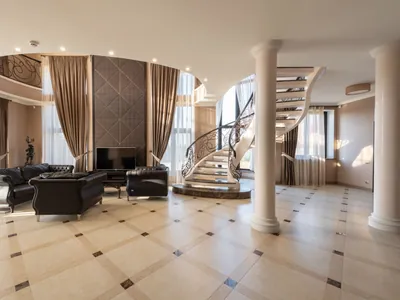
Villa cleaning
-
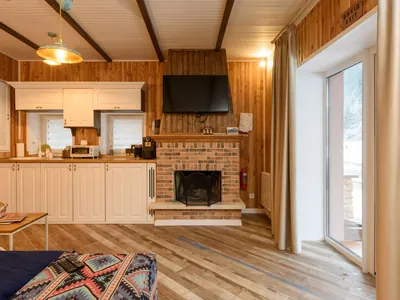
Chalet cleaning
-

Event cleaning
-
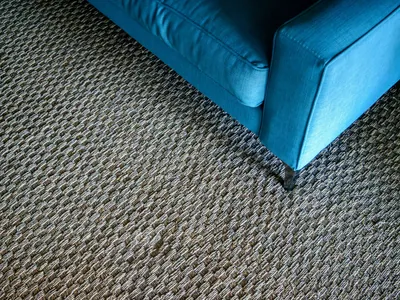
Sofa cleaning
-
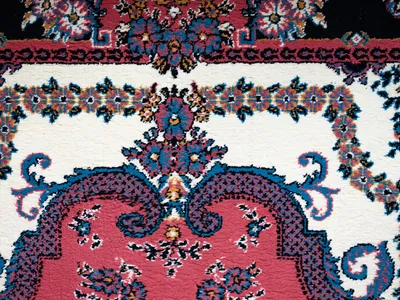
Carpet and rug cleaning
-

Mattress cleaning
-

Curtain cleaning
-
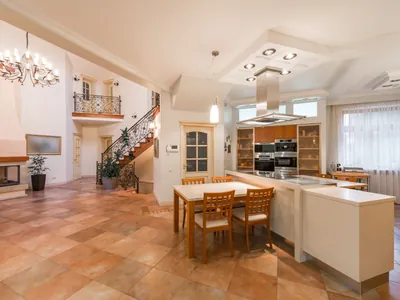
House cleaning
-
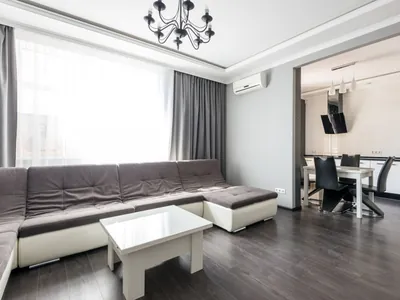
Apartment cleaning
-
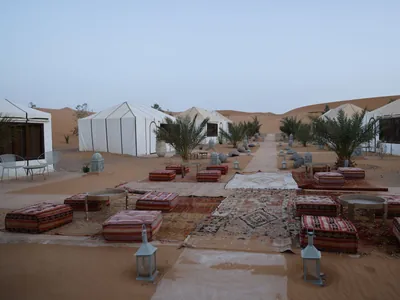
Majlis and rest-house cleaning
-
Yacht cleaning
-
Kitchen cleaning
-
Bathroom cleaning
-

Chandelier cleaning
-
Water tank cleaning and disinfection
-
Water tank waterproofing
-
Deep cleaning
-

Move-in and move-out cleaning
-
Post-construction cleaning
-

Disinfection and sanitisation
-

Pest control
-

Bed bug control
-

Office cleaning
-

Restaurant cleaning
-
Hotel and resort cleaning
-
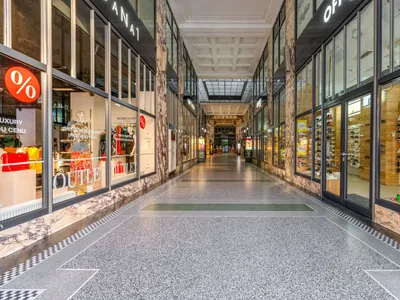
Shopping mall cleaning
-

Retail shop cleaning
-

School cleaning
-

Nursery and kindergarten cleaning
-
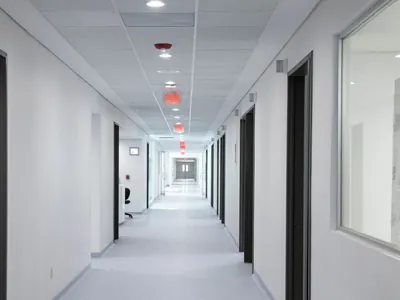
Hospital cleaning
-

Clinic and medical centre cleaning
-
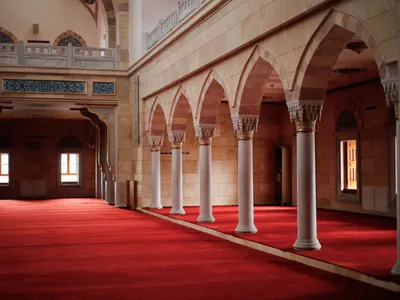
Mosque cleaning
-
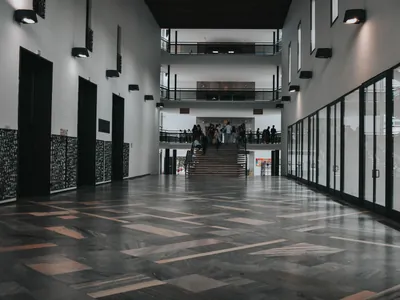
Government facility cleaning
-

Gym cleaning
-
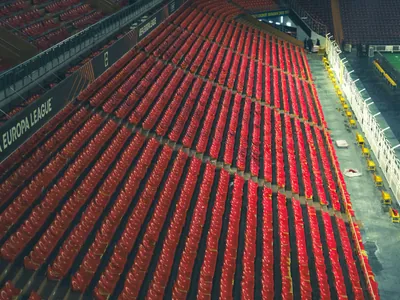
Sports field cleaning
-
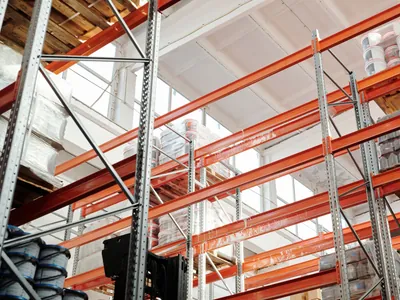
Factory and warehouse cleaning
-
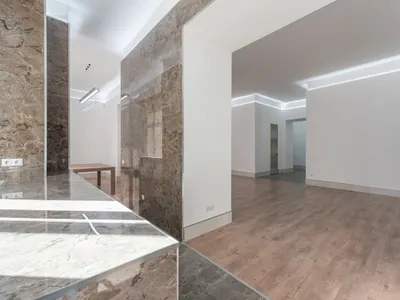
Commercial post-construction cleaning
-
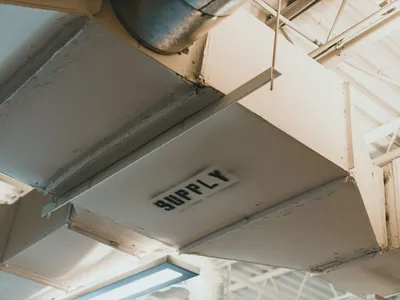
Air duct and AC cleaning
-
Commercial pest control