
Raghwat Al Janoub Maintenance and Cleaning
Garden clearance in Al Mahdiyah, Riyadh
Al Mahdiyah is a quiet villa district on the western fringe of Riyadh, neighbouring Wadi Hanifah and rimmed by Tuwaiq hills. Westerly winds carry pale limestone dust off the plateau that settles fast in courtyards, on garden furniture and window sills. Farms and unpaved edges around the district add soil dust and plant pollen through much of the year. Villa gardens here need specialist clearance to remove this limestone dust, which does not rinse away with ordinary water and leaves white deposits on stone, metal and glass surfaces if left to accumulate.
Why a garden needs regular attention
-
A tidy first impression
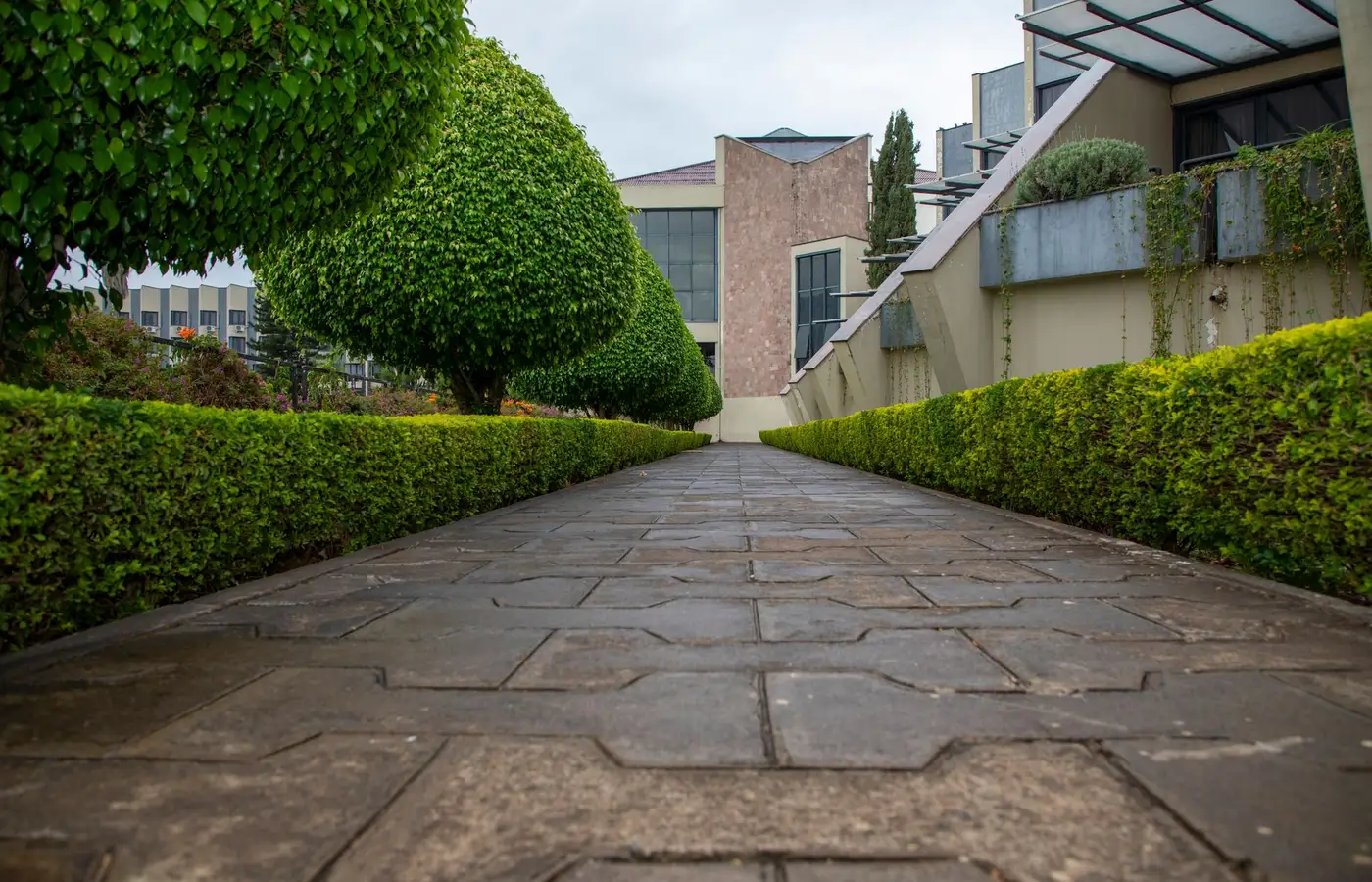
The first thing a guest sees is the entrance and the garden, not the inside of the house.
-
Fewer pests near the house
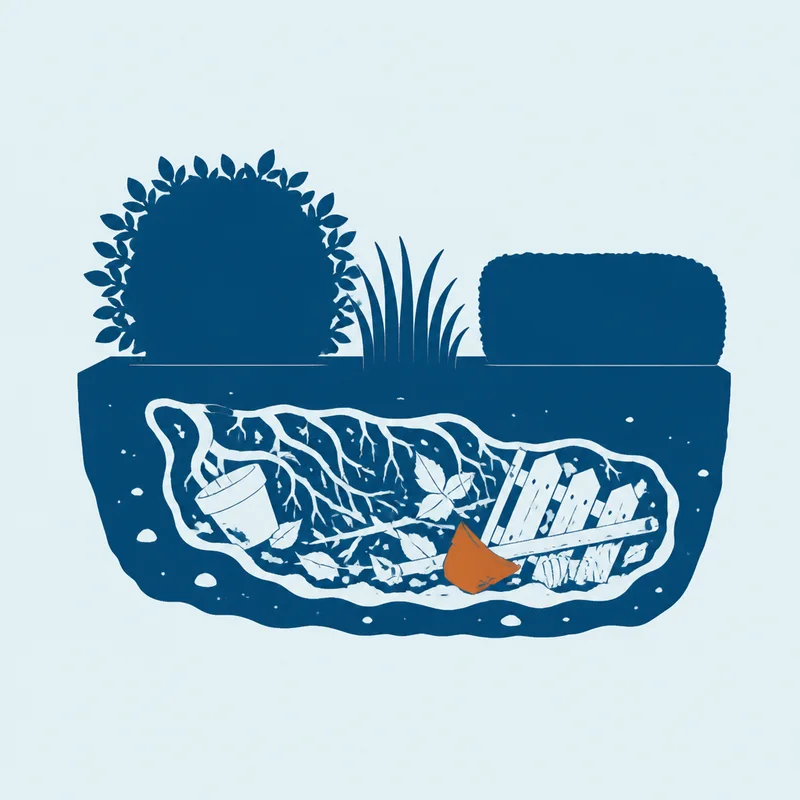
Piles of damp leaves and cuttings draw mosquitoes, flies and rodents, especially near the irrigation lines.
-

Protecting the irrigation
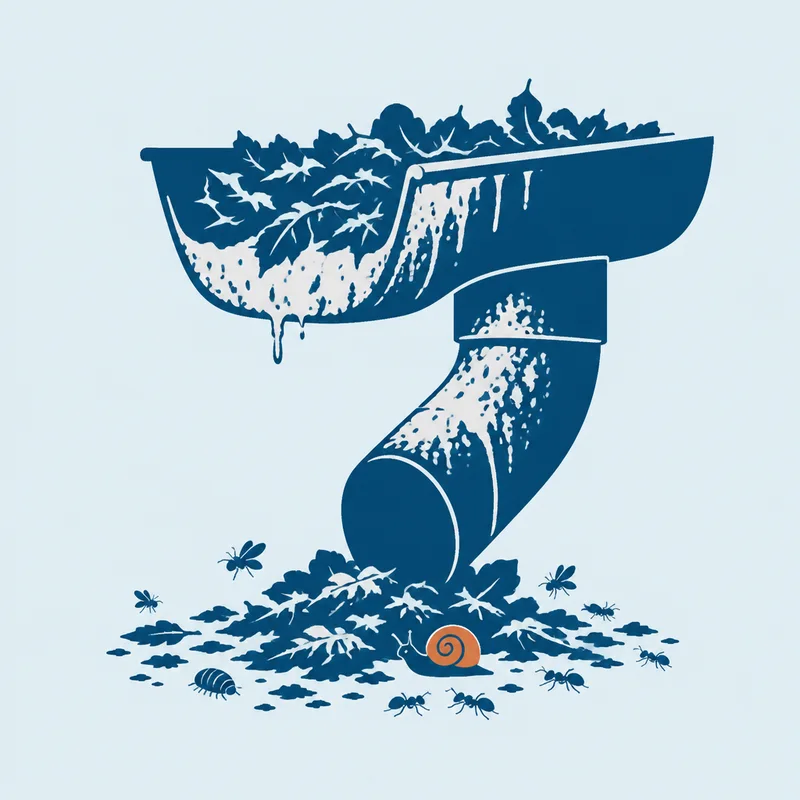
Riyadh's fine dust slowly blocks drip emitters, and plants die back for no visible reason.
-
Saving your time and effort
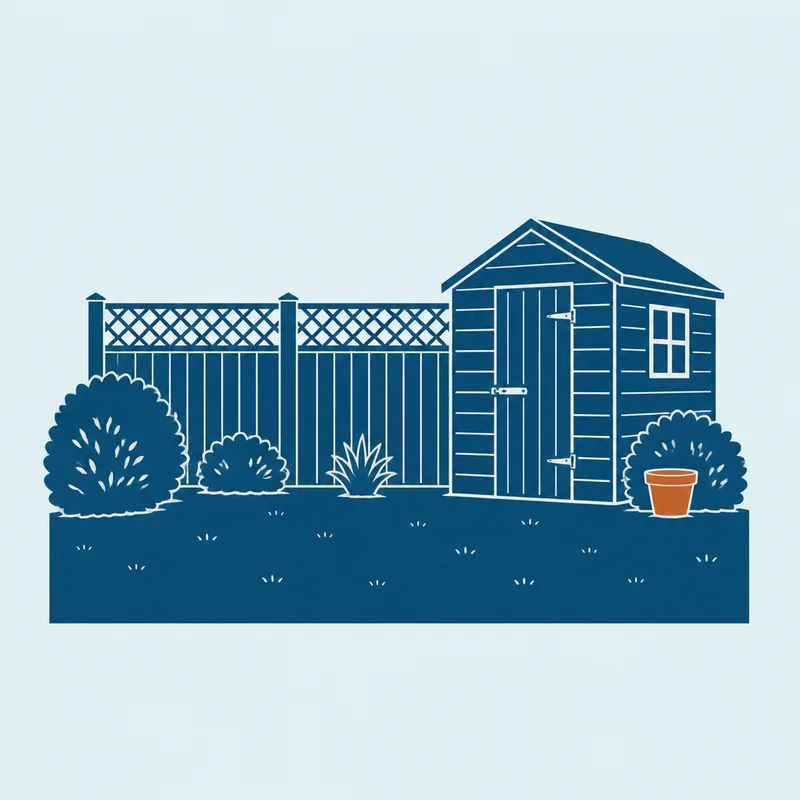
Heavy palm fronds and hauling waste need equipment and a transport vehicle, not just a bin bag.
Why the job is different in Al Mahdiyah
The pale limestone dust resettles on windows and furniture within two days of cleaning, and gardens very close to the wadi system need more frequent attention than villas set further back. The whole method is set out in our full account of garden clearance.
-
Limestone dust from the plateau does not wash away
The western plateau carries a fine pale dust that does not dissolve in ordinary water but deposits on windows, stone and metal surfaces. Removing it needs specialist treatment or white stains build up permanently on glass, iron furniture and dressed stonework, and become very difficult to lift once set.
-
Nearby wadis bring seasonal leaf fall and soil
Wadi Hanifah and Wadi Al Mahdiyah run powerfully in the rainy months and send leaves, branches and silt into neighbouring gardens. Exposed ground around the wadi erodes in the wind and adds to the dust and sand load, sometimes quite suddenly after rain when the wadi flows.
-
Neighbouring farms raise plant dust and soil
The district adjoins farms and unpaved ground, so dry plant dust and soil from open yards enter villa gardens during harvest season and during the strong southerly winds. Boundary walls do not keep out fine dust carried on the wind.
What's Included
Wadi Hanifah and Wadi Al Mahdiyah hem the district on its edges, and the open setting allows pale limestone dust from the plateau to enter in large quantities during summer and autumn months.
-
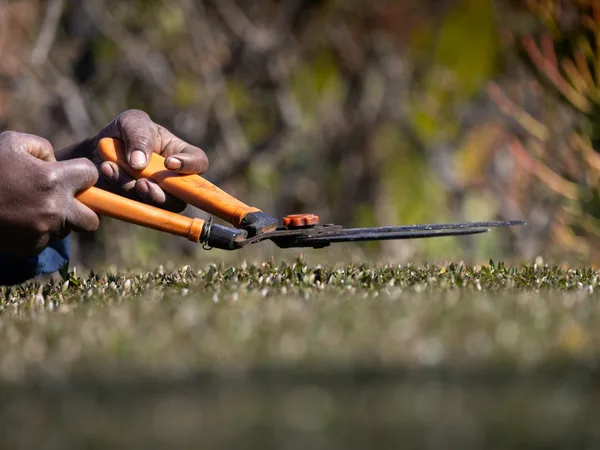
Debris and leaf litter collected
Leaves and branches from Wadi Hanifah and exposed edges accumulate quickly in large villa gardens. Removing them prevents drainage gaps from clogging and water from pooling after rainfall or irrigation.
-
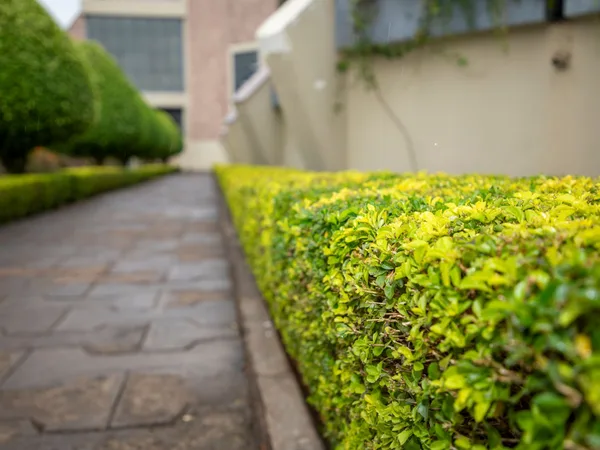
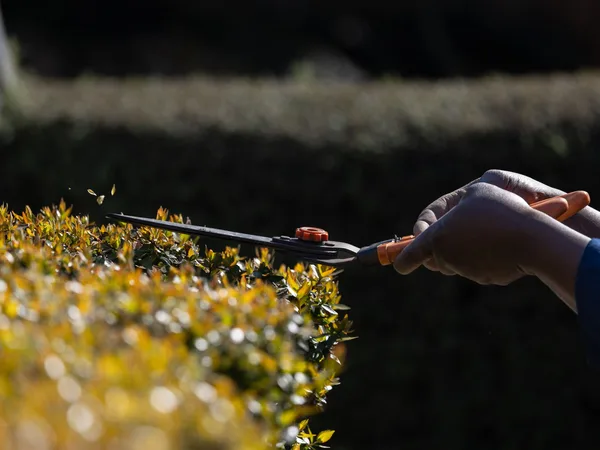
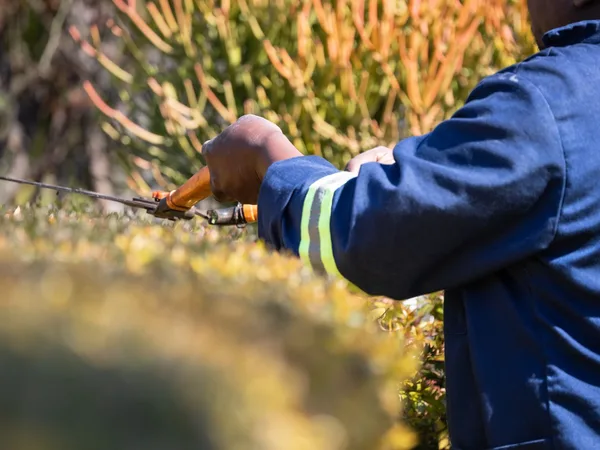
Hedges and edges trimmed
Garden edges near the boundary wall and exposed areas grow wild plants rapidly as wind carries seeds. Regular trimming stops them spreading into the inner garden and breaking through planted borders.
-
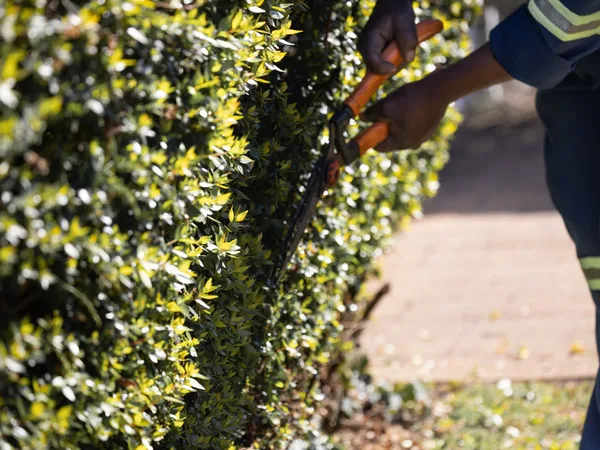
Paths and paving cleaned
Pathways and paving show a layer of pale limestone dust and mineral scale from hard water. Cleaning this layer needs specialist attention or white stains become permanent and damage the appearance.
-
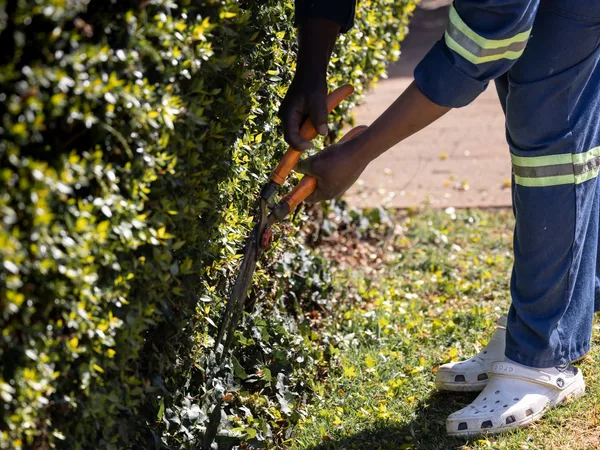
Visible irrigation checked
Most villa gardens here have visible irrigation lines, and limestone dust and soil can block sprinkler heads and pipes. Checking confirms water flows freely and the system is not starved by sediment or mineral buildup.
-
Garden furniture and seating
Garden furniture and seating sit exposed to the elements, and limestone dust settles on them rapidly leaving white deposits. Cleaning preserves the material and removes calcite stains before they set.
-
Waste hauled away
Hauling away leaves, branches and soil is essential to prevent drainage blockage and to stop insects and rodents sheltering beneath accumulated debris and organic matter.
Al Mahdiyah on the map
Al Mahdiyah sits about 5.5 km from Dhahrat Laban and about 6 km from Hijrat Wadi Laban.
Open in Google MapsHow we work
Survey and scope
Clear and trim
Clean paths and check
Haul away and hand over
Some of our work
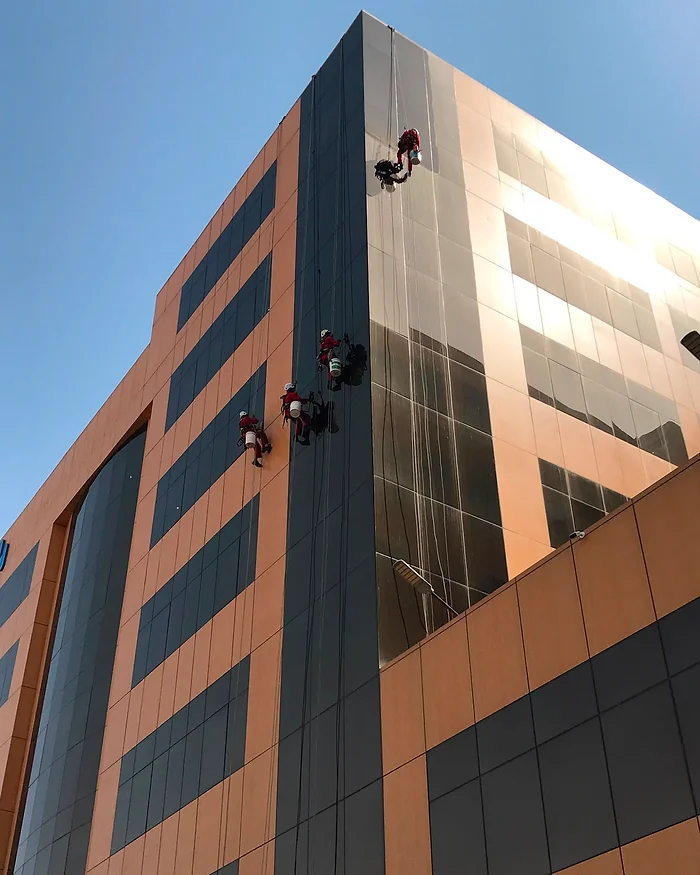
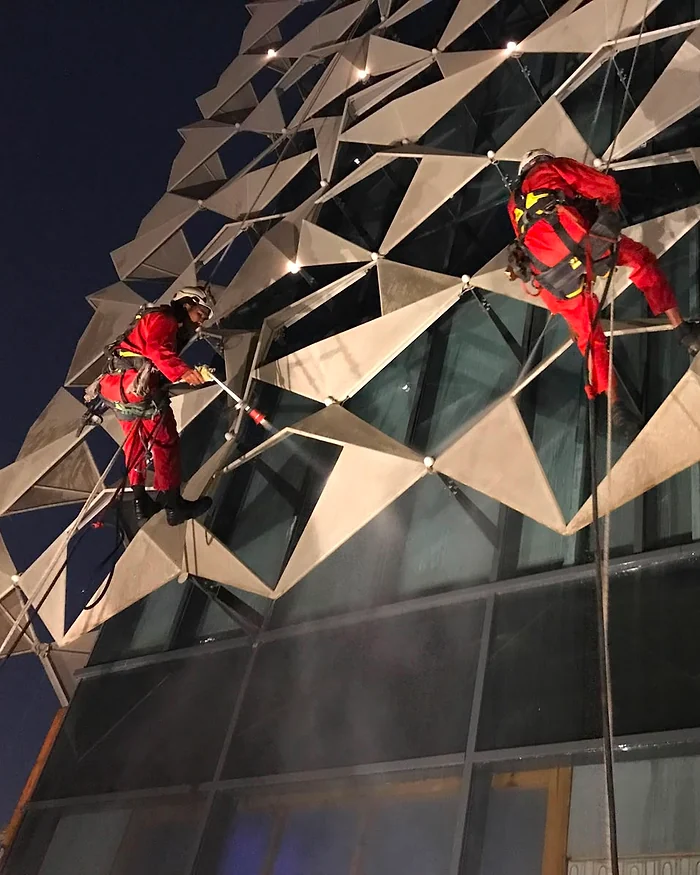
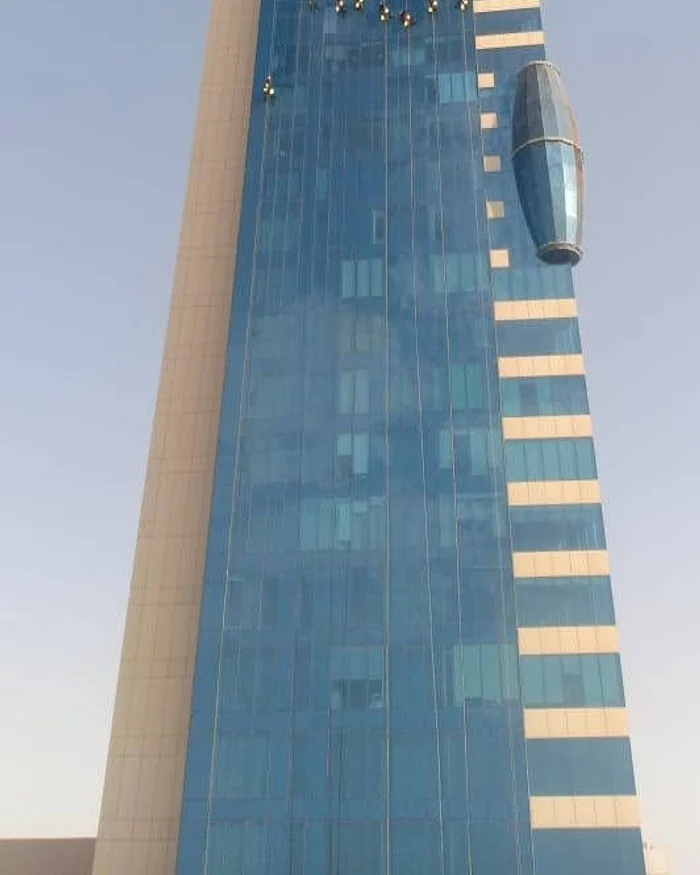
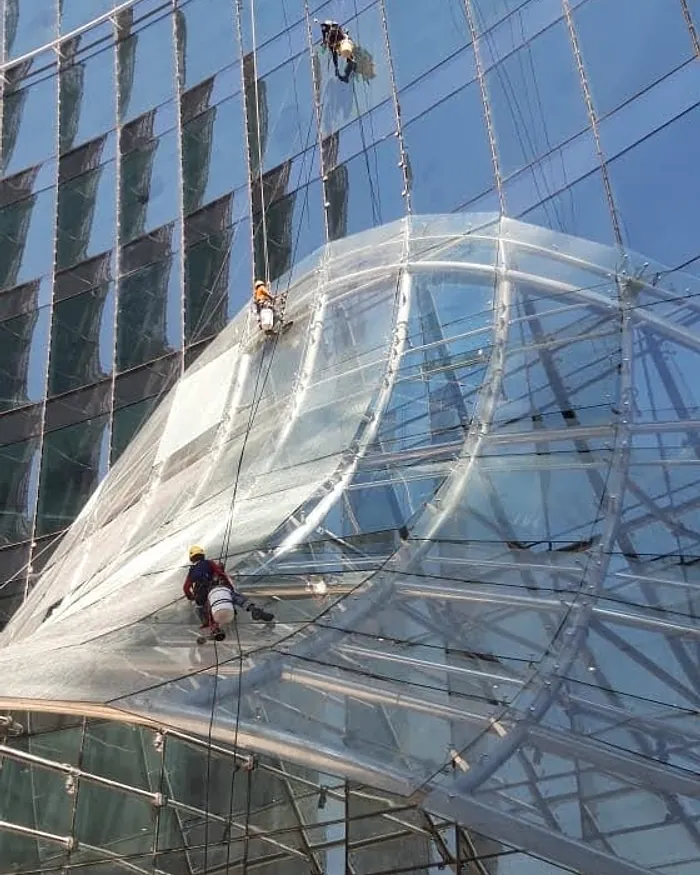
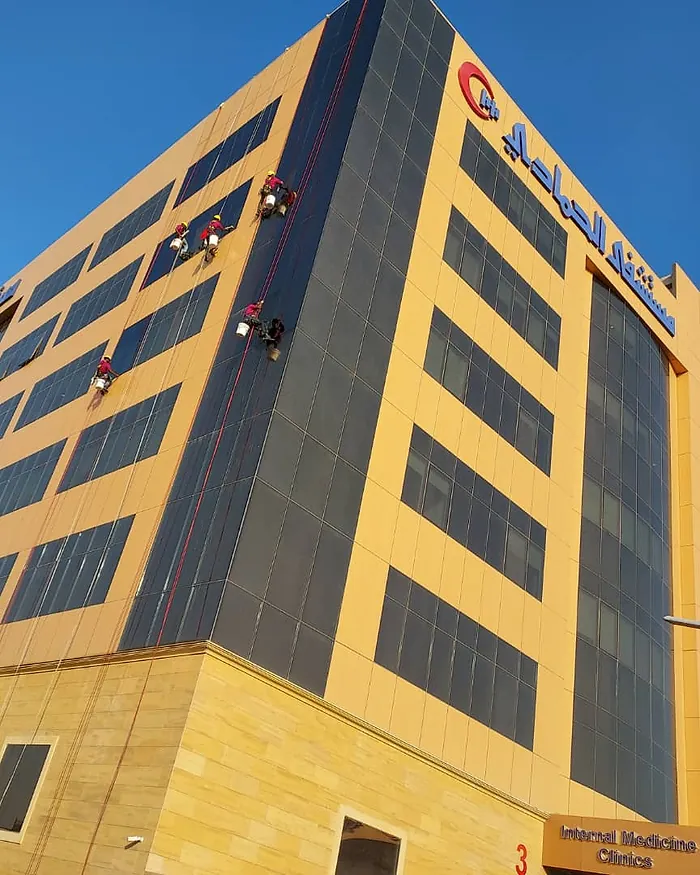
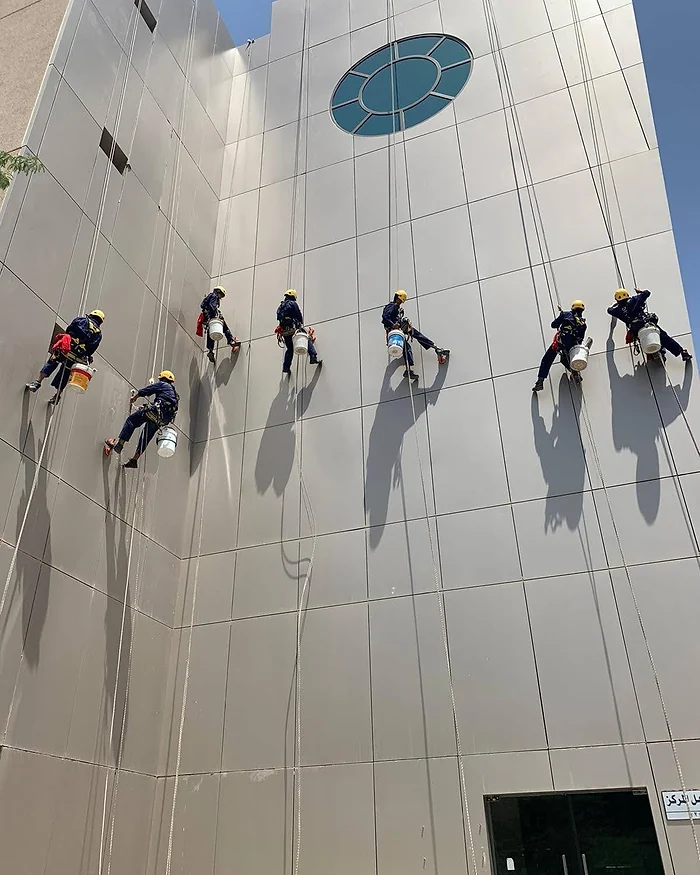
Photos from our team's work.
What is different about West Riyadh
West Riyadh sits against the Tuwaiq escarpment, with Wadi Hanifah and Wadi Laban cutting through it. Irqah, Dhahrat Laban, Tuwaiq, Al Uraija and Al Suwaidi are mainly villas and low apartment buildings on sloping ground, while the Diplomatic Quarter keeps its mature landscaping and stone facades, and Dirab and the wadi floor still hold farms and rest houses. Westerly winds bring a pale limestone dust off the plateau that settles in courtyards, on window ledges and on outdoor furniture, and the farms and unpaved edges add soil and pollen through much of the year.
Other services in Al Mahdiyah
The room and the building around it are on one list.
-
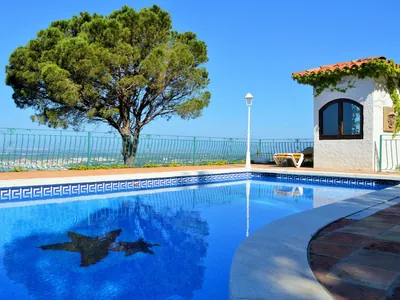
Swimming pool cleaning
-
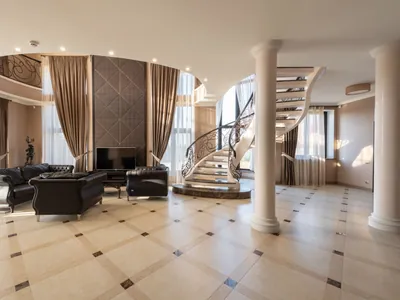
Villa cleaning
-
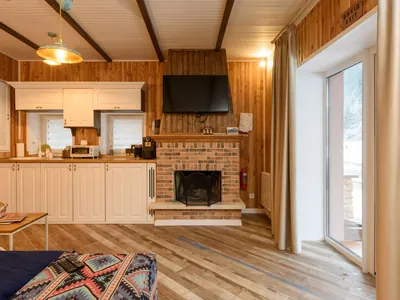
Chalet cleaning
-

Event cleaning
-
Sofa cleaning
-
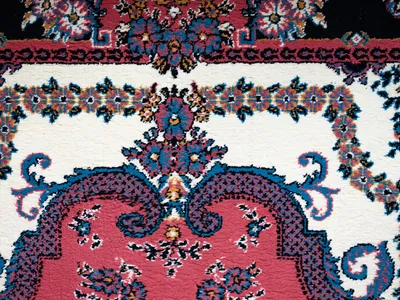
Carpet and rug cleaning
-

Mattress cleaning
-
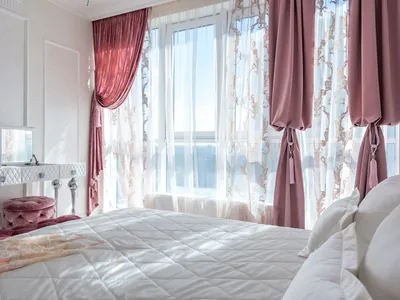
Curtain cleaning
-
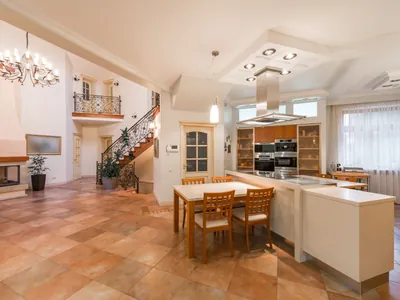
House cleaning
-
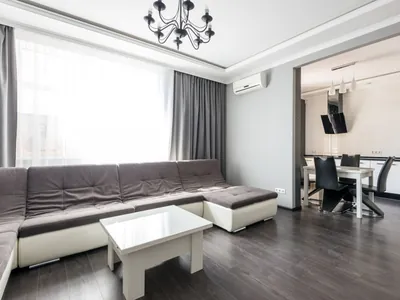
Apartment cleaning
-
Majlis and rest-house cleaning
-
Yacht cleaning
-
Kitchen cleaning
-
Bathroom cleaning
-
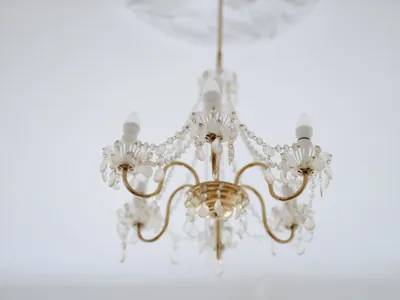
Chandelier cleaning
-
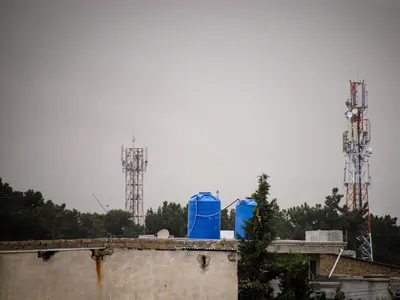
Water tank cleaning and disinfection
-
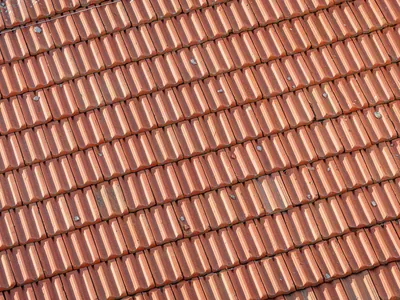
Water tank waterproofing
-
Deep cleaning
-

Move-in and move-out cleaning
-
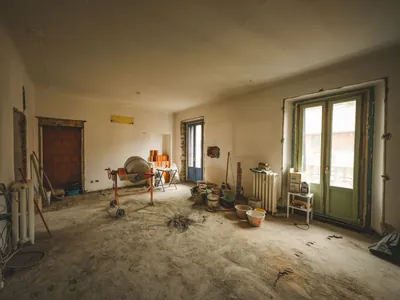
Post-construction cleaning
-
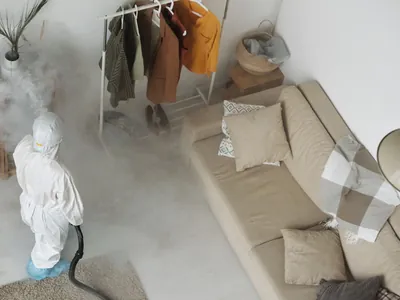
Disinfection and sanitisation
-

Pest control
-
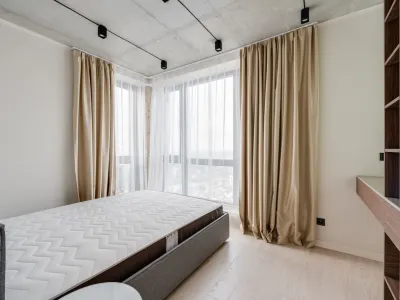
Bed bug control
-

Office cleaning
-
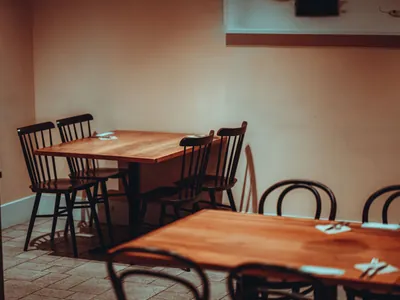
Restaurant cleaning
-
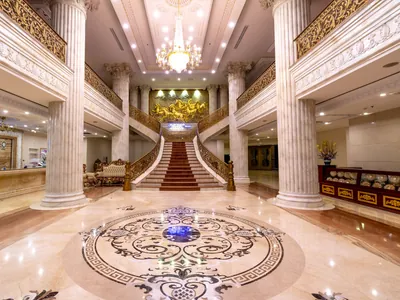
Hotel and resort cleaning
-
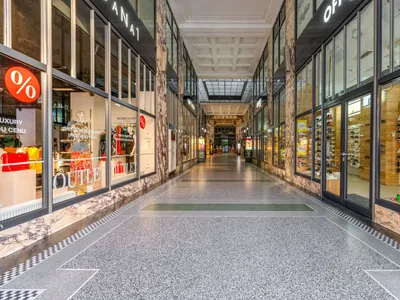
Shopping mall cleaning
-

Retail shop cleaning
-

School cleaning
-

Nursery and kindergarten cleaning
-
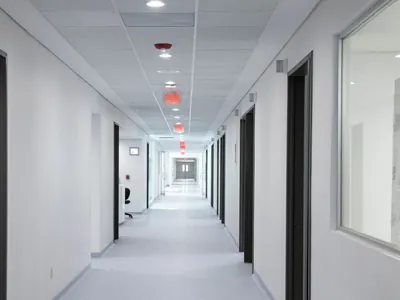
Hospital cleaning
-
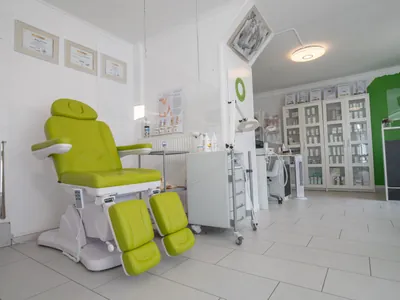
Clinic and medical centre cleaning
-
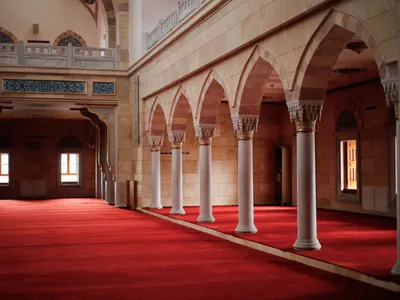
Mosque cleaning
-
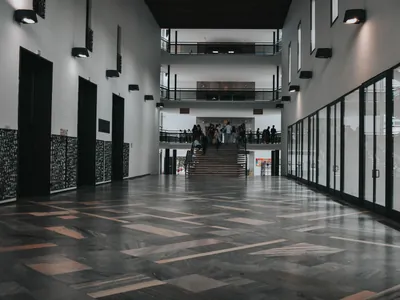
Government facility cleaning
-
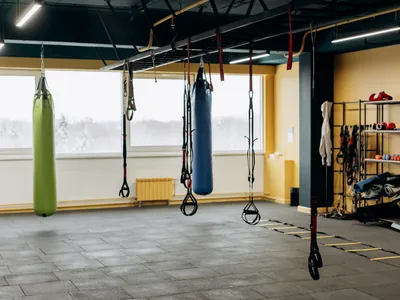
Gym cleaning
-
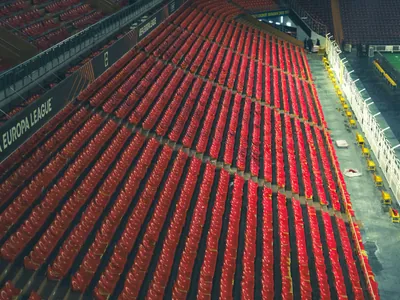
Sports field cleaning
-
Factory and warehouse cleaning
-
Commercial post-construction cleaning
-
Air duct and AC cleaning
-
Commercial pest control