
Raghwat Al Janoub Maintenance and Cleaning
Garden clearance in Sukairinah, Riyadh
Sukairinah is one of the oldest quarters of Riyadh, originally a village beside Wadi Hanifah before the capital expanded and the municipality absorbed it. Mid-rise apartment blocks dominate the district today, with shared gardens and pathways used by multiple households. Debris accumulates quickly here, and dry leaves fall constantly, especially in autumn. Shared spaces need consistent attention to stay usable.
Why a garden needs regular attention
-

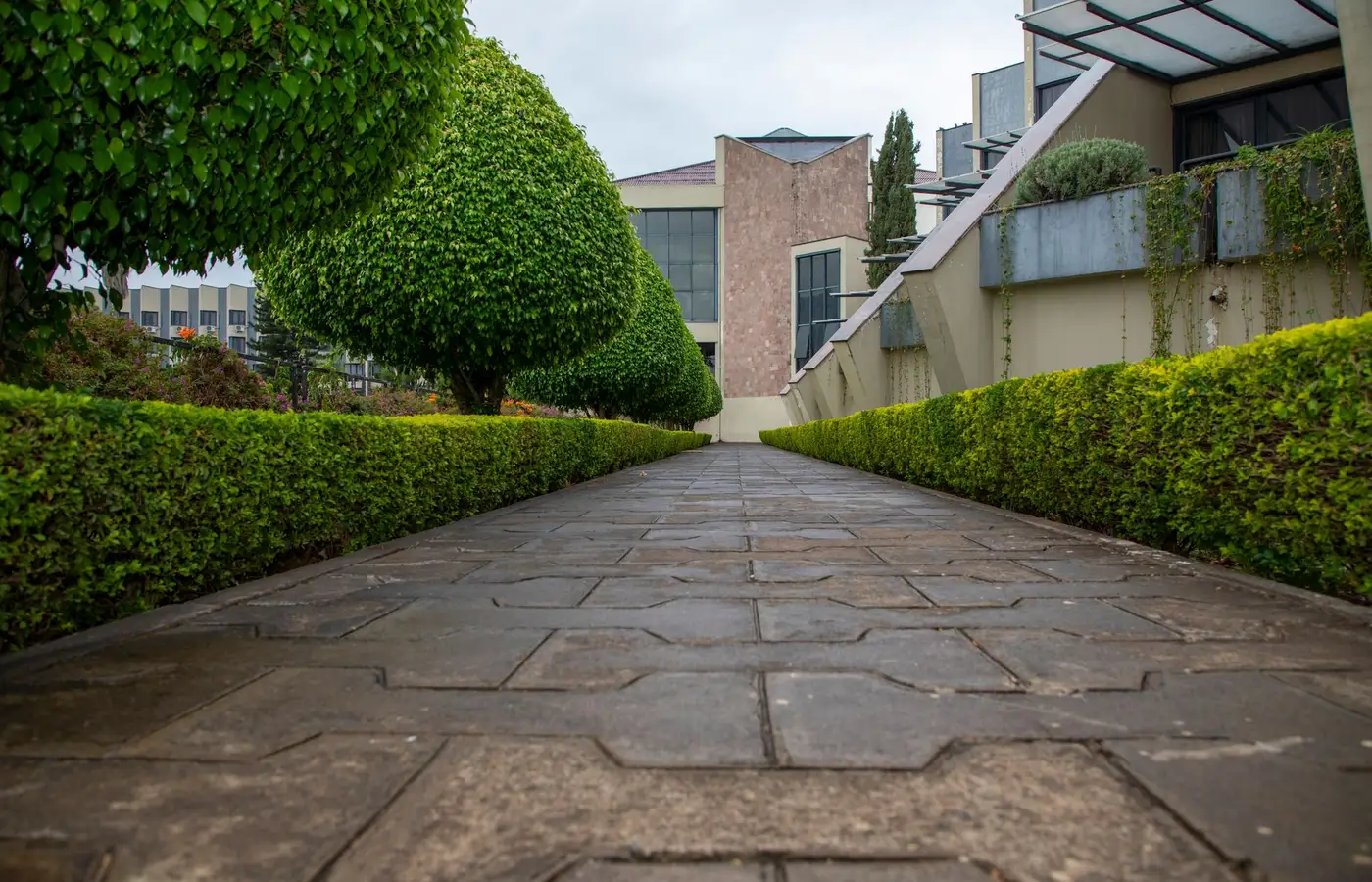
A tidy first impression
The first thing a guest sees is the entrance and the garden, not the inside of the house.
-
Fewer pests near the house
Piles of damp leaves and cuttings draw mosquitoes, flies and rodents, especially near the irrigation lines.
-

Protecting the irrigation
Riyadh's fine dust slowly blocks drip emitters, and plants die back for no visible reason.
-
Saving your time and effort
Heavy palm fronds and hauling waste need equipment and a transport vehicle, not just a bin bag.
Why the job is different in Sukairinah
Shared pathways between apartment blocks collect dry leaves rapidly from the older trees around the quarter and those near the wadi. Black mould settles under the debris where moisture lingers. The whole method is set out in the garden clearance overview.
-
Shared pathways and centralised drainage systems
Multiple families share the apartment blocks here, and pathways between them are narrow and communal. Debris that piles up blocks centralised drainage openings, so water pools after irrigation or rain. Blocked drainage then stains tiles and forces expensive repairs to underground pipes. Regular clearing keeps drainage flowing and prevents costly damage to shared infrastructure.
-
Humidity from the wadi and fast decay
Sukairinah sits next to Wadi Hanifah, so the air holds more moisture than elsewhere in the city. Leaves and debris do not dry fast and start to rot, leaving a black layer on tiles and metal furniture. High humidity under piled leaves breeds mould and mildew quickly. Regular clearing stops moisture building up, kills mould growth, and prevents the musty smell that spreads through shared spaces.
-
Shared furniture and communal seating
This older quarter has wooden and metal seating and tables in pathways and entrances, used by residents of all the flats. Leaves, dust and damp attack wood and metal fast, causing rust and rot. Wood can warp and splinter, metal rusts through. Regular care keeps communal furniture safe to use and stops it needing replacement years early.
What's Included
The district sits close to Wadi Hanifah, so humidity in the air is higher than most of Riyadh. Leaves and debris rot fast in the damp, leaving black residue on tiles and shared pathways that is harder to remove than dust alone.
-
Debris and leaf litter collected
Dry leaves from the older trees around the quarter and near the wadi collect quickly, and humidity under them breeds black mould that is hard to shift once it sets.
-
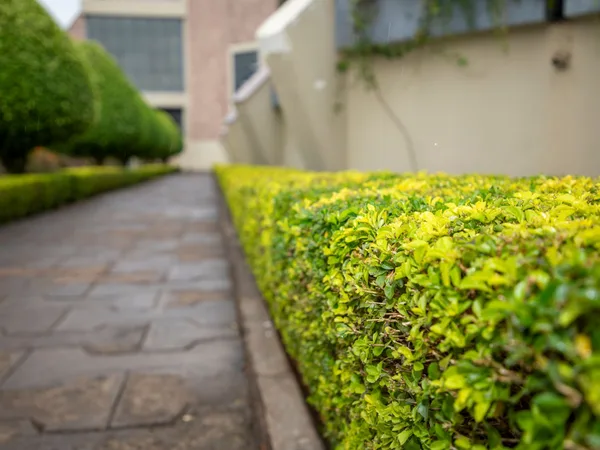
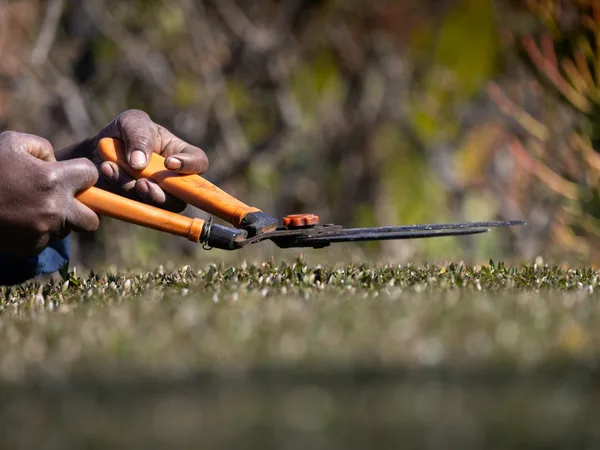
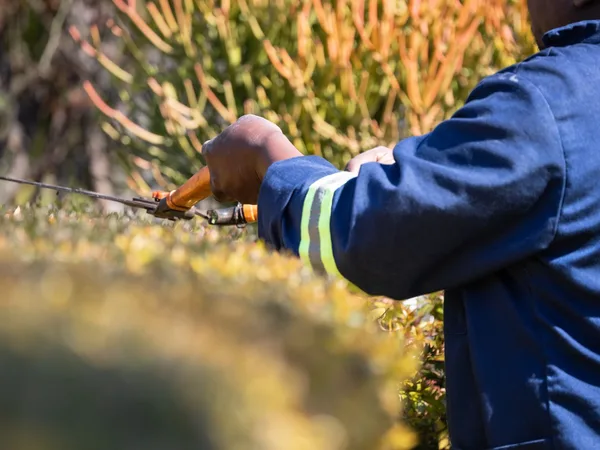
Hedges and edges trimmed
Mature trees around the apartment blocks and pathways need regular trimming; their branches drop leaves and small branches constantly, especially after wind or rain.
-
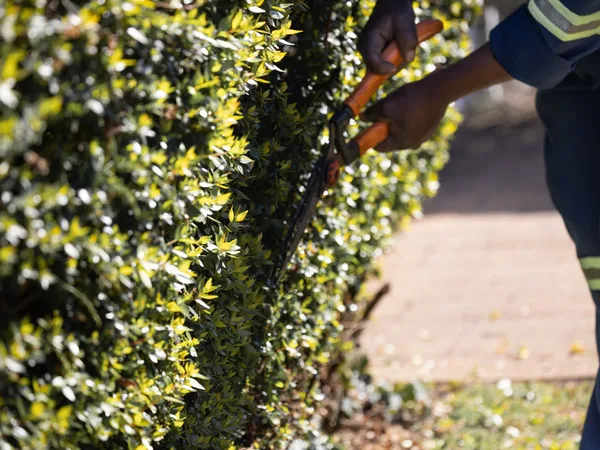
Paths and paving cleaned
Paving in shared spaces gets black mould growth from moisture and rotted leaves trapped underneath; cleaning needs brushes and water but must avoid damaging old grout and mortar joints.
-
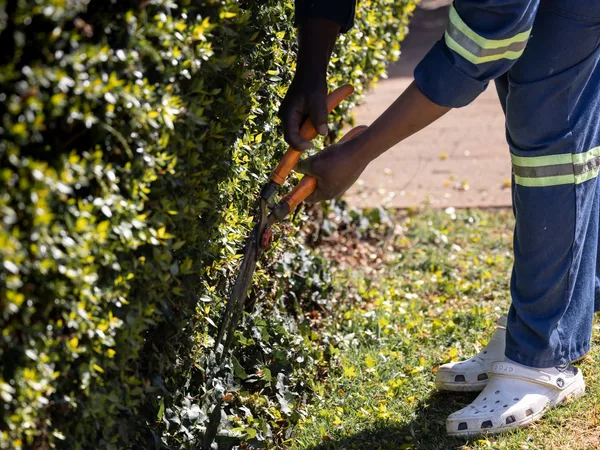
Visible irrigation checked
Old irrigation pipework in some buildings is visible and sometimes covered by leaves and soil; clearing it improves water drainage through pathways and prevents overflow after watering.
-
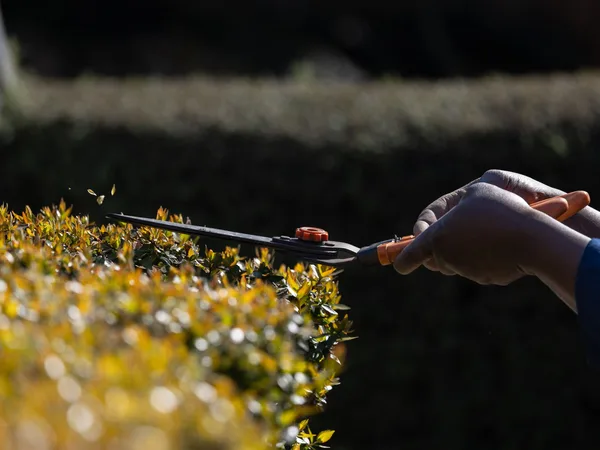
Garden furniture and seating
Metal and wooden seating in communal gathering spots corrodes from damp and mould; regular cleaning preserves appearance and structure and stops metal rusting through or wood rotting soft.
-
Waste hauled away
Heavy debris in pathways is moved carefully to preserve peace and order in the building; hauling out happens away from peak hours to minimise noise and avoid blocking entries.
Sukairinah on the map
Sukairinah sits about 0.5 km from Al Butaiha and about 1 km from Al Wusaita.
Open in Google MapsHow we work
Survey and scope
Clear and trim
Clean paths and check
Haul away and hand over
Some of our work
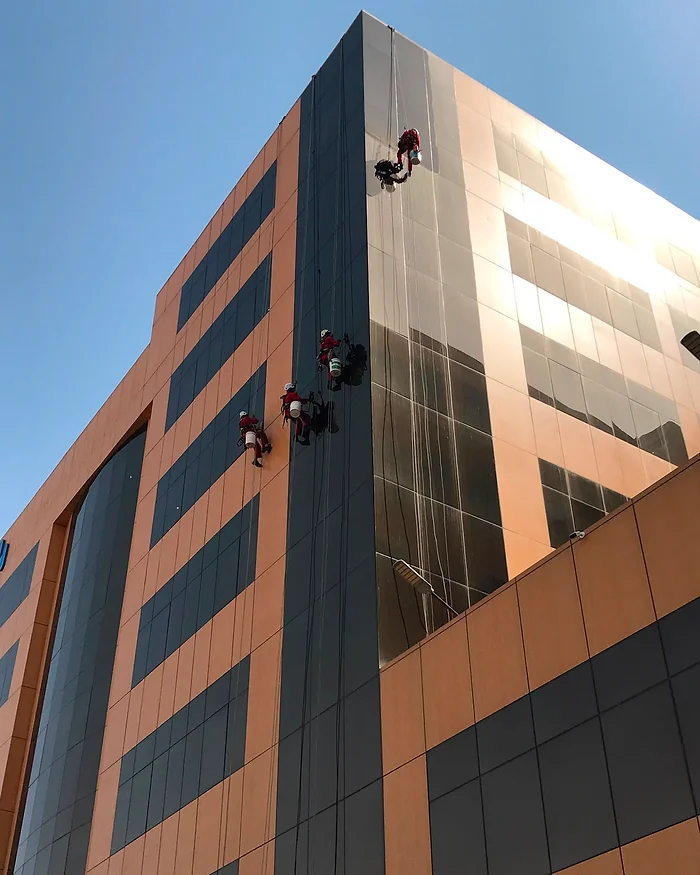
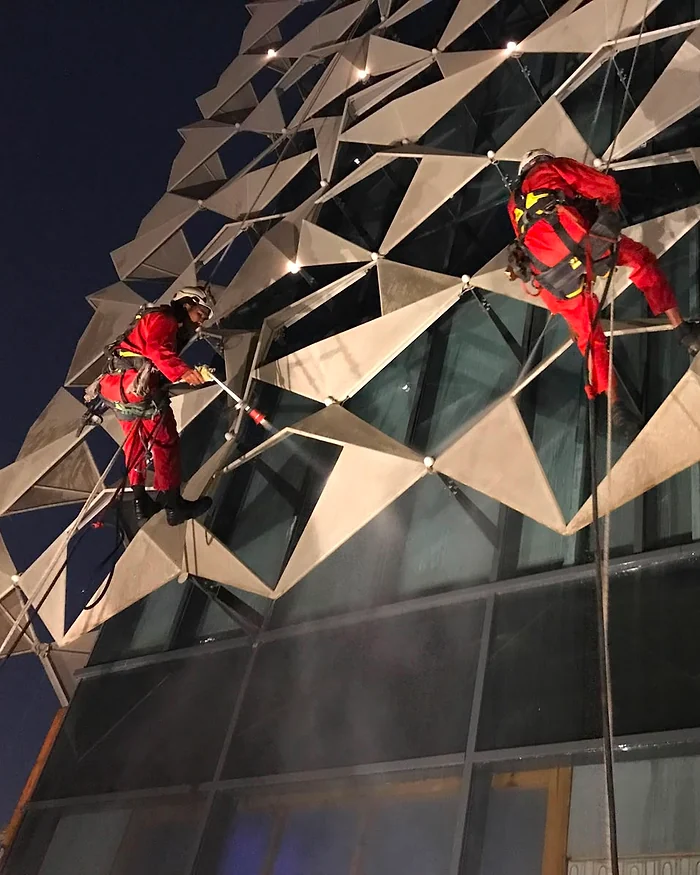
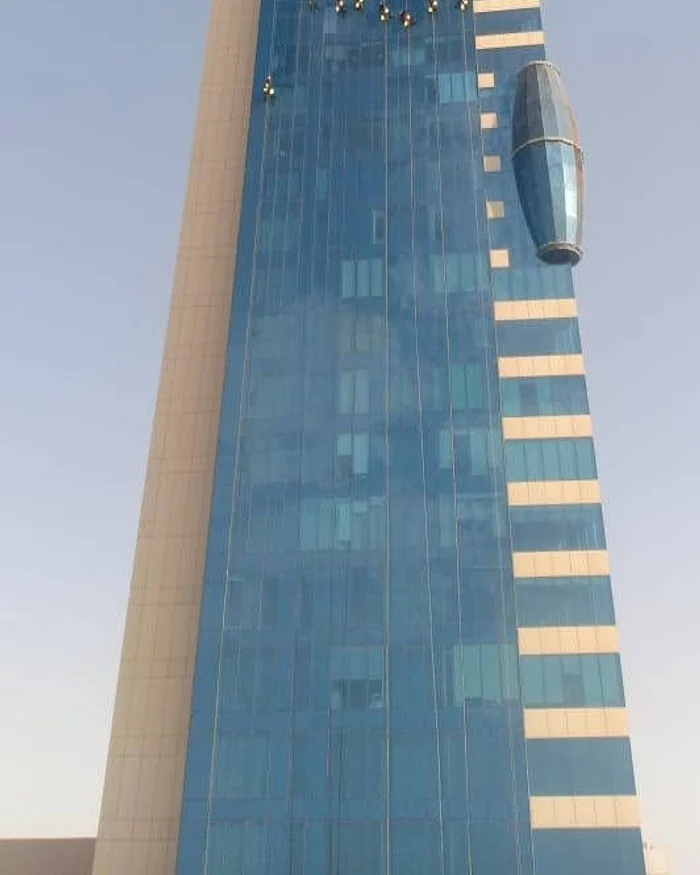
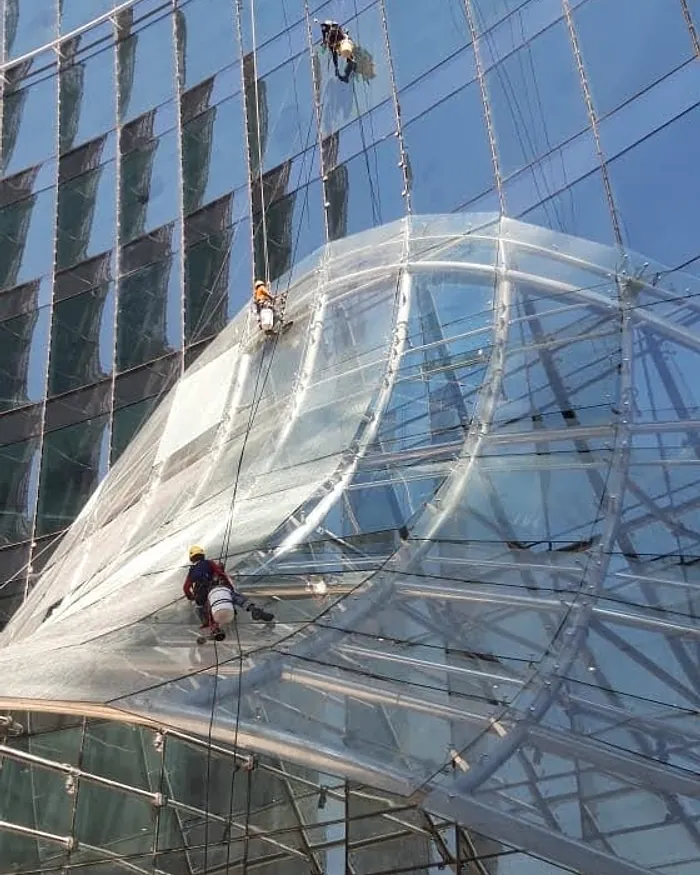
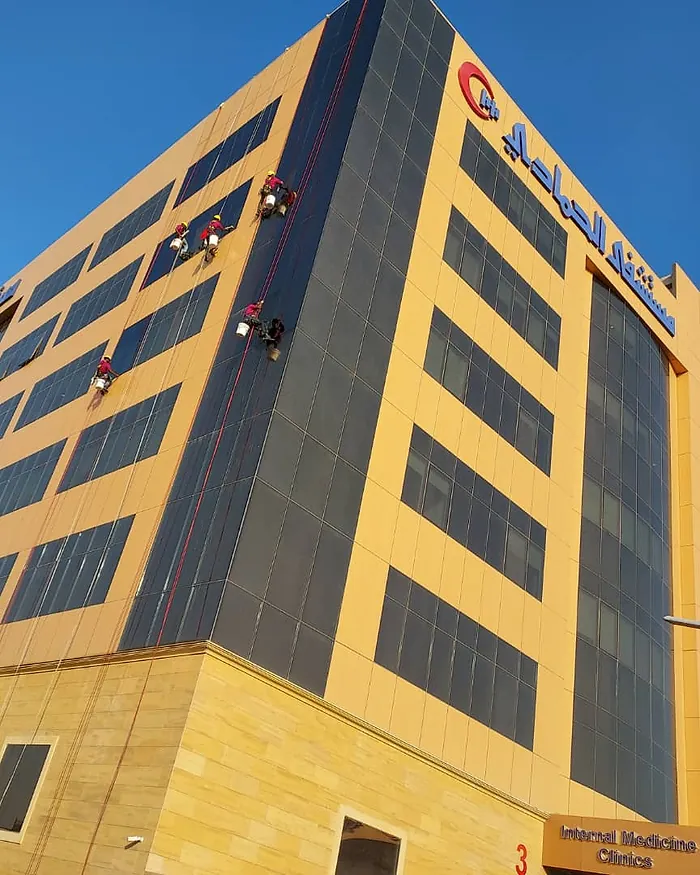
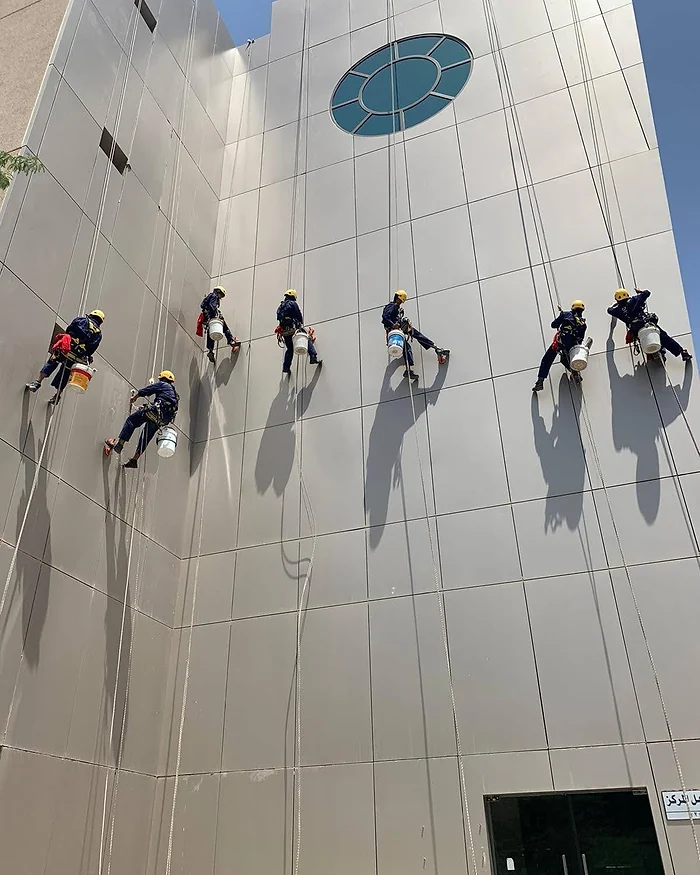
Photos from our team's work.
The character of Sukairinah
Apartment district: residential blocks, repeated floors and shared entrances
Flat units in Sukairinah share pathways and communal gardens, so clearing is not for one unit but for all the shared spaces together. We work with building management to ensure all residents are satisfied and clearing stays on a shared schedule that suits everyone.
Other services in Sukairinah
The room and the building around it are on one list.
-
Swimming pool cleaning
-
Villa cleaning
-
Chalet cleaning
-

Event cleaning
-
Sofa cleaning
-
Carpet and rug cleaning
-
Mattress cleaning
-
Curtain cleaning
-
House cleaning
-
Apartment cleaning
-
Majlis and rest-house cleaning
-
Yacht cleaning
-
Kitchen cleaning
-
Bathroom cleaning
-
Chandelier cleaning
-
Water tank cleaning and disinfection
-
Water tank waterproofing
-
Deep cleaning
-

Move-in and move-out cleaning
-
Post-construction cleaning
-
Disinfection and sanitisation
-
Pest control
-
Bed bug control
-

Office cleaning
-
Restaurant cleaning
-
Hotel and resort cleaning
-
Shopping mall cleaning
-

Retail shop cleaning
-
School cleaning
-

Nursery and kindergarten cleaning
-
Hospital cleaning
-
Clinic and medical centre cleaning
-
Mosque cleaning
-
Government facility cleaning
-
Gym cleaning
-
Sports field cleaning
-
Factory and warehouse cleaning
-
Commercial post-construction cleaning
-
Air duct and AC cleaning
-
Commercial pest control