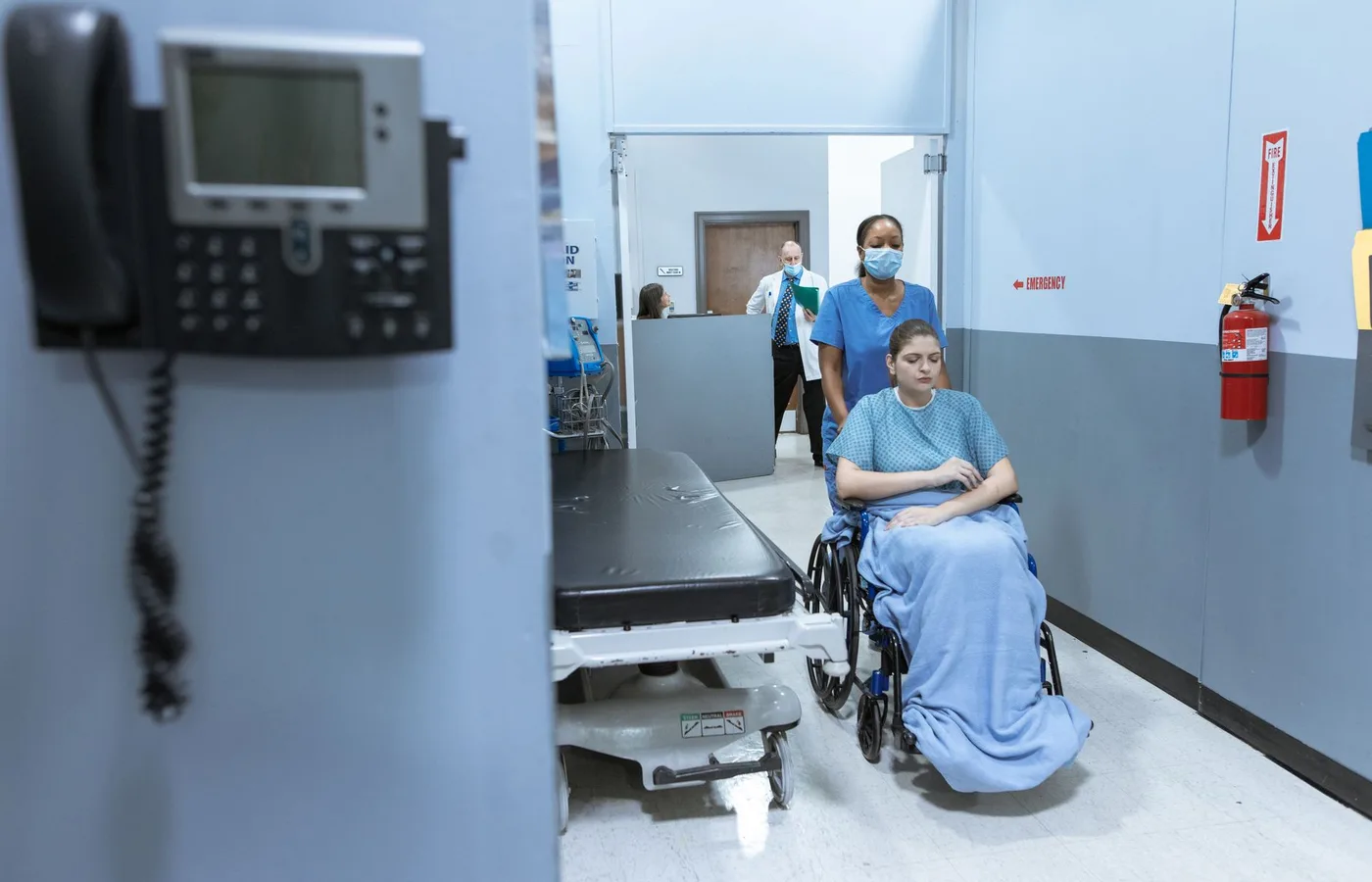
Raghwat Al Janoub Maintenance and Cleaning
Hospital cleaning in Al Amajiyah, Riyadh
Al Amajiyah is an outlying zone south of Riyadh along Kharj roads, dominated by large agricultural plots and storage facilities with scattered housing and worker camps. Hospitals and clinics here are smaller and accident wards treat cases from farm workers and families living near the farms.
Why a hospital is not an ordinary clean
-
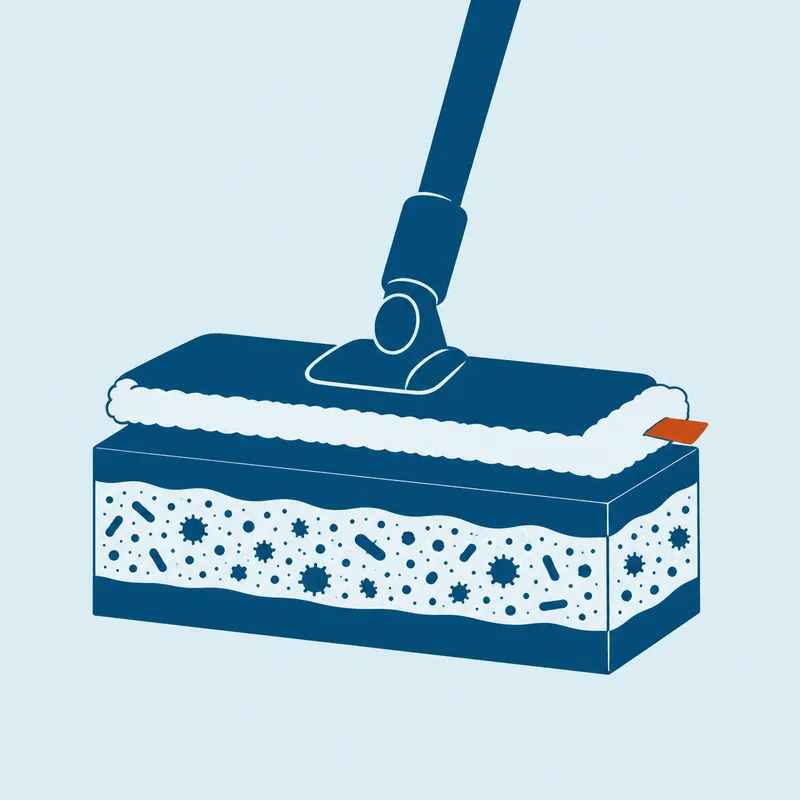
Stops infection crossing wards
We separate areas by how sensitive they are, so intensive-care tools never touch the same cloth as a toilet.
-

A record that survives inspection
Every round is logged with its time, the area covered and who did it, so you have a sheet your supervisor can produce at any regulatory visit.
-
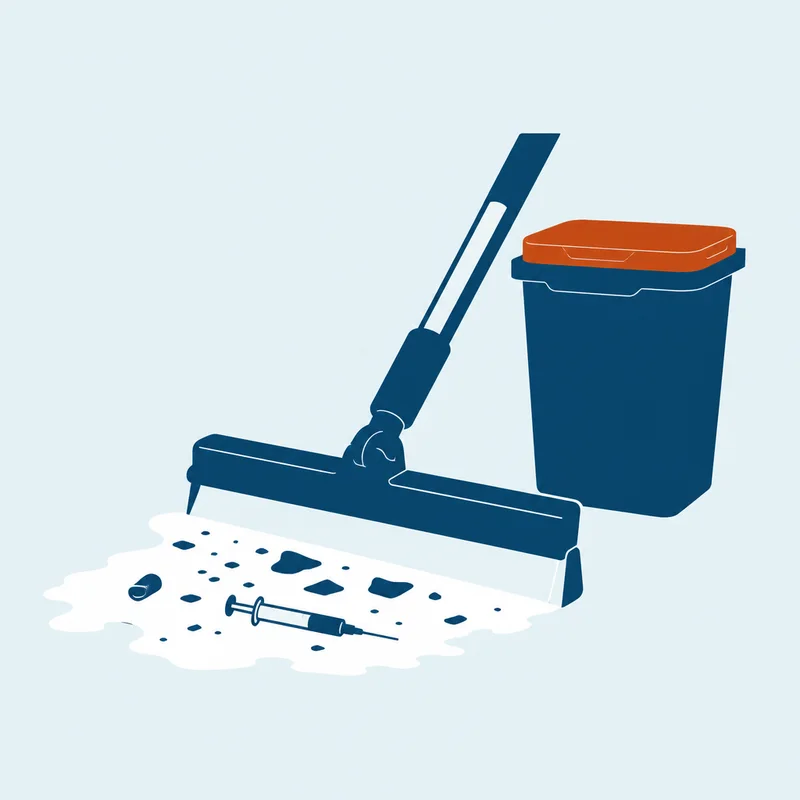
Safe clinical waste handling
We separate sharps and contaminated waste from general waste at the point it is generated, and route each stream the correct way.
-
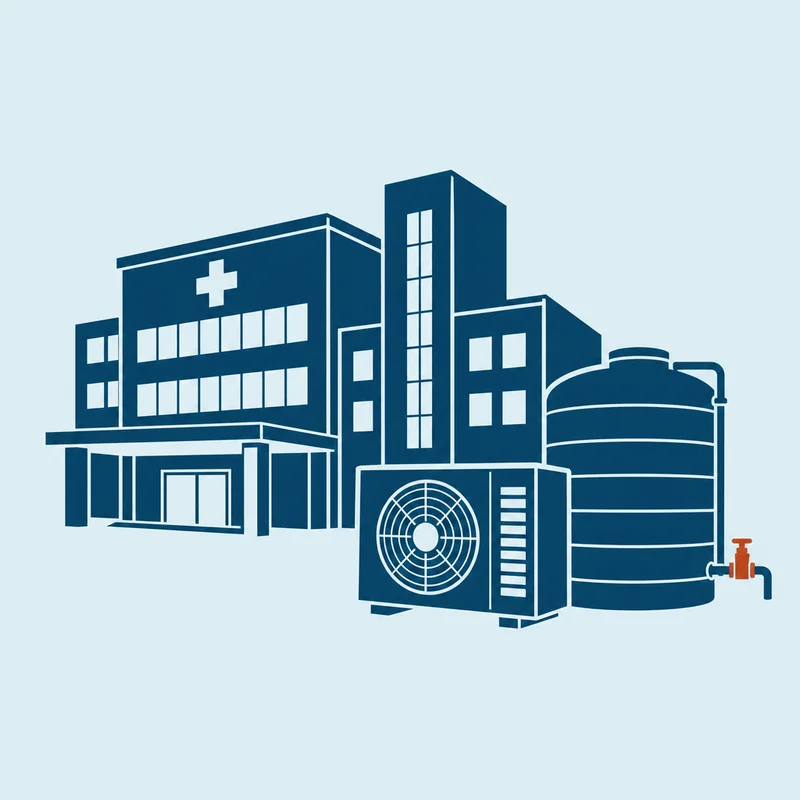
AC and tanks on a schedule
Split AC units and roof water tanks are the two things in a Saudi building that most reward a scheduled clean over a reactive one.
Why the job is different in Al Amajiyah
Small clinics in Al Amajiyah show accumulated soil and agricultural dust on floors and seating due to remote location and limited daily water supply for regular cleaning cycles. The whole method is set out in our notes on hospital cleaning.
-
Small clinics in a remote agricultural zone
Al Amajiyah spreads across wide fields and livestock compounds, and its small clinics serve farm workers and families living near the plots. Spaces are limited, departments are few, and soil and agricultural dust accumulate fast, calling for repeated cleaning cycles.
-
Injuries from farm work and damp soil residue
Many cases arrive from wheat and vegetable fields and livestock facilities, leaving soil, manure and damp earth on floors and seating. This differs from dry dirt because wet soil can settle and smell if not cleaned at once.
-
Limited services and logistical challenges in reaching the area
The zone lies far from the city centre and the route to clinics can be long, and the low water supply available for daily cleaning means crews cannot visit easily every day. This calls for a strong weekly schedule rather than frequent spot visits.
What's Included
Al Amajiyah stretches along old and new Kharj roads far from the city centre, and surrounding fields and farms mean clinics receive cases from farm injuries plus agricultural soil and dust settling on patients' clothes and medical equipment.
-
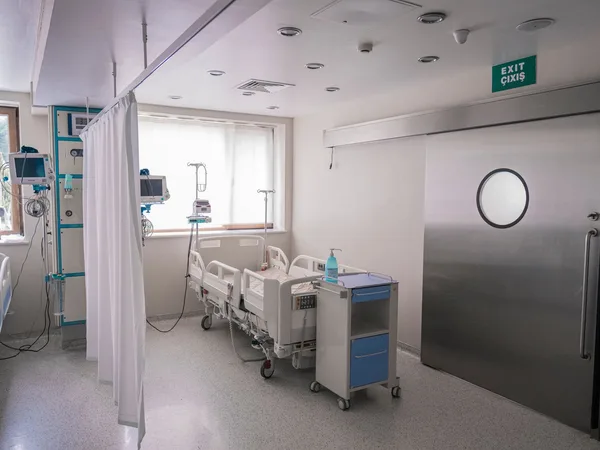
Zoning by sensitivity
Surface testing at Al Amajiyah clinics focuses on damp soil and manure that may carry bacteria, not just dry dirt.
-
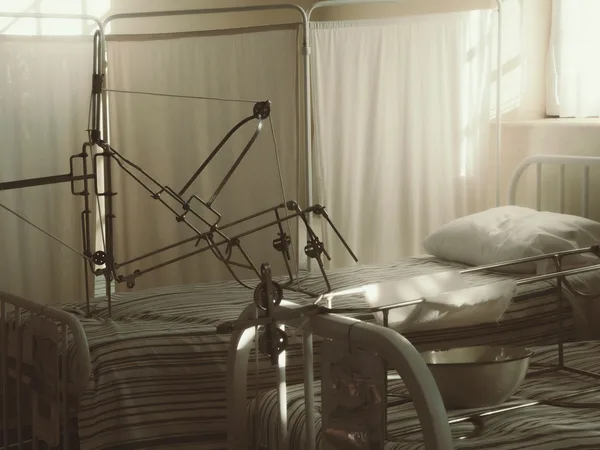
Colour-coded equipment
Equipment is chosen to handle heavy wet soil before mopping and final rinsing.
-
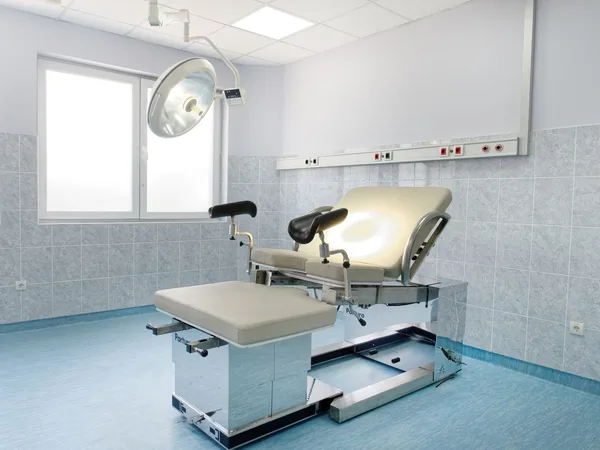
High-frequency touch points
Emergency wards in small clinics are cleaned on a stronger weekly schedule than other internal sections.
-
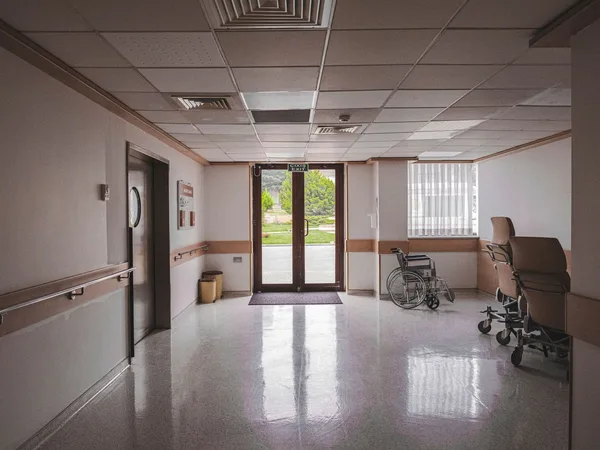
Clinical waste streams separated
Waiting areas and entrances need special focus because workers enter in farm boots caked with agricultural soil.
-
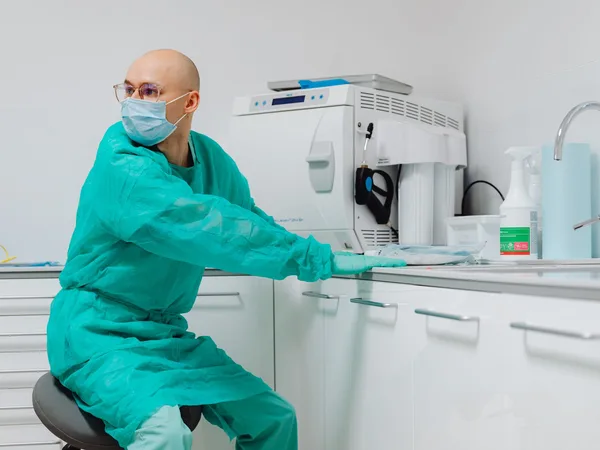
Terminal room cleans
Water and solutions are brought from outside the zone because clinic supplies are limited and may not cover regular cleaning.
-
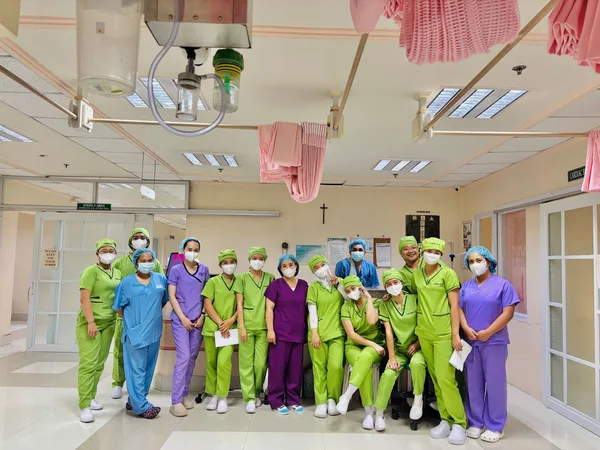
Every round logged
Ventilation and drying after cleaning are vital because soil-caused humidity can trap odours in the wards.
The character of Al Amajiyah
Rural area: farms, open ground and scattered homes
Al Amajiyah is a remote agricultural zone far from the centre, and clinics are very small serving farm workers and surrounding families, needing strong weekly schedules and equipment and water brought in from outside the zone.
How we work
Visit and assess
Plan and schedule
Run the rounds
Check and hand over
Some of our work
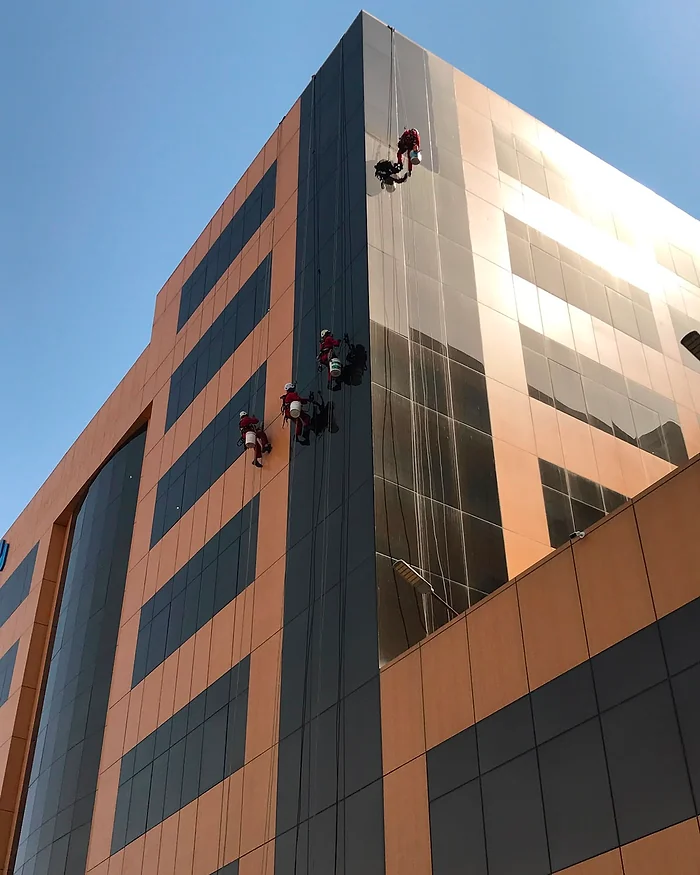
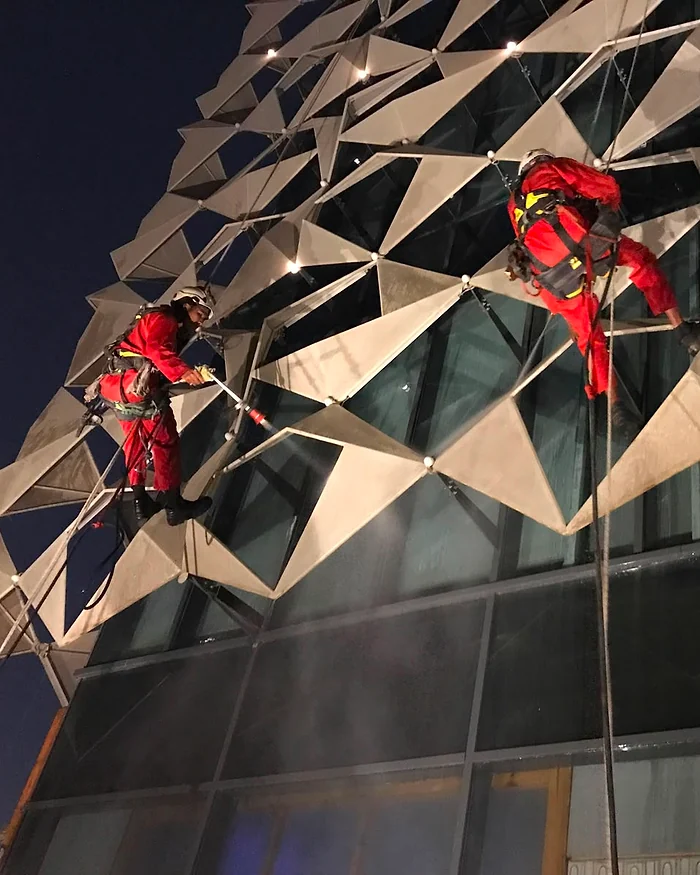
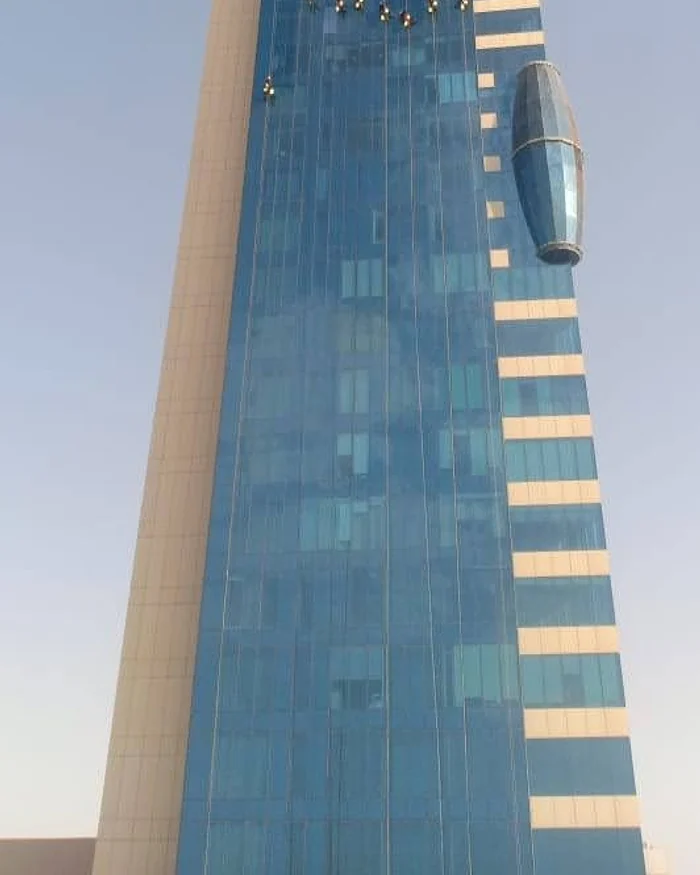
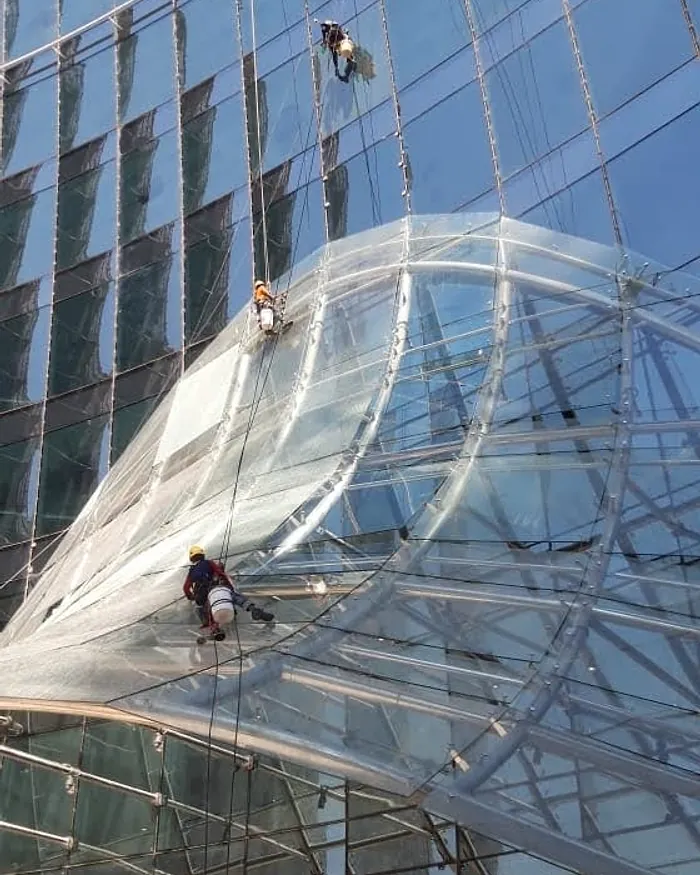
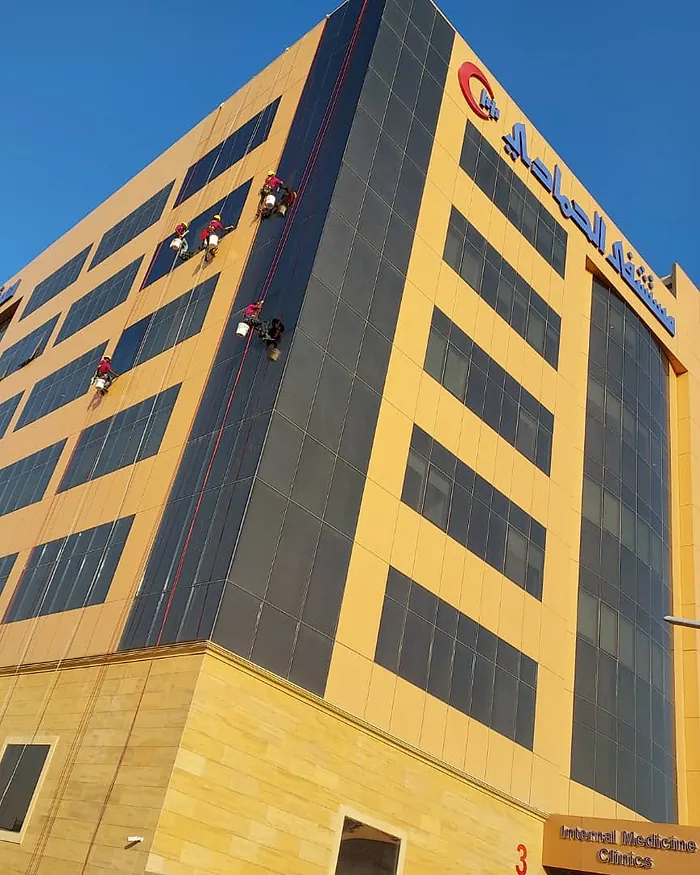
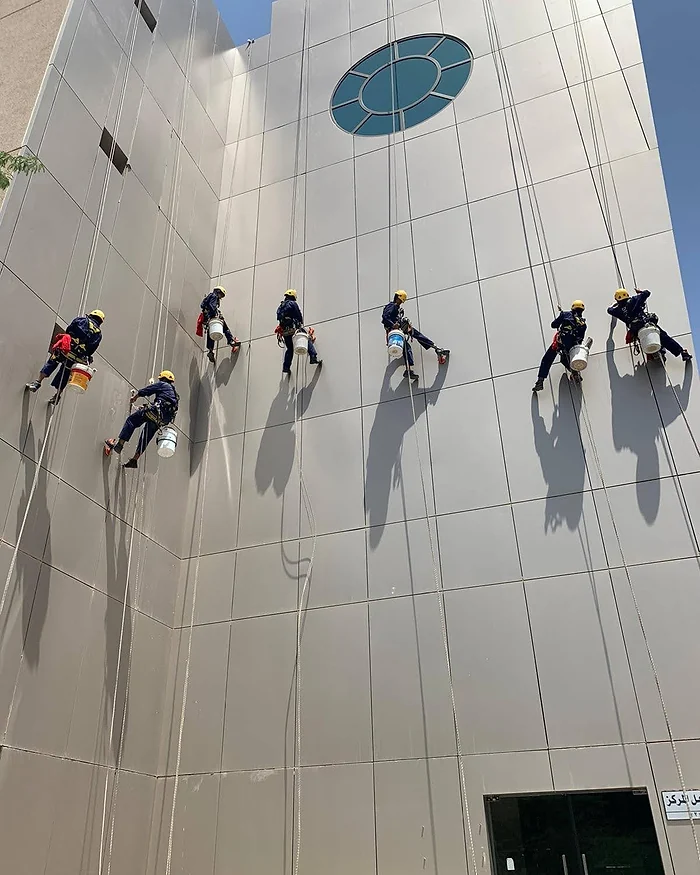
Photos from our team's work.
Landmarks of Al Amajiyah
Crews schedule visits using Old Kharj Road and New Kharj Road plus Al Yamamah Lake chalets and Watani Steel plant as guides, coordinating clinic visits without delays between appointments.
- Old Kharj Road
- New Kharj Road
- Al Yamamah Lake chalets
- Watani Steel plant
Other services in Al Amajiyah
The room and the building around it are on one list.